


 03 9070 5784
 Help & Support
 Track My Order



Recently Viewed


 Olympia Cafe Latte Cup Charcoal - 340ml (Box 12) - GL488
80(W) x 115(H) x 80(D)mm
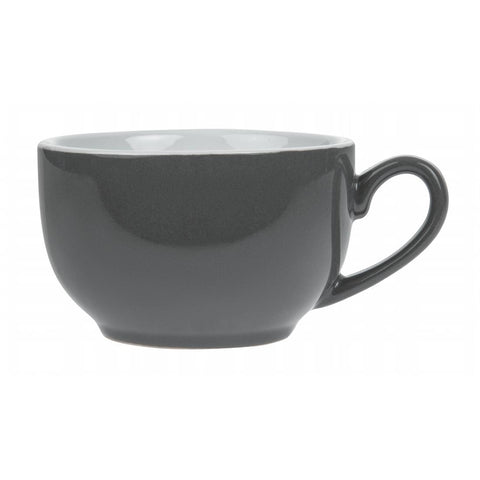
 Olympia Cafe Coffee Cup Charcoal - 230ml (Box 12) - GK075
60(W) x 90(H) x 60(D)mm
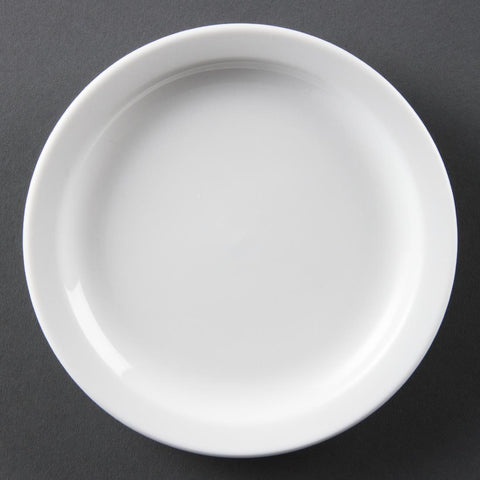
 Olympia Whiteware Narrow Rimmed Plates 150mm (12 Pack) - CB486
150(W) x 20(H) x 150(D)mm
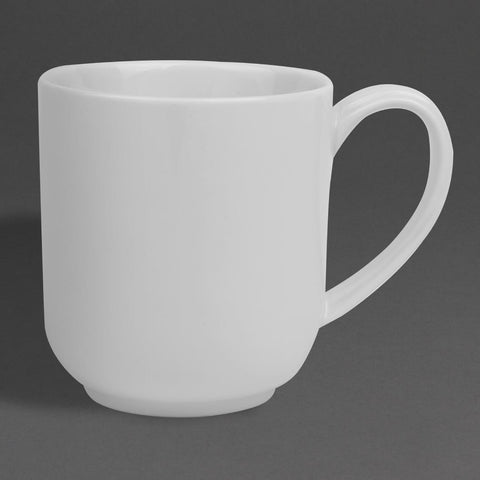
 Olympia Whiteware Large Rounded Mugs 410ml (6 Pack) - HY541
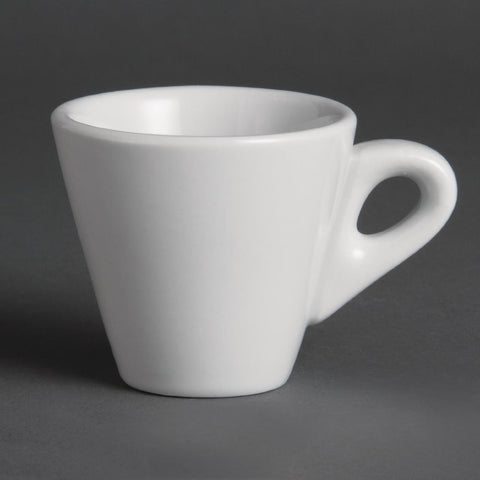
 Olympia Whiteware Conical Espresso Cups 60ml (12 Pack) - Y111
62(W) x 58(H) x 80(D)mm
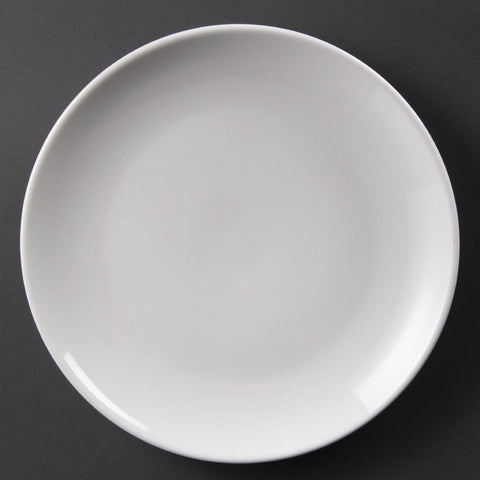
 Olympia Whiteware Coupe Plates 250mm (12 Pack) - U079

 Olympia Whiteware Coupe Plates 180mm (12 Pack) - U076

 Olympia Whiteware Coupe Plates 200mm (12 Pack) - U077
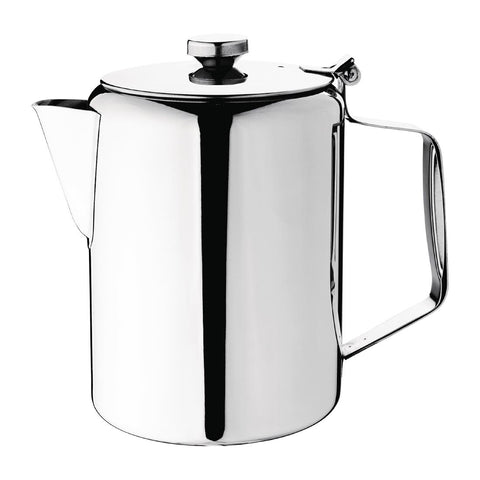
 Olympia Concorde Stainless Steel Coffee Pot 2Ltr - K749
210(W) x 190(H) x 125(D)mm
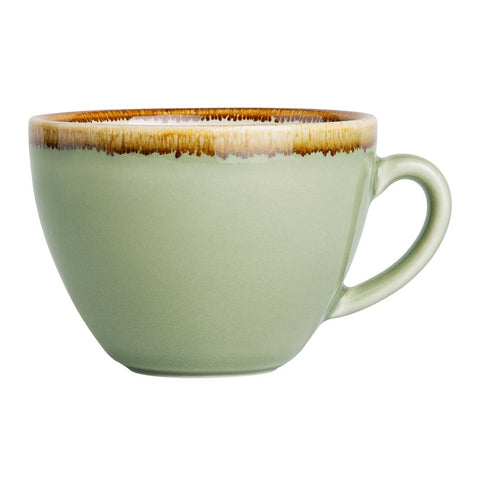
 Olympia Kiln Coffee Cups Moss 228ml - GP478
40(W) x 68(H) x 40(D)mm
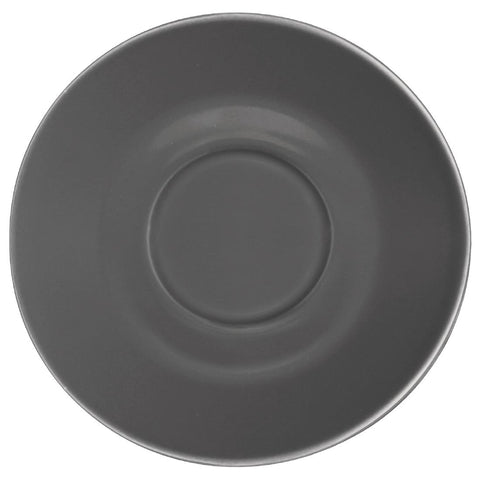
 Olympia Cafe Saucer Charcoal (Fits GK075 & GK078) - 158mm (Box 12) - GL049
155(W) x 20(H) x 155(D)mm
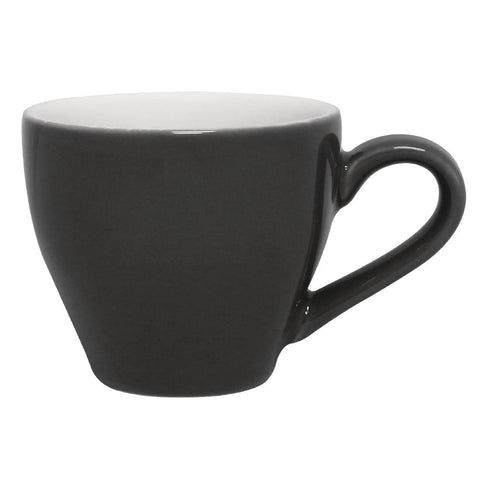
 Olympia Cafe Espresso Cup Charcoal - 100ml (Box 12) - GK072
65(W) x 60(H) x 65(D)mm
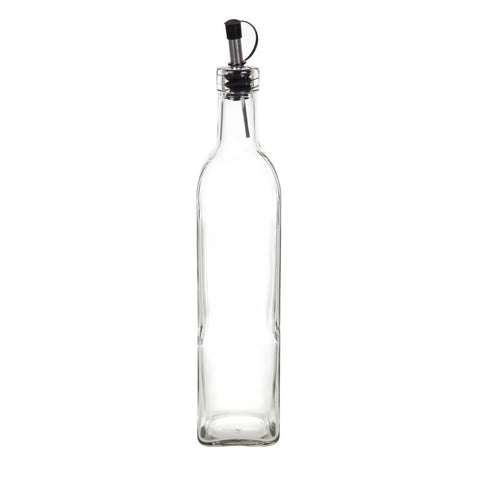
 Olympia Olive Oil and Vinegar Bottle 500ml - GG927
57(W) x 305(H) x 57(D)mm
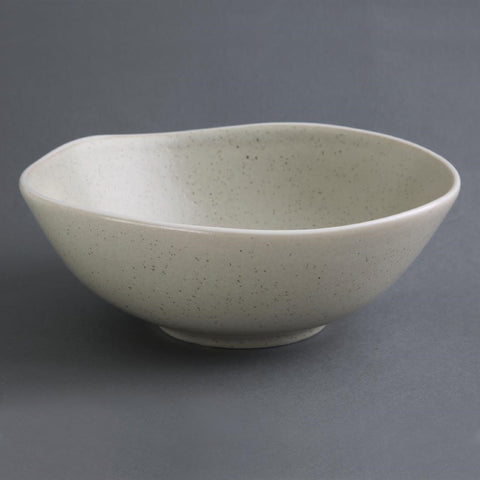
 Olympia Chia Deep Bowls Sand 210mm - DR809
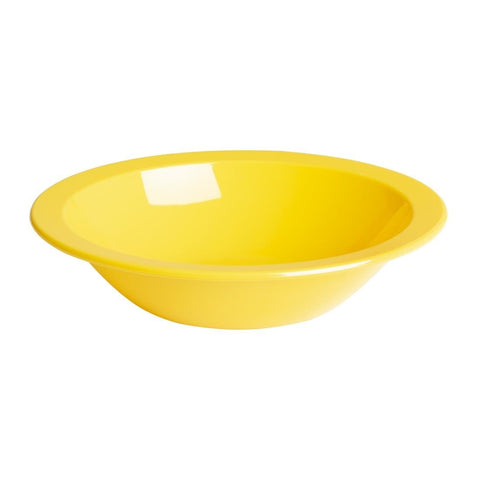
 Olympia Kristallon Polypropylene Bowls Yellow 174mm (12 Pack) - CB771
174(W) x 41.5(H) x 174(D)mm
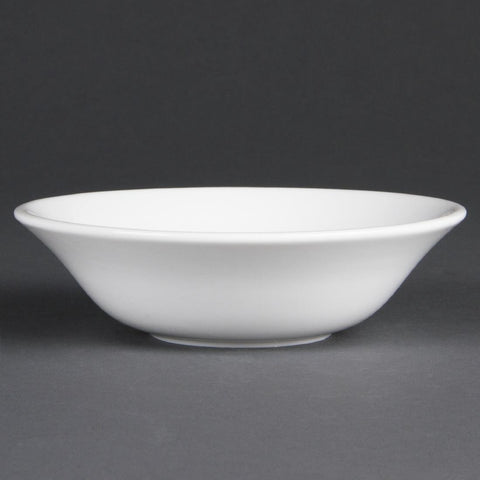
 Olympia Whiteware Oatmeal Bowls 150mm 300ml (12 Pack) - CB475


 TéVera Tea Brewer - CS-TB5S
262(W) x 590(D) x 767(H)mm
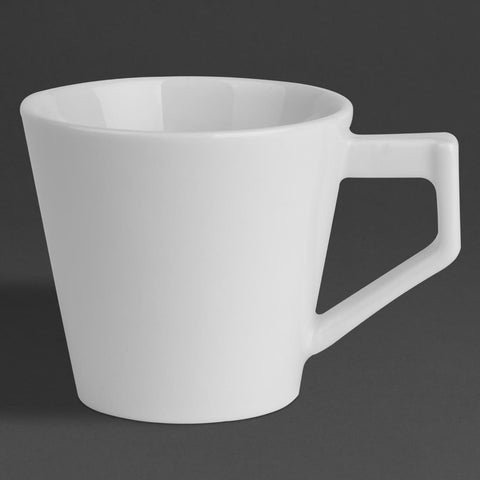
 Olympia Whiteware Deco Cups 150ml (6 Pack) - HZ868
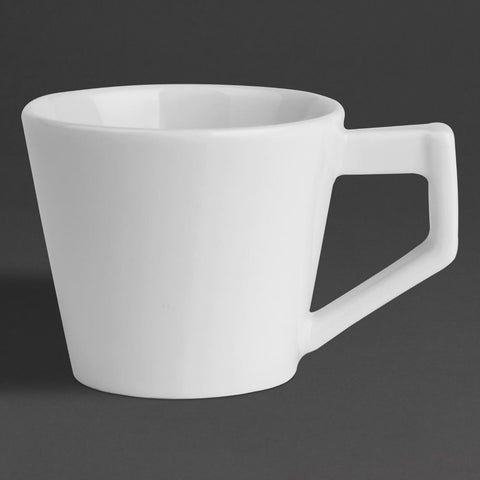
 Olympia Whiteware Deco Cups 80ml (6 Pack) - HZ867
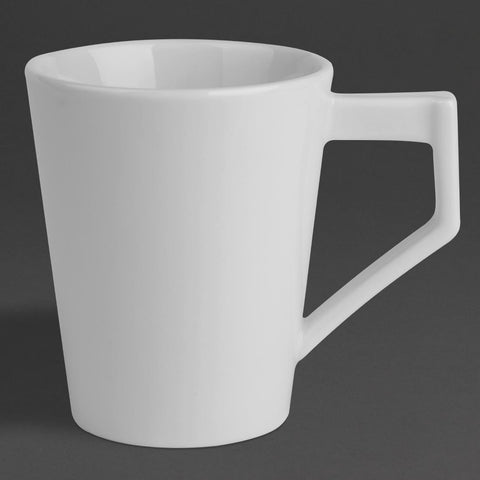
 Olympia Whiteware Deco Cups 300ml (6 Pack) - HZ865

 Olympia Whiteware Deco Teapot 820ml (2 Pack) - HZ864
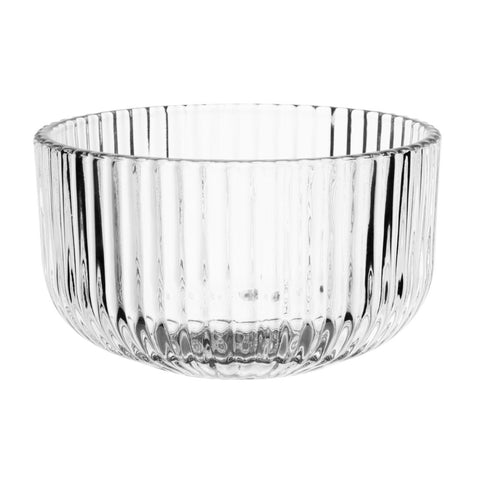
 Olympia Round Ridged Glass Snack Bowls (6 Pack) - HZ337
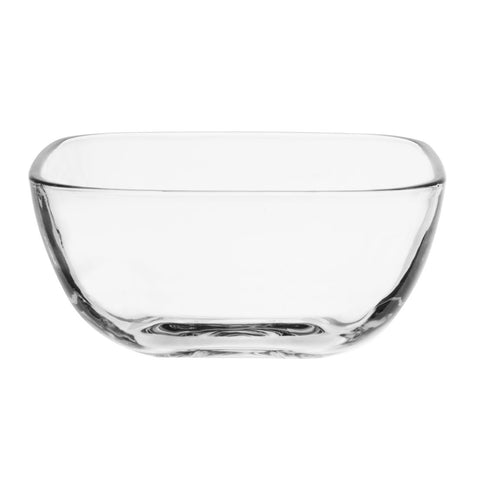
 Olympia Square Glass Low Snack Bowls (6 Pack) - HZ335
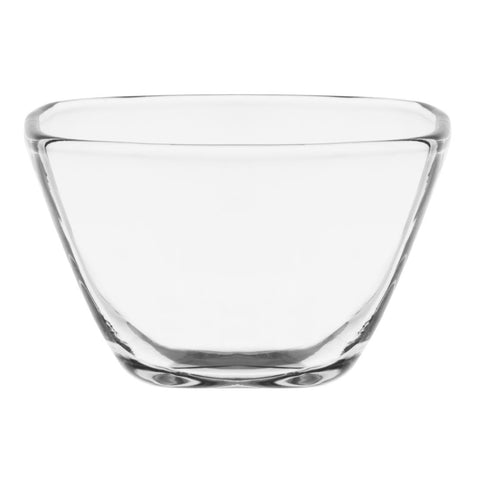
 Olympia Square Glass Tall Snack Bowls (6 Pack) - HZ334

 Olympia Whiteware Low Mugs 220ml (12 Pack) - HY540
84(W) x 74(H) x 118(D)mm

 Olympia Whiteware Flat White Cups 170ml (12 Pack) - HY539
86(W) x 60(H) x 112(D)mm
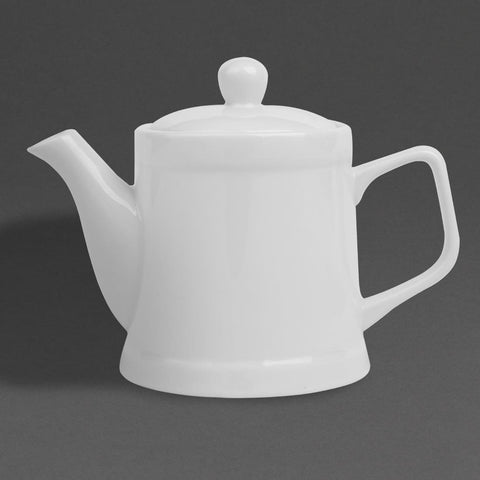
 Olympia Whiteware Pier Teapot 500ml (2 Pack) - HY548
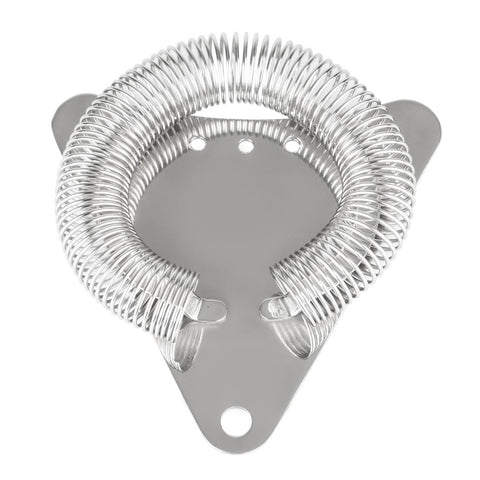
 Olympia Barware Triangular Stainless Steel Strainer - HY126
105(W) x 22(H) x 120(D)mm
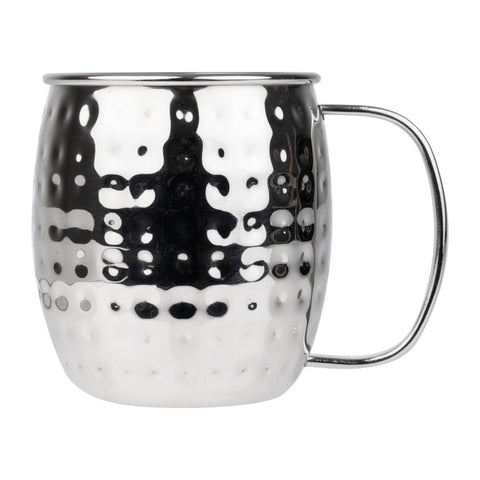
 Olympia Barware Hammered Stainless Steel Mugs 440ml - HY113
85.5(W) x 94(H) x 116(D)mm
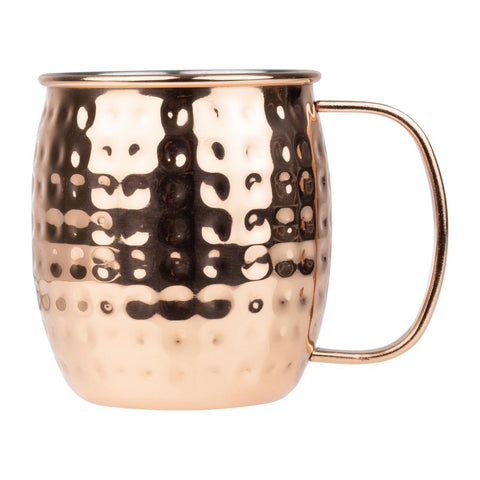
 Olympia Barware Hammered Stainless Steel Copper Coated Mugs 440ml - HY114
85.5(W) x 94(H) x 116(D)mm
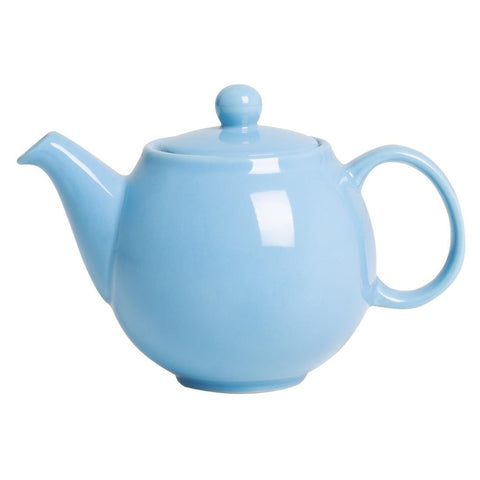
 Olympia Café Teapot Blue 450ml (2 Pack) - HX798

 Olympia Café Teapot Red 450ml (2 Pack) - HX795
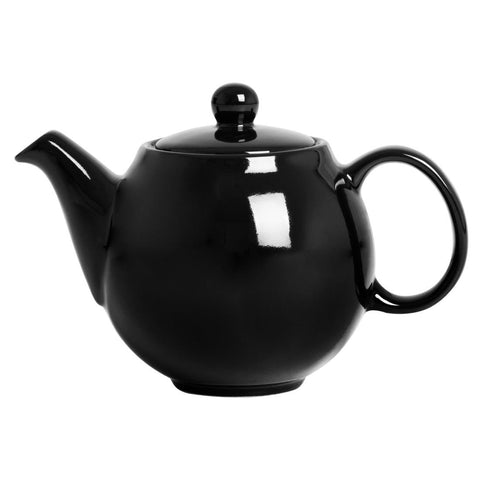
 Olympia Café Teapot Black 450ml (2 Pack) - HX799
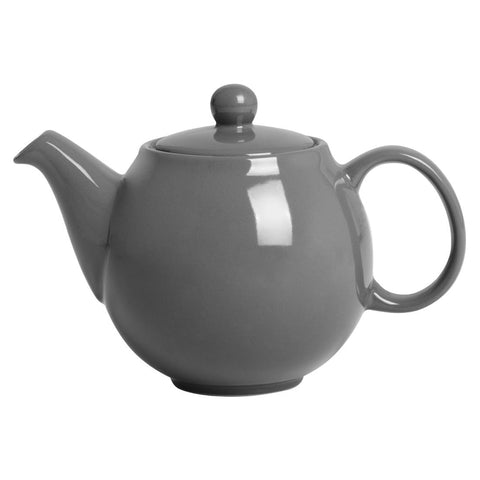
 Olympia Café Teapot Charcoal 450ml (2 Pack) - HX797
112(W) x 123(H) x 182(D)mm
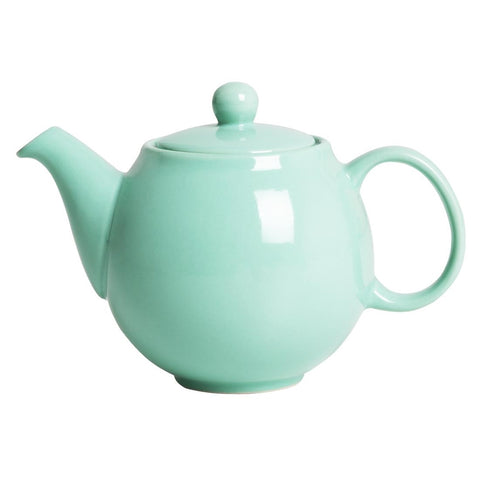
 Olympia Café Teapot Aqua 450ml (2 Pack) - HX796
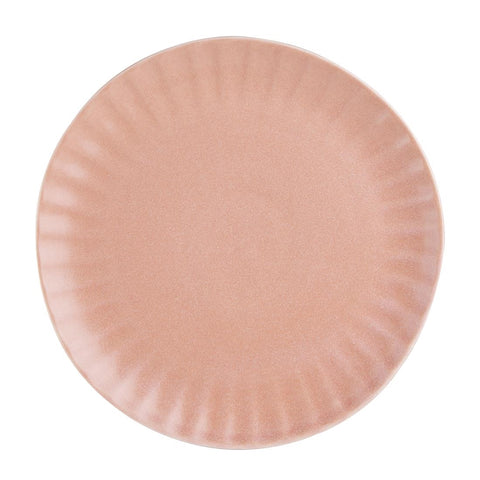
 Olympia Corallite Plates Peach - 280mm (6 pack) - FU212
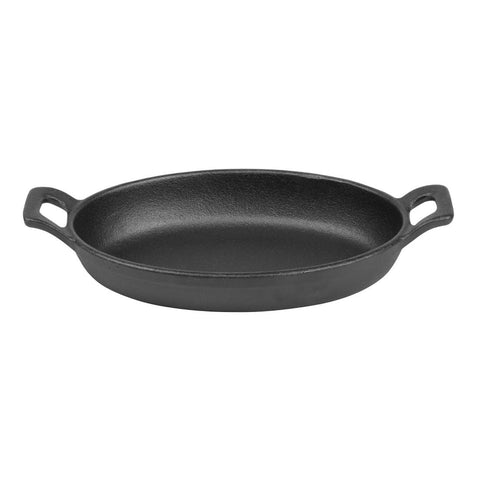
 Olympia Cast Iron Oval Eared Dish 180x120mm - FW818
120(W) x 30(H) x 180(D)mm
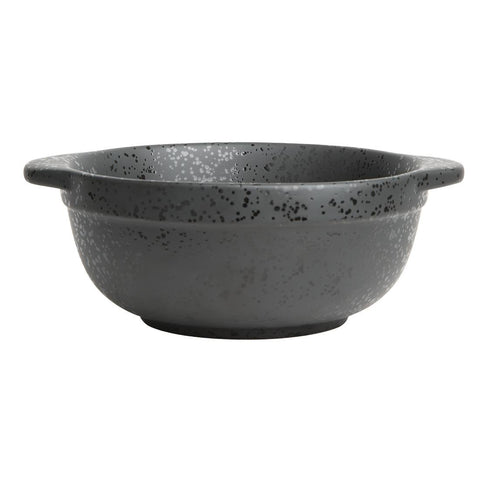
 Olympia Fusion Eared Bowls 640ml (4 pack) - HP856
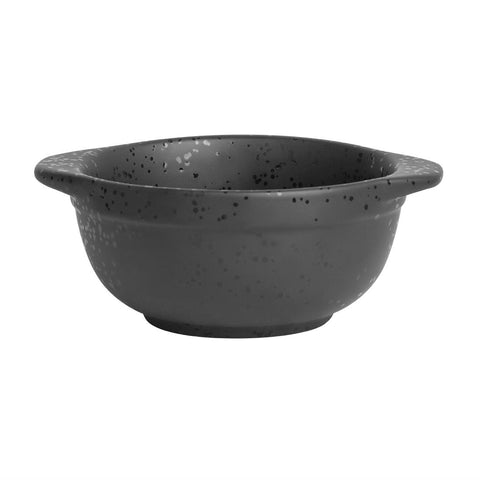
 Olympia Fusion Eared Bowls 250ml (6 pack) - HP855
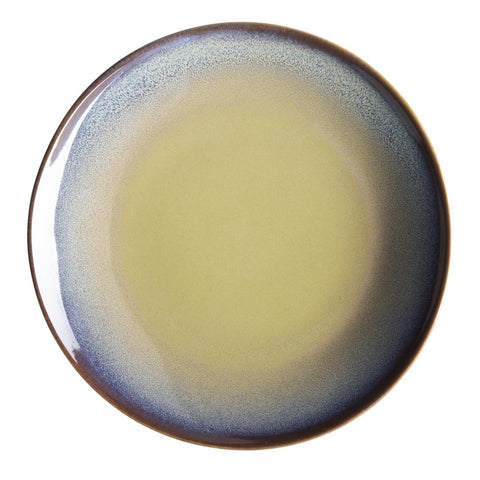
 Olympia Birch Aubergine Coupe Plates - 270mm (6 Pack) - DZ697
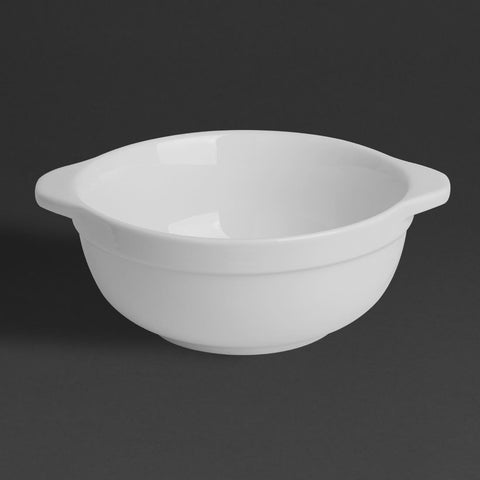
 Olympia Whiteware Eared Bowls 640ml (4 Pack) - HP854
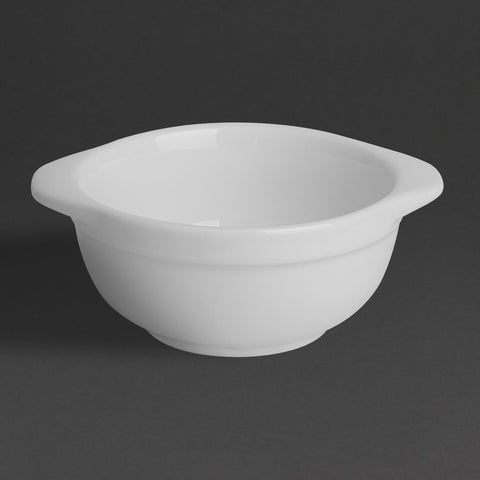
 Olympia Whiteware Eared Bowls 250ml (6 Pack) - HP853
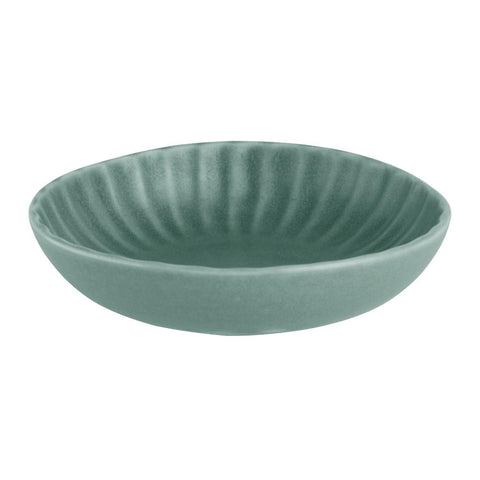
 Olympia Corallite Coupe Bowls Green - 160mm (6 Pack) - FU211
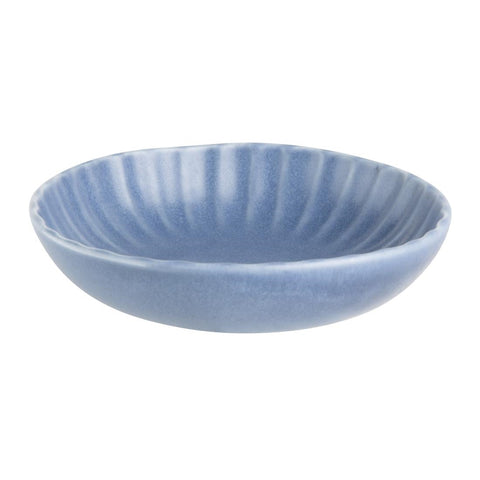
 Olympia Corallite Coupe Bowls Blue - 160mm (6 pack) - FU205
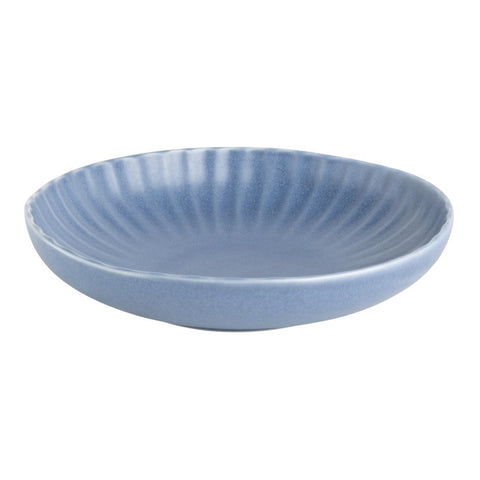
 Olympia Corallite Coupe Bowls Blue - 220mm (6 pack) - FU203

 Olympia Corallite Deep Bowls Green - 105mm (12 Pack) - FU210

 Olympia Corallite Coupe Bowls Peach - 220mm (6 Pack) - FU215
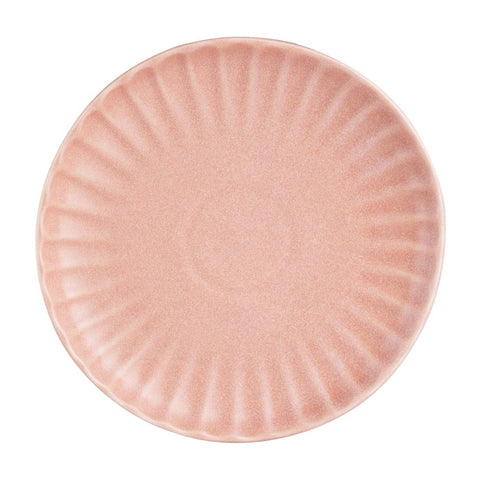
 Olympia Corallite Plates Peach - 205mm (6 pack) - FU213
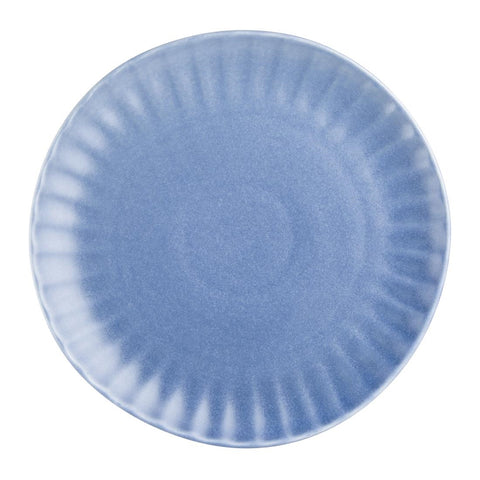
 Olympia Corallite Plates Blue - 280mm (6 pack) - FU200
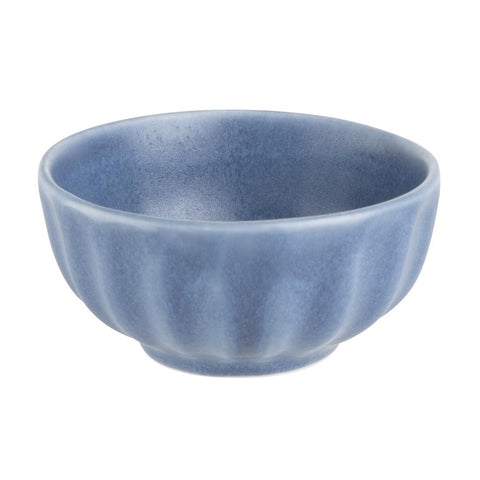
 Olympia Corallite Deep Bowls Blue - 105mm (12 pack) - FU204
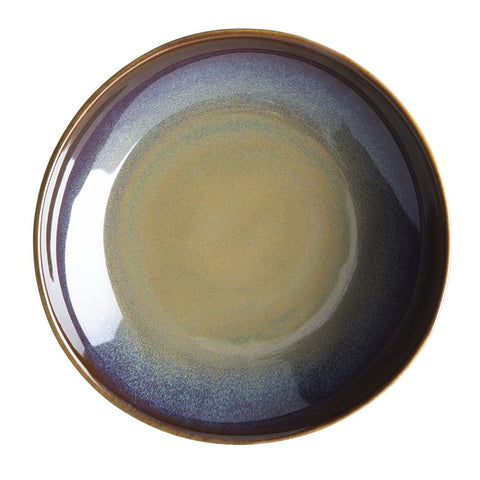
 Olympia Birch Aubergine Wide Bowls - 205mm (6 pack) - DZ698

 Olympia Corallite Deep Bowls Peach - 105mm (12 Pack) - FU216
Crockery is the plates, bowls, cups and saucers the food is actually served on, and Olympia is one of many brands that offer many options and designs to choose from. The Whiteware line is plain white hotelware with the widest choice of shapes, from coupe and wide rimmed plates through to square plates, bowls, ramekins, pie dishes, teapots and saucers.
Athena is white hotelware sold in stacking place settings and cup and saucer sets. Kiln, Cafe, Lumina and Chia are the glazed and coloured patterns. Kristallon is polypropylene and melamine rather than china, so it does not smash. Brew offers small coffee cups, and Carlisle offers clear and black square bowls for buffet service.
Plates and bowls are the largest part of it. Dinnerware plates and dinnerware bowls between them cover round, coupe, square, rimmed, pasta, salad, rice, ramekin and dipping shapes in a long list of sizes. Espresso cups holds the espresso cups, mugs, flat white cups, latte cups and their saucers.
Commercial teapots covers china pots, stainless pots and coffee pots, with strainers and infusers alongside them, and soup bowls covers the rimmed and pasta shapes for anything served wet. Glasses are in drinkware, and knives and forks are in cutlery.
Vitrified china is fired hot enough that the body itself goes glassy and takes on almost no water. That is what hotelware means, and it is why a commercial plate feels heavier and tougher than something from a homewares shop. Porcelain is finer and whiter and can look better on a table, but a thin rim is easier to chip.
Melamine and polypropylene are plastics, so they don't break. That makes them the sensible choice for poolside service, functions, kids menus, aged care and anywhere a dropped plate is a genuine hazard. They will scratch and dull over the years, they don't hold heat the way china does, and they can't go in an oven or under a salamander.
Rims and feet, nearly always. A plate rarely breaks in the middle. It gets chipped on the edge going into a stack, knocked against a tap or a bench edge at the wash-up, or nicked on the foot when it is dragged across another plate.
Buy plates with a rolled or reinforced edge, because a heavier plate with a thicker rim will outlast a fine one on a busy pass. Most of the damage still comes from handling, so racks in the dishwasher instead of loose stacks, a rubber mat where the plates land, and nobody carrying eight at a time will cut the breakage bill further than paying more per plate does.
Ask that question before the first order, because pieces get replaced for as long as the venue is open. A pattern still in production means you can top up six plates at a time and they will match what is already on the shelf. A discontinued pattern means a mismatched pass, or buying the whole set again.
Choose an established white hotelware line for the best odds. Whiteware and Athena have been made in the same shapes for a long time, they come in plenty of sizes, and the pieces are sold in packs that can be reordered one box at a time. If you choose a coloured pattern, order deeper on it up front, and contact REO to check availability before you build a menu around it.
More than the first order. Crockery is a running cost like gloves or cling wrap, and a busy venue can replace a fair share of its plates every year without anything unusual happening. Budget for it from the start.
REO prices on crockery are sharp, and one pattern bought in quantity from one supplier costs less than a box here and a box there. You get the volume price, and you're not chasing three suppliers the week you need six bowls. Keep a shelf of spares in the storeroom so one bad night does not send you shopping.
Commercial china is made for it, so plates, bowls and cups will go through a dishwasher or glasswasher day after day for years. What shortens their life is the handling around the machine, and the detergent if the dosing is out. Detergent that is too strong will dull a glaze and fade a printed pattern over time, and the wrong rinse aid leaves a film that looks like the plates have not come clean.
Melamine needs more attention. It's fine in a commercial machine, but very hot washes over a long period will take the shine off it, and it can pick up stains from tomato and turmeric. Load it so it cannot flip over and fill with water.
Most crockery stacks, and the shape of the rim decides how well. Coupe plates and stacking bowls nest tightly and take up very little shelf. Wide rimmed plates sit rim on rim, so a stack of those takes more room and gets unstable sooner. Cups and mugs made for stacking say so in the name, and stacking ramekins are worth having if the menu runs a lot of sauces and sides.
Keep the stacks short. The weight grinds the glaze against the foot ring above it and puts fine scratches through the middle of a plate, and a stack above head height at the pass will eventually come down. Use more shelves and fewer plates per stack, with plate racks in the dish area.
Some pieces can, so check the piece before you assume. Pie dishes, eared dishes, roasters and ramekins are made to be cooked in and served from. Standard plates and bowls are made to hold food rather than to be baked, and what cracks them is thermal shock — a cold plate straight under a salamander, or a hot dish put down on a wet steel bench.
Use a plate warmer for service. It brings the plates up gently and holds them there, so hot food arrives hot without putting china through anything harsh. Melamine and polypropylene don't go in an oven, under a grill or in a microwave at all.
Work backwards from the drinks on the menu. An espresso cup, a flat white cup, a cappuccino cup with its saucer and a mug will cover a normal cafe list. Saucers are made to fit specific cups, so match them by the code on each piece rather than by eye. Latte cups and latte glasses are separate again.
Buy more cups than you think you need, especially the small ones. Espresso and flat white cups turn over fastest, they are the ones knocked at the machine, and a busy morning will have every cup either in use or in the wash. Two sittings worth is not too many. Teapots run to a slower rhythm, so a handful of pots and a couple of strainers usually does it.
Cutlery and glassware first, then the service pieces that finish a table. Cruets, salt and pepper shakers, oil and vinegar bottles, sugar bowls, milk jugs and condiment holders all get bought late and then rushed. Buy a box of dipping pots and soy dishes if anything on the menu comes with a sauce.
Then the wash-up side. Plate and cup racks that suit your machine, a rubber mat where the plates land, and somewhere sensible to stack what comes back at the end of service. If you cater or run functions, order the buffet pieces such as risers and chafing dishes at the same time as the plates, while everything can still be matched.

We have a special page just for stock that's warehoused in Perth.
Click Here to see all WA stockWhat our customers say about us on Google, and how Google scores our store for things like shipping and returns.
Store scores from Google