


 03 9070 5784
 Help & Support
 Track My Order



Recently Viewed

 Skymsen Citrus Juicer - CES0001
195(W) x 380(H) x 340(D)mm

 Yasaki Heavy Duty Powerful Motor Citrus Juicers CJ-50AH
375(W) x 200(D) x 400(H)mm

 Ceado Centrifugal Juicer Medium Duty - CJC0500
242(W) x 512(H) x 495(D)mm
 Ceado Centrifugal Juicer Heavy Duty - CJC0700
290(W) x 512(H) x 538(D)mm
 Ceado Citrus Juicer Lever Operated - CEL1098
190(W) x 360(H) x 300(D)mm

 Yasaki Heavy Duty Powerful Motor Citrus Juicers CJ-50AC
280(W) x 200(D) x 425(H)mm

 Ceado CP150 Juicer - 824498
425W x 195D x 465Hmm


 FED KF12L-2 Juice Dispenser - 846893
410W x 440D x 660Hmm

 Federal KF12L-3 Juice Dispenser - 867566
615W x 435D x 665Hmm


 Oranfresh Orangenius OR-M5PL Orange Juicer - 876978
270W x 560D x 785Hmm


 Kuvings CS700 Juicer - 829494
155W x 230D x 510Hmm


 Robot Coupe J100 Juicer - 857667
230W x 520D x 530Hmm
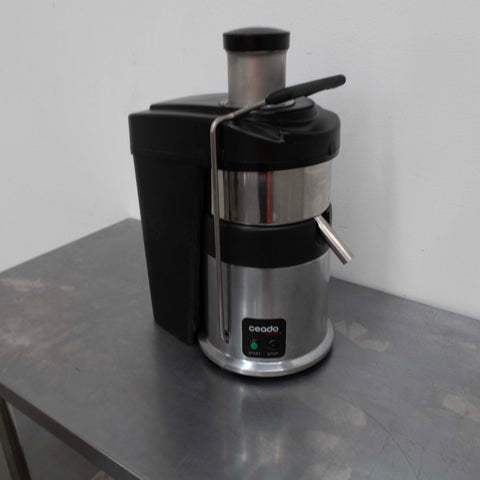
 Ceado ES500 Juicer - 851428
250W x 500D x 520Hmm


 Santos 65 Juicer - 870998
220W x 410D x 670Hmm


 Zummo Z14A-N Juicer with waste cabinet - 785657
600W x 480D x 1690Hmm
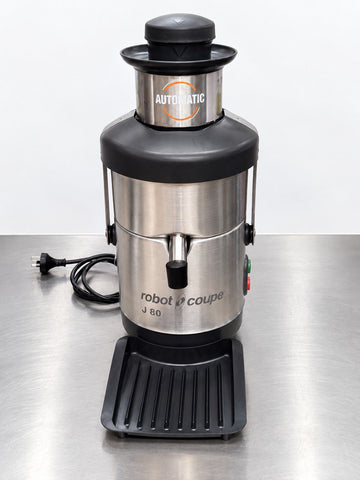
 Robot Coupe J80 Automatic Juice Extractor - 908232
230W x 520D x 500Hmm
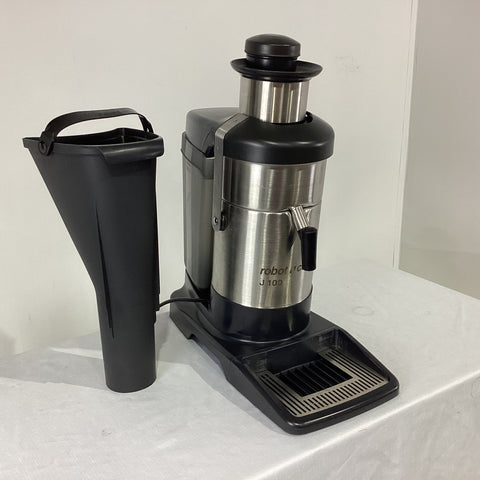
 Robot Coupe J100 Juicer - 903043
230W x 550D x 630Hmm

 Ceado CEL1098/SL98 Juicer - 908231
190W x 300D x 360Hmm
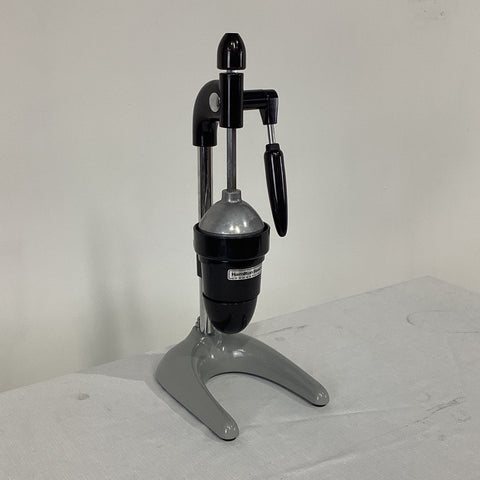

 Hamilton Beach HBJ0932 Manual Citrus Juicer - 903042
180W x 230D x 495Hmm

 Zummo ZIT14A-N Juicer - 880035
700W x 600D x 1710Hmm


 Zumex ZU-11847 Juicer + Zumex Z-10256 Stand - 934676
960W x 680D x 2130Hmm

 Yasaki CJ-50AH Citrus Juicer - 859915
185W x 325D x 400Hmm

 Santos 50C Juicer - 838306
240W x 460D x 500Hmm

 Santos 68 Juicer - 840939
320W x 480D x 580Hmm

 Santos 65 Juicer - 869944
250W x 480D x 660Hmm
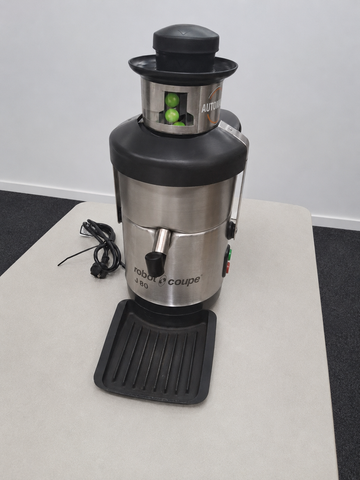
 Robot Coupe J80 Juicer - 881592
230W x 520D x 500Hmm
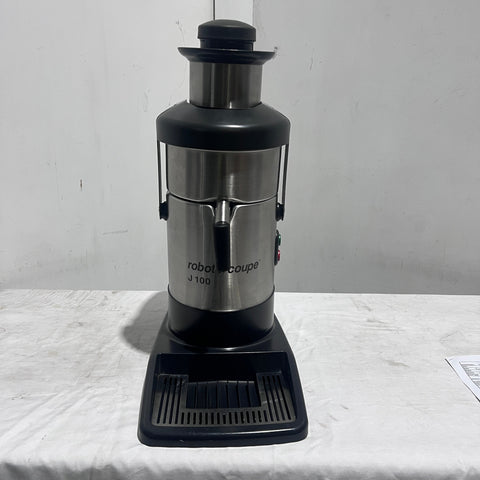
 Robot Coupe J100 Juicer - 840459
538W x 235D x 596Hmm

 Robot Coupe J100 Centrifugal Juicer - 888565
260W x 540D x 620Hmm

 Kuvings CS700 Juicer - 829496
155W x 230D x 510Hmm

 Kuvings CS700 Juicer - 829495
155W x 230D x 510Hmm

 Kuvings CS700 Juicer - 846475
150W x 270D x 560Hmm

 Federal KF12L-2 Juice Dispenser - 857857
410W x 400D x 670Hmm

 Ceado ES500 Juicer - 867169
240W x 380D x 520Hmm

 Ceado CP150 Juicer - 814295
190W x 390D x 460Hmm

 Benchstar KF12L-3 Juice Dispenser - 863012
600W x 440D x 660Hmm

 Ceado Centrifugal Juicer Super Heavy Duty - CJC0900
290(W) x 530(H) x 538(D)mm
 Hamilton Beach Manual Citrus Juicer - HBJ0932
178(W) x 495(H) x 230(D)mm
 Ceado Citrus Juicer Hand Operated - CEH0098
190(W) x 380(H) x 300(D)mm


A commercial juicer turns fresh fruit and vegetables into juice to order, so a cafe, a bar or a hotel restaurant can put fresh-pressed juice on the menu at breakfast and sell it through the day. Our range runs from manual presses through to larger cold press models and high-capacity centrifugal commercial juicers for the breakfast rush.
Get your drink station ready with Restaurant Equipment Online, from cold press commercial juicers and milkshake makers through to commercial coffee machines. Order today, with reliable Australia-wide delivery.
Buying several or fitting out a whole site? Get a quote and we will price the commercial juicers you need together. Related ranges: commercial beverage equipment and cocktail equipment.
The difference is how the juice comes out of the fruit, and it decides what you can sell. Pick on speed, flavour and how long you need the juice to keep.
A cold press juicer slowly crushes fruit and vegetables to get the juice out. It is slower than a centrifugal machine, but it holds the flavour well, gives you less foam and keeps more of the nutritional value. That suits health-conscious customers, and it suits juice you want to make ahead and keep in the fridge to serve later.
A centrifugal juicer uses high-speed blades to shred the produce instead of pressing it. The juice and pulp are separated and the juice comes out much faster, ready to serve. These models suit cafes and restaurants making juice on demand or in bulk. The trade-off is the air the juice picks up on the way through, so the flavour is not as crisp and it does not keep as long as cold-pressed juice.
That is what they are built for. Automatic commercial juicers cut down the work the staff have to do, with wide feed chutes that take whole fruit, continuous pulp ejection and powerful motors for faster turnover.
They are quicker to empty and reload and need less pre-cutting, which is what keeps a counter moving when the orders come in together.
It depends on your setup, and on whether you are a dedicated juice bar or selling juice as part of a wider menu. Work out where the produce is coming from and where the fruit and vegetable waste is going before you pick the spot.
We usually recommend a dedicated station, or the top of a fridge, so the produce is within reach. An underbench fridge works well, because you get a solid flat surface for the juicer and the ingredients underneath it. Front of house is the other option, and it suits a bar making non-alcoholic drinks and cocktails, but the motors are loud, so think about the room first.
Wellness shots like ginger and turmeric, green juices built on fruit, vegetables and herbs, and takeaway juices people pick up on the way past. Savoury juices with tomato, cucumber and greens are the other direction.
Some venues sell juice flights, a set of juices to be drunk one a day over a few days. What you put on the menu is your call, but the format decides which juicer suits you.
Yes, and plenty of kitchens do. With more customers drinking less alcohol, fresh juice gives you bases to mix with non-alcoholic spirits and bitters for your own signature cocktails and mocktails.
In the kitchen, a juicer pulls the flavour out of vegetables and herbs, so you can make concentrates for savoury reductions, sauces, soups and vinaigrettes.
If speed and volume come first, a centrifugal juicer is normally the answer. They get through bulk produce quickly, so you can change flavours and combinations and still move to the next customer.
The other approach is to pre-press juice with a cold press juicer before the buffet rush, then make juice to order on the same machine as a premium option.
A slow juicer, or cold press juicer, suits a menu built around drinks where texture matters as much as flavour. Some juices are naturally thicker than others, depending on the water and sugar content of the fruit or vegetable.
The slow extraction keeps heat and oxidation down, which gives you thicker, richer juice than a centrifugal machine. So if you are selling wellness shots, or drinks with delicate ingredients where you want to hold onto the taste, a slow juicer is the one to buy.
Mostly, yes, and that is the argument for buying a good one. The same machine covers juice menus, wellness shots and the bases for reductions, sauces, dressings and jus.
Check the feed chute and the pulp handling against the busiest thing you will ask it to do. A machine sized for the juice menu alone will slow you down once the bar starts using it too.
You will see commercial juicer machine, industrial juicer, professional juicer, industrial juicer machine, juice commercial machine, professional juicer machine, professional juice machine, commercial juicer for restaurant and commercial juice maker used for the same kind of equipment. The name changes with the supplier and the region, not the job it does. Compare models on capacity, construction and the specification on each product page, and check the full commercial juicers range to see every option side by side.

We have a special page just for stock that's warehoused in Perth.
Click Here to see all WA stockWhat our customers say about us on Google, and how Google scores our store for things like shipping and returns.
Store scores from Google
