


 03 9070 5784
 Help & Support
 Track My Order



Recently Viewed


 Polar C-Series Countertop Ice Machine 15kg Output - CH479-A
365(W) x 415(H) x 420(D)mm
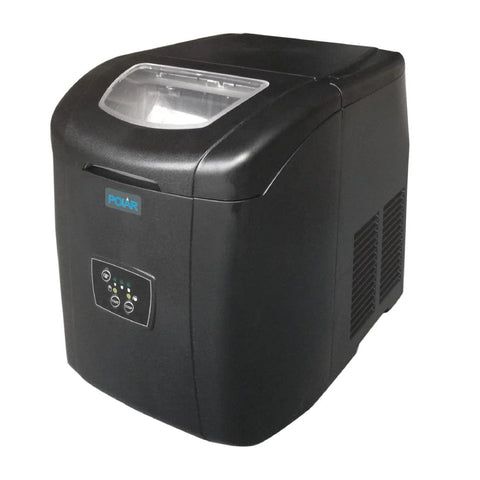
 Polar C-Series Countertop Ice Machine 11kg Output - CH478-A
305(W) x 380(H) x 380(D)mm

 Polar U-Series Countertop Ice Machine with UVC 20kg - UA039-A
If a few extra kilos of ice would make a difference during those busy hours at your bar, cafe, or restaurant, a benchtop ice maker might be the perfect solution for your commercial kitchen. Made to be small, portable, easy to maintain, and convenient to use, they’re ideal for smaller establishments but are also good for extra ice supply during summer or happy hour.
Made for everything from commercial use to catering businesses and even at-home use for parties, these fully self-contained units don’t require any plumbing and can be set up where and when you want. Shop the range of bar benchtop ice machines and order from Restaurant Equipment Online with comprehensive nation-wide shipping no matter where you are in Australia.
Benchtop ice makers are the smallest model and capacity of ice maker, creating around 10 to 15 kilos of ice every 24 hours. If you have an underbench ice maker and need a little extra on those busy days or rush hours, having a benchtop model can give you the extra bit of ice you need for your drinks. If you don’t need a constant supply, many of these small models can be switched to a passive mode, meaning they’ll pause making new ice and can quickly ramp back up again when you need them.
If you’re running a venue that could do with an auxiliary ice supply, whether that’s because your menu changes seasonally, or you want a source of ice without needing to commit to the space or monetary investment that a larger modular ice maker requires. If you’re running a small cafe, pop-up bar, run a food truck and offer drinks, or have a catering business, the speed, efficiency and portable nature of Commercial Counter Top Ice Makers means they’re an indispensable addition to your kitchen setup.
Benchtop ice maker units come with good insulation and can be used in a number of settings, including office spaces, small corners in your bar area or front of house in a cafe. While high temperatures, generally anything over 28 to 30 will start to impact the longevity of your ice, the ice maker itself can keep operating. If you are working in a warmer environment, or aren’t regularly getting through all the ice you’re making, having an ice caddy to store any extra ice will ensure you’re not ending up with slush or ice cubes that end up stuck together. If you’re unsure whether the ice maker you’re looking at can handle certain locations or temperatures, you can contact the team at REO or check through the manufacturer guidelines.
Generally speaking, Commercial Counter Top Ice Makers will produce hard, solid ice cubes with a hole through the centre to help reduce sticking while also making them the ideal shape for cold drinks. Depending on the model you choose, you can adjust the size of the ice cubes you want made, with controls on the front panel of the ice maker allowing you easily switch the settings.
Absolutely. They’re compact enough that they can be placed on a back shelf, but are also a good substitute if you can’t accommodate the size or plumbing required for the likes of an underbench model. Having them placed near the main serving area can help streamline the workflow, reducing trips between the kitchen and giving your staff more time for customer-facing tasks.
Water quality is incredibly important when it comes to getting the best possible ice, both in terms of presentation but also flavour. Benchtop ice makers are fully self-contained, meaning you fill them with water and the machine will make ice until the reservoir is empty, or until you switch it off. Along with the quality of the ice itself, using filtered water can extend the lifespan of your machine by helping to protect the internal components from scale buildup.
Each ice maker will come with its own guidelines and recommendations regarding ongoing care, but there are a few general things you’ll need to do to ensure you have a crisp-tasting, steady and clean supply of ice cubes. First, using filtered water is a good idea to get out any minerals that can scale up the internal components. If you aren’t using filtered water, or are noticing it’s getting slower, doing a descaling now and again can help. Sanitising the water reservoir and tub that the ice falls into after each shift is also important. Some parts are often dishwasher safe, making this process easy for you to do thoroughly and efficiently.
If you’re finding that a benchtop model alone isn’t enough, and having a second small countertop model isn’t going to solve the supply issue, adding an underbench model or even a modular ice maker may be needed. If you’re wanting to be proactive, upgrading before you expand your menu, add new service points, or if you simply want to have extra on hand for rush hours, it may be a good idea to upgrade before pushing ahead with a benchtop model alone.
Benchtop ice machines are ideal for beverage-heavy menus in bars and cafes by giving you a steady supply of fresh, quality ice right where drinks are prepared and served. Keep your ice maker setup next to the coffee machine or mixology station and you’ll have an easier and more optimised workflow. Having fresh, consistent ice on hand helps you to maintain drink quality and speed throughout busy shifts, ensuring everything from cocktail presentation to cold brews and soft drinks are always served at their best.

We have a special page just for stock that's warehoused in Perth.
Click Here to see all WA stock