


 03 9070 5784
 Help & Support
 Track My Order



Recently Viewed


 AG Bench Top Saladette / Pizza Showcase - 1400mm VRX1400-380
1400(W) x 335(D) x 436(H)mm
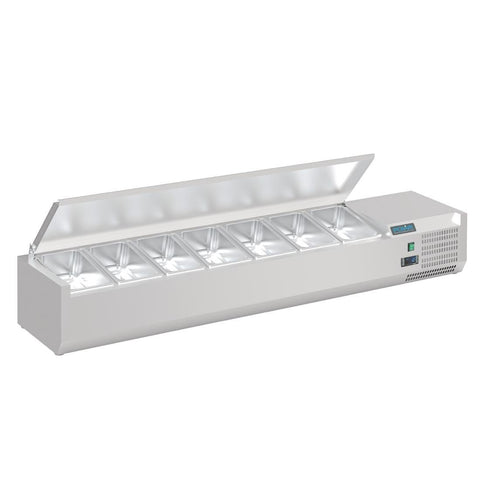

 Polar G-Series Countertop Prep Fridge with Lid 7x 1/4GN - FA855-A
1500(W) x 274(H) x 335(D)mm
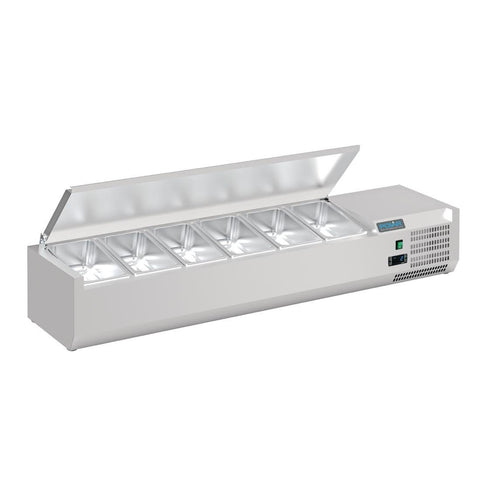
 Polar G-Series Countertop Prep Fridge with Lid 6x 1/4GN - DA680-A
1400(W) x 274(H) x 335(D)mm
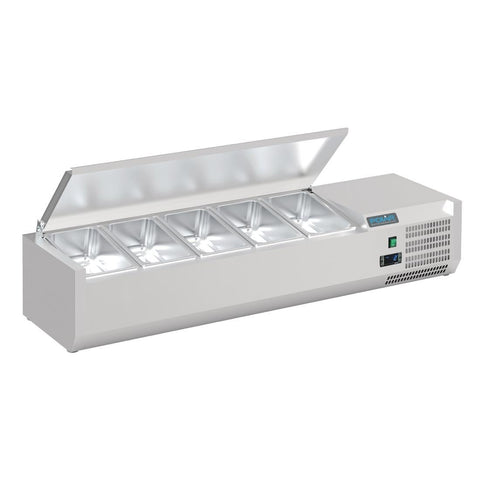
 Polar G-Series Countertop Prep Fridge with Lid 5x 1/4GN - FA854-A
1200(W) x 274(H) x 335(D)mm
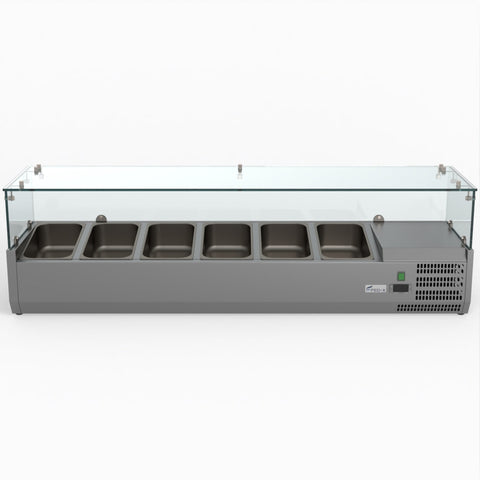

 FED-X Flat Glass Salad Bench XVRX1500/380
1500(W) x 395(D) x 439(H)mm
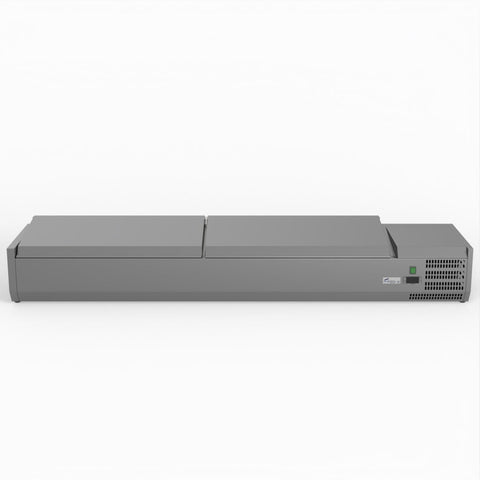
 FED-X Salad Bench With Stainless Steel Lids XVRX1800/380S
1800(W) x 395(D) x 281(H)mm
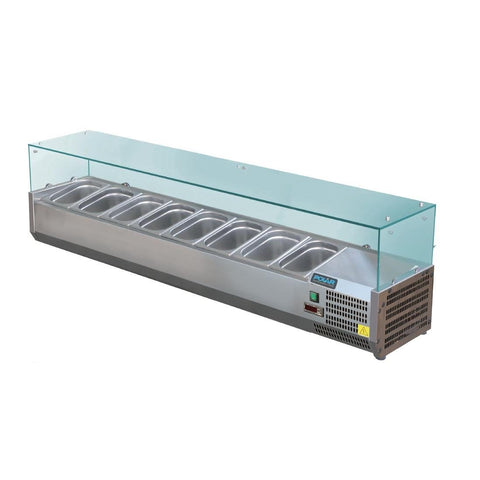
 Polar G-Series Countertop Prep Fridge 8x 1/3GN - GD877-A
1800(W) x 435(H) x 395(D)mm
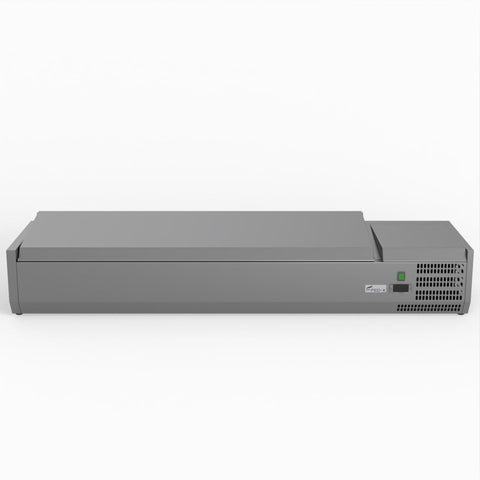
 FED-X Salad Bench With Stainless Steel Lid XVRX1500/380S
1500(W) x 395(D) x 281(H)mm
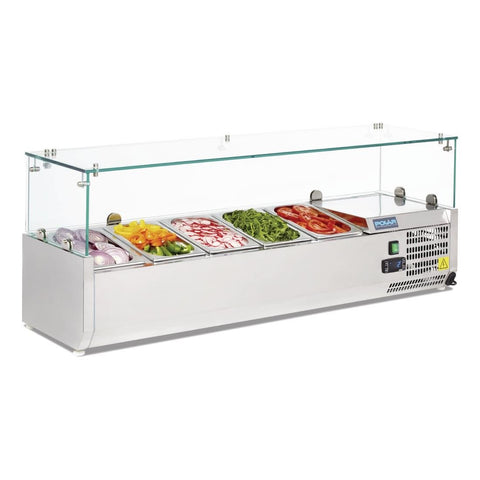
 Polar G-Series Countertop Prep Fridge 5x 1/4GN - G608-A
1200(W) x 240(H) x 330(D)mm
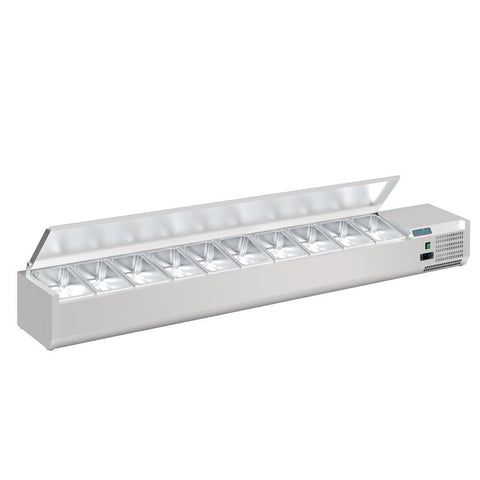
 Polar G-Series Countertop Prep Fridge with Lid 10x 1/4GN - FA857-A
2000(W) x 274(H) x 335(D)mm

 FED-X Flat Glass Salad Bench XVRX1800/380
1800(W) x 395(D) x 439(H)mm
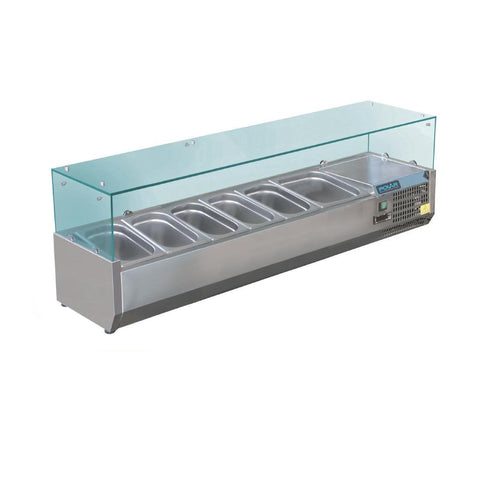
 Polar G-Series Countertop Prep Fridge 5x 1/3GN & 1x 1/2GN - GD876-A
1500(W) x 435(H) x 395(D)mm
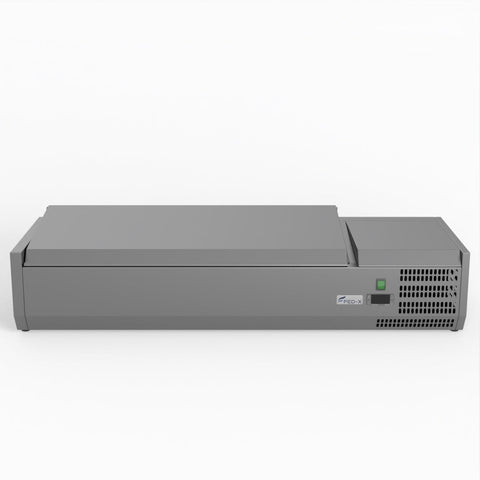
 FED-X Salad Bench With Stainless Steel Lid XVRX1200/380S
1200(W) x 395(D) x 281(H)mm
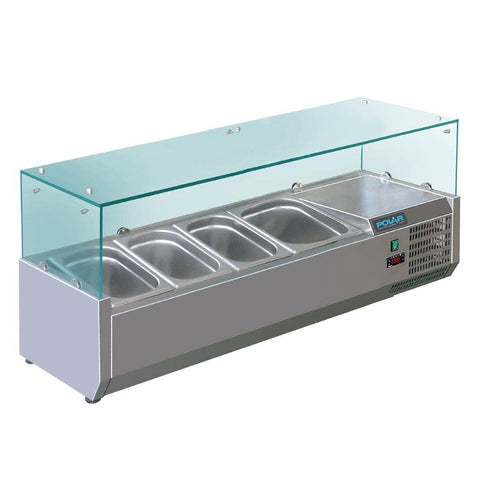
 Polar G-Series Countertop Prep Fridge 3x 1/3GN & 1x 1/2GN - GD875-A
1200(W) x 435(H) x 395(D)mm
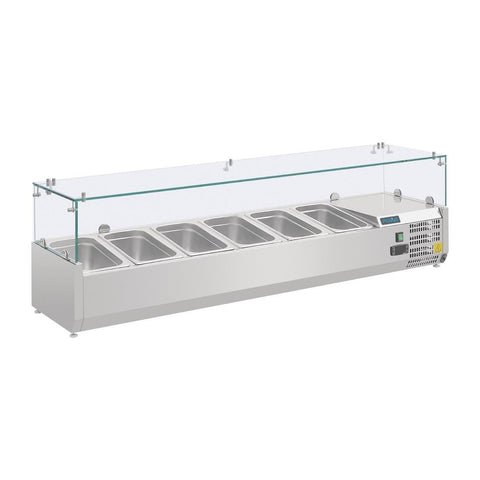
 Polar G-Series Countertop Prep Fridge 6x 1/4GN - AB090-A
1400(W) x 280(H) x 330(D)mm
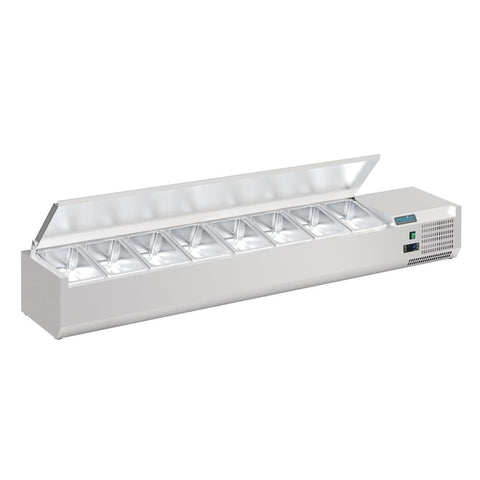
 Polar G-Series Countertop Prep Fridge with Lid 8x 1/4GN - FA856-A
1800(W) x 274(H) x 335(D)mm
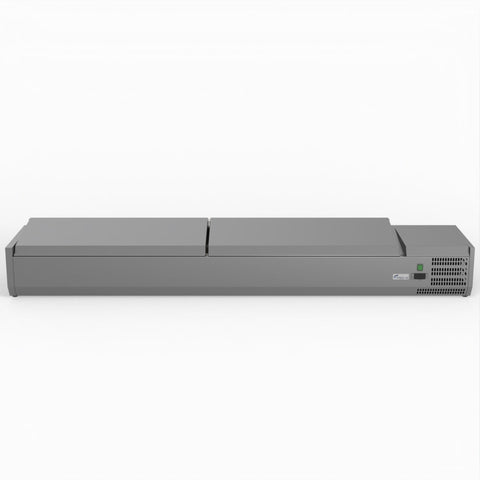
 FED-X Salad Bench With Stainless Steel Lids XVRX2000/380S
2000(W) x 395(D) x 281(H)mm
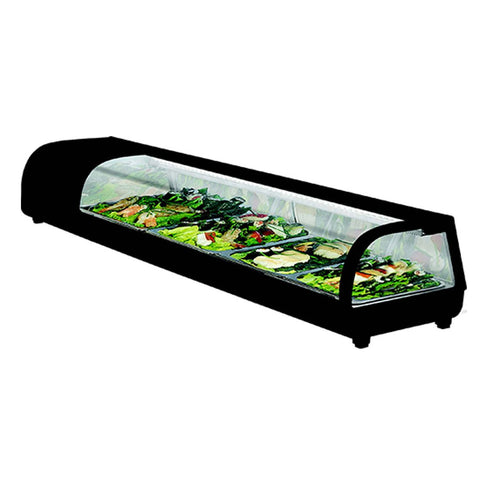

 Thermaster Sushi Showcase SSS4
1199(W) x 391(D) x 289(H)mm
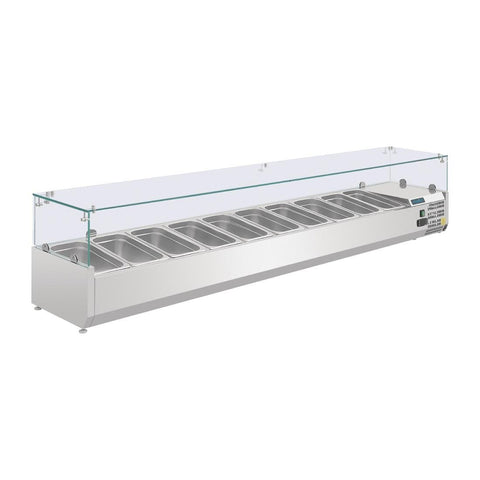
 Polar G-Series Countertop Prep Fridge 10x 1/4GN - G611-A
2000(W) x 435(H) x 330(D)mm

 Anvil 1200 Stainless Steel Lid Refrigerated Ingredient Well - VRX1200S
1200(W) x 255(H) x 395(D)mm
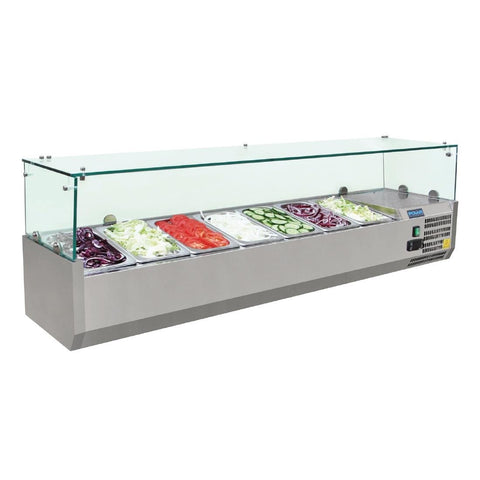
 Polar G-Series Countertop Prep Fridge 7x 1/4GN - G609-A
1500(W) x 240(H) x 330(D)mm
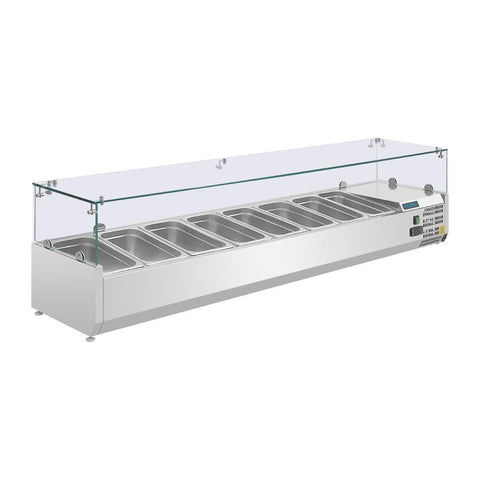
 Polar G-Series Countertop Prep Fridge 8x 1/4GN - G610-A
1840(W) x 280(H) x 375(D)mm
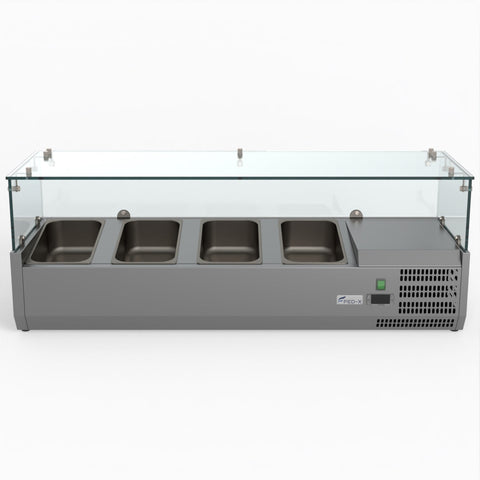
 FED-X Flat Glass Salad Bench XVRX1200/380
1200(W) x 395(D) x 439(H)mm
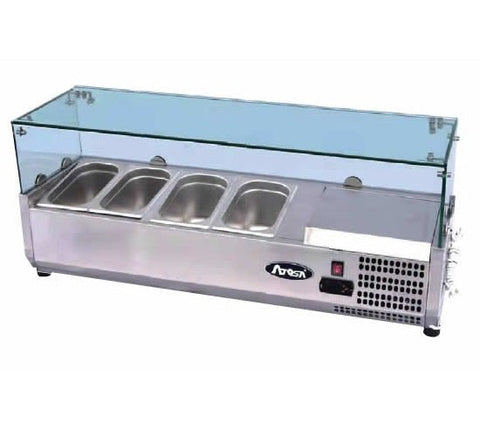
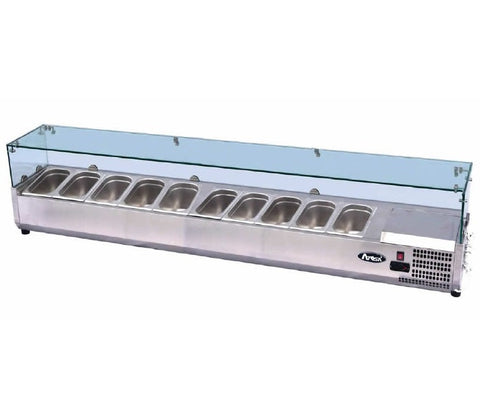
 Atosa VRX Counter Top
1205-2005(W) x 335-395(D) x 435(H)mm
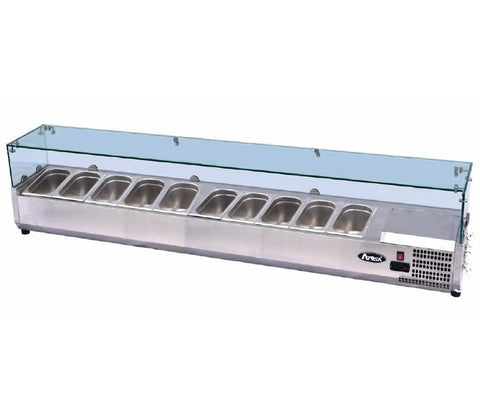
 Countertop Prep Fridges 2000/380 | Atosa | ESL3890
2005(W) x 395(D) x 435(H)mm
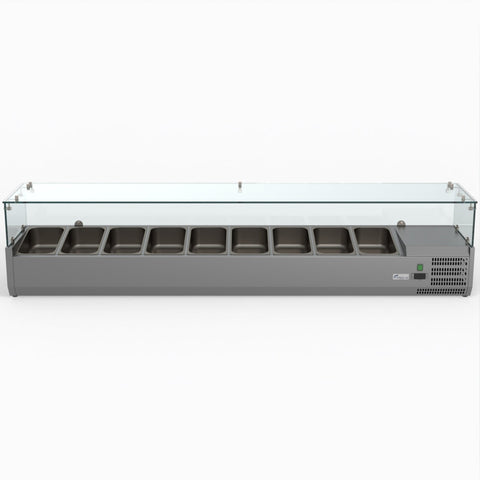
 FED-X Flat Glass Salad Bench XVRX2000/380
2000(W) x 395(D) x 439(H)mm
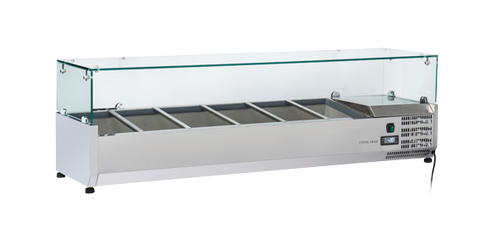
 Anvil 1500 Glass Refrigerated Ingredient Well - VRX1500
1500(W) x 435(H) x 395(D)mm
 Polar G-Series Countertop Prep Fridge 9x 1/3GN - GD878-A
2000(W) x 435(H) x 395(D)mm

 AG Bench Top Saladette / Pizza Showcase - 1600mm VRX1600-380
1600(W) x 335(D) x 436(H)mm
 Anvil 1800 Stainless Steel Lid Refrigerated Ingredient Well - VRX1800S
1800(W) x 255(H) x 395(D)mm
 Thermaster Sushi Showcase SSS7
1800(W) x 391(D) x 289(H)mm
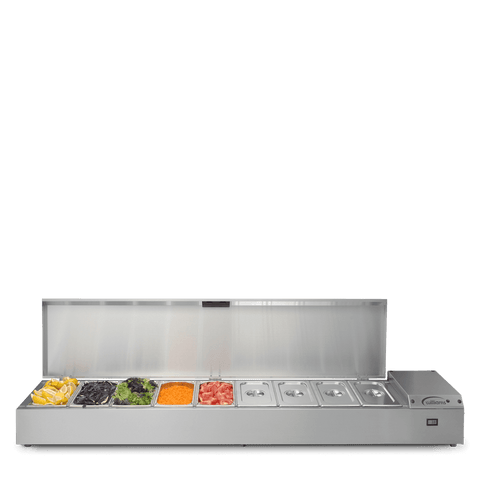

 Williams Thermowell - Nine Pan Counter Top Refrigerated Well TW18
1862(W) x 385(D) x 241(H)mm
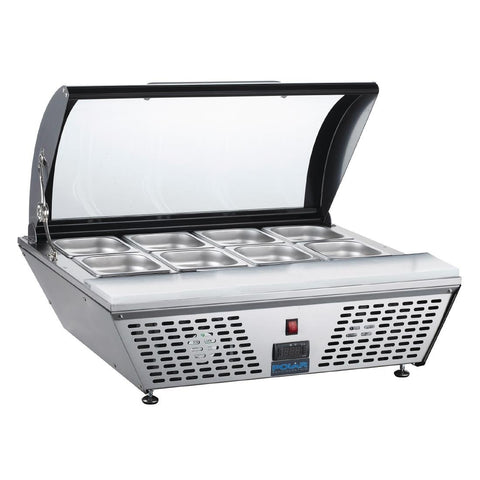
 Polar G-Series Energy Efficient Countertop Prep Fridge 4x GN 1/3 - GP293-A
767(W) x 328(H) x 612(D)mm

 Polar G-Series Countertop Scoop Freezer - 4 x Napoli Pans - GK068-A
867(W) x 377(H) x 735(D)mm

 AG Bench Top Saladette / Pizza Showcase - 2000mm VRX2000-380
2000(W) x 335(D) x 436(H)mm

 Technocrio Counter Top Ingredient Fridge - CIT0001
600(W) x 370(H) x 400(D)mm
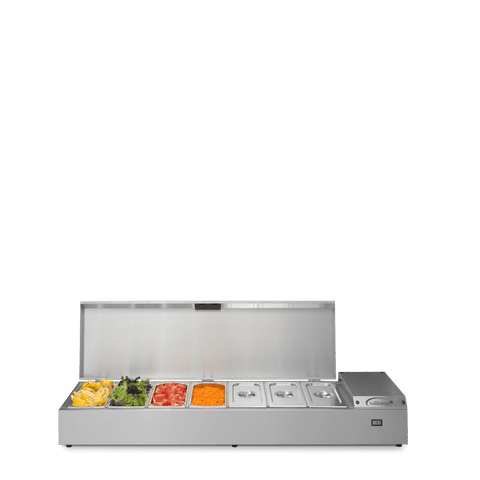
 Williams Thermowell - Seven Pan Counter Top Refrigerated Well TW15
1510(W) x 385(D) x 241(H)mm
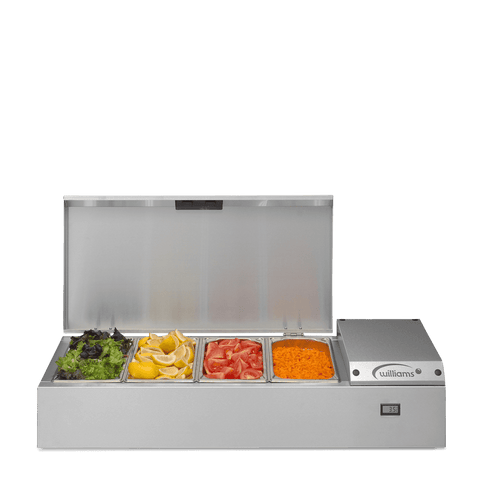
 Williams Thermowell - Four Pan Counter Top Refrigerated Well TW9
980(W) x 385(D) x 241(H)mm
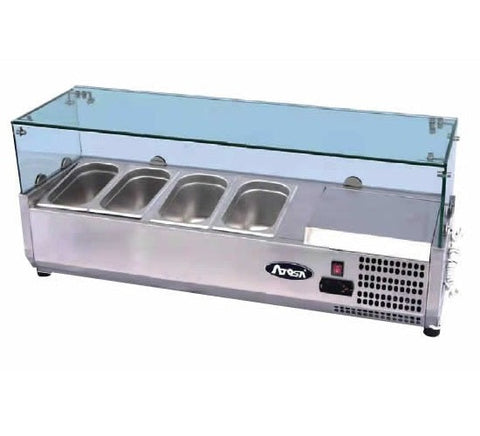
 Countertop Prep Fridges 1200/380 | Atosa | ESL3881
1205(W) x 395(D) x 435(H)mm
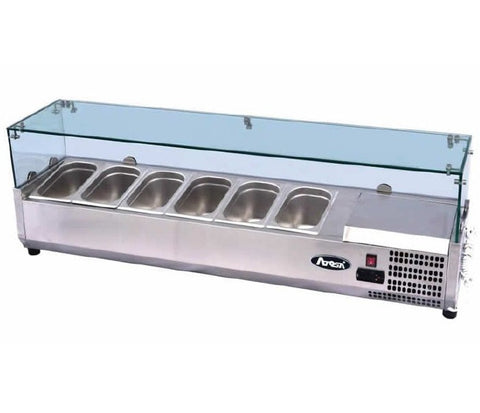
 Countertop Prep Fridges 1400/380 | Atosa | ESL3882
1415(W) x 395(D) x 435(H)mm

 AG Bench Top Saladette / Pizza Showcase - 1800mm VRX1800-380
1800(W) x 335(D) x 436(H)mm
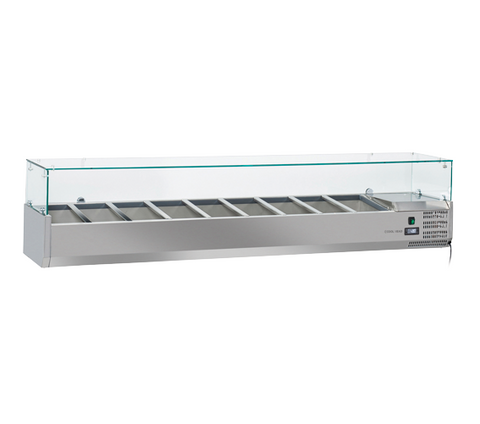
 Anvil 2000 Glass Refrigerated Ingredient Well - VRX2000
2000(W) x 440(H) x 395(D)mm
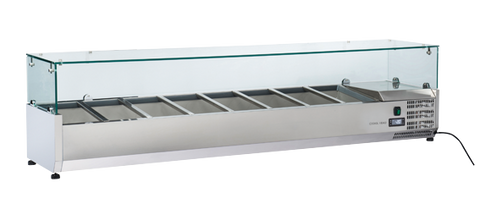 Anvil 1800 Glass Refrigerated Ingredient Well - VRX1800
1800(W) x 435(H) x 395(D)mm
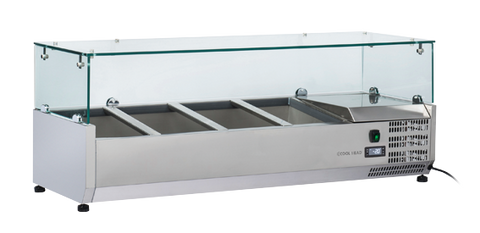 Anvil 1200 Glass Refrigerated Ingredient Well - VRX1200
1200(W) x 435(H) x 395(D)mm
 Anvil 1500 Stainless Steel Lid Refrigerated Ingredient Well - VRX1500S
1500(W) x 255(H) x 395(D)mm
 Countertop Prep Fridges 2000/330 | Atosa | ESL3889
2005(W) x 335(D) x 435(H)mm
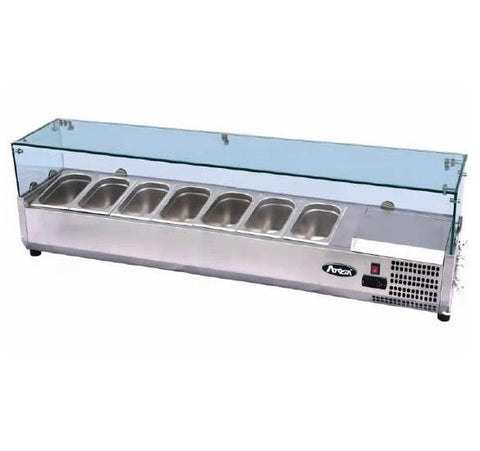
 Countertop Prep Fridges 1800/380 | Atosa | ESL3888
1805(W) x 395(D) x 435(H)mm
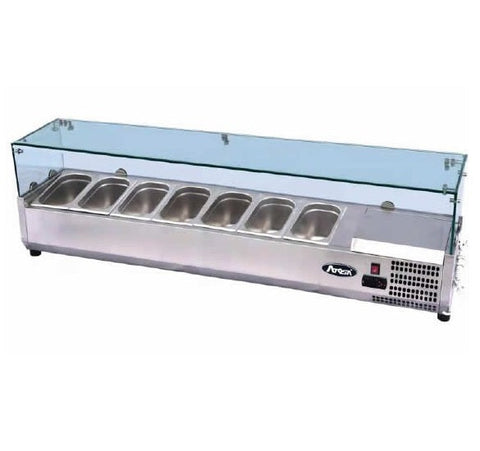
 Countertop Prep Fridges 1600/330 | Atosa | ESL3885
1605(W) x 335(D) x 435(H)mm
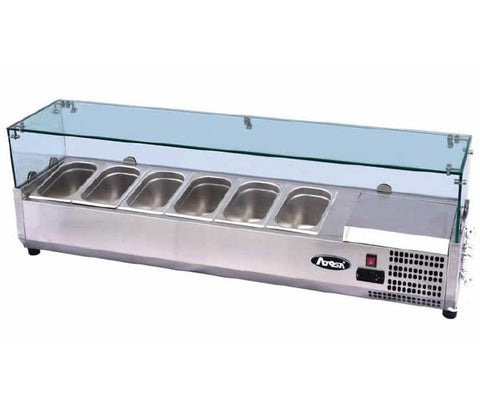
 Countertop Prep Fridges 1400/330 | Atosa | ESL3861
1405(W) x 335(D) x 460(H)mm
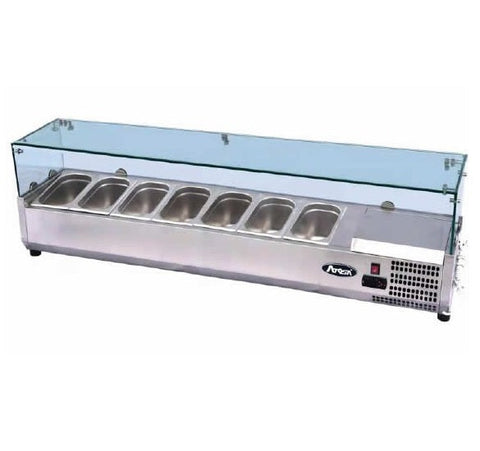
 Countertop Prep Fridges 1600/380 | Atosa | ESL3886
1605(W) x 395(D) x 435(H)mm
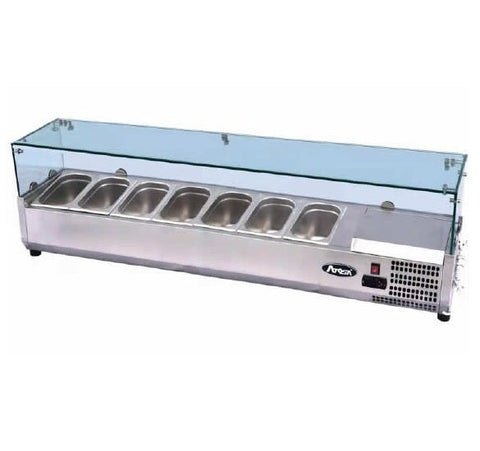
 Countertop Prep Fridges 1800/330 | Atosa | ESL3887
1805(W) x 335(D) x 435(H)mm
 Countertop Prep Fridges 1200/330 | Atosa | ESL3880
1205(W) x 335(D) x 435(H)mm
A countertop prep fridge is a refrigerated well that sits on a bench and holds gastronorm pans of prepared food at the point it’s used — sandwich fillings, pizza toppings, salad, sushi and garnishes. There is no cabinet underneath it, so the whole unit is the chilled well and the refrigeration that runs it. That is what separates it from a pizza prep fridge, which is the same well built on top of a refrigerated cabinet and needs floor space of its own. The trade calls the countertop units VRX fridges, after the model codes Anvil, FED-X and AG Equipment build them around — VRX1200, XVRX2000/380S, VRX1600-380. Many VRX fridges are made to sit on top of a pizza prep fridge, dropping into the slot the cabinet already has, so one footprint gives a section both the prep surface and the chilled ingredient rail.
Between Atosa, Anvil, FED-X and AG Equipment the widths run 1200, 1400, 1500, 1600, 1800 and 2000mm, so you can match a unit to the length of counter you have free. On the Atosa codes the number after the slash is the depth of the well. A 330 is built around 1/4 GN pans and a 380 takes the longer 1/3 GN, which is the first thing to settle, because it decides what you can put in the well for the life of the unit.
Most benches are offered two ways. FED-X makes a flat glass salad bench and the same bench with stainless steel lids, and Anvil does the same across its refrigerated ingredient wells at 1200, 1500, 1800 and 2000mm. Stainless steel lids are for back of house, where a lid is opened and dropped a few hundred times a shift. Glass is for a counter a customer can see into.
Polar sells its G-Series by the pans it holds instead of by width — 5, 6, 7, 8 and 10 x 1/4 GN, and 8 or 9 x 1/3 GN — with lidded versions of most of them, plus energy efficient models. Williams Thermowell counter top refrigerated wells hold four, seven or nine pans. AG Equipment offers a bench top saladette and pizza showcase from 1400mm to 2000mm, Technocrio offers a counter top ingredient fridge, and the San Jamar Dome garnish centre gives a bar a covered garnish tray with caddies. Williams is the premium name REO offers here, and there is an answer at every price point underneath it. Thermaster and FED-X are worth a look on a tighter budget, and not because they are cheap — their warranty and after-sales support are unbeatable for that price point.
For counters a customer buys off, REO offers the Thermaster sushi showcase in SSS4 and SSS7, a Coldline 1450mm display case with a glass sneeze guard, and a Polar tapas display fridge. There is also a Polar countertop scoop freezer that takes four Napoli pans if gelato is going out over the same counter.
A countertop prep fridge is only the chilled well. It goes on a bench you already have, and anything you are not using through service is stored somewhere else. A full prep bench is the same well built on a refrigerated cabinet, so the backup pans are in the doors under the chef.
Buy the countertop unit when the bench is already there and the section only needs the pans in front of it. If you want the cold storage as well, put the unit over an under bench fridge. That costs less than a full prep bench in most sizes and you can replace either half on its own later. A VRX fridge will also sit in the slot on top of a pizza prep fridge, which is how you add a chilled ingredient rail to a cabinet that is already in the kitchen.
Count pans before you look at width. Work out how many separate ingredients the section runs during service and what size pan each one needs, then add a spare. A well that is one pan short gets worked around every shift for years.
Pan size moves the count more than width does. Two Polar units of the same width hold 9 x 1/3 GN and 10 x 1/4 GN, because the smaller pan packs in tighter, which is why Polar sells the G-Series by pan count. Widths run from 1200mm up to 2000mm across the Atosa, Anvil, FED-X and AG Equipment benches.
A countertop prep refrigerator, a salad bench, a saladette and a refrigerated ingredient well are the same piece of equipment under different names. FED-X calls it a salad bench, Anvil calls it a refrigerated ingredient well, and AG Equipment calls it a bench top saladette or pizza showcase. All of them hold gastronorm pans in a chilled well on top of a counter.
A sushi showcase is built for a different job. It is made to be looked at, with glass and lighting, so product sells off the counter, and REO offers the Thermaster SSS4 and SSS7 in that shape. The Coldline 1450mm display case with a glass sneeze guard and the Polar tapas display fridge are the same idea for a deli or a bar.
Stainless steel lids suit back of house. They take constant opening through a shift, they do not mark easily, and they wipe down with the rest of the section. FED-X and Anvil both offer their benches with stainless steel lids for that reason.
Glass belongs anywhere a customer can see the pans, such as a sandwich counter, a salad servery or a sushi bar. FED-X offers a flat glass salad bench, Anvil offers a glass version of each ingredient well, and a unit like the Coldline display case puts a sneeze guard over the top. Glass shows every fingerprint and needs cleaning far more often, so it is only worth buying where somebody is looking at the food.
No. A prep well holds food that has already been chilled. It is designed to sit product at temperature through a service, and it does not have the refrigeration capacity to pull a warm tray down. Chill in the cold room or a blast chiller first, then load the pans.
Australian food safety rules ask for cold food to be held at 5°C or below, and three habits break that. Warm product loaded straight into the well, pans filled above the rim so the top of the food sits out of the cold air, and lids propped open all service. Sort those out and a prep fridge holds temperature without complaint.
Most benchtop refrigeration runs on single phase 240V through a standard 10 amp plug, the same socket as anything else on the counter. Check the rating plate on the unit before you order, because the power supply is the one thing you cannot change on delivery day.
Give it a socket of its own. A prep fridge shares a circuit badly with a griller, a toaster or a coffee machine, and a power board under a wet bench is not safe. If there is no outlet where the unit lands, get the electrician to run one while the fit-out is still open.
Away from heat. The condenser throws heat out of the unit, and if it is drawing in air off a chargrill, a fryer or the steam from a dishwasher, it runs much longer to hold the same temperature and the compressor wears out sooner. Direct sun through a shopfront window does the same thing.
Leave the clearance the manufacturer asks for around the vents and stand the unit on a level bench that can carry the weight, because a 2000mm well full of pans is heavy. Keep the grille clear too. In a pizza shop flour packs a condenser faster than dust ever does.
Buy the pans from the same supplier as the fridge. Gastronorm is a standard size, but small differences between brands mean a pan from another maker may not seat properly in the well, and a pan that does not sit flat lets cold air spill out around it. REO offers gastronorms and containers in stainless steel and polypropylene.
Match the pan depth to the food. A deep pan holds more, but the product at the top is furthest from the cold air, so shallow pans suit anything that moves fast and deep pans suit dressings and sauces. Some units are sold with a gastronorm kit made for that exact well, which is the simplest way to get pans that fit.
Lid seals and gaskets go first. They are a wear and tear component, they flatten over time, and once they do warm air leaks in and the unit runs longer to hold temperature. A fresh set is cheap and it is the first thing to check if a well is struggling.
After that it is airflow. A condenser packed with dust, a drain that has not been cleared, or pans crammed in so tight that air cannot move around them will all show up as a well that will not hold temperature, and none of it is a fault in the unit. Clean the condenser on a schedule, clear the drain and stop the pans being overfilled.
Check the unit for transit damage as soon as it arrives and tell REO within 24 hours. Not two days, not two weeks. REO offers a 24-hour replacement guarantee on transit damage, and it only applies if you tell us inside that window.
Get the wrapping off while the driver is still there if you can, and check the lids, the glass, the well itself, the corners and the rating plate. Photograph the packaging and any damage before the unit goes onto the bench, and send the photographs through with the order number. Glass lids and sneeze guards are the parts that come off worst in a truck.
REO prices countertop prep fridges sharply, and the best buy is rarely the lowest ticket price. Look for the longest warranty and the lowest total cost of ownership over the life of the unit, taking in what it costs to run and what it costs to repair. Warranty terms are shown on each product page. Williams sits at the premium end, and Thermaster and FED-X carry warranty and after-sales support that are unbeatable for their price point.
Silverchef Rent-Try-Buy is how a lot of venues pay for the unit they actually want. You rent it instead of buying it outright, your cash stays in the rest of the fit-out, and the rental payments go through as an operating expense. That suits a prep fridge, because the right size only becomes obvious after a few months of real service. If a 1200mm turns out too small once the menu settles, buy the unit out or move up to an 1800mm or 2000mm.

We have a special page just for stock that's warehoused in Perth.
Click Here to see all WA stock