


 03 9070 5784
 Help & Support
 Track My Order



Recently Viewed
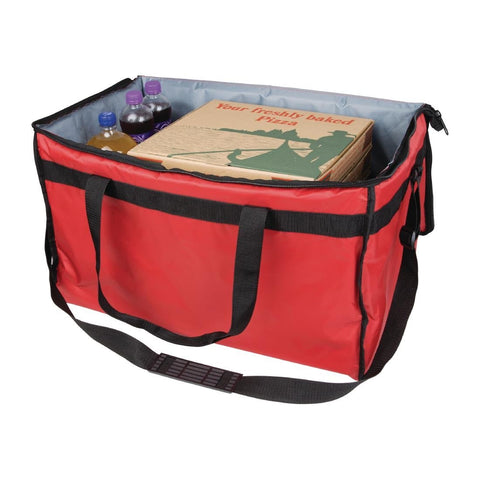

 Vogue Polyester Insulated Food Delivery Bag Large - GG141
580(W) x 355(H) x 380(D)mm
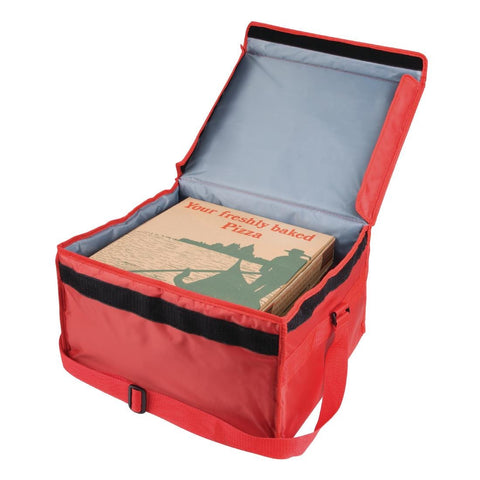
 Vogue Insulated Food Delivery Bag - S483
340(W) x 420(H) x 250(D)mm


 Food Tek Insulated Front Loading Pan Carrier IPC90
460(W) x 660(D) x 630(H)mm
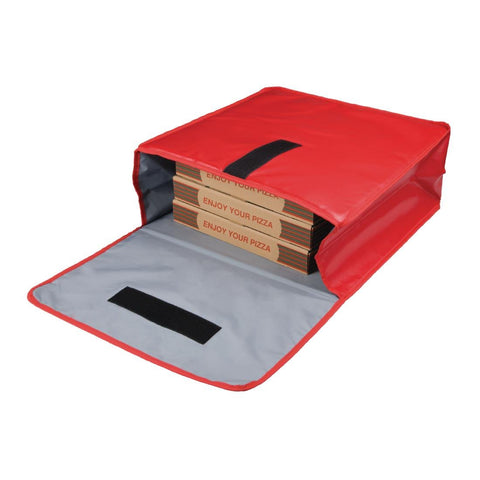
 Vogue Insulated Food Delivery Bag Large - S482
450(W) x 195(H) x 455(D)mm
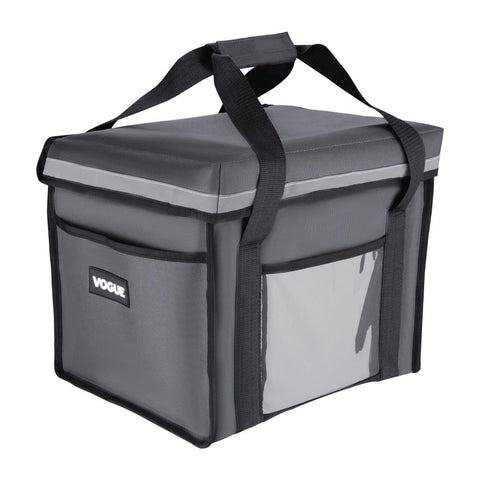
 Vogue Insulated Folding Delivery Bag Grey 380x305x380mm - FR225
380(W) x 380(H) x 305(D)mm
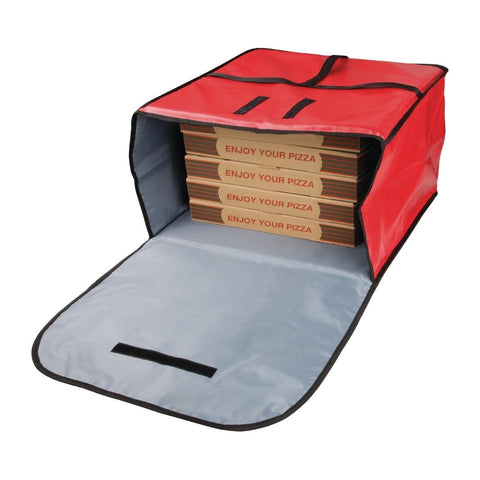
 Vogue Insulated Pizza Delivery Bag Large - GG140
510(W) x 305(H) x 510(D)mm
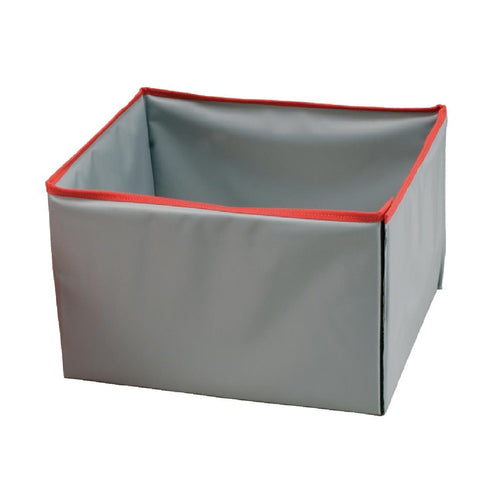
 Vogue Insert for Insulated Food Delivery Bag - S484
380(W) x 355(H) x 380(D)mm
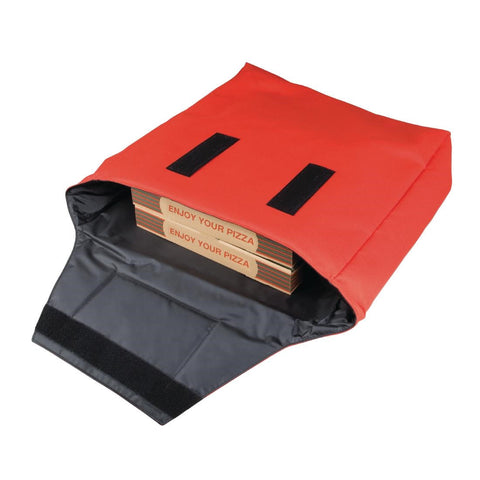
 Vogue Insulated Food Delivery Bag Small - S481
482.6(W) x 419.1(H) x 419(D)mm
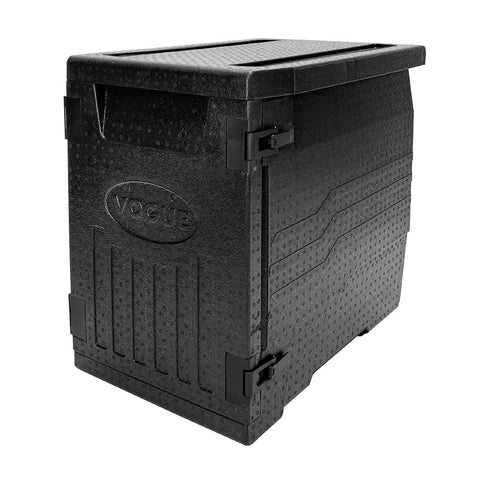
 Vogue Insulated EPP Food Transport Box 86Ltr GN Size - DX987
 Food Tek Trolley Base For Top Loading Carrier CPWK-14
630(W) x 430(D) x 190(H)mm
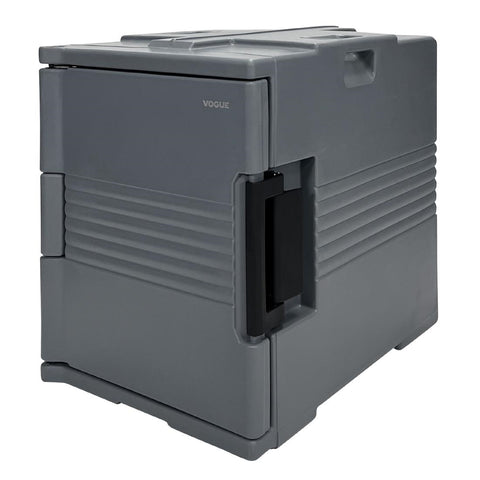
 Vogue Thermal Box Front Loading Heavy Duty Insulated Food Box GN Size - DX993
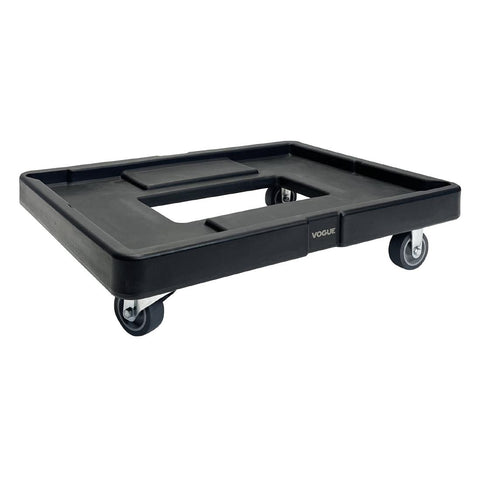
 Vogue Thermal Box Carrying Trolley Black - DX994
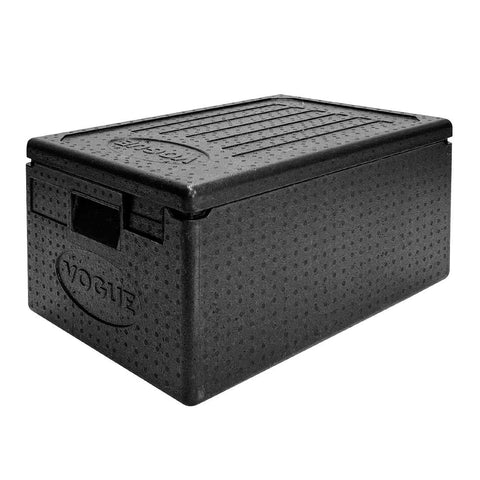
 Vogue Insulated EPP Food Transport Box 46Ltr GN Size - DX990
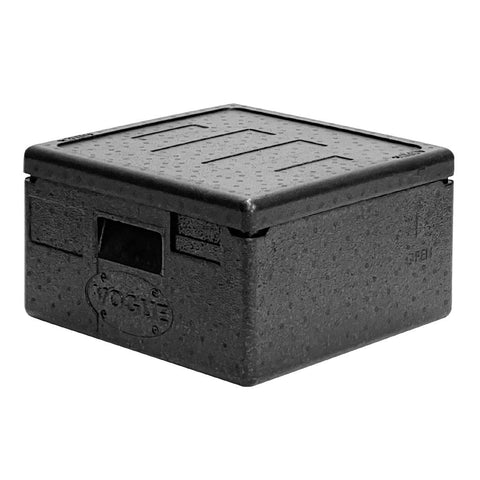
 Vogue Insulated EPP Pizza Storage & Food Transport Box 22Ltr 4 Pizza Capacity - DX992
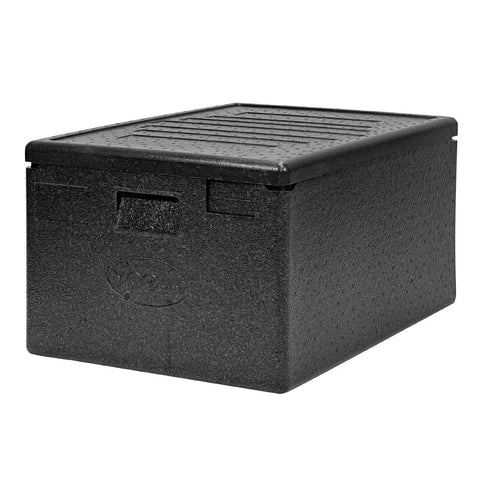
 Vogue Insulated EPP Food Transport Box 81Ltr for Patisserie 490x369mm Tray Size - DX989
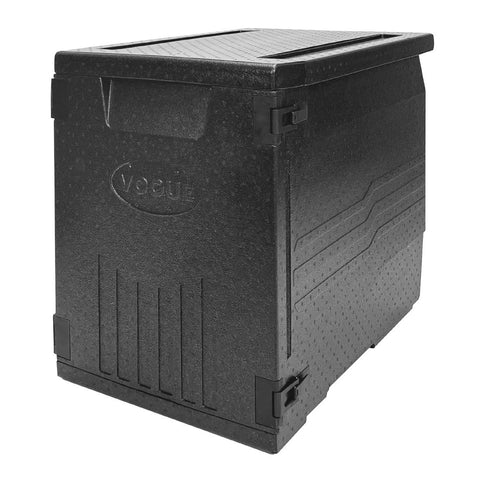
 Vogue Insulated EPP Food Transport Box 126Ltr 6x Patisserie 535x689mm Tray Size - DX988
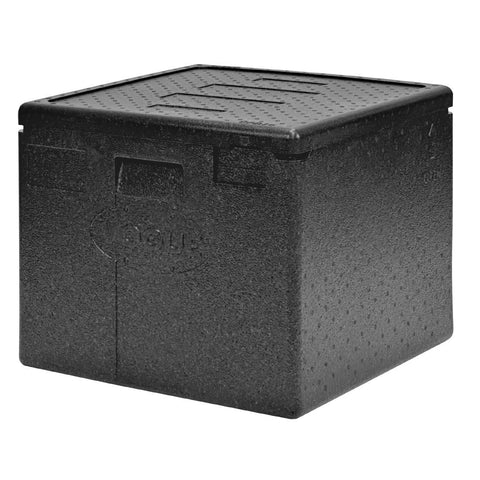
 Vogue Insulated EPP Pizza Transport Box 59Ltr 8 Pizza Capacity - DX991
 Food Tek Insulated Top Loading Carrier CPWK040-19
720(W) x 360(D) x 380(H)mm
 Food Tek Insulated Top Loading Carrier CPWK080-3
630(W) x 560(D) x 380(H)mm
 Food Tek Insulated Top Loading Carrier CPWK020-11
650(W) x 450(D) x 210(H)mm
 Food Tek Insulated Top Loading Carrier CPWK025-10
650(W) x 450(D) x 250(H)mm
 Food Tek Insulated Top Loading Carrier CPWK030-13
720(W) x 450(D) x 300(H)mm
 Food Tek Insulated Top Loading Carrier CPWK011-27
650(W) x 380(D) x 265(H)mm
 Food Tek Insulated Top Loading Carrier CPWK007-28
440(W) x 380(D) x 205(H)mm

 Carlisle Cateraide™ Black IT Top Loading Insulated Food Pan Carrier 676mm x 460mm x 740mm - IT16003
Insulated food carriers are what make off-site catering possible. An insulated food carrier holds hot or cold product at temperature between a kitchen and a venue with no power, which is the difference between catering a function and reheating at the other end.
They are passive boxes, so everything depends on how you load them. An insulated carrier for food holds the temperature it was packed at; it does not create it. Pack hot product hot and full, keep the lid shut, and the box does the rest. Capacity, gastronorm compatibility and whether it takes a hot or cold pack are the things to compare.
Carriers sit in the food storage range beside insulated beverage storage and gastronorms and containers, and are loaded from bain maries and holding cabinets.
Sizing boxes against the pans your biggest job needs? The price guide prices the carriers by size, hot boxes and cold boxes alike.
It depends on how full it is, what it was packed at, how many times it is opened and the ambient temperature. A full box opened once holds far longer than a half-empty one opened at every stop.
Any holding figure is specific to the product and belongs on the product page specifications. Test it with your own food and a probe before you rely on it for a function.
No. A passive carrier only slows the loss of whatever temperature you put in it, which is why product has to leave the kitchen at the temperature you want it to arrive at.
For commercial insulated food carrier work with long runs, add rated hot or cold packs. If you need actual heating in transit, a powered holding cabinet is the right tool.
Size it on gastronorm pans rather than litres, because that is how the food will arrive. Count the pans your biggest job needs and buy the box that takes them, plus one spare slot.
Several smaller boxes beat one large one for most caterers: they are liftable by one person and you can keep hot and cold separate.
Never in the same box. Hot product will warm the cold, the cold will cool the hot, and you will end up with both sitting in the range you were trying to avoid.
Run dedicated hot and cold boxes and mark them clearly. Keep a probe thermometer with each so you can record the temperature at both ends.
Wiped out after every job and washed properly on a schedule, with attention to the gasket and the catch recesses where spills collect. Insulation soaks up smells if a spill is left in a seam.
Most are not dishwasher items because of their size and the insulation. Use the sanitisers in the disinfectant and sanitisers range and dry with the lid open.
Top-loading boxes hold temperature better because cold air does not fall out when you open them, and they stack. Front-loading cabinets are far easier to load and unload at a venue with limited bench space.
Caterers who work out of a van usually run both. Front-loaders pair with a catering trolley, which is where most of the back strain goes away.
Secured, flat and not stacked above head height. A full carrier is heavy and a box that shifts on a corner will open, which is the common cause of a ruined job.
Strap them against a bulkhead or into a rack. A platform trolley for loading saves the lifting at both ends.

We have a special page just for stock that's warehoused in Perth.
Click Here to see all WA stockWhat our customers say about us on Google, and how Google scores our store for things like shipping and returns.
Store scores from Google