


 03 9070 5784
 Help & Support
 Track My Order



Recently Viewed


 Apuro Upright Ice Cream Maker 2Ltr - CM289-A
272(W) x 362(H) x 315(D)mm

 Apuro Ice Cream Maker - DM067-A
402(W) x 245(H) x 281(D)mm

 Musso Ice Cream Machine - IMM0002
510(W) x 310(H) x 350(D)mm

 Musso Ice Cream Machine - IMM0001
270(W) x 300(H) x 450(D)mm


 Brullen i91 Pro Ice Cream Machine - 817466
400W x 850D x 840Hmm
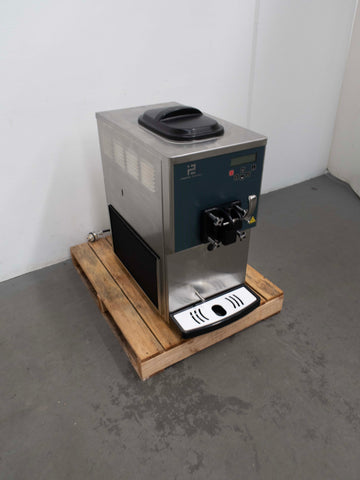

 Pasmo Pascal 5930-TURBO Ice Cream Machine - 845494
385W x 800D x 750Hmm

 Brullen i26 Pro Ice Cream Machine - 893743
560W x 970D x 960Hmm

 Brullen i91 2020 Soft Serve Machine - 896074
320W x 850D x 920Hmm

 Brullen I91 2020 GRAVITY FEED Ice Cream Machine - 874765
325W x 850D x 900Hmm


 Carpigiani 161 T G-SP Ice Cream Machine - 876601
340W x 760D x 850Hmm
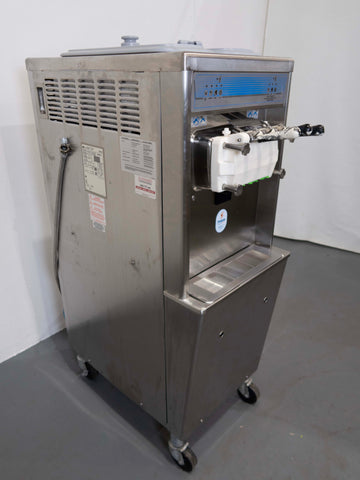

 Taylor 791-58 Ice Cream Machine - 829558
510W x 995D x 1515Hmm
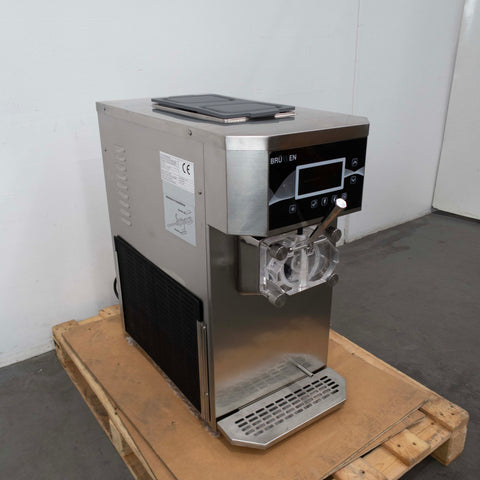
 Brullen i91 Pro Ice Cream Machine - 728029
400W x 825D x 805Hmm
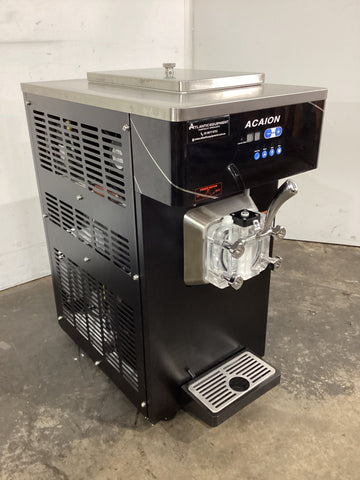

 ACAiPRO BE121 Acai Machine - 865440
395W x 740D x 800Hmm
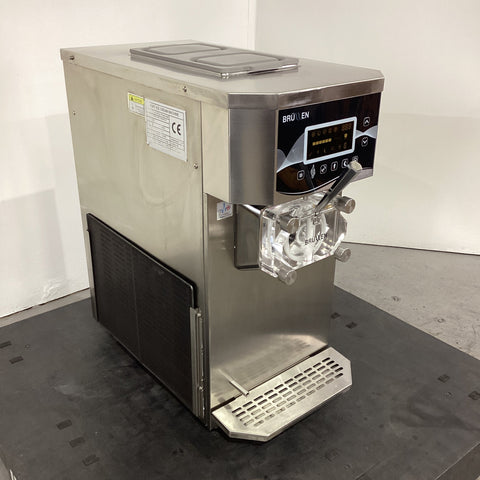
 Brullen I91 Pro Ice cream machine - 880231
400W x 850D x 840Hmm
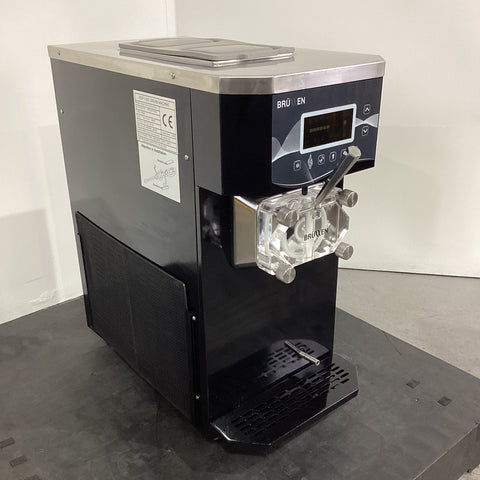
 Brullen i91 Pro Ice Cream Machine - 765889
400W x 850D x 840Hmm
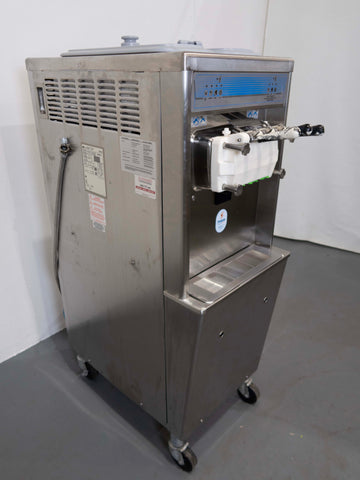
 Taylor 791-58 Ice Cream Machine - 829557
510W x 995D x 1515Hmm
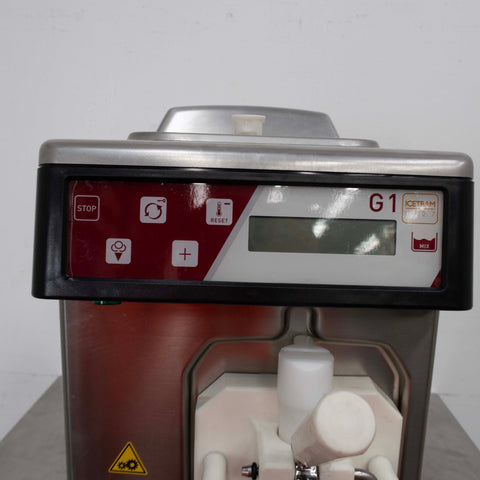

 Iceteam 1927 G1 Ice Cream Machine - 757103
300W x 785D x 845Hmm
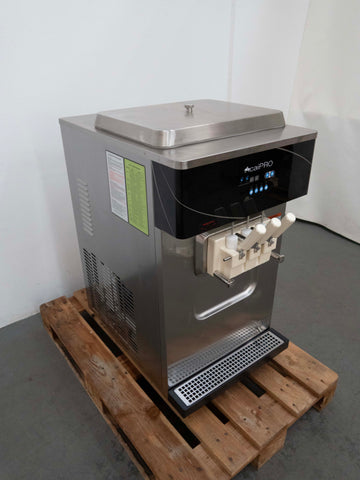
 AcaiPro OP132BA Ice Cream Machine - 854854
535W x 820D x 1000Hmm
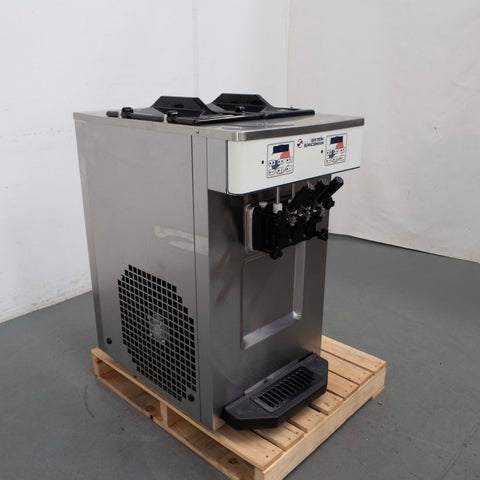

 Spaceman 6235A-C Ice Cream Machine - 819420
530W x 800D x 980Hmm
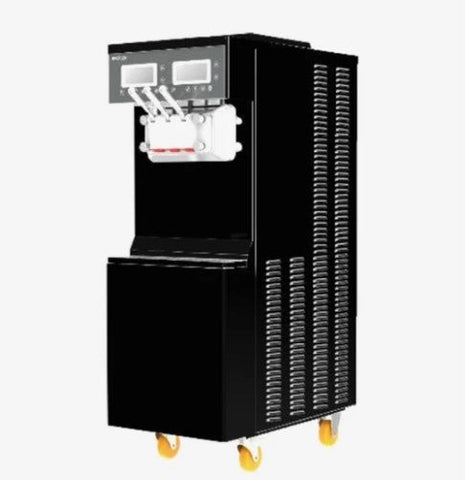
 Brullen i95 Pro Soft Serve Machine - 881709
515W x 810D x 1520Hmm

 Acaion BE121 Ice Cream Machine - 868334
395W x 740D x 800Hmm
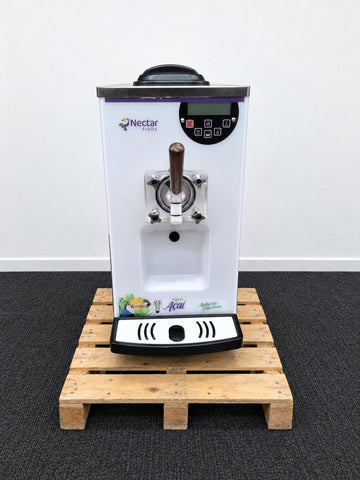

 Nectar Fruits S770 Ice Cream Machine - 847482
385W x 800D x 800Hmm
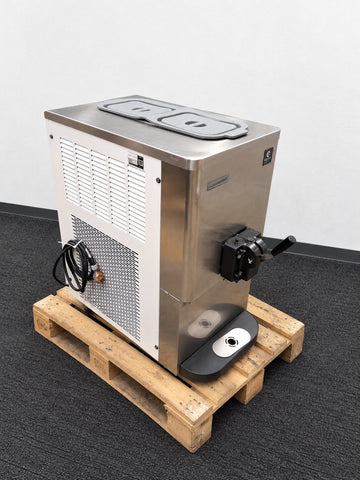

 Gelmatic HC EASY 1 E VAN Soft Serve Machine - 871049
450W x 830D x 870Hmm


 Aus Kitchen Pro AUSKPSSA22 Ice Cream Machine - 852466
620W x 740D x 1280Hmm
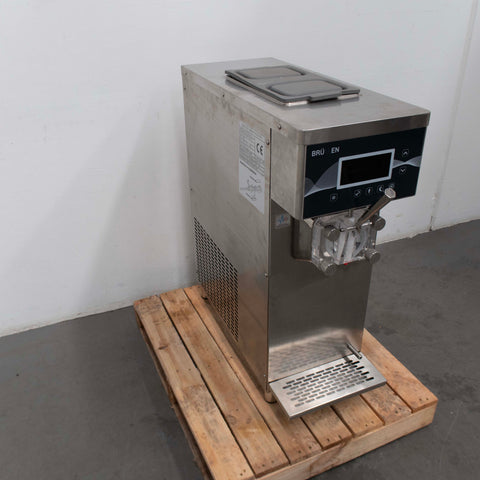
 Brullen i91 2020 Gravity Feed Ice Cream Machine - 824475
320W x 860D x 890Hmm

 Brullen i95 Pro Soft Serve Machine - 915926
915W x 515D x 1470Hmm

 Brullen i95 Pro Soft Serve Machine - 863280
510W x 895D x 1475Hmm
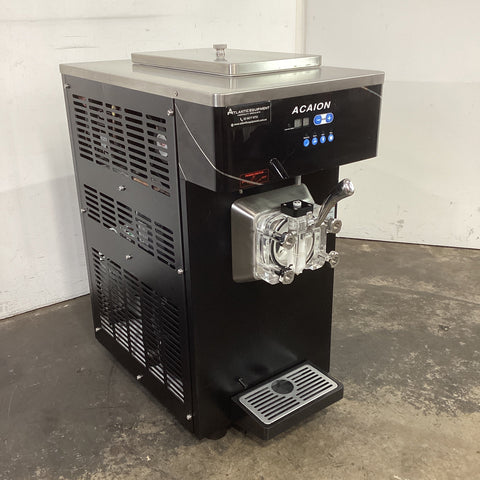
 ACAiPRO BE121 Acai Machine - 864729
395W x 740D x 800Hmm

 Aus Kitchen Pro AUSKPSS808-1 Ice Cream Machine - 913488
520W x 750D x 750Hmm
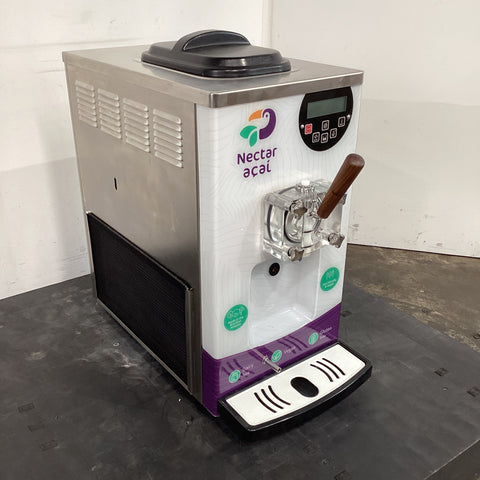
 Nectar Fruits S770 Acai Machine - 898178
385W x 800D x 800Hmm

 Brullen i91 Pro Ice Cream Machine - 829808
400W x 850D x 840Hmm

 Brullen i26 Pro Twin Ice Cream Machine - 860628
560W x 970D x 960Hmm
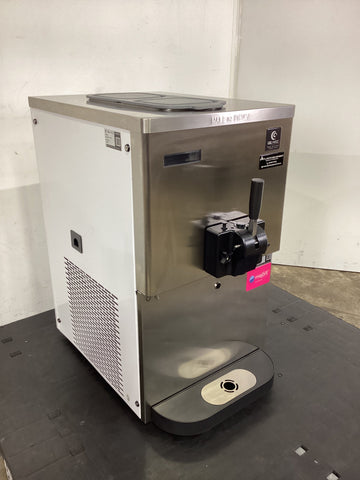
 Gelmatic BC Easy 1 GR Ice Cream Machine - 883582
460W x 690D x 800Hmm

 Brullen i91 2020 Soft Serve Machine - 856075
320W x 785D x 880Hmm

 Brullen i95 Pro Soft Serve Machine - 857641
515W x 810D x 1470Hmm
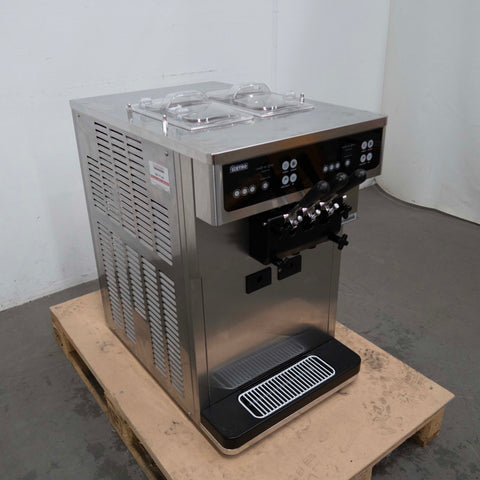

 Icetro ISI-163TT Countertop Soft Serve Machine - 872920
510W x 850D x 860Hmm

 Spaceman 6218 Soft Serve Machine - 873789
440W x 700D x 722Hmm
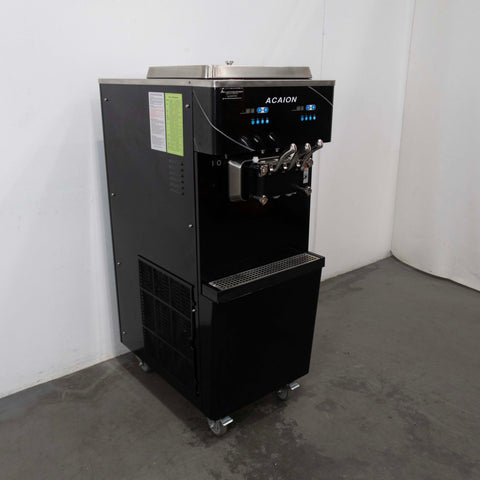

 Acaion BE666 Acai Machine - 886349
540W x 900D x 1440Hmm


 Mama Mia ST16RELW Ice Cream Machine - 875789
210W x 600D x 740Hmm
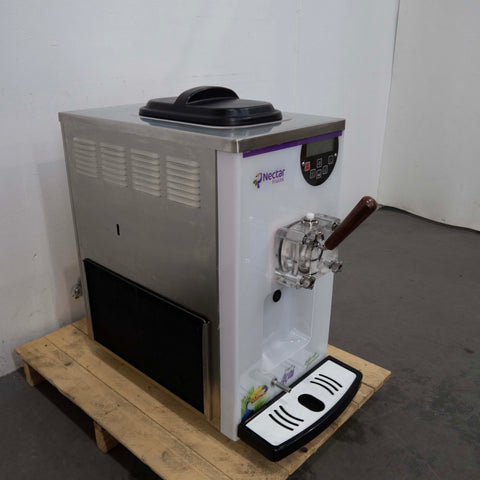
 Nectar Fruits S770 Ice Cream Machine - 848491
385W x 750D x 820Hmm
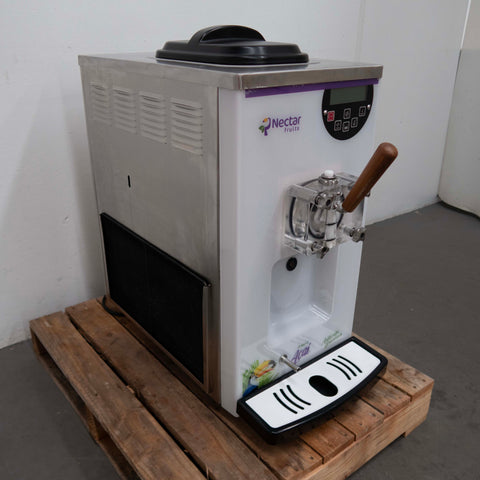
 Nectar Fruits S770 Ice Cream Machine - 852299
385W x 770D x 760Hmm

 Gelmatic HC Easy 1 GR Evan Ice Cream Machine - 882530
455W x 900D x 850Hmm

 Brullen i91 2020 Ice Cream Machine - 838222
320W x 850D x 890Hmm
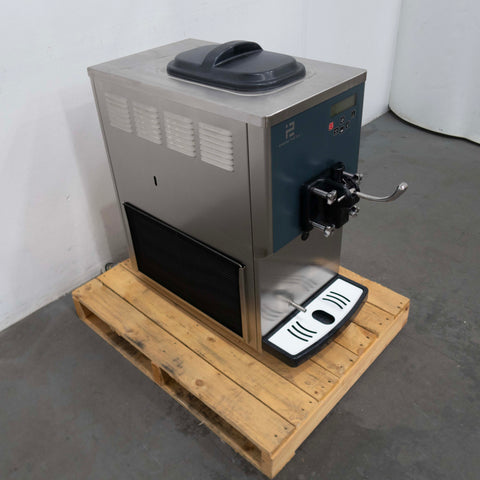
 Pasmo Pascal S930-TURBO Ice Cream Machine - 870158
385W x 770D x 830Hmm

 Brullen Beast Soft Serve Ice Cream Machine - 859124
620W x 880D x 1500Hmm

 Nectar Fruits S770 Ice Cream Machine - 877298
385W x 800D x 800Hmm

 AcaiPro B22 Acai Machine - 842691
530W x 735D x 955Hmm

 Brullen i91 2020 Gravity Feed Ice Cream Machine - 811628
320W x 850D x 890Hmm

 Brullen i91 2020 Soft Serve Machine - 873558
325W x 830D x 900Hmm

 Spaceman 6235A-C Ice Cream Machine - 895355
532W x 651D x 955Hmm
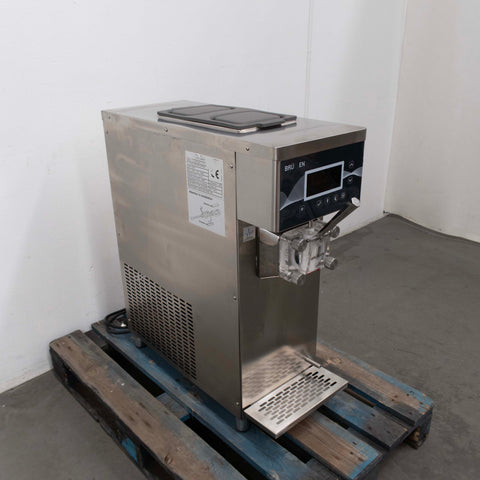
 Brullen i91 2020 Soft Serve Machine - 842551
325W x 880D x 880Hmm

 Aus Kitchen Pro AUSKPSS808-1 Ice Cream Machine - 889236
520W x 770D x 770Hmm
A commercial frozen dessert machine freezes and aerates a liquid mix into soft serve, gelato, frozen yoghurt or slush, and holds it ready to dispense through service.
The range splits by what you are making. Ice cream machines cover soft serve and gelato batch work, and frozen yoghurt machines run a tarter mix, usually from twin hoppers with a twist head. Finished product then needs somewhere to live, which is where ice cream freezers and ice cream displays come in.
The range includes small counter top machines for a cafe adding a dessert line up to large floor-standing machines with bigger hoppers for a dessert shop or a venue running functions, so you can buy the size that suits your business at its current size, then size up as your business grows. Hopper count, dispensing heads and the mix you intend to run are the three decisions that matter, and each model's figures are on its own product page.
These are among the bigger buys in a dessert fit-out, so Silverchef Rent-Try-Buy is worth a look while a new dessert line is still proving itself.
They are different machines, not settings. Soft serve and frozen yoghurt machines freeze a mix continuously and dispense it straight to the cone, so the product is made and sold at the same moment. Gelato is churned in batches and then held and scooped.
Decide what you are selling first. A dessert bar scooping gelato wants batch equipment and a display cabinet; a drive-through selling cones wants a continuous machine with a hopper. Our ice cream machine range covers both approaches.
One hopper per flavour, and a twin-hopper machine with a twist head gives you three products from two mixes, which is why it is the common choice for a shop with a single window. A single hopper is enough where you sell one flavour in volume.
Heads matter more than hoppers when queues are the problem, because two servers cannot work one head. Count the cones you expect in the busiest fifteen minutes and size from that.
Floor standing by default for anything that runs all day, because the larger hopper means fewer mix refills during service and the machine is not competing for bench space. Counter top suits a cafe adding desserts to an existing counter where floor space is already committed.
The constraint on a counter top unit is almost always the bench, not the machine: these are heavy, they need clearance for airflow on the sides and back, and they are not something to sit on a shelf. Check the clearance figures on the product page against the spot you have in mind.
Mix in, product out, and a clean-down on a cycle the manufacturer sets for that model. The hopper, the barrel, the dispensing head and the seals all come into contact with dairy, so they are the parts the schedule is built around.
This is the real cost of ownership and the thing to ask about before you buy. A machine with a heat treatment cycle is stripped less often than one without, and that difference shows up in staff hours every week rather than in the purchase price.
Mechanically yes in most cases, but the changeover is a full clean-down rather than a rinse, so running both through one machine on the same day is impractical. Shops that sell both generally dedicate a hopper or a machine.
Ask about the mixes the model is rated for before you commit, because fat content and sugar content change how a mix freezes and some machines are tuned for a narrower range than others. The manufacturer's documentation for each model is the source for that.
Power at the right point, clearance on the sides and back for the condenser to breathe, a floor that can take the weight and somewhere nearby to wash parts. Air-cooled machines in a hot room struggle, so ventilation is part of the install rather than an afterthought.
Mix storage is the piece most often forgotten: a machine running all day needs cold mix within reach, which usually means an under bench fridge at the counter rather than a walk to the coolroom.
Batch product goes into a dedicated freezer at a holding temperature set by the manufacturer and your own food safety plan, not a general purpose freezer that is opened all day. Ice cream freezers and display freezers are built for the stability that scooped product needs.
Continuous machines are different: product left in the barrel overnight is a cleaning decision governed by the machine's own cycle. For bulk frozen stock behind the shop, a chest freezer is the cheapest storage per litre.
Cones, cups, toppings, scoops and somewhere to present them, plus glassware if you are plating desserts rather than handing them over a counter. Dessert glasses and a cold display do more for the sell than an extra flavour.
Rapid chilling matters if you are making your own mix or base, which is where a blast chiller comes in. The full equipment picture for a dessert fit-out sits across our kitchen appliance range.

We have a special page just for stock that's warehoused in Perth.
Click Here to see all WA stockWhat our customers say about us on Google, and how Google scores our store for things like shipping and returns.
Store scores from Google