


 03 9070 5784
 Help & Support
 Track My Order



Recently Viewed


 Apuro Blender Jug 2.5Ltr - CS052
155(W) x 330(H) x 165(D)mm
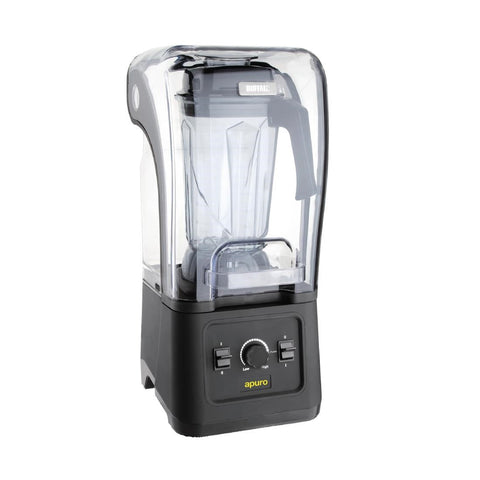
 Apuro Bar Blender with Sound Enclosure 2.5Ltr - DR825-A
253(W) x 548(H) x 236(D)mm
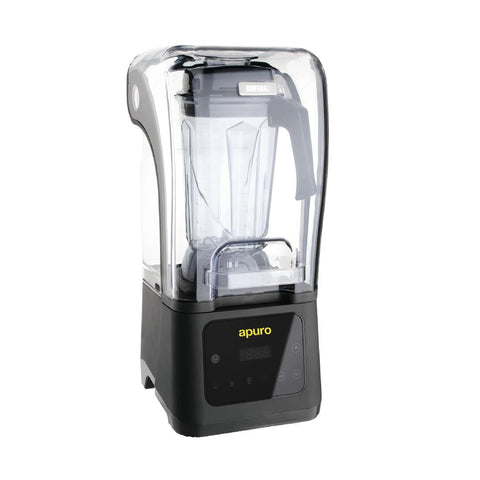
 Apuro Digital Bar Blender with Sound Enclosure 2.5Ltr - CY141-A
240(W) x 547(H) x 306(D)mm

 Benchstar 30L Hot Water Urn WB-30
350(W) x 420(D) x 550(H)mm
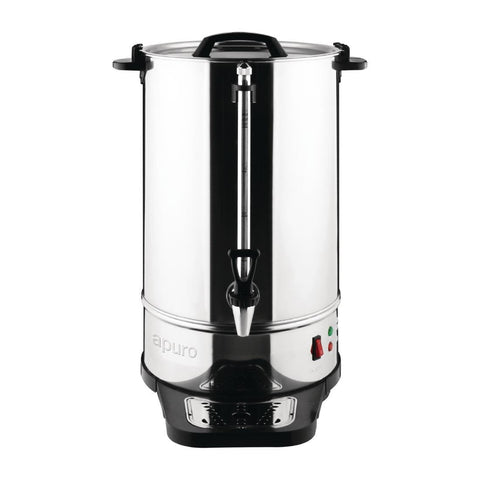
 Apuro Coffee Percolator 15Ltr - CN295-A
362(W) x 510(H) x 287(D)mm
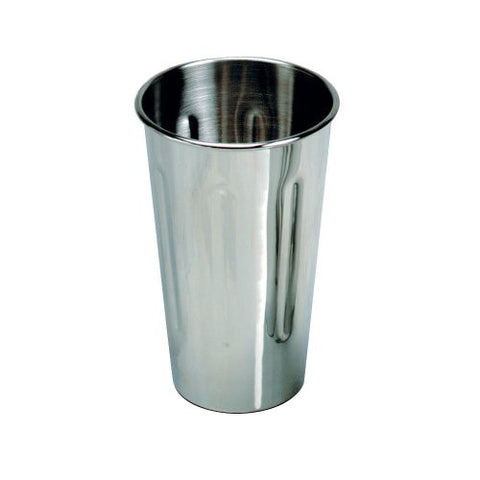

 Roband Stainless Steel Milkshake Cup - WA132
100(W) X 105(D) X 370(H)mm
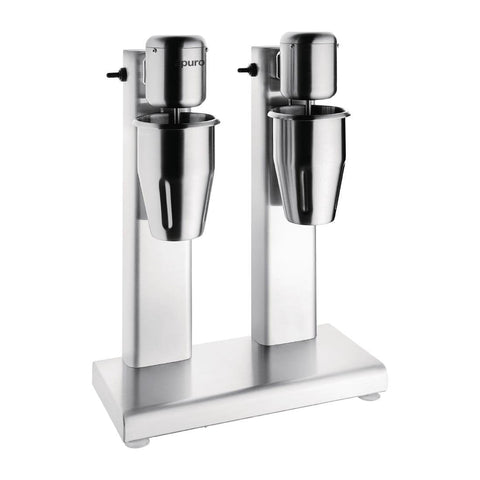
 Apuro Double Milkshake Maker - CY423-A
420(W) x 560(H) x 420(D)mm
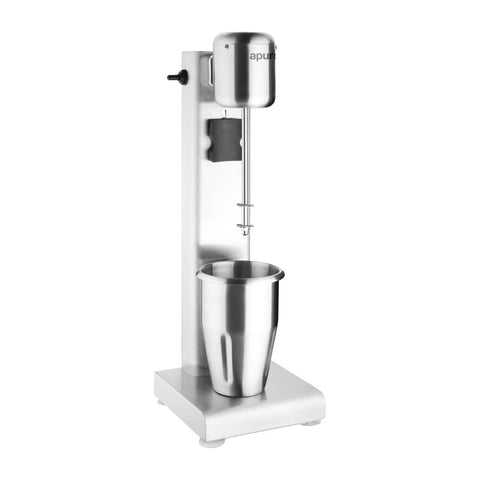
 Apuro Single Milkshake Maker - CT938-A
180(W) x 520(H) x 180(D)mm


 Polar G-Series Slushie Machine 1x 12Ltr - DB331-A
270(W) x 810(H) x 515(D)mm
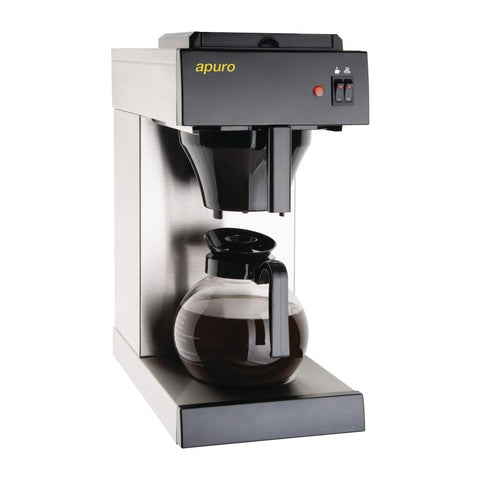
 Apuro Manual Fill Filter Coffee Machine - CT815-A
215(W) x 460(H) x 400(D)mm
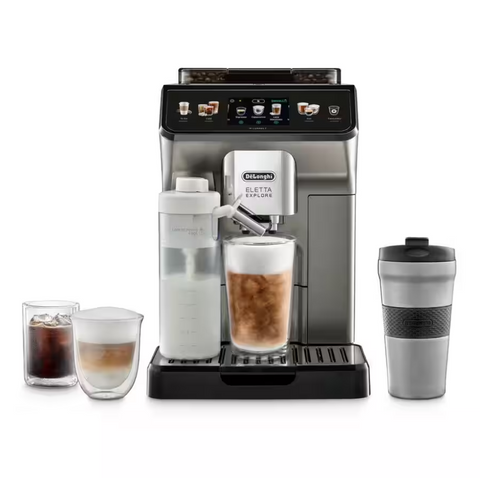

 DeLonghi Eletta Explore Titanium ECAM450.86.T
260(W) x 450(D) x 385(H)mm
 Benchstar 20L Hot Water Urn WB-20
265(W) x 320(D) x 510(H)mm
 Apuro Bar Blender 2.5Ltr - CR836-A
253(W) x 535(H) x 236(D)mm
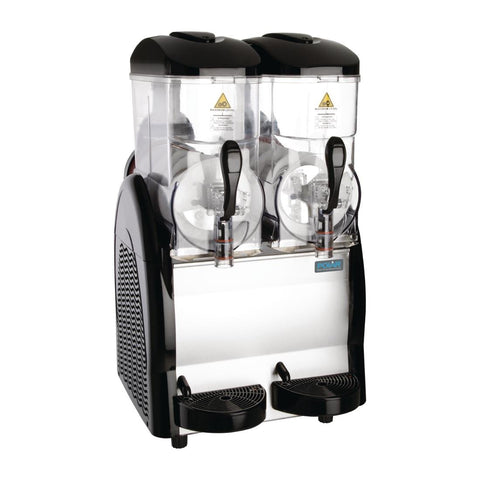
 Polar G-Series Slushie Machine 2x 12Ltr - DB332-A
470(W) x 810(H) x 515(D)mm
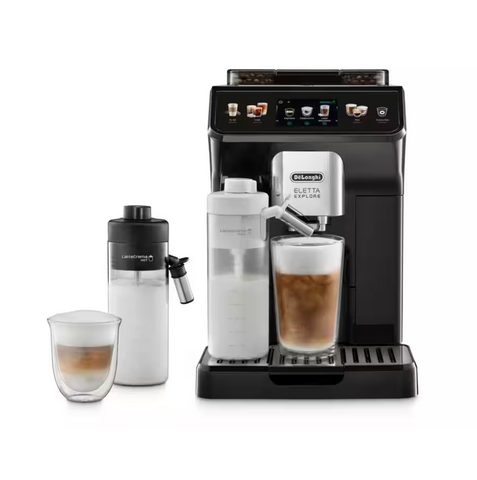
 DeLonghi Eletta Explore Grey ECAM450.55.G
260(W) x 450(D) x 385(H)mm
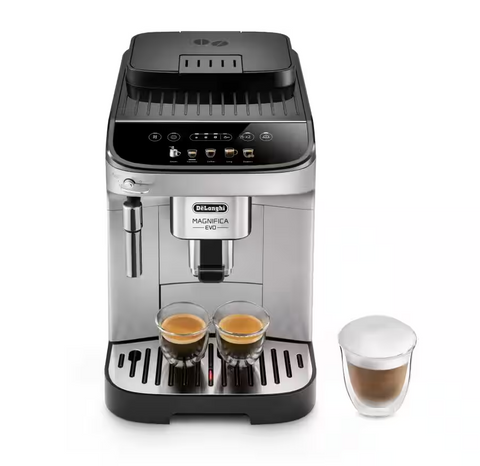
 DeLonghi Magnifica Evo Silver Black ECAM290.31.SB
240(W) x 440(D) x 360(H)mm
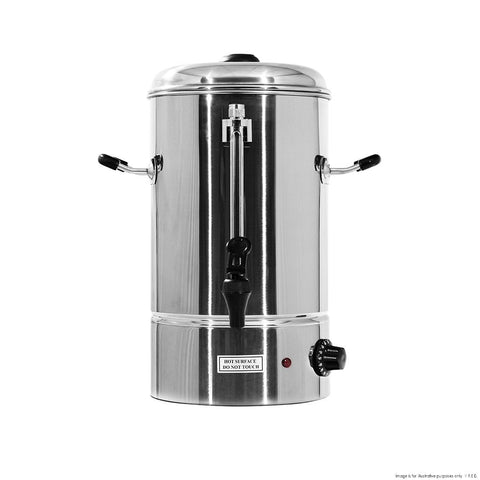
 Benchstar 10L Hot Water Urn WB-10
210(W) x 280(D) x 450(H)mm
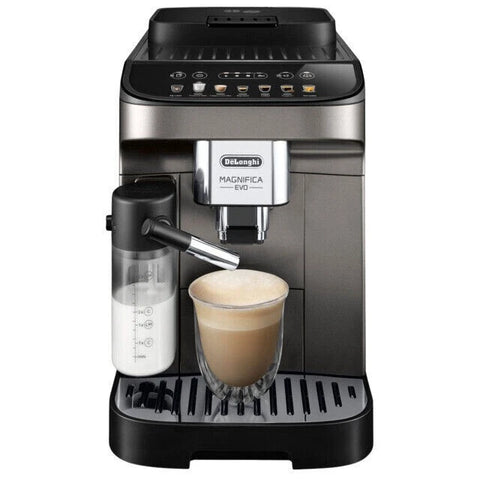
 Delonghi Magnifica Evo Coffee Machine ECAM290.83.TB
240(W) x 440(D) x 360(H)mm
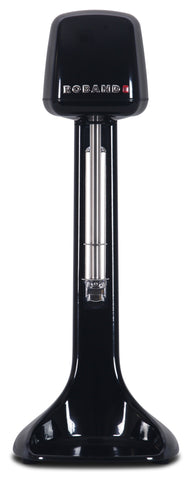

 Roband Milkshake Mixer Black - DM31B
180(W) X 220(D) X 485(H)mm
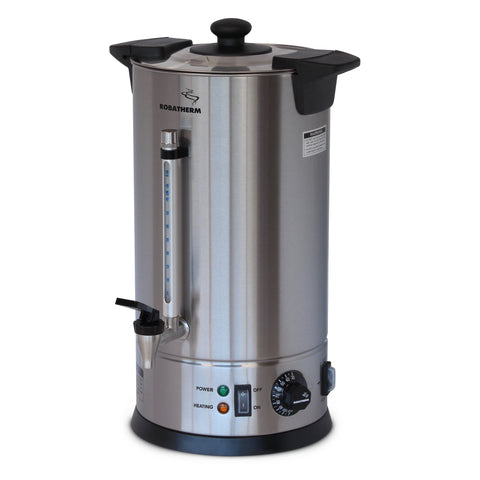

 Robatherm Hot Water Urns 10Lt - UDS10VP
240(W) X 240(D) X 480(H)mm

 Polar G-Series Twin Tank Chilled Drinks Dispenser - CF761-A
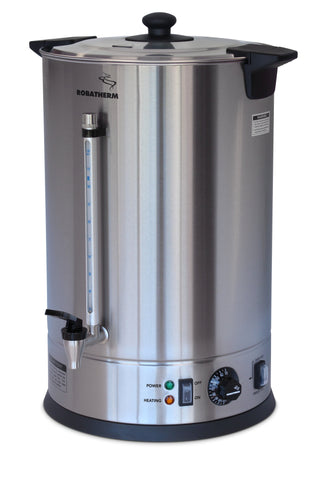
 Robatherm Hot Water Urns 20Lt - UDS20VP
330(W) X 330(D) X 550(H)mm
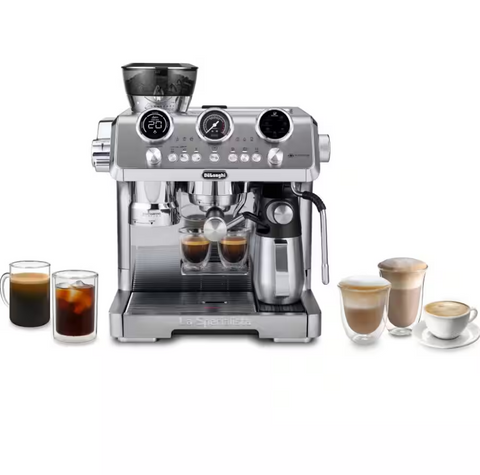
 DeLonghi La Specialista Maestro Cold Brew EC9885.M
419(W) x 368(D) x 465(H)mm

 Caterlite Hot Water Urn 8Ltr - J709-A
295(W) x 452(H) x 265(D)mm
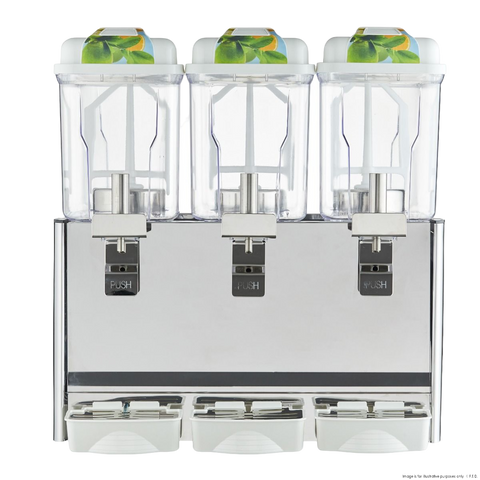
 Benchstar Triple Bowl Juice Dispenser KF12L-3
600(W) x 410(D) x 660(H)mm

 Saeco Aulika Evo Focus Bean to Cup Coffee Machine Aulika-Evo-Focus
334(W) x 452(D) x 574(H)mm

 Roband Milkshake Mixer Red - DM31R
180(W) X 220(D) X 485(H)mm
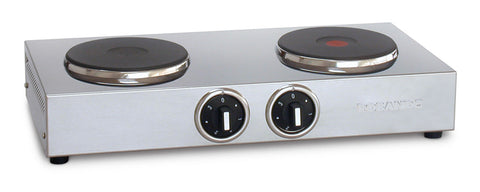
 Roband Boiling Hot Plates 2 x 150mm - 12
510(W) X 265(D) X 105(H)mm
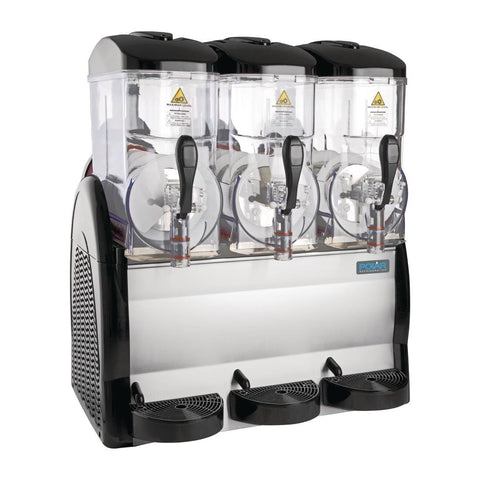
 Polar G-Series Slushie Machine 3x 12Ltr - DB843-A
670(W) x 810(H) x 515(D)mm
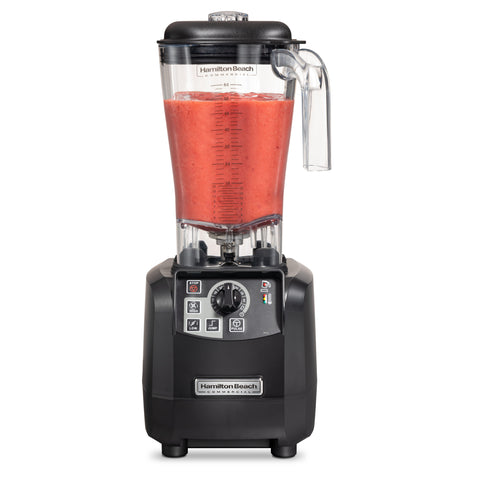

 Hamilton Beach Tempest Blender - BBT0650
178(W) x 457(H) x 203(D)mm
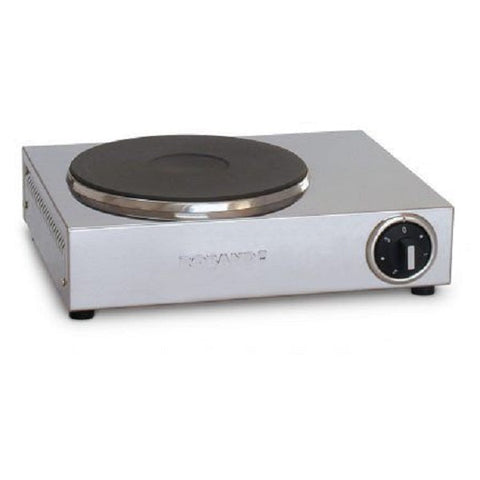
 Roband Boiling Hot Plates 230mm - 13
360(W) X 282(D) X 105(H)mm
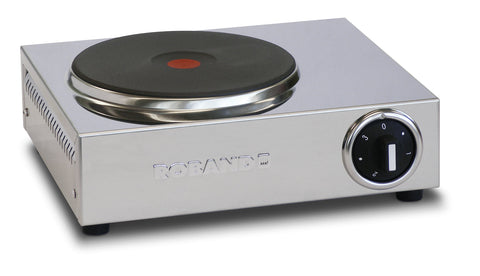
 Roband Boiling Hot Plates 190mm - 11
435(W) X 400(D) X 160(H)mm

 Yasaki Heavy Duty Powerful Motor Citrus Juicers CJ-50AH
375(W) x 200(D) x 400(H)mm
 Caterlite Water Boiler 20Ltr - J722-A
355(W) x 575(H) x 345(D)mm

 Skymsen Citrus Juicer - CES0001
195(W) x 380(H) x 340(D)mm
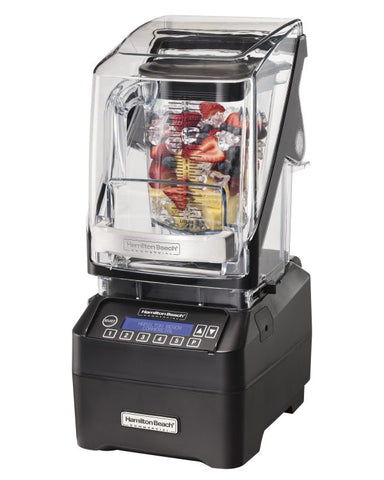
 Hamilton Beach Eclipse Blender - BBE0755
210(W) x 470(H) x 290(D)mm
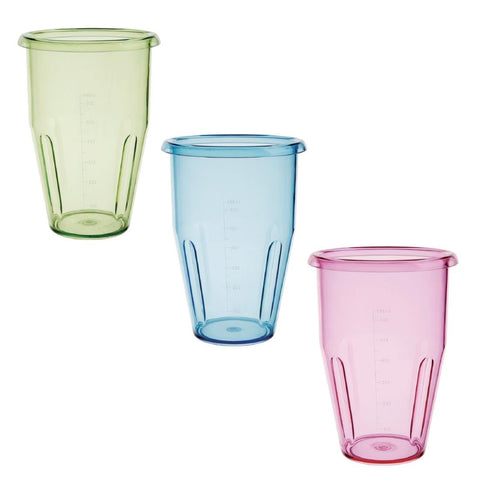
 Milkshake Cups for Apuro Single Milkshake Mixer - DY990
305(W) x 160(H) x 115(D)mm
 Skymsen Titling Blender 25L - LQS0025
1180(W) x 525(H) x 410(D)mm

 Anvil Single Bowl Drink Dispenser - JDA2001
230(W) x 640(H) x 430(D)mm

 Ceado Centrifugal Juicer Medium Duty - CJC0500
242(W) x 512(H) x 495(D)mm
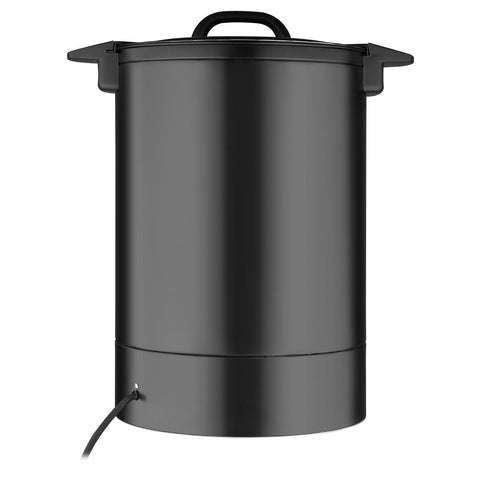
 Apuro Energy Saving Water Urn Matt Black 30Ltr - JA863-A
 Benchstar 30L Hot Water Urn - WB-30/10
350(W) x 420 (Including handles)(D) x 550(H)mm

 Benchstar Double 12 Litre Granita Slushy Machine FABIGANI-2S
470(W) x 520(D) x 810(H)mm
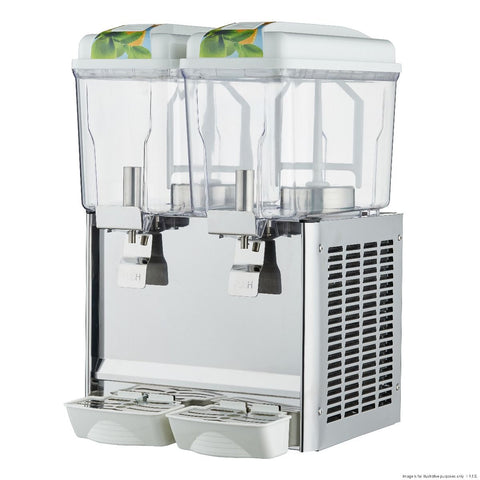
 Benchstar Double Bowl Juice Dispenser KF12L-2
410(W) x 410(D) x 660(H)mm
 Anvil Double Bowl Drink Dispenser - JDA2002
430(W) x 640(H) x 430(D)mm
 Hamilton Beach Single Milkshake Mixer - HMD0200
165(W) x 521(H) x 171(D)mm
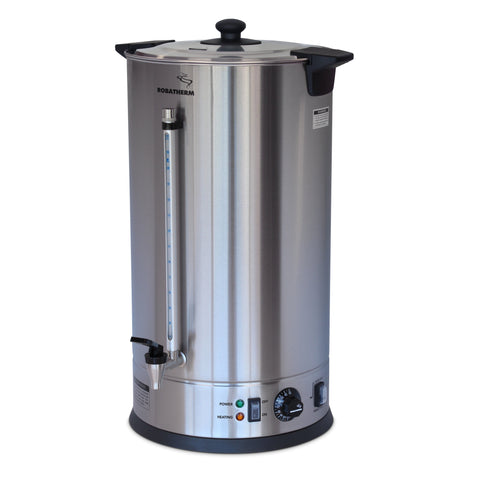
 Robatherm Hot Water Urns 30Lt - UDS30VP
330(W) X 330(D) X 645(H)mm
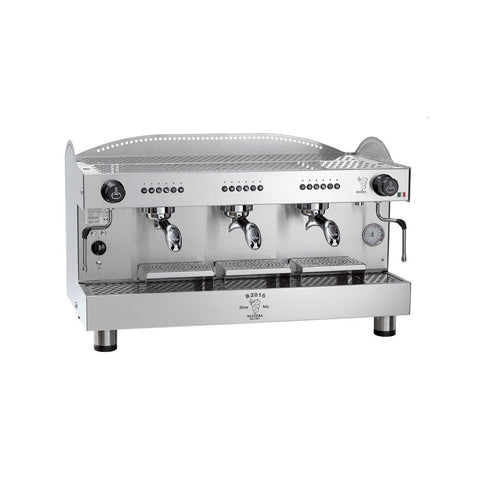
 Bezzera Bezzera Professional Espresso Machine BZB2016S3DE
960(W) x 550(D) x 515(H)mm
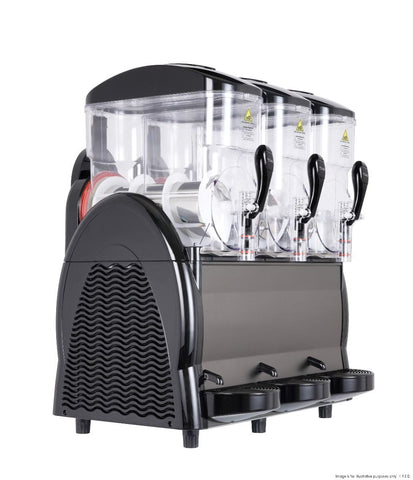
 Benchstar Triple 12 Litre Granita And Slushy Machine FABIGANI-3S
670(W) x 520(D) x 810(H)mm
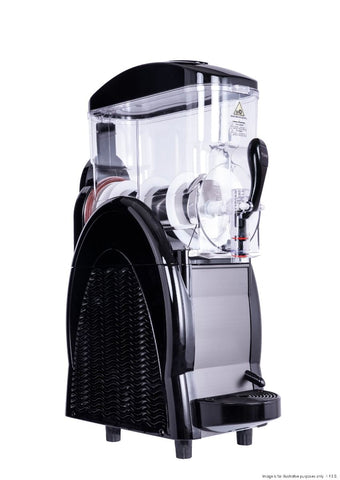
 Benchstar Single 12 Litre Granita Slushy Machine FABIGANI-1S
270(W) x 520(D) x 810(H)mm
 Benchstar 20L Hot Water Urn - WB-20/10
265(W) x 320 (Including handles)(D) x 510(H)mm
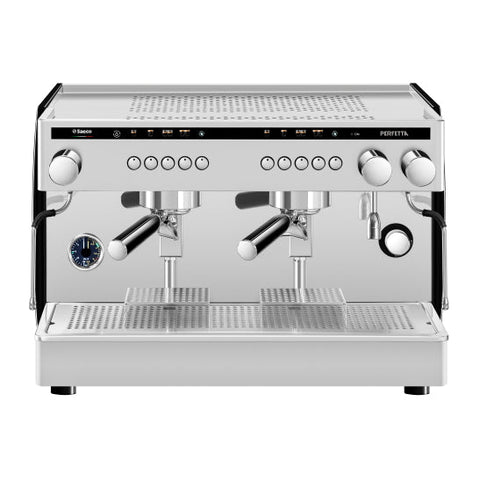
 Saeco Perfetta Saeco-Perfetta
730(W) x 520(D) x 470(H)mm
Commercial beverage equipment is what makes and serves the drinks: espresso and milk drinks, juices and smoothies, frozen cocktails and anything poured over ice. You can get the whole drinks side of the business here, from coffee machines and grinders to blenders, juicers and slushie machines, delivered anywhere in Australia.
That means one order to track and one number to call if something goes wrong, instead of chasing five suppliers. Our commercial beverage equipment includes small two-group coffee machines for a cafe or a food truck up to large four-group machines for a high-volume coffee bar, so you can buy the size that suits your business at its current size, then size up as your business grows.
Not sure how many groups you need, or which grinder goes with it? Request a callback and we will work it out with you. Related ranges: commercial coffee equipment, beverage dispensers and cocktail equipment.
Depending on your menu, how many staff you have on deck, what sort of volume you need to get through and even the space you have available, you have a few options when sizing up a coffee machine. Consider your peak period and how many drinks you’d serve on average. From there, if you’re in a low to moderate volume you might be best off with a two-group machine. It’s a good balance between solid output that doesn’t take up more space than you need. If your menu is primarily coffee and you have a high level of demand, a three-group or even four-group commercial coffee maker is more likely going to be for you. Having one with an integrated coffee grinder saves a separate machine on the bench, or you can get one separately to serve up different roasts.
Your lattes and cappuccinos will only be as good as your coffee grinder, so looking for a high quality model is worth the time. You want an even grind and enough throughput for your volume. Look for commercial-grade burrs, which give you a more uniform grind size shot after shot. Whether you’re doing espresso, pour over or drip, grind size needs to be adjustable and consistent. If you’re unsure, or you’re expanding into more unique coffee varieties, you can contact the team at REO any time and we can guide you to something that’ll match your needs.
In the same way you need an efficient layout for food prep in the kitchen, setting up your coffee bar area properly can majorly improve efficiency. Start by considering the flow of production, from placing your coffee grinder and coffee machine next to each other with your knock box close to hand. Next, consider whether you need underbench fridges for chilled milks for iced lattes, and if you’re including alternative milks, keep a jug/cup rinser close by so you can thoroughly rinse the milk jug out between steaming.
Whether you pour dairy milk only or everything from soy and oat to coconut and almond, you need plenty of chilled storage for proper food health and safety. Look for a fridge that holds temperature and that staff can get into quickly during the morning rush. If you have iced lattes, an underbench freezer or ice maker might also be worth investing in to make sure you have a constant supply for your chilled drinks.
Many businesses are expanding their menus and experimenting with new drink formulations. If you want to go beyond having a commercial coffee machine alone, consider things like blenders, frozen drink dispensers, and juicers. Blenders can be used for smoothies and cocktails, while juicers are ideal for breakfast bars and cafes to whip up refreshing juices for health-conscious patrons. If you’re running a bar and want to serve frozen cocktails, slushie machines are a great option. They look good on a bar and they make serving quick.
Your daily cleaning tasks should include the basics like backflushing espresso machines, wiping down group heads and cleaning steam wands immediately after use, especially for dairy milks. You should also clean out your cup rinsers, check your grinder over and give everything a general wipe down to keep your work station sanitary and looking good. More general maintenance should include deep cleaning of group heads and blind baskets or putting them in the dishwasher. If you aren’t using a water filter for your machine, even in metro areas where the water is soft, you should periodically descale your machines too. Each piece of equipment will have its own care guidelines, so checking the manufacturers instructions is a good place to start.
Before buying any sort of commercial coffee machine or appliance, you’ll want to check the power sources you have to hand are compatible with what they require. Equally, some espresso machines may have built-in plumbing, so considering whether you need additional installation support or need to readjust where you place your coffee machine is important before investing in a new one.
If you’re not in a metro city area, adding water filtration to your commercial coffee setup is important. Mineral rich water will create limescale over time and can clog some of the more delicate parts of your machine, resulting in more maintenance and care but will also impact flavour.
An espresso machine and grinder, milk refrigeration within reach, and hot water. Everything else follows the menu.

We have a special page just for stock that's warehoused in Perth.
Click Here to see all WA stockWhat our customers say about us on Google, and how Google scores our store for things like shipping and returns.
Store scores from Google