


 03 9070 5784
 Help & Support
 Track My Order



Recently Viewed
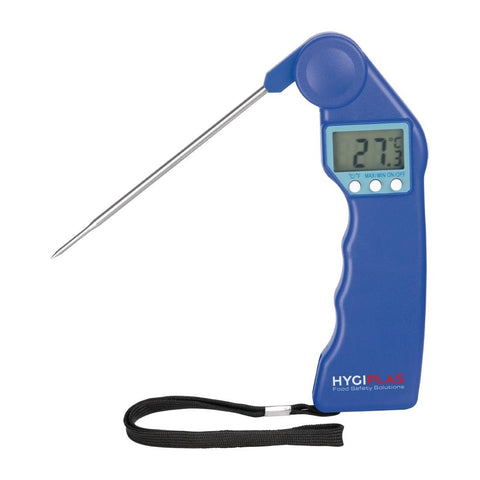

 Hygiplas Easytemp Colour Coded Blue Probe Thermometer - FX146
55(W) x 20(H) x 160(D)mm
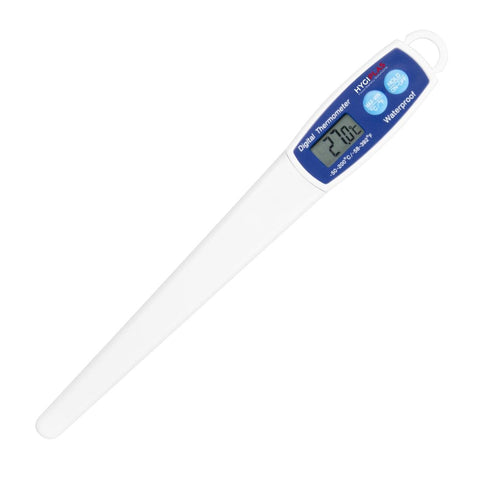
 Hygiplas Water Resistant Digital Probe Thermometer - GH628
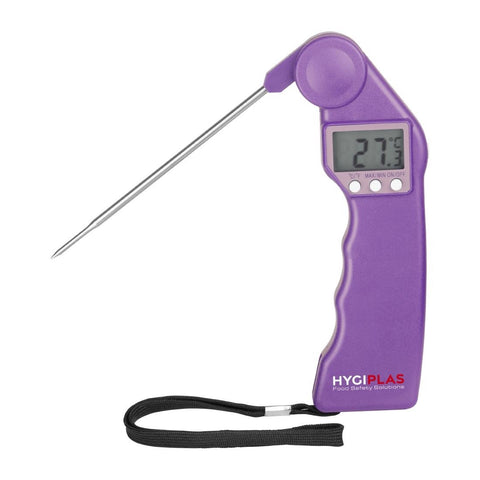
 Hygiplas Easytemp Colour Coded Purple Probe Thermometer - CH739
54.3(W) x 18(H) x 161.2(D)mm
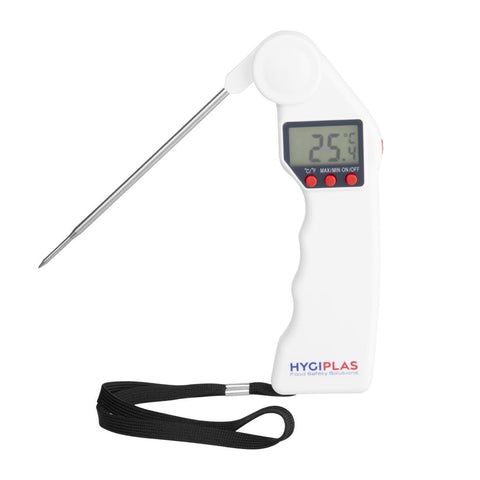
 Hygiplas Easytemp Colour Coded White Probe Thermometer - J242
52(W) x 160(H) x 21(D)mm
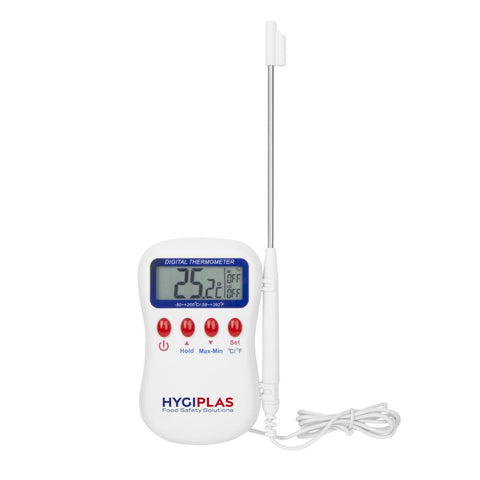

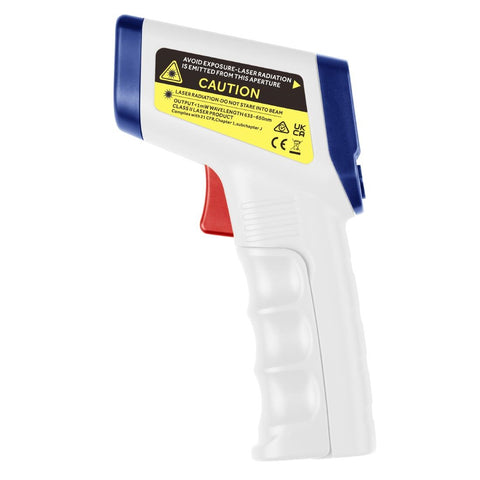

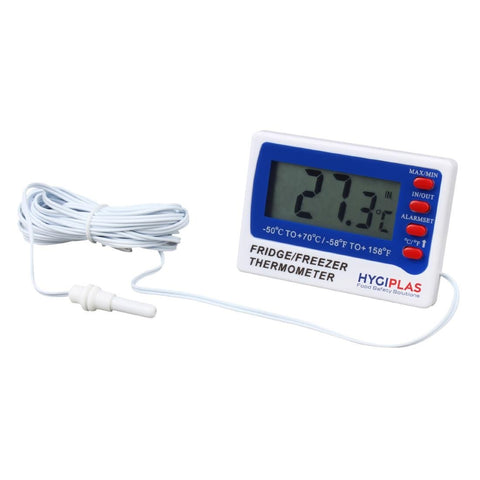
 Hygiplas Digital Fridge Freezer Thermometer - F343
73(W) x 52(H) x 15(D)mm
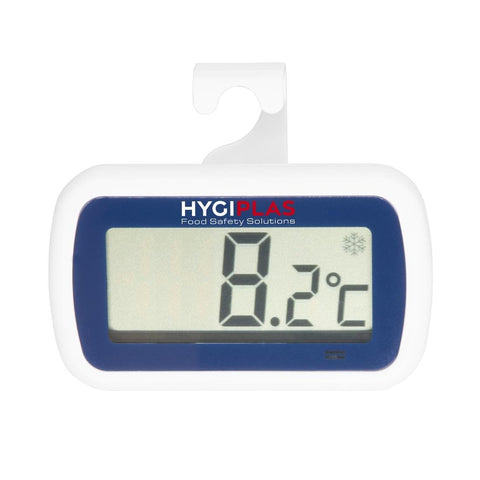
 Hygiplas Waterproof Mini Fridge Freezer Thermometer - CB891
70(W) x 57(H) x 20(D)mm
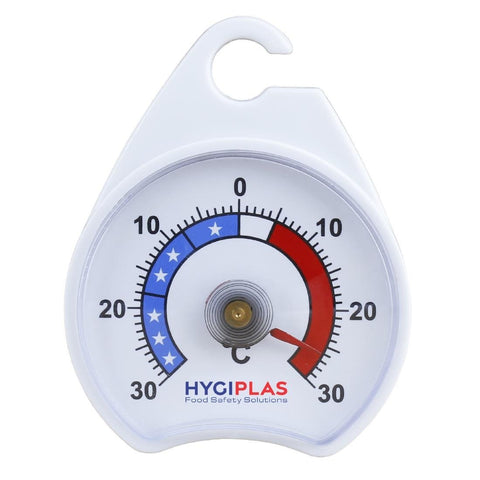
 Hygiplas Dial Fridge Freezer Thermometer - J226
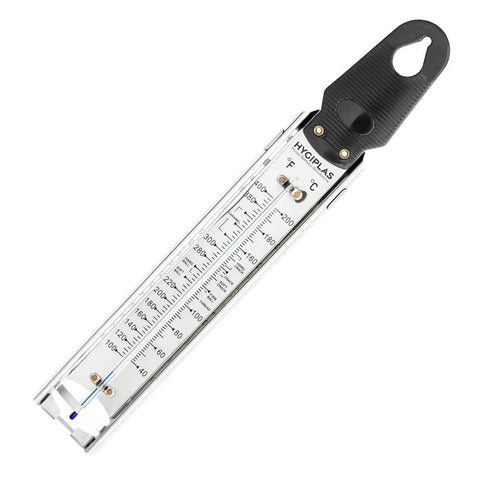

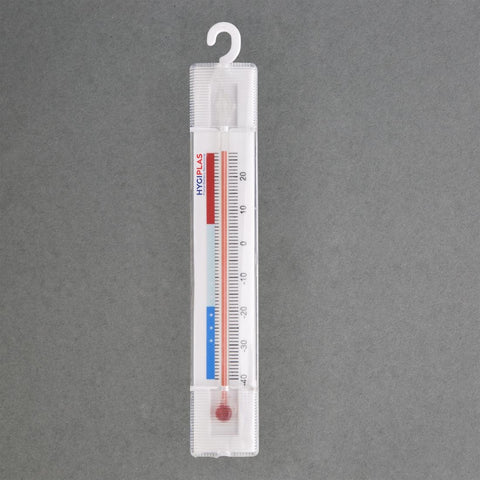
 Hygiplas Hanging Fridge Freezer Thermometer - J211
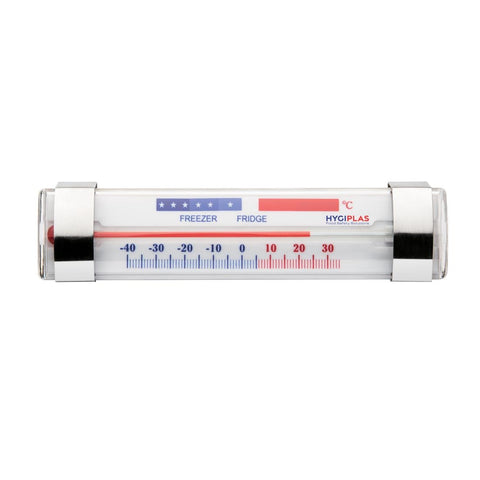

 Hygiplas Meat Thermometer - J212
52(W) x 52(H) x 123(D)mm
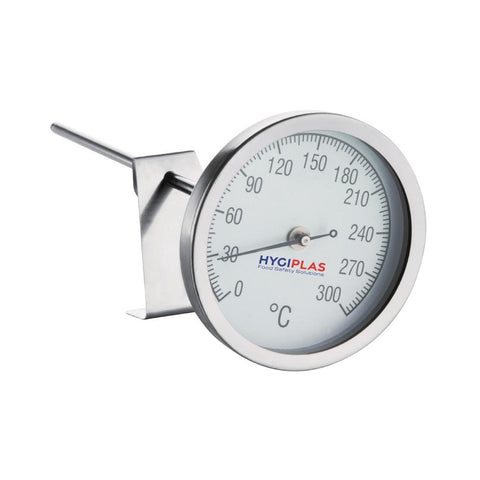

 Hygiplas Pocket Food Thermometer with Dial - F346
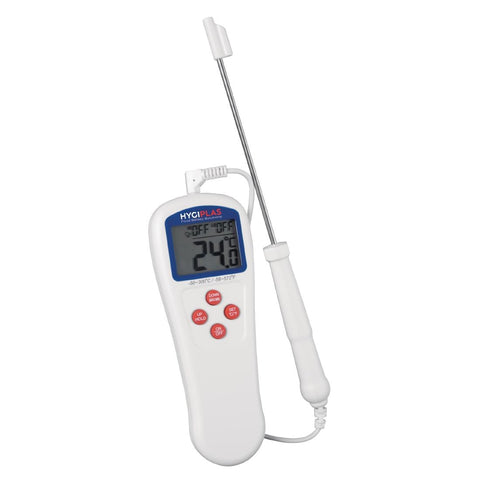
 Hygiplas Catertherm Digital Probe Thermometer - GG748
60(W) x 19(H) x 163(D)mm
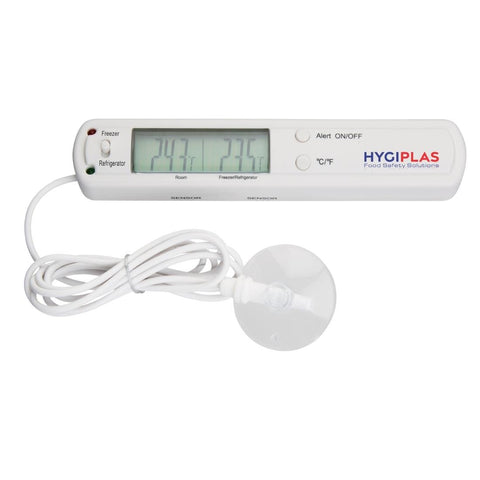
 Hygiplas Digital Fridge Freezer Thermometer with Alarm - F314
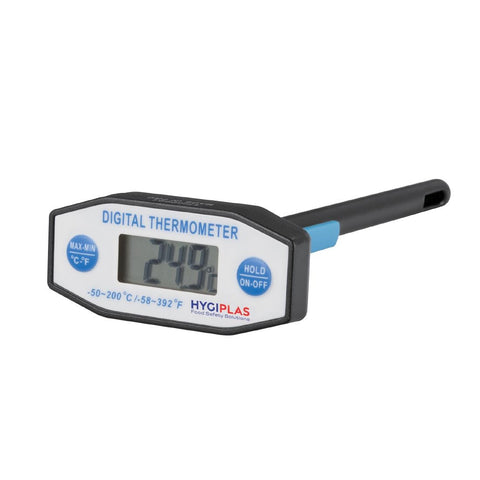
 Hygiplas T Shaped Digital Probe Thermometer - F306
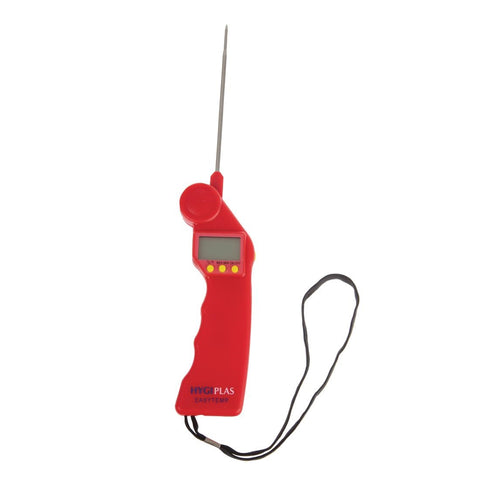
 Hygiplas Easytemp Colour Coded Red Probe Thermometer - CF913
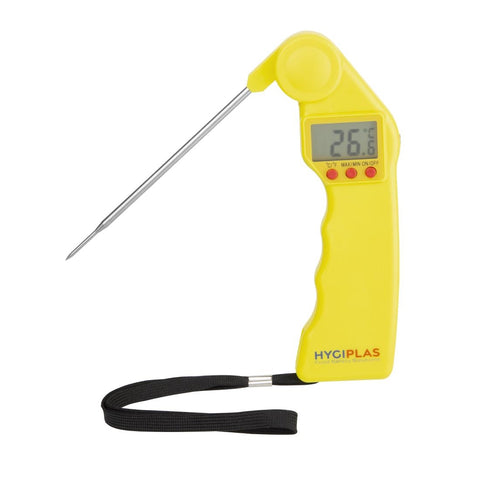
 Hygiplas Easytemp Colour Coded Yellow Probe Thermometer - CF912
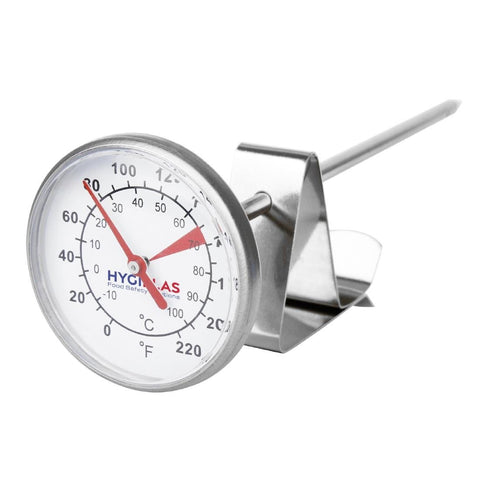

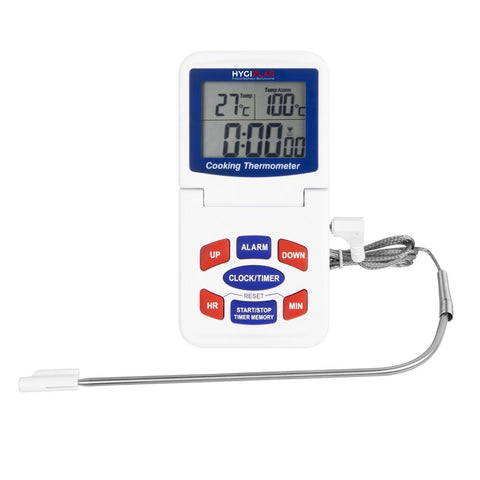
 Hygiplas Digital Oven Cooking Probe Thermometer - CE399
67(W) x 131(H) x 22(D)mm

 Hygiplas Wall Thermometer - J228
60(W) x 270(H) x 15(D)mm
A commercial thermometer tells you what food is actually sitting at, rather than what it looks like it is sitting at: the core of something cooking, cooling or reheating, the surface of a delivery at the back door, or the inside of a fridge overnight. That reading is what turns a step in your food safety program into a record you can show.
Commercial thermometers come in three families and they are not interchangeable. A probe or commercial kitchen thermometer reads the core of a product; an infrared unit reads a surface instantly without touching it; a fixed or logging unit watches a fridge, freezer or cool room continuously. Most venues need at least a probe and something watching cold storage.
The range splits into food thermometers and fridge and freezer thermometers, and is used alongside kitchen and food timers, kitchen food labels and blast chillers. You can start with the areas that need covering now and add more as your business grows.
Working out what to put on each bench and in each fridge? The price guide prices the probe, infrared and fixed units together, so a venue can be covered in one order.
A probe for anything you are cooking, cooling or reheating, because core temperature is what matters and a surface reading will not tell you. Infrared for fast surface checks on deliveries, griddles and holding equipment where you cannot pierce the product.
Fixed or logging units for storage, where the point is continuous watching rather than a spot check. See food thermometers for the handheld end and fridge and freezer thermometers for storage.
Because they measure different things. Infrared reads the surface, which cools or heats far faster than the centre of a product, so the two numbers will legitimately disagree on anything thick.
Use infrared as a screening tool and a probe for anything that goes in a record. For incoming deliveries, infrared on the carton and a probe into a sample is the usual pairing.
On a schedule your food safety program sets, and immediately after any drop or knock. A thermometer that has been dropped is the one most likely to read confidently and wrongly.
Keep a second unit as a reference so you can compare two readings on the same product. Follow the maker's calibration instructions on the product page specifications rather than a generic method.
Only if it is sanitised between uses, and in practice that is hard to police mid-service. The probe goes into raw product and then into something ready to eat, which is exactly the pathway you are trying to close.
Keep probe wipes at the station, or run separate units for raw and cooked sections. The disinfectant and sanitisers range covers the wipes.
Digital reads faster and is easier to read correctly, which matters when someone is holding an oven door open. Dial units need no battery and survive being dropped better, which is why they persist in cold rooms.
Most kitchens use digital on the bench and simple dial or fixed units in storage. Battery life and response time are on the product page.
You need to be able to show each cold storage unit is holding, and the simplest way is a thermometer in each one. Relying on the unit's own display means trusting a sensor you cannot verify.
An independent gauge inside the cabinet is cheap insurance against a controller reading optimistically. See fridge and freezer thermometers and the commercial fridge accessories range.
In the warmest part of the cabinet, not next to the evaporator. A probe parked in the coldest spot gives a reassuring number that says nothing about the product on the top shelf by the door.
For a cool room, that usually means near the door at product height. Move it and watch what changes before you settle on a spot.
The ones in your own food safety program and the Food Standards Code requirements that apply to your venue. We do not publish temperature figures against products because the obligation is yours and it varies by food type and process.
If you want help choosing equipment that suits the checks you have to make, ask us and we will work from your program rather than a generic chart.
Catering thermometers, kitchen thermometers, probe thermometers, HACCP thermometers, food probes and temperature gauges all describe items in this range. The categories that matter are handheld versus fixed, and contact versus infrared.
Compare response time, range and whether the unit logs. The rest of the kitchen tools range covers the timers and scales that sit next to them.

We have a special page just for stock that's warehoused in Perth.
Click Here to see all WA stockWhat our customers say about us on Google, and how Google scores our store for things like shipping and returns.
Store scores from Google