


 03 9070 5784
 Help & Support
 Track My Order



Recently Viewed
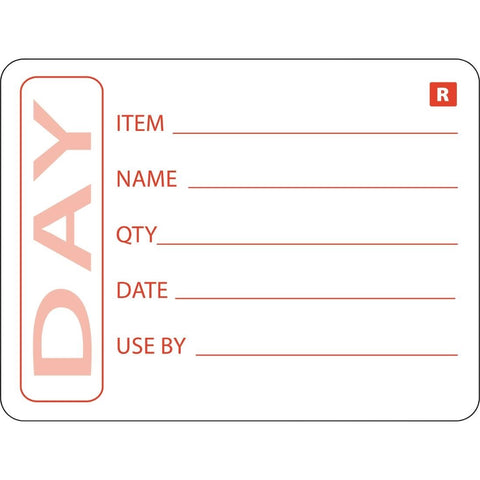

 Vogue Prepped Product Removable Labels - E148
65(W) x 49(H) x 65(D)mm
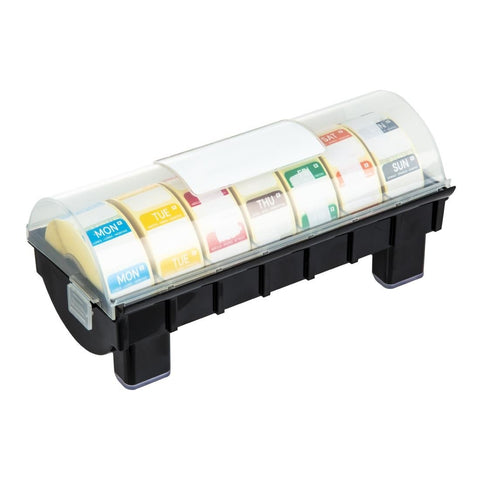
 Vogue Removable Colour Coded Food Labels with 1" Dispenser - GH473
330(W) x 64(H) x 133(D)mm




 Jantex Slim Bin Lid Mixed Recycling Label - FX197



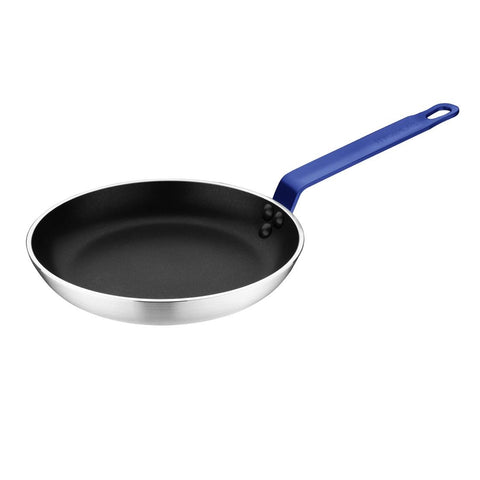
 Hygiplas Aluminium Non-stick Teflon Platinum Plus Frying Pan with Blue Handle 24cm - HT971
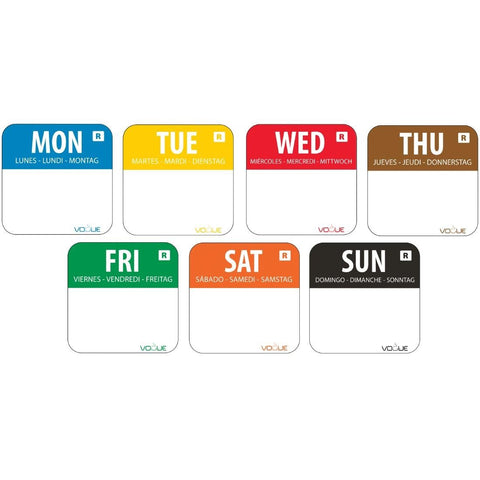

 Vogue Removable Day of the Week Labels - S151
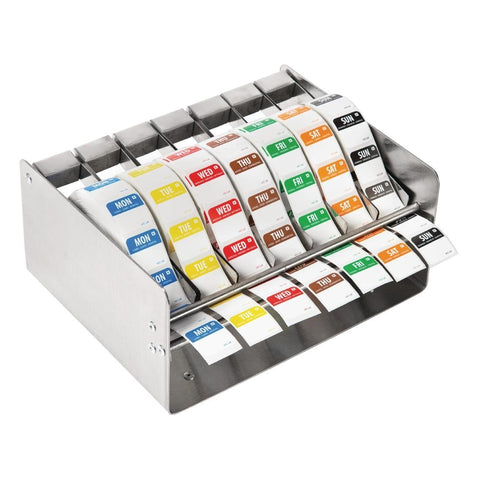
 Vogue Days Of The Week Labels & Dispenser - S154

 Vogue Label Dispenser - L937
237(W) x 121(H) x 190(D)mm
 Vogue Dissolvable Food Rotation Labels Tuesday - U778
20(W) x 2(H) x 20(D)mm
 Vogue Dissolvable Food Rotation Labels Monday - U777
20(W) x 2(H) x 20(D)mm
 Vogue Dissolvable Food Rotation Labels Thursday - U780
20(W) x 2(H) x 20(D)mm
 Vogue Dissolvable Food Rotation Labels Friday - U781
20(W) x 2(H) x 20(D)mm
 Vogue Dissolvable Food Rotation Labels Wednesday - U779
20(W) x 2(H) x 20(D)mm
 Vogue Dissolvable Food Rotation Labels Sunday - U783
20(W) x 2(H) x 20(D)mm
 Vogue Dissolvable Labels Week Set - GH326
50(W) x 5(H) x 50(D)mm
 Vogue Dissolvable Food Rotation Labels Saturday - U782
20(W) x 2(H) x 20(D)mm
 Vogue Removable Day of the Week 50mm Label Set - L938
60(W) x 49(H) x 5(D)mm
 Vogue Removable Colour Coded Food Labels Saturday - L936
24(W) x 24(H) x 5(D)mm
 Vogue Removable Day of the Week Label Thursday - L069
60(W) x 49(H) x 5(D)mm
 Vogue Removable Colour Coded Food Labels Sunday - L930
24(W) x 24(H) x 5(D)mm
 Vogue Removable Colour Coded Food Labels Wednesday - L933
24(W) x 24(H) x 5(D)mm
 Vogue Removable Colour Coded Food Labels Thursday - L934
24(W) x 24(H) x 5(D)mm
 Vogue Removable Day of the Week Label Saturday - L071
60(W) x 49(H) x 5(D)mm
 Vogue Removable Colour Coded Food Labels Monday - L931
24(W) x 24(H) x 5(D)mm
 Vogue Removable Colour Coded Food Labels Friday - L935
24(W) x 24(H) x 5(D)mm
 Vogue Removable Colour Coded Food Labels Tuesday - L932
24(W) x 24(H) x 5(D)mm
 Vogue Removable Day of the Week Label Sunday - L072
60(W) x 49(H) x 5(D)mm
 Vogue Removable Day of the Week Label Wednesday - L068
60(W) x 49(H) x 5(D)mm
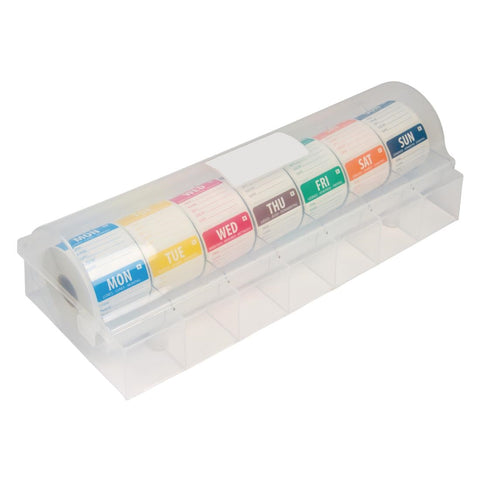
 Vogue Dissolvable Colour Coded Food Labels with 2" Dispenser - GH475
489(W) x 64(H) x 133(D)mm
 Vogue Dissolvable Day of the Week Labels Thursday - GH354
 Vogue Dissolvable Day of the Week Labels Friday - GH355
 Vogue Removable Day of the Week Label Friday - L070
60(W) x 49(H) x 5(D)mm
 Vogue Dissolvable Day of the Week Labels Saturday - GH356
 Vogue Removable Day of the Week Label Monday - L066
60(W) x 49(H) x 5(D)mm

 Vogue Food Allergy Labels Gluten Free - GJ060
25.4(W) x 5(H) x 25.4(D)mm
 Vogue Dissolvable Day of the Week Labels Monday - GH351
 Vogue Removable Day of the Week Label Tuesday - L067
60(W) x 49(H) x 5(D)mm
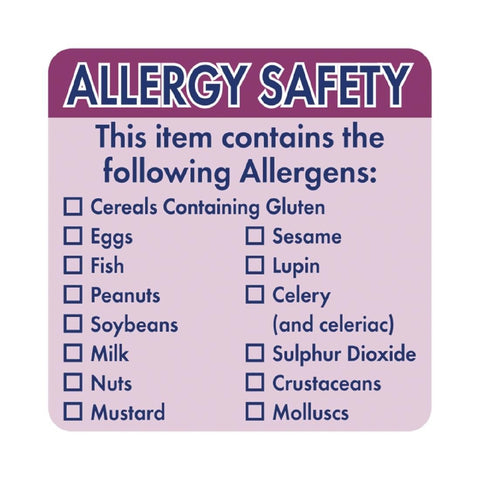
 Vogue Allergen Food Labels - GJ058
50(W) x 5(H) x 50(D)mm
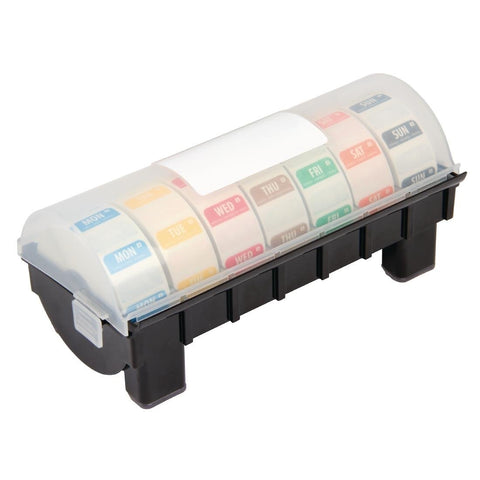
 Vogue Dissolvable Colour Coded Food Labels Starter Kit with 1" Dispenser - GH474
330(W) x 64(H) x 133(D)mm
 Freezable Day of the Week Labels - GF049
75(W) x 75(H) x 5(D)mm
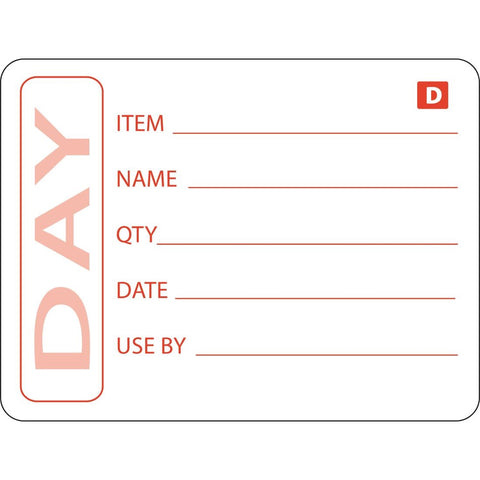
 Dissolvable Vogue Prepared Food Labels - GH350
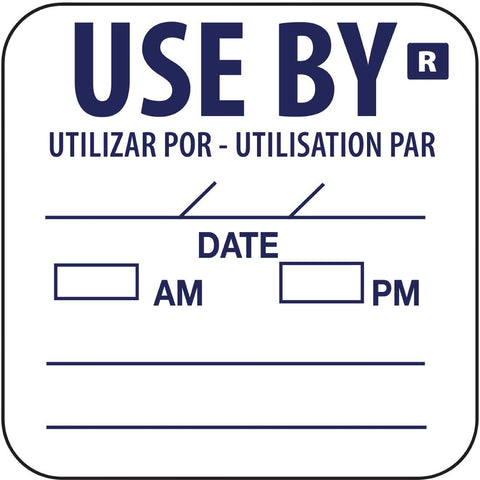

 Vogue Dissolvable Day of the Week Labels Wednesday - GH353
 Vogue Dissolvable Day of the Week Labels Tuesday - GH352

 Vogue Dissolvable Food Rotation Label Kit 20mm - CF439
20(W) x 20(H) x 5(D)mm
Food labels for commercial kitchen use record what a container holds, who made it and when. Commercial kitchen food labels are what let a kitchen rotate stock instead of throwing out anything nobody can identify at the end of the week.
The choice between label types is about removal, not printing. Dissolvable labels come off in the wash and leave nothing behind; removable labels peel cleanly; permanent labels are for shelving and bins. Commercial kitchen labels that will not come off are a cleaning problem that compounds every week.
Labels sit in the food storage range next to gastronorms and containers, kitchen storage boxes and ingredient bins, and they are used with cling wrap, foil and dispensers.
Standardising labelling across more than one kitchen? Get the price guide for the rolls, dispensers and markers in one place.
What it is, the date it was made or opened, and who made it. The initials matter more than people expect, because they are what lets you ask the one person who knows what is actually in the tub.
Keep the format identical across the kitchen so it can be read at a glance. What dates you record, and how long product is held, come from your own food safety program.
Almost always, because the alternative is someone scraping adhesive off containers. Dissolvable labels break down in the wash and leave no residue or ghosting on plastic.
Removable labels are the middle option: they peel cleanly by hand but still have to be peeled. Permanent labels belong on shelves and ingredient bins, not on containers that get washed.
They speed up a glance across a shelf, which is their real value, but on their own they cannot tell you which week. For anything held more than a few days you still need a date.
Most kitchens use coloured day labels for fast-turnover prep and dated labels for everything else. Food labelling in commercial kitchen practice is whatever your program specifies, applied the same way every shift.
A waterproof marker that will not smudge when a container goes into a coolroom and sweats. A ballpoint on a damp label is unreadable within a day, which defeats the point of labelling at all.
Keep markers tethered at the labelling station so they do not walk. Replace them before they go faint rather than after.
Dissolvable labels are designed to, and that is the point of them. Permanent and most removable labels will survive a cycle and come out half-lifted, which is worse than either outcome.
Strip non-dissolvable labels before the container goes in the commercial dishwasher. Build it into the wash-up routine rather than leaving it to whoever stacks the rack.
Treat it as a separate, deliberate note rather than something squeezed onto the date label. Allergen details on prep need to be legible to someone who was not there when it was made.
Dedicated allergen labels in a distinct colour are the usual answer. What you must declare and how is set by the Food Standards Code and your own documented process.
Rolls and a marker are enough for most single-site kitchens and they never break down mid-service. A printer earns its place where you need batch codes, barcodes or consistent legibility across many hands.
Start with rolls and move up if handwriting becomes the problem. Dispensers keep the roll off the bench and out of the wet, and the rest of the kitchen tools range covers the markers and scales the same station needs.

We have a special page just for stock that's warehoused in Perth.
Click Here to see all WA stockWhat our customers say about us on Google, and how Google scores our store for things like shipping and returns.
Store scores from Google