


 03 9070 5784
 Help & Support
 Track My Order



Recently Viewed

 San Jamar Stainless Steel Wall Mount Pull Type Cup Dispenser to suit 350ml - 710ml cups - C3400P
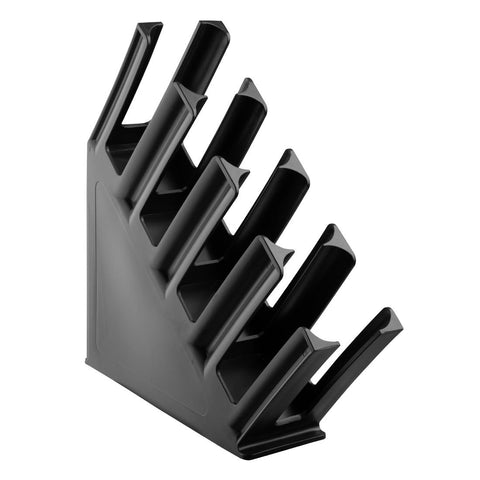

 Olympia Kristallon Cup Holder 4-Slots Polypropylene Black - HC437
378(W) x 296(H) x 460(D)mm
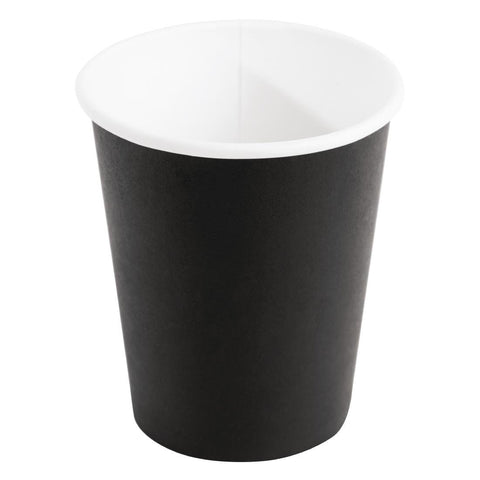

 Fiesta Recyclable Takeaway Coffee Cups Single Wall Black 225ml (Pack of 50) - GF041
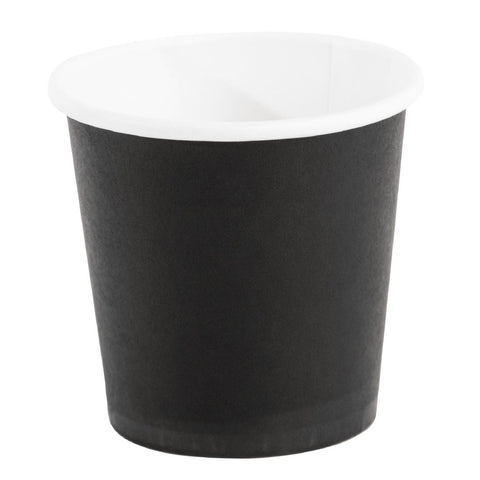
 Fiesta Recyclable Espresso Takeaway Cups Black 114ml (Pack of 1000) - GF018


 PakMax 1oz Sugarcane Sauce Cup - SC-62-1
330(W) x 290(D) x 260(H)mm
 San Jamar Unbreakable Polyethylene Wall Mount Cup Dispenser to suit 350ml - 710ml Foam cup - C4410PFSD
 PakMax 4-Cup Pulp Holder - PCH-4K
480(W) x 360(D) x 465(H)mm

 Fiesta Recyclable Hot Cups Single Wall Kraft 177ml (1000 Pack) - HT464


 Fiesta Compostable Hot Cups Single Wall Black 177ml (1000 Pack) - HT470

 Fiesta Compostable Coffee Cups Double Wall 340ml (25 Pack) - CU987
90(W) x 110(H) x 90(D)mm

 Fiesta Compostable Hot Cup Double Wall Kind Kraft 225ml (25 Pack) - CU985
80(W) x 91(H) x 80(D)mm

 Fiesta Compostable Hot Cup Single Wall Kraft 225ml (1000 Pack) - CU980
79(W) x 90(H) x 79(D)mm

 Special Offer Fiesta Recyclable Brown 340ml Hot Cups and White Lids Pack of 1000 - SA437

 Special Offer Fiesta Recyclable Black Hot Cups and Lids 340ml (Pack of 1000) - SA433

 Special Offer Fiesta Recyclable Brown 340ml Hot Cups and Black Lids (Pack of 1000) - SA432

 Special Offer Fiesta Recyclable Black 225ml Hot Cups and White Lids (Pack of 1000) - SA435

 Special Offer Fiesta Recyclable Black 225ml Hot Cups and Black Lids (Pack of 1000) - SA431

 Special Offer Fiesta Recyclable Brown 225ml Hot Cups and Black Lids (Pack of 1000) - SA430

 Special Offer Fiesta Recyclable Black 340ml Hot Cups and White Lids (Pack of 1000) - SA436

 Fiesta Recyclable Espresso Takeaway Cups Kraft 114ml (Pack of 1000) - GP447

 Fiesta Recyclable Takeaway Coffee Cups Ripple Wall Kraft 340ml (Pack of 25) - GP445

 Special Offer Fiesta Recyclable Brown 225ml Hot Cups and White Lids (Pack of 1000) - SA434

 Fiesta Recyclable Espresso Takeaway Cups Kraft 114ml (Pack of 50) - GP446

 Fiesta Recyclable Takeaway Coffee Cups Ripple Wall Kraft 340ml (Pack of 500) - GP444

 Fiesta Recyclable Takeaway Coffee Cups Ripple Wall Charcoal 340ml (Pack of 25) - GP431

 Fiesta Recyclable Takeaway Coffee Cups Ripple Wall Charcoal 225ml (Pack of 25) - GP430

 Fiesta Recyclable Takeaway Coffee Cups Double Wall Kraft 225ml (Pack of 500) - GP439

 Fiesta Recyclable Takeaway Coffee Cups Ripple Wall Kraft 225ml (Pack of 25) - GP443

 Fiesta Recyclable Takeaway Coffee Cups Ripple Wall Red 225ml (Pack of 25) - GP424

 Fiesta Recyclable Takeaway Coffee Cups Double Wall Kraft 340ml (Pack of 25) - GP437

 Fiesta Recyclable Takeaway Coffee Cups Ripple Wall Kraft 225ml (Pack of 500) - GP442

 Fiesta Recyclable Takeaway Coffee Cups Ripple Wall Red 340ml (Pack of 500) - GP428

 Fiesta Recyclable Takeaway Coffee Cups Double Wall Kraft 340ml (Pack of 500) - GP440

 Fiesta Recyclable Takeaway Coffee Cups Ripple Wall Charcoal 340ml (Pack of 500) - GP434

 Fiesta Recyclable Takeaway Coffee Cups Double Wall Kraft 225ml (Pack of 25) - GP436

 Fiesta Recyclable Takeaway Coffee Cups Ripple Wall Turquoise 340ml (Pack of 500) - GP422

 Fiesta Recyclable Takeaway Coffee Cups Single Wall Red 340ml (Pack of 50) - GP407

 Fiesta Recyclable Takeaway Coffee Cups Ripple Wall Charcoal 225ml (Pack of 500) - GP433

 Fiesta Recyclable Takeaway Coffee Cups Ripple Wall Red 225ml (Pack of 500) - GP427

 Fiesta Recyclable Takeaway Coffee Cups Single Wall Turquoise 340ml (Pack of 50) - GP401

 Fiesta Recyclable Takeaway Coffee Cups Single Wall Black 450ml (Pack of 1000) - GF044

 Fiesta Recyclable Takeaway Coffee Cups Ripple Wall Red 340ml (Pack of 25) - GP425

 Fiesta Recyclable Takeaway Coffee Cups Single Wall Turquoise 225ml (Pack of 1000) - GP403

 Fiesta Recyclable Takeaway Coffee Cups Ripple Wall Turquoise 225ml (Pack of 500) - GP421

 Fiesta Recyclable Takeaway Coffee Cups Single Wall Red 340ml (Pack of 1000) - GP410

 Fiesta Recyclable Takeaway Coffee Cups Single Wall Turquoise 340ml (Pack of 1000) - GP404

 Fiesta Recyclable Takeaway Coffee Cups Single Wall Black 450ml (Pack of 50) - GF045

 Fiesta Recyclable Takeaway Coffee Cups Single Wall Black 340ml (Pack of 1000) - GF042

 Fiesta Recyclable Takeaway Coffee Cups Single Wall Charcoal 225ml (Pack of 1000) - GP415

 Fiesta Recyclable Takeaway Coffee Cups Single Wall Charcoal 340ml (Pack of 1000) - GP416

 Fiesta Recyclable Takeaway Coffee Cups Single Wall Black 225ml (Pack of 1000) - GF040
A disposable cup takes a coffee or a cold drink out the door with the customer, so it has to do three things: not leak, not go soft in the hand, and take a lid that stays on.
Disposable cups split into hot and cold. Hot cups are coated board, single or double wall, built to be held. Cold cups are clear and built to be seen through. Disposable drinking cups for water stations are a third thing again, and sit near the water dispensers they serve.
Lids, sleeves and carriers are range-specific, so buy them together. Disposable cups and holders for a takeaway counter stop two-cup orders turning into spills. The rest of the kitchen disposables line covers napkins and cutlery.
Settling on how many hot and cold sizes to carry? The price guide lists the cups with their matching lids and the coffee equipment behind the counter, so every size is costed with the lid line it brings with it.
Single wall is one layer of coated board and needs a sleeve to be comfortable to hold. Double wall has an air gap built in, so it holds heat and the hand is insulated without a sleeve.
Ripple sits between: a fluted outer layer that does the same job as a sleeve with less handling at the counter. The decision is usually about whether you want staff fitting sleeves during a rush, not about the coffee itself. See barista accessories for what else sits on that counter.
Yes, in practice. Rim diameters are close enough between ranges to look interchangeable and not close enough to seal, and a lid that almost fits is a burn waiting to happen.
Keep one range per size and order lids at the same time as cups. If you run out of lids, stop selling that size rather than improvising.
If more than a couple of orders a day leave with two or more drinks, yes. A carrier takes the balancing problem away from the customer and it is cheaper than remaking a spilled coffee.
Two-cup and four-cup carriers cover most orders. Keep them within reach of the pass rather than under the counter, next to your serving trays.
A hot cup will hold a cold drink but it sweats and the print runs, which looks poor. Clear cold cups are the right answer for iced coffee, juice and smoothies because the drink is part of the sell.
Thick smoothies need a wide-bore straw and a dome lid, and those are range-matched too. See cocktail straws and the commercial juicers the drinks come off.
It depends on the lining, and the answer is on the product page rather than being a general property of paper cups. A standard poly-lined cup and a compostable-lined cup look identical on a shelf.
If the claim matters to your customers, buy from a range that states it and put the bins in place to back it up. The eco friendly disposables range and sorted rubbish bins are the pair that makes it real.
Soft cups are nearly always a storage problem. Board absorbs moisture, so a sleeve of cups left open in a damp store room is softer than the same sleeve kept sealed.
Keep stock sealed, off the floor and away from the dishwasher end of the kitchen, and open one sleeve at a time at the counter.
Three in hot is the usual answer, matched to how you actually pull coffee rather than to a competitor's menu. Two in cold covers most venues.
Every extra size doubles into a lid line as well, so each one has to earn its shelf space. Count what you throw away at stocktake, not what you think sells.

We have a special page just for stock that's warehoused in Perth.
Click Here to see all WA stockWhat our customers say about us on Google, and how Google scores our store for things like shipping and returns.
Store scores from Google