


 03 9070 5784
 Help & Support
 Track My Order



Recently Viewed
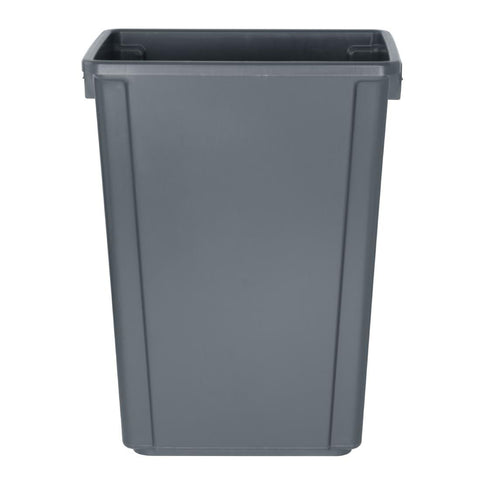


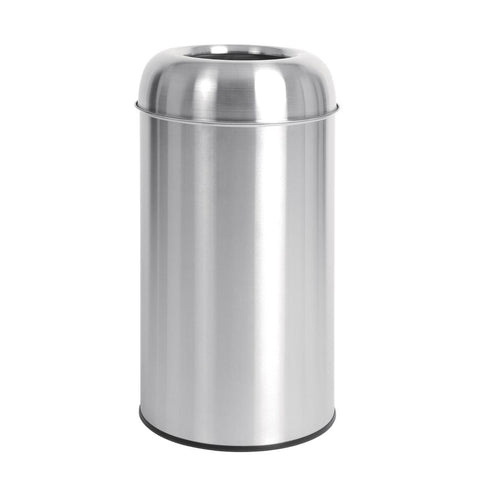

 Bolero Stainless Steel Open Lid Bullet Bin Silver 40 Litre - GK972
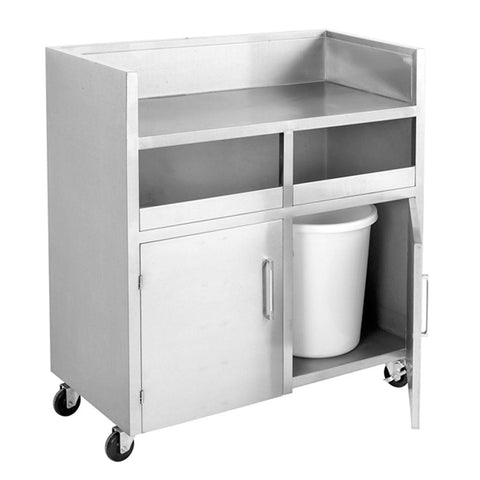

 Modular Systems Double Bin Mobile Station MBS118
1180(W) x 550(D) x 1260(H)mm
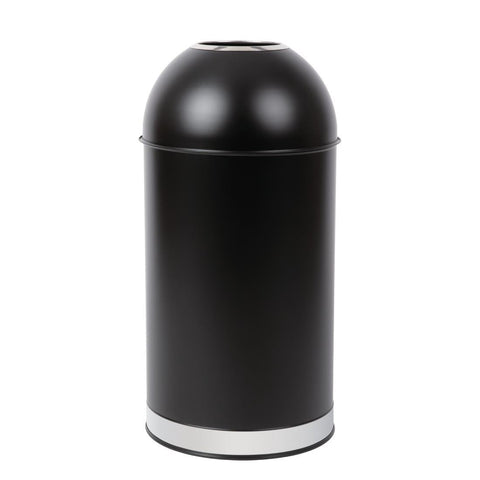
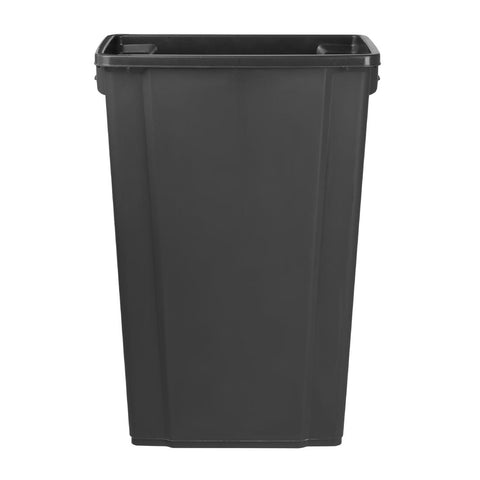
 Bolero Stainless Steel Open Lid Bullet Bin Black 40 Litre - CW954
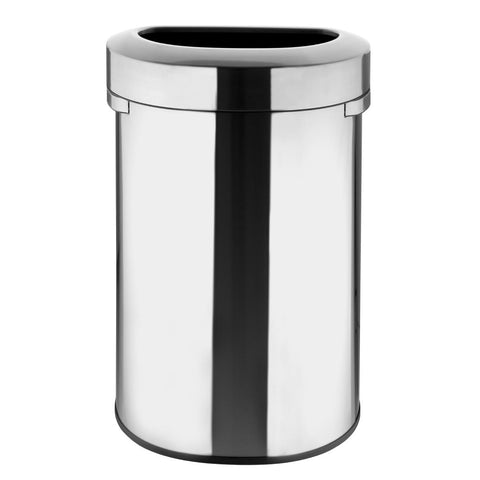
 Bolero 'D' Shape Bin with Open Lid Brushed Steel 86Ltr - HT463
550(W) x 875(H) x 350(D)mm
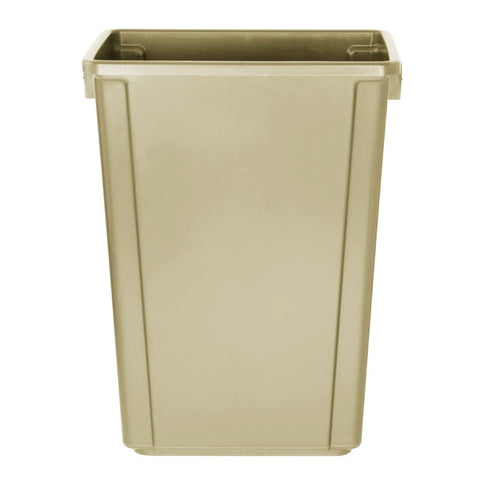


 Jantex Premium Food Safe Garbage Bags Clear 82Ltr (Pack of 25) - FL885
210(W) x 30(H) x 350(D)mm
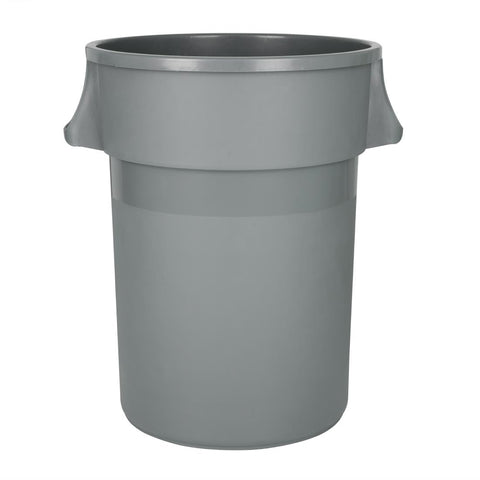
 Jantex Heavy-Duty Round Bin Grey 160Ltr - DX498
607(W) x 795(H) x 695(D)mm
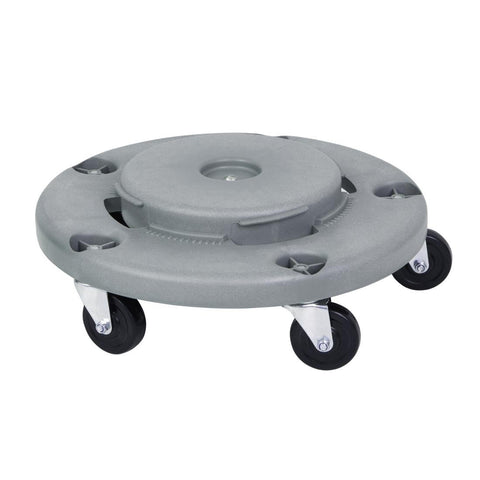
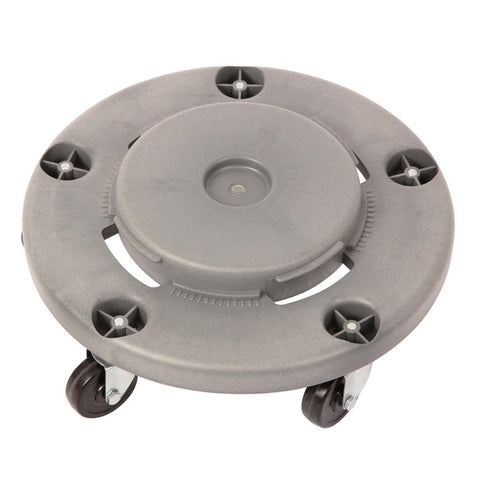
 Jantex Dolly for 160Ltr Heavy-Duty Round Bin - DX499
455(W) x 162(H) x 455(D)mm
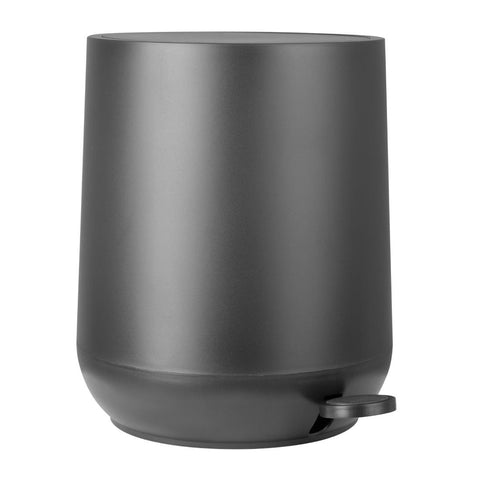
 Jantex Round Pedal Bin Black 5Ltr - HT480
245(W) x 290(H) x 245(D)mm

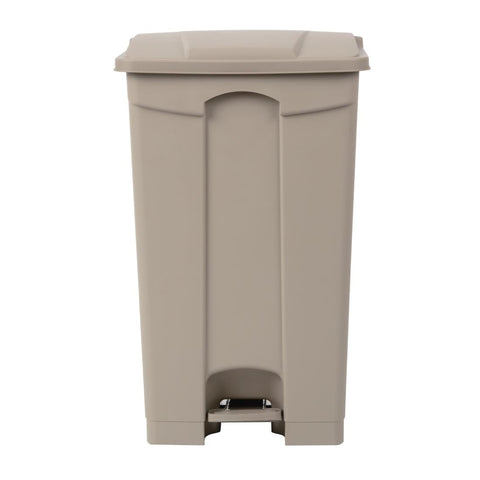
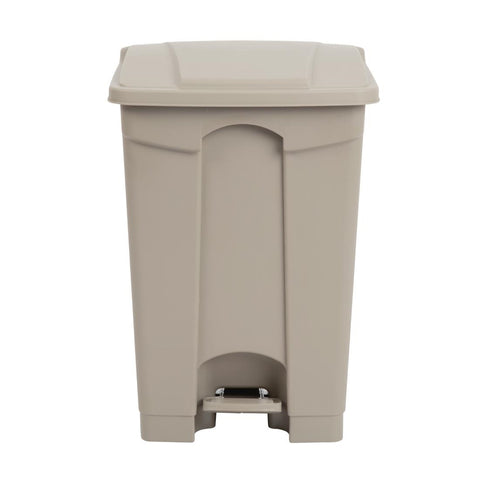
 Jantex 120Ltr Wheelie Bin with Foot Pedal Grey - HC923


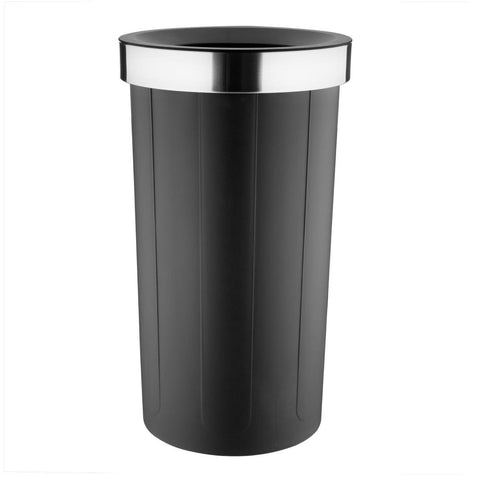

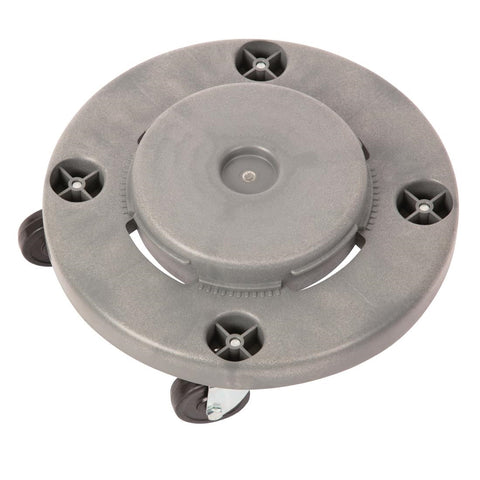



 Jantex Premium Food Safe Garbage Bags Clear 240Ltr (Pack of 25) - FL887
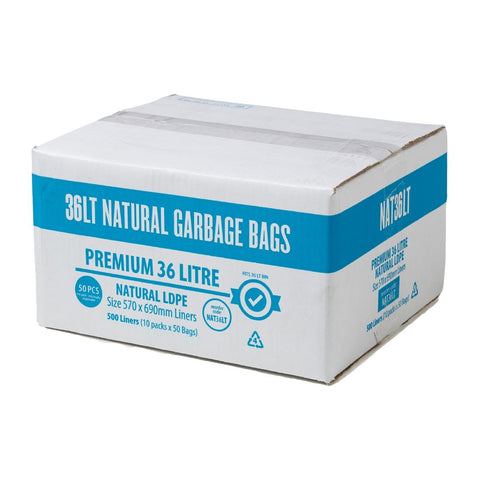
 Jantex Kitchen Tidy Food Safe Garbage Bags Clear 36Ltr (Pack of 50) - FL884
160(W) x 40(H) x 260(D)mm
 Jantex Premium Food Safe Garbage Bags Clear 90Ltr (Pack of 50) - FL886
260(W) x 60(H) x 360(D)mm
 Jantex Kitchen Tidy White Garbage Bags Medium 27Ltr (Pack of 50) - FL875
70(W) x 60(H) x 140(D)mm
 Jantex Premium Garbage Bags Black 240Ltr (Pack of 25) - FL882
310(W) x 40(H) x 370(D)mm
 Jantex Premium Extra Heavy Duty Garbage Bags Black 82Ltr (Pack of 50) - FL879
220(W) x 60(H) x 360(D)mm
 Jantex All Purpose Garbage Bags Black 72Ltr (Pack of 50) - FL877
200(W) x 30(H) x 300(D)mm
 Jantex Premium Garbage Bags Black 140Ltr (Pack of 50) - FL881
250(W) x 40(H) x 440(D)mm
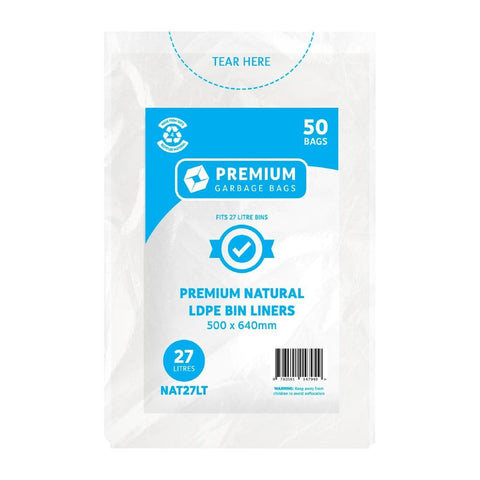
 Jantex Kitchen Tidy Food Safe Garbage Bags Clear 27Ltr (Pack of 50) - FL883
140(W) x 40(H) x 230(D)mm
 Jantex Premium Garbage Bags Black 120Ltr (Pack of 25) - FL880
250(W) x 30(H) x 420(D)mm
 Jantex Kitchen Tidy White Garbage Bags Large 36Ltr (Pack of 50) - FL876
60(W) x 150(H) x 100(D)mm
 Jantex Premium Garbage Bags Black 82Ltr (Pack of 50) - FL878
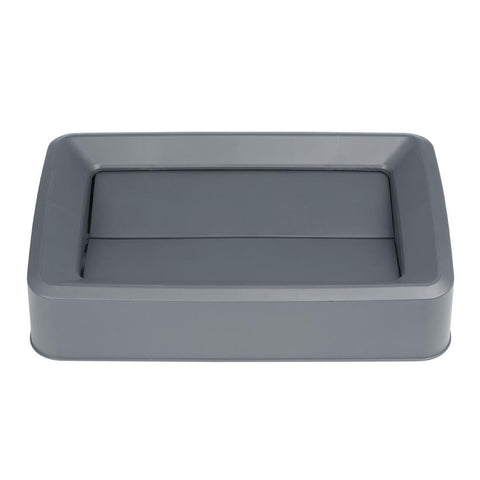

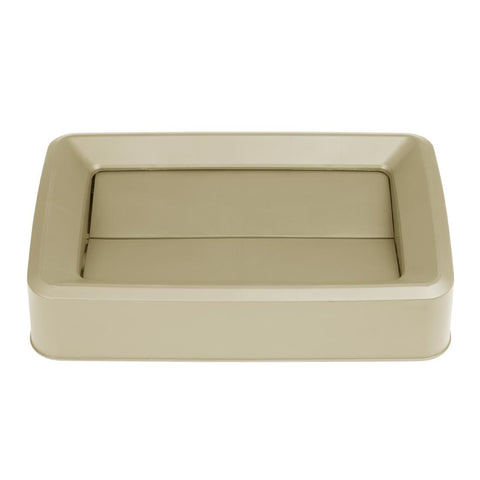

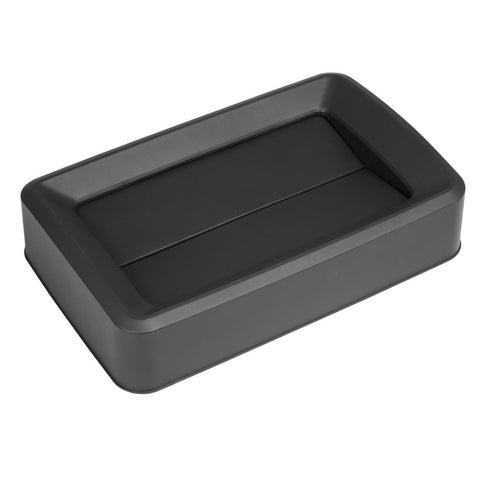

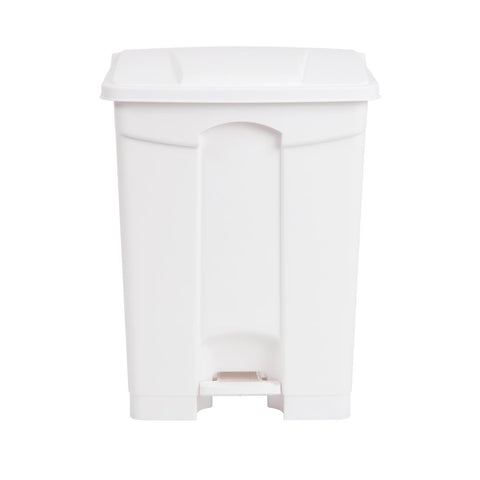

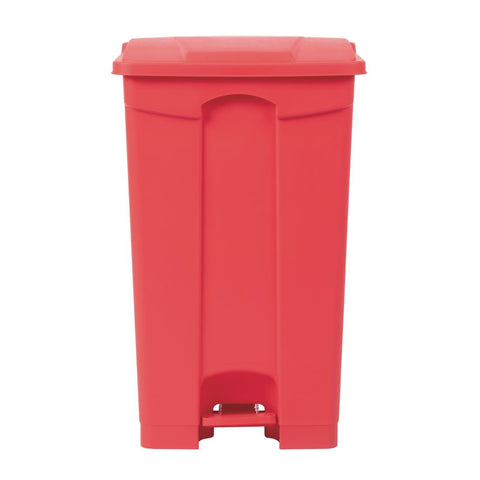

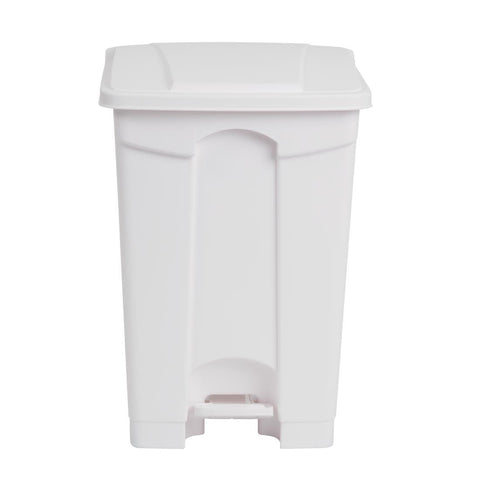

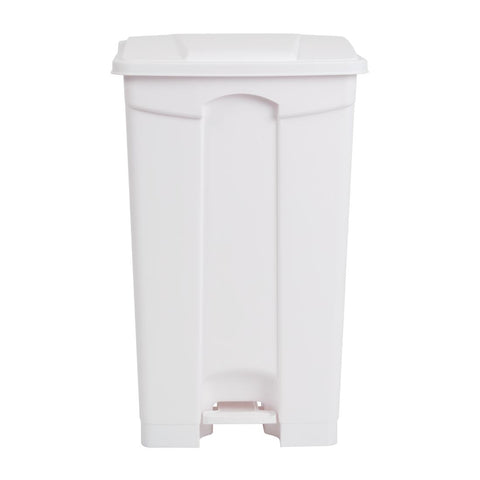
 Jantex Kitchen Pedal Bin White 87Ltr - DC713
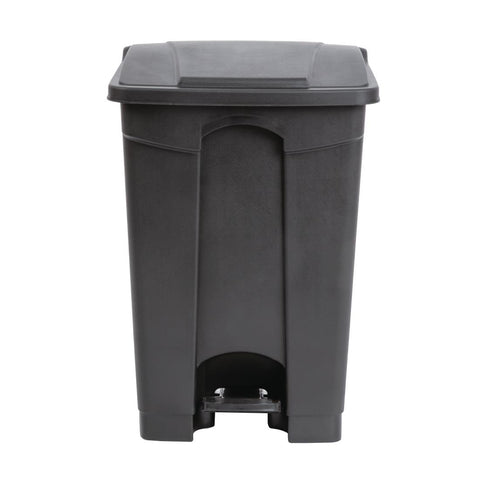

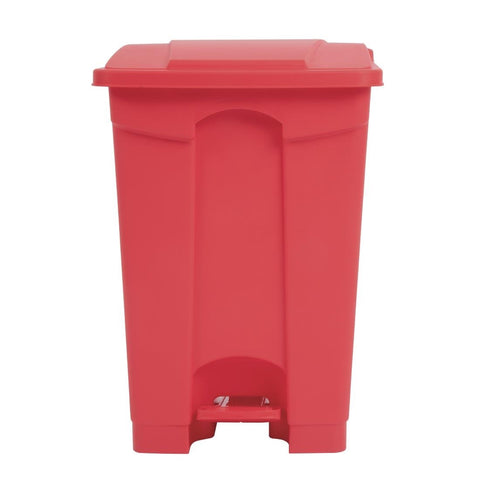

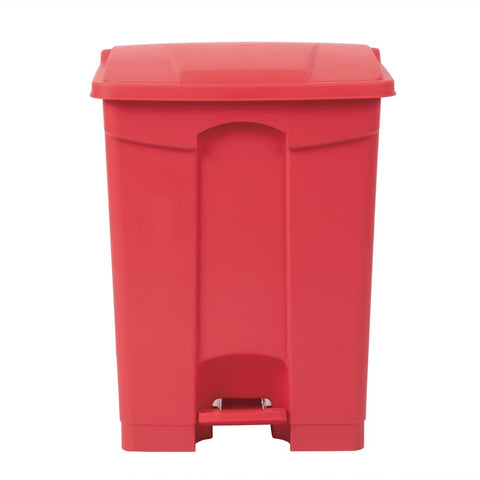

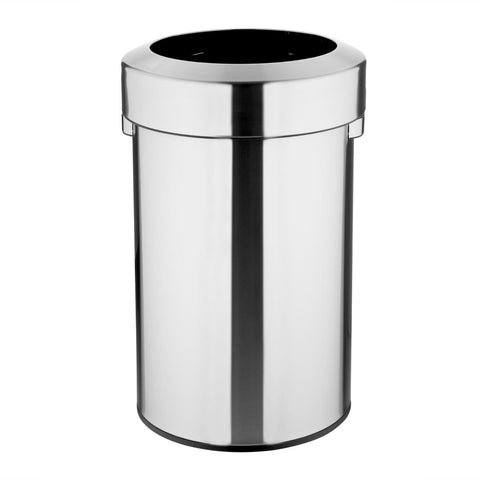
 Bolero Brushed Steel Bin with Open Top Lid 70Ltr - HT460
445(W) x 695(H) x 445(D)mm
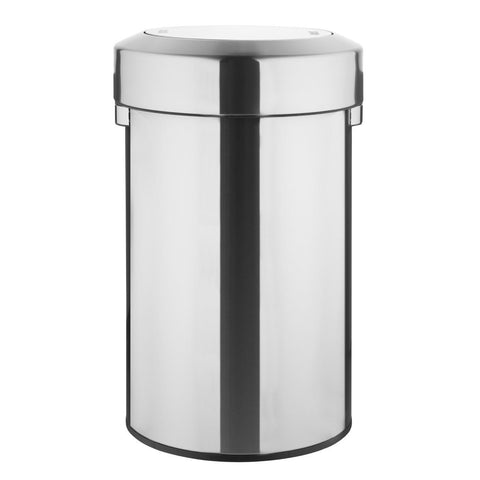
 Bolero Bin with Swing Lid Brushed Steel - 70Ltr - HT461
445(W) x 695(H) x 445(D)mm

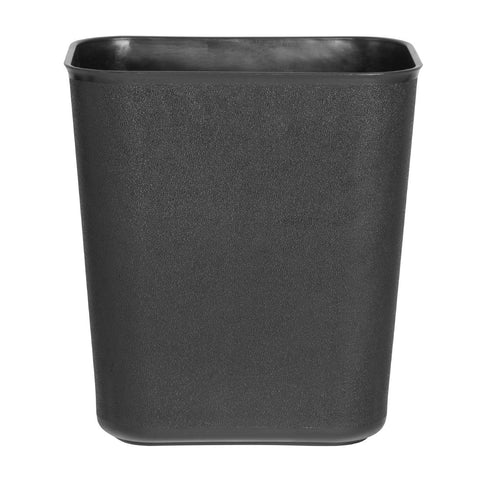
 Bolero Hotel/Office Bin 14Ltr Black - FU599
275(W) x 315(H) x 210(D)mm
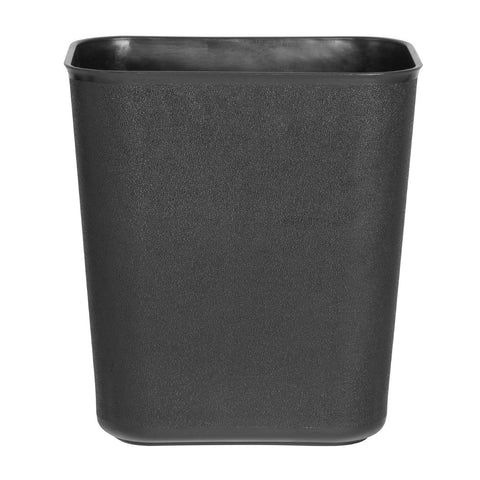
 Bolero Hotel/Office Bin 8Ltr Black - FU598
240(W) x 265(H) x 165(D)mm
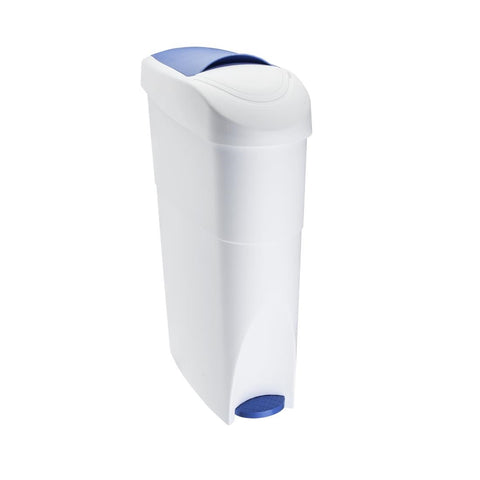

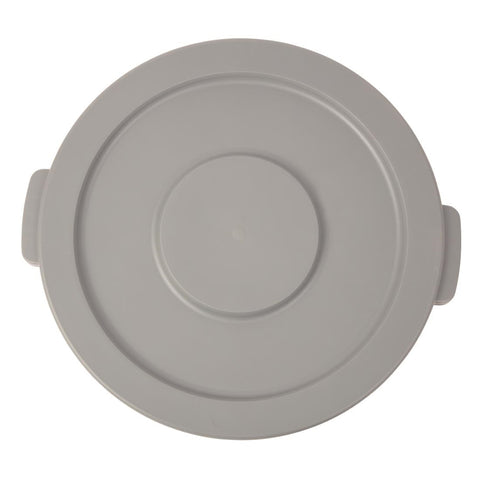






Commercial kitchen rubbish bins are a hygiene fitting, not furniture, so where the bin sits decides the type you need: small bins with a narrow opening for the pass, low bodies on castors that roll out from under a bench. Most kitchen rubbish bins have a hands-free lid and a body that wipes down, and 304 stainless steel is the food-safety grade used in Australian commercial kitchens. Delivered anywhere in Australia.
Under a stainless steel bench it needs to be low and on castors. Beside a dishwasher it needs to take wet waste. At the pass it needs a small opening so nothing visible goes in.
Working out what goes where before you order? The price guide prices the pedal, swing lid and open top bins together, so you can start with the areas that need covering now and add more as your business grows.
One per working station, plus the main waste point. The number is set by how far someone is prepared to walk mid-prep, which in practice is about an arm's length.
A single large bin in a corner means scraps on the bench. Bins at the prep station, the pass and the wash-up sink is the usual minimum.
Pedal bins are the right answer anywhere hands are clean or gloved, which is most of a kitchen. A swing lid is quicker for high-volume scraping but means hand contact.
Open top belongs only where waste goes in constantly, such as beside a prep sink or a veg prep machine, and then it needs emptying often enough that it never smells.
Stainless suits front-of-house and anywhere the bin is seen or exposed to heat, and it wipes down to look new. Plastic is lighter, cheaper and easier to lift in and out of a tight space.
Many kitchens run both: stainless at the pass and in the dining room, plastic in the back. See plastic kitchen accessories and stainless steel kitchen accessories for the rest of the range.
If your waste contractor collects them separately, yes, and the sorting has to happen at the point of disposal or it does not happen at all. A sorting station at the back door is where good intentions go to die.
Colour-coded lids and clear signage do more than staff training does. See safety signs and the eco friendly disposables range if you are reducing the general-waste stream.
A smooth interior with no internal ribs, a removable liner retainer, and castors so it rolls out to be hosed rather than being carried. Anything the liner can snag on will tear.
Bins need the same cleaning routine as the floor around them — see surface and floor cleaners and disinfectant and sanitisers.
A plastic bin on castors is the usual answer for a cool room, because it rolls out and can be washed. A lid matters less in the cold and a smooth body matters more.
Keep food waste out of a cool room wherever possible and move it straight to the external bin. Cold slows odour; it does not stop it.
Liner size follows the bin's capacity and shape rather than a universal standard, so check the capacity on the product page and buy liners to it. A liner that is too small rolls down inside the bin.
Hold one liner size for the majority of your bins and one for the large external bins. Two is manageable; four is not.
Directly beside a hand wash basin where the splash zone overlaps, under an open wall shelf holding clean stock, and anywhere a door swings onto the lid.
Also not in the only clear walkway. A bin that blocks a route gets moved, and then it lives in the wrong place permanently.

We have a special page just for stock that's warehoused in Perth.
Click Here to see all WA stockWhat our customers say about us on Google, and how Google scores our store for things like shipping and returns.
Store scores from Google