


 03 9070 5784
 Help & Support
 Track My Order



Recently Viewed

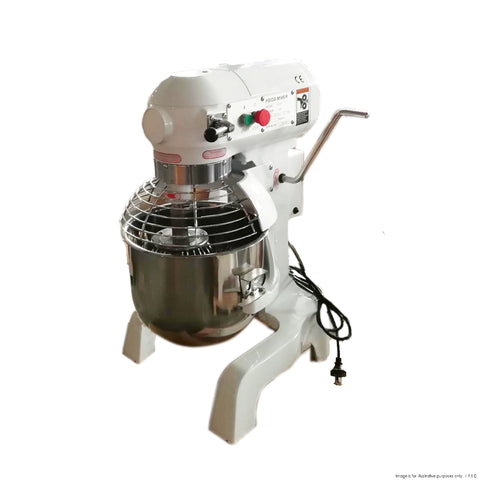

 BakerMAX 20 Litre Heavy Duty Mixer B20KG
530(W) x 496(D) x 780(H)mm
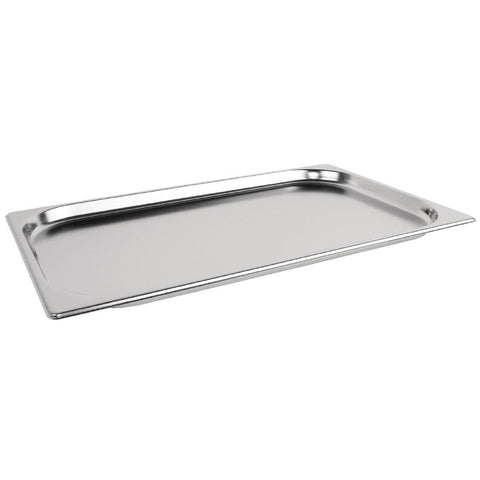

 Vogue Stainless Steel 1/1 Gastronorm Tray 25mm - DN707
325(W) x 545(H) x 20(D)mm
 Vogue Wire Gastronorm Pan Stand - CC051
680(W) x 150(H) x 160(D)mm
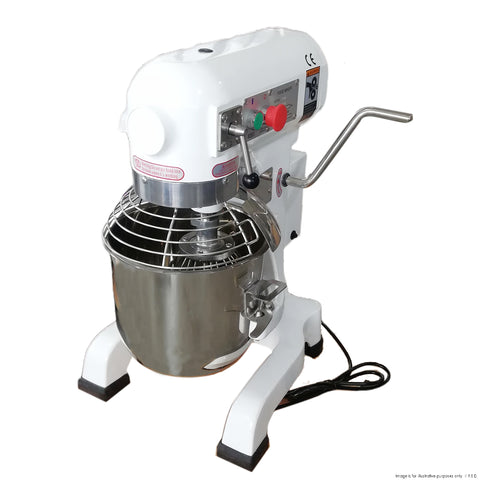
 Yasaki 10 Litre Heavy Duty Mixer B10KG
452(W) x 432(D) x 606(H)mm
 Vogue Long Gastronorm Pan Rack - CP542
975(W) x 215(H) x 250(D)mm

 BakerMAX Pizza Dough Roller DMA310-1
480(W) x 355(D) x 430(H)mm
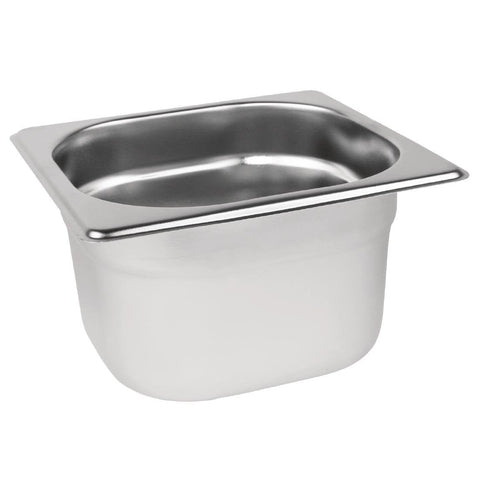
 Vogue Stainless Steel 1/6 Gastronorm Tray 100mm - DN724
162(W) x 176(H) x 100(D)mm
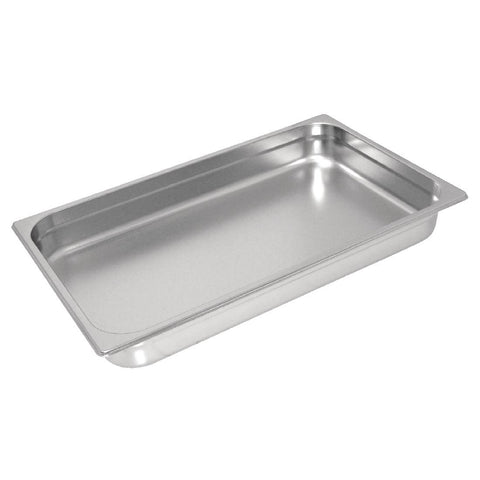
 Vogue Heavy Duty Stainless Steel 1/1 Gastronorm Tray 65mm - GC963
530(W) x 65(H) x 325(D)mm
 Vogue Stainless Steel 1/3 Gastronorm Tray Lid - DN737
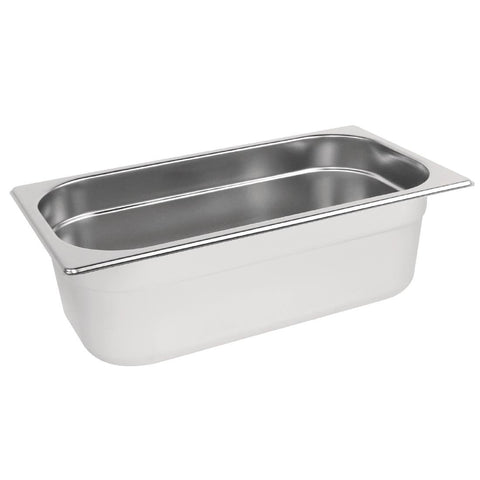
 Vogue Stainless Steel 1/3 Gastronorm Tray 100mm - DN716
176(W) x 325(H) x 100(D)mm


 AG Free Standing Dough Sheeter JDR520
2550(W) x 880(D) x 1180(H)mm
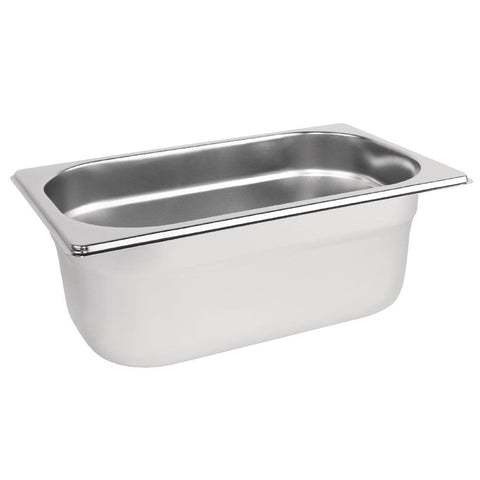
 Vogue Stainless Steel 1/4 Gastronorm Tray 100mm - DN720
162(W) x 265(H) x 100(D)mm

 Anvil Proving Cabinet - POA0001
860(W) x 995(H) x 591(D)mm
 Vogue Stainless Steel 1/3 Gastronorm Tray 150mm - DN717
176(W) x 325(H) x 150(D)mm

 BakerMAX Bread Slicer Without Blade - JSL-31M
630(W) x 630(D) x 685(H)mm
 BakerMAX 7 Litre Heavy Duty Mixer B7B
429(W) x 240(D) x 425(H)mm
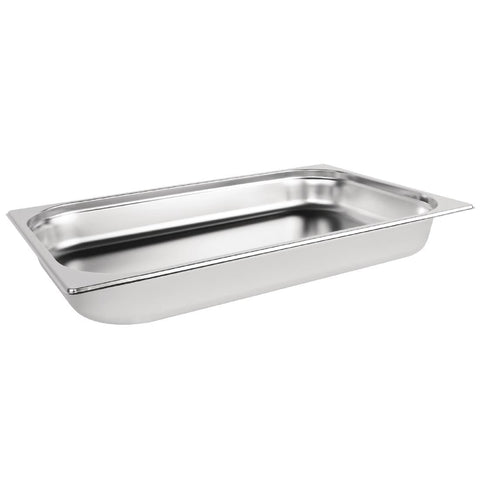
 Vogue Stainless Steel 1/1 Gastronorm Tray 65mm - DN709
325(W) x 550(H) x 65(D)mm
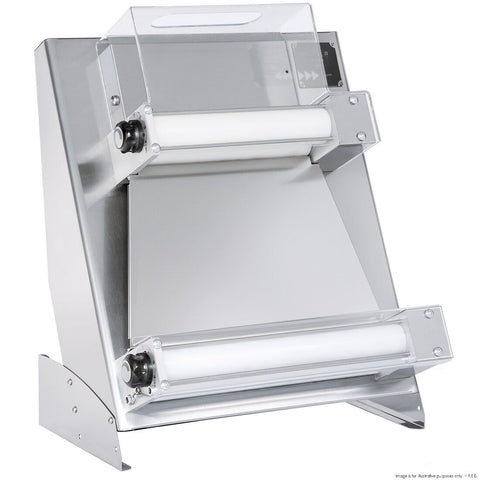
 BakerMAX Prismafood Pizza Dough Roller - DSA420RP
540(W) x 410(D) x 680(H)mm

 Mecnosud Dough Roller 40cm Parallel - DRM1040
520(W) x 750(H) x 450(D)mm
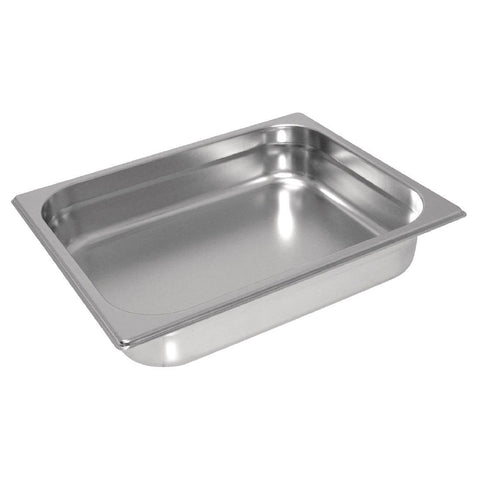
 Vogue Stainless Steel Heavy Duty 1/2 Gastronorm Tray 65mm - GC969
650(W) x 65(H) x 325(D)mm
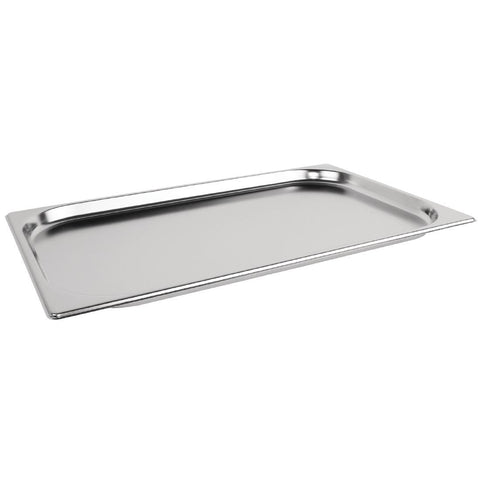
 Vogue Heavy Duty Stainless Steel 1/1 Gastronorm Tray 20mm - GC961
530(W) x 20(H) x 325(D)mm
 Vogue Stainless Steel 1/6 Gastronorm Tray Lid - DN739


 Apuro Planetary Mixer White 7Ltr - DB266-A

 AG Bench Top Dough Sheeter JDR520B
2080(W) x 880(D) x 620(H)mm
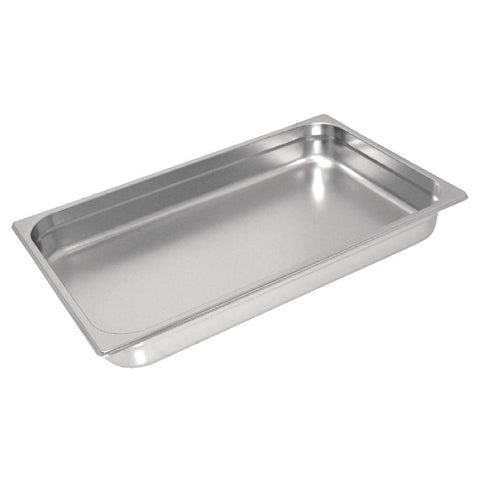
 Vogue Heavy Duty Stainless Steel 1/1 Gastronorm Tray 150mm - GC965
530(W) x 150(H) x 325(D)mm
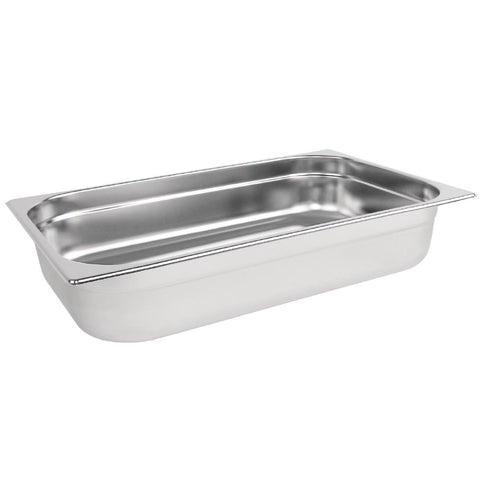
 Vogue Stainless Steel 1/1 Gastronorm Tray 100mm - DN704
325(W) x 530(H) x 100(D)mm
 Yasaki Spiral Dough Mixers 54L- FS50M
520(W) x 882(D) x 1021(H)mm
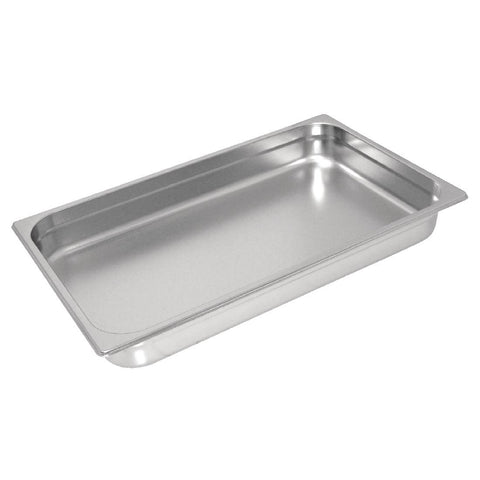
 Vogue Heavy Duty Stainless Steel 1/1 Gastronorm Tray 40mm - GC962
530(W) x 40(H) x 325(D)mm
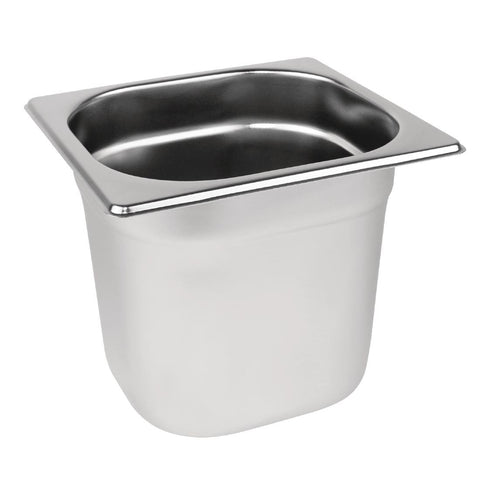
 Vogue Stainless Steel 1/6 Gastronorm Tray 150mm - DN725
162(W) x 176(H) x 150(D)mm
 Vogue Stainless Steel 1/2 Gastronorm Tray 150mm - DN711
265(W) x 325(H) x 150(D)mm
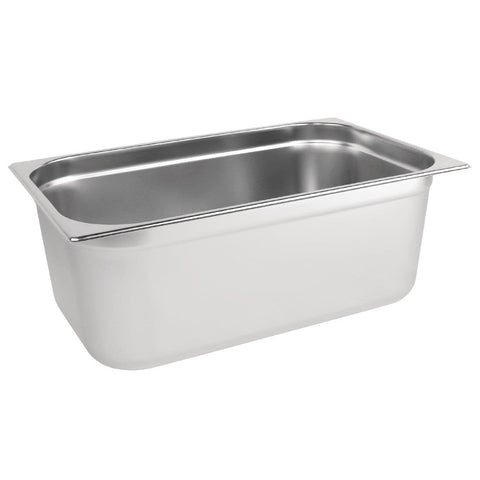
 Vogue Stainless Steel 1/1 Gastronorm Tray 200mm - DN706
325(W) x 530(H) x 200(D)mm

 Food Tek 1/1 x 100 MM Gastronorm Pan AUSTRALIAN STYLE - 11100
530(W) x 325(D) x 100(H)mm
 BakerMAX Yasaki Cutter For Bread Slicer Machine - JSL-31M-15

 Vogue Stainless Steel 1/4 Gastronorm Tray Lid - DN738
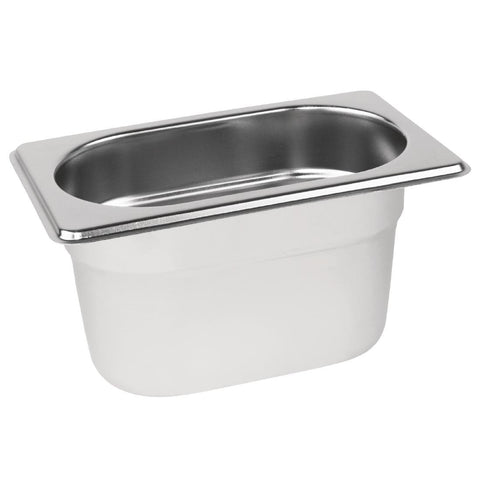
 Vogue Stainless Steel 1/9 Gastronorm Tray 100mm - DN728
108(W) x 108(H) x 100(D)mm

 F.E.D Stainless Steel Pan GELATO-5L
360(W) x 165(D) x 120(H)mm
 Yasaki Spiral Dough Mixers 64L FS60M
520(W) x 883(D) x 1021(H)mm
 Yasaki Spiral Dough Mixers 35L FS30M
495(W) x 722(D) x 961(H)mm
 Mecnosud Tilting Head Removable Bowl Spiral Mixer - SMM1044
860(W) x 790(H) x 550(D)mm
 Mecnosud Dough Roller 30cm Single Pass - DRM0031
420(W) x 350(H) x 450(D)mm
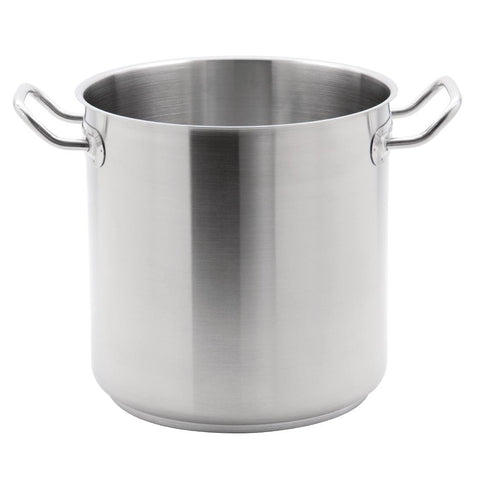
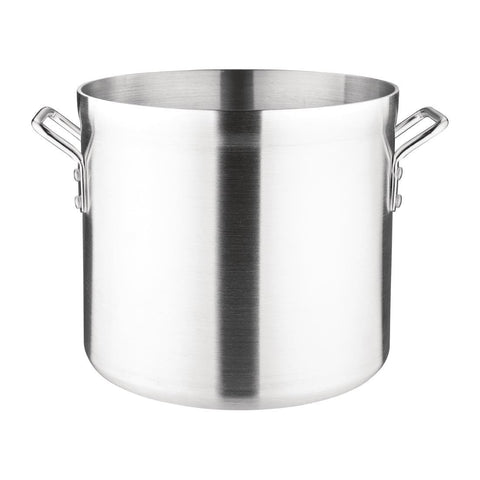
 Vogue Deep Stock pot 20.5Ltr - T193


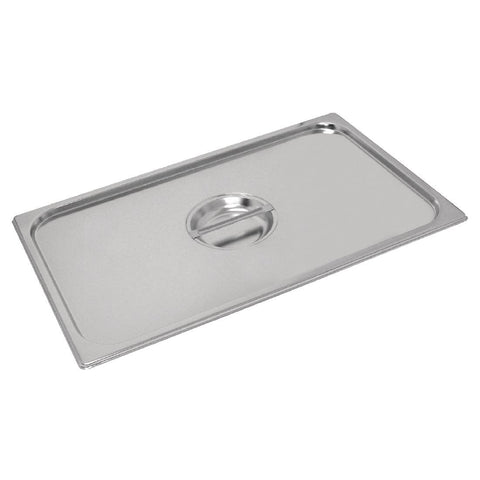
 Vogue Heavy Duty Stainless Steel 1/1 Gastronorm Lid - GC967
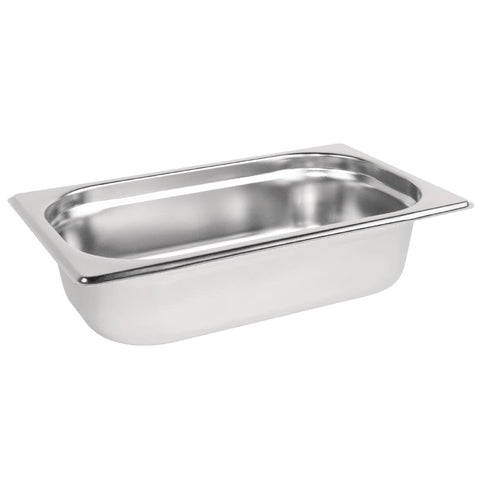
 Vogue Stainless Steel 1/4 Gastronorm Tray 65mm - DN723
162(W) x 265(H) x 65(D)mm
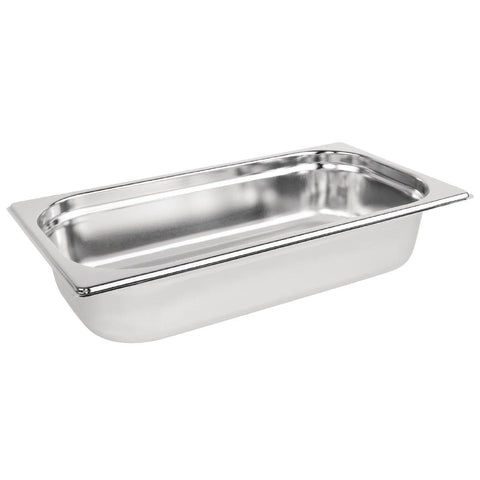
 Vogue Stainless Steel 1/3 Gastronorm Tray 65mm - DN719
176(W) x 325(H) x 65(D)mm
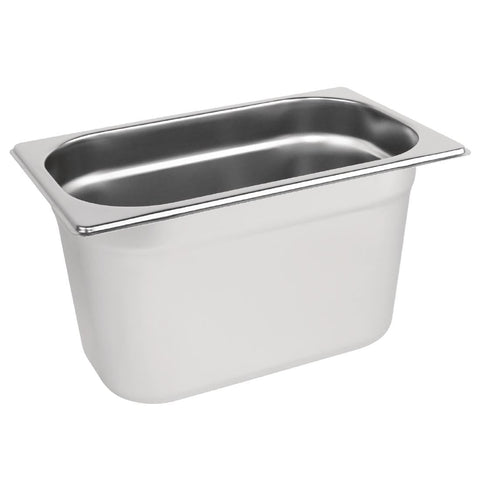
 Vogue Stainless Steel 1/4 Gastronorm Tray 150mm - DN721
162(W) x 265(H) x 150(D)mm
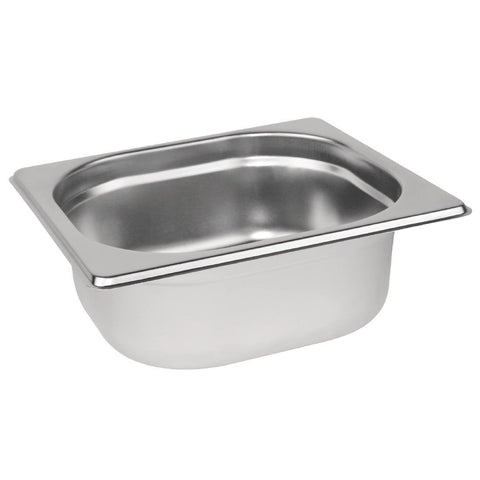
 Vogue Stainless Steel 1/6 Gastronorm Tray 65mm - DN727
162(W) x 176(H) x 65(D)mm
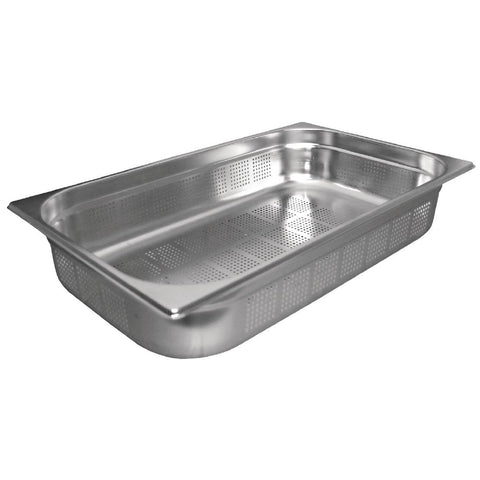
 Vogue Stainless Steel Perforated 1/1 Gastronorm Tray 100mm - DN700
325(W) x 530(H) x 100(D)mm
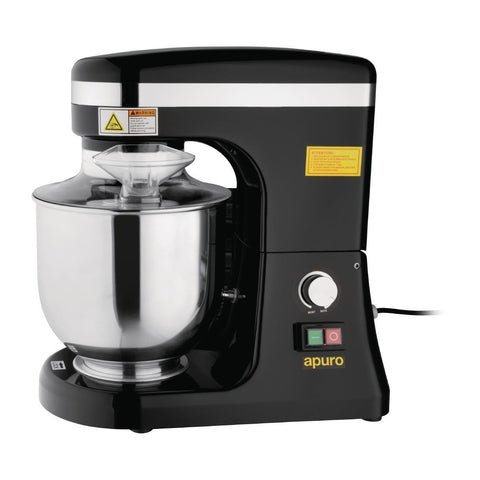
 Apuro Planetary Mixer Black 7Ltr - CP921-A
230(W) x 420(H) x 400(D)mm

Whether you specialise in artisan sourdough, laminated pastry, pies, or run a broad menu, the right commercial bakery equipment is what holds your product to a standard. Mixing dough in bulk without overworking the gluten, sheeting pastry to an even thickness, dividing and rounding to a consistent weight, proving under controlled humidity — each of these is a step where equipment decides whether the bake comes out right.
Take the heavy work off your bakers, cut labour hours, and bring consistency to every batch. Shop the range at Restaurant Equipment Online and order with comprehensive Australia-wide shipping.
Choosing the right commercial mixers for your bakery starts with looking at your menu. Consider what you're making and in what volume as this is a key consideration when you're narrowing down your options between a planetary or spiral mixer.
Planetary mixers are a highly versatile option and can be used for everything from batters and icing to pastry and smaller dough batches. They operate with a mixing head that rotates while the bowl simultaneously turns, ensuring all-in mixing with even and consistent results.
Spiral mixers are a better choice when you need bulk preparation and are the best option for dough, gently developing gluten with minimal heat to avoid over-kneading that compromises the texture when you bake it. A spiral mixer is especially ideal for when you're producing bread or heavy doughs like sourdough or seeded loaves in larger volumes and can deliver bigger batches in shorter times.
Investing in equipment requires getting the right capacity, without ending up with a machine that creates more stock than you actually need. We recommend starting off with doing some calculations regarding how much you sell on your busiest days and working from there. You should also account for the space you actually have to bake in, ensuring you've got something like a high-capacity combi oven that's ideal for baking but can also accommodate different types of baked goods at the same time. Typically you'll want equipment that can deliver around 20% to 30% more than you need, giving you space to move up in production without needing to upgrade, while still not overloading your kitchen space with oversized equipment.
Getting the perfect thickness from your dough can be a challenge to achieve by hand when you go past a certain volume in production. If your bakery is producing large volumes of pastry or dough on a daily basis, investing in a sheeter quickly pays for itself in labour hours saved. Adding a commercial pastry sheeter to your setup can streamline production, give you better results, more control over how thick your pastry sheets are, and deliver the degree of consistency you need for perfect results.
Over or underproofing your dough will give you poor results, either giving you flat and sticky dough or coming out of the oven undercooked in the centre. To avoid this, having adjustable speed settings on your planetary mixer or spiral mixer is key. Many come with timers to remove the need to constantly monitor your dough, though accounting for different levels of heat and humidity is also important as these factors can influence the dough quality as well.
Your bowl needs to be just right too, with anything too small making it easy for ingredients to spill or under-mix, while something too large and the dough can fail to develop correctly. If you're unsure which size you need, you can contact the team at REO and we can give you a personal recommendation for your needs.
As with any commercial kitchen, hygiene is imperative for health and safety but also quality. When it comes to cleaning your mixers, trays, sheeters and dough rollers, make sure you're properly cleaning the trays and put any removable parts in the dishwasher if it's safe to do so to get the best possible sanitation. Equally, looking for bakery equipment that's easy to clean by hand helps to streamline the cleaning process. Look for stainless steel construction, sealed surfaces on mixers and sheeters to prevent flour and dough traps, and bowls that are simple to detach and wash. You should also periodically check the motors and make sure they're properly lubricated where needed so you get a consistent level of performance while also reducing the chances of wearing any parts out.
The layout of your commercial bakery kitchen is just as important as the equipment you have, helping to streamline production and reduce congestion. Start by looking at the space you have available, accounting for some extra room for power sources and enough room for staff to operate your bakery equipment. Equipment should be close to food and ingredient storage, along with intermediate space for food preparation. Equally, make sure your mixers, dough proofers, and sheeters are close to your oven and have enough room so your staff can access all sides easily. This helps with loading and unloading the oven, as well as completing regular cleaning tasks more easily.
Downtime in bakery equipment is usually a simple fix, and can often be prevented with a little regular maintenance. Common issues come from things like insufficient lubrication of moving parts like the motors or mixer arms, and buildup of flour and dough in moving parts. It's also important to make sure you're not over-working your bakery equipment as this will wear your appliances down, resulting in an entire replacement in some instances. Regular maintenance, periodic servicing for larger appliances, and proper cleaning can limit the amount of issues with equipment that could result in downtime.

We have a special page just for stock that's warehoused in Perth.
Click Here to see all WA stock