


 03 9070 5784
 Help & Support
 Track My Order



Recently Viewed


 Modular Systems 1200mm Solid Wallshelf 1200-WS1
1200(W) x 300(D) x 300(H)mm
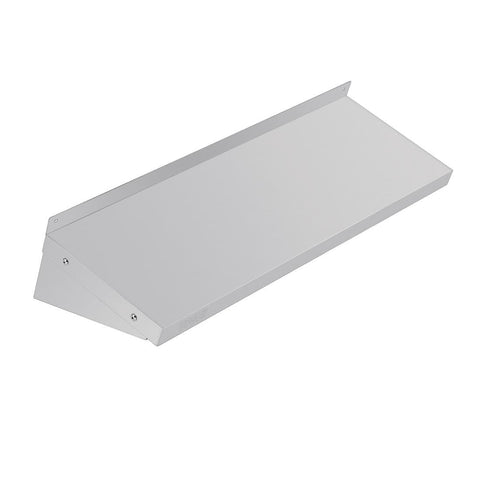

 Vogue Stainless Steel Kitchen Shelf 900mm - Y750
900(W) x 975(H) x 300(D)mm
 Modular Systems Pipe Wallshelf 900mm 0900-WSP1
900(W) x 300(D) x 300(H)mm
 Modular Systems 1200mm Pipe Wallshelf 1200-WSP1
1200(W) x 300(D) x 300(H)mm
 Modular Systems 900mm Solid Wallshelf 0900-WS1
900(W) x 300(D) x 300(H)mm
 Modular Systems 1800mm Solid Wallshelf 1800-WS1
1800(W) x 300(D) x 300(H)mm

 Mixrite 118 Solid Wall Shelves 1800 x 300 x 255 mm SWS18
1800(W) x 300(D) x 255(H)mm
 Mixrite 118 Solid Wall Shelves 900 x 300 x 255 mm SWS09
900(W) x 300(D) x 255(H)mm
 Mixrite 118 Solid Wall Shelves 1500 x 300 x 255 mm SWS15
1500(W) x 300(D) x 255(H)mm
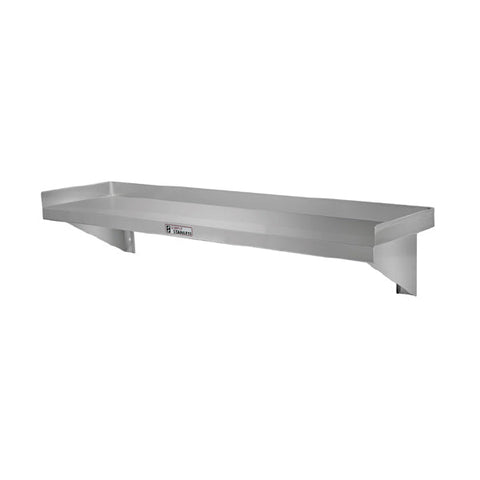 Mixrite 118 Solid Wall Shelves 600 x 300 x 255 mm SWS06
600(W) x 300(D) x 255(H)mm
 Mixrite 48 Pipe Wall Shelves 1500 x 300 x 255 mm PWS15
1500(W) x 300(D) x 255(H)mm
 Modular Systems 1500mm Solid Wallshelf 1500-WS1
1500(W) x 300(D) x 300(H)mm
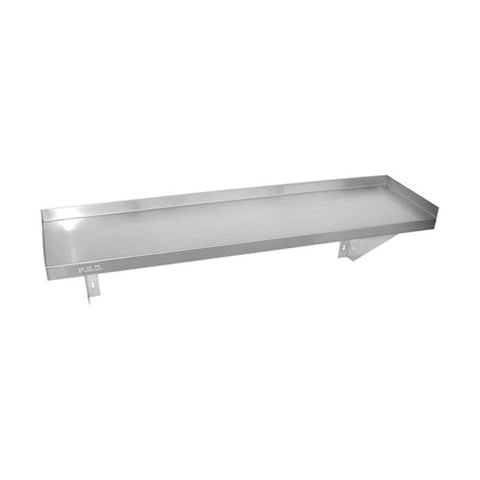 Modular Systems 600mm Solid Wallshelf 0600-WS1
600(W) x 300(D) x 300(H)mm
 MixRite Solid Wall Shelves
600-2400(W) x 300(D) x 255(H)mm
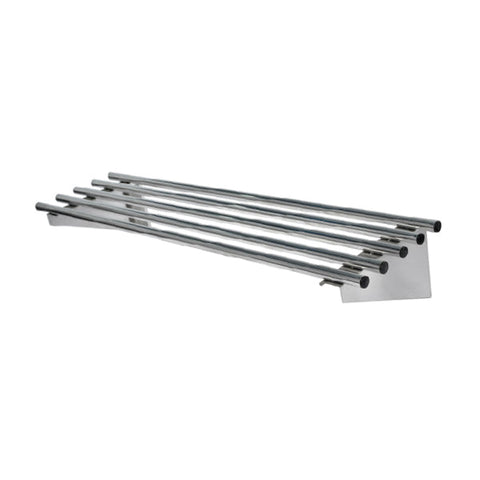
 MixRite Pipe Wall Shelves
600-2400(W) x 300(D) x 255(H)mm
Modular Systems WS1 Solid Wallshelf - 600-1800mm Width
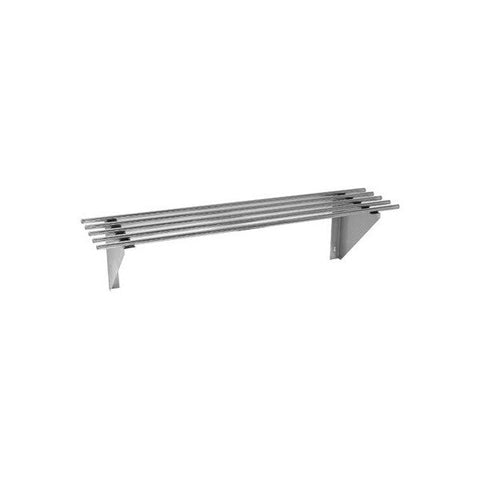 Modular Systems WSP1 Pipe Wallshelf - 600-1800mm Width
 Mixrite 118 Solid Wall Shelves 2400 x 300 x 255 mm SWS24
2400(W) x 300(D) x 255(H)mm
Mixrite 118 Solid Wall Shelves 1200 x 300 x 255 mm SWS12
1200(W) x 300(D) x 255(H)mm
 Mixrite 118 Solid Wall Shelves 2100 x 300 x 255 mm SWS21
2100(W) x 300(D) x 255(H)mm
 Mixrite 48 Pipe Wall Shelves 2100 x 300 x 255 mm PWS21
2100(W) x 300(D) x 255(H)mm
Mixrite 48 Pipe Wall Shelves 1200 x 300 x 255 mm PWS12
1200(W) x 300(D) x 255(H)mm
 Mixrite 48 Pipe Wall Shelves 1800 x 300 x 255 mm PWS18
1800(W) x 300(D) x 255(H)mm
 Mixrite 48 Pipe Wall Shelves 2400 x 300 x 255 mm PWS24
2400(W) x 300(D) x 255(H)mm
 Mixrite 48 Pipe Wall Shelves 900 x 300 x 255 mm PWS09
900(W) x 300(D) x 255(H)mm
Mixrite 48 Pipe Wall Shelves 600 x 300 x 255 mm PWS06
600(W) x 300(D) x 255(H)mm
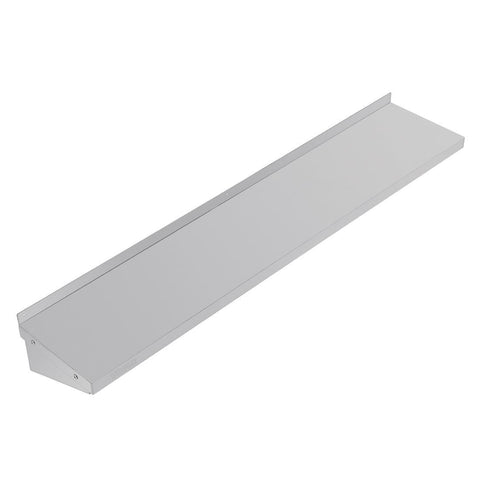
 Vogue Stainless Steel Kitchen Shelf 1500mm - Y752
1500(W) x 1570(H) x 300(D)mm
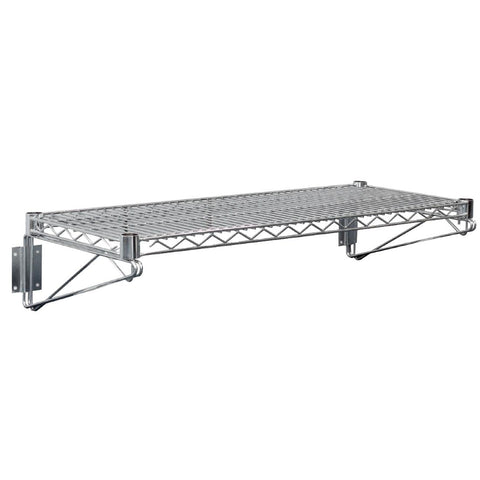
 Vogue Steel Wire Wall Shelf 1220mm - U202
1220(W) x 40(H) x 360(D)mm
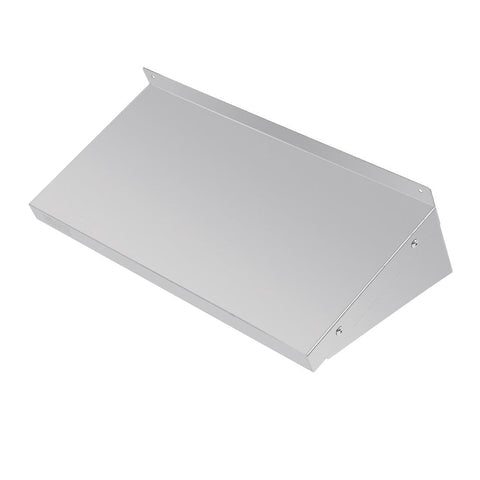
 Vogue Stainless Steel Kitchen Shelf 600mm - Y749
600(W) x 450(H) x 300(D)mm
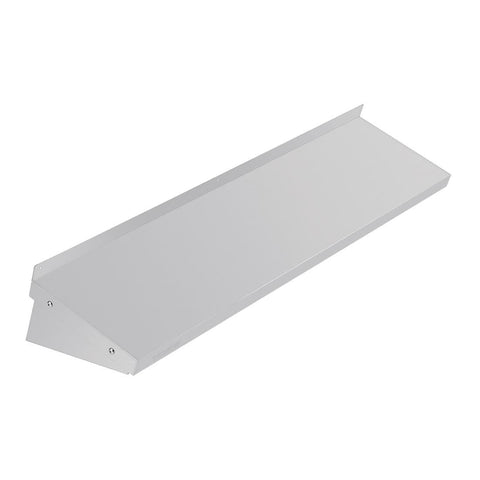
 Vogue Stainless Steel Kitchen Shelf 1200mm - Y751
1200(W) x 1280(H) x 300(D)mm
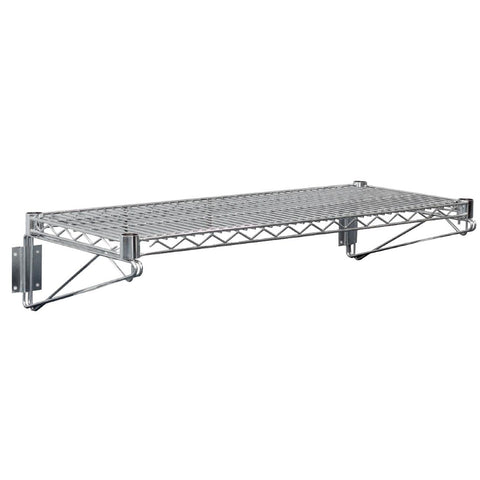
 Vogue Steel Wire Wall Shelf 610mm - U200
610(W) x 40(H) x 360(D)mm
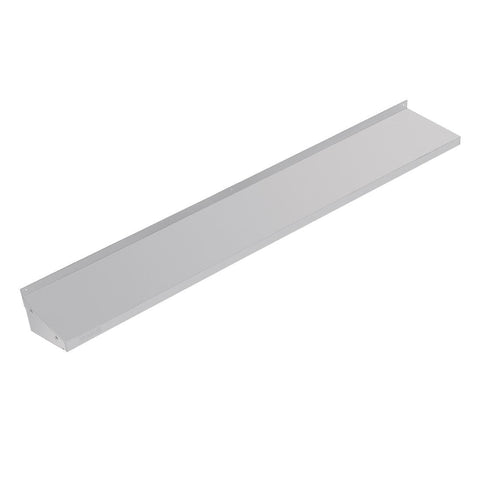
 Vogue Stainless Steel Kitchen Shelf 1800mm - Y753
1800(W) x 130(H) x 300(D)mm
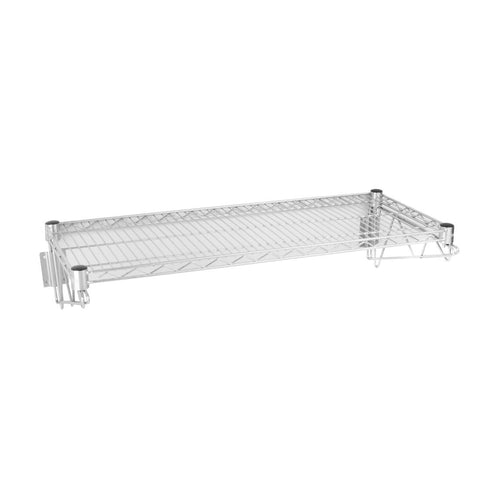
 Vogue Steel Wire Wall Shelf 910mm - U201
910(W) x 40(H) x 360(D)mm
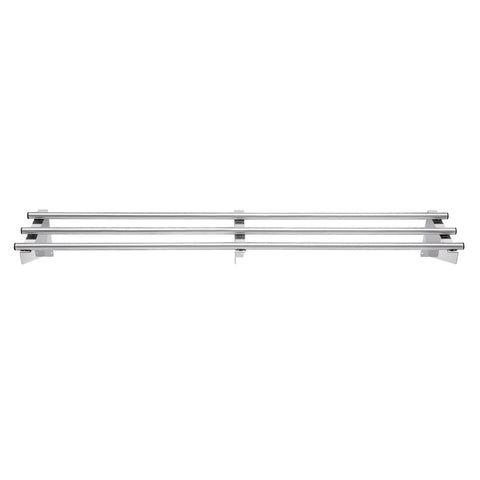
 Vogue Stainless Steel Wall Shelf 1500mm - CD552
1500(W) x 225(H) x 300(D)mm
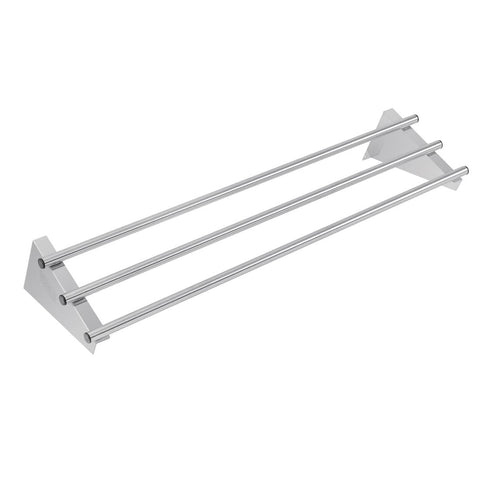
 Vogue Stainless Steel Wall Shelf 1200mm - CD551
1200(W) x 225(H) x 300(D)mm
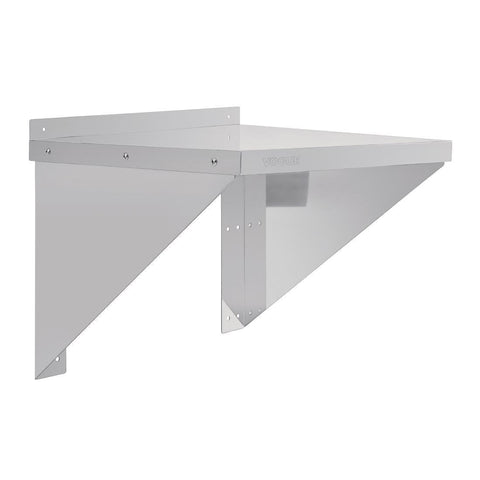
 Vogue Stainless Steel Microwave Shelf - CD550
560(W) x 490(H) x 460(D)mm
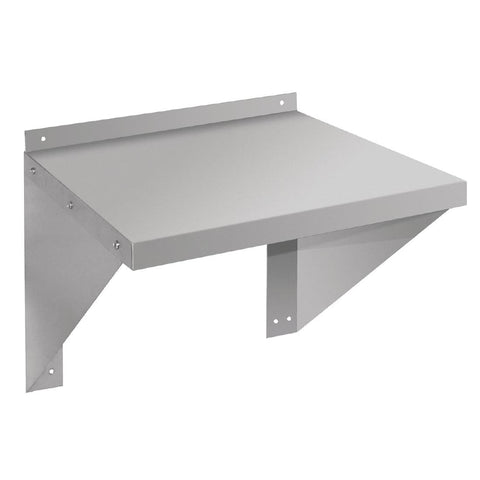
 Vogue Stainless Steel Microwave Shelf Large - CB912
560(W) x 490(H) x 560(D)mm
 Modular Systems Compact Microwave Shelf WS-530
530(W) x 530(D) x 490(H)mm
 Modular Systems 1500mm Pipe Wallshelf 1500-WSP1
1500(W) x 300(D) x 300(H)mm
 Modular Systems 1800MM Pipe Wallshelf 1800-WSP1
1800(W) x 300(D) x 300(H)mm
Modular Systems 600mm Pipe Wallshelf 0600-WSP1
600(W) x 300(D) x 300(H)mm
Commercial kitchen wall shelves get the containers, plates and dockets up off the bench and onto the wall, above a prep bench or a service pass, so the work surface underneath stays clear for the job in front of you. A commercial stainless steel wall shelf is also the cheapest way to make a small kitchen workable: going up costs nothing in floor area, and a shelf at the right height is quicker to reach than a cupboard at the other end of the room.
They come in single and double tier and a range of depths, so you can start with the benches that need clearing now and add more as your business grows. What matters is the depth, the height and the wall behind it. See commercial kitchen shelving for the full range, and kitchen bench overshelves for the versions that mount to the bench itself: they need no wall fixing and they move with the bench, but they sit on it rather than clearing it.
Fitting out a whole kitchen? Send us the wall runs and get a quote that covers the shelves and the benching together.
The same product is listed under several names, so it is worth knowing them all when you are comparing. You will see commercial kitchen stainless steel wall shelves, industrial kitchen wall shelves, industrial kitchen wall shelving, and restaurant kitchen wall shelves used interchangeably.
Word order moves around too, so a listing for stainless steel wall shelves restaurant kitchens use is the same item again. We list them under commercial kitchen wall shelves and the specification on the product page is what to compare, not the title.
High enough to work under comfortably with a mixing bowl or a board, low enough that the back of the shelf is still reachable by the shortest person on the team. Too high and the shelf becomes long-term storage instead of working storage.
Measure from the bench surface rather than the floor, because bench heights vary. The shelf dimensions are on each product page and our specifications page explains the format we use.
A trade, and the reason is the wall rather than the shelf. Brick, concrete, stud and lightweight partition walls all take different fixings, and a loaded shelf pulls down and out at the same time.
Tell us what the wall is made of when you order so we can flag anything that matters. Where it is part of a larger job, our fit-out and project management page explains how we handle it.
Single where you need clear sight and headroom across a pass, double where you are storing rather than working — dry goods, spare containers, crockery that is not in rotation.
A double tier adds the storage without adding another set of fixings, but it also puts the top shelf out of easy reach. Many kitchens run a single tier over the working bench and a double tier over a stainless steel cabinet in the back corner.
Shallow enough that it does not crowd the person working under it, deep enough to hold what you actually put up there. A shelf deeper than the bench it sits over turns into something people hit their head on.
Think about the item, not the shelf: plates and containers set the depth. Check it against the gastronorms and containers or crockery you plan to store before you choose a size.
Over a sink, often yes, and it is a good spot for drying racks and clean containers. Over a cooking line it depends on the extraction, because a shelf under a canopy can interfere with the way the hood captures grease and steam.
Check it against the canopy requirements first — see commercial kitchen exhaust hoods. Above a commercial kitchen sink the usual arrangement is a shelf for clean items only, with nothing stored that could fall in.
Wiped down with a neutral detergent along the grain, and dried. The underside matters as much as the top, because that is the surface facing the food being prepared below it and it collects dust and airborne grease.
304 stainless steel takes daily washdown without pitting, which is why it is the standard for food contact surfaces in Australian kitchens. Keep the right cloths and detergent on hand from cleaning supplies rather than using an abrasive pad that scratches the finish.

We have a special page just for stock that's warehoused in Perth.
Click Here to see all WA stockWhat our customers say about us on Google, and how Google scores our store for things like shipping and returns.
Store scores from Google