


 03 9070 5784
 Help & Support
 Track My Order



Recently Viewed
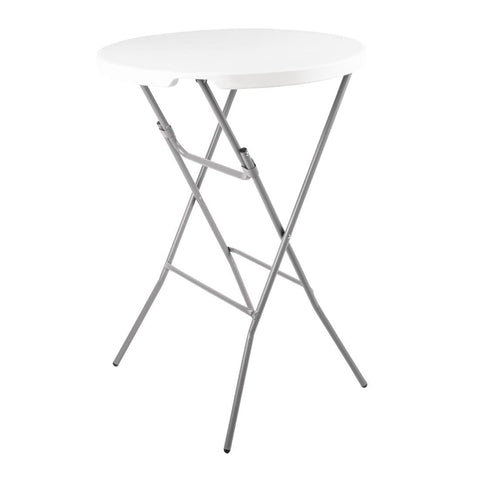

 Bolero Foldaway Poseur Table - DL046
800(W) x 1100(H) x 800(D)mm
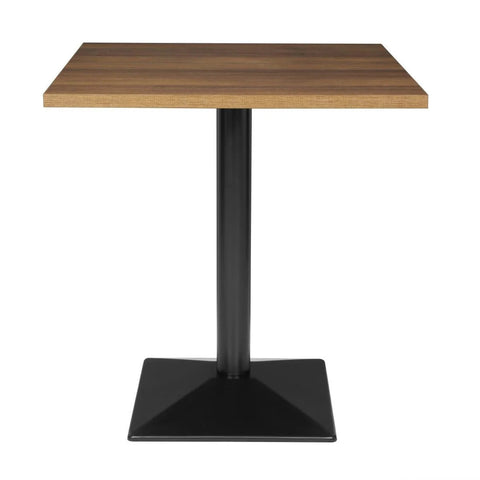
 Bolero Complete Square Table 700mm - CH992
700(W) x 120(H) x 700(D)mm
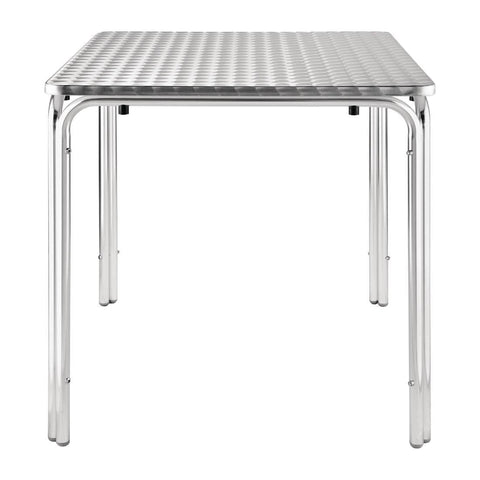
 Bolero Square Stacking Table Stainless Steel 700mm - U505
700(W) x 720(H) x 700(D)mm
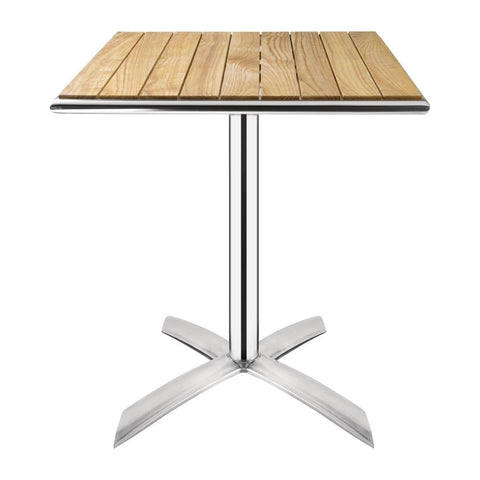
 Bolero Ash Flip Top Square Bistro Table 600mm - GK991
600(W) x 730(H) x 600(D)mm
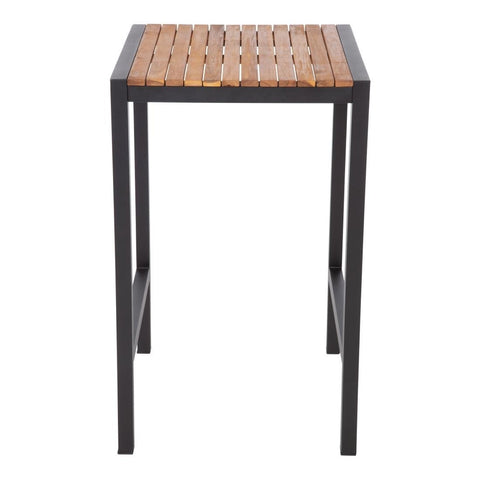
 Bolero Square Steel and Acacia Bar Table 600mm - DS155
600(W) x 1000(H) x 600(D)mm
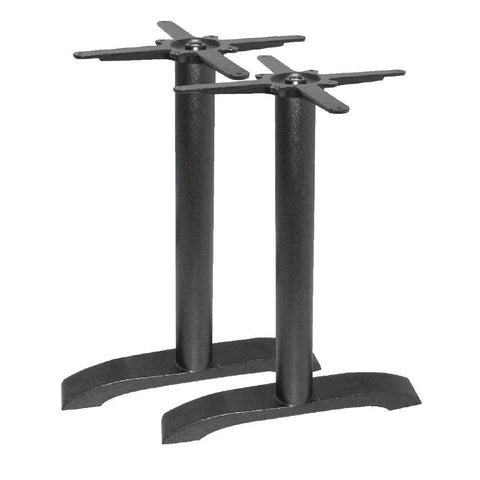
 Bolero Cast Iron Twin Leg Table Base (Pack of 2) - DN642
740(W) x 720(H) x 595(D)mm
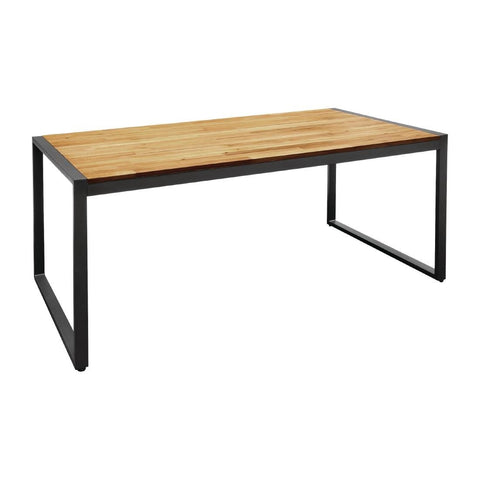
 Bolero Acacia Wood and Steel Rectangular Industrial Table 1800mm - DS157
1800(W) x 740(H) x 900(D)mm

 Bolero Aluminium Four Leg Table Base - DN641
650(W) x 680(H) x 650(D)mm
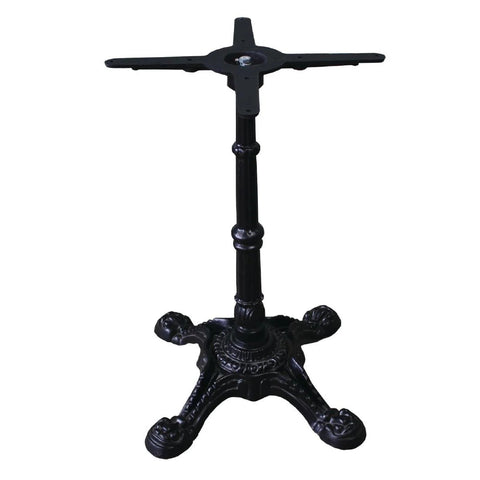
 Bolero Cast Iron Ornate Table Leg Base - CE155
420(W) x 720(H) x 420(D)mm
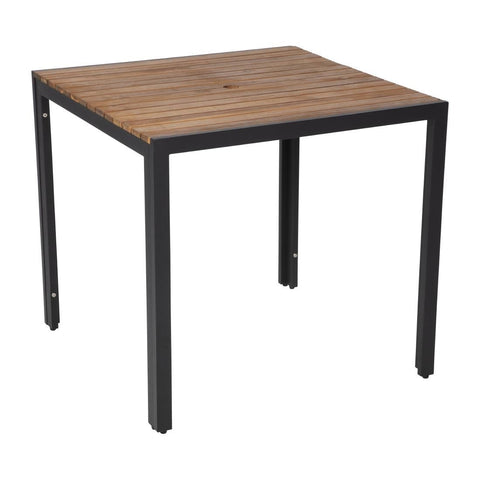
 Bolero Square Steel and Acacia Table 800mm - DS152
800(W) x 740(H) x 800(D)mm
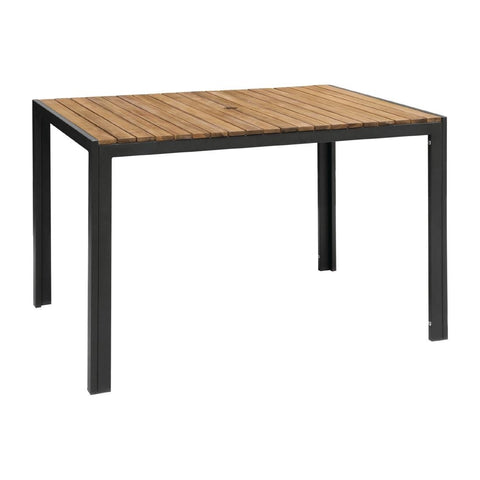
 Bolero Acacia Wood and Steel Rectangular Table 1200mm - DS153
1200(W) x 740(H) x 800(D)mm
 Bolero Round Table Top White 600mm - GG645
600(W) x 30(H) x 600(D)mm
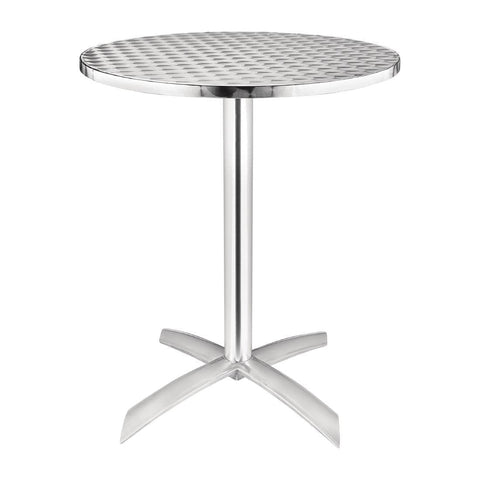
 Bolero Flip-Top Table Stainless Steel 600mm - U423
600(W) x 720(H) x 600(D)mm
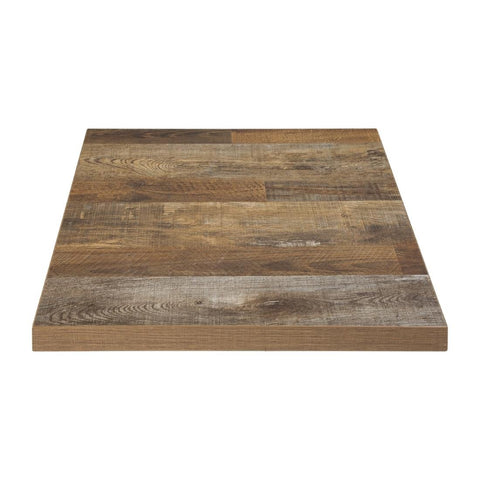
 Bolero Pre-Drilled Square Table Top Urban Dark 600mm - DR821
600(W) x 48(H) x 600(D)mm
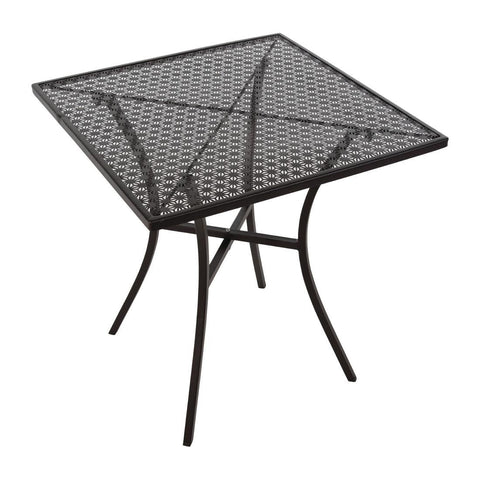
 Bolero Black Steel Patterned Square Bistro Table 700mm - GG706
700(W) x 710(H) x 700(D)mm
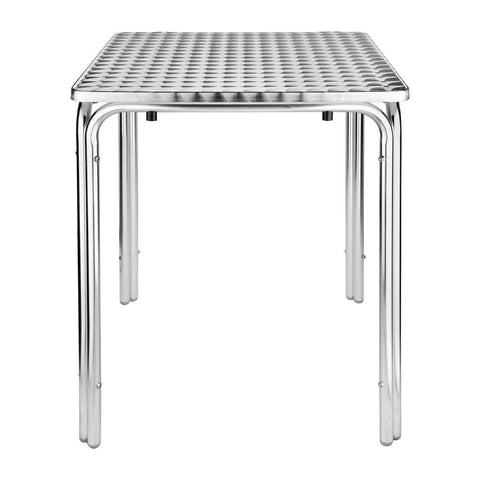
 Bolero Square Leg Table 600mm - CG837
600(W) x 720(H) x 600(D)mm
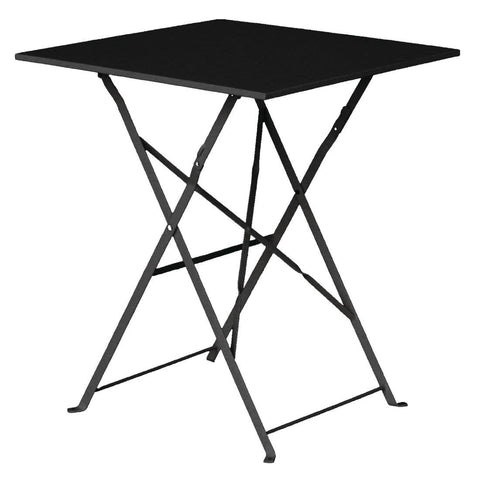
 Bolero Black Square Pavement Style Steel Table - GK989
600(W) x 710(H) x 600(D)mm
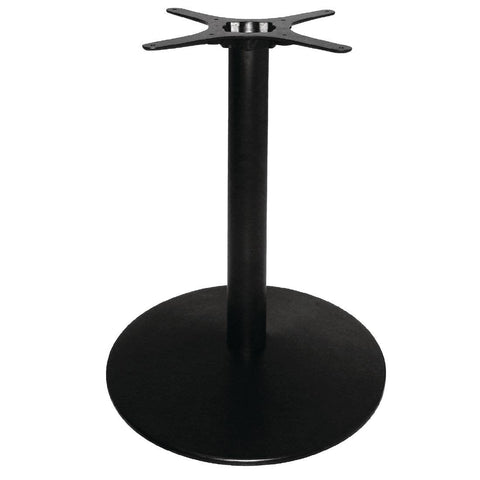
 Bolero Cast Iron Table Base - DL475
550(W) x 720(H) x 550(D)mm
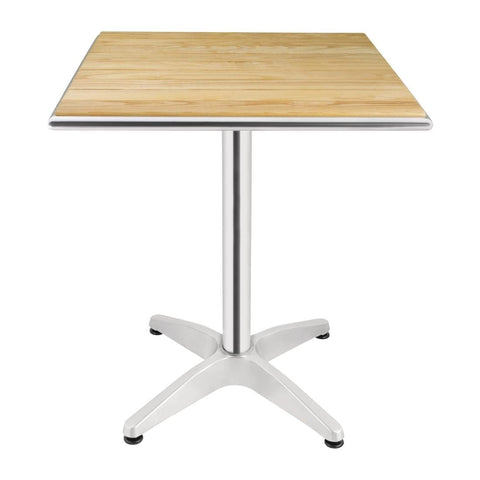
 Bolero Ash Top Table Square 600mm - U430
600(W) x 720(H) x 600(D)mm
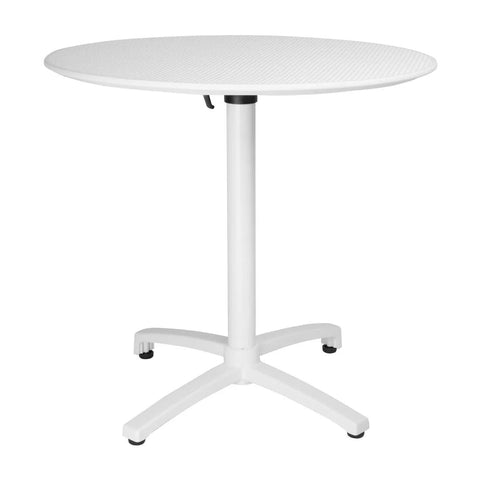
 Bolero Folding PP Table 800mm - White - FT620
800(W) x 740(H) x 800(D)mm
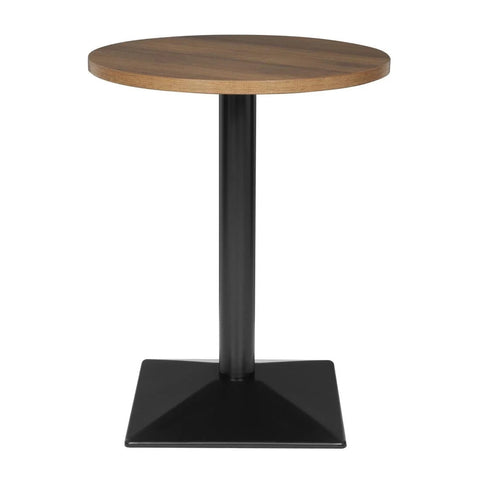
 Bolero Complete Round Table 600mm - CH993
600(W) x 120(H) x 600(D)mm
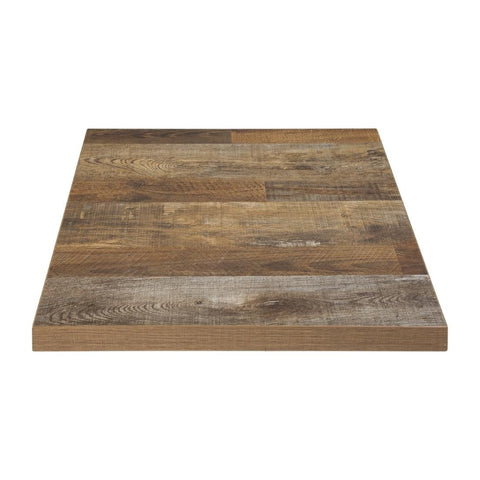
 Bolero Pre-Drilled Square Table Top Urban Dark 700mm - DR823
700(W) x 48(H) x 700(D)mm
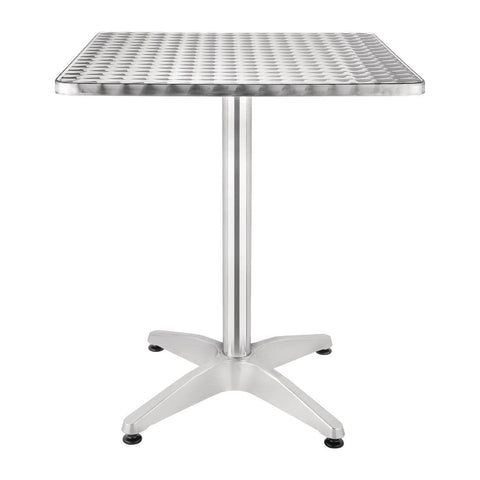
 Bolero Square Bistro Table Stainless Steel 600mm - U427
600(W) x 720(H) x 600(D)mm
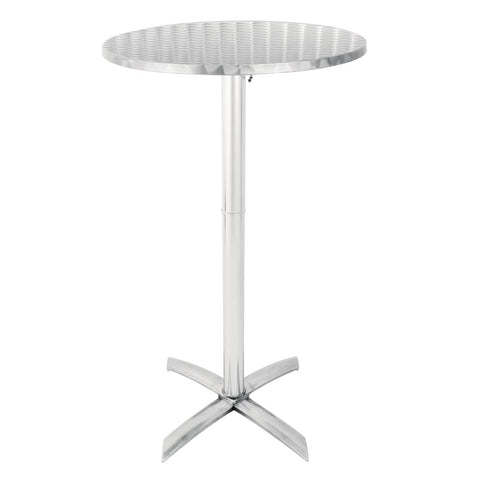
 Bolero Flip Top Poseur Table Stainless Steel - GR396
600(W) x 1050(H) x 600(D)mm
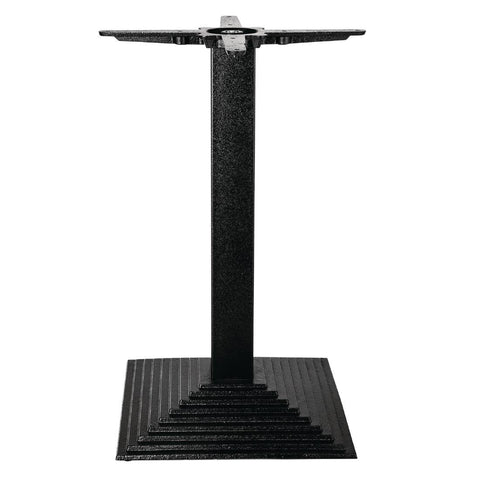
 Bolero Cast Iron Step Square Table Base - CE153
425(W) x 720(H) x 425(D)mm
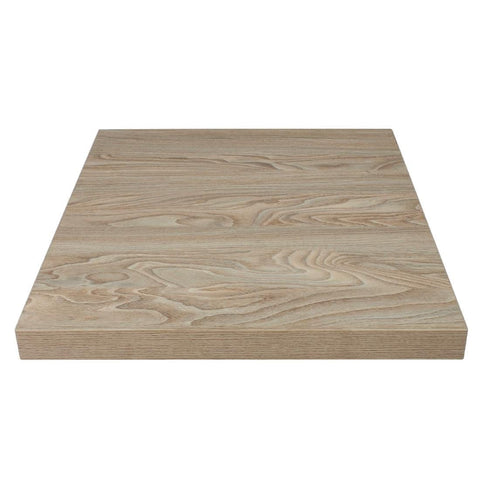
 Bolero Pre-drilled Square Table Top Antique Natural 700mm - GR331
700(W) x 48(H) x 700(D)mm

 Bolero Cast Iron Table Leg Base - CE154
610(W) x 735(H) x 610(D)mm
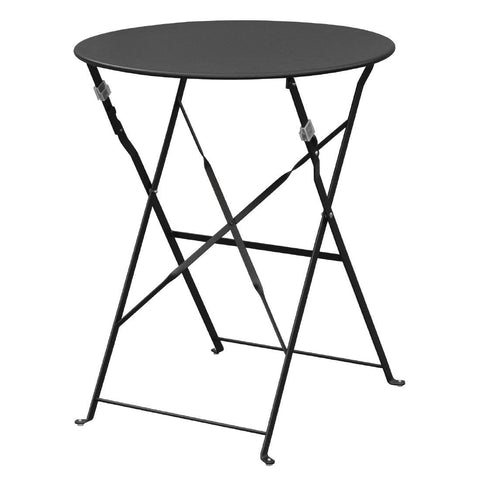
 Bolero Black Pavement Style Steel Table 595mm - GH558
595(W) x 710(H) x 595(D)mm
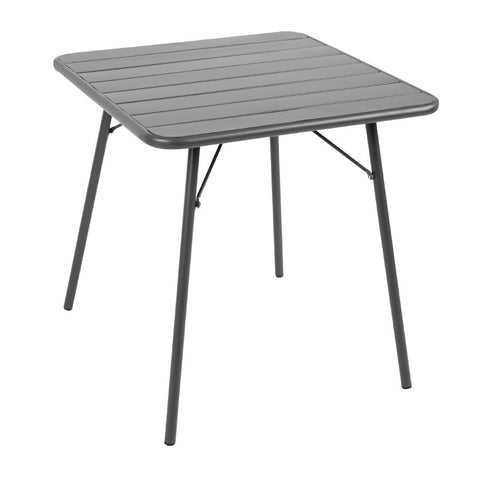
 Bolero Square Slatted Steel Table Grey 700mm - CS730
700(W) x 710(H) x 700(D)mm

 Bolero Aluminium Square Table Top Dark Grey 700mm - FW597
700(W) x 30(H) x 700(D)mm

 Bolero Stainless Steel Round Table Base - U552
430(W) x 720(H) x 430(D)mm
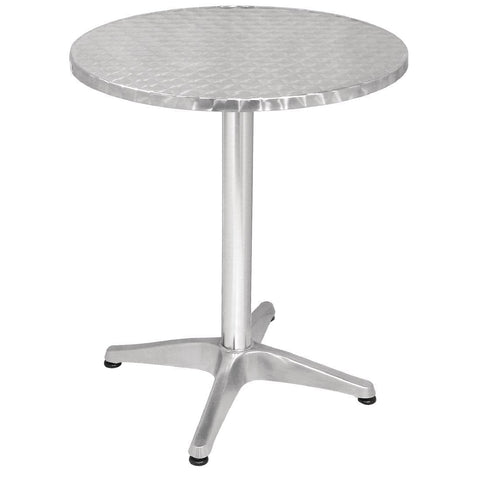
 Bolero Round Bistro Table Stainless Steel 600mm - U425
600(W) x 720(H) x 600(D)mm

 Bolero Pre-drilled Square Table Top Rustic Oak 600mm - GR324
600(W) x 48(H) x 600(D)mm

 Bolero Pre-drilled Square Table Top Antique Natural 600mm - GR325
600(W) x 48(H) x 600(D)mm
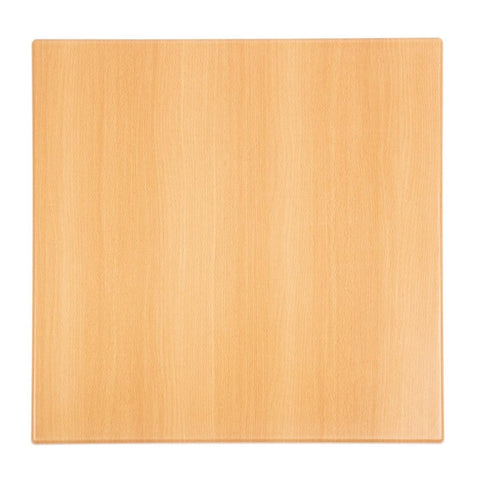
 Bolero Square Table Top Beech 700mm - GG638
700(W) x 30(H) x 700(D)mm
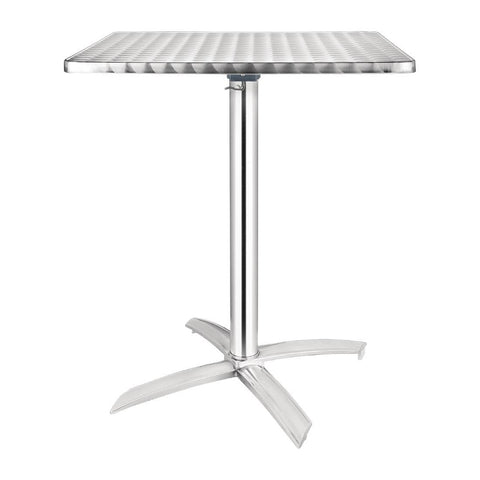
 Bolero Square Flip-Top Table Stainless Steel 600mm - CG838
600(W) x 720(H) x 600(D)mm
 Bolero Black Square Steel Bistro Table with Wooden Top 700mm - GM631
700(W) x 755(H) x 700(D)mm
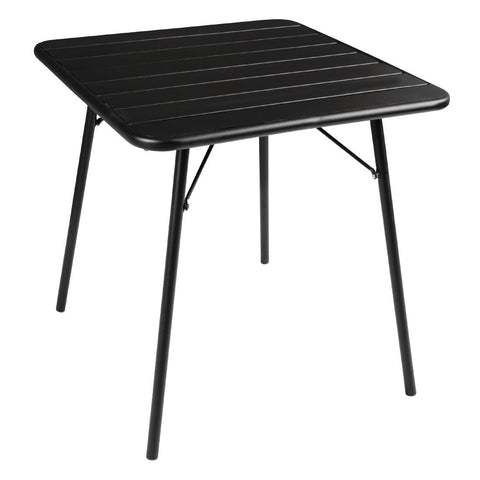
 Bolero Square Slatted Steel Table Black 700mm - CS731
700(W) x 710(H) x 700(D)mm
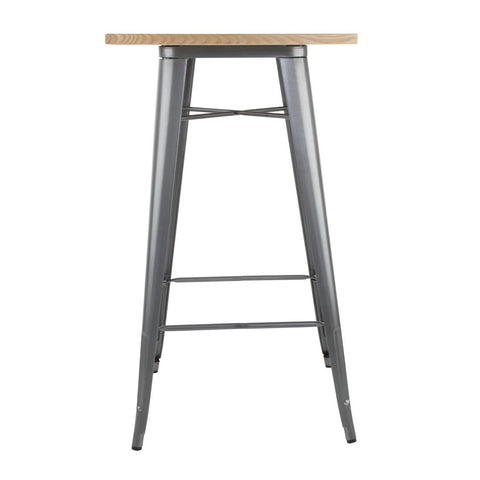
 Bolero Bistro Metal Square Bar Table Gun Metal Grey with Wooden Top 600mm - FB596
600(W) x 1040(H) x 600(D)mm

 Bolero Dark Stone Effect Outdoor Tempered Glass Table Top White Trim - 700mm - FU517

 Bolero Pre-Drilled Table Top Chevron Design 700mm - FU512

 Bolero Fibre Glass Round Table Top Wood Effect 580mm - DL486

 Bolero Dark Granite Effect Outdoor Tempered Glass Table Top White Trim 700mm - FU516


 Bolero Pavement Style Folding Table Grey 1100mm x 700mm - CH969
1100(W) x 715(H) x 500(D)mm
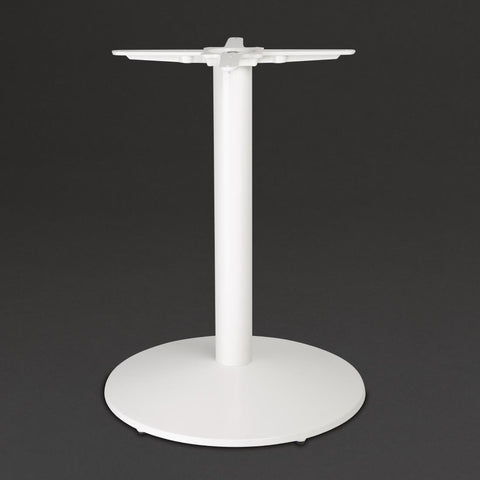
 Bolero Cast Iron Round Table Base White - FT029
548(W) x 728(H) x 548(D)mm
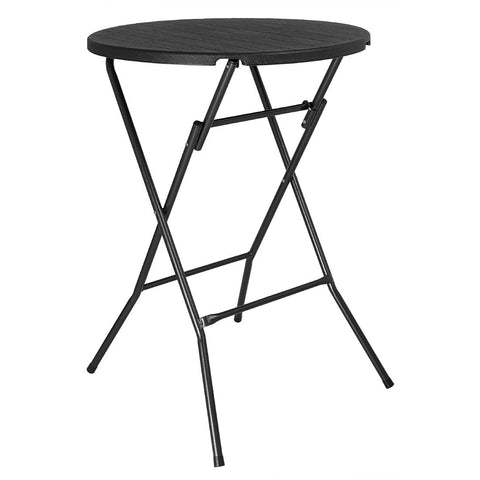
 Bolero Folding HDPE Bar Table Wood Effect Black 800mm - HZ892
800(W) x 1100(H) x 800(D)mm

 Bolero Perth Round Low Coffee Table Light Grey 450mm - HZ377
524(W) x 453(H) x 524(D)mm
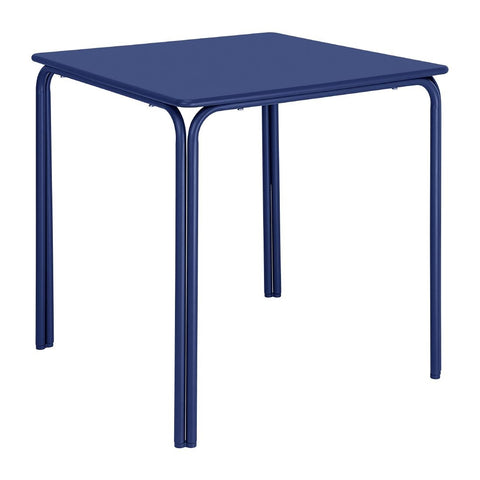
 Bolero Adeline Steel Square Table 700mm Dark Navy - HZ356
700(W) x 736(H) x 700(D)mm
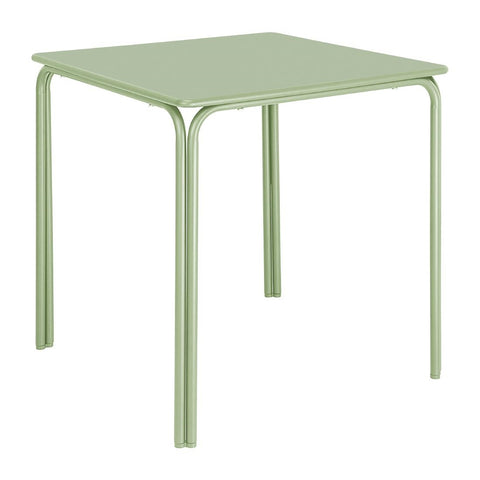
 Bolero Adeline Steel Square Table 700mm Light Green - HZ357
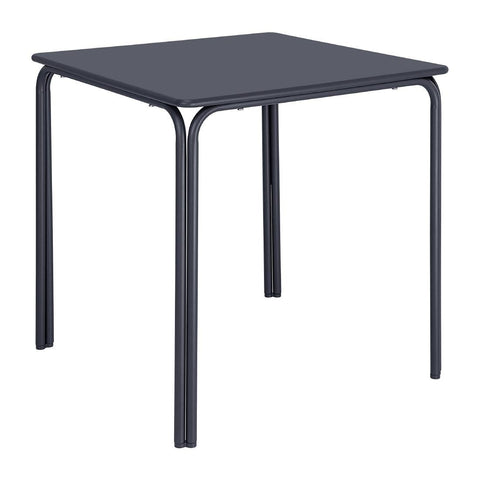
 Bolero Adeline Steel Square Table 700mm Slate Blue - HZ355
700(W) x 736(H) x 700(D)mm
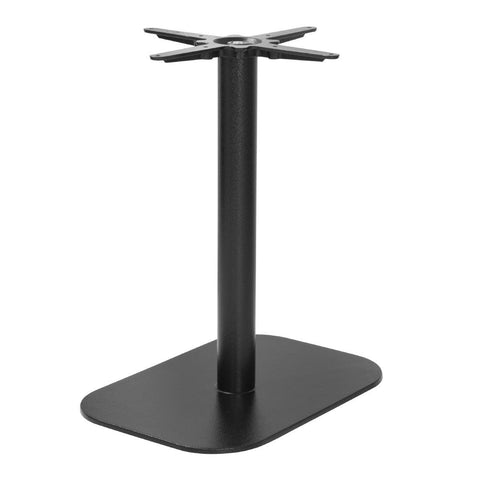
 Bolero Black Cast Iron Table Base 720x420x600mm - FU548
420(W) x 720(H) x 600(D)mm
Cafe tables are sold two ways at REO, either as a complete table or as a top and a base bought separately so you can pair them yourself. Bolero is one of many brands that offer many options and designs to choose from, in square, round and rectangular shapes at dining, poseur and coffee heights.
The top is the part customers touch and the part that wears. Timber and laminate tops come in ash, beech, rustic oak, antique natural, urban dark, walnut, white and dark brown, along with marble effect, terrazzo style and chevron patterns. Outdoor tempered glass tops in stone, granite and wood grain effects sit inside a metal trim, fibre glass tops are lighter again, and there are aluminium and stainless steel tops for anything that has to be sanitised hard between seatings.
Bases are cast iron, aluminium or stainless steel. Cast iron is the heavy option, in round, square, step square, rectangular and ornate patterns including a coffee height base. Aluminium four leg and twin leg bases weigh much less, which suits tables that get moved. Flip top and folding tables tilt or fold flat so a terrace can be cleared and wheeled inside.
Square tops run from 600mm to 700mm, round tops from 580mm to 800mm, and rectangular tops come at 1100 x 700mm and up to 1800mm for longer tables. Cafe table tops and cafe table bases are sold on their own if you're replacing part of a table, and the main furniture page covers umbrellas, banquet tables and the rest of a fit-out.
A 600mm square or round top is the standard two seater. It works, but it's tight once two plates, two glasses and a set of cutlery are on it. Step up to 700mm if you serve full plates, share plates or a proper table setting, because that extra 100mm is the difference between a comfortable table and one where the customer holds their glass in their hand.
A 1100 x 700mm rectangular top seats four, two a side, and the 1200mm and 1800mm tops take longer bench style seating. Square tops push together into a run for a group of eight. Round tops don't, but they fit more people into a tight floor plan because there are no corners sticking out into the walkway.
Nearly always the base, not the floor. Cast iron and aluminium bases have adjustable feet that screw in and out, and one of them sitting a couple of millimetres proud will rock the whole table. Turn the feet until all of them take weight, then press down on each edge of the top and check again.
If the feet are already level, check the bolt where the column meets the base plate and the bolts through the top. Those work loose over months of the table being dragged around, and a loose column plate feels exactly like an uneven floor. Tiled and paved surfaces are rarely flat, so a table that's steady indoors can rock as soon as it goes out onto a terrace.
Yes, and it's the usual way to refresh a room without paying for whole tables. The tops sold on their own come pre-drilled to take a standard base plate, so the old top unbolts and the new one goes on with the same fixings.
Check the bolt pattern on the base you already own matches the drilling on the top before you order, and keep the sizes sensible. A base sized for a 600mm top leaves a 700mm top under-supported, and it will tip when someone leans on the edge. The same works the other way when a base gets damaged and the top is still good.
The tempered glass tops in their metal trim, the aluminium tops and the fibre glass tops are all made for outdoor use and will take rain and direct sun without swelling or lifting. The terrazzo style and matte black outdoor tops are the same.
Indoor laminate and timber tops fail at the edge. Water gets under the edge banding, the core swells, and the banding lifts and won't go back down. A covered terrace under an awning is usually fine, but a top that gets rained on will be finished within a season or two. If the tables have to come in and out, flip top models tilt vertical and roll away in a fraction of the space.
Match the base spread to the width of the top. The base needs a footprint close to the top it carries, or a customer leaning on one edge lifts the far side off the floor.
Cast iron is the heavy answer, and it's what you want under the larger tops and anywhere outdoors, because the weight also stops the table sliding when someone gets up. Aluminium bases weigh far less and suit smaller tops and any table that gets moved often. Twin leg and rectangular bases go under the long tops, where a single central column leaves the ends unsupported.
Enough for two people to pass between the chairs of two occupied tables. A pulled out chair takes up most of the gap, so measure from chair back to chair back rather than from table edge to table edge. Staff carrying plates need the same room the customers do.
Set the tables and chairs out on the floor before anything is fixed down, and walk the route from the kitchen door to the furthest table with a tray in your hands. A floor packed tight enough to add two more covers will slow every service.
Work off the top size plus the drop you want on each side. A 600mm square top with a 250mm drop needs a cloth around 1100mm square, and the same sum gives you the size for round and rectangular tops.
A short drop suits a cafe and keeps the cloth out of laps. A long drop suits a restaurant and hides the base. Bare tops are the other option, which is part of why the timber, marble effect and terrazzo style tops sell so well, since a top that looks good bare takes the laundry off the weekly bill.
Dining height is the standard table for seated service with cafe chairs. Poseur and bar height tables are the tall ones for standing drinks and bar seating, and they need bar stools rather than dining chairs.
Coffee height bases and a low round coffee table cover lounge and window seating, where people sit on soft furniture and the table only has to hold a cup. Buy the base at the height you need, because a column can't be shortened and put back together.
Yes. The top hinges up against the column so the table stands vertical, and a dozen of them wheel into the space three or four flat tables would take. That suits a footpath licence that has to be cleared nightly, a function room that changes layout between bookings, and any venue that packs a terrace away over winter.
The hinge and the catch are the parts that wear, since they get worked twice a day. Check them whenever you check the base bolts, and replace a catch that no longer holds the top firm in the upright position.
Buying the whole floor in one order is where the saving is. REO prices are sharp, and one order covering the tables, tops, bases and seating means a single delivery and a single invoice instead of a dozen part shipments through a fit-out. It also keeps the finishes matched, because timber stains and laminate colours vary slightly between production runs.
Order a spare top or two while you're at it, particularly in the finish you've used most, so a damaged top can be swapped the same day instead of leaving a table out of service. You can buy a coffee table online with the rest of the furniture, and it all ships anywhere in Australia.

We have a special page just for stock that's warehoused in Perth.
Click Here to see all WA stockWhat our customers say about us on Google, and how Google scores our store for things like shipping and returns.
Store scores from Google