


 03 9070 5784
 Help & Support
 Track My Order



Recently Viewed


 Bolero Round Centre Folding Table 6ft White - HC270
1830(W) x 740(H) x 1830(D)mm

 Bolero 5ft Diameter Round Centre Folding Table - CC506
1530(W) x 762(H) x 762(D)mm

 Bolero Foldaway Square Table - Y807
860(W) x 740(H) x 860(D)mm
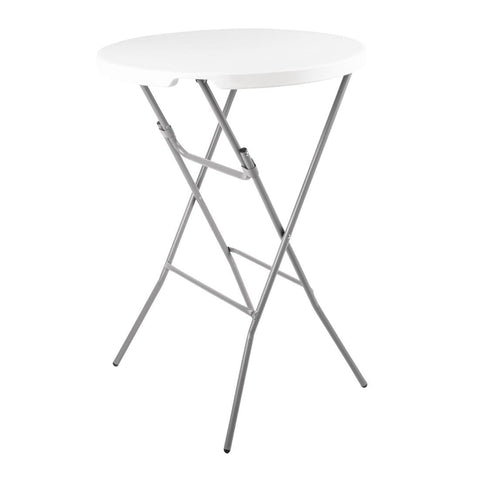
 Bolero Foldaway Poseur Table - DL046
800(W) x 1100(H) x 800(D)mm

 Bolero Centre Folding Table 8ft White - CF375
2430(W) x 740(H) x 860(D)mm
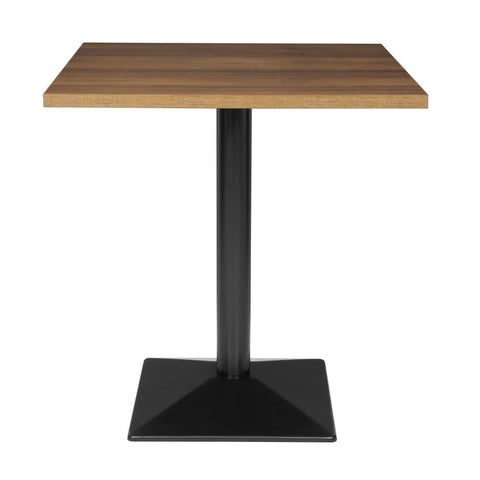
 Bolero Complete Square Table 700mm - CH992
700(W) x 120(H) x 700(D)mm
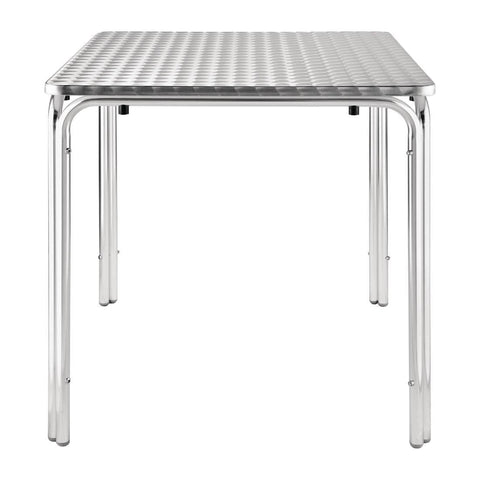
 Bolero Square Stacking Table Stainless Steel 700mm - U505
700(W) x 720(H) x 700(D)mm
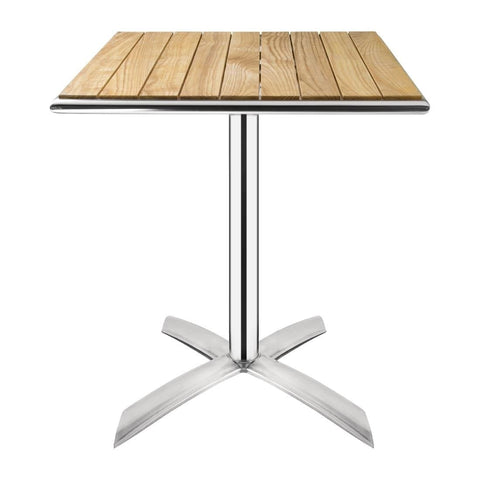
 Bolero Ash Flip Top Square Bistro Table 600mm - GK991
600(W) x 730(H) x 600(D)mm
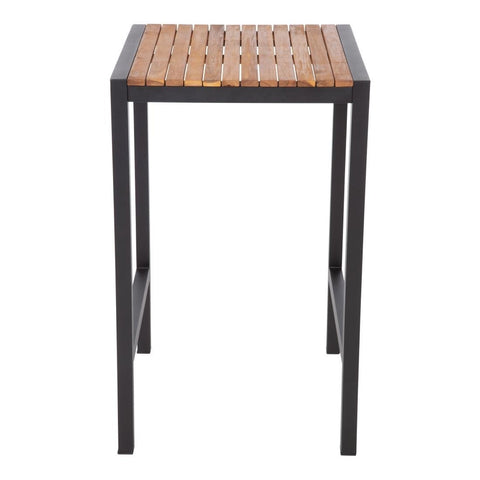
 Bolero Square Steel and Acacia Bar Table 600mm - DS155
600(W) x 1000(H) x 600(D)mm
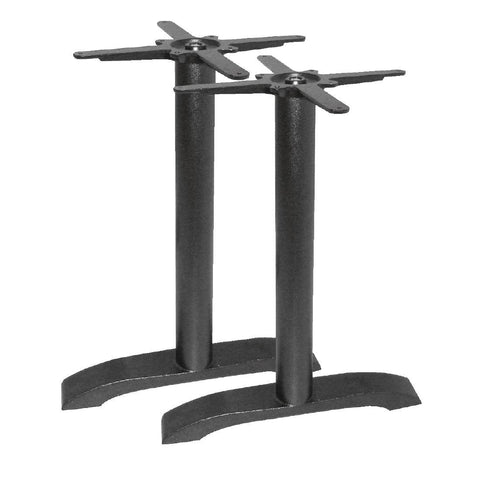
 Bolero Cast Iron Twin Leg Table Base (Pack of 2) - DN642
740(W) x 720(H) x 595(D)mm
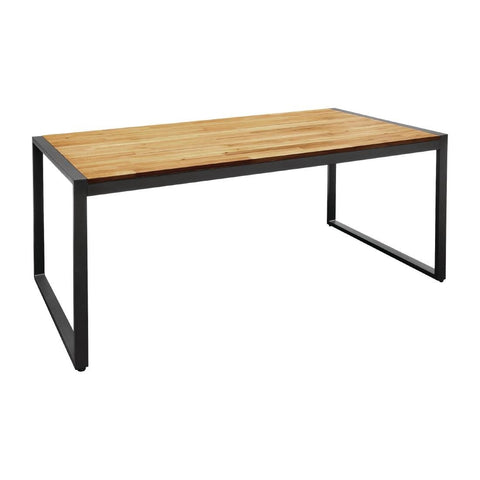
 Bolero Acacia Wood and Steel Rectangular Industrial Table 1800mm - DS157
1800(W) x 740(H) x 900(D)mm

 Bolero Aluminium Four Leg Table Base - DN641
650(W) x 680(H) x 650(D)mm
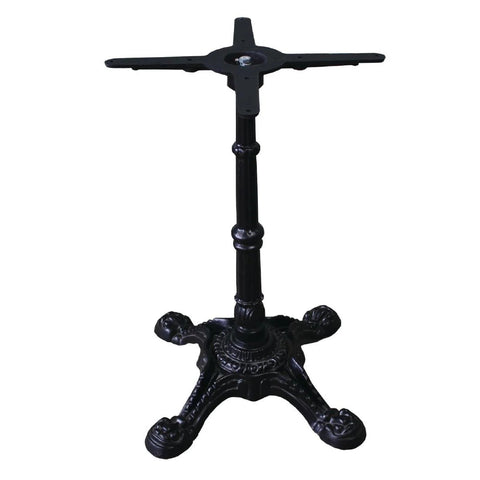
 Bolero Cast Iron Ornate Table Leg Base - CE155
420(W) x 720(H) x 420(D)mm
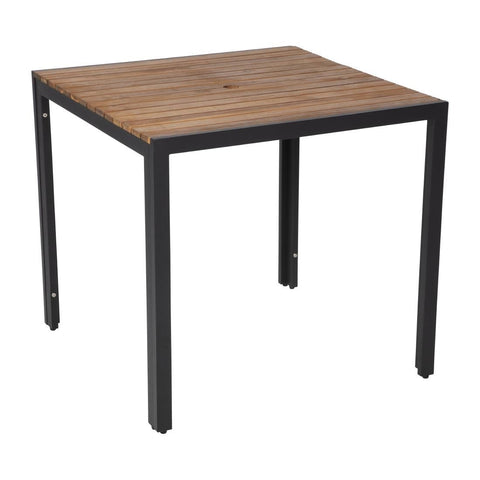
 Bolero Square Steel and Acacia Table 800mm - DS152
800(W) x 740(H) x 800(D)mm
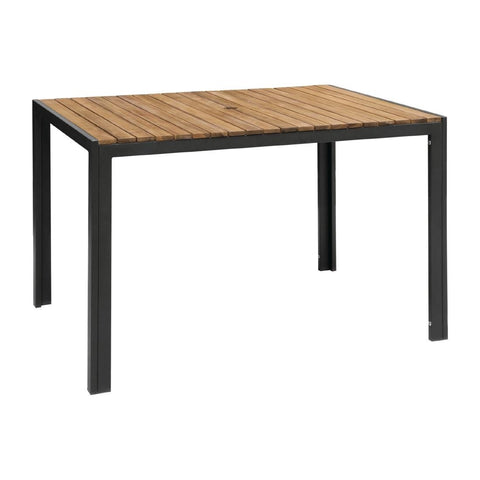
 Bolero Acacia Wood and Steel Rectangular Table 1200mm - DS153
1200(W) x 740(H) x 800(D)mm
 Bolero Round Table Top White 600mm - GG645
600(W) x 30(H) x 600(D)mm
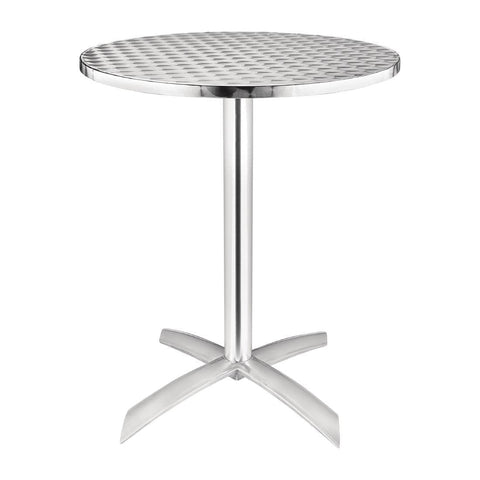
 Bolero Flip-Top Table Stainless Steel 600mm - U423
600(W) x 720(H) x 600(D)mm
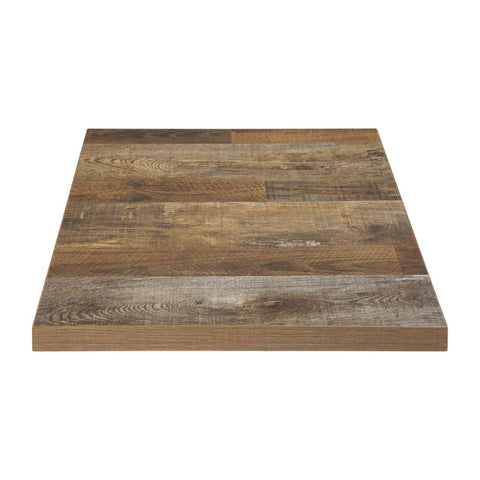
 Bolero Pre-Drilled Square Table Top Urban Dark 600mm - DR821
600(W) x 48(H) x 600(D)mm
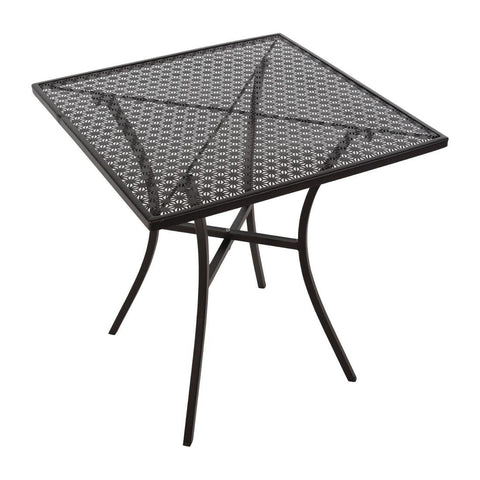
 Bolero Black Steel Patterned Square Bistro Table 700mm - GG706
700(W) x 710(H) x 700(D)mm
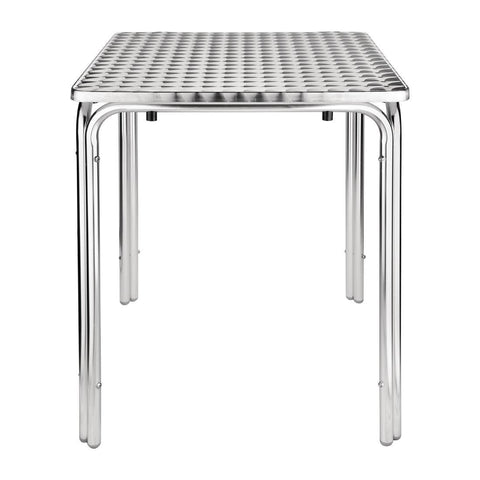
 Bolero Square Leg Table 600mm - CG837
600(W) x 720(H) x 600(D)mm
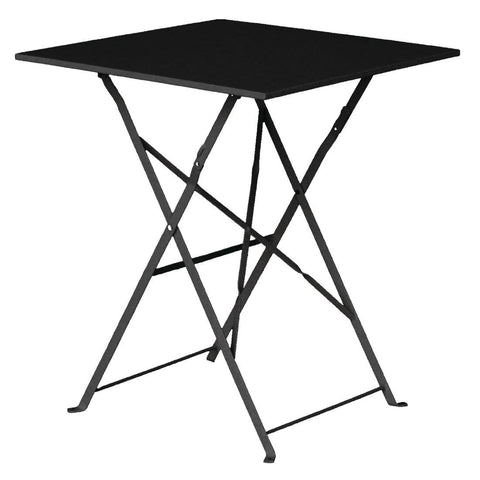
 Bolero Black Square Pavement Style Steel Table - GK989
600(W) x 710(H) x 600(D)mm

 Bolero ABS Folding Banquet Rectangular Table 6ft Grey - GC596
1830(W) x 750(H) x 760(D)mm
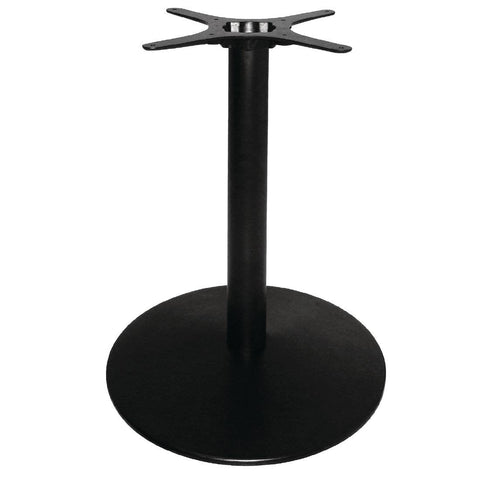
 Bolero Cast Iron Table Base - DL475
550(W) x 720(H) x 550(D)mm
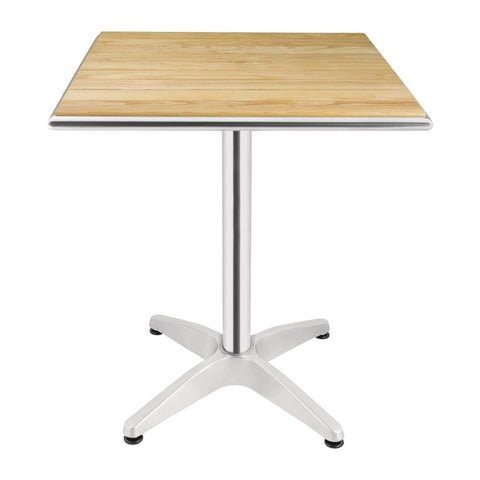
 Bolero Ash Top Table Square 600mm - U430
600(W) x 720(H) x 600(D)mm
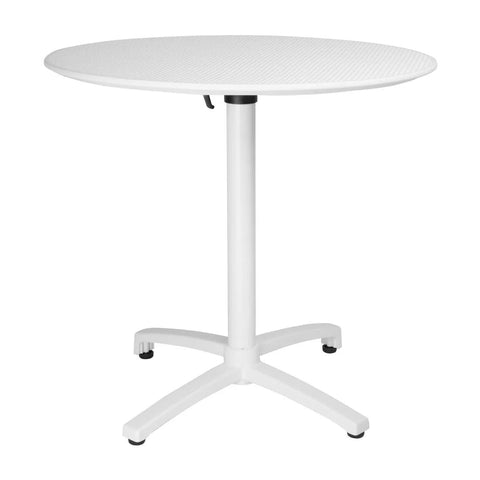
 Bolero Folding PP Table 800mm - White - FT620
800(W) x 740(H) x 800(D)mm
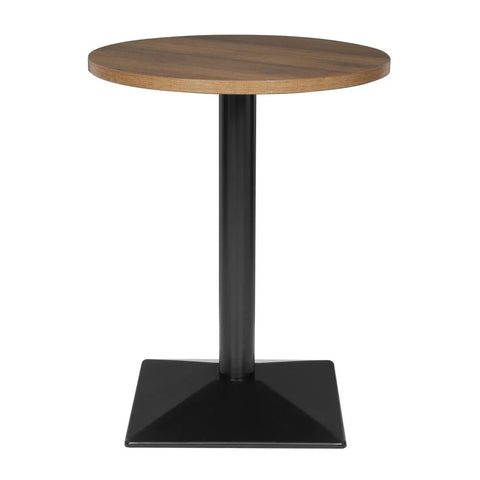
 Bolero Complete Round Table 600mm - CH993
600(W) x 120(H) x 600(D)mm
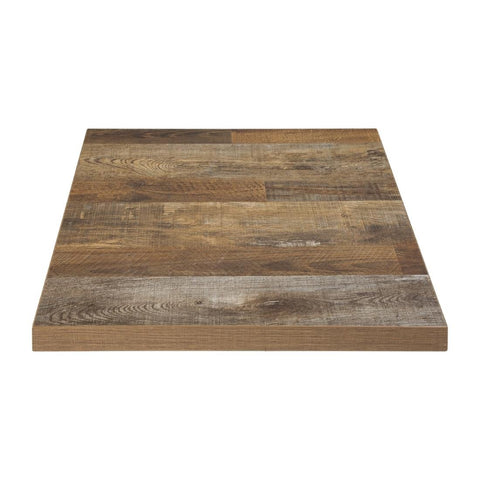
 Bolero Pre-Drilled Square Table Top Urban Dark 700mm - DR823
700(W) x 48(H) x 700(D)mm
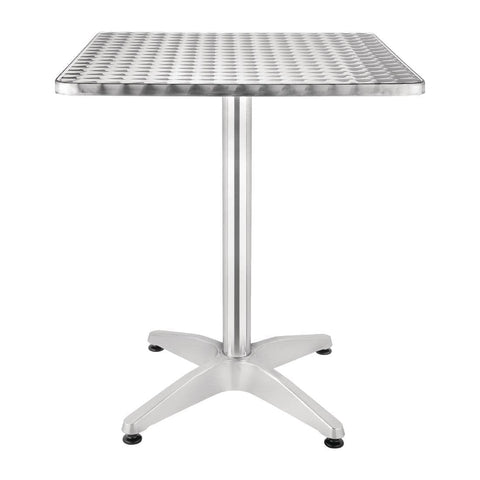
 Bolero Square Bistro Table Stainless Steel 600mm - U427
600(W) x 720(H) x 600(D)mm
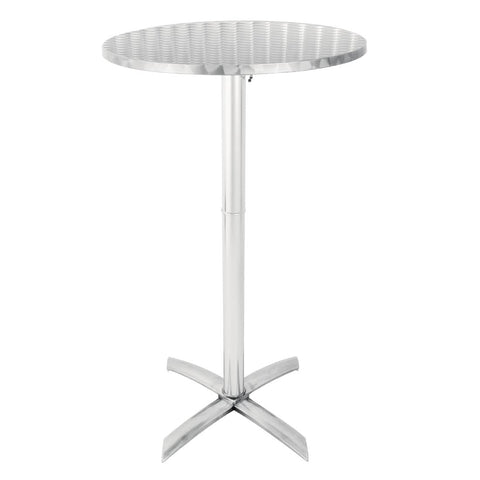
 Bolero Flip Top Poseur Table Stainless Steel - GR396
600(W) x 1050(H) x 600(D)mm
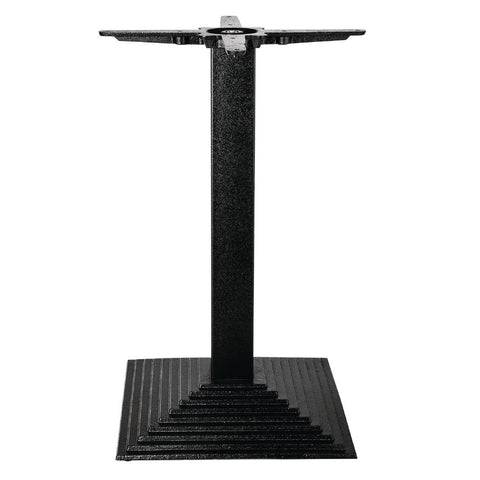
 Bolero Cast Iron Step Square Table Base - CE153
425(W) x 720(H) x 425(D)mm
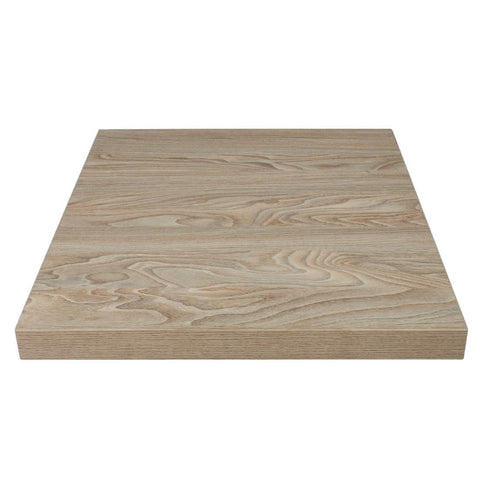
 Bolero Pre-drilled Square Table Top Antique Natural 700mm - GR331
700(W) x 48(H) x 700(D)mm

 Bolero Cast Iron Table Leg Base - CE154
610(W) x 735(H) x 610(D)mm
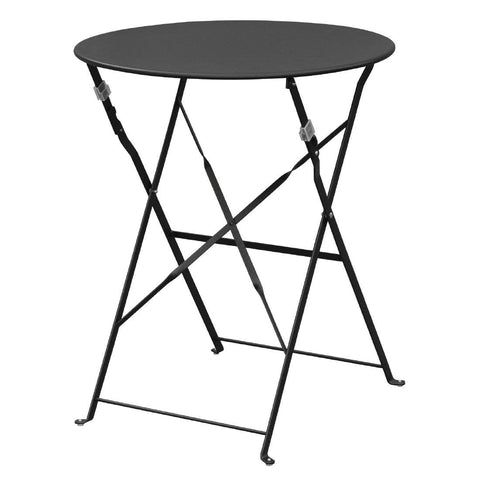
 Bolero Black Pavement Style Steel Table 595mm - GH558
595(W) x 710(H) x 595(D)mm
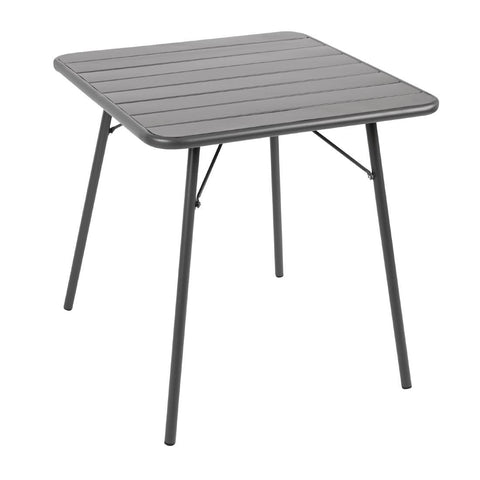
 Bolero Square Slatted Steel Table Grey 700mm - CS730
700(W) x 710(H) x 700(D)mm

 Bolero Square Folding HDPE Table Wood Effect 620mm - HZ890
620(W) x 730(H) x 620(D)mm

 Bolero Aluminium Square Table Top Dark Grey 700mm - FW597
700(W) x 30(H) x 700(D)mm

 Bolero Stainless Steel Round Table Base - U552
430(W) x 720(H) x 430(D)mm
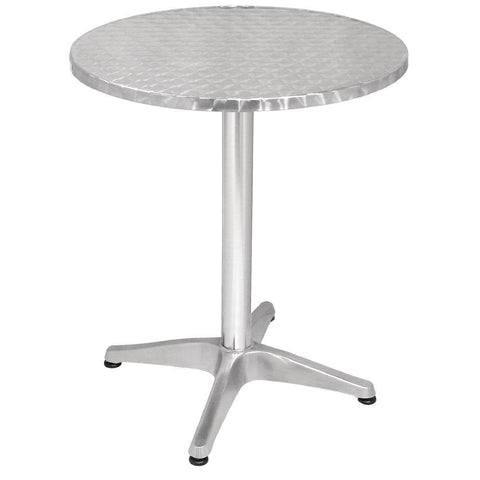
 Bolero Round Bistro Table Stainless Steel 600mm - U425
600(W) x 720(H) x 600(D)mm

 Bolero Pre-drilled Square Table Top Rustic Oak 600mm - GR324
600(W) x 48(H) x 600(D)mm

 Bolero Pre-drilled Square Table Top Antique Natural 600mm - GR325
600(W) x 48(H) x 600(D)mm
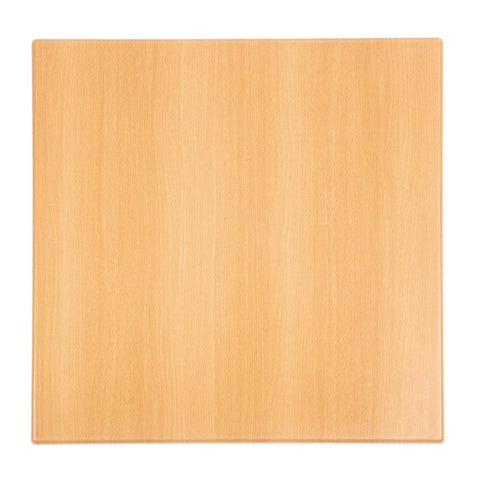
 Bolero Square Table Top Beech 700mm - GG638
700(W) x 30(H) x 700(D)mm
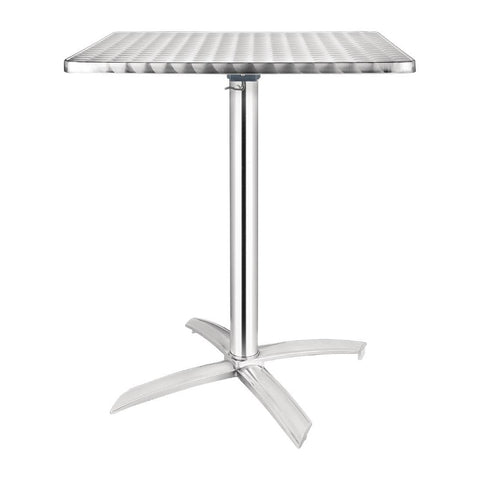
 Bolero Square Flip-Top Table Stainless Steel 600mm - CG838
600(W) x 720(H) x 600(D)mm
 Bolero Black Square Steel Bistro Table with Wooden Top 700mm - GM631
700(W) x 755(H) x 700(D)mm
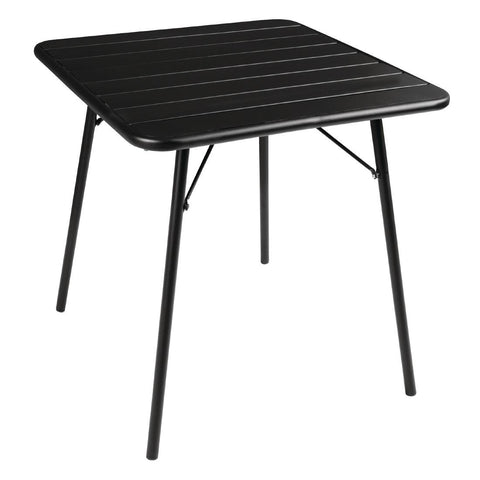
 Bolero Square Slatted Steel Table Black 700mm - CS731
700(W) x 710(H) x 700(D)mm
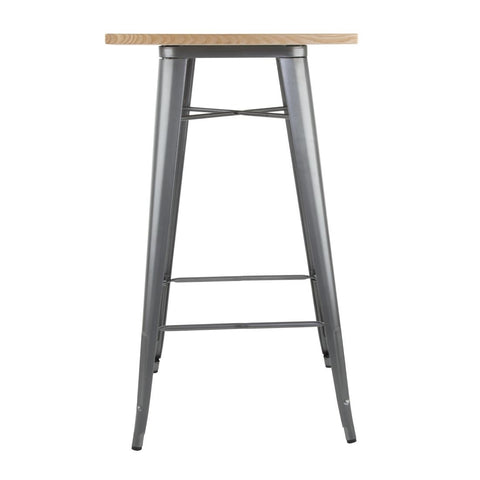
 Bolero Bistro Metal Square Bar Table Gun Metal Grey with Wooden Top 600mm - FB596
600(W) x 1040(H) x 600(D)mm

 Bolero Dark Stone Effect Outdoor Tempered Glass Table Top White Trim - 700mm - FU517

 Bolero Pre-Drilled Table Top Chevron Design 700mm - FU512

 Bolero Fibre Glass Round Table Top Wood Effect 580mm - DL486

 Bolero Dark Granite Effect Outdoor Tempered Glass Table Top White Trim 700mm - FU516


 Bolero Pavement Style Folding Table Grey 1100mm x 700mm - CH969
1100(W) x 715(H) x 500(D)mm
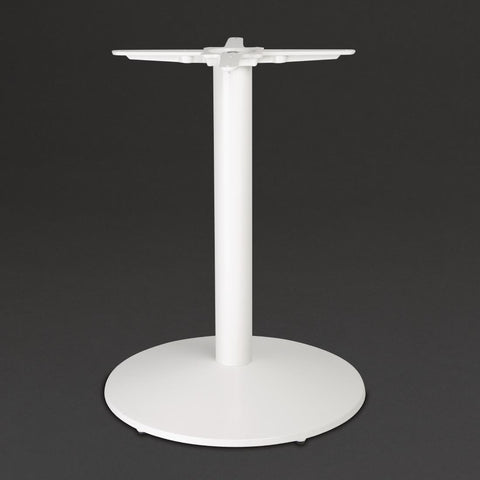
 Bolero Cast Iron Round Table Base White - FT029
548(W) x 728(H) x 548(D)mm
Commercial kitchen tables cover two different jobs that get confused with each other: tables customers eat at, and tables staff use for breaks and light work. A commercial kitchen table in a dining room is about the top, the base and the shape. One in a staff room is about being wipeable and solid. Both are here, with the dining side broken out into cafe tables and the flexible side into commercial folding tables.
What a table in trade use needs is a top that survives constant wiping, a base that does not wobble and a connection between the two that can be re-tightened. That is also why tops and bases are sold separately in the range — cafe table tops and cafe table bases let you put a specific top on the base that suits the floor.
Shapes do real work in a floor plan. Round cafe tables fit more covers into a tight room, square cafe tables push together for groups, and rectangular cafe tables line up against benches and walls. Seating is chosen after the tables, from commercial kitchen chairs.
A full room of tables is a fit-out cost rather than a single purchase, so Silverchef Rent-Try-Buy can fund it, with the option to upgrade or hand equipment back as things change. You can also start with the areas that need covering now and add more as your business grows. Send us the floor plan and we will work out the mix.
No, and buying the wrong one is a common mistake. A prep bench is working equipment: a stainless top on a stainless frame, sized to a kitchen line, built for food preparation. A kitchen table is furniture — a top on a base, for people to sit at.
If what you actually need is a work surface for the kitchen, that is a commercial stainless steel kitchen bench and the stands and shelving that go with it, such as kitchen bench overshelves. Commercial tops in that range are stainless steel, and 304 is the food-safety grade used in Australian kitchens.
A table that seats the biggest shift, chairs that can be wiped down, and somewhere to keep food and make a drink. The table is the easy part; the mistake is sizing it for the average shift rather than the full one, so breaks get taken standing up.
The rest of a staff area is usually a fridge, a microwave and hot water. Those sit in staff rooms, with commercial microwave ovens and commercial hot water urns alongside.
Laminate and compact laminate are the volume choice: they wipe clean, resist spills and come in the widest range of looks. Solid timber reads better and needs maintaining. Stone and composite tops are the most durable surface and the heaviest, which pushes you toward a heavier base.
Decide by service style. A cafe with fast turnover and constant wiping wants laminate. A dining room where a table is set once a night can carry timber. The options in each material are on the individual pages in cafe table tops.
By the top it has to carry and the floor it has to stand on. A small round top is happy on a single pedestal; a long rectangular top needs two pedestals or four legs so it does not tip when someone leans on the end. Heavier tops want heavier bases.
Check the base is adjustable at the feet, because very few commercial floors are flat. The whole range is in cafe table bases, and we can tell you which base suits a top if you give us both.
Round tables fit more people into a tight floor and are easier to walk past, which is why cafes with narrow rooms use them. Square tables are the most flexible because two of them make a four and four make an eight. Rectangular tables suit banquettes and long walls.
Most floors want a mix: rounds in the open, rectangles against the commercial cafe benches, squares where groups vary. Send us the dimensions and the covers you need and we will lay it out.
When the room has more than one job. A hall, a club room or a function space that is set for a seated meal one day and cleared the next needs tables that go away, and that is what commercial folding tables are for.
They are not a substitute for dining tables in a room with a fixed layout — a folding table is a compromise on looks and on rigidity. Pair them with commercial folding chairs so the whole room stores together.
Standard dining height for seated meals, counter or bar height where people perch at a window or a high table. The mistake is mixing heights by accident, so a chair does not fit under a table bought separately.
Take the height from the product page of the base and the thickness of the top, then compare it with the seat height of the chair you are pairing it with. Doing that once on paper saves a return.
Wipe down to the material, then tighten the fixings on a schedule. The joint between the top and the base is what loosens with use, and a wobbly table gets reported by customers before it gets reported by staff.
Check the feet at the same time. Worn or missing feet are the usual cause of a table that rocks on a flat floor, and they are cheap to replace from spares and accessories.
Yes, and often you should. It lets you put a heavy top on a base that suits the floor, replace a damaged top without buying a whole table, and keep one base across several looks. Cafe table tops and cafe table bases are listed on their own.
Check the fixing pattern matches before you order. If you are unsure, send us the two product pages and we will confirm the pairing. The rest of the room is in furniture.

We have a special page just for stock that's warehoused in Perth.
Click Here to see all WA stockWhat our customers say about us on Google, and how Google scores our store for things like shipping and returns.
Store scores from Google