


 03 9070 5784
 Help & Support
 Track My Order



Recently Viewed


 ExtremePro 17L Speed Oven - NP-ProSiT
460(W) x 675(D) x 660(H)mm

 LAINOX 17.3L Electric Compact High Speed All-in-one Oven - Black ORXSTB
356(W) x 580(H) x 588(D)mm


 Unox XESW-03HS-MDDN Speed Oven - 861068
600W x 800D x 541Hmm


 MerryChef E2S Speed Oven - 898023
365W x 700D x 645Hmm


 TurboChef ECOAK Speed Oven - 820795
450W x 650D x 555Hmm

 Unox Speed Pro XESW-03HS-MDDN Speed Oven - 834588
600W x 800D x 530Hmm
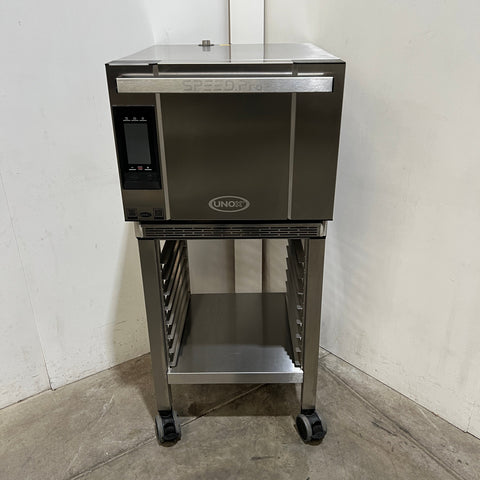
 Unox XESW-03HS-MDDN Speed Oven - 799416
600W x 810D x 1380Hmm
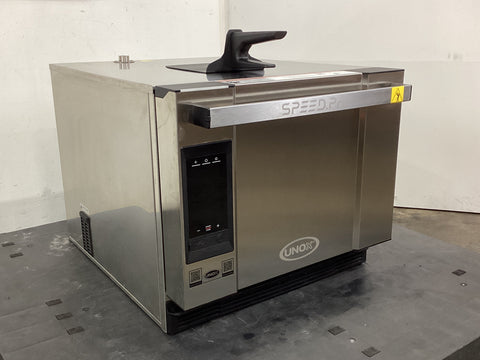
 Unox XESW-03HS-MDDN Speed Oven - 844609
600W x 800D x 530Hmm
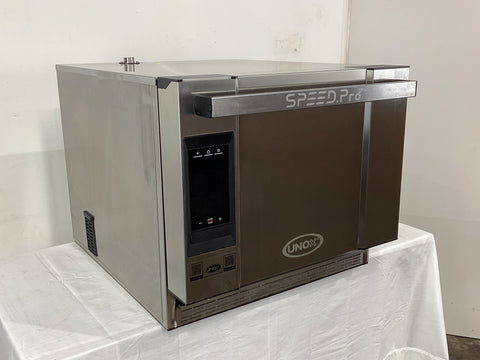
 Unox XESW-03HS-EDDN Speed Oven - 814610
600W x 800D x 525Hmm
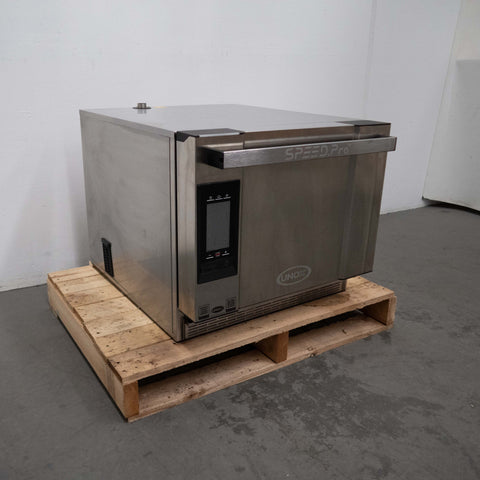
 Unox XESW-03HS-EDDN Speed Oven - 801394
605W x 800D x 525Hmm

 MerryChef Eikon E1S Speed Oven - 805504
410W x 615D x 590Hmm
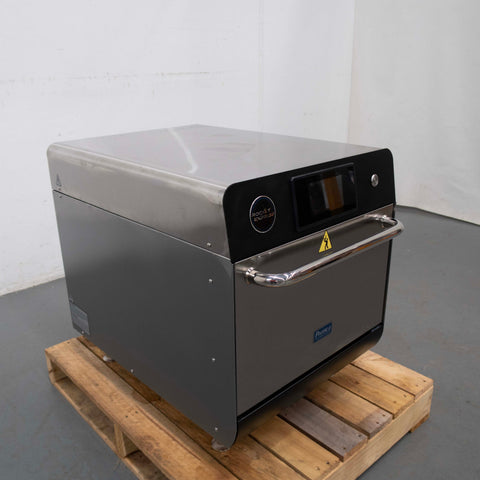

 Pratica Rocket Speed Oven - 925564
540W x 810D x 640Hmm

 Pratica FIT Express Single Mag Black Speed Oven - 897988
390W x 670D x 660Hmm
 ExtremePro Speed Oven With Touchscreen - NP-MWO-T
490(W) x 538(D) x 361(H)mm
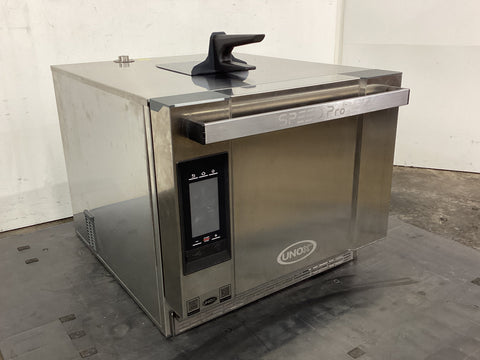
 Unox XESW-03HS-MDDN Speed Oven - 789868
600W x 800D x 530Hmm
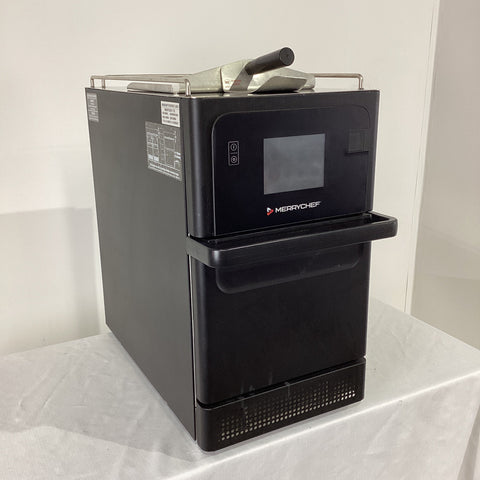
 MerryChef E2S Speed Oven - 882770
365W x 700D x 645Hmm
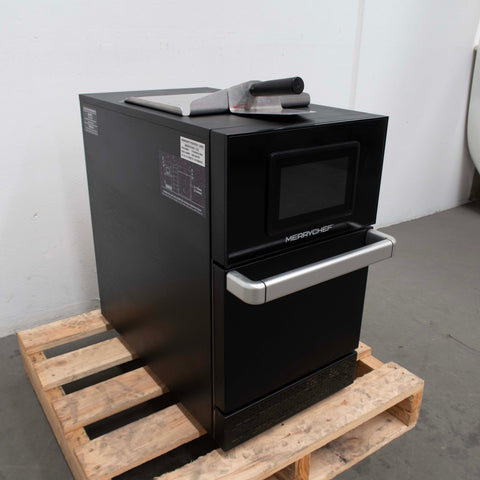
 MerryChef ConneX12 HP High Speed Oven - 867861
360W x 710D x 625Hmm
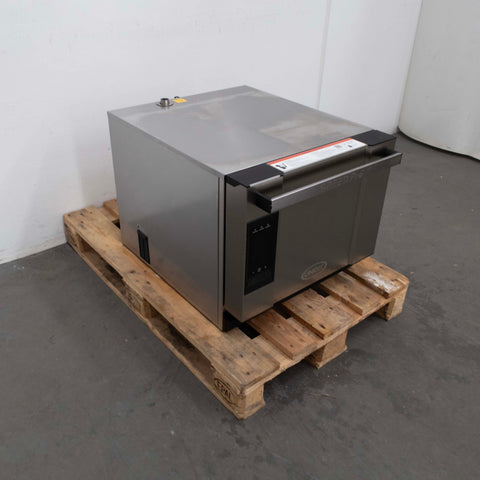
 Unox XESR-03HS-EDDN Speed Oven - 889200
600W x 800D x 1235Hmm
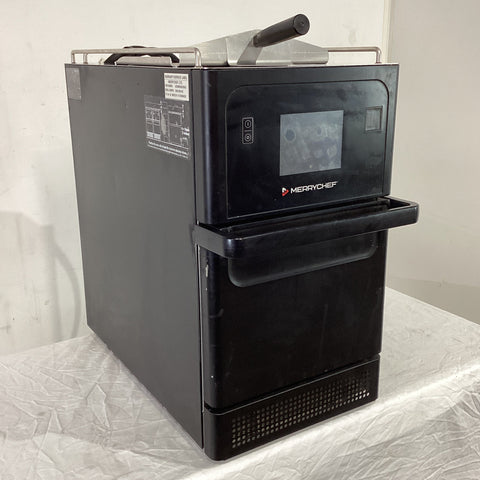
 MerryChef Eikon E2S Speed Oven - 795783
365W x 700D x 645Hmm
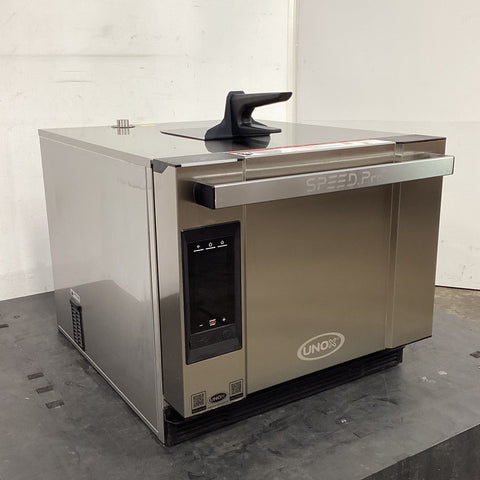
 Unox XESR-03HS-EDDN Speed Oven - 897847
600W x 800D x 525Hmm
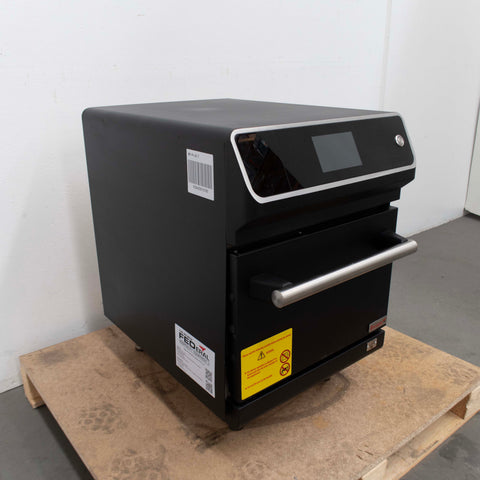
 Benchstar NP-ProSiT Speed Oven - 850892
460W x 680D x 655Hmm
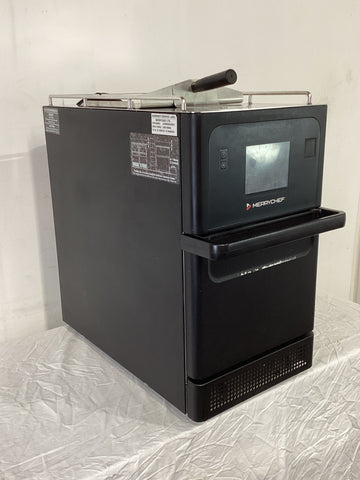
 MerryChef Eikon E2S Speed Oven - 869121
365W x 700D x 645Hmm
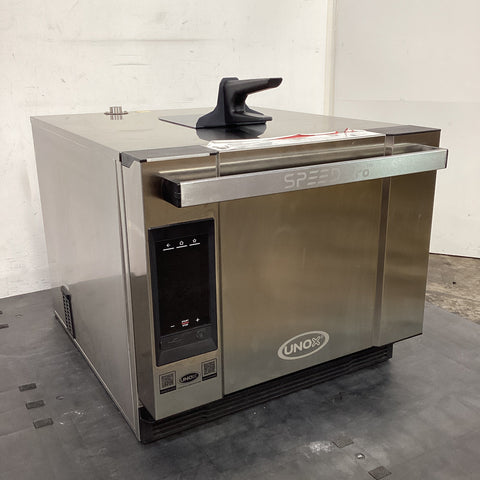
 Unox XESR-03HS-EDDN Speed Oven - 865269
600W x 800D x 525Hmm
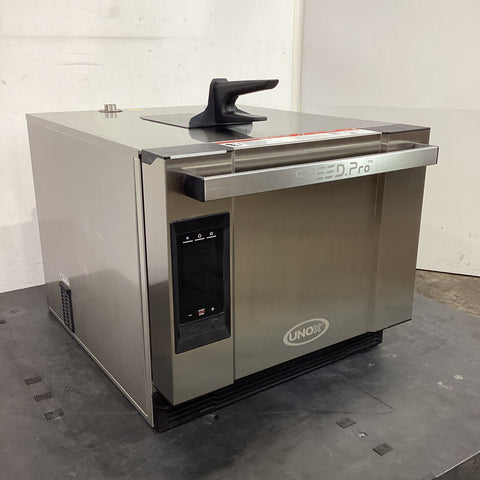
 Unox XESR-03HS-EDDN Speed Oven - 897846
600W x 800D x 525Hmm
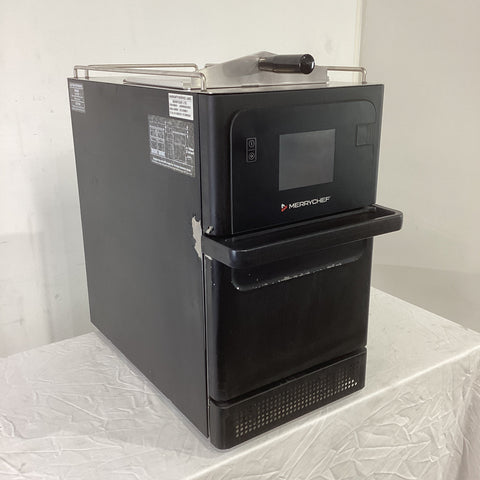
 MerryChef E2S Speed Oven - 835781
365W x 700D x 645Hmm
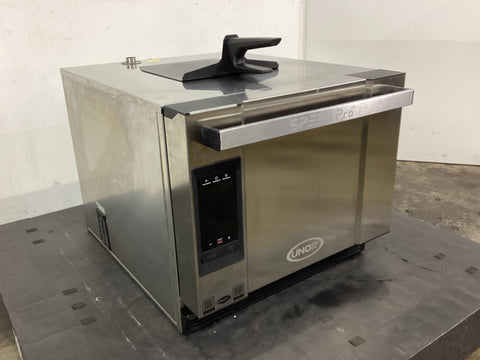
 Unox XESR-03HS-MDDN Speed Oven - 834754
600W x 800D x 525Hmm
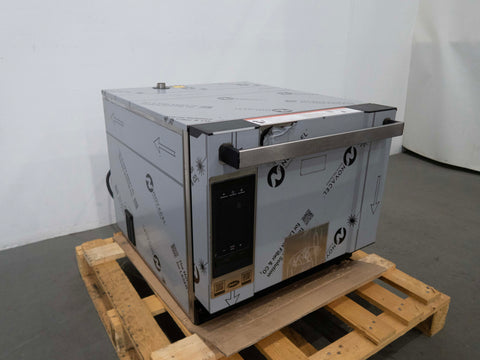
 Unox XESR-03HS-EDDN Speed Oven - 868452
600W x 800D x 540Hmm
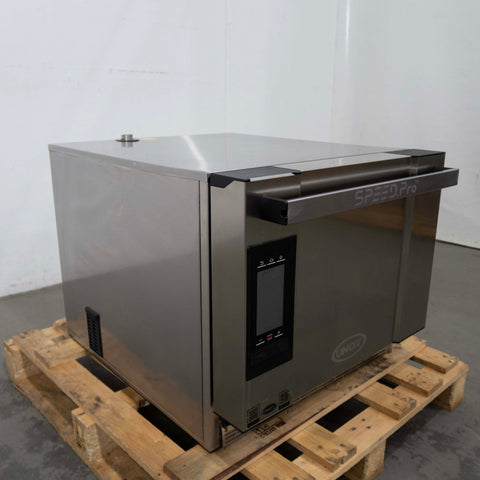
 Unox XESW-03HS-EDDN Speed Oven - 806222
600W x 800D x 535Hmm
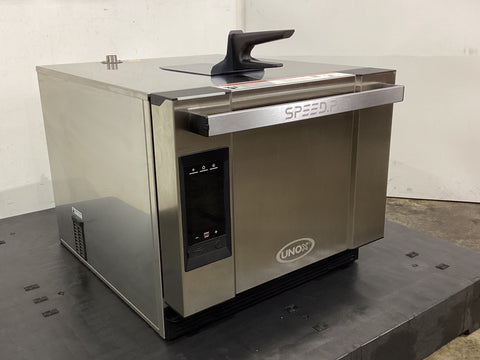
 Unox XESR-03HS-MDDN Speed Oven - 870255
600W x 800D x 525Hmm
 ExtremePro 18L Front-of-House High Speed Oven 15A - NP-SiTngs
450(W) x 647(D) x 660(H)mm
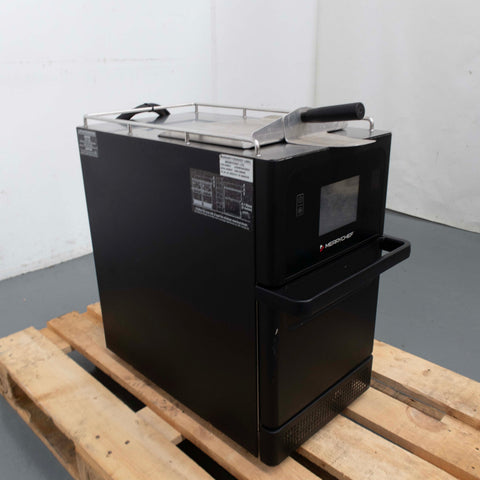
 MerryChef Eikon E2S Speed Oven - 855622
365W x 700D x 650Hmm
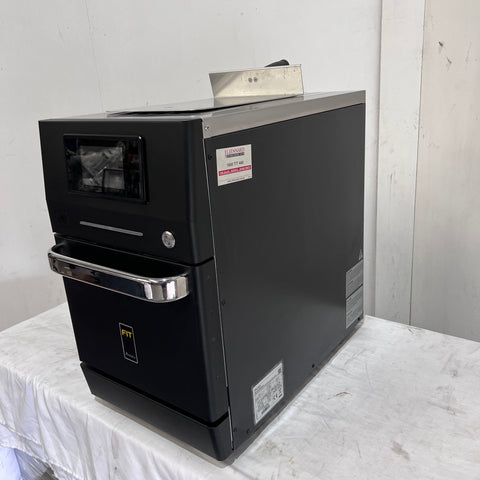
 Pratica FIT Express High Speed Oven - 931470
386W x 693D x 619Hmm

 Unox XESR-03HS-EDDN Speed Oven - 913761
600W x 800D x 525Hmm
 Lainox 17.9L Electric Speedy Oven With Touch Screen Controls 30X30 Cm - Black - 1 Phase ORACBS
467(W) x 630(H) x 609(D)mm
 Lainox 36.4L Electric Speedy Oven With Touch Screen Control ORACBBXL
577(W) x 630(H) x 797(D)mm
 LAINOX 36.4L Electric Compact High Speed All-in-one Oven - Silver ORACGBXL
577(W) x 630(H) x 797(D)mm
 LAINOX 17.3L Electric Compact High Speed All-in-one Oven - Red ORXSTR
356(W) x 580(H) x 588(D)mm
 LAINOX 36.4L Electric Compact High Speed All-in-one Oven - Red ORACRBXL
577(W) x 630(H) x 797(D)mm
 LAINOX 17.9L Electric Compact High Speed All-in-one Oven - Red ORACRS
467(W) x 630(H) x 609(D)mm
 LAINOX 17.9L Electric Compact High Speed All-in-one Oven - Silver ORACGS
467(W) x 630(H) x 609(D)mm
 LAINOX 17.3L Electric Compact High Speed All-in-one Oven - Silver ORXSTG
356(W) x 580(H) x 588(D)mm


 XpressChef JET514A Speed Oven - 810679
502W x 660D x 460Hmm

 Unox XESW-03HS-EDDN Speed Oven - 890428
600W x 800D x 525Hmm

 Unox XESR-03HS-MDDN Speed Oven - 834391
600W x 800D x 530Hmm

 Unox XESR-03HS-MDDN Speed Oven - 878852
600W x 800D x 525Hmm

 Unox XESR-03HS-MDDN Speed Oven - 878853
600W x 800D x 525Hmm

 Unox XESR-03HS-MDDN Speed Oven - 841046
600W x 800D x 525Hmm
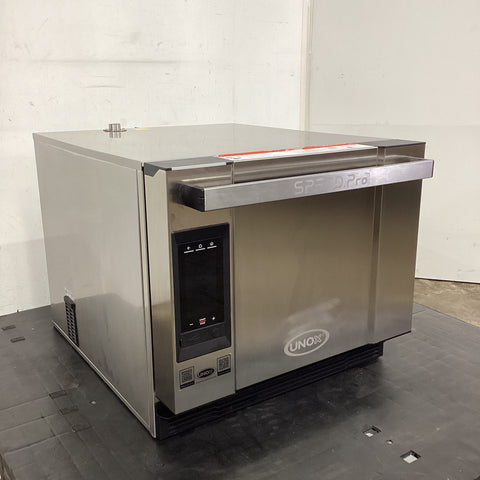
 Unox XESR-03HS-MDDN Speed Oven - 894425
600W x 800D x 525Hmm

 Unox XESR-03HS-MDDN Speed Oven - 881743
600W x 800D x 525Hmm

 Unox XESR-03HS-EDDN Speed Oven - 874406
600W x 800D x 525Hmm

 Unox XESR-03HS-EDDN Speed Oven - 872775
600W x 800D x 525Hmm

 Unox XESR-03HS-EDDN Speed Oven - 845029
600W x 800D x 525Hmm
A high speed oven heats food through and browns the outside in a fraction of the time an ordinary oven takes, which is how a cafe or a quick service kitchen puts out toasted wraps, pastries, hot sandwiches and plated food to order without a cooking line. It combines microwave heat with convection and impingement, and some models add infrared.
There is no preheat to wait for, it takes very little bench space, and ventless high speed ovens can go into a kitchen with no exhaust canopy, which is what lets a small venue add hot food in a space that was not built for it. If you want the steam side of the job as well, that is a combi oven. Explore the range at Restaurant Equipment Online and order with Australia-wide delivery.
Not sure which option suits your venue? Request a callback and we will match one to your menu. Related ranges: commercial ovens and baking ovens.
Food comes out fast and there is no preheat to wait for, and the oven takes up very little of the bench, which matters in any venue but especially a small one.
Temperature ranges start at 100℃ and go through to 275℃ or more, all in one benchtop appliance. Many models also have a self-clean cycle, a digital display and memory settings, so the same dish comes out the same way whoever is on.
The microwave side heats the food from the inside while the convection side crisps and browns the outside, so you are not choosing between a hot centre and a decent surface. That is the difference between a high speed oven and a microwave on its own, which heats through but leaves the outside soft.
With no preheat and shorter cooking times, the same item comes out the same way through a rush.
Most appliances that throw out heat or steam need an exhaust canopy. Ventless high speed ovens circulate steam internally instead, which is what makes them an option in a tenancy where putting in ventilation is not realistic.
Check the product page for the model you are looking at, and confirm it against what your local council requires for the site.
More than reheating. Toasted wraps and sandwiches, pastries, roasted or steamed vegetables, and plated hot food all come out of a high speed oven, so you can bake, roast, crisp, toast and reheat on the one appliance.
That is usually what justifies the buy for a small venue: the menu gets longer without the kitchen getting bigger.
That is why a lot of cafes buy one. Cooking times are short and the programmable models hold the settings in memory, so a hot item is a couple of button presses rather than a job for someone who knows the oven.
Pastries, toasted wraps and sandwiches, and soup brought up to temperature all work this way, which puts hot food on the menu without another pair of hands on the line.
Digital models let you pre-set the cooking functions, so every member of staff turns out the same dish the same way. That is worth paying for where the people using the oven change from shift to shift.
Manual models cost less and do the same cooking, but whoever is on has to be shown how you want each item done. For a short hot menu run by the same few people, that is often enough.
It is a common choice for both, because the oven is compact, sets up and packs down quickly, and a ventless model does not need ducting.
Check what the model draws against the power you will have at the site before you commit to it, because that is the part that catches people out on a remote job.
A venue that switches between sit-down service, delivery orders and an event needs hot food on demand rather than a line running all day. One high speed oven on the bench covers all three, and the digital models are simple enough that staff who are not cooks can use them.
They are also quick to wipe out between jobs, which matters when the same oven is doing breakfast, a lunch rush and a function.

We have a special page just for stock that's warehoused in Perth.
Click Here to see all WA stockWhat our customers say about us on Google, and how Google scores our store for things like shipping and returns.
Store scores from Google