


 03 9070 5784
 Help & Support
 Track My Order



Recently Viewed


 Vogue Clear Wide Neck Squeeze Sauce Bottle 910ml - E093
80(W) x 265(H) x 80(D)mm

 Vogue Clear 3 Nozzle Squeeze Bottle 681ml - CW725
66(W) x 244(H) x 66(D)mm
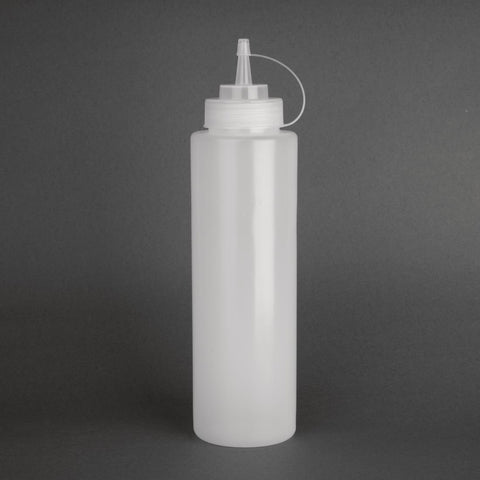
 Vogue Clear Squeeze Sauce Bottle 994ml - W832
76(W) x 288(H) x 76(D)mm
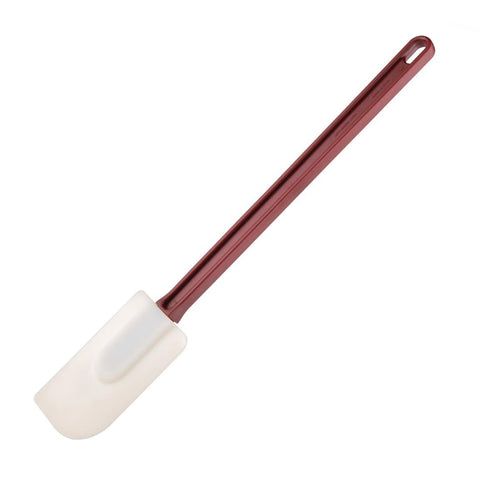

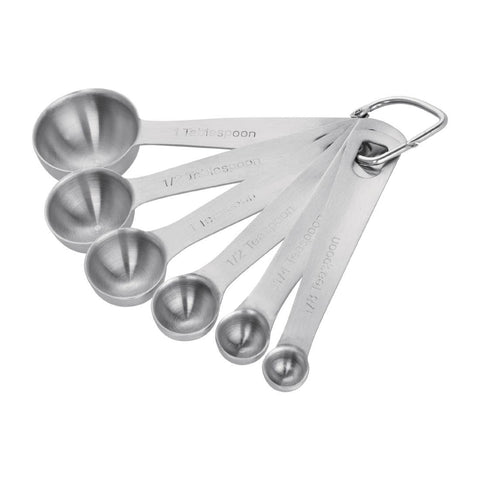

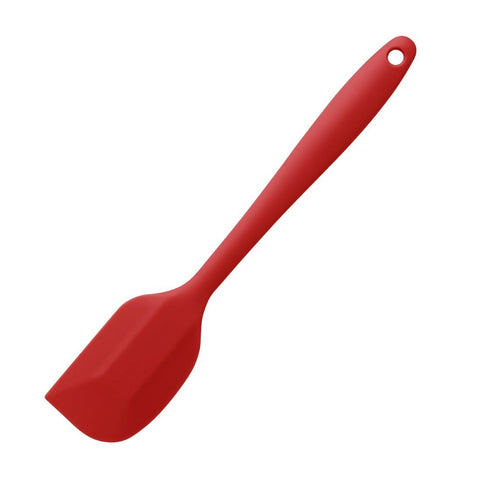
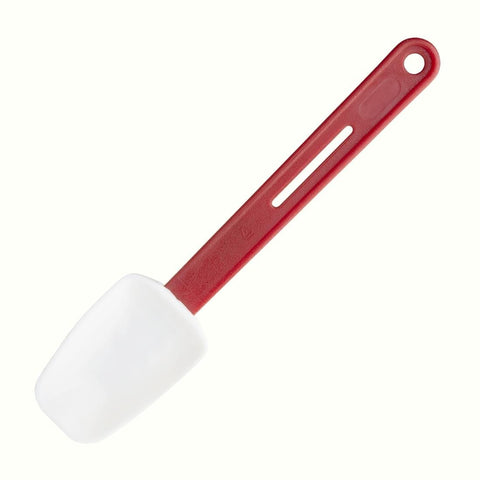
 Vogue Silicone High Heat Large Spatula Red 280mm - GL351
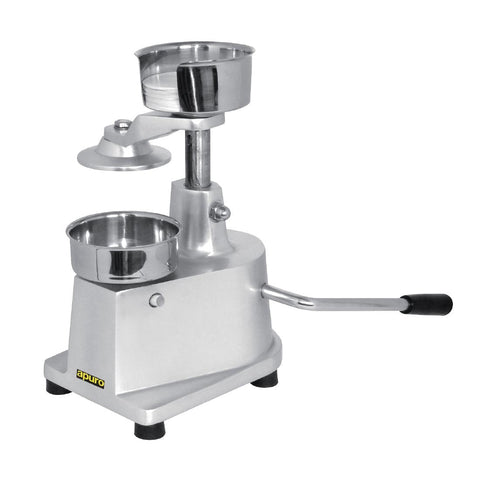

 Apuro Manual Hamburger Machine - CE225-A
280(W) x 270(H) x 280(D)mm




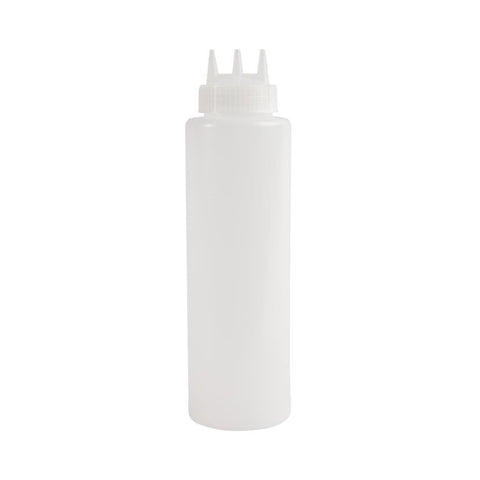
 Vogue Clear 3 Nozzle Squeeze Bottle 1Ltr - CW726
77(W) x 275(H) x 77(D)mm
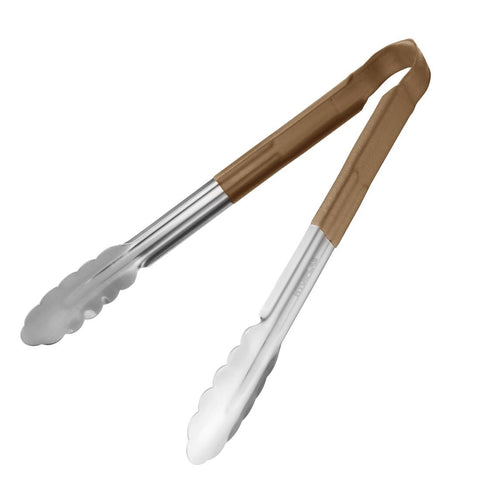

 Hygiplas Colour Coded Brown Serving Tongs 300mm - CB158
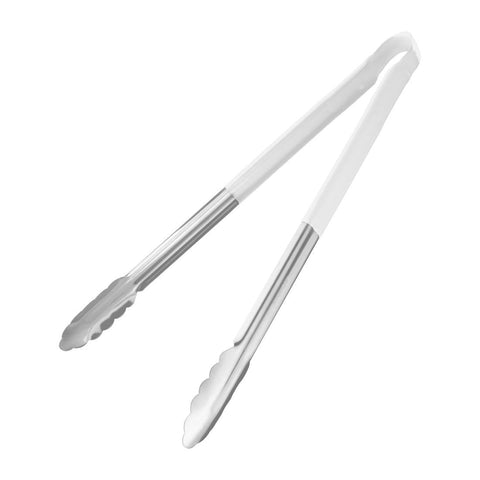
 Hygiplas Colour Coded White Serving Tong 405mm - FX131
475(W) x 120(H) x 20(D)mm
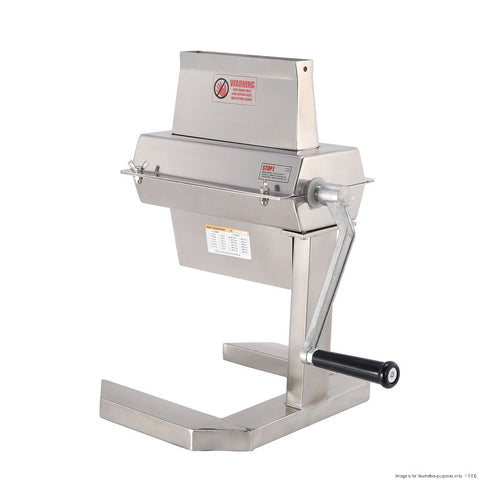

 Matador Manual Meat Tenderiser MTS737
330(W) x 185(D) x 290(H)mm
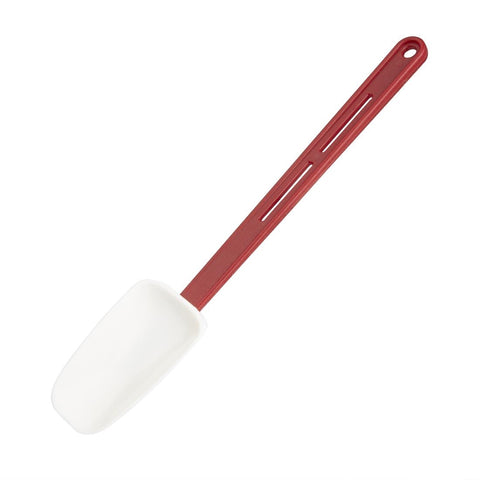

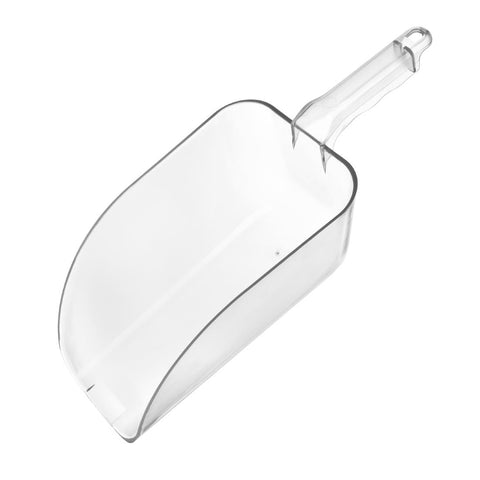
 Vogue Polycarbonate Scoop 1.8Ltr - K937
147(W) x 95(H) x 370(D)mm

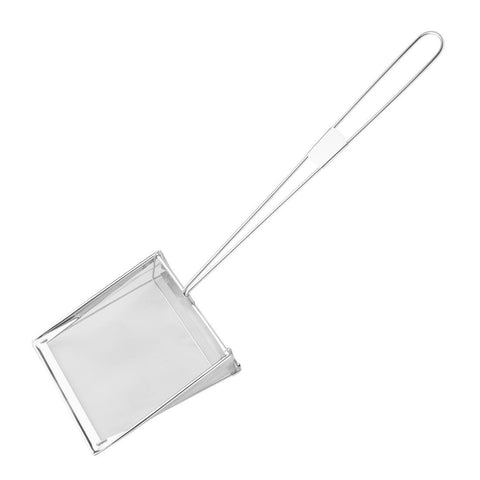

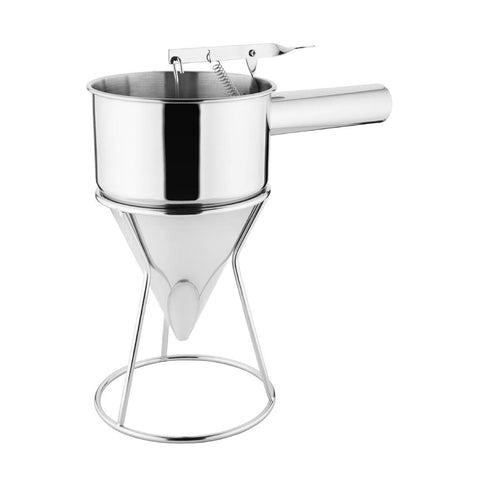
 Vogue Stainless Steel Piston Funnel 1.3Ltr - GG759
135(W) x 210(H) x 135(D)mm
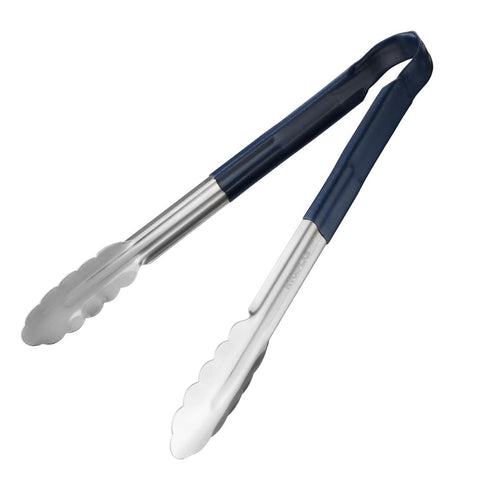
 Hygiplas Colour Coded Blue Serving Tongs 300mm - CB156
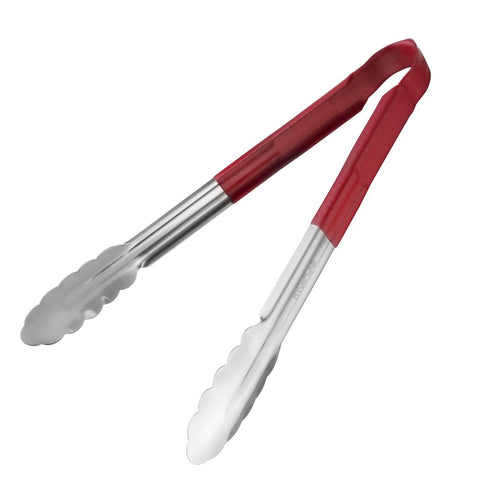
 Hygiplas Colour Coded Red Serving Tongs 300mm - CB154
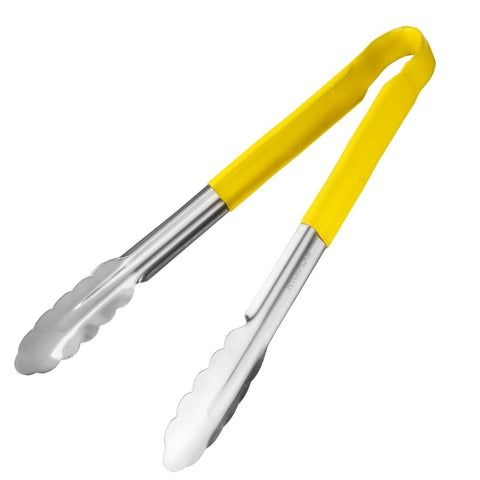
 Hygiplas Colour Coded Yellow Serving Tongs 300mm - CB157
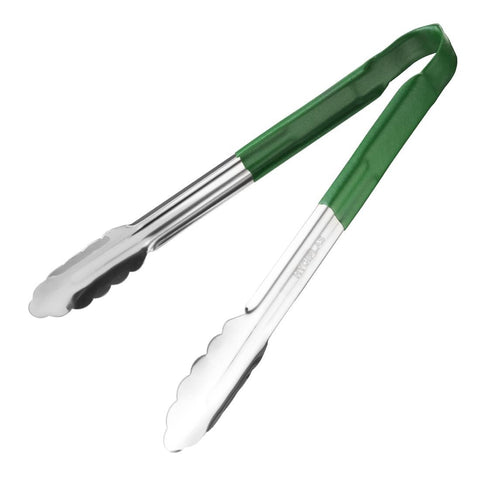
 Hygiplas Colour Coded Green Serving Tongs 300mm - CB155
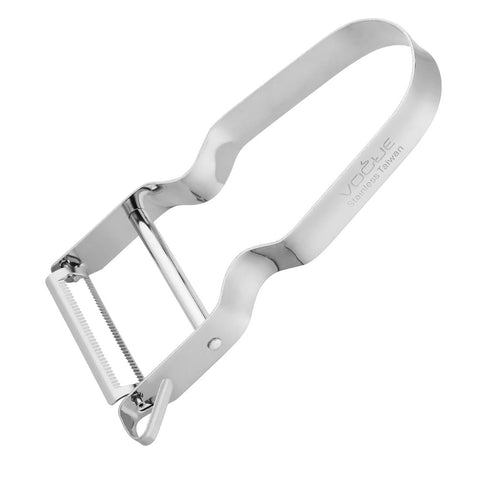

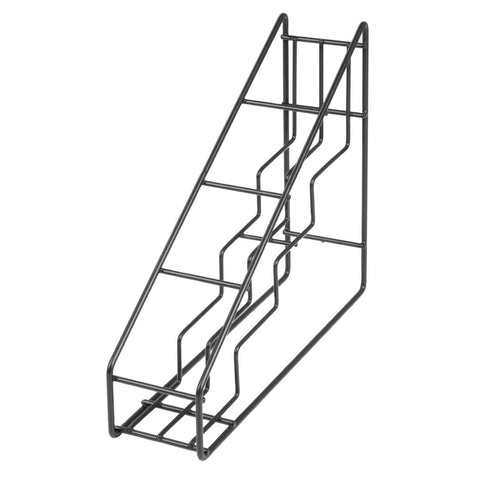

 Olympia Syrup Bottle Stand Black Wire 400x105x320mm - HY987
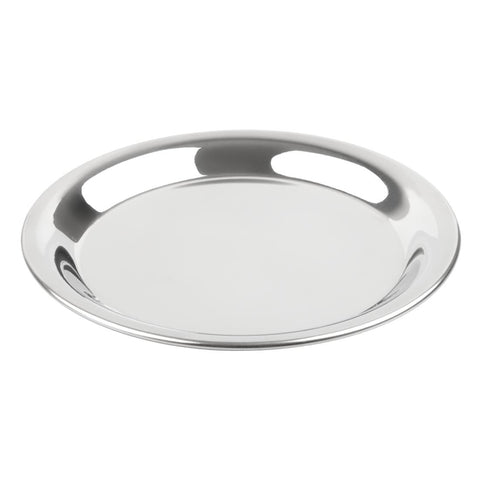


 Vogue Aluminium Egg Poacher 350mm - HT975
368(W) x 130(H) x 350(D)mm
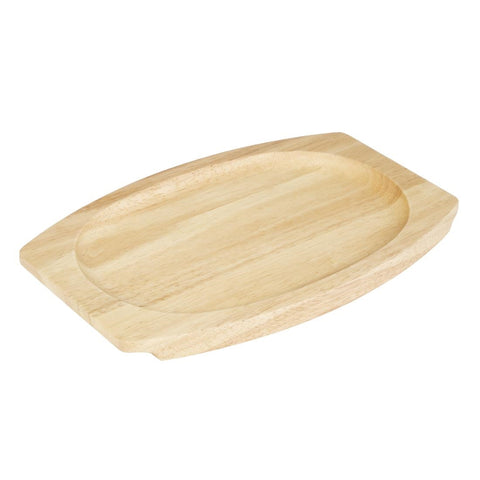
 Olympia Hevea Board for Cast Iron Oval Sizzler 335x205mm (GJ557) - FW979
205(W) x 19(H) x 335(D)mm
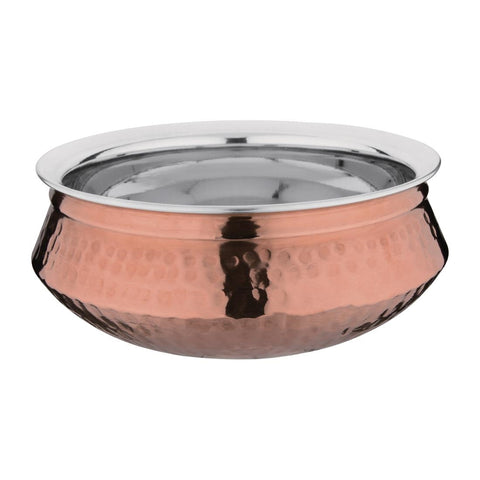
 Olympia Large Handi Serving Dish Copper 200(Ø)mm - FE299
200(W) x 83(H) x 200(D)mm
 Olympia Flat Bottomed Medium Balti Serving Dish - F470
170(W) x 48(H) x 170(D)mm
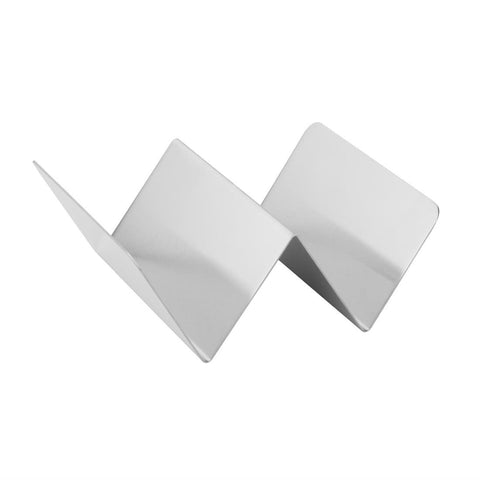
 Olympia Taco Holder Stainless Steel - CK912
135(W) x 55(H) x 115(D)mm
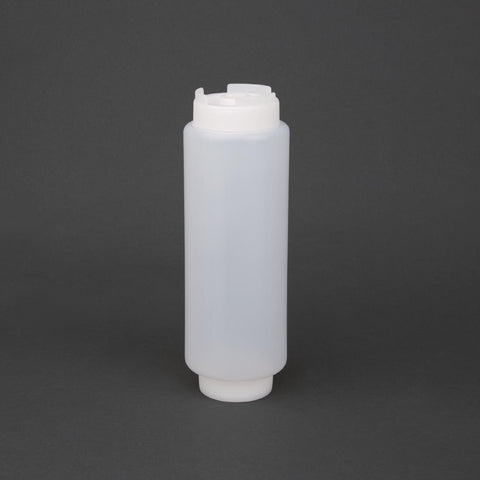
 Vogue Clear Rotation Squeeze Bottle 570ml - CP068
70(W) x 210(H) x 70(D)mm
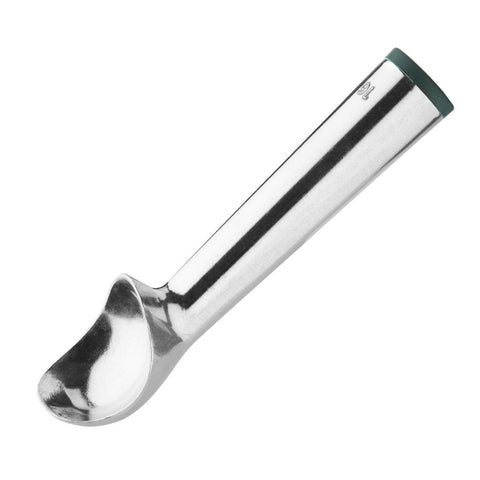
 Vogue Ice Cream Scoop Green Cap Size 16 - J089
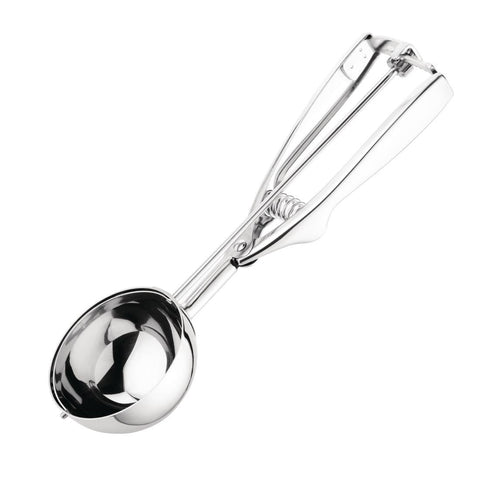



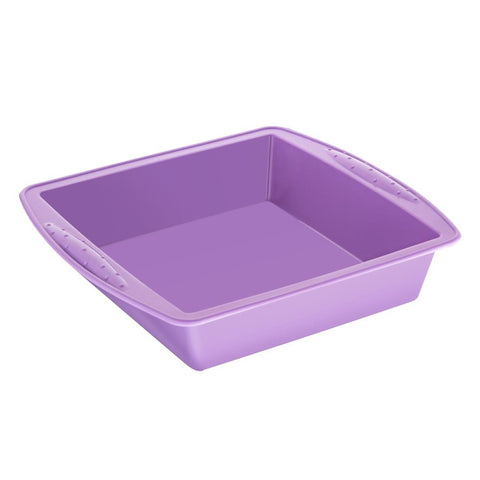
 Hygiplas Flexible Silicone Square Bake Pan Purple 245mm - CX049

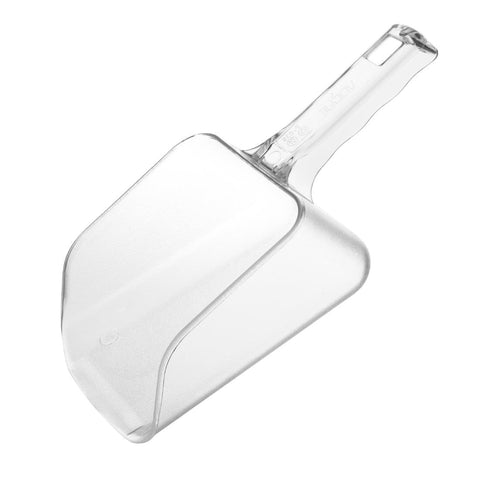
 Vogue Polycarbonate Scoop 900ml - K938
122(W) x 116(H) x 277(D)mm


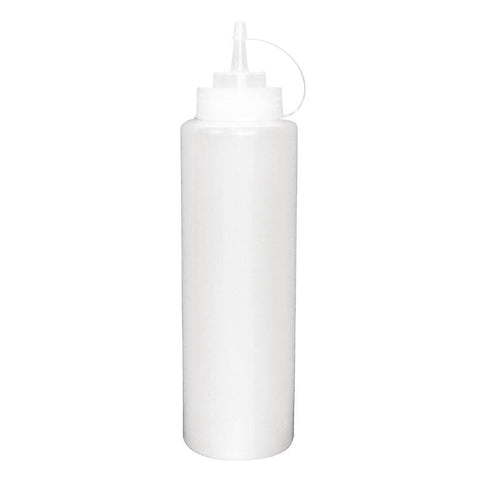
 Vogue Clear Squeeze Sauce Bottle 227ml - K062
48(W) x 185(H) x 48(D)mm




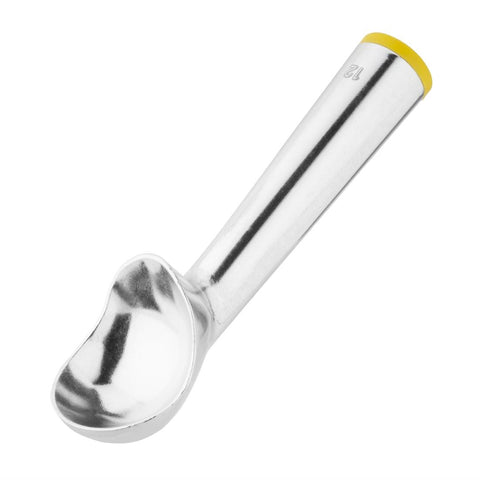
 Vogue Ice Cream Scoop Yellow Cap Size 12 - GJ540
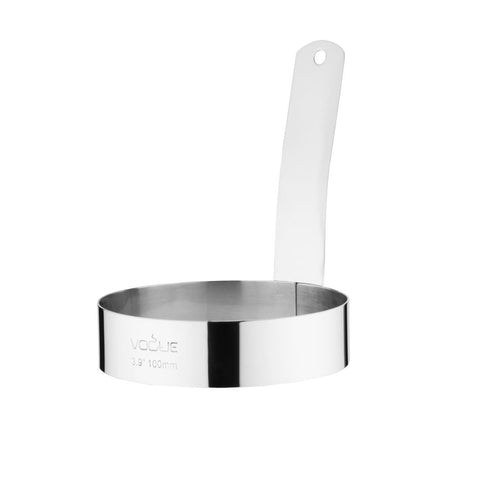
 Vogue Long Handled Egg Ring 100mm - GD696
100(W) x 127(H) x 100(D)mm
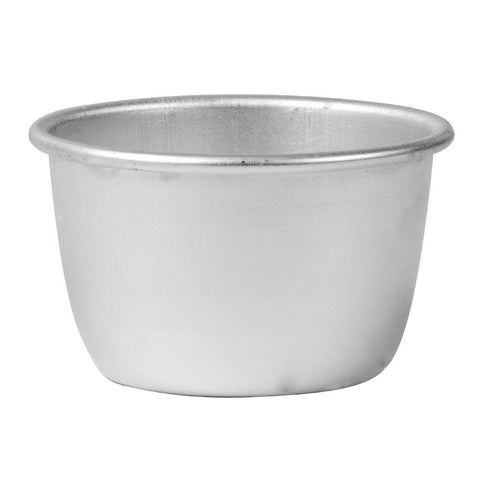
 Vogue Aluminium Mini Dariole Mould 170ml - E047
85(W) x 50(H) x 85(D)mm
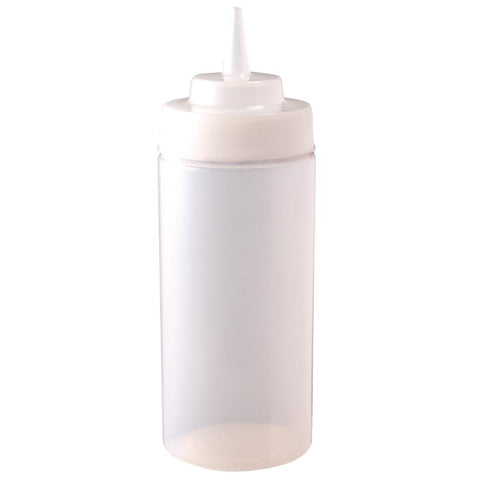
 Vogue Clear Wide Neck Squeeze Sauce Bottle 454ml - E092
67(W) x 200(H) x 67(D)mm

Commercial kitchen utensils are what staff cook and serve with every service: tongs at the grill, spatulas and turners at the stove, a skimmer at the fryer, portioners and sauce bottles at the pass. They are the hand tools — tongs, spatulas, spoonulas, turners, whisks, skimmers, scoops, peelers and squeeze bottles. Vogue and Hygiplas are two of the brands available online, alongside Olympia serving pieces, an Apuro burger press and a Matador meat tenderiser.
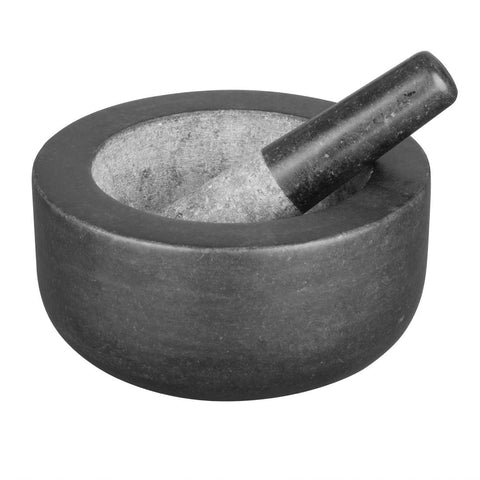
Vogue has stainless and high heat silicone spatulas, balloon whisks in light and heavy weights, portioners in numbered sizes, chip scoops, fat skimmers, granite mortars and squeeze bottles from 227ml up. Hygiplas has colour coded serving tongs in the same six colours as its chopping boards, plus silicone bakeware. Most pieces cost a few dollars each, which is why kitchens tend to under-order them.
Tongs come in stainless, in colour coded plastic, and in spaghetti and steak patterns. Spatulas covers the high heat silicone spatulas along with plastic and stainless turners and BBQ spatulas, and whisks covers balloon whisks in light and heavy weights.
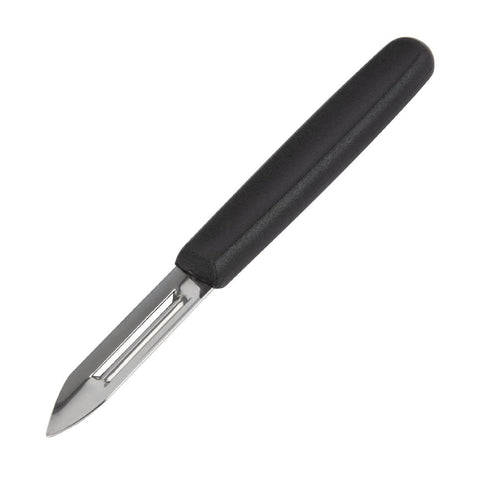
Scoops holds the numbered portioners, ice cream scoops, chip shovels and polycarbonate flour scoops, and the squeeze bottles for sauces and dressings come with single, rotating or three-nozzle caps. Serving trays is the front of house side, with round trays, tip trays, balti and handi dishes and taco holders. Measuring cups and spoons, peelers, graters, cleavers, egg rings, moulds, mitts and fish slices fill in the rest.
Ordering in multiples for every section? See the price guide and cost the tongs, spatulas and portioners in one pass. Related ranges: commercial kitchen accessories.
Use silicone anywhere near a hot pan. The high heat spatulas and spoonulas are silicone over a firm core, and they will sit in a pan of hot sauce or scrape out a hot pot without softening. Ordinary plastic and polycarbonate tools are made for prep and service rather than cooking, and they will deform, mark and eventually melt against a pan edge or a hot element.
High heat tools are branded and coloured as such, so they are easy to pick out on a bench. Keep the plastic tools on the cold side of the kitchen and buy silicone or stainless for the stove. A melted spatula in a pot of sauce means the sauce goes in the bin, which costs far more than the spatula did.
One-piece stainless will, every time, which is why it is still the default on a busy line. Silicone handles and the high heat tools are made for machine washing as well. The problems are wood, and any hollow or bonded handle that water can get inside, because it never dries out in there and the handle eventually splits or works loose.
Colour coded plastic handles hold up in normal use, but the colour fades over a couple of years of hot washes, and that matters if the colour is doing a food safety job. Buy a spare set, check them regularly, and take any cracked utensil out of service, because a split handle traps food and can't be cleaned out.
Yes, if the colours are being used to keep raw and ready-to-eat work apart, because the tongs touch the same food the board does. Hygiplas serving tongs come in the same six colours as the boards — red, blue, green, yellow, brown and white — so one colour means the same thing everywhere in the kitchen.
Colour coding is also the simplest system for casual staff to follow and for an inspector to check at a glance. White tongs suit a buffet, where each dish gets its own pair and a colour code would only confuse guests.
Buy in multiples of what a section needs rather than one of each: two or three pairs of tongs per station, several spatulas, and more ladles than the roster suggests. Utensils go out with the bins, into the wash and never back, or into a bain marie tray that gets emptied. Every kitchen loses them, so order enough to allow for it.
REO prices on utensils are sharp, and the price per piece improves again when the sets and the colour coded packs are ordered together, so one proper order at fit-out costs less than a year of replacing pieces one at a time. Keep a reserve box in the storeroom and count what is on each section at the end of the week.
Use stainless for anything hot. Stainless tongs grip better, they don't soften, and a locking pair takes up less room on a rail. Plastic and colour coded tongs are for cold work and service — salads, buffets, bread and garnish — where the colour matters more than the heat does.
Length depends on how far the hand needs to be from the heat. A 230mm pair suits plating and salad work, a 300mm pair is the general kitchen size, and 400mm and longer is for a chargrill, a fryer basket or the back of an oven. Buy two or three lengths and store the long ones with the grill, so they do not end up at the salad bench and stay there.
Use portioners and ladles, and set the size once. The stainless portioners come in numbered sizes, and the number identifies the portion being served, so once a number is matched to a dish every serve after that is the same size and the food cost holds.
Ice cream scoops work the same way and have coloured caps so staff can pick the right one quickly. Measuring cups and spoons cover the recipe side, and a piston funnel is worth having if containers are being filled with sauce or batter. Squeeze bottles are the other half of it, because a fixed nozzle puts out the same amount of sauce every time and a spoon never will.
Buy the tools used every service first. Two or three pairs of tongs, a couple of high heat spatulas, a solid turner and a slotted one, a balloon whisk, a ladle or two, a fat skimmer if there is a fryer or a stockpot going, and squeeze bottles for oil and sauces. Then a set of measuring cups and spoons, and a peeler.
After that it is the section-specific tools. A grill needs long tongs and a scraper. A fryer needs a chip scoop and a skimmer. A pastry bench needs whisks, silicone moulds and a scraper. A pass needs portioners, sauce bottles and a probe.
Put a stainless pot or a rail on each bench to hold them, because tools left flat on a bench end up in the wash with the pans.
Anything metal. A stainless turner or a pair of tongs will score the coating on the first pass, and once it is scored it starts to lift. Keep silicone, nylon or wooden tools with the non-stick pans, and keep the metal tools with the stainless and the cast iron.
Buy a set of high heat silicone spatulas and spoonulas for the pans that need them and store them with those pans instead of in the general tool pot. Non-stick is a consumable in a commercial kitchen whatever you do, and metal tools take years off a pan that would otherwise last. Order them at the same time as commercial cookware.
Fit a rail or a stainless pot on each bench so the tools stay on the section instead of going into the wash-up pile, which on its own cuts what a kitchen loses. Hang the long-handled tools where they are used, so the grill tongs live by the grill and the fryer skimmer by the fryer. Colour coded tools go back to their own spot, so anyone working the section can find them.
Dry them before they are put away. Stainless will pit if it's stored wet in a closed drawer, and water sitting inside a hollow handle is what causes the split. Keep silicone tools out of a hot cupboard when they are not in use, and store mortars, moulds and mitts on a shelf rather than in a drawer where they get crushed.
You will see commercial kitchen utensils, commercial cooking utensils, industrial kitchen utensils and professional kitchen utensils used for the same kind of equipment. The name changes with the supplier and the region, not the job it does. Compare models on capacity, construction and the specification on each product page, and check the full commercial kitchen utensils range to see every option side by side.

We have a special page just for stock that's warehoused in Perth.
Click Here to see all WA stockWhat our customers say about us on Google, and how Google scores our store for things like shipping and returns.
Store scores from Google