


 03 9070 5784
 Help & Support
 Track My Order



Recently Viewed


 Apuro Upright Ice Cream Maker 2Ltr - CM289-A
272(W) x 362(H) x 315(D)mm

 Apuro Ice Cream Maker - DM067-A
402(W) x 245(H) x 281(D)mm

 Musso Ice Cream Machine - IMM0002
510(W) x 310(H) x 350(D)mm

 Musso Ice Cream Machine - IMM0001
270(W) x 300(H) x 450(D)mm


 Brullen i91 Pro Ice Cream Machine - 817466
400W x 850D x 840Hmm
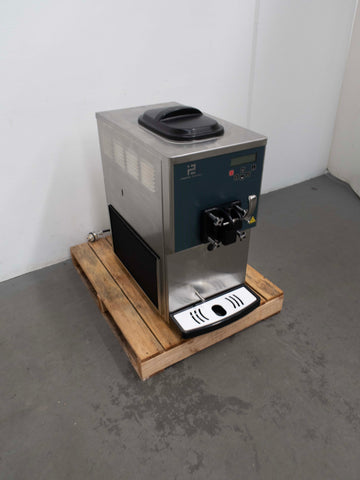

 Pasmo Pascal 5930-TURBO Ice Cream Machine - 845494
385W x 800D x 750Hmm

 Brullen i26 Pro Ice Cream Machine - 893743
560W x 970D x 960Hmm

 Brullen i91 2020 Soft Serve Machine - 896074
320W x 850D x 920Hmm

 Brullen I91 2020 GRAVITY FEED Ice Cream Machine - 874765
325W x 850D x 900Hmm


 Carpigiani 161 T G-SP Ice Cream Machine - 876601
340W x 760D x 850Hmm
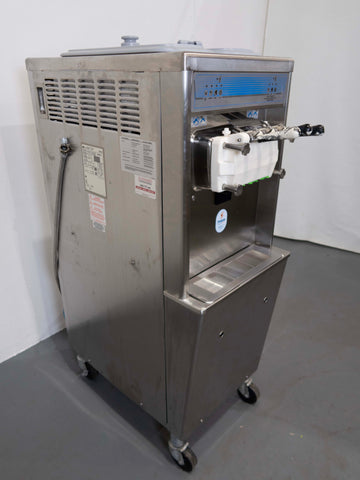

 Taylor 791-58 Ice Cream Machine - 829558
510W x 995D x 1515Hmm
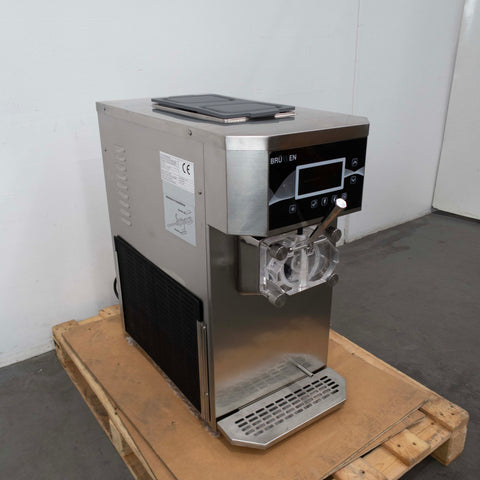
 Brullen i91 Pro Ice Cream Machine - 728029
400W x 825D x 805Hmm
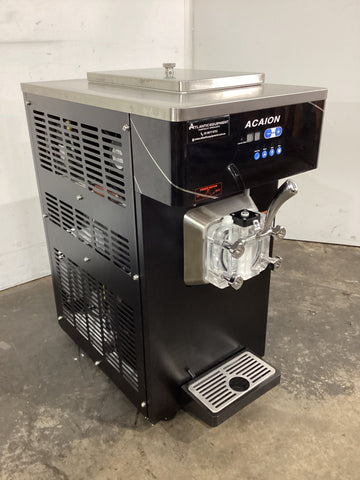

 ACAiPRO BE121 Acai Machine - 865440
395W x 740D x 800Hmm
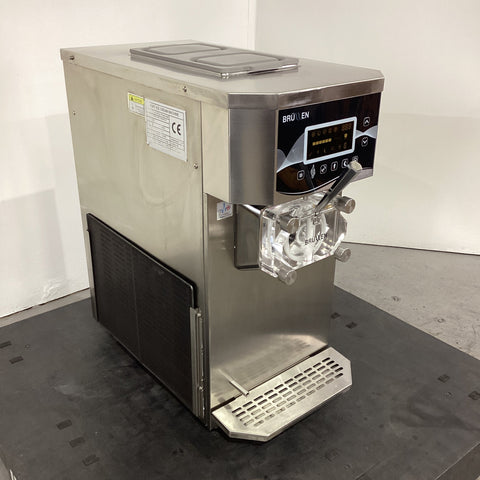
 Brullen I91 Pro Ice cream machine - 880231
400W x 850D x 840Hmm
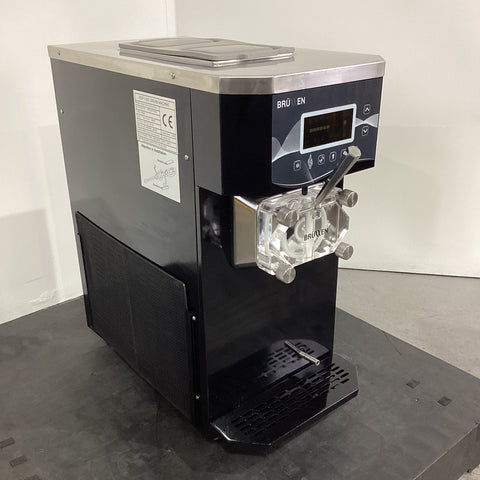
 Brullen i91 Pro Ice Cream Machine - 765889
400W x 850D x 840Hmm
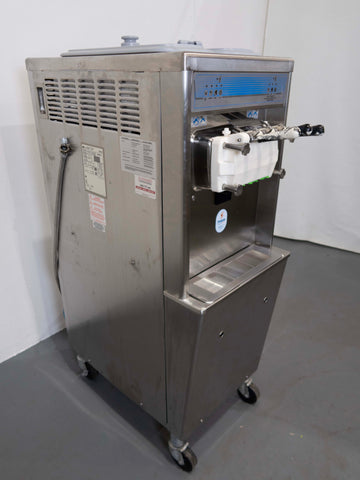
 Taylor 791-58 Ice Cream Machine - 829557
510W x 995D x 1515Hmm
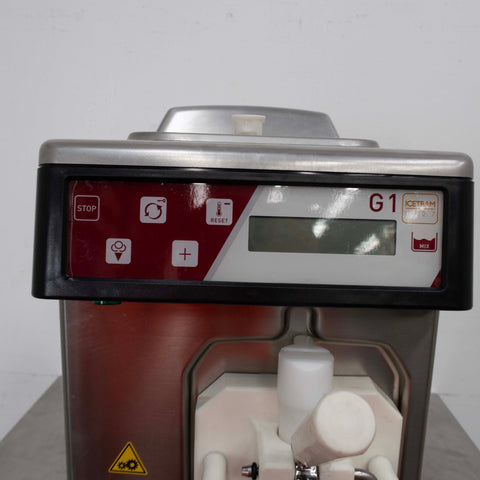

 Iceteam 1927 G1 Ice Cream Machine - 757103
300W x 785D x 845Hmm
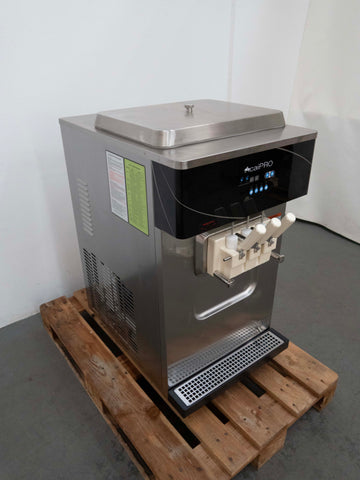
 AcaiPro OP132BA Ice Cream Machine - 854854
535W x 820D x 1000Hmm
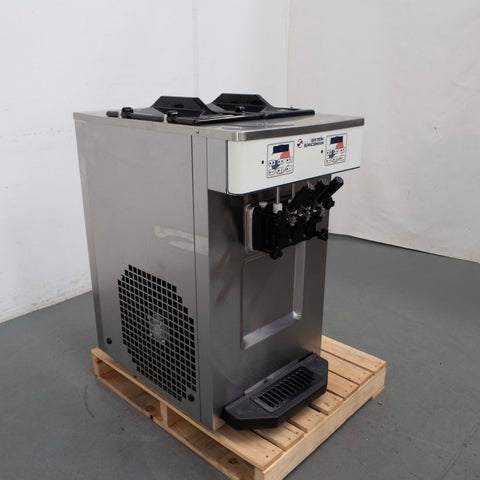

 Spaceman 6235A-C Ice Cream Machine - 819420
530W x 800D x 980Hmm
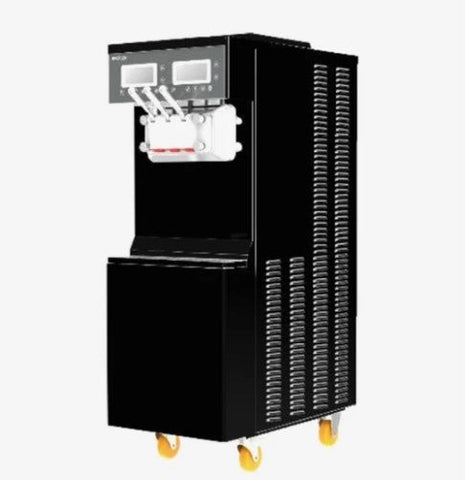
 Brullen i95 Pro Soft Serve Machine - 881709
515W x 810D x 1520Hmm

 Acaion BE121 Ice Cream Machine - 868334
395W x 740D x 800Hmm
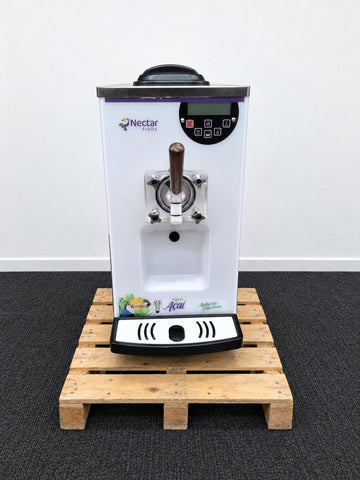

 Nectar Fruits S770 Ice Cream Machine - 847482
385W x 800D x 800Hmm
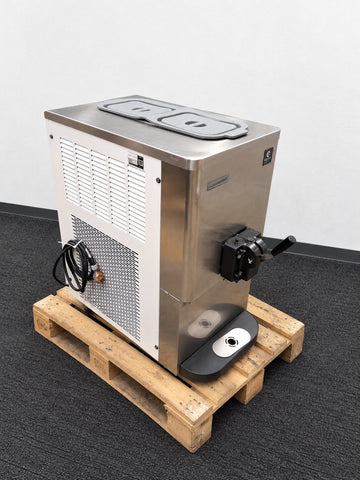

 Gelmatic HC EASY 1 E VAN Soft Serve Machine - 871049
450W x 830D x 870Hmm


 Aus Kitchen Pro AUSKPSSA22 Ice Cream Machine - 852466
620W x 740D x 1280Hmm
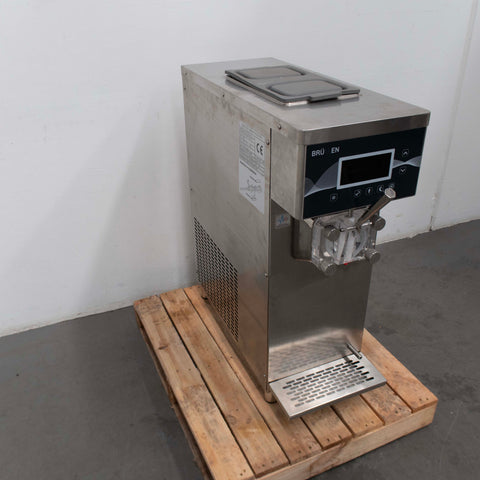
 Brullen i91 2020 Gravity Feed Ice Cream Machine - 824475
320W x 860D x 890Hmm

 Brullen i95 Pro Soft Serve Machine - 915926
915W x 515D x 1470Hmm

 Brullen i95 Pro Soft Serve Machine - 863280
510W x 895D x 1475Hmm
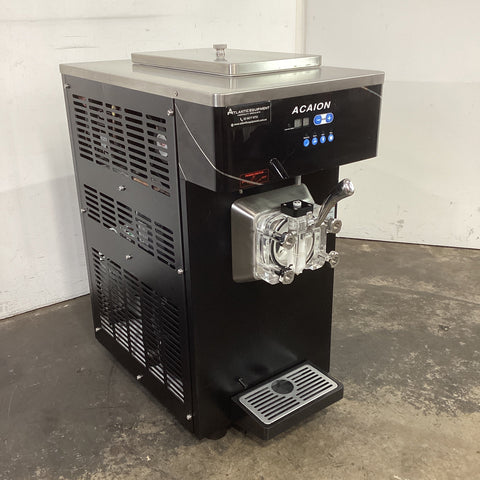
 ACAiPRO BE121 Acai Machine - 864729
395W x 740D x 800Hmm

 Aus Kitchen Pro AUSKPSS808-1 Ice Cream Machine - 913488
520W x 750D x 750Hmm
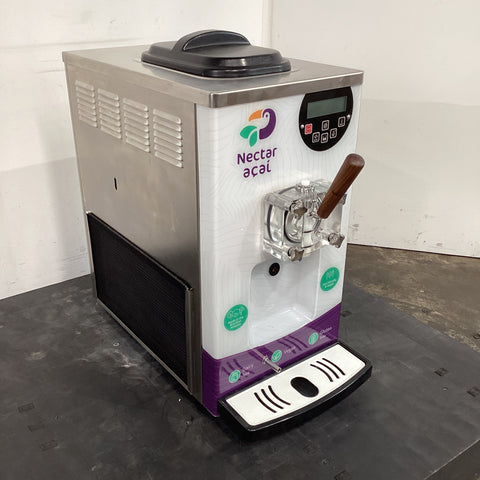
 Nectar Fruits S770 Acai Machine - 898178
385W x 800D x 800Hmm

 Brullen i91 Pro Ice Cream Machine - 829808
400W x 850D x 840Hmm

 Brullen i26 Pro Twin Ice Cream Machine - 860628
560W x 970D x 960Hmm
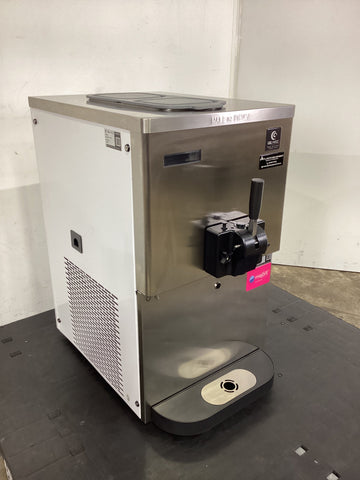
 Gelmatic BC Easy 1 GR Ice Cream Machine - 883582
460W x 690D x 800Hmm

 Brullen i91 2020 Soft Serve Machine - 856075
320W x 785D x 880Hmm

 Brullen i95 Pro Soft Serve Machine - 857641
515W x 810D x 1470Hmm
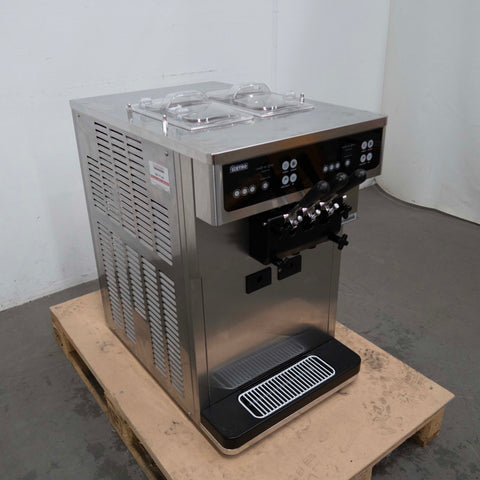

 Icetro ISI-163TT Countertop Soft Serve Machine - 872920
510W x 850D x 860Hmm

 Spaceman 6218 Soft Serve Machine - 873789
440W x 700D x 722Hmm
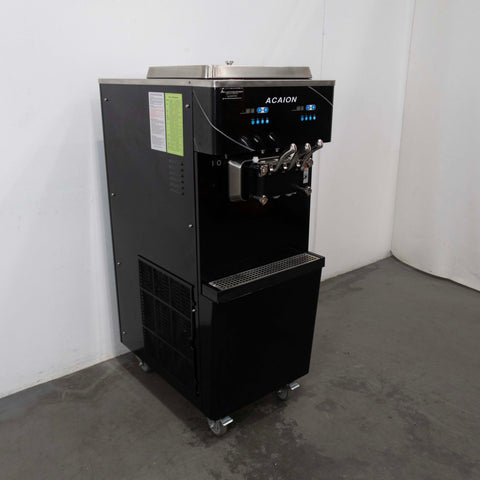

 Acaion BE666 Acai Machine - 886349
540W x 900D x 1440Hmm


 Mama Mia ST16RELW Ice Cream Machine - 875789
210W x 600D x 740Hmm
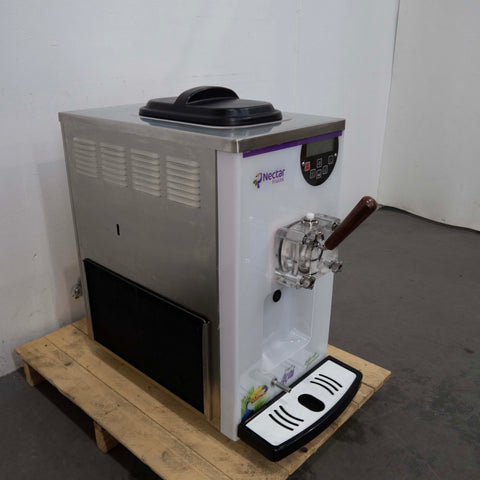
 Nectar Fruits S770 Ice Cream Machine - 848491
385W x 750D x 820Hmm
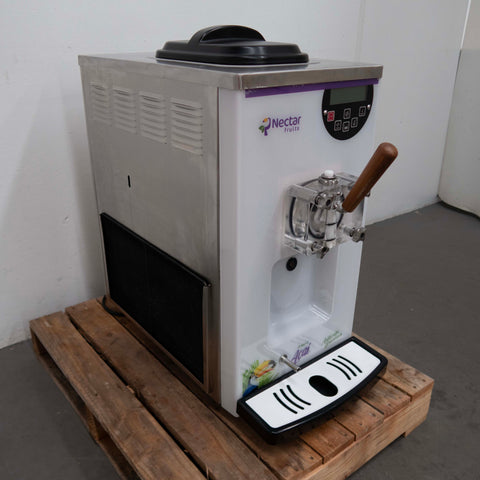
 Nectar Fruits S770 Ice Cream Machine - 852299
385W x 770D x 760Hmm

 Gelmatic HC Easy 1 GR Evan Ice Cream Machine - 882530
455W x 900D x 850Hmm
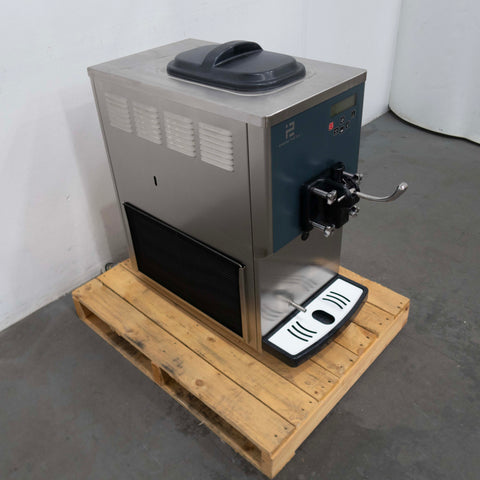
 Pasmo Pascal S930-TURBO Ice Cream Machine - 870158
385W x 770D x 830Hmm

 Brullen i91 2020 Ice Cream Machine - 838222
320W x 850D x 890Hmm

 Brullen Beast Soft Serve Ice Cream Machine - 859124
620W x 880D x 1500Hmm

 Nectar Fruits S770 Ice Cream Machine - 877298
385W x 800D x 800Hmm

 AcaiPro B22 Acai Machine - 842691
530W x 735D x 955Hmm

 Brullen i91 2020 Gravity Feed Ice Cream Machine - 811628
320W x 850D x 890Hmm

 Brullen i91 2020 Soft Serve Machine - 873558
325W x 830D x 900Hmm

 Spaceman 6235A-C Ice Cream Machine - 895355
532W x 651D x 955Hmm
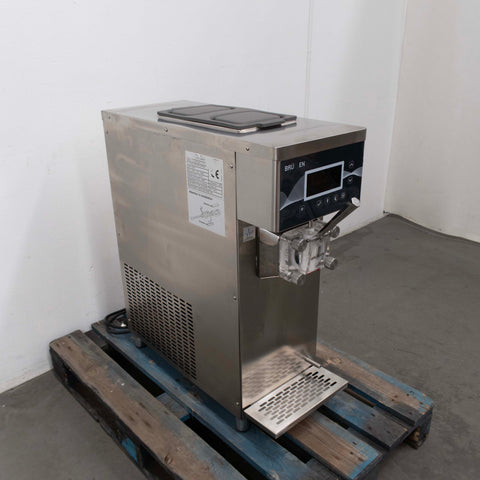
 Brullen i91 2020 Soft Serve Machine - 842551
325W x 880D x 880Hmm

 Aus Kitchen Pro AUSKPSS808-1 Ice Cream Machine - 889236
520W x 770D x 770Hmm
Whether you're serving cones at a dessert bar, operating a busy cafe, or adding frozen treats to your restaurant menu, a commercial ice cream machine can transform your service offering. From compact countertop units to high-capacity models with self-pasteurising features, our machines help you serve crowd-pleasing frozen desserts with minimal fuss.
At Restaurant Equipment Online, we stock a wide range of soft serve and gelato machines built for consistency, hygiene, and efficiency - no matter your space or service volume. Explore trusted brands, reliable Australia-wide shipping, and expert support with every order.
Adding desserts to the menu? Spread the cost with SilverChef Rent-Try-Buy and see how the line sells before you own the machine.
Choosing between a soft-serve machine, including something like a frozen yoghurt machine, to a gelato machine, all depends on what you want your menu to look like. Soft serve is light, airy, smooth and fluffy, making an ideal option for cones in the summer, marking them as a popular option for pop-ups and food trucks. They’re also quick to dispense from, making them ideal for fast-food and catering business. Many soft serve machines have fast cool down functionality, meaning you can replenish your stock quickly.
By contrast, gelato machines are ideal for establishments that are exclusively or heavily serving ice cream. They’re arguably more versatile, allowing you to make your own flavours. The results you get from an ice cream machine are also thicker and will go in a storage freezer or ice cream display freezer before serving. You can deliver more artisanal flavours, making for a more gourmet and high-end experience for your customers.
High volume means something different in a gelato shop and a pub dessert menu, so start from the servings you need in your busiest hour. Output comes down to freezing speed and chamber capacity together, and both are stated on the product page — read the hourly figure there rather than working from a rule of thumb. Musso and the other brands in the range publish their own output figures per model. Some units run continuously, while others carry multiple hoppers so a second batch can be working while the first is served.
Yes. Depending on the consistency and nature of the plant-based ice cream mix you want to make, certain machines are compatible with non-dairy ingredients. These can include coconut, oat, or almond. If you’re interested in dairy free or vegan alternatives, please contact our team and we can make a personal recommendation for you. The important thing to get the best possible results is to make sure your ingredients are properly emulsified or you can end up with inconsistencies in texture. If it’s too dense, it can damage your ice cream machine, so following the manufacturers guidelines is important.
Cleaning is always an essential job, especially when dealing with ingredients like dairy. Many units feature easy disassembly to make cleaning faster and easier, with some parts being dishwasher safe, so you can sanitise everything quickly and efficiently. Other machines come with features like a pasteurisation cycle to extend the amount of time you can safely store your ice cream in the machine, reducing the frequency with which you need to clean in the first place.
Benchtop kitchen appliances are always a good choice for establishments with limited space. Many of our ice cream machines are compact and designed to be stored on your countertop, requiring only a standard plug outlet to operate. This means you can easily use it, move it, or store it during the off-season if you only include ice cream during the warmer months, for example.
Air-cooled machines are easier to install and don’t require plumbing, but need adequate ventilation and can raise room temperatures. Depending on their power levels, you may want to consider adding an exhaust canopy to regulate your kitchen’s temperature if you opt for an air-cooled model.
In contrast, water-cooled machines are quieter and more efficient in hot environments. However, the drawback is they require more serious investment when it comes to installation, and need a proper water connection to operate.
Yes. Many high-end models now include built-in refrigerated hoppers to keep your mix fresh, and self-pasteurisation systems that extend cleaning intervals, meaning there’s less effort needed to maintain them. These features are ideal for operators seeking reduced labour and improved food safety compliance, but are also useful if you aren’t getting through high-volumes of ice cream everyday but still want to bulk-prepare your stock.
There are several innovative features that help with ease of use, reducing food wastage, and improving kitchen efficiency:
- Some ice cream machines come with touchscreen controls and programmable settings, making it easy for any member of staff to set up. - Energy-efficient compressors for lower power use, helping you save energy and money in the long run. - Automated cleaning alerts and log tracking, helping you stay on track with food hygiene and health and safety. - Improved mix-level sensors to reduce downtime.
As with any kitchen appliance, the smaller the ice cream maker you opt for, the more limited its output is. If you plan on making frozen yoghurt or soft serve a key menu item in your cafe or restaurant, you’ll likely want to consider a larger, free-standing model.
Hopper and barrel capacities differ substantially between small and large models, and both figures are on the product page for each unit. Some are gravity-fed and others pump-fed — either serves well, and it is the hopper volume that decides how often staff stop to refill mid-service.
As with any form of energy-efficient refrigeration, you’ll want to consider models with eco-friendly and reliable refrigerants like R290. Other features that are worth mentioning include standby modes, which not only retain the quality of your ice cream but also ensure food health and safety. Many models of ice cream makers also come with a quiet, low-energy design, meaning they’re also lower cost to run.
Regular cleaning and maintenance are essential to maintain the quality and safety of your ice cream or frozen yoghurt. Many come with an easy-to-disassemble design, making it simpler to clean out the hopper and the barrel when necessary. Some models, like those from Taylor, come with heat-treating mechanisms to pasteurise the milk in your ice cream machine when you put it in, meaning you only need to clean it once a fortnight. To ensure you’re maintaining it to the highest possible standards, check the manufacturer's guidelines that come with your machine.
Yes, absolutely. As with any form of benchtop cooking or food prep, they allow for optimised space usage and add more options to your menu without taking up too much room in your kitchen or shopfront. You’ll still get the same exceptional results you would from a freestanding model, without needing to order in bulk ingredients or worrying about food wastage if you don’t fully empty the hopper before selling your stock.
Yes. Commercial ice cream maker, commercial ice cream making machine, commercial ice cream maker machine and commercial icecream machine all describe the same equipment, and searches use every spelling. An industrial ice cream machine or industrial ice cream maker usually means a larger, higher-output unit for production rather than counter service.
Professional ice cream maker and professional ice cream machine are used the same way. Whatever the name, the specification decides the outcome: batch versus soft serve, hopper size, air or water cooling, and whether the unit pasteurises its own mix.
A restaurant ice cream machine is one part of the dessert station. Finished product goes into commercial ice cream freezers or an ice cream display for serving, and mix is held in commercial under counter fridges.
If shakes and spiders are on the menu too, add commercial milkshake makers. Anyone pricing a full dessert bar can also browse commercial ice cream equipment for sale across the commercial frozen dessert machines range.

We have a special page just for stock that's warehoused in Perth.
Click Here to see all WA stockWhat our customers say about us on Google, and how Google scores our store for things like shipping and returns.
Store scores from Google