


 03 9070 5784
 Help & Support
 Track My Order



Recently Viewed

 Turbo Air Undercounter Dual Temp 1 Door Freezer & 1 Door Fridge - 1500mm Width KURF15-2-N
1500(W) x 700(D) x 850(H)mm
 Turbo Air Undercounter Dual Temp 1 Door Freezer & 2 Door Fridge KURF18-3-N
1800(W) x 700(D) x 850(H)mm

 Skipio 3 Door Underbench Fridge/Freezer SURF18-3
1800(W) x 700(D) x 855(H)mm
 Turbo Air Upright Top Mount Dual Temp 2 Half Door Freezer & 2 Half Door Refrigerator KRF45-4H-N
1260(W) x 850(D) x 1926(H)mm
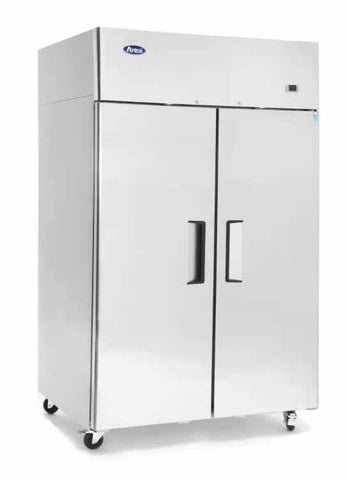

 Commercial Fridge Freezer Combo Double Door | Atosa | YBF9239
1200(W) x 730(D) x 1955(H)mm
 Turbo Air Upright Top Mount Dual Temp 1 Door Freezer & 2 Door Refrigerator KRF65-3-N
1900(W) x 850(D) x 1926(H)mm
 Turbo Air Upright Top Mount Dual Temp 1 Door Freezer & 1 Door Refrigerator KRF45-2H-N
1260(W) x 850(D) x 1926(H)mm
 Turbo Air Undercounter Dual Temp 1 Door Freezer & 1 Door Fridge - 1200mm Width KURF12-2-N
1200(W) x 700(D) x 850(H)mm

 TRUE 1 Reach-In Solid Swing Door Dual Temperature Refrigerator/Freezer - T-23DT-HC
687(W) x 757(D) x 1990(H)mm


 Thermaster Dual-Temperature GN Counter Refrigerator - GN3100DT
1795(W) x 700(D) x 860(H)mm

 Thermaster Dual-Temperature GN Counter Refrigerator - GN2100DT
1360(W) x 700(D) x 860(H)mm
 Skipio Two Door Under Counter Fridge/Freezer SURF12-2
1200(W) x 700(D) x 855(H)mm
 Skipio 2 Door Reach-In Fridge/Freezer SRFT45-2
1260(W) x 850(D) x 1937(H)mm
 Skipio 2 Door Underbench Fridge/Freezer - 1500mW SURF15-2
1500(W) x 700(D) x 855(H)mm
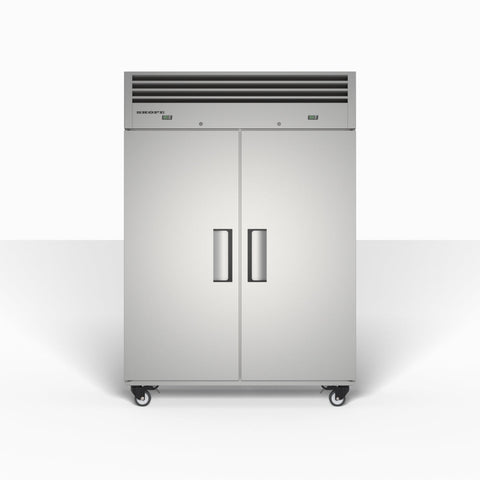

 Skope ReFlex 2 Solid Door Upright GN 2/1 Compatible Fridge & Freezer - RF8.UPC.2.SD
1400(W) x 2035 (incl 120mm castors)(H) x 820(D)mm
 Turbo Air Upright Top Mount Dual Temp 2 Half Door Top Refrigerator / Bottom Freezer KRF25-2-N
640(W) x 850(D) x 1926(H)mm
If you’re looking for an all in one appliance when it comes to chilled storage, that could also reduce your expenditure by reducing the need for two appliances, consider adding a dual-temperature fridge-freezer. Available in a range of configurations and sizes, all from the top brands in the industry offering high functionality and convenience, explore the range today.
Ideal for busy commercial kitchens, cafes, catering businesses and hospitality venues where space, efficiency and accessibility are key priorities, you can find upright models, along with horizontal models that pair a convenient prep area with your chilled food storage. Streamline your work flow, get a more compact option if you have limited floor space, and shop the range at Restaurant Equipment Online today and get yours delivered with comprehensive Australia-wide shipping.
There are a number of reasons why you might opt for a dual-temperature fridge-freezer, one of which is your kitchen’s floor plan. If you have a condensed space in which to fit your food prep area, oven, and chilled storage, finding a model that’s vertical and combines both a fridge and a freezer makes sense. Another benefit that makes them a popular choice is that they’re often more affordable than getting a fridge and freezer independently, especially if you’re opting for a brand with a higher price point.
Commercial fridge-freezer models will offer you independently controlled temperature zones for the fridge and freezer sections, operating in the same way that you’d expect a standalone fridge and freezer to work. This makes it easy for your staff to adjust and maintain the temperatures, ensuring you have food safe storage that also helps to maintain the quality of the food you’re storing. Digital controls are the most common, clearly displaying the temperature that your fridge and freezer are set to in their own respective compartments.
Commercial fridge-freezer combos will still deliver the stable internal temperatures and consistent chilling that you’d expect from independently operating appliances. With high quality insulation and reliable refrigerants, robust compressors and fan-forced or combination cooling, you can expect the same reliable performance you’d want, even during busy shifts where you’re regularly opening and closing the doors.
If the amount of space you’re operating with is slim, having something like a combo fridge-freezer is a good choice. They can help to streamline your workspace, especially if you have a narrow aisle and still want to be able to integrate your chilled storage into the food prep area. If you’re unsure if this kind of model is right for you, the team at REO is happy to help and we can offer you a personal recommendation. Please contact us any time for more information.
The benefit of dual-temperature fridge-freezer combos is that they perform all the same functions you’d expect from a conventional fridge or freezer. That means you can store everything from fresh produce, meats, and cheeses in your fridge, while also keeping frozen stock like pre-made meals, sauces or extra stock in the frozen area. The independent zones make it easy to manage a diverse inventory in a single unit, meaning you aren’t limited to only having chilled or frozen space, you get both.
Depending on the size of the unit you choose, it can often be more energy efficient if you have a commercial dual zone fridge-freezer. They’re generally smaller than if you had a freezer and fridge, and still feature all the high-quality insulation you’d expect from a single temperature model. When the cooling functions are combined into one machine, you may start to notice a drop in your ongoing utility bills. One thing to bear in mind is that if one part of your fridge or freezer breaks down, both will be out of commission, meaning it can be a higher risk for stock loss if you don’t maintain your fridge-freezer properly.
Absolutely. When you need quick access to chilled or frozen goods, having a convenient model like a dual Commercial Fridge Freezer Combo is a great option. If you’re getting pre-made meals out of the fridge, need to reheat things quickly, or prep food efficiently, they’re ideal for optimising speed. They enable greater versatility and are ideal for compact workflows, making these units great for busy service periods like lunchtime rush hours with all the reliable temperature performance and easy access to ingredients that your staff need.

We have a special page just for stock that's warehoused in Perth.
Click Here to see all WA stockWhat our customers say about us on Google, and how Google scores our store for things like shipping and returns.
Store scores from Google