


 03 9070 5784
 Help & Support
 Track My Order



Recently Viewed


 Fiesta Compostable Wooden Ice Cream Spoons (Pack of 100) - DK399
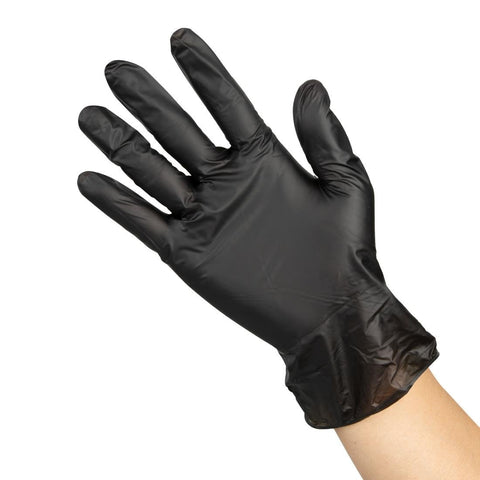

 Hygiplas Vinyl Black Powder Free Glove M - pack 100 - FJ748-M
 Hygiplas Vinyl Black Powder Free Glove L - pack 100 - FJ748-L

 San Jamar Stainless Steel Wall Mount Pull Type Cup Dispenser to suit 350ml - 710ml cups - C3400P
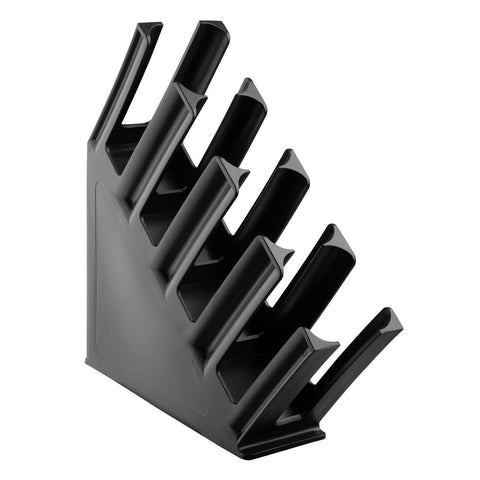

 Olympia Kristallon Cup Holder 4-Slots Polypropylene Black - HC437
378(W) x 296(H) x 460(D)mm
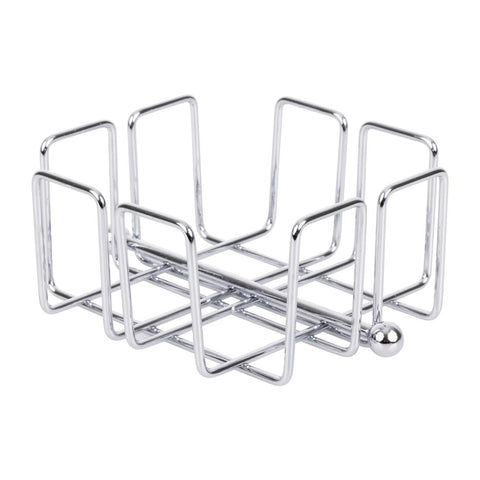
 Olympia Cocktail Napkin Holder with Weight 140x140mm - GH407
140(W) x 65(H) x 140(D)mm


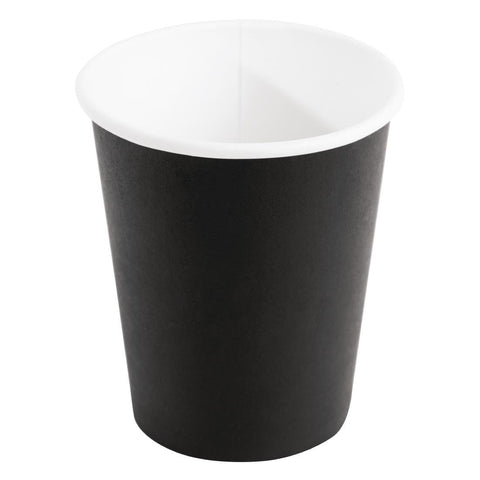

 Fiesta Recyclable Takeaway Coffee Cups Single Wall Black 225ml (Pack of 50) - GF041
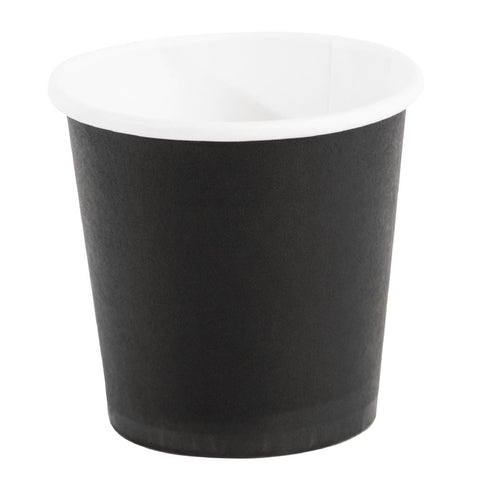
 Fiesta Recyclable Espresso Takeaway Cups Black 114ml (Pack of 1000) - GF018
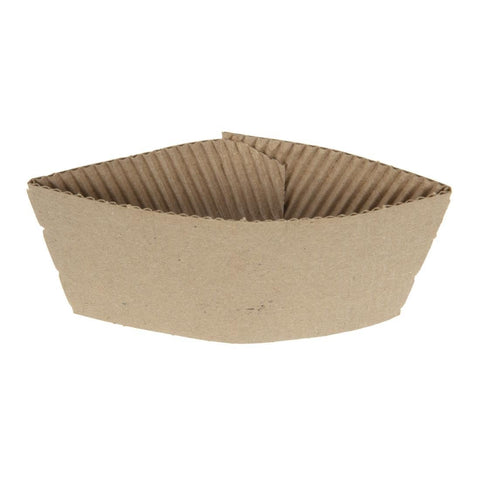
 Fiesta Recyclable Corrugated Cup Sleeves for 350ml/455ml Cups (Pack of 1000) - GD329
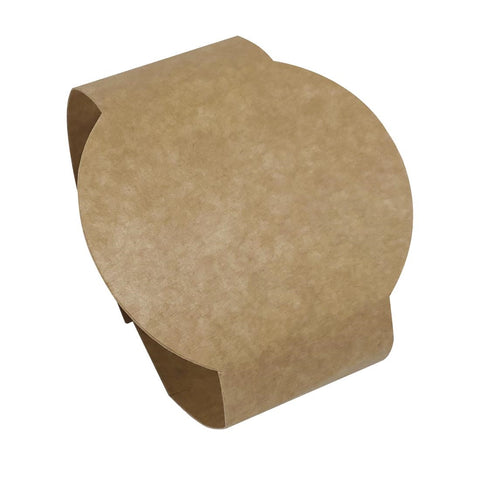
 Fiesta Recyclable Baguette Collar (Pack of 4000) - FT656
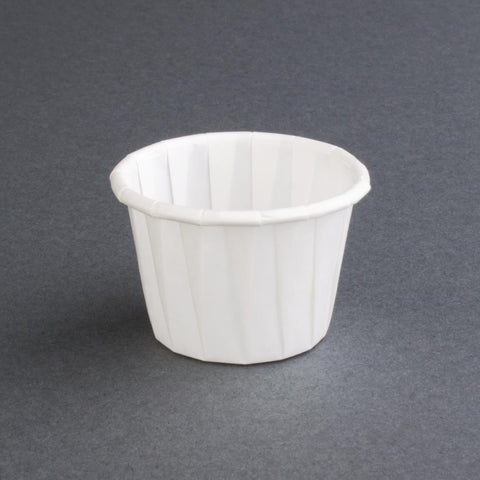
 Fiesta Recyclable Paper Sauce Pots Small 28ml (Pack of 250) - CX080
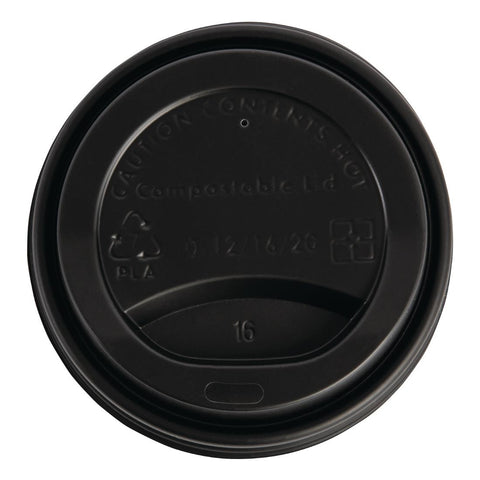

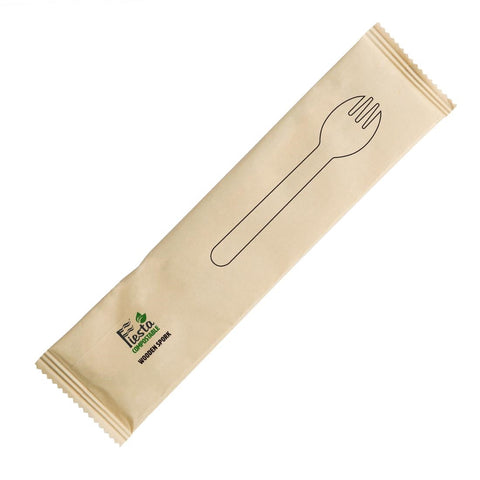
 Fiesta Compostable Individually Wrapped Wooden Sporks (Pack of 500) - CH086
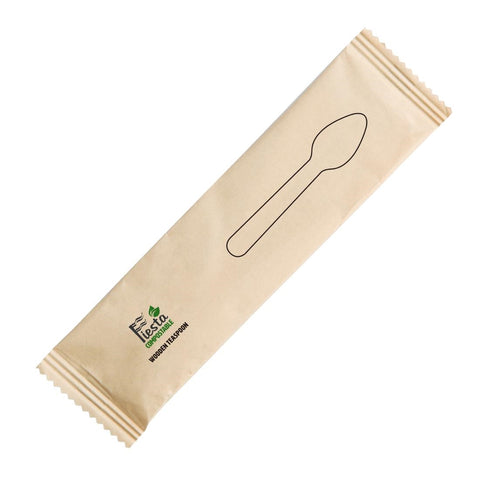
 Fiesta Compostable Individually Wrapped Wooden Teaspoons (Pack of 500) - CH085

 PakMax 1oz Sugarcane Sauce Cup - SC-62-1
330(W) x 290(D) x 260(H)mm

 Food Tek (1 Pack) JW-P13DHH
325(W) x 176(D) x 8(H)mm
 Food Tek Black Poly 1/3 x 100 mm Gastronorm Pan - JW-P134B (1 Pack)
325(W) x 176(D) x 100(H)mm
 San Jamar Unbreakable Polyethylene Wall Mount Cup Dispenser to suit 350ml - 710ml Foam cup - C4410PFSD
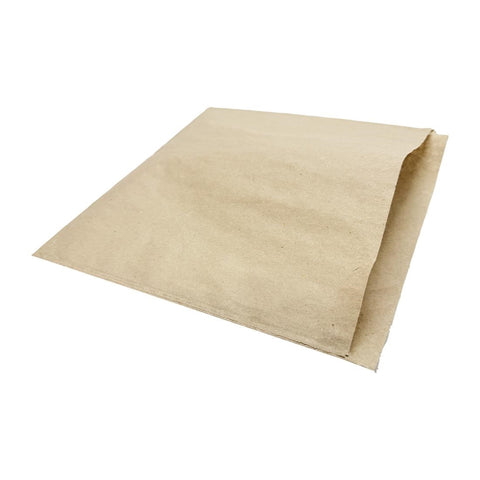
 Fiesta Recyclable Food/Bakery Bags 254mm (1000 Pack) - JA337
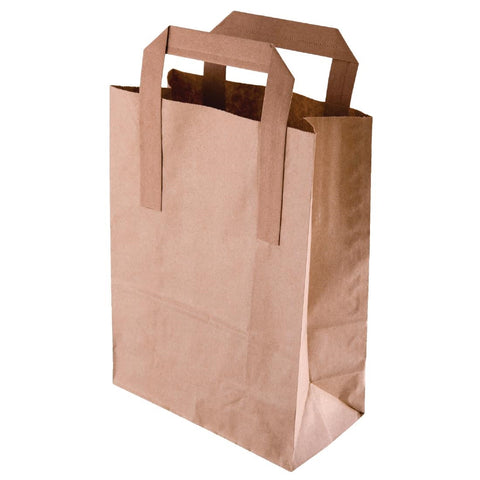
 Fiesta Recyclable Flat Handle Brown Paper Bags Large (250 Pack) - JA529
148(W) x 248(H) x 248(D)mm
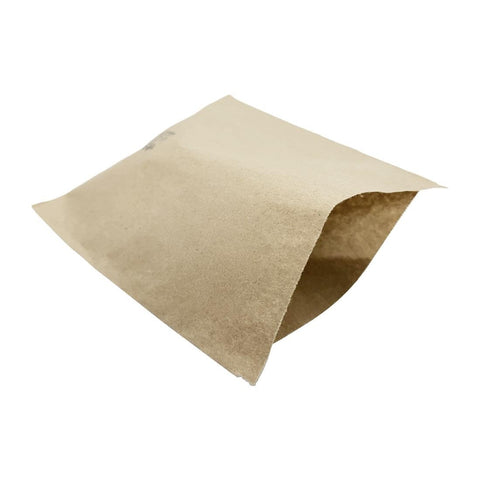
 Fiesta Recyclable Food/Bakery Bags 177mm (1000 Pack) - JA336


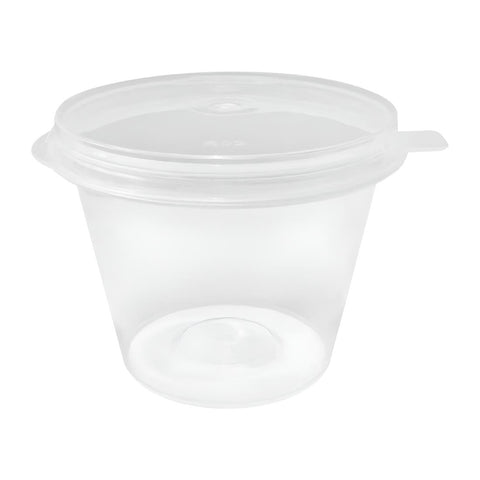
 Fiesta Recyclable Portion Pots with Lids 50ml (50 Pack) - HZ577
52(W) x 41(H) x 52(D)mm
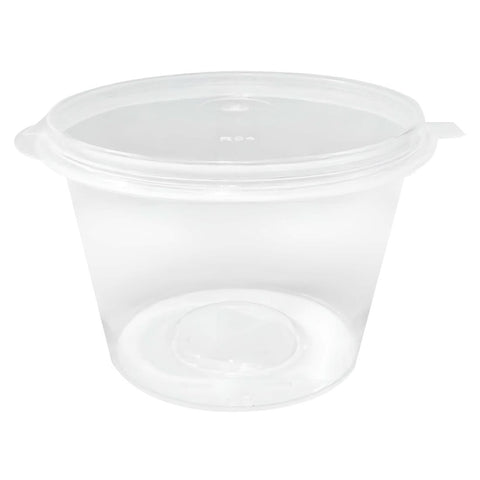
 Fiesta Recyclable Portion Pots with Lids 100ml (50 Pack) - HZ578
67(W) x 45(H) x 67(D)mm
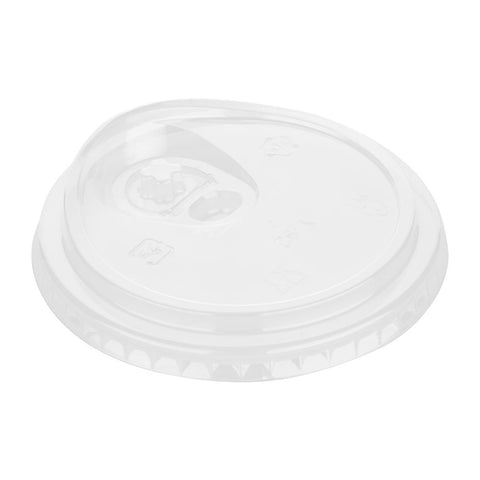
 Fiesta Recyclable rPET Strawless Lids for 340/454/568ml Cups (400 Pack) - HZ230

 Vogue Baking Paper White 330x270mm (200 Pack) - HY798
 Fiesta Compostable Pizza Box Liners 355mm (200 Pack) - HY797
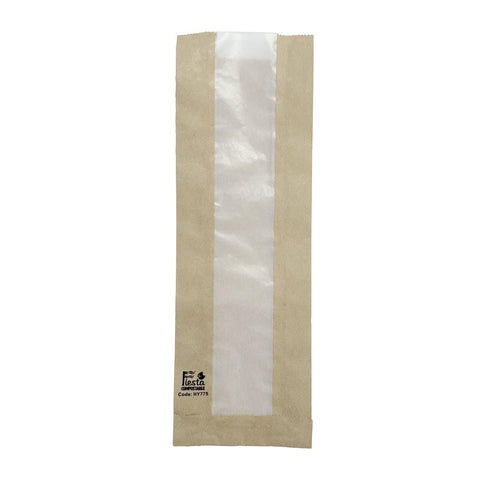
 Fiesta Compostable Baguette Bags with Glassine Window 300x100x60mm (Pack 1000) - HY775
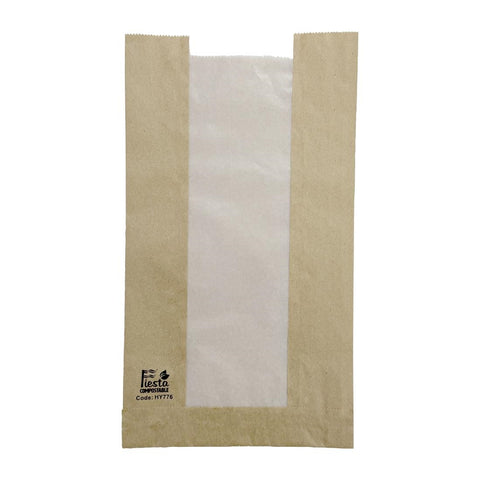
 Fiesta Compostable Bread Bags with Glassine Window 320x180x40mm (Pack 1000) - HY776
 Vogue Baking Paper Kraft 330x270mm (Pack 200) - HY799
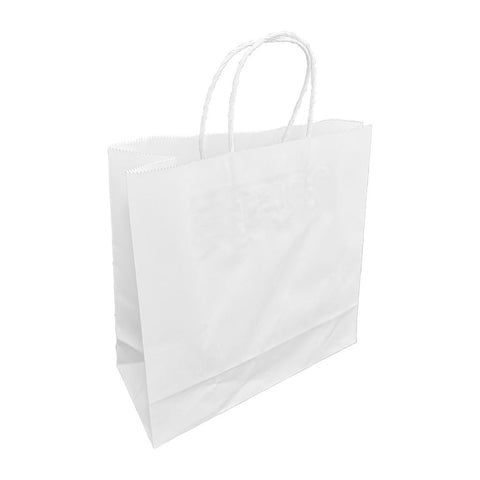
 Fiesta Recyclable Twist Handle White Paper Bags Small (250 Pack) - HY761
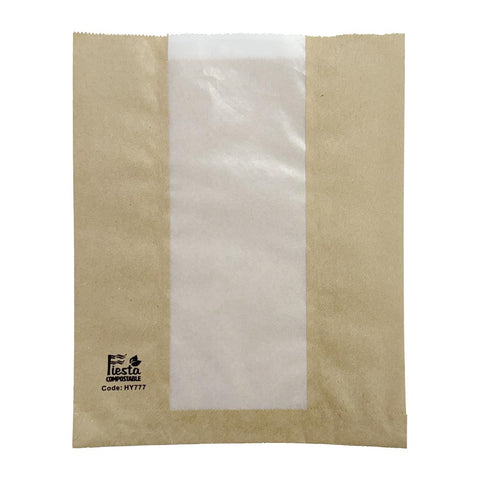
 Fiesta Compostable Bread Bags with Glassine Window 266x215x88mm (Pack 1000) - HY777
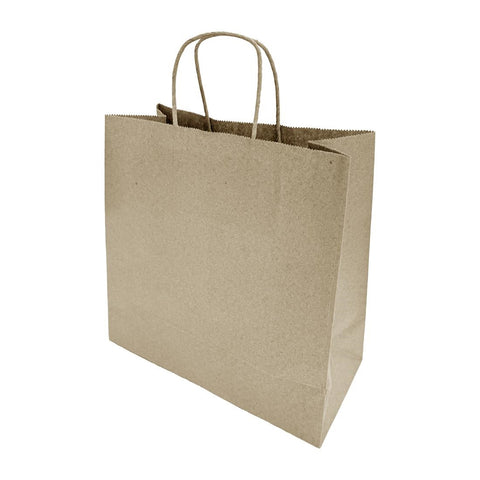
 Fiesta Recyclable Twist Handle Brown Paper Bags Medium (250 Pack) - HY762
 Fiesta Compostable Pizza Box Liner 228mm (200 Pack) - HY795
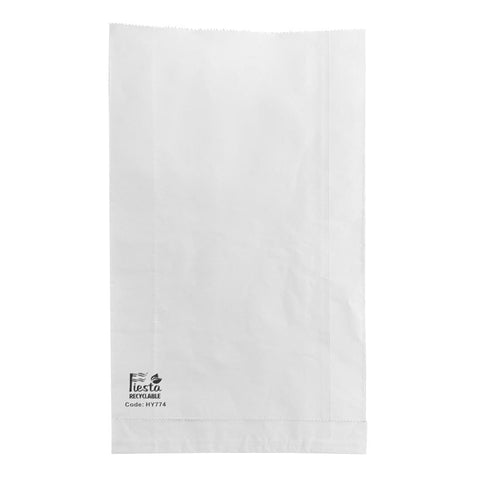
 Fiesta Recyclable Foil Lined Paper Bag 305x180x60mm (Pack 500) - HY774
180(W) x 305(H) x 60(D)mm
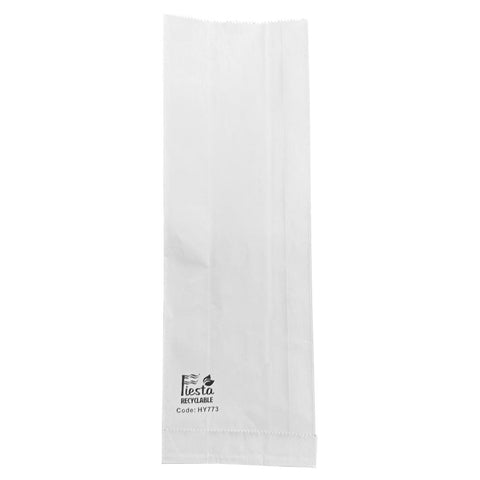
 Fiesta Recyclable Foil Lined Paper Bags 300x100x60mm (Pack 500) - HY773
100(W) x 300(H) x 60(D)mm
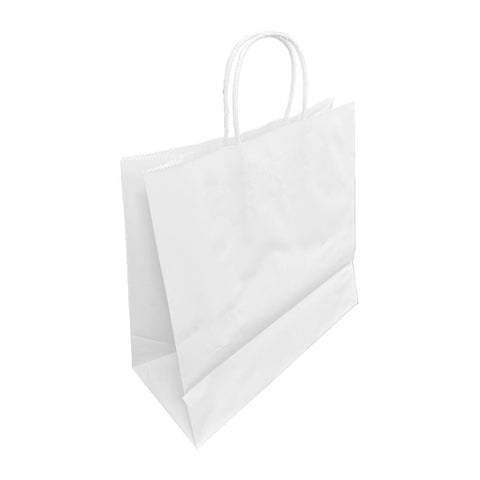
 Fiesta Recyclable Twist Handle White Paper Bags Medium (250 Pack) - HY763
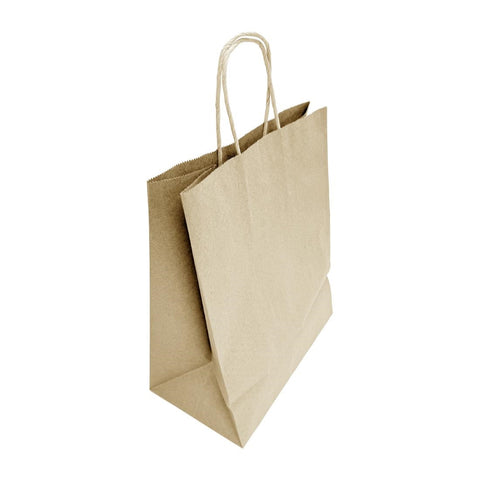
 Fiesta Recyclable Twist Handle Brown Paper Bags Large (250 Pack) - HY766
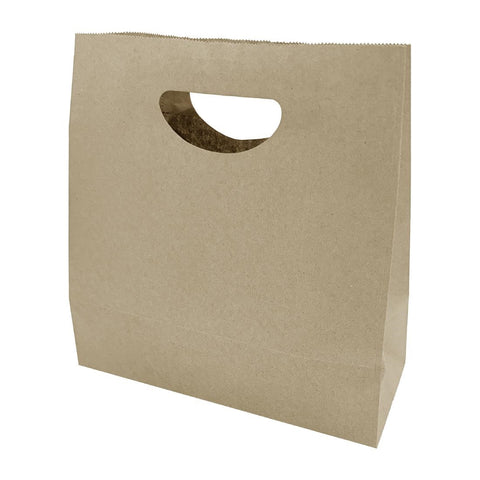
 Fiesta Recyclable D Cut Handle Brown Paper Bags Medium (250 Pack) - HY764
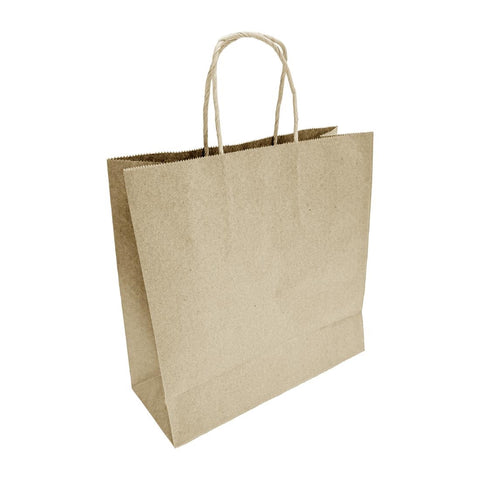
 Fiesta Recyclable Twist Handle Brown Paper Bags Small (250 Pack) - HY760
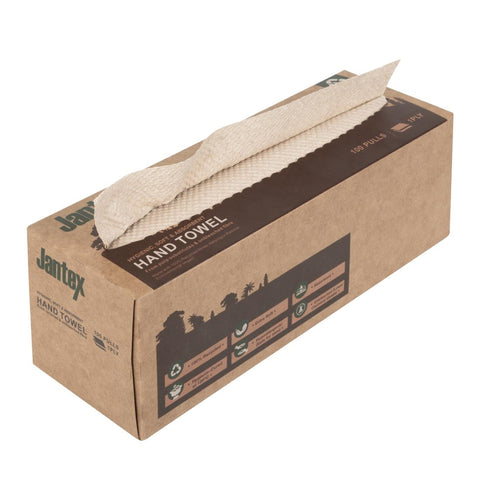

 Jantex Green 100% Recycled 1ply Hand Towel 100 Sheets (36 Pack) - HY595

 Vogue Cutter Box Heavy Duty Aluminium Foil 450mm x 50m - HY219
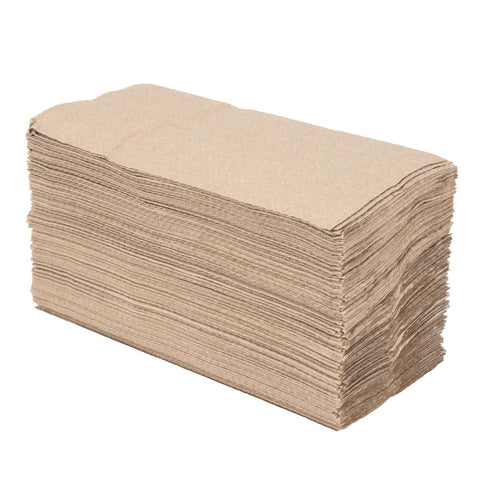
 Jantex Green 100% Recycled C Fold Hand Towels 2ply (2250 Sheets) - HX936
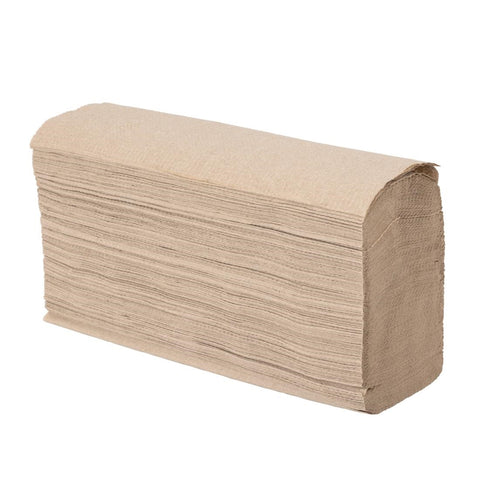
 Jantex Green 100% Recycled Z Fold Hand Towels 2ply (2250 Sheets) - HX935
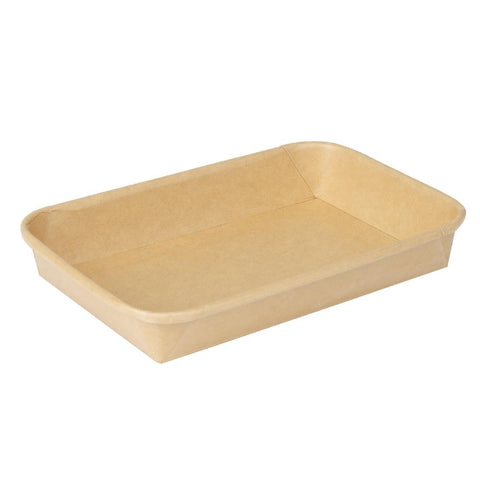
 Fiesta Recyclable No.3 Platter/Tray Bases 160x115mm (300 Pack) - HX288
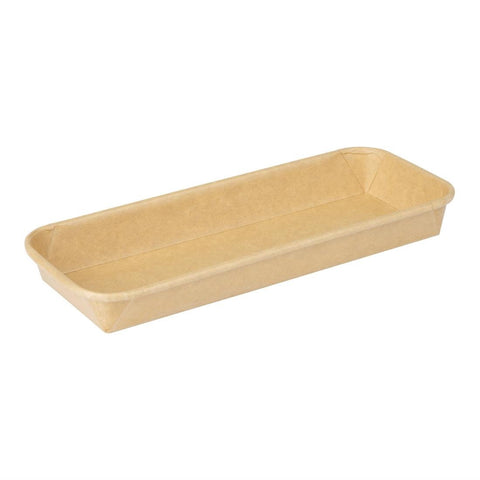
 Fiesta Recyclable No.2 Platter/Tray Bases 220x90mm (300 Pack) - HX287
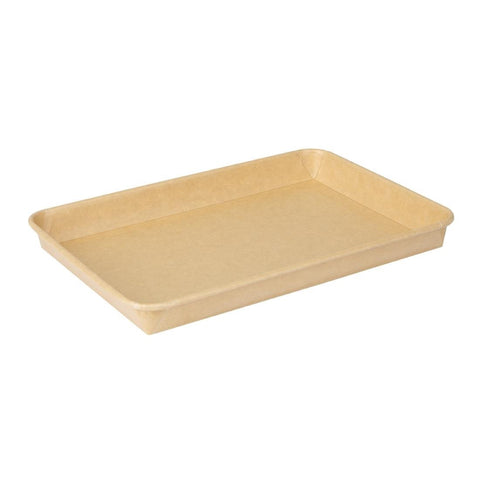
 Fiesta Recyclable No.11 Platter/Tray Bases 255x181mm (300 Pack) - HX290
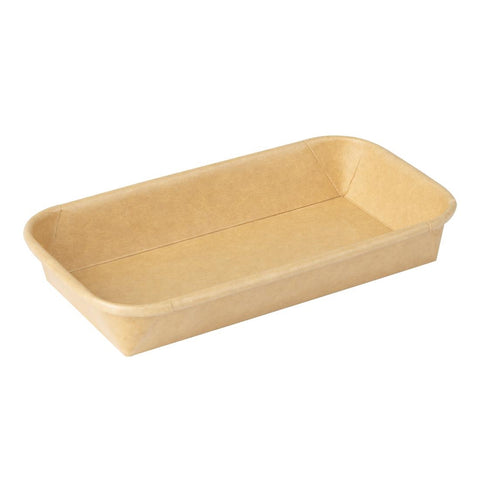
 Fiesta Recyclable No.1 Platter/Tray Bases 160x90mm (300 Pack) - HX286

 Fiesta Recyclable PET Lids for No.3 Platter/Tray Bases (300 Pack) - HX293

 Fiesta Recyclable PET Lids for No.2 Platter/Tray Bases (300 Pack) - HX292

 Fiesta Recyclable PET Lids for No.1 Platter/Tray Bases (300 Pack) - HX291
Disposables are what the food leaves the kitchen in, and what staff get through making it: takeaway containers and lids, hot cups, napkins, wooden cutlery, gloves, cling wrap, foil, paper bags and sauce pots. Fiesta Compostable and Fiesta Recyclable are two of many brands available online, and they offer food packaging in bagasse, kraft board and paperboard.
PakMax offers sugarcane plates, sushi trays, food pails and paper cups. Vogue and Hygiplas offer gloves, cling wrap and foil. BioPak offers sandwich boxes and napkins, and San Jamar makes the counter and wall dispensers that hold cups, lids and straws. Packs run from 50 pieces up to 1000, and the price per piece drops a long way at carton quantities.
Takeaway food containers is the largest of these areas, with bagasse trays and bowls, kraft boxes, hinged clams, food pails and PET lids to match. Cups and dispensers covers hot cups, lids and the San Jamar wall and counter dispensers, and disposable cutlery covers wooden forks, sporks and teaspoons, much of it individually wrapped.
Napkins, paper plates and bowls serve the front of house side, and kraft paper bags include bakery, carry and foil-lined bags. Gloves are vinyl in four sizes, and eco friendly disposables brings the recycled Jantex paper and the bamboo skewers together.
Setting a standing order for a site or a group of them? Request the price guide for carton pricing across the commercial kitchen disposables you get through fastest. Related ranges: commercial kitchen accessories.
Cups, lids and containers. A cafe gets through hot cups and lids faster than anything else, and a takeaway shop goes through containers and paper bags at a similar rate. Napkins and gloves are the next tier down, and cling wrap, foil, skewers and sauce pots will last weeks.
Order a fortnight of cover on the fast movers and a month on everything else, then adjust once you have watched it through a couple of busy weeks. Lids and gloves are the two most often forgotten, because they cost so little that nobody counts them until the box is empty.
Yes. A pack of 50 cups and a carton of 1000 are nowhere near the same price per cup, and the price per piece keeps improving as the pack size goes up.
How far you take it comes down to storage. Cartons of containers are light and bulky, so they fill shelf space quickly. Work out what can be stacked dry and off the floor before you commit to six months of anything, and remember that cups and containers nest into each other while napkins and gloves take their full carton space.
Most venues have moved to compostable and recyclable packaging. Single-use plastic rules have tightened in most states, and customers notice what their food arrives in.
The compostable packaging is bagasse, which is pressed sugarcane fibre, along with kraft board, paper and wood. The recyclable lines are paper and board, usually with a PET lid. Plastic still suits cold, wet food where nothing else seals as well.
Most compostable packaging needs commercial composting to break down properly, so if your waste goes to landfill it won't break down the way the name suggests. Check what your waste contractor actually collects before you advertise composting on the menu.
Match the container to how wet the food is. A hinged bagasse clam suits a burger, a schnitzel, a salad or chips. Anything with sauce needs a bowl or a food pail with a lid that presses on all the way round, and a curry or a soup needs a lidded round container rather than a clam. Sauces go in their own pots.
Test the container before the first delivery night. Fill one with the wettest dish on the menu, fit the lid, and lay it on its side on the bench for ten minutes. If it leaks on the bench it will leak in a driver's bag going round a corner. Carry the bags flat where possible, and never stack a heavy container on a soft one.
Bagasse is pressed sugarcane fibre, the beige moulded material used for trays, bowls, plates and clam containers. It takes hot food without going soft the way thin board does, and it holds heat reasonably well over a short trip. Very oily food left standing in it for a long time will soften the base.
Fried food needs venting, not a different material. Anything battered or crumbed steams itself soft under a sealed lid, so use a vented lid, a paper bag or a kraft box that breathes, and chips will reach the customer in far better condition. Wooden boats and cones do the same job on a counter.
Buy the lids and the bases from the same brand and the same line. Lids are made to a rim diameter, so a lid fits the cups or bases it is sold alongside, and two millimetres either way means it won't seat. Cups bought from one supplier and lids from another usually end in lids that don't fit.
Settle on as few sizes as the menu allows. Two hot cup sizes instead of four means two lids to stock, two dispensers on the counter and one less thing for new staff to get wrong. Containers work the same way, so choose one base size that covers most of the menu and let the odd dish be the exception.
Cups, containers and bowls nest into each other, so a carton takes up less room than the count printed on the box suggests. San Jamar dispensers mount on a wall or through the counter and hold cups, lids and straws in a tube, which keeps the bench clear and stops staff touching the rim of a cup.
In the storeroom, keep everything up off the floor and dry. Board and paper pick up damp and odours, and a carton of kraft bags that has sat on a wet concrete floor is wasted. Rotate the new stock in behind the old, the same way you would with food.
Vinyl gloves in S, M, L and XL, powder free, in clear or black, sold in boxes of 100. Black hides marks and looks tidier on a front counter, and clear is the usual choice for food prep. Order a mix of sizes rather than one size for everyone, because a glove that is too big catches on everything and one that is too small tears at the thumb.
Fit a wall or box dispenser at each station to keep the box off the bench and away from the sink. Gloves don't replace hand washing, they go on top of it, and they are changed between raw and ready-to-eat work in the same way a chopping board is.
Containers first, in one or two sizes with lids that match, then kraft bags in a couple of sizes, napkins, wooden cutlery and sauce pots. Add hot cups and lids if you're selling coffee, cling wrap for the prep fridge, and a box of gloves for each station. That covers most menus without a second order in the first week.
Then the equipment that keeps the food edible on the way. Insulated food carriers and delivery bags hold the heat that is already in the food and add none of their own, so the food has to go in hot and go out quickly. Put a probe thermometer in the driver's bag so the temperature can be checked at the other end.

We have a special page just for stock that's warehoused in Perth.
Click Here to see all WA stockWhat our customers say about us on Google, and how Google scores our store for things like shipping and returns.
Store scores from Google