


 03 9070 5784
 Help & Support
 Track My Order



Recently Viewed
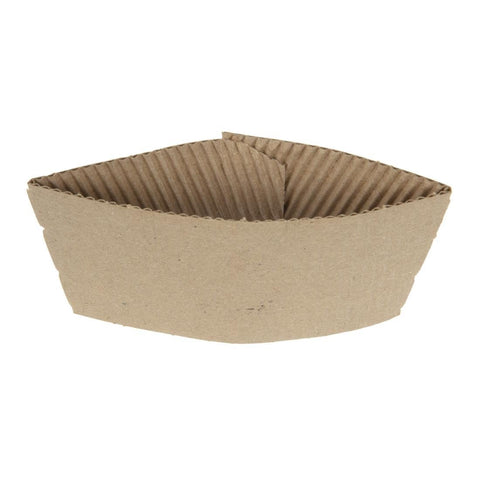

 Fiesta Recyclable Corrugated Cup Sleeves for 350ml/455ml Cups (Pack of 1000) - GD329
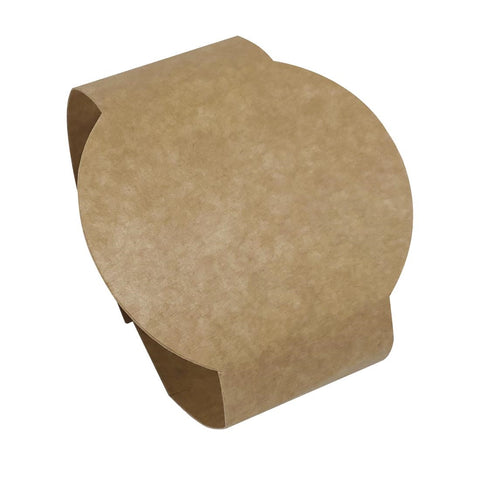
 Fiesta Recyclable Baguette Collar (Pack of 4000) - FT656
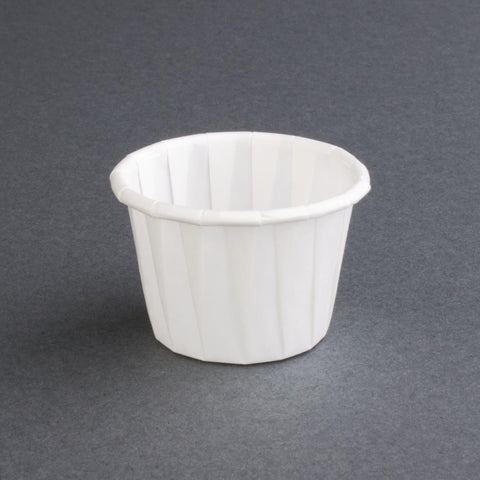
 Fiesta Recyclable Paper Sauce Pots Small 28ml (Pack of 250) - CX080

 Food Tek (1 Pack) JW-P13DHH
325(W) x 176(D) x 8(H)mm
 Food Tek Black Poly 1/3 x 100 mm Gastronorm Pan - JW-P134B (1 Pack)
325(W) x 176(D) x 100(H)mm
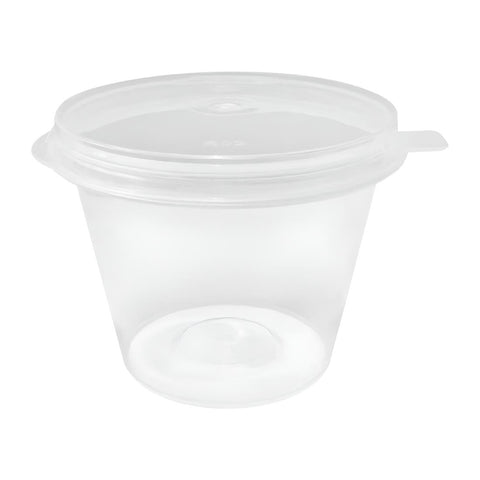
 Fiesta Recyclable Portion Pots with Lids 50ml (50 Pack) - HZ577
52(W) x 41(H) x 52(D)mm
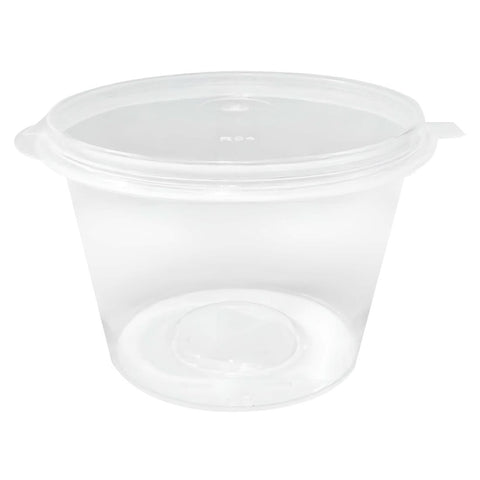
 Fiesta Recyclable Portion Pots with Lids 100ml (50 Pack) - HZ578
67(W) x 45(H) x 67(D)mm
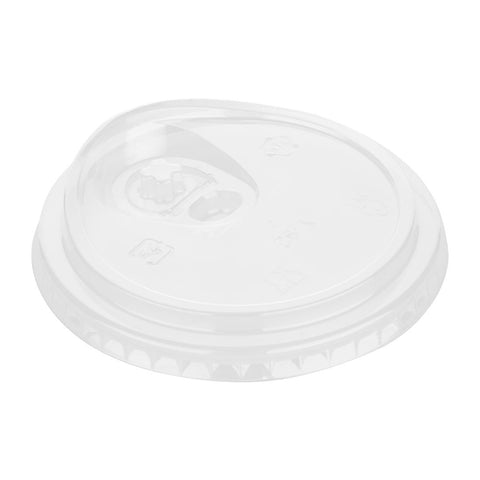
 Fiesta Recyclable rPET Strawless Lids for 340/454/568ml Cups (400 Pack) - HZ230

 Fiesta Compostable Pizza Box Liners 355mm (200 Pack) - HY797
 Fiesta Compostable Pizza Box Liner 228mm (200 Pack) - HY795
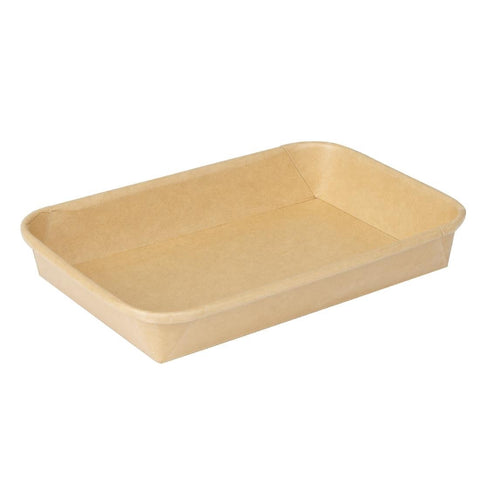
 Fiesta Recyclable No.3 Platter/Tray Bases 160x115mm (300 Pack) - HX288
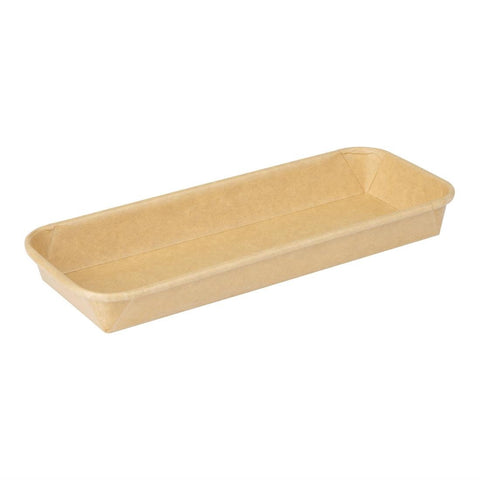
 Fiesta Recyclable No.2 Platter/Tray Bases 220x90mm (300 Pack) - HX287
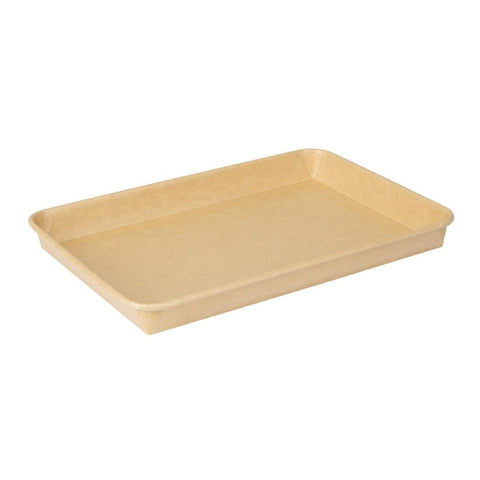
 Fiesta Recyclable No.11 Platter/Tray Bases 255x181mm (300 Pack) - HX290
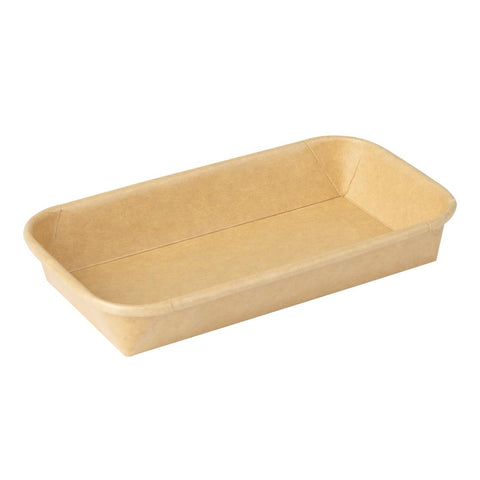
 Fiesta Recyclable No.1 Platter/Tray Bases 160x90mm (300 Pack) - HX286

 Fiesta Recyclable Ice Cream Pots 227ml (1000 Pack) - HW632

 Fiesta Recyclable Rectangular Food Containers 750ml (300 Pack) - HW622
172(W) x 57(H) x 122(D)mm

 Fiesta Recyclable Rectangular Food Containers 1000ml (300 Pack) - HW623
172(W) x 75(H) x 122(D)mm

 Fiesta Recyclable Rectangular Food Containers 650ml (300 Pack) - HW621
172(W) x 52(H) x 122(D)mm

 Fiesta Recyclable PP Lids for Rectangular Containers (300 Pack) - HW625

 Fiesta Recyclable Lid for 8" Round Foil Containers (200 Pack) - HW092

 Fiesta Recyclable Lid for 7" Round Foil Containers (200 Pack) - HW086

 Fiesta Recyclable Rectangular Food Containers 500ml (300 Pack) - HW620
172(W) x 41(H) x 122(D)mm

 Fiesta Recyclable Lid for 9" Round Foil Containers (200 Pack) - HW087

 Fiesta Recyclable Lid for 500ml Oval Foil Containers (200 Pack) - HW084
180(W) x 2(H) x 120(D)mm

 Fiesta Recyclable Foil Round Container 222mm (200 Pack) - HW091

 Fiesta Recyclable Foil Serving Trays 650mm (10 Pack) - HW090

 Fiesta Recyclable Lid for 100ml Foil Containers (200 Pack) - HW085
75(W) x 2(H) x 75(D)mm

 Fiesta Recyclable Foil Serving Trays 432mm (10 Pack) - HW089

 Fiesta Recyclable Foil Container 100ml (200 Pack) - HW081
80(W) x 36(H) x 80(D)mm

 Fiesta Recyclable Foil Round Containers 187mm (200 Pack) - HW082

 Fiesta Recyclable Foil Round Containers 233mm (200 Pack) - HW083

 Fiesta Recyclable Foil Oval Containers 500ml (200 Pack) - HW080
188(W) x 45(H) x 120(D)mm

 Fiesta Recyclable PET lid for Square Container Bases (300 Pack) - HW019

 Fiesta Recyclable Square Container Bases 1200ml (300 Pack) - HW017

 Fiesta Recyclable Square Container Bases 750ml (300 Pack) - HW015

 Fiesta Recyclable Square Container Bases 1400ml (300 Pack) - HW018

 Fiesta Recyclable Square Container Bases 1000ml (300 Pack) - HW016

 Fiesta Compostable Fold-Out Burger Boxes (100 Pack) - HP942
150(W) x 90(H) x 150(D)mm

 Fiesta Compostable Fold-Out Takeaway Boxes (100 Pack) - HP943
250(W) x 105(H) x 130(D)mm

 Fiesta Recyclable Corrugated Cup Sleeves for 225ml Cup (Pack of 1000) - GD328

 Fiesta Recyclable Platter Box with PET Window Large (Pack of 25) - FT673

 Fiesta Recyclable Insert For Platter Box 1/2 (Pack of 50) - FT675

 Fiesta Recyclable Insert For Platter Box 1/4 (Pack of 50) - FT674

 Fiesta Recyclable Insert For Large Platter Box Full Sized (Pack of 50) - FT676
307(W) x 79(H) x 455(D)mm

 Fiesta Recyclable Hot Dog Tray Large (Pack of 500) - FT663
 Fiesta Recyclable Chip Scoop Large (Pack of 1000) - FT666

 Fiesta Recyclable Deep Sandwich Wedge with PET Window 75mm (Pack of 500) - FT651

 Fiesta Recyclable Standard Sandwich Wedge with PET window 65mm (Pack of 500) - FT650

 Fiesta Recyclable Chip Scoop Small (Pack of 1000) - FT664


 Fiesta Recyclable Wrap Box with PET Window (Pack of 500) - FT653

 Fiesta Recyclable Bloomer Box with PET Window 70x125mm (Pack of 500) - FT652
A takeaway food container carries a meal from your pass to someone's table at home, so two things decide whether it is any good: whether the lid still seals when a driver tips the bag, and whether the base stacks in a cold room without crushing.
Commercial takeaway food containers come in plastic, foil and plant-fibre bases, and each suits a different part of a menu. Hot and saucy wants a rigid sealed base. Dry and crisp wants ventilation. Baked and reheated wants foil.
Match the container to the dish, then buy the matching lid in the same range so the two actually seat. The rest of the kitchen disposables line covers the kraft paper bags, disposable cutlery and napkins that go out with them.
The price guide lists the bases with their matching lids by the carton, which is the fastest way to work out the two or three sizes that carry your menu.
Rigid plastic is the default for anything wet: curries, pasta, salads with dressing. It seals properly, it stacks, and the customer can see what they ordered.
Foil goes where the dish will be reheated in an oven. Plant-fibre bases suit dry and warm food and read better on an eco-conscious menu — see eco friendly disposables for that range.
Usually not, and this is the most expensive mistake in disposables. Rim profiles differ between ranges even where the footprint looks identical, so a near-fit lid pops off in transit.
Buy base and lid as a pair from the same range, and if you change range, change both. Hold one spare range rather than mixing within a service.
A lid that clicks all the way round rather than resting on the rim, and a base rigid enough that squeezing it does not break the seal. A soft base will leak with a perfect lid on it.
Fill level matters as much as the container. A base filled to the rim leaks whatever lid is on it, so portion to leave headroom and the complaints stop.
Some can and some cannot, and it is a property of the specific product rather than of plastic containers generally. The product page states it; do not assume from the look of the base.
If reheating is part of the offer, foil bases with board lids are the safer route, and they also go through a convection oven. Where staff reheat on site, use proper gastronorm containers instead of packaging.
Separate them. Vented or paper packaging for anything fried, sealed rigid base for anything wet, and both into the bag last so they travel the shortest time. Chip warmers on the pass help more than packaging does.
Pack order matters: heavy and wet at the bottom, light and crisp on top. A sturdier bag helps here — see kraft paper bags.
By the carton for anything you use every day, by the sleeve for sizes you use occasionally. Cartons cost less per unit and the saving on a high-volume size is real; a slow-moving size bought by the carton just occupies shelf.
Work out the two or three sizes that carry most of the menu and buy those deep. Store them off the floor on modular shelving so cartons do not get crushed.
Takeaway food container, food packaging, delivery containers, bowls with lids, hinged clamshells and plenty of brand-specific names for the same shapes. The product page geometry tells you more than the name does.
Compare rim type, base rigidity and whether a matching lid is listed, and ignore the rest. The wider food storage range covers the reusable equivalents.

We have a special page just for stock that's warehoused in Perth.
Click Here to see all WA stockWhat our customers say about us on Google, and how Google scores our store for things like shipping and returns.
Store scores from Google