


 03 9070 5784
 Help & Support
 Track My Order



Recently Viewed


 Modular Systems Four Tier Shelving - 610-1830mm Width
 Modular Systems Four Tier Shelving - 457 Mm Deep X 1880 High 1220 Width B18/48
1220(W) x 457(D) x 1880(H)mm
Modular Systems Four Tier Shelving - 457 Mm Deep X 1880 High 610 Width B18/24
610(W) x 457(D) x 1880(H)mm
Modular Systems Four Tier Shelving - 457 Mm Deep X 1880 High 760 Width B18/30
760(W) x 457(D) x 1880(H)mm
 Modular Systems Four Tier Shelving - 457 Mm Deep X 1880 High 1830 Width B18/72
1830(W) x 457(D) x 1880(H)mm
 Modular Systems Four Tier Shelving - 457 Mm Deep X 1880 High 915 Width B18/36
915(W) x 457(D) x 1880(H)mm
 Modular Systems Four Tier Shelving - 610 Mm Deep X 1880 High 1525 Width B24/60
1525(W) x 610(D) x 1880(H)mm
 Modular Systems Four Tier Shelving - 610 Mm Deep X 1880 High 1830 Width B24/72
1830(W) x 610(D) x 1880(H)mm
 Modular Systems Four Tier Shelving - 457 Mm Deep X 1880 High 1525 Width B18/60
1525(W) x 457(D) x 1880(H)mm
 Modular Systems Four Tier Shelving - 610 Mm Deep X 1880 High 760 Width B24/30
760(W) x 610(D) x 1880(H)mm
 Modular Systems Four Tier Shelving - 610 Mm Deep X 1880 High 1220 Width B24/48
1220(W) x 610(D) x 1880(H)mm
 Modular Systems Four Tier Shelving - 457 Mm Deep X 1880 High 1067 Width B18/42
1067(W) x 457(D) x 1880(H)mm
 Modular Systems Four Tier Shelving - 457 Mm Deep X 1880 High 1372 Width B18/54
1372(W) x 457(D) x 1880(H)mm


 Vogue 4 Tier Wire Shelving Kit 1830x610mm - U259
1830(W) x 1830(H) x 610(D)mm

 Vogue 4 Tier Wire Shelving Kit - 1830x460mm - L939
1830(W) x 1840(H) x 457(D)mm
 Modular Systems Four Tier Shelving - 610 Mm Deep X 1880 High 915 Width B24/36
915(W) x 610(D) x 1880(H)mm
 Modular Systems Four Tier Shelving - 610 Mm Deep X 1880 High Width B24/24
610(W) x 610(D) x 1880(H)mm
 Modular Systems Four Tier Shelving - 610 Mm Deep X 1880 High 1067 Width B24/42
1067(W) x 610(D) x 1880(H)mm
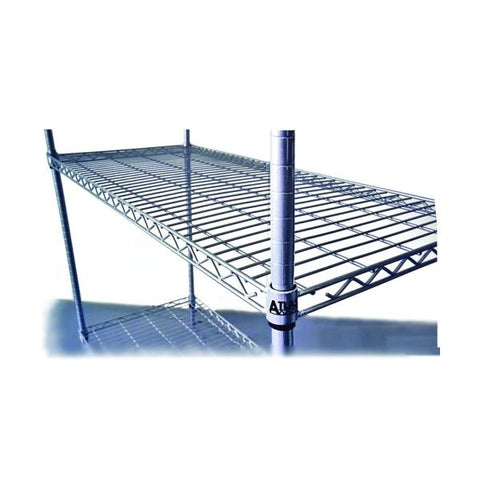

 Atlas Shelving Individual Wire Shelf
610-1830(W) x 355-610(D) x 40(H)mm
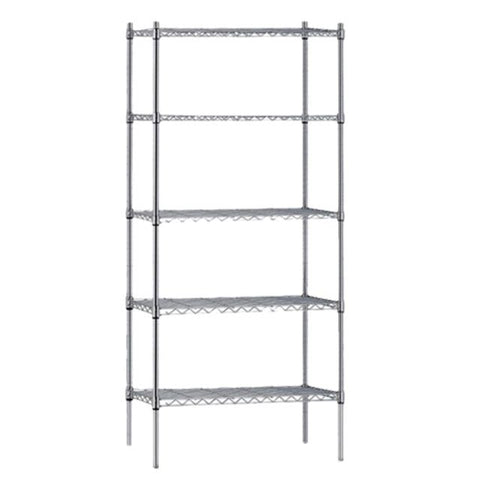
 Atlas Shelving 5 Shelf Wire Shelving
610-1830(W) x 455-610(D) x 1880(H)mm

 Vogue 4 Tier Wire Shelving Kit 1220x610mm - U257
1220(W) x 1840(H) x 610(D)mm

 Vogue 4 Tier Wire Shelving Kit 915x610mm - U256
915(W) x 1840(H) x 610(D)mm

 Vogue 4 Tier Wire Shelving Kit 610x610mm - U884
610(W) x 1830(H) x 610(D)mm

 Vogue 4 Tier Wire Shelving Kit - 1220x460mm - L928
1220(W) x 1270(H) x 460(D)mm
 Modular Systems Four Tier Shelving - 610 Mm Deep X 1880 High 1372 Width B24/54
1372(W) x 610(D) x 1880(H)mm
Atlas Shelving Individual Wire Shelf 610mmW x 455mmD - S1824EPL
610(W) x 455(D) x 40(H)mm
Atlas Shelving 5 Shelf Wire Shelving 760mmW x 455mmD x 1880mmH - 18307EPL5
760(W) x 455(D) x 1880(H)mm
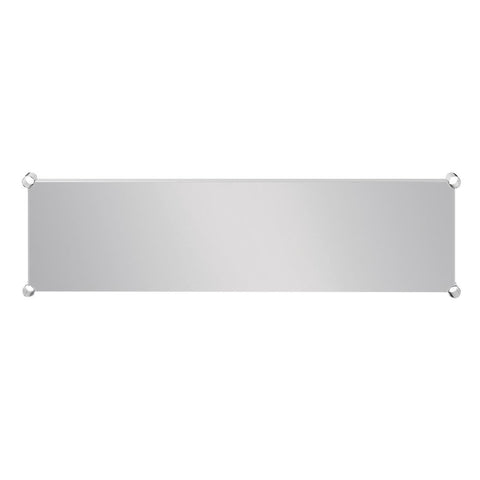
 Vogue Stainless Steel Table Shelf 600x1800mm - CP834
 Atlas Shelving Individual Plastic Matt Shelf
760-1830(W) x 455-610(D) x 1880(H)mm
 Atlas Shelving 4 Shelf Plastic Matt Shelving
760-1830(W) x 455-610(D) x 1880(H)mm
 Atlas Shelving 5 Shelf Add-on Plastic Matt Shelving
760-1830(W) x 455-610(D) x 1880(H)mm
 Atlas Shelving 5 Shelf Add-On Wire Shelving
610-1830(W) x 455-610(D) x 1880(H)mm
 Atlas Shelving 4 Shelf Add-on Plastic Matt Shelving
760-1830(W) x 455-610(D) x 1880(H)mm
 Atlas Shelving 5 Shelf Plastic Matt Shelving
760-1830(W) x 455-610(D) x 1880(H)mm
 Atlas Shelving 4 Shelf Wire Shelving
610-1830(W) x 355-610(D) x 1880(H)mm
 Atlas Shelving 4 Shelf Add-On Wire Shelving
610-1830(W) x 455-610(D) x 1880(H)mm

 Vogue 4 Tier Wire Shelving Kit 1525x610mm - U258
1525(W) x 1840(H) x 610(D)mm

 Vogue 4 Tier Wire Shelving Kit - 910x460mm - L927
915(W) x 940(H) x 457(D)mm

 Vogue 4 Tier Wire Shelving Kit -1525x460mm - L929
1525(W) x 1840(H) x 460(D)mm
 Atlas Shelving Individual Plastic Matt Shelf 1830mmW x 610mmD - PM2472EPL
1830(W) x 610(D) x 40(H)mm
 Atlas Shelving Individual Plastic Matt Shelf 1370mmW x 610mmD - PM2454EPL
1370(W) x 610(D) x 40(H)mm
 Atlas Shelving Individual Plastic Matt Shelf 1065mmW x 610mmD - PM2442EPL
1065(W) x 610(D) x 40(H)mm
 Atlas Shelving Individual Plastic Matt Shelf 760mmW x 610mmD - PM2430EPL
760(W) x 610(D) x 40(H)mm
 Atlas Shelving Individual Plastic Matt Shelf 1065mmW x 535mmD - PM2142EPL
1065(W) x 535(D) x 40(H)mm
 Atlas Shelving Individual Plastic Matt Shelf 1520mmW x 610mmD - PM2460EPL
1520(W) x 610(D) x 40(H)mm
 Atlas Shelving Individual Plastic Matt Shelf 915mmW x 610mmD - PM2436EPL
915(W) x 610(D) x 40(H)mm
 Atlas Shelving Individual Plastic Matt Shelf 1220mmW x 610mmD - PM2448EPL
1220(W) x 610(D) x 40(H)mm
 Atlas Shelving Individual Plastic Matt Shelf 1830mmW x 455mmD - PM1872EPL
1830(W) x 455(D) x 40(H)mm
 Atlas Shelving Individual Plastic Matt Shelf 1370mmW x 535mmD - PM2154EPL
1370(W) x 535(D) x 40(H)mm
 Atlas Shelving Individual Plastic Matt Shelf 1520mmW x 455mmD - PM1860EPL
1520(W) x 455(D) x 40(H)mm
 Atlas Shelving Individual Plastic Matt Shelf 1220mmW x 455mmD - PM1848EPL
1220(W) x 455(D) x 40(H)mm
 Atlas Shelving Individual Plastic Matt Shelf 1520mmW x 535mmD - PM2160EPL
1520(W) x 535(D) x 40(H)mm
Modular shelving holds stock up off the floor in a dry store, a cool room or a back corridor, and comes apart and goes back together at different heights when the stock mix changes. Posts, shelves and clips assemble into a bay without tools.
Modular shelving units let you drop a shelf by a notch to fit a taller carton, add a bay to the end of a run, or put the whole thing on castors later, using the parts you already own.
For refrigerated use see commercial cool room shelving, and for the parts that extend a system you already have, modular shelving accessories.
Shelving out a full store room at once adds up quickly. Silverchef Rent-Try-Buy lets you take the bays now and buy them later, and we can price the whole run as a package.
The shelves clip to the posts at set intervals instead of being welded in place, so the heights are a decision you make on the day and can change later. A bay also joins to the next bay, which is how a run gets built along a wall.
The practical effect is that one purchase covers several layouts. A welded rack cannot be changed once it is made, which is fine for a store room that will never move and awkward everywhere else.
Posts stood up, clips located at the heights you want, shelves dropped on. Most systems need no tools and two people, and a bay goes together in minutes once the first one has shown you how it works.
Assemble it in position rather than building it elsewhere and carrying it through a doorway. The instructions for the system you buy are on the product documents page.
Wire where you want air movement, light through the bay and anything spilled to drain rather than pool. Solid where the stock is small, loose or likely to leak, and where you want a flat surface to slide containers across.
A mixed bay is common and perfectly sensible. Clear containers on a wire shelf give you the best of both: see gastronorms and containers and ingredient bins.
That is one of the main reasons to buy modular. Most systems take a castor set in place of the feet, which turns a bay into something you can roll out to clean behind or move between a store and a prep area.
Check that the system you choose offers castors before you commit, and remember that a mobile bay should be loaded lower than a static one. Castor sets are in modular shelving accessories.
Start with the aisle, not the shelving. Decide how wide a path you need to get stock in and a trolley through, then fill what is left with bays. A room shelved to the walls with no working aisle is a room staff avoid.
Then set the shelf heights to the cartons you actually buy. Send us the room dimensions and a note of your main stock lines and we will sketch a layout with you, including how it ties into the commercial kitchen shelving already in place.
Only if the finish is made for cold, damp air. A standard dry-store finish will corrode in a refrigerated room, so the version matters more than the system.
We list the refrigerated-use options under commercial cool room shelving. Air circulation also has to be preserved, so a cool room bay is laid out with gaps rather than packed solid.
It is set by the shelf, the span and whether the bay is static or mobile, so the rating on the product page is the number to work to. A longer shelf holds less than a short one in the same system.
Load heaviest at the bottom and spread the weight across the shelf rather than concentrating it in the middle. Where the stock is genuinely heavy, shorter bays and more of them beat one long run, and a platform trolley saves carrying cartons in by hand.

We have a special page just for stock that's warehoused in Perth.
Click Here to see all WA stockWhat our customers say about us on Google, and how Google scores our store for things like shipping and returns.
Store scores from Google