


 03 9070 5784
 Help & Support
 Track My Order



Recently Viewed
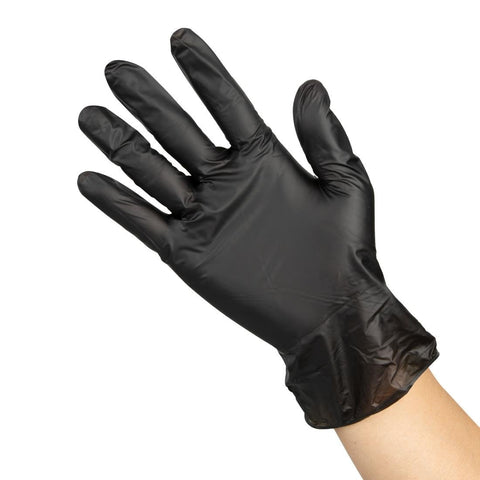

 Hygiplas Vinyl Black Powder Free Glove M - pack 100 - FJ748-M
 Hygiplas Vinyl Black Powder Free Glove L - pack 100 - FJ748-L
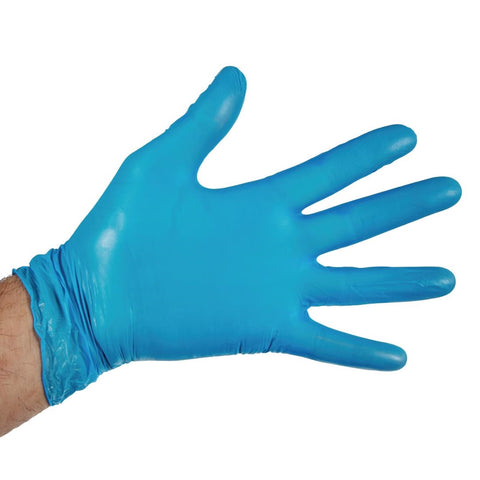




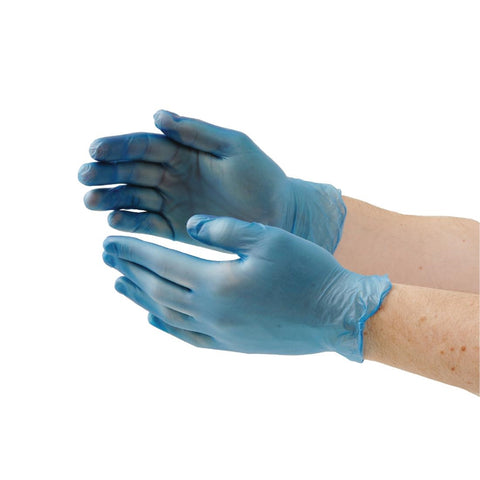
 Vogue Powder Free Vinyl Gloves XL (Pack of 100) - CF403-XL





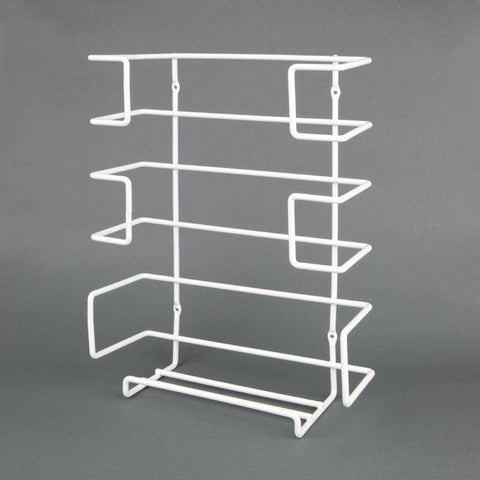
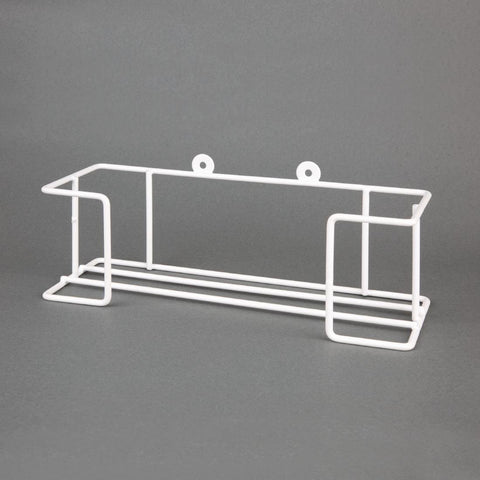
 Vogue Disposable Glove Dispenser - GC960
260(W) x 360(H) x 105(D)mm

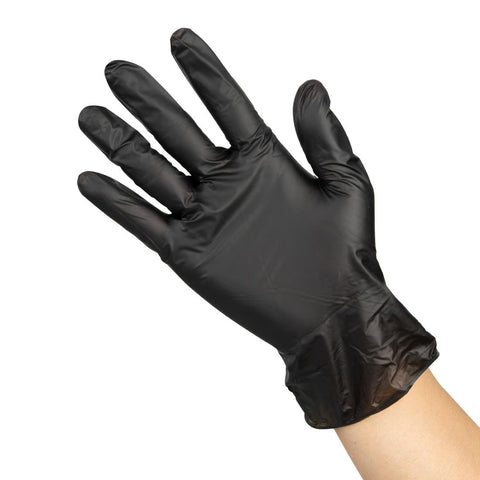
 Hygiplas Vinyl Black Powder Free Glove XL - pack 100 - FJ748-XL
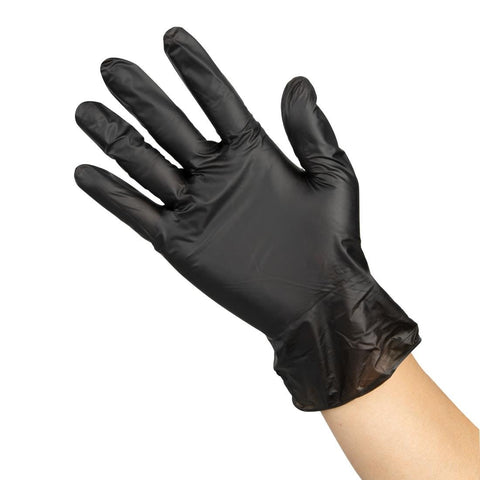
 Hygiplas Vinyl Black Powder Free Glove S - pack 100 - FJ748-S
Disposable gloves are the barrier between hands and food, through prep, plating and anything handled ready to eat. A glove that splits mid-prep gets taken off and not replaced, which defeats the point of having them.
Disposable kitchen gloves come in nitrile, vinyl and latex, and the three behave differently on puncture resistance, fit and allergy risk. Disposable gloves for kitchen work also have to come off and on quickly, because a glove that is a struggle to don gets reused.
Glove use sits inside a wider hygiene setup: hand soaps and sanitisers at the basin, safety signs on the wall, and rubber gloves for the wash-up end where disposables are the wrong tool.
Comparing nitrile against vinyl before a shelf is committed to one of them? The box prices are in the price guide. Buying by the carton across several sites? get a quote and we will price the volume.
Nitrile is the workhorse: good puncture resistance, no latex protein, and it holds up to oils and fats. It is the default for prep and for anything involving knives or bones.
Vinyl is cheaper and fine for short, light tasks such as plating or handling bread. Latex fits best of the three but carries an allergy risk for staff and customers, which is why many kitchens have moved off it entirely. See commercial knives for the work nitrile is protecting you from.
Powder-free is the standard expectation in food handling, because powder transfers to food and to surfaces. Powder was only ever there to make donning easier.
Modern polymer-coated gloves slide on without it, so there is no practical reason to buy powdered for a kitchen.
It is marked on the box, and that marking is the thing to check rather than the glove's colour or material. Each product page states what the box carries; our specifications page covers how we list it.
Blue is widely used in food work because a fragment is visible if it ends up in a dish, which is a sensible habit even though the colour itself proves nothing.
Between tasks, between raw and ready-to-eat, after any break, and any time the glove is torn or has touched a non-food surface. Time spent in a glove is less important than what the glove has touched.
Build the change points into the prep flow rather than leaving it to judgement. Colour-coding by station, the same way chopping boards are colour-coded, makes the switch obvious.
No. Thin disposables are not heat protection and will deform against a hot pan or a tray. Disposable food prep gloves are a hygiene barrier, nothing more.
For anything out of an oven or off a grill, use kitchen mitts. For oil and hot liquids, the right answer is tongs and a mitt, not a thicker glove.
Three sizes covers most kitchens, weighted to whatever the majority of the team actually uses rather than split evenly. A glove too large catches on everything and a glove too tight splits at the thumb.
Order one box of each at first and look at which empties. That tells you the ratio better than a staff survey.
No, and treating them as a substitute is the common failure. Hands are washed before gloves go on and after they come off, because the inside of a glove is a warm, damp environment.
A working basin with soap and towel within reach of the prep bench is what makes that happen — see hand wash basins and paper towel and dispensers.
Disposable food preparation gloves, food handling gloves, cooking gloves disposable, prep gloves, examination gloves and catering gloves all describe the same products with different words. Search listings also shorten the country to disposable gloves aus.
Compare the material, the thickness and the food-contact marking rather than the name on the listing. The rest of the kitchen disposables range covers what sits beside them on the shelf.

We have a special page just for stock that's warehoused in Perth.
Click Here to see all WA stockWhat our customers say about us on Google, and how Google scores our store for things like shipping and returns.
Store scores from Google
