


 03 9070 5784
 Help & Support
 Track My Order



Recently Viewed
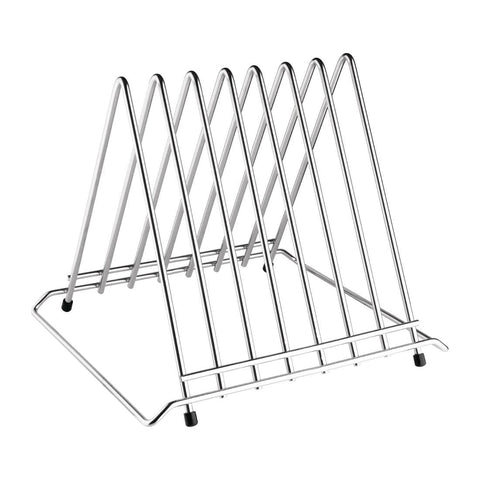

 Hygiplas Heavy Duty Chopping Board Rack St/St - 7 Slots - CH052
328(W) x 280(H) x 297(D)mm
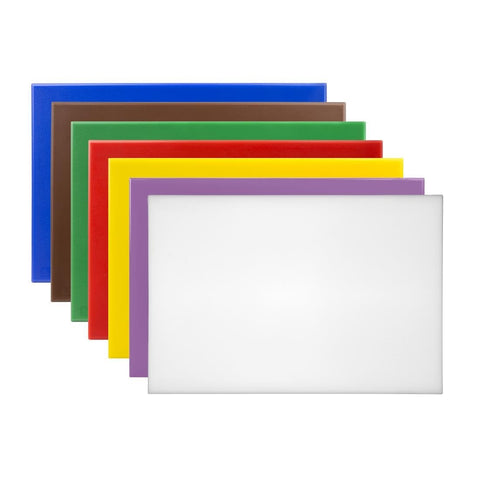
 Hygiplas High Density Set of 7 Antibacterial Chopping Board Set - 450x300x10mm - CH045
300(W) x 10(H) x 450(D)mm
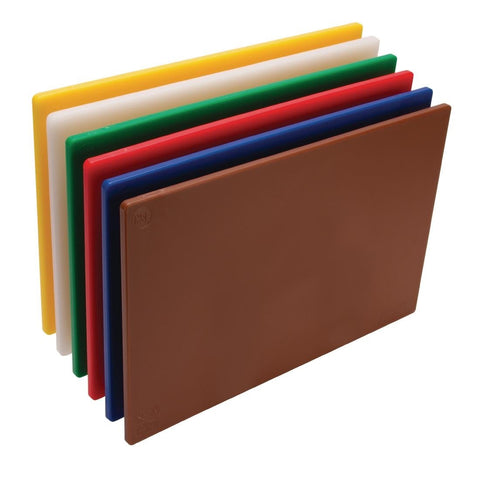
 Hygiplas Low Density Pack of 6 Chopping Boards 450x300x10mm - W356
455(W) x 10(H) x 305(D)mm
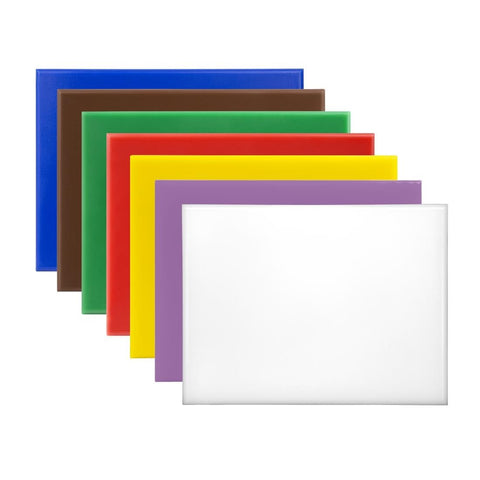
 Hygiplas High Density Set of 7 Chopping Board Set - 229x305x12mm - CH050
229(W) x 12(H) x 305(D)mm
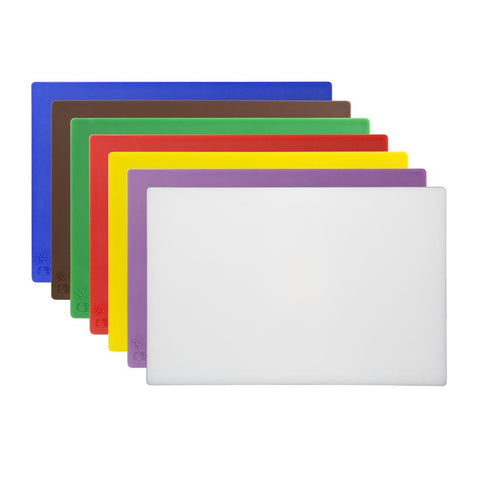
 Hygiplas Low Density Set of 7 Anti-Bacterial Chopping Board Set - 450x300x10mm - CH046
300(W) x 10(H) x 450(D)mm
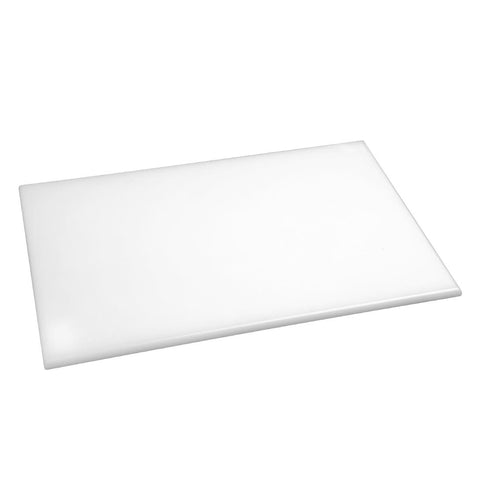
 Hygiplas High Density Chopping Board White - 450x300x12mm - J016
450(W) x 12(H) x 300(D)mm
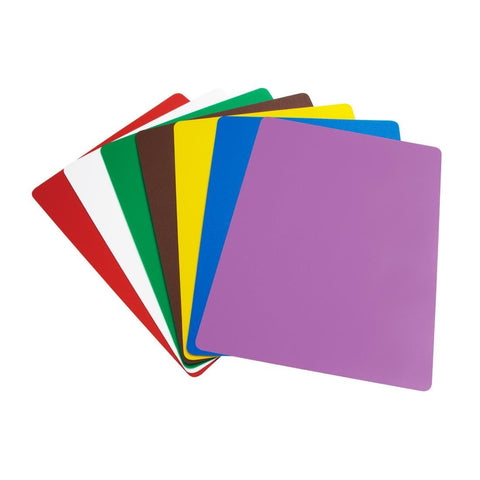
 Hygiplas Set of 7 Chopping Mats - 300x450mm - CH043
300(W) x 10(H) x 450(D)mm
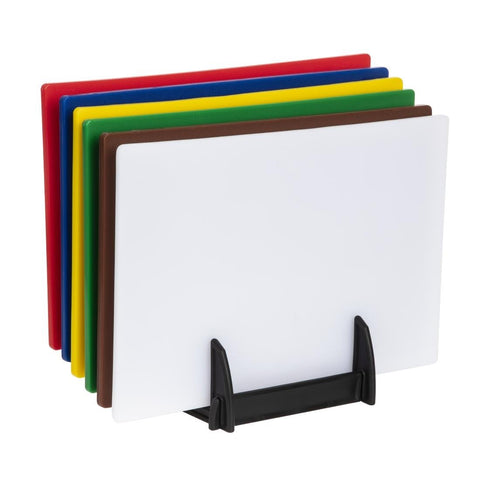
 Hygiplas Standard Low Density Set of 6 Chopping Boards with Rack - 10x300x450mm - FY329
455(W) x 10(H) x 305(D)mm
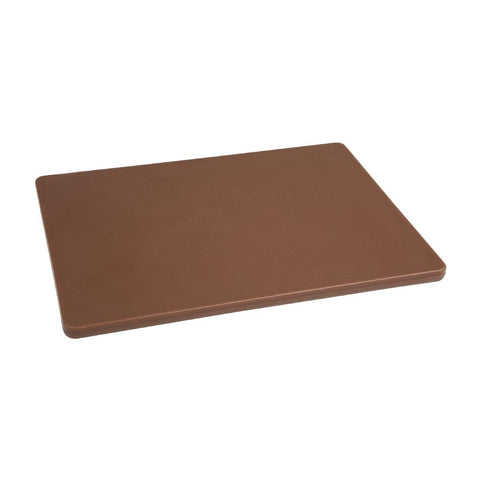
 Hygiplas Low Density Chopping Board Brown - 305x229x12mm - GH792
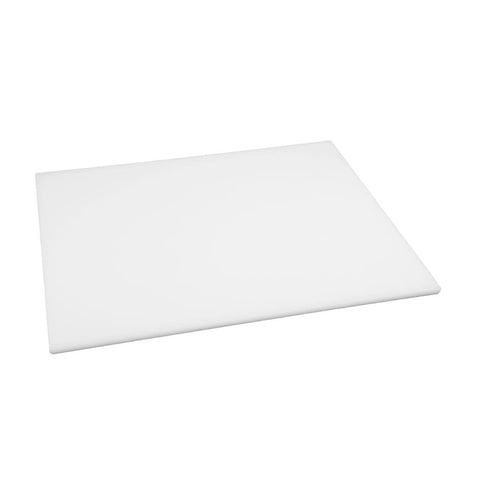
 Hygiplas Low Density Chopping Board White - 305x229x12mm - GH795
229(W) x 12(H) x 305(D)mm
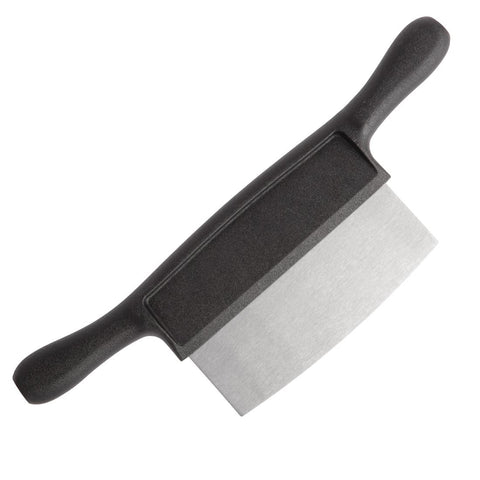
 Hygiplas Heavy Duty Chopping Board Scraper - L400
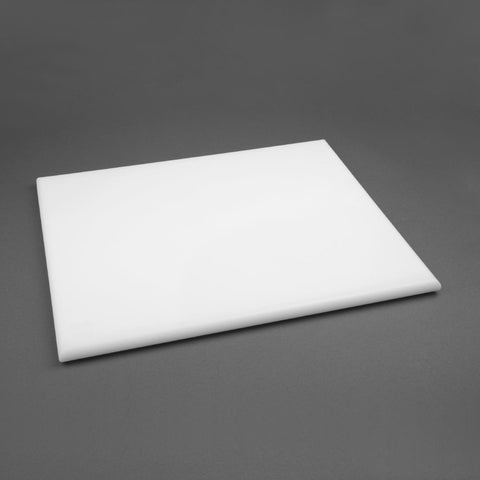
 Hygiplas Extra Thick High Density Chopping Board White - 600x450x25mm - J044
450(W) x 25(H) x 600(D)mm
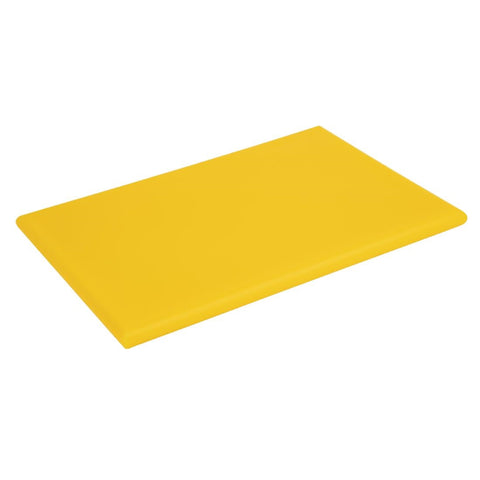
 Hygiplas Extra Thick High Density Chopping Board Yellow - 450x300x20mm - J039
450(W) x 25(H) x 300(D)mm
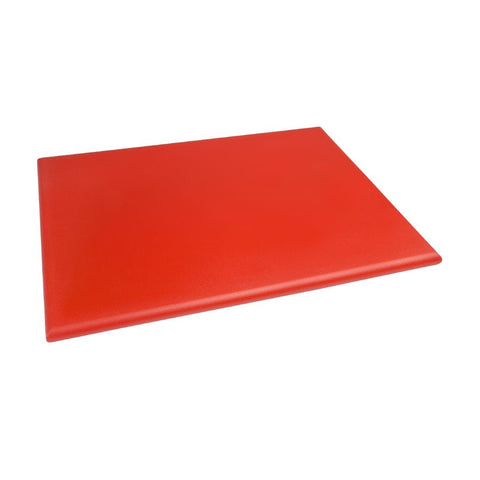
 Hygiplas Extra Thick High Density Chopping Board Red - 600x450x25mm - J047
450(W) x 25(H) x 600(D)mm
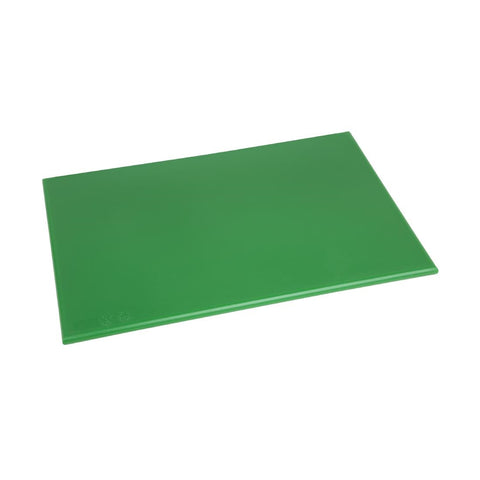
 Hygiplas High Density Chopping Board Green - 450x300x12mm - J012
450(W) x 12(H) x 300(D)mm
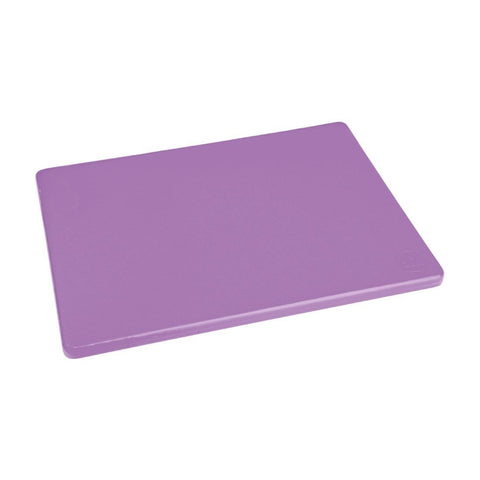
 Hygiplas Low Density Chopping Board Small Purple - 229x305x12mm - FX106
229(W) x 12(H) x 305(D)mm
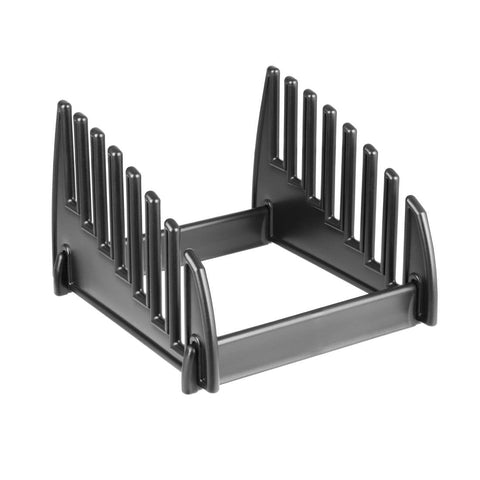
 Hygiplas Plastic Chopping Board Rack - 7x1/2" 14mm slots - CH051
376(W) x 239(H) x 297(D)mm
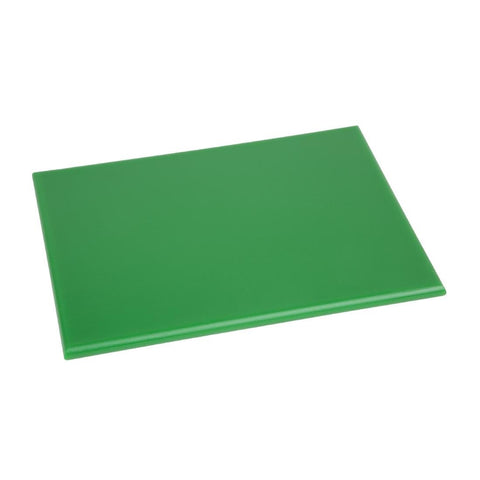
 Hygiplas High Density Chopping Board Green - 12x229x305mm - HC865
225(W) x 12(H) x 300(D)mm
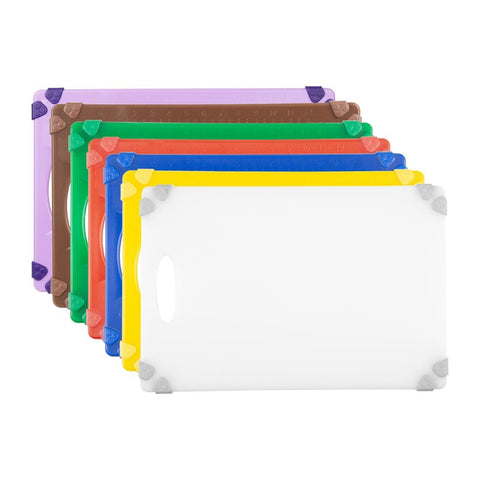
 Hygiplas Commercial Grip Set of 7 Chopping Board - 458x306x12mm - HW001
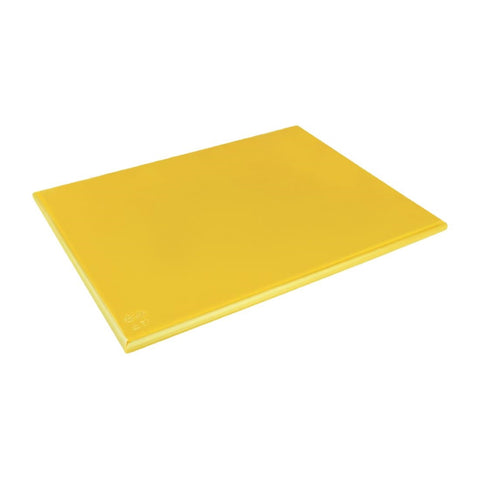
 Hygiplas Extra Thick High Density Chopping Board Yellow - 600x450x25mm - J045
450(W) x 25(H) x 600(D)mm
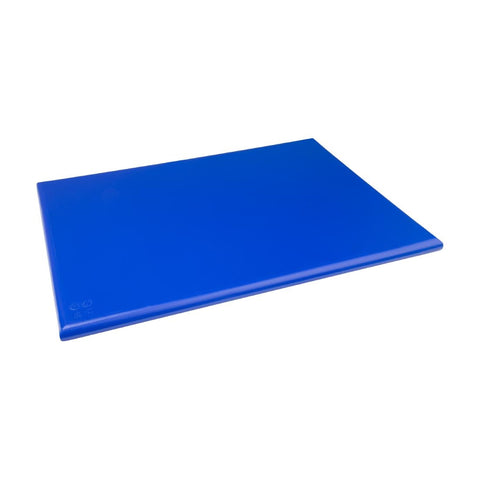
 Hygiplas Extra Thick High Density Chopping Board Blue - 600x450x25mm - J042
450(W) x 25(H) x 600(D)mm
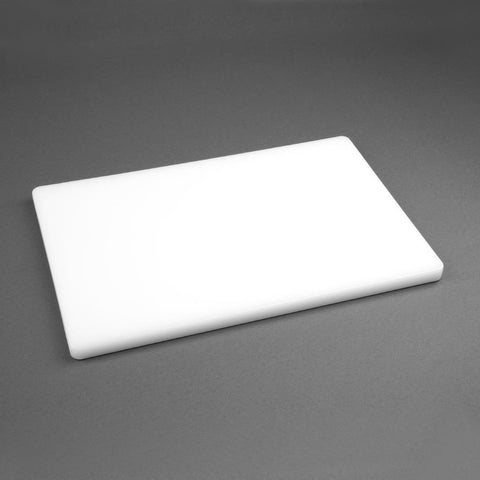
 Hygiplas Extra Thick Low Density Chopping Board White - 450x300x20mm - DM001
450(W) x 20(H) x 300(D)mm
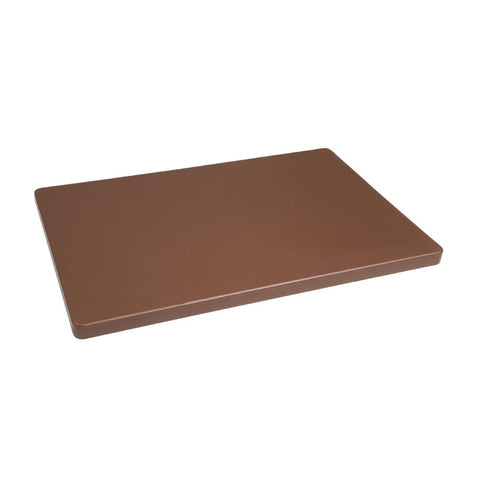
 Hygiplas Extra Thick Low Density Chopping Board Brown - 450x300x20mm - DM003
450(W) x 20(H) x 300(D)mm
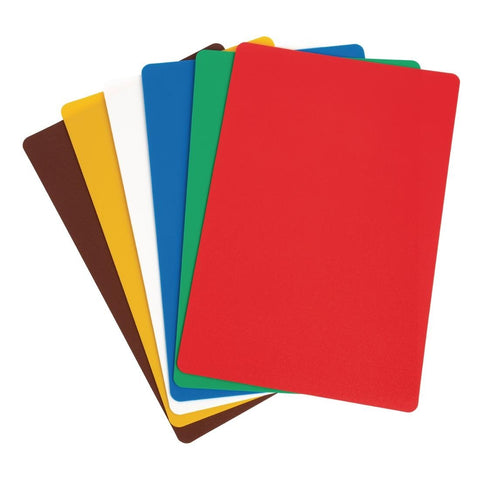
 Hygiplas Pack of 6 Colour Coded Chopping Mat Set - 300x450mm - CP520
450(W) x 1.5(H) x 300(D)mm
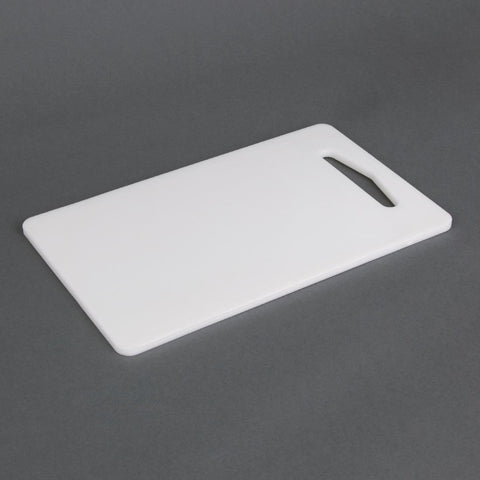
 Hygiplas Low Density Cutting Board White - 153x250x6mm - CD269
153(W) x 6(H) x 255(D)mm
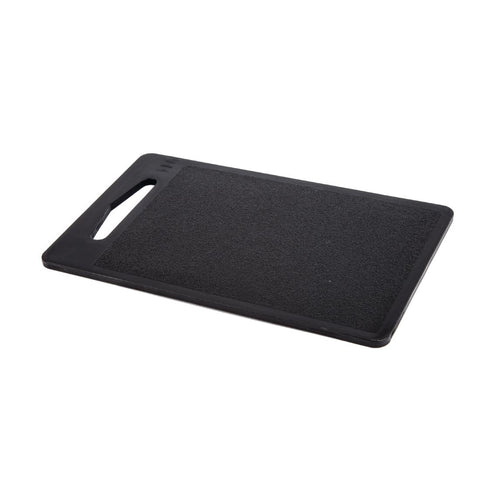
 Hygiplas Bar Cutting Board Black - 53x255x7mm - DC717
153(W) x 7(H) x 255(D)mm
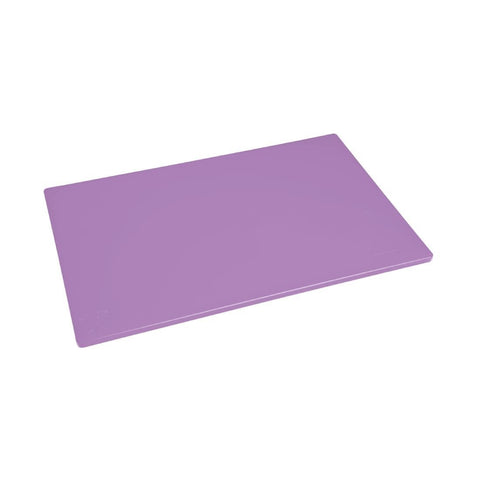
 Hygiplas Anti-bacterial Low Density Chopping Board Purple - 450x300x10mm - FX110
300(W) x 10(H) x 450(D)mm
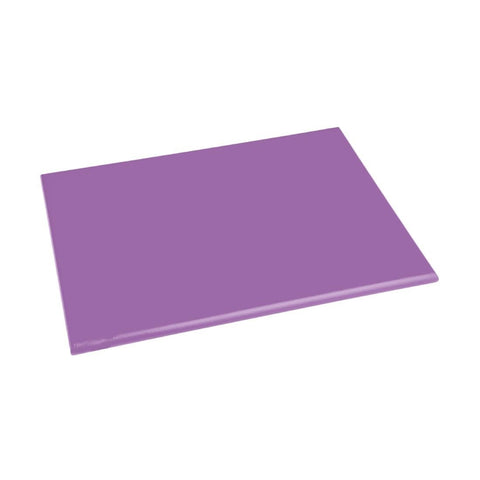
 Hygiplas High Density Chopping Board Small Purple - 12x229x305mm - FX100
229(W) x 12(H) x 305(D)mm
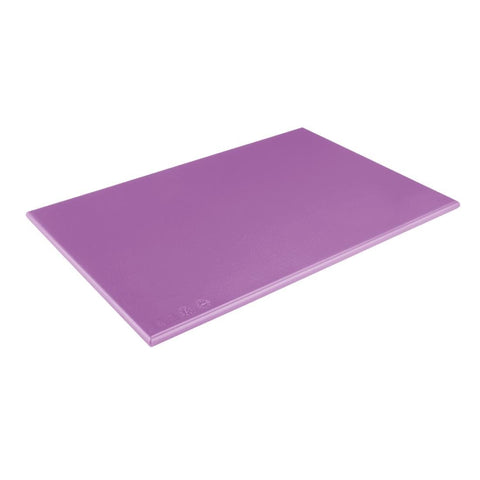
 Hygiplas High Density Chopping Board Purple - 450x300x25mm - FX102
300(W) x 25(H) x 450(D)mm
 Hygiplas Low Density Set of 7 Chopping Boards, Steel Rack & Wall Chart - 300x450x20mm - FY994
300(W) x 450(H) x 20(D)mm
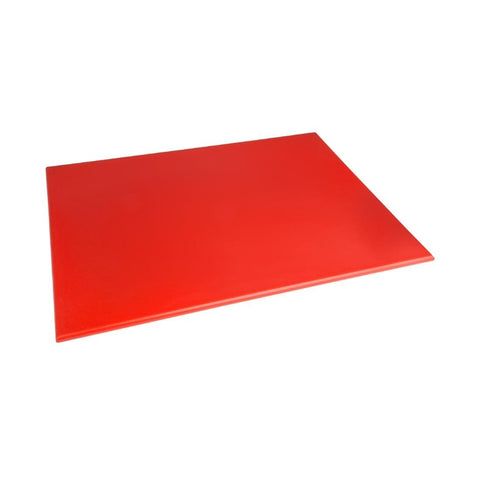
 Hygiplas High Density Chopping Board Red - 600x450x12mm - J011
600(W) x 12(H) x 450(D)mm
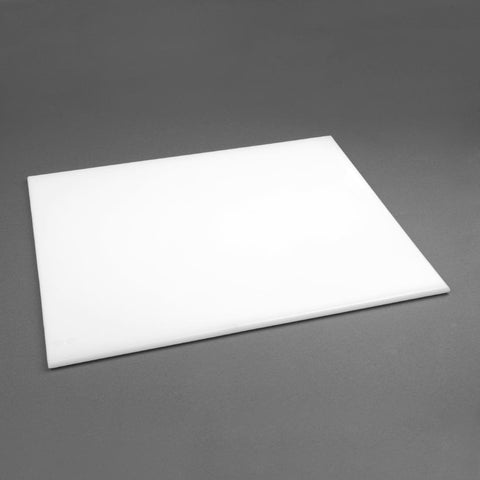
 Hygiplas High Density Chopping Board White - 600x450x12mm - J017
600(W) x 12(H) x 450(D)mm
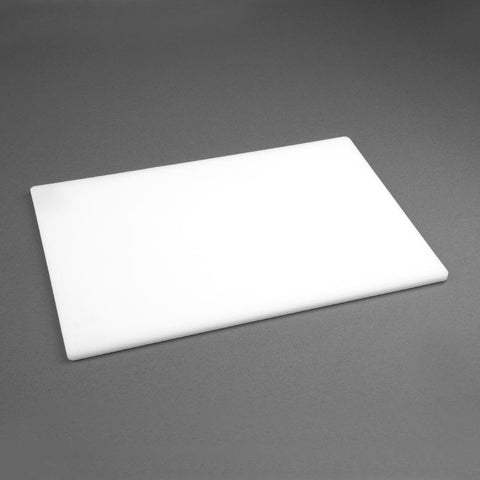
 Hygiplas Low Density Chopping Board White - 600x450x10mm - HC881
600(W) x 10(H) x 450(D)mm
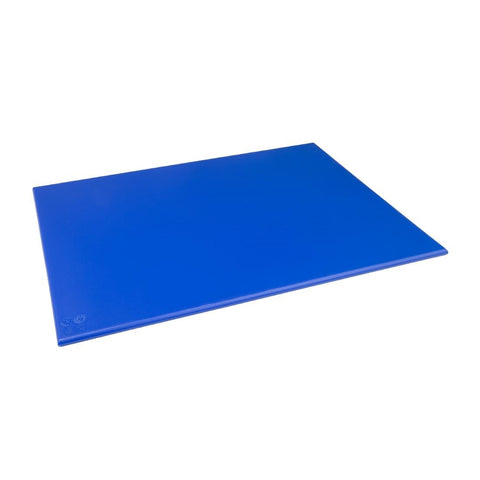
 Hygiplas High Density Chopping Board Blue - 600x450x12mm - J009
600(W) x 12(H) x 450(D)mm
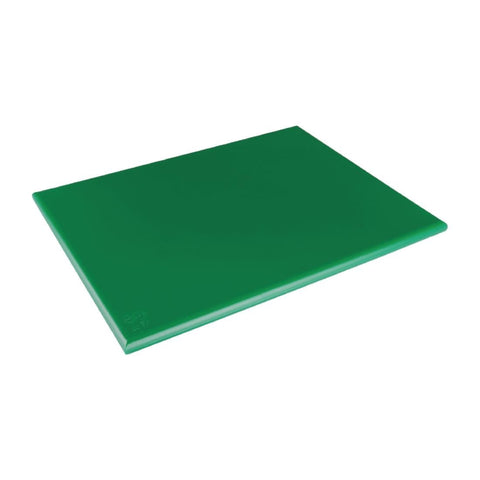
 Hygiplas Extra Thick Low Density Chopping Board Green - 600x450x20mm - HC876
600(W) x 20(H) x 450(D)mm
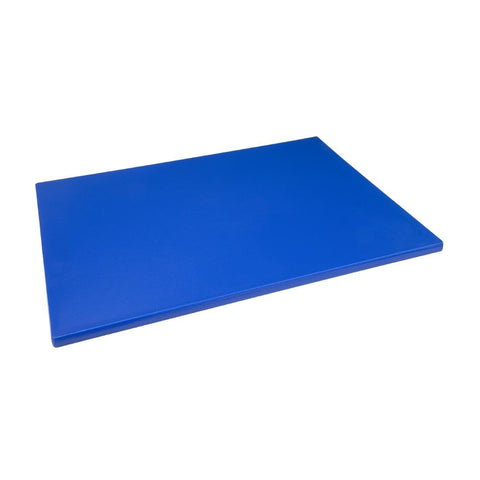
 Hygiplas Extra Thick Low Density Chopping Board Blue - 600x450x20mm - HC872
600(W) x 20(H) x 450(D)mm
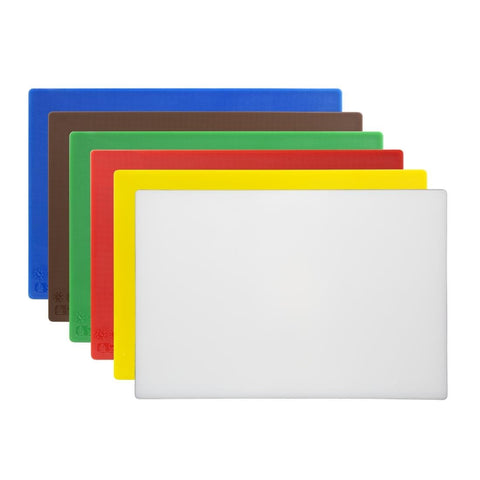
 Hygiplas Antibacterial Low Density Pack of 6 Chopping Boards - 450x300x10mm - HC870
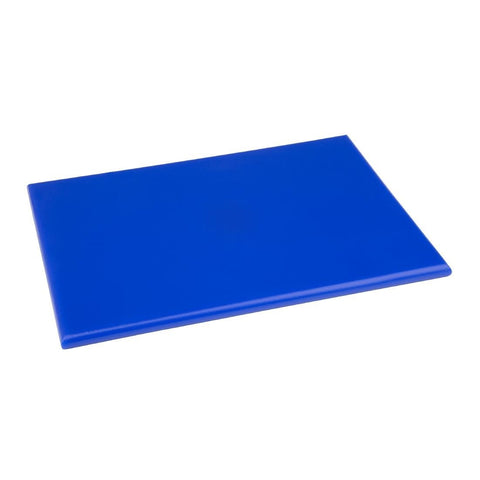
 Hygiplas High Density Chopping Board Blue - 12x229x305mm - HC863
225(W) x 12(H) x 300(D)mm
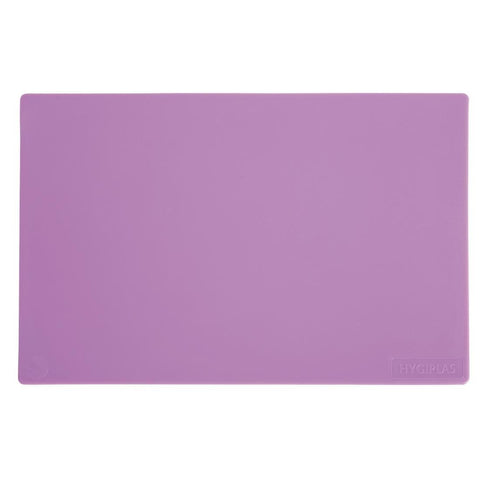
 Hygiplas Low Density Chopping Board Purple - 450x300x10mm - GL295
450(W) x 10(H) x 300(D)mm
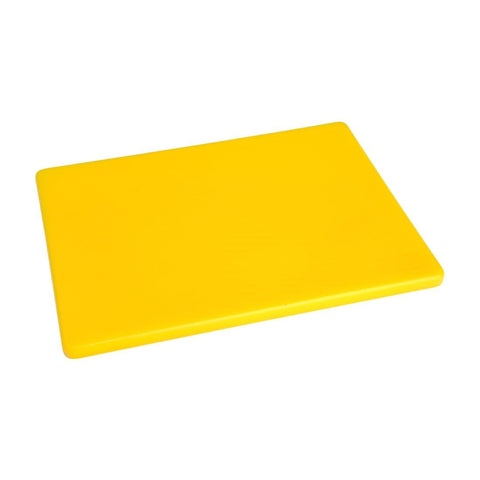
 Hygiplas Low Density Chopping Board Yellow - 305x229x12mm - GH796
229(W) x 12(H) x 305(D)mm
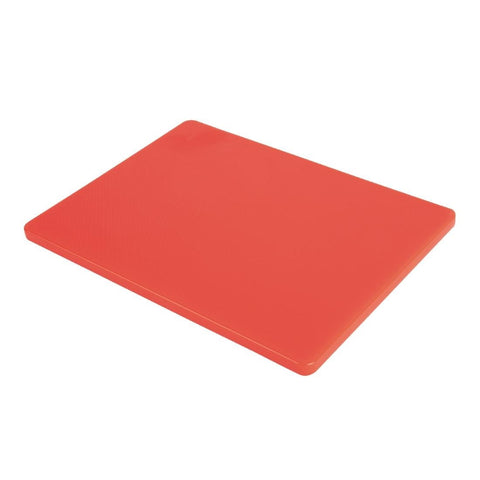
 Hygiplas Low Density Chopping Board Red - 305x229x12mm - GH794
229(W) x 12(H) x 305(D)mm
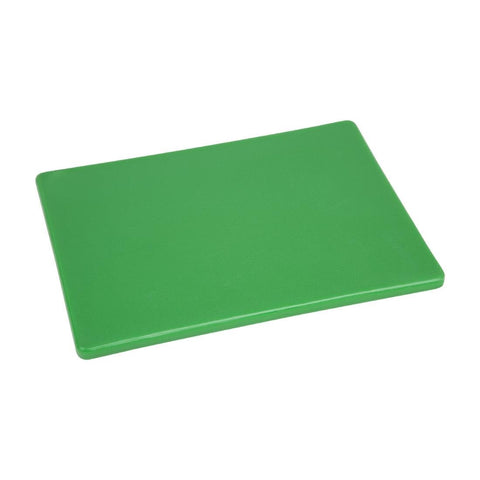
 Hygiplas Low Density Chopping Board Green - 305x229x12mm - GH793
229(W) x 12(H) x 305(D)mm
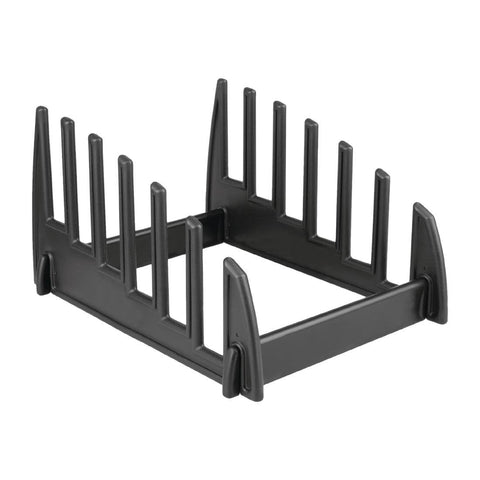
 Hygiplas Plastic Chopping Board Rack Large - GG699
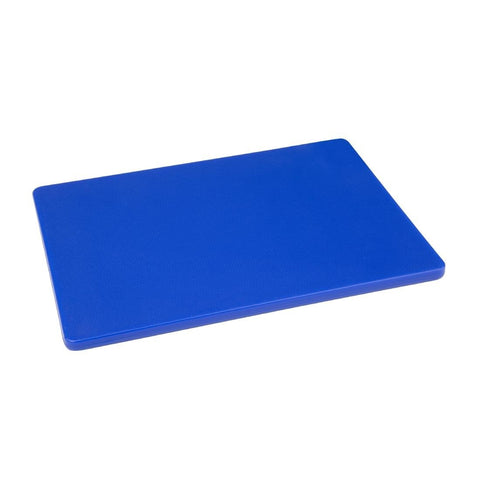
 Hygiplas Low Density Chopping Board Blue - 305x229x12mm - GH791
229(W) x 12(H) x 305(D)mm


 Vogue Small Rectangular Wooden Chopping Board 25x230x150mm - C461
230(W) x 25(H) x 150(D)mm

 Vogue Large Rectangular Wooden Chopping Board 45x610x455mm - C460

 Vogue Medium Rectangular Wooden Chopping Board 45x455x305mm - C459
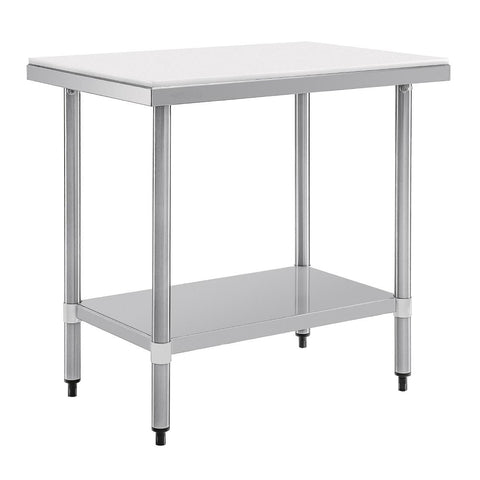
 Vogue Stainless Steel Chopping Board Table 900mm - CB911
900(W) x 900(H) x 600(D)mm
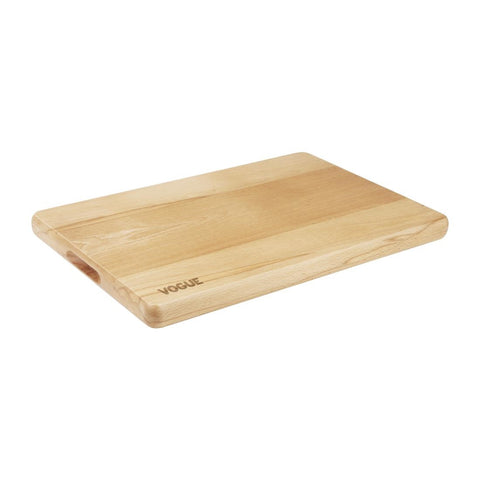
 Vogue Beech Chopping Board Large 510x355x30mm - GP759
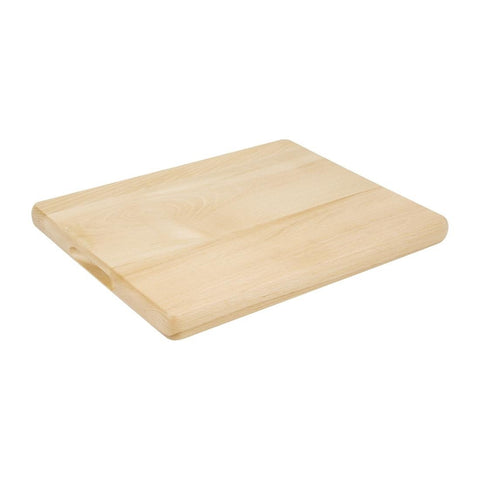
 Vogue Beech Chopping Board Medium 380x305x30mm - GP758
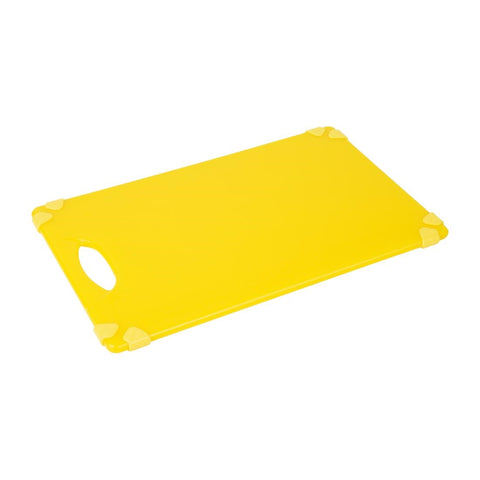
 Hygiplas Commercial Grip Chopping Board Yellow - 458x306mm - HW007
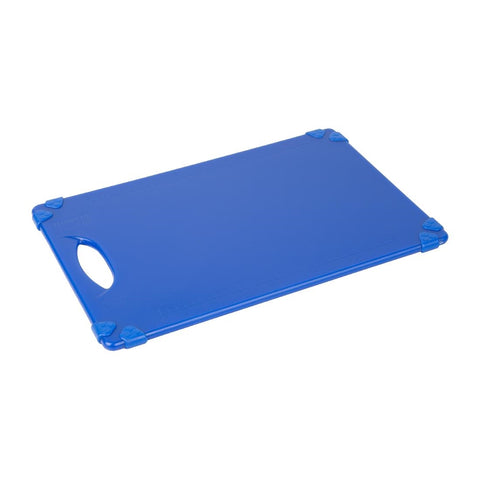
 Hygiplas Commercial Grip Chopping Board Blue - 458x306mm - HW006
A chopping board is where the prep gets done, and a commercial kitchen runs separate boards for raw meat, raw seafood, cooked food, dairy and produce. That colour coding is the standard control for cross-contamination in Australian kitchens, and it only works if there are enough of each colour that nobody has to improvise.
A commercial chopping board is a different purchase from a domestic one. It has to take a knife hundreds of times a day, survive a high-temperature machine wash, and still be flat and sanitisable in a year. A cutting board that cups or scores deeply has to be replaced, not resurfaced.
Three materials cover most of the market. Polyethylene boards are the commercial default: colour coded, machine washable, cheap to replace and kind enough to an edge. Timber boards are better for a knife and better looking, but they cannot go through a machine. Composite and rubber boards sit between the two — gentler on edges than plastic, heavier, more expensive.
Boards sit with the rest of the commercial kitchen accessories range, and the knives that live on them are under chef knives and commercial knives. Service boards are a separate thing — see slate and wooden serving boards.
Setting up a colour-coded system across a kitchen? Use the price guide to work out what a full set of colours costs for each section.
Polyethylene for nearly everything. Commercial cutting boards in high-density plastic are machine washable, come in the standard colours, and cost little enough that a scored board gets binned rather than argued over.
Timber is better for the knife and better on the eye, and it belongs on a pastry bench or a carving station rather than in general prep. A composite board is the middle option: it costs more and it protects an edge better than plastic does.
Yes, and more than one of the colours you use most. The colour system is a food safety control, and it fails the moment the only red board is in the wash and someone cuts chicken on the green one.
Count by section rather than by kitchen. A prep bench, a larder section and a grill section each need their own set, not a shared rack of boards across the room.
Less than steel, glass or stone, which is the comparison that matters. A professional chopping board in high-density polyethylene is designed to be cut into, and the board takes the damage rather than the edge.
A board that has gone hard and glazed with age is worse for an edge than a new one. That is one of the signs it is due for replacement; see knife sharpeners for the other half of the job.
An end-grain timber kitchen chopping block is the best surface there is for heavy chopping and the kindest to a blade, because the fibres stand on end and the edge goes between them rather than across them.
It is also a maintenance commitment: scraping, oiling and never letting it get soaked. Most kitchens keep one for butchery and use plastic everywhere else.
Polyethylene and composite boards, yes, and that is the main reason they dominate commercial kitchens. A professional cutting board that can take a high-temperature cycle gets properly sanitised rather than wiped.
Timber cannot. It will swell, split and delaminate. Hand wash, scrape and oil it, and keep it away from the commercial dishwasher entirely.
When the knife scores are deep enough to hold food after a wash, when the surface has cupped so it rocks on the bench, or when the colour has stained through. All three mean it can no longer be reliably sanitised.
Deep-cut kitchen chopping boards are the single most common pull-up in a food safety audit. Replacing them is cheaper than failing one.
A damp cloth under it, or a board with a non-slip edge. A board moving under the knife is the most common cause of a cut hand in a kitchen, and the fix costs nothing.
For a station where a kitchen cutting board is in constant use, a board with a moulded grip or a mat under it is worth the small extra. Check the product page for a non-slip feature rather than assuming it.
Cutting board, prep board, chopping block, and in the trade just a board with a colour in front of it. Brand-led searches turn up too, such as a kitchenaid cutting board, but the brand matters far less than the material and the thickness.
Compare the material, the thickness and whether it is machine washable rather than the name on the listing. The rest of the prep bench — mixing bowls and kitchen scales — gets bought the same way.

We have a special page just for stock that's warehoused in Perth.
Click Here to see all WA stockWhat our customers say about us on Google, and how Google scores our store for things like shipping and returns.
Store scores from Google