


 03 9070 5784
 Help & Support
 Track My Order



Recently Viewed
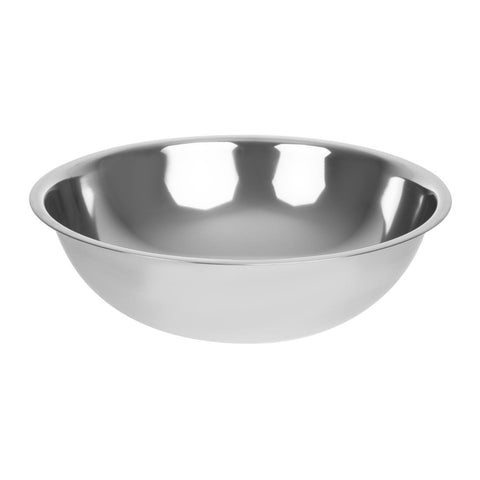

 Vogue Stainless Steel Mixing Bowl 12Ltr - GC141
455(W) x 135(H) x 455(D)mm
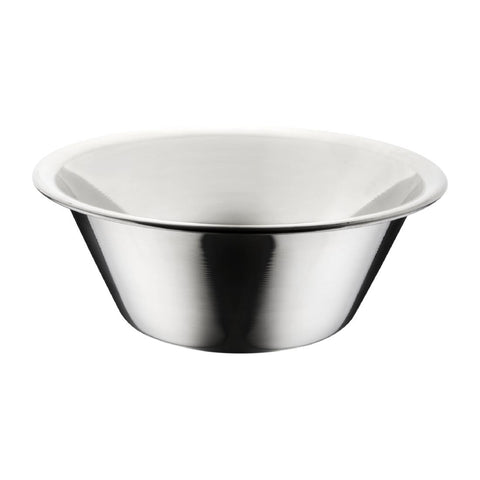
 Vogue Stainless Steel Mixing Bowl 4Ltr - K535
279(W) x 50(H) x 279(D)mm
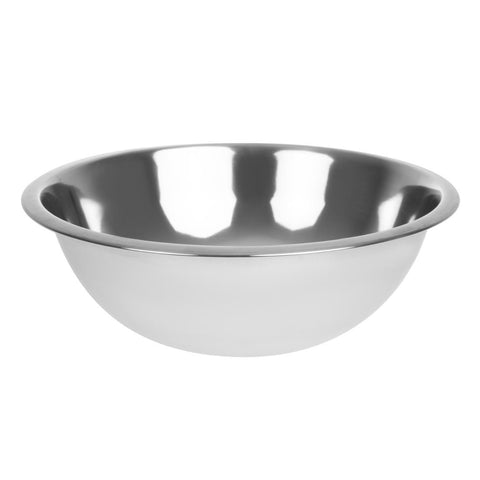
 Vogue Stainless Steel Mixing Bowl 2.2Ltr - GC135
250(W) x 75(H) x 250(D)mm
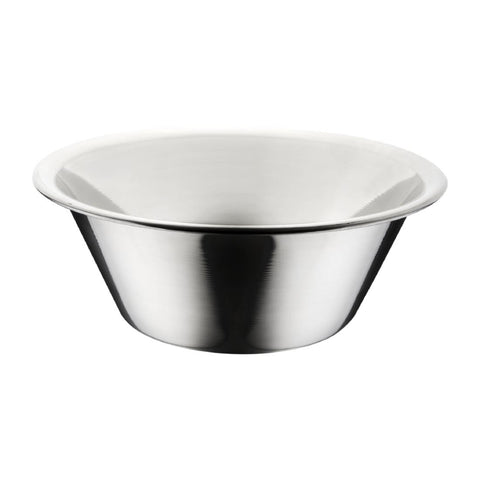
 Vogue Stainless Steel Mixing Bowl 6Ltr - K537
330(W) x 50(H) x 330(D)mm
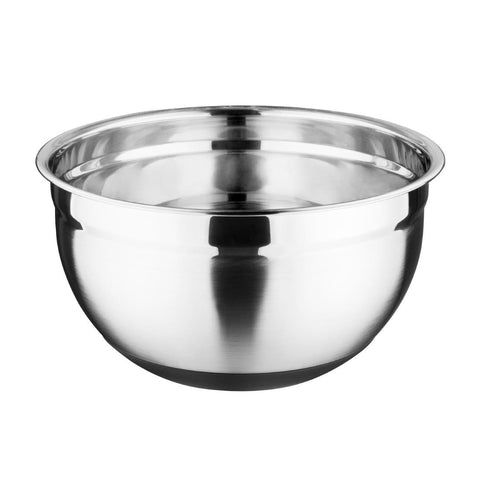
 Vogue Stainless Steel Mixing Bowl with Silicone Base 5Ltr - GG022
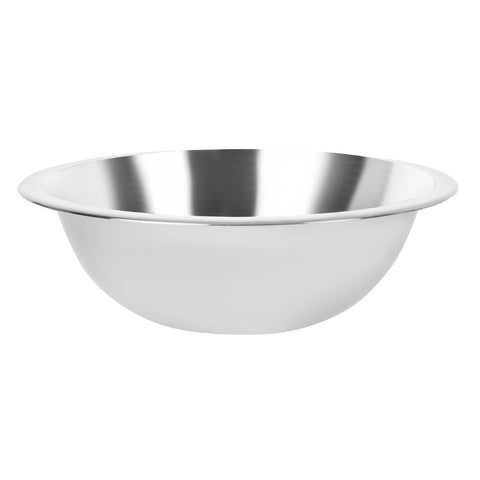
 Vogue Stainless Steel Mixing Bowl 1Ltr - DL937
203(W) x 65(H) x 203(D)mm
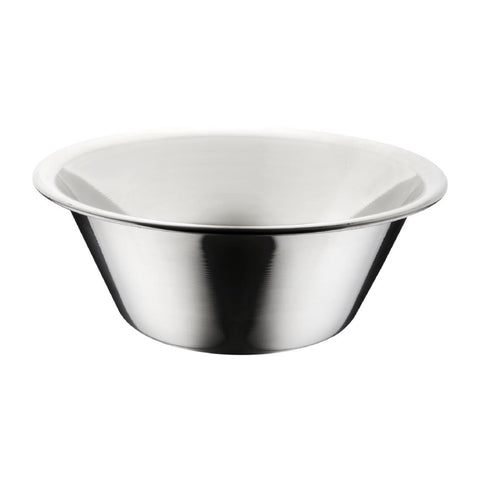
 Vogue Stainless Steel Mixing Bowl 5Ltr - K536
305(W) x 50(H) x 305(D)mm
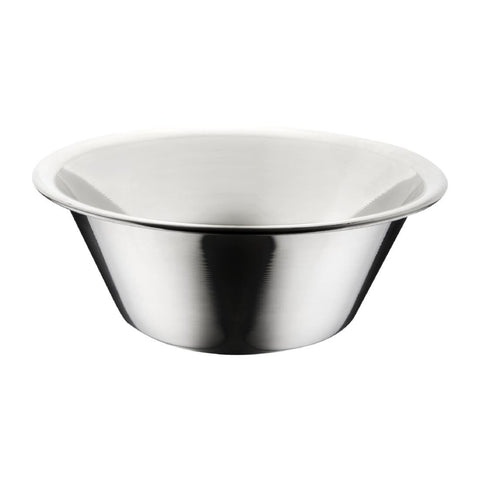
 Vogue Stainless Steel Bowl 8Ltr - K538
356(W) x 50(H) x 356(D)mm
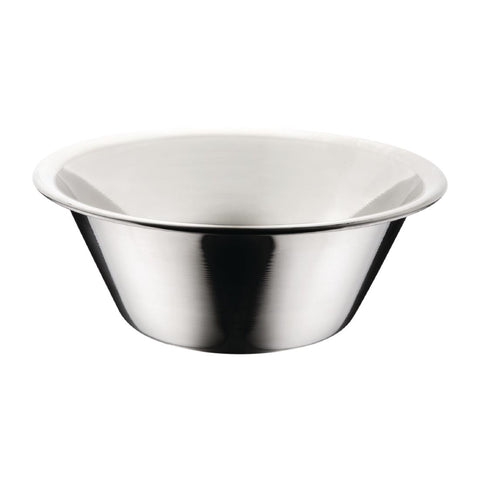
 Vogue Stainless Steel Mixing Bowl 2Ltr - K533
241(W) x 50(H) x 241(D)mm
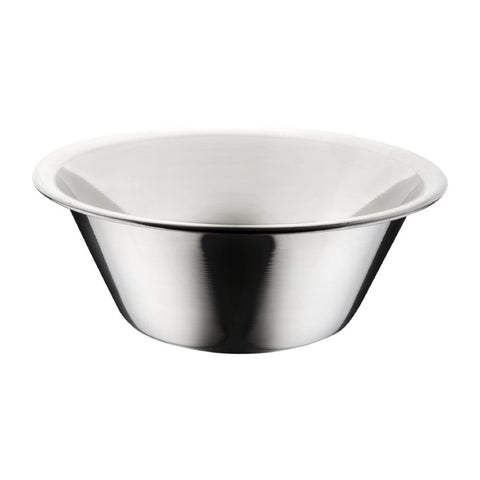
 Vogue Stainless Steel Mixing Bowl 1Ltr - K531
165(W) x 50(H) x 165(D)mm
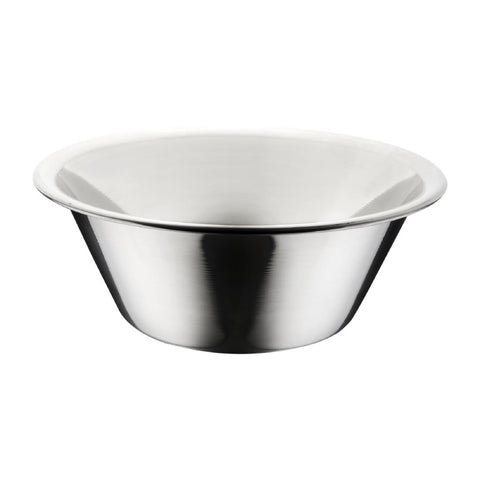
 Vogue Stainless Steel Mixing Bowl 0.5Ltr - K530
153(W) x 50(H) x 153(D)mm
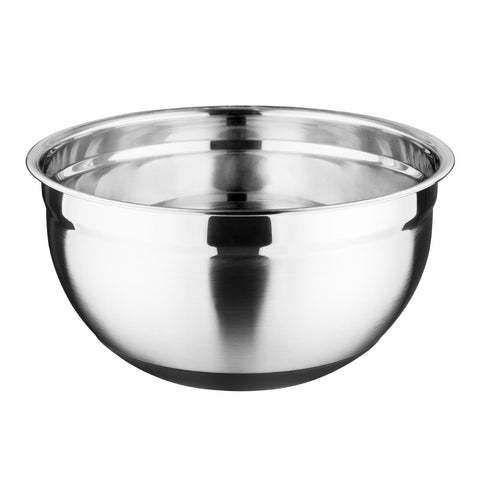
 Vogue 8Ltr Mixing Bowl with Silicone Base - GG023
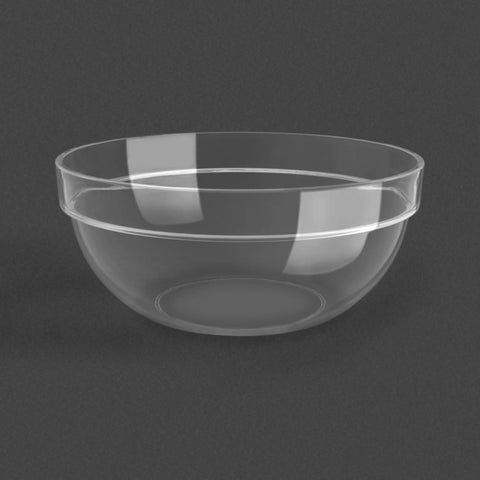

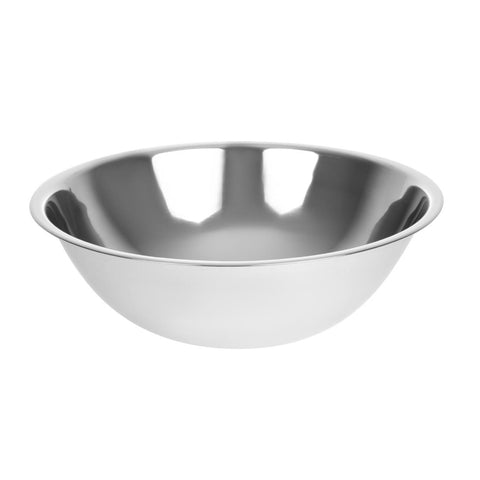
 Vogue Stainless Steel Mixing Bowl 4.8Ltr - GC138
A mixing bowl is where the prep happens: dressings and egg wash whisked up, batch work mixed and carried out to the line. A commercial mixing bowl gets filled, emptied, washed and refilled several times an hour, so it is bought on how it stacks, how fast it washes and whether it stays put on the bench while someone whisks in it.
Stainless and polycarbonate cover nearly all of it. Stainless is inert, takes heat, chills down over ice and lasts indefinitely; 304 stainless steel is the food-safety grade used in Australian commercial kitchens. Polycarbonate is clear, lighter and easier to carry full, and it is the usual choice for food preparation bowls where the contents need to be seen.
Our commercial mixing bowls include small bowls for dressings and egg wash up to large bowls for batch work, so you can start with the areas that need covering now and add more as your business grows.
Bowls sit in the commercial cookware range beside commercial whisks, commercial spatulas and measuring jugs, and the machine versions are under commercial planetary mixers.
Deciding how deep to buy the mid-sizes? The price guide lists bowl capacities in stainless and polycarbonate, so a nesting set can be costed in one go.
Stainless for anything hot, anything acidic, and anything that needs to go over or into ice. It is also the one that survives being dropped on a tiled floor.
Polycarbonate for anything where seeing the contents helps, and for the big bowls that get carried full. A food mixing bowl in plastic is lighter, which matters at the large sizes.
Because it has a narrow or rounded base and nothing under it. A damp cloth folded under the bowl fixes it, and so does a bowl with a wider flat base or a silicone ring.
An industrial mixing bowl in a heavier gauge also moves less simply because of its own weight. For anything beaten by hand at volume, that is worth having.
A small one for dressings and egg wash, two or three mid-sizes as the everyday workhorses, and one large bowl for batch work. The mid-sizes should be bought several deep.
Check whether the sizes nest before you buy. Bowls that nest take a fraction of the shelf space of bowls that do not.
Yes, and that is one of the main reasons kitchens hold stainless. The bowl has to sit above the water rather than in it, and the rim should be wide enough to rest on the pot without tipping.
Check the bowl against the pot before relying on it in service. See commercial stock pots for the base of that arrangement.
Stainless, yes — it is inert and will not react with citrus, tomato or vinegar. Bare aluminium bowls will, and that is the main reason they have largely disappeared from prep benches.
Polycarbonate is also inert, but it stains with turmeric, tomato and beetroot, which is cosmetic rather than a safety issue.
Stainless bowls, without exception, and they come out better for it. Polycarbonate usually can, but repeated high-temperature cycles cloud and eventually craze it, and a crazed bowl has to be retired.
Rack them inverted so they drain. A commercial dishwasher will fill an upright bowl with dirty water from the rack above.
Hold enough of them. Bowls are the item every section borrows from every other section, and a kitchen that is short of them ends up with prep sitting in gastronorm pans instead.
Buy deep and store them where they are used. Overhead kitchen wall shelves at each bench works better than one central stack.

We have a special page just for stock that's warehoused in Perth.
Click Here to see all WA stockWhat our customers say about us on Google, and how Google scores our store for things like shipping and returns.
Store scores from Google