


 03 9070 5784
 Help & Support
 Track My Order



Recently Viewed
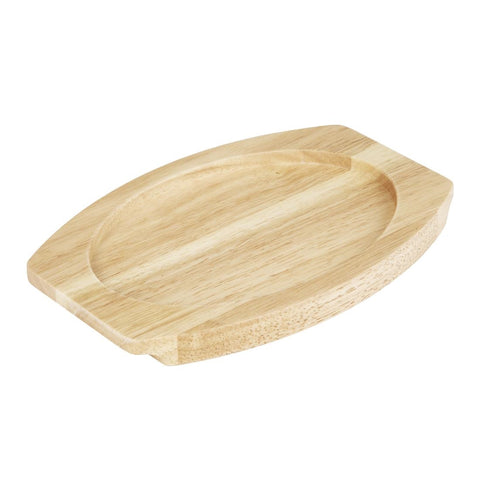

 Olympia Hevea Board for Cast Iron Oval Eared Dish 260x165mm (FW817) - FW977
165(W) x 19(H) x 260(D)mm
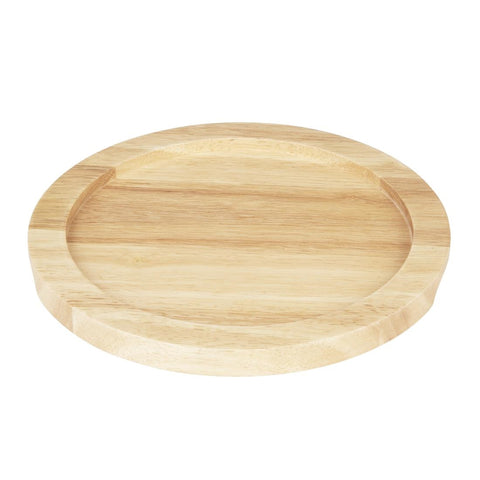
 Olympia Hevea Board for Cast Iron Round Dish 254mm (GJ556) - FW976
254(W) x 19(H) x 254(D)mm
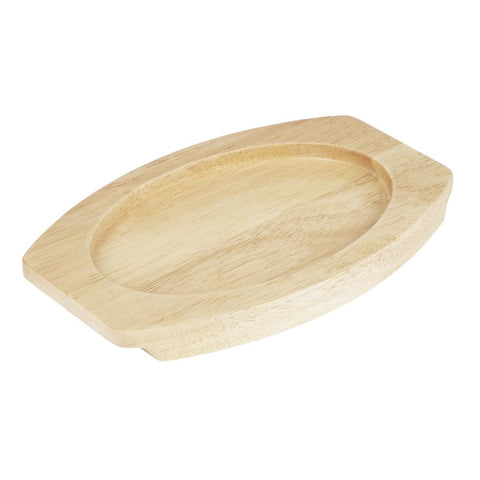
 Olympia Hevea Board for Cast Iron Oval Eared Dish 230x135mm (FW818) - FW978
135(W) x 19(H) x 230(D)mm
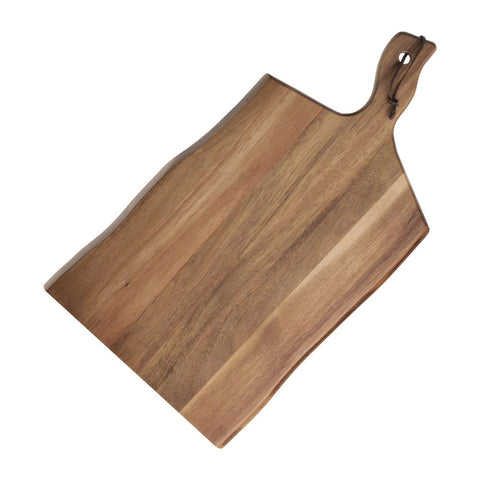
 Olympia Acacia Wavy Handled Wooden Board Large - GM264
355(W) x 15(H) x 250(D)mm
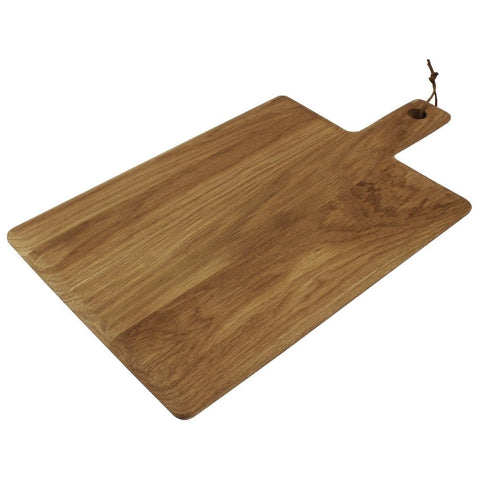
 Olympia Oak Handled Wooden Board Large - GM261
350(W) x 15(H) x 260(D)mm
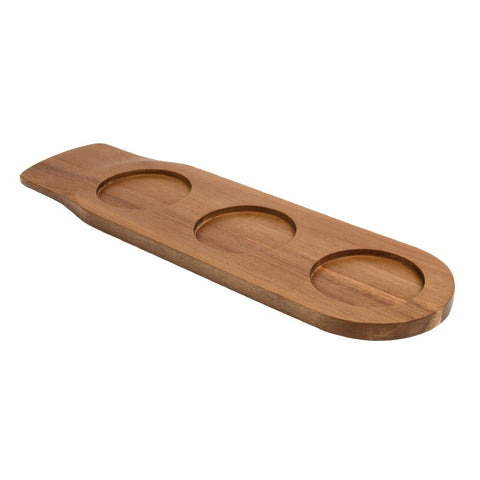
 Olympia Ramekin Board - GF208
140(W) x 16(H) x 480(D)mm
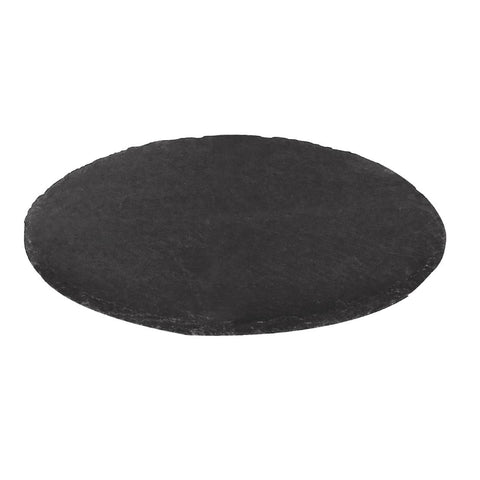
 Olympia Slate Pizza Board - GF316
330(W) x 80(H) x 330(D)mm
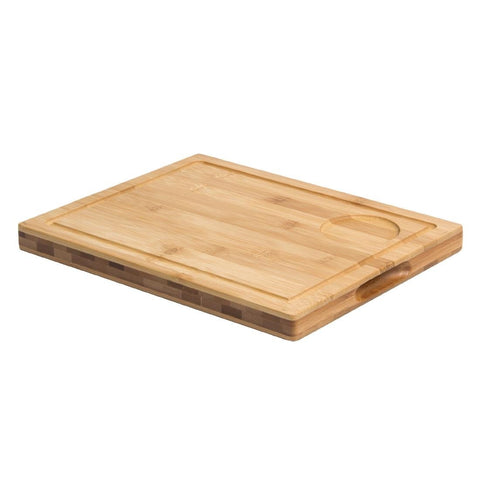
 Olympia Bamboo Presentation Board 310 x 240mm - GF206
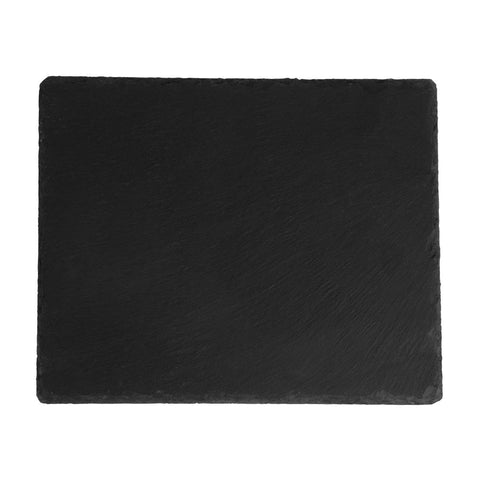
 Olympia Natural Slate Tray GN 1/2 - DP161
265(W) x 7(H) x 325(D)mm
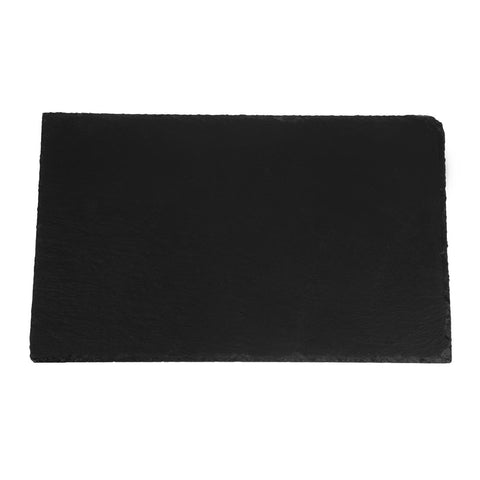
 Olympia 1/1 GN Natural Slate Tray - DP160
325(W) x 8(H) x 530(D)mm
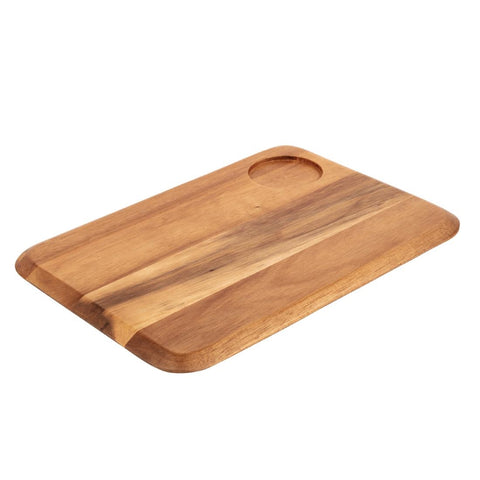
 Olympia Rounded Acacia Presentation Board - DP156
340(W) x 15(H) x 240(D)mm
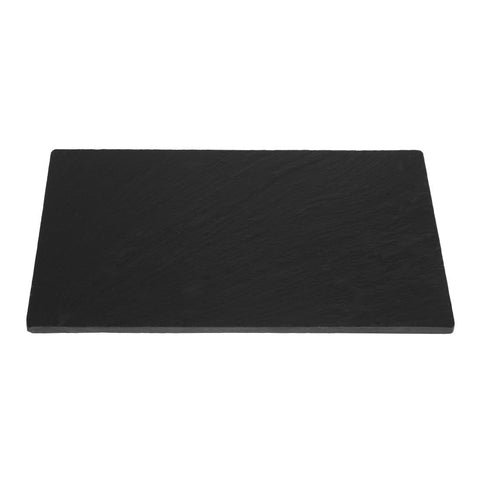
 Olympia Smooth Edged Slate Platters 280 x 180mm (2 Pack) - CM063
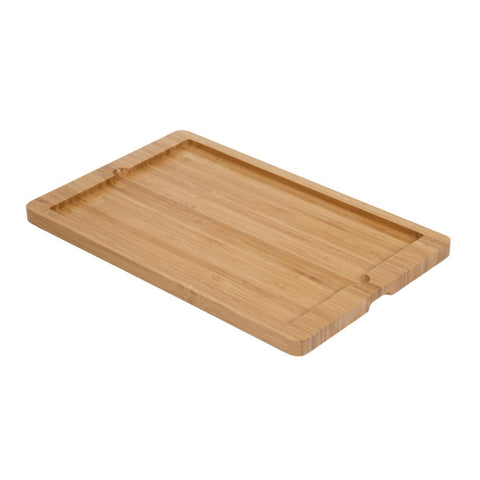
 Olympia Wooden Base for Slate Platter 330 x 210mm - CM061
330(W) x 15(H) x 210(D)mm
Slate and wooden serving boards carry cheese, charcuterie, share plates and tasting menus to the table, and the board is part of how the dish reads to the customer. They are presentation pieces, not prep surfaces. Slate serving boards suit cheese, charcuterie and anything served cool, because the stone stays cold. Wooden serving boards suit bread, share plates and anything warm, because timber does not chill the food.
The practical catch with both is cleaning. Neither goes through a machine. Timber swells, splits and loses its finish; slate chips and the backing feet come off. Every board in this category is a hand-wash item, so count the labour in.
Serving platters in this style also get chosen on how they sit on a table. A board with rubber feet does not scratch the table and does not slide when a customer cuts on it.
Boards sit with cast iron sizzlers and food display baskets in the buffet and table service range. For prep work, use a chopping board instead.
Putting a share-plate menu together? The price guide lists the slate and the timber boards by size, so you can price two or three sizes before you choose.
No. These are service boards and they are not built or finished for knife work, and in most kitchens they would not meet the surface standard for raw food prep anyway.
Keep prep on dedicated chopping boards with a colour-coded system, and keep serving boards out of the prep area entirely so they do not get used by mistake.
Wiped with a damp cloth and dried immediately, with a mild detergent for anything greasy. Slate is porous enough that oil marks it, and it dulls if it is left wet.
A light wipe of food-safe oil restores the black. Do not put slate through a commercial dishwasher — the heat cracks it and the rubber feet come away.
Never soak them, never let them dry on a hot surface, and oil them regularly. Cracks come from the timber drying out unevenly, which is exactly what a soak-and-air-dry cycle does.
Oil when the surface stops looking satin.
Match it to the number of items rather than the number of people. A board that is only just covered looks mean; one that is half empty looks worse.
Hold two or three sizes and let the kitchen choose by dish. The tasting board, the cheese board and the bread board are genuinely different sizes.
Yes, and this is worth checking rather than assuming. The finish is what matters: a board sealed with a food-safe oil or finish is fine, one sealed with a furniture lacquer is not.
Check the stated finish on the product page. Where a board has a handle, a rim or a resin inlay, check that too — the body being food safe does not cover the trim.
Timber will, if the washing discipline holds. Slate is more fragile and chips at the corners, and a chipped slate board has to be retired because the edge cannot be cleaned properly.
Budget for replacement at a higher rate than you would for crockery. These are the items that get dropped on the way back to the kitchen.
Yes — porcelain and stone-look oval plates and slate-effect tableware give a similar look and take a machine cycle. The look is less convincing up close, and most customers do not look that closely.
A reasonable compromise is real boards in the restaurant and machine-washable pieces for functions, where volumes are higher and breakage is certain.

We have a special page just for stock that's warehoused in Perth.
Click Here to see all WA stockWhat our customers say about us on Google, and how Google scores our store for things like shipping and returns.
Store scores from Google