


 03 9070 5784
 Help & Support
 Track My Order



Recently Viewed

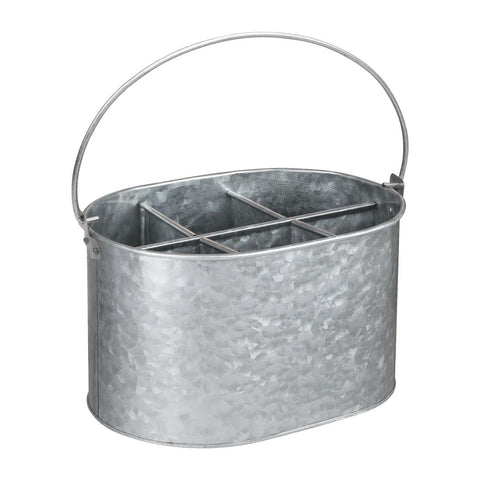

 Olympia Galvanised Table Tidy - 135(H)x240(W)x175(D)mm - CN520
245(W) x 135(H) x 175(D)mm
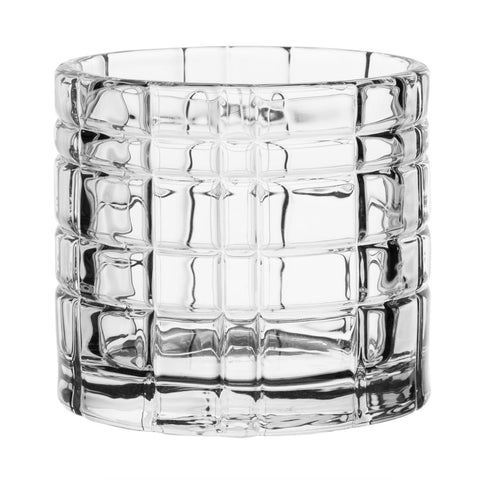
 Olympia Geo Glass Tealight Holders 64x57mm (6 Pack) - HZ332
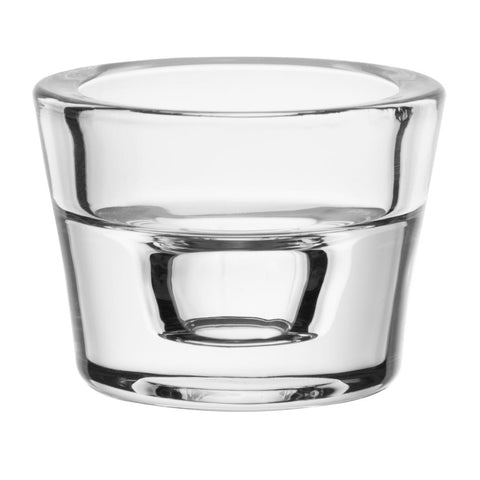
 Olympia Classic Glass Tealight Holder 60x45mm (6 Pack) - HZ333
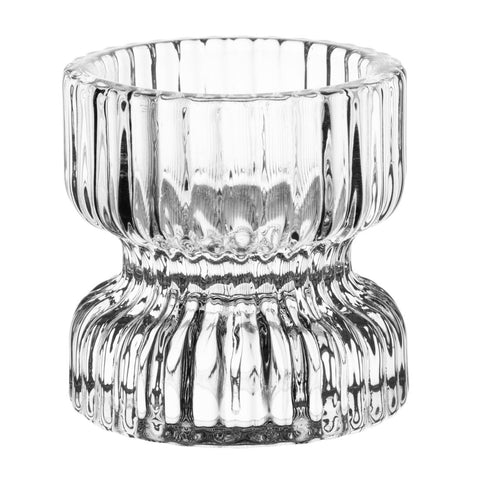
 Olympia Ridged Glass Tealight/Candle Holders 52x52mm (6 Pack) - HZ331

 Olympia Non-Slip Riser Round Black Wire 210x180mm - HY984
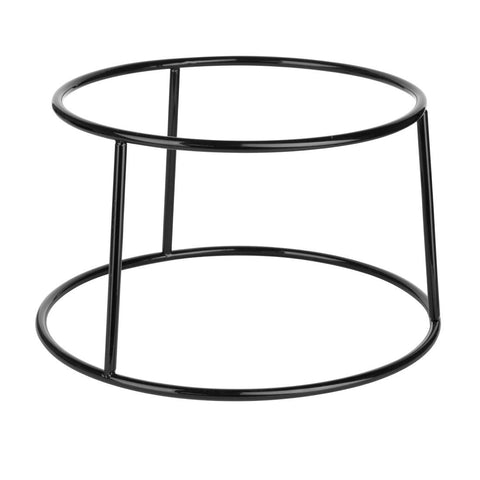
 Olympia Non-Slip Riser Round Multi Black Wire 230x260x150mm - HY986
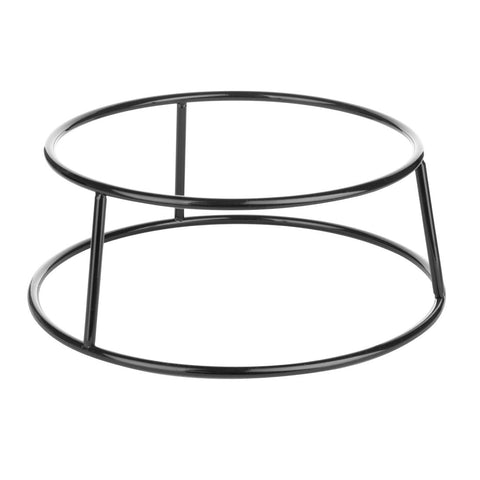
 Olympia Non-Slip Multi-Round Riser Black Wire 230x260x100mm - HY985
230(W) x 100(H) x 230(D)mm
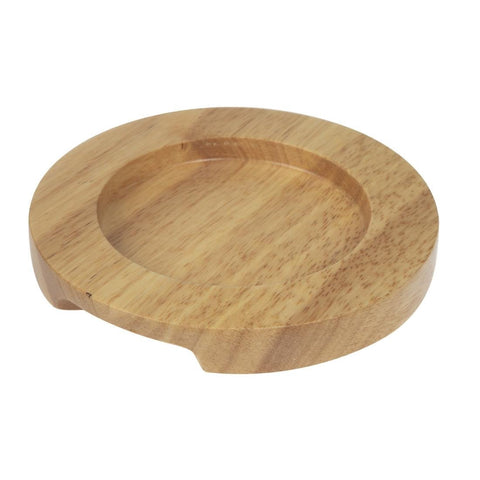

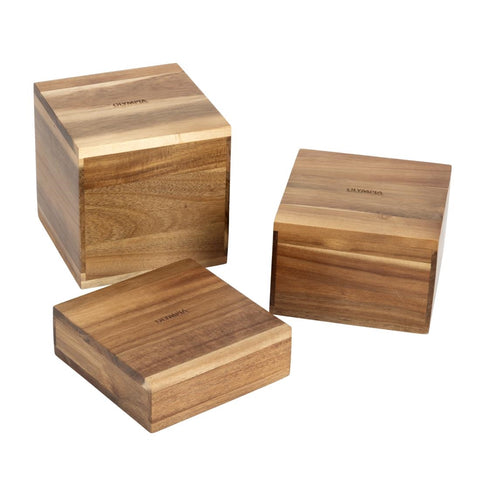
 Olympia Acacia Riser Blocks 50/100/150(H)mm (Set of 3) - DF875
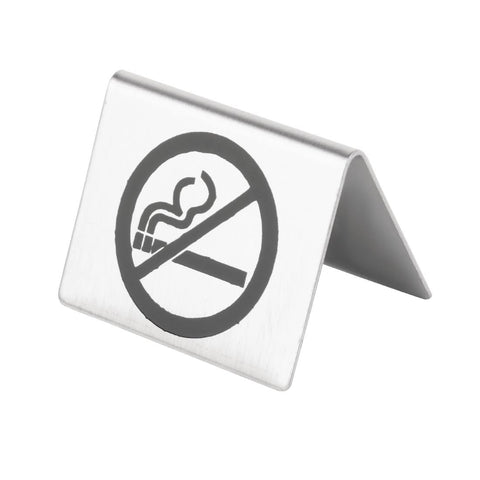
 Olympia Stainless Steel No Smoking Table Sign - U044
51(W) x 35(H) x 38(D)mm

 Olympia Brushed Steel Reserved Table Sign (10 Pack) - U051
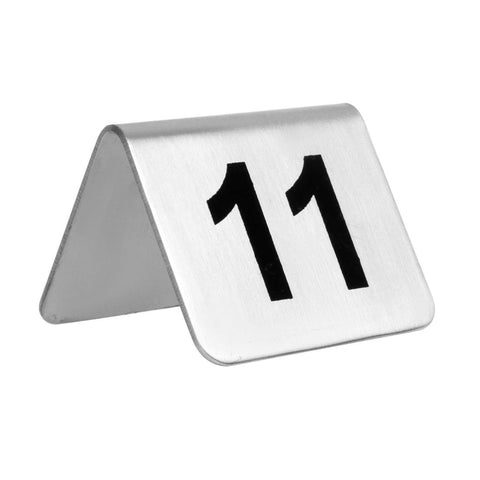
 Olympia Stainless Steel Table Numbers 11-20 (10 Pack) - U047
51(W) x 35(H) x 38(D)mm
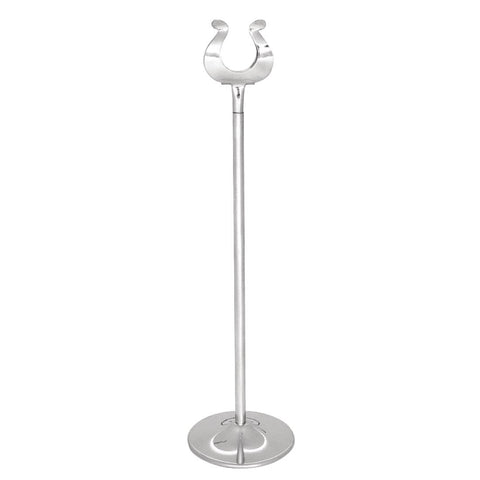


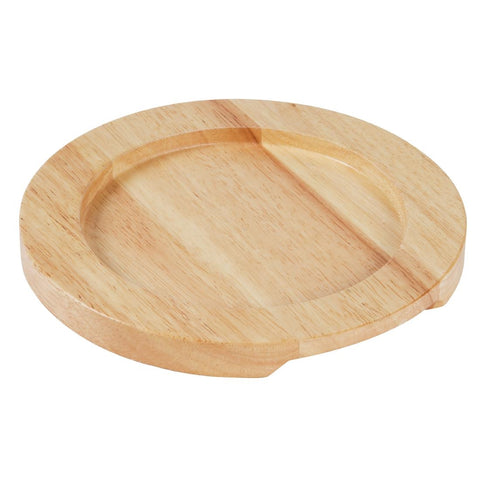
 Olympia Light Wooden Base 210mm - GJ555
210(W) x 19(H) x 210(D)mm
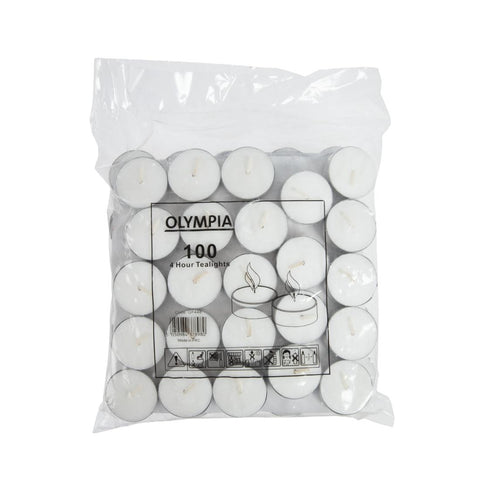
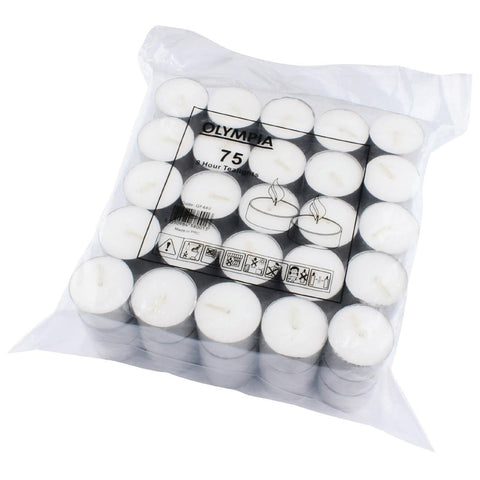
 Olympia 4 Hour Tealights (Pack of 100) - GF448
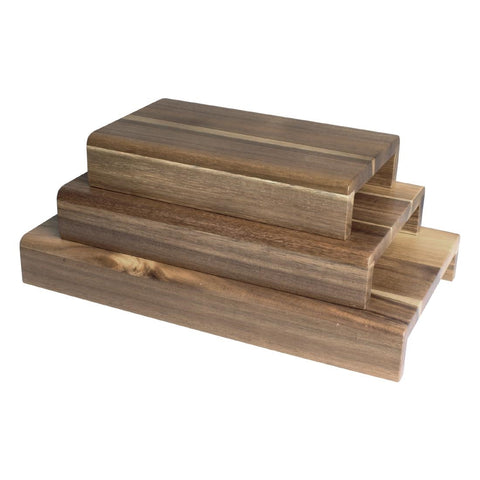
 Olympia Acacia Wood Riser Set (3 Pack) - CP697
250(W) x 50(H) x 145(D)mm
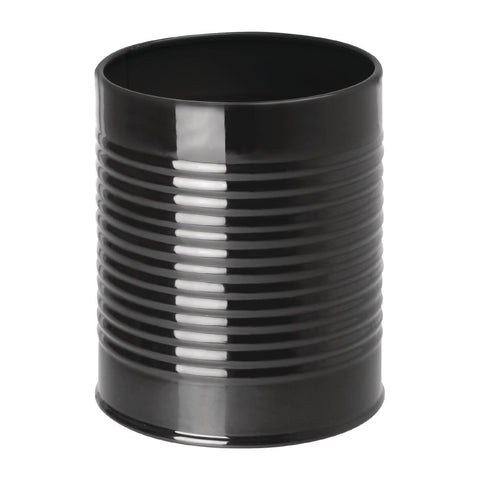
 Olympia Tin Can Table Tidy Black - 110(H)x90(W)mm - CP498
90(W) x 110(H) x 90(D)mm

 Olympia Whiteware Bud Vases 140mm (6 Pack) - CB701


Tableware is everything the food is served on and eaten with. Commercial tableware is a different purchase from retail dinnerware: it is chosen on breakage rate, stackability and whether the pattern will still be available when you need to top the set up in a year.
Restaurant tableware is bought in multiples of a service, not in sets. Work out the busiest sitting, add the amount in the wash at any moment, and add a breakage allowance. A venue that buys exactly enough runs short.
Material is the main fork in the road. Porcelain and vitrified china are the standard for dining rooms, melamine is the answer for outdoor and poolside service where glass and china are a hazard, and stainless suits buffet and function work. Hospitality tableware in each material behaves differently in the wash, and that is where the running cost sits.
The range runs across crockery, dinnerware plates, dinnerware bowls and commercial drinkware, with cutlery under commercial kitchen cutlery.
Counting plates, bowls and cups against your busiest sitting? The price guide lists the lines by material, so you can buy deep on the pieces you will reorder and keep the rest light.
Enough for the largest simultaneous sitting, plus what will be in the dishwasher during it, plus a replacement allowance. For a busy venue that is well above one of each per seat.
Then check the plate you use most. Most venues run out of the main plate long before anything else, so that line needs a deeper buffer than the rest.
That is the question to ask before you commit, not after. A pattern that is discontinued leaves you either running two slightly different plates or replacing the whole service.
Favour established commercial ranges over a one-off look for the lines you will reorder most. Keep the distinctive pieces for the items that go out rarely.
Porcelain and vitrified china for the dining room: they look right and they take a commercial wash. The trade-off is chipping, and a chipped plate has to come out of service.
Melamine does not break, which makes it the answer for outdoors, poolside and venues with children. Stainless suits buffets and functions, where chafing dishes and trays dominate anyway.
Stacking and transport, not service. Plates chip against each other when they are stacked wet and carried in tall piles, and that is a process problem rather than a product one.
Rack them rather than stack them where you can, and keep stack heights lower than feels efficient. A plate lowerator at the pass removes a lot of handling.
Only if you intend to use it that way, and it should not be assumed. Plenty of commercial china is not rated for a microwave oven, and anything with a metallic rim definitely is not.
If the service model involves reheating on the plate, check the rating on the product page or the specifications before standardising on a line.
In a commercial machine with the right racks, which is both faster and gentler than hand washing. Hand washing china in a double sink produces more chips, not fewer.
Match the rack to the item. Plates in a plate rack and bowls in a bowl rack is the difference between a clean wash and a reload; see dishwasher racks.
Small items — teaspoons, salt shakers, sugar bowls, espresso cups — disappear at a steady rate in every venue, and it is cheaper to accept it and reorder than to police it.
Count the small lines more often than the plates. They are the ones that quietly run out.
With the menu. Count the dishes that need a specific plate or bowl, buy deep on those, and keep the rest of the service generic. A dining room does not need a different piece for every item on the list.
Then look at service items — serving trays, jugs, water carafes — which are usually the thing people forget until the first service.

We have a special page just for stock that's warehoused in Perth.
Click Here to see all WA stockWhat our customers say about us on Google, and how Google scores our store for things like shipping and returns.
Store scores from Google