


 03 9070 5784
 Help & Support
 Track My Order



Recently Viewed


 Jantex Rubber Anti Fatigue Anti Slip Floor Safety mat Black 1500 x 900mm - DP206


 Jantex Entrance Mat Steel Colour - 1500 x 900mm - GH059


 Olympia Whiteware Cream & Milk Jugs 43ml (Box 12) - C203
50(W) x 50(H) x 50(D)mm

 Olympia Silicone Handle Cover for 340ml Jug Green - for J316, CM606, HC608 - HZ392
17(W) x 24(H) x 69(D)mm

 Olympia Silicone Handle Cover for 340ml Jug Yellow - for J316, CM606, HC608 - HZ393
17(W) x 24(H) x 69(D)mm

 Olympia Silicone Handle Cover for 570ml Jug Red - for J317, CM607, HC609 - HZ394
20(W) x 29(H) x 81(D)mm

 Olympia Silicone Handle Cover for 340ml Jug Blue - for J316, CM606, HC608 - HZ391
17(W) x 24(H) x 69(D)mm

 Olympia Atlanta Tumblers 380ml (12 Pack) - FU108
92(W) x 90(H) x 92(D)mm

 Olympia Solar Wine Glasses 245ml (24 Pack) - CU001
74(W) x 183(H) x 74(D)mm

 Olympia Kristallon Durable Polycarbonate Jug 1.4Ltr - J904
111(W) x 190(H) x 11(D)mm

 Olympia Milk Jug Stainless Steel 570ml - J317
130(W) x 112(H) x 92(D)mm

 Olympia Milk Jug Stainless Steel 340ml - J316
110(W) x 93(H) x 78(D)mm

 Olympia Rocks Tumblers 285ml (Pack of 48) - GG923

 Olympia Orleans Tumblers 270ml (12 Pack) - GF938
78(W) x 94(H) x 78(D)mm

 Olympia Orleans Tumblers 250ml (12 Pack) - GF926
82(W) x 85(H) x 82(D)mm

 Olympia Cordoba Flute 210ml 7 1/4oz (6 Pack) - FB554
60(W) x 229(H) x 60(D)mm


 Olympia Pump Action Coffee Airpot 3Ltr - DP128

 Olympia Cafe Milk Jug White - 70ml (Box 6) - CM754
43(W) x 54(H) x 43(D)mm


 Fiesta Compostable Paper Smoothie Straws Kraft (Pack of 250) - FB146

 Fiesta Compostable Bendy Paper Straws Green Stripes (Pack of 250) - FB143

 Fiesta Compostable Biodegradable Wooden Coffee Stirrers 190mm (Pack of 1000) - DK390

 Fiesta Compostable Biodegradable Wooden Cocktail Stirrers 150mm (Pack of 100) - DB493


 Olympia Glass Handled Mason Jars - 470ml (Pack 12) - CM698
67(W) x 132(H) x 67(D)mm

 Olympia Stainless Steel Drip Tray 400x200mm - DM219
400(W) x 200(H) x 10(D)mm

 Olympia Whiteware Deco Milk Jugs 200ml (6 Pack) - HZ866

 Olympia Silicone Handle Cover for 570ml Jug Green - for J317, CM607, HC609 - HZ396
20(W) x 29(H) x 81(D)mm

 Olympia Silicone Handle Cover for 340ml Jug Red - HZ390
17(W) x 24(H) x 69(D)mm

 Olympia Silicone Handle Cover for 570ml Jug Blue - for J317, CM607, HC609 - HZ395
20(W) x 29(H) x 81(D)mm
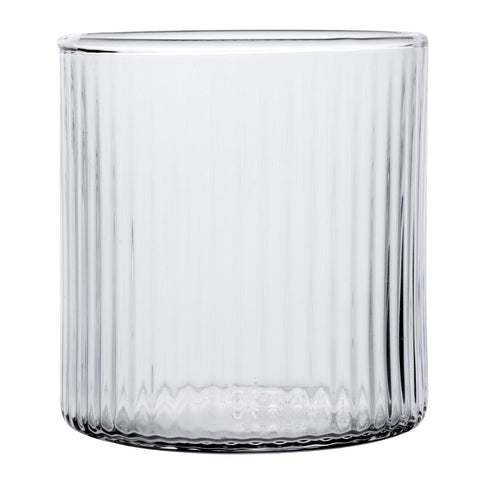
 Olympia Chester Double Rocks Glasses 355ml (6 Pack) - HZ088
80(W) x 85(H) x 80(D)mm

 Olympia Kristallon Polycarbonate Stacking Tumblers Blue 350ml (6 Pack) - HZ083
91(W) x 102(H) x 91(D)mm

 Olympia Kristallon Polycarbonate Stacking Tumblers Blue 250ml (6 Pack) - HZ081
85(W) x 92(H) x 85(D)mm

 Olympia Kristallon Polycarbonate Stacking Tumblers Clear 350ml (6 Pack) - HZ082
91(W) x 102(H) x 91(D)mm

 Olympia Chester Long Drink Glass 370ml (6 Pack) - HZ089
65(W) x 136(H) x 65(D)mm

 Olympia Kristallon Polycarbonate Stacking Hi Ball Tumblers 420ml (6 Pack) - HZ085
81(W) x 138(H) x 81(D)mm

 Olympia Kristallon Polycarbonate Stacking Hi Ball Tumblers 420ml (6 Pack) - HZ084
81(W) x 138(H) x 81(D)mm

 Olympia Kristallon Polycarbonate Stacking Tumblers Clear 250ml (6 Pack) - HZ080
85(W) x 92(H) x 85(D)mm

 Olympia Whiteware Pier Jugs 120ml (6 Pack) - HY545

 Olympia Whiteware Handled Jugs 65ml (12 Pack) - HY543
50(W) x 56(H) x 85(D)mm

 Olympia Whiteware Pier Jugs 200ml (6 Pack) - HY546

 Olympia Whiteware Handled Jugs 130ml (12 Pack) - HY544
62(W) x 75(H) x 100(D)mm

 Olympia Whiteware Fine Jugs 100ml (12 Pack) - HY542
62(W) x 85(H) x 80(D)mm

 Olympia Stainless Steel Mini Milk Jug 120ml (6 Pack) - HY118
59.5(W) x 70(H) x 93(D)mm

 Olympia Barware Beaded Julep Cup Stainless Steel 370ml - HY115
89(W) x 120(H) x 89(D)mm

 Olympia Stainless Steel Mini Milk Jug 78ml (6 Pack) - HY116
51(W) x 56(H) x 84(D)mm

 Olympia Hammered Stainless Steel Mini Milk Jug 120ml (6 Pack) - HY119
59.5(W) x 70(H) x 93(D)mm

 Olympia Ridged Stacking Tumblers 300ml (6 pack) - HW796
81.5(W) x 130(H) x 81.5(D)mm

 Olympia Ridged Swing Top Water Bottles 1Ltr (6 Pack) - HW793
84.5(W) x 315(H) x 84.5(D)mm

 Olympia Ridged Stacking Tumblers 150ml (6 pack) - HW797
71.5(W) x 92(H) x 71.5(D)mm

 Olympia Arno Double Rocks Crystal Tumblers 395ml (6 Pack) - HW661
86(W) x 90(H) x 86(D)mm
The glass a drink is served in is part of how that drink reads to the customer, so commercial glassware is picked by the drink. Beer wants a pour line and head space; wine wants a bowl and a stem; spirits want weight in the base. Commercial bar glassware is shaped that way for the pour, not for decoration.
Glassware also breaks, which is why professional glassware is toughened and stackable, and why the shapes in our commercial drinkware range can be reordered the same next year. Commercial drinking glasses come in the standard pour sizes, so you can start with the lines you pour most now and add more as your business grows.
The other decision is glass versus polycarbonate. Glass is the default indoors. Polycarbonate is the answer for outdoor areas, poolside, functions and any venue where glass on the floor is a safety matter, and modern polycarbonate looks much closer to glass than it used to.
The range runs across beer glasses, wine glasses, cocktail glasses, whiskey glasses, champagne glasses and plastic glasses.
Fitting out a bar from scratch? The price guide lists the shapes with their pack prices, so you can set the counts one line at a time.
Enough for the busiest hour plus everything that will be in the washer during it. A bar that washes mid-rush is slower, and glasses washed in a hurry are the ones that break.
Then add a breakage allowance on the lines you pour most. Most venues run short on the standard beer glass long before anything else.
In a high-volume bar, usually. Toughened glass resists thermal shock and chipping at the rim, which is where most glasses fail, and that reduces the replacement rate.
It costs more per glass and it is not unbreakable. Where it does break it tends to break completely, which is actually easier to clear than a chipped rim nobody notices.
Outdoors, around pools, at festivals and functions, and anywhere a dropped glass means closing the area. Many councils and venues require it in specific zones.
The rest of the time, glass pours better and reads better. Plastic glasses are a tool for specific situations rather than a cost saving.
For beer and wine, yes. A beer glass with the wrong head space pours badly and the customer notices; a wine glass with no bowl loses the aroma entirely.
For spirits and mixers it matters less, which is why hi ball glasses cover so much of a cocktail list between them.
Either mineral deposit from hard water or etching from detergent, and the two look similar. Deposit washes off with a rinse aid or an acid rinse; etching is permanent damage to the glass surface.
Get the chemical dosing right rather than running stronger. See dishwashing chemicals and the commercial glasswashers they are dosed into.
A glasswasher, where there is one. It runs a shorter, gentler cycle at a lower temperature than a dish machine, which is what keeps rims intact and glass clear.
Putting glasses through a dish machine with plates and cutlery is how rims get chipped. The two machines exist separately for that reason.
In racks, upside down, in the rack they were washed in wherever possible. Every handling is a chance to chip a rim, and racking straight from the washer removes several.
Glass racks also protect them in storage and transport, which matters most for the function glassware that moves between rooms.
Mats, pourers, jiggers and somewhere for wet glasses to sit. Bar mats and bar accessories cover that side.
For a cocktail list, the shakers and strainers matter as much as the glasses. See cocktail equipment and cocktail straws.

We have a special page just for stock that's warehoused in Perth.
Click Here to see all WA stockWhat our customers say about us on Google, and how Google scores our store for things like shipping and returns.
Store scores from Google
