


 03 9070 5784
 Help & Support
 Track My Order



Recently Viewed
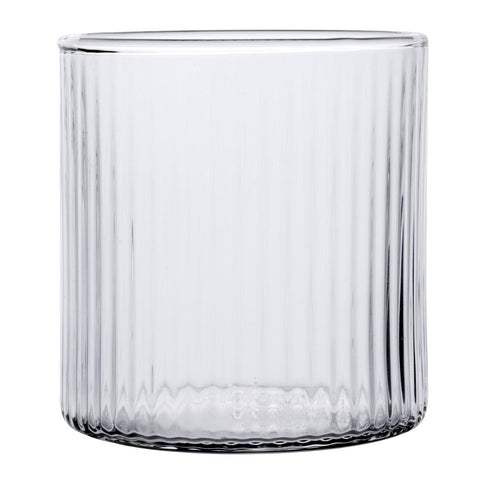

 Olympia Chester Double Rocks Glasses 355ml (6 Pack) - HZ088
80(W) x 85(H) x 80(D)mm
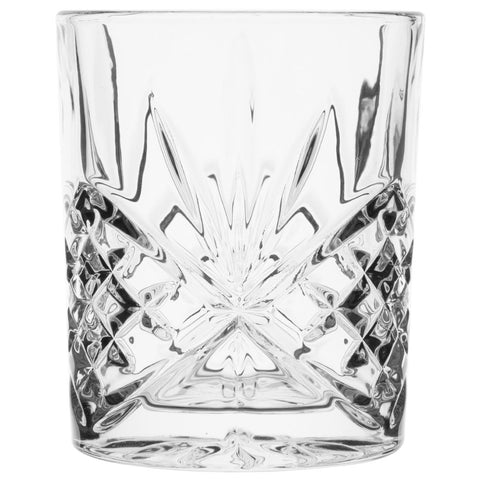
 Olympia Old Duke Whiskey Glasses 295ml (6 Pack) - CW393
83(W) x 101(H) x 83(D)mm
Glasses for whiskey, bourbon and rum are all the same shape in most bars: a short, heavy based tumbler for a spirit poured neat or over ice, which is why a rocks glass gets used far past whiskey service. Whiskey glasses at REO are two models, the Olympia Chester double rocks at 355ml and the Olympia Old Duke at 295ml. Both are the classic bar shape, with a wide mouth and most of the weight in the base. Both are sold in packs of six.
The difference between them is capacity. A 295ml glass is a single rocks glass, so a nip over one or two cubes fills it properly and it looks right on the table. The 355ml double rocks takes a double, a large cube or an ice sphere, and it's the glass an old fashioned or a negroni gets built in.
Neither is a nosing glass. A nosing glass is the narrow tulip on a short stem used for tastings, and the shape gathers the aroma at the rim. If you're running a whiskey flight, the closest shapes at REO are the 220ml crystal tasting glass in wine glasses and the 400ml crystal brandy glass in brandy glasses, both of which narrow towards the rim.
Two models is a short list, so if you need more sizes or a specific tumbler, hi ball glasses covers rocks, double rocks, old fashioned and stacking tumblers in glass, crystal and polycarbonate.
Deciding between the 295ml and the 355ml, or holding both? The price guide shows the pack-of-six price for each, so you can work out the split before you order. Related ranges: commercial drinkware, bar mats and beer glasses.
Capacity, and what fits in the ice. The Old Duke at 295ml is a single rocks glass, sized for a 30ml nip over a couple of standard cubes, and a single pour looks generous in it. The Chester at 355ml is a double rocks, which takes a double pour, or a single with a large cube or a sphere and room for the ice to sit clear of the spirit.
Bars that make cocktails usually buy the double rocks, because an old fashioned, a negroni or anything stirred over a big cube needs the extra room. A restaurant pouring neat whiskey after dinner is better off with the smaller glass.
Two models, both Olympia: the Chester double rocks at 355ml and the Old Duke at 295ml, each in packs of six. It's a deliberately short list, and it covers the two pours a bar actually sells.
If you want more choice in the same shape, the rocks and old fashioned tumblers sold with the hi ball glasses are the same style of glass in more sizes and finishes, including polycarbonate for outdoor areas. Contact REO if you're after a specific shape that isn't shown.
Not as such. A nosing glass is a small stemmed tulip that narrows sharply at the rim, which concentrates the aroma for a tasting. Neither of the two tumblers does that, because a wide mouth lets the aroma go straight past you.
For a whiskey flight, the 220ml crystal tasting glass sold with the wine glasses is the nearest thing, and a brandy balloon works too since it narrows towards the rim and warms the spirit in the hand. Plenty of distillery tastings still pour into a rocks glass with a splash of water, so it isn't a barrier to running one.
Yes. A weighted base keeps the glass upright on a wet bar and on an uneven outdoor table, it stops the glass sliding when it's pushed across to a customer, and it puts the mass in the part of the glass that gets put down hardest.
It also changes how the drink is served. A thick base means the glass sits stable while it's stirred, so an old fashioned can be built in the glass, and the weight in the hand is part of what people expect from a whiskey glass.
In the 355ml double rocks, yes. That's the size a bar buys when it's using a large cube or a sphere mould, since the ice needs to drop in without wedging and there has to be room for the pour around it. A big single piece of ice melts more slowly and waters the spirit down less.
The 295ml glass suits standard cubes. A large cube will go in, but it takes up so much of the glass that a double won't fit around it, so match the ice you make to the glass before you buy either.
That's what most bars do. The double rocks glass is the standard glass for an old fashioned, a negroni, a whiskey sour served on ice, a spirit and mixer over ice and a mocktail built the same way, so it gets used far more often than the whiskey list alone would suggest.
It won't cover the stemmed drinks. A martini, a margarita served up or a coupe cocktail needs the stemmed shapes in cocktail glasses, and a long drink needs a hi ball. If the bar is small, buy a whiskey glass in the double rocks shape first, because it takes the widest share of the drinks.
Yes. A heavy based tumbler is one of the easiest glasses to wash, since it stands up on its own in a flat rack and the wide mouth lets the spray arm reach the bottom. Run them through a glasswasher rather than the plate machine, which runs hotter with stronger detergent and dulls glass over time.
Let them come back to room temperature before they're used. Thermal shock cracks a glass, and a hot tumbler straight out of a machine filled with ice is the most common way it happens. Clouding that won't polish off is etching, which is permanent, and it comes from soft water and too much detergent over many cycles.
Two to three times what the bar can serve at once, and more if the venue runs functions. Rocks glasses take spirits, cocktails and soft drinks, so they turn over faster than the number of whiskeys on the menu suggests.
Buy whiskey glassware in Australia the way you'd buy any bar glass: one pattern, bought deep, from one supplier. Packs of six make it easy to top up, REO prices are sharp on a full order, and the point of buying deep is that you can replace breakages for years and still have every glass on the bar match.
A flat glass rack that fits the height of the tumbler, bar mats for the glasses to drain on, and a good ice scoop. If you're serving whiskey neat, a small water jug on the table lets a customer add their own splash.
The rest of the bar list goes with them: hi ball tumblers for long drinks, wine glasses for the by-the-glass list and shot glasses if you sell rounds. Ordering them together gets a better price per glass than buying a shape at a time as the bar fills out.
You will see whiskey drinking glasses, glassware for whiskey and whiskey drinkware used for the same kind of equipment. The name changes with the supplier and the region, not the job it does. Compare models on capacity, construction and the specification on each product page, and check the full whiskey glasses range to see every option side by side.

We have a special page just for stock that's warehoused in Perth.
Click Here to see all WA stockWhat our customers say about us on Google, and how Google scores our store for things like shipping and returns.
Store scores from Google