


 03 9070 5784
 Help & Support
 Track My Order



Recently Viewed
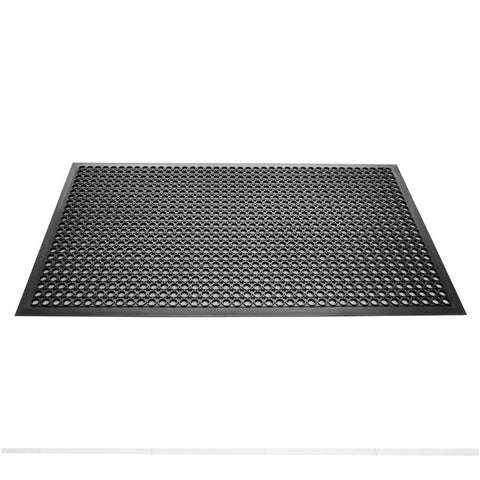

 Jantex Rubber Anti Fatigue Anti Slip Floor Safety mat Black 1500 x 900mm - DP206
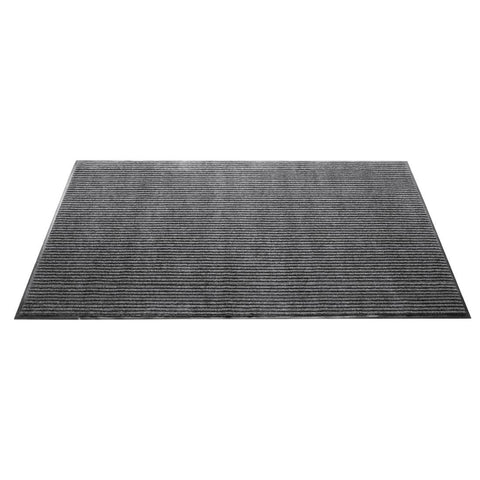
 Jantex Entrance Mat Steel Colour - 1500 x 900mm - GH059

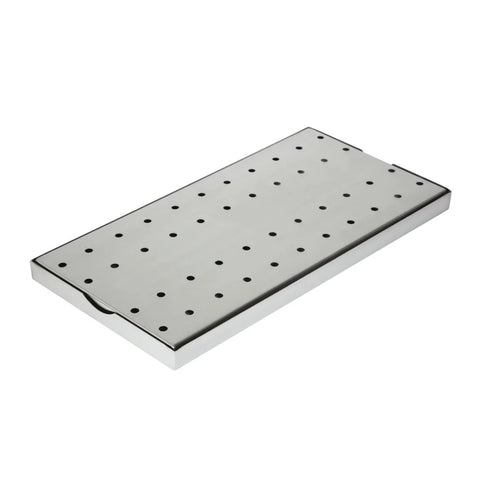

 Olympia Stainless Steel Drip Tray 400x200mm - DM219
400(W) x 200(H) x 10(D)mm
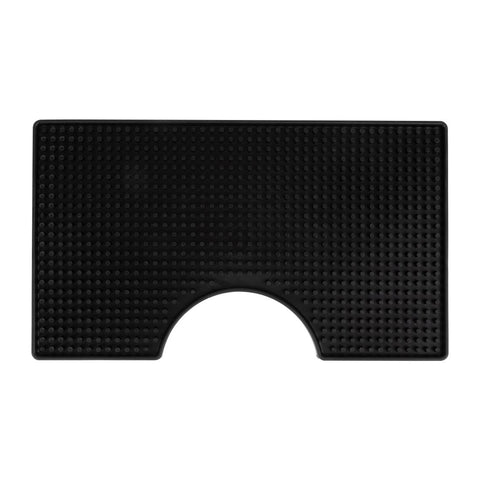
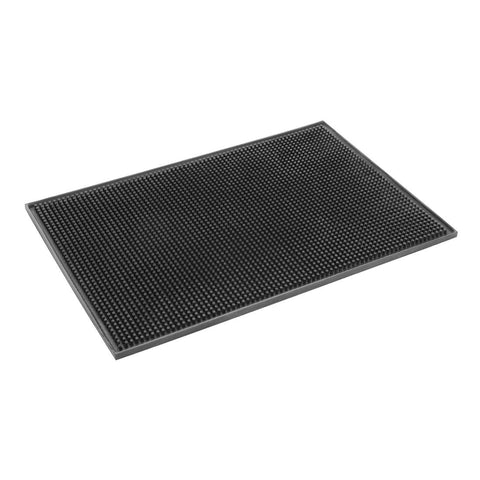
 Olympia Bar Mat for Draught Beer Towers 180x310mm - HU095
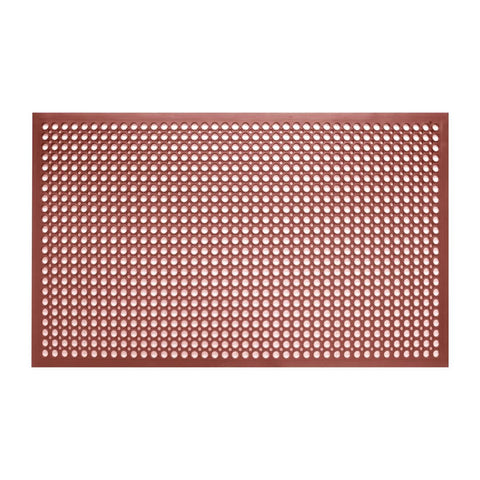
 Jantex Rubber Grease-resistant Anti-Fatigue Mat Red - 1500 x 900mm - GF017
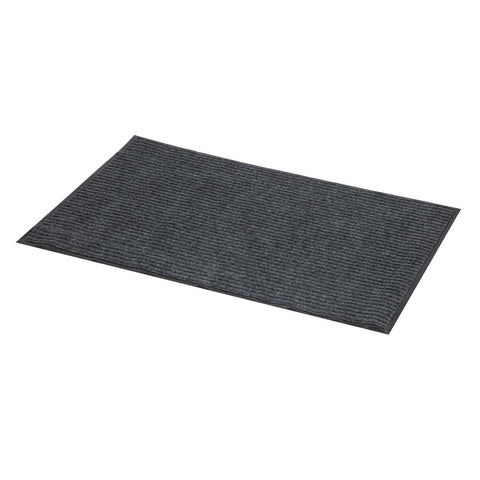
 Jantex Entrance Mat Steel Colour - 900 x 600mm - GH058
A bar mat does three things at once: it catches the spill, it cushions the glass so the base does not chip, and it gives the bartender a set place to put a drink down. Bar mats cost very little and they save glasses.
Rubber is the standard material. It grips a wet bench, it takes being thrown in a sink, and it has the give that protects a glass base. Commercial bar mats are thicker and heavier than the promotional ones that come free with a keg order, and the weight is what stops them sliding.
The design detail to compare is drainage. A mat with raised ribs and open channels moves liquid away from the glass base; a flat mat holds a film of beer under the glass, which is both sticky and the start of a smell.
Mats come in several lengths, so you can start with the areas that need covering now and add more as your business grows. Mats sit in the commercial drinkware range with glass racks and bar accessories, and cleaning them is covered in bar cleaning supplies.
Measured up the pour station and the tap run? The price guide lists the mats by length, so you can work out how many each bench needs and how many to hold spare.
At every point where a glass is set down: the pour station, the tap run, the coffee machine and the service end where drinks are collected. Those are the four places glasses get chipped.
The tap run matters most, because that is where glasses are set down wet; see beer keg dispensers for what sits behind it. A mat at the service end also tells floor staff where to pick up, which speeds up a busy pass more than it sounds.
Enough length to take a full round of drinks side by side, because a bartender making four drinks will put the fourth somewhere whether there is a mat there or not.
Several shorter mats are usually more useful than one long one: they can be lifted and washed individually without stripping the whole bar.
Yes, and noticeably, because most chipping happens at the base rather than the rim. A glass put down firmly on a stone or stainless bench chips; the same action onto rubber does not.
The other half of it is giving every glass a place to land. See glass racks for the storage side of the same problem.
Lifted, rinsed and scrubbed, every day without exception. A mat that is only rinsed holds sugar and beer residue in the channels, and that is where a bar smell comes from.
Most are hand washed or hosed. Check the product page before putting one through a commercial glasswasher — high temperatures can distort some rubber.
Twice what is on the bar, so a clean set goes down while the used set is being washed. A bar with exactly enough mats puts wet mats back down.
They are cheap enough that this is an easy call. Buy bar mats as a consumable and replace them when the rubber hardens.
When the rubber has gone hard, when the channels have split, or when it no longer comes clean. All three mean it has stopped doing its job and started being a hygiene item.
Hardened rubber also slides on a wet bench, which is worse than having no mat at all.
Yes — drip trays under taps, floor matting behind the bar for grip and fatigue, and smaller mats for the coffee station. They are different products for different jobs.
Floor matting is a safety item rather than a presentation one, and it belongs with the commercial kitchen cleaning supplies side of the fit-out.

We have a special page just for stock that's warehoused in Perth.
Click Here to see all WA stockWhat our customers say about us on Google, and how Google scores our store for things like shipping and returns.
Store scores from Google