


 03 9070 5784
 Help & Support
 Track My Order



Recently Viewed



 Olympia Glass Dome 200x170mm - HW798
200(W) x 188(H) x 200(D)mm
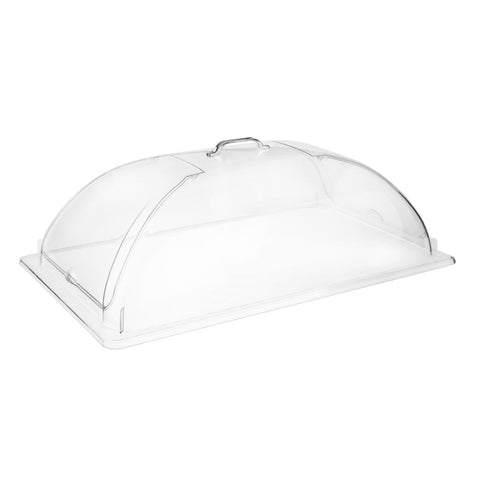
 Olympia Kristallon Polycarbonate 1/1 GN Domed Cover 535x330x175mm - DP790
330(W) x 175(H) x 535(D)mm
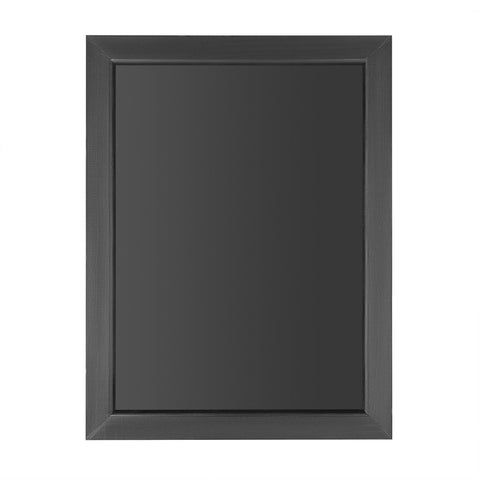
 Olympia Wallboard Black Wooden Frame 450x600mm - CU990

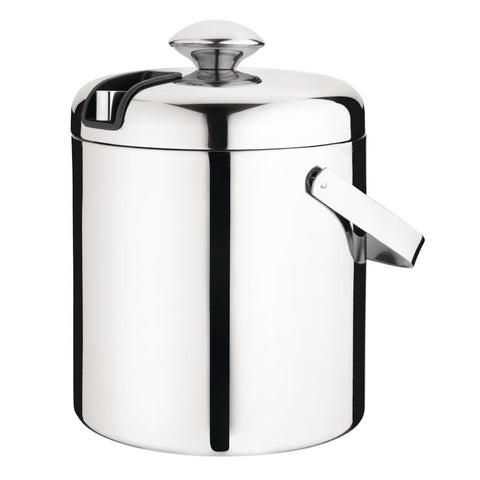
 Olympia Ice Bucket with Lid & Tongs 1.2Ltr - L279
140(W) x 150(H) x 140(D)mm
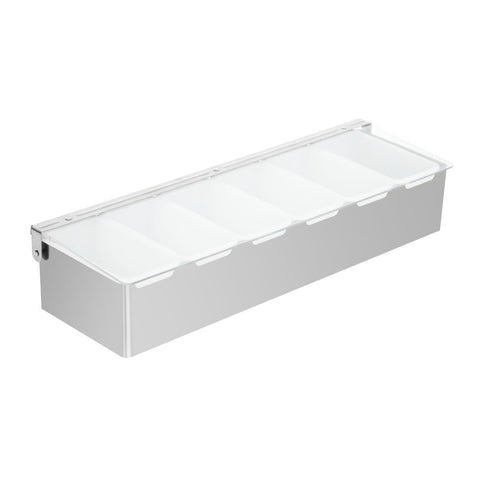

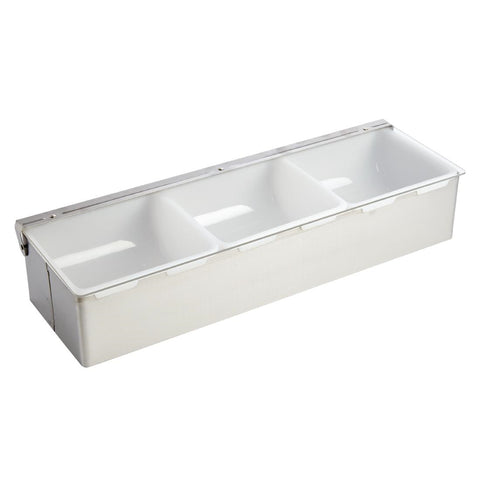

 Olympia Rectangular Presentation Fryer Basket - GG869
260(W) x 45(H) x 130(D)mm
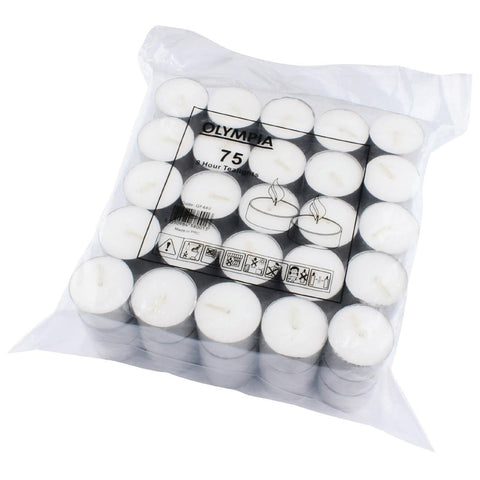

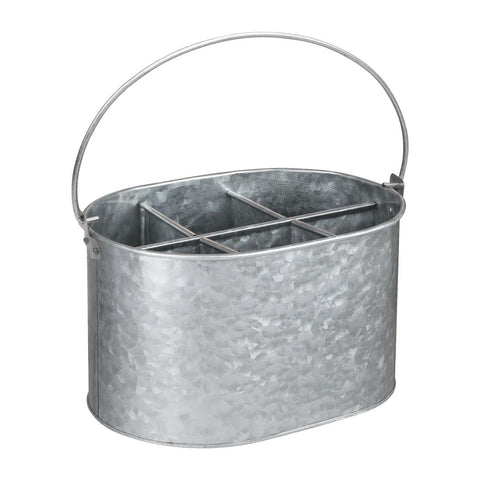
 Olympia Galvanised Table Tidy - 135(H)x240(W)x175(D)mm - CN520
245(W) x 135(H) x 175(D)mm
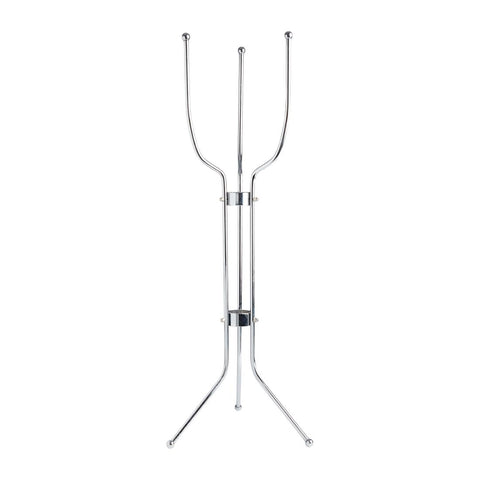
 Olympia Polished Stainless Steel Wine & Champagne Bucket Stand - C582
229(W) x 756(H) x 229(D)mm
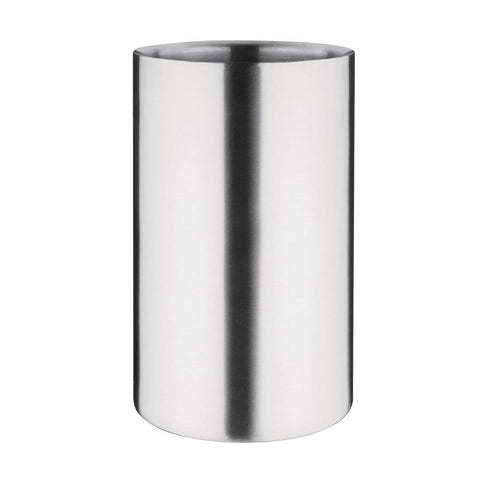
 Olympia Brushed Stainless Steel Wine & Champagne Cooler - C386
120(W) x 200(H) x 120(D)mm
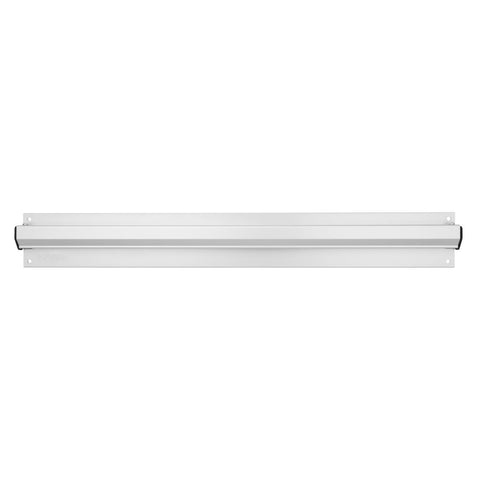

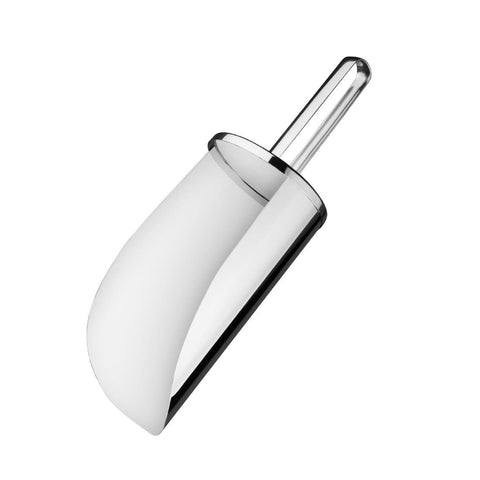


 Modular Systems 450 x 400 x 30mm Stainless Steel Ice Well Lid to suit IB-403520 - IB-403520-LID
450(W) x 400(D) x 30(H)mm
 Modular Systems 350 x 350 x 30mm Stainless Steel Ice Well Lid to suit IB-303020 - IB-303020-LID
350(W) x 350(D) x 30(H)mm
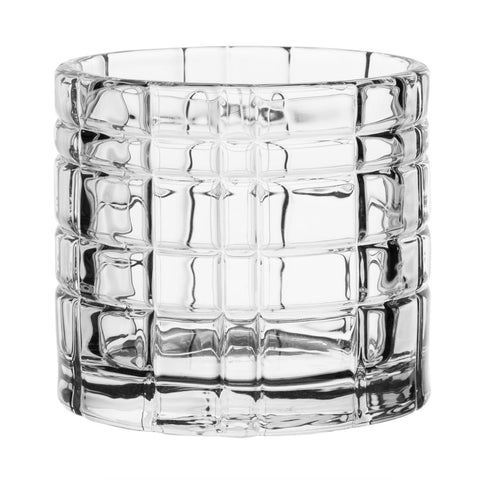
 Olympia Geo Glass Tealight Holders 64x57mm (6 Pack) - HZ332
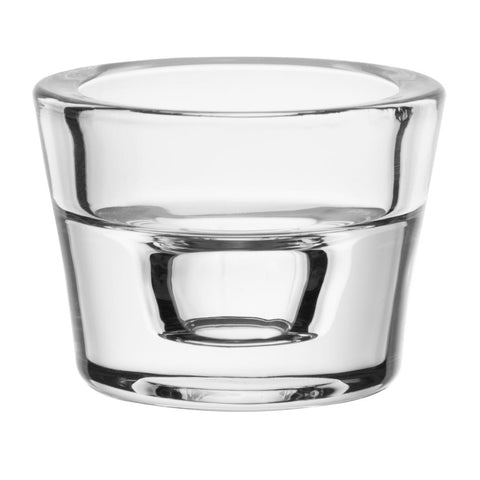
 Olympia Classic Glass Tealight Holder 60x45mm (6 Pack) - HZ333
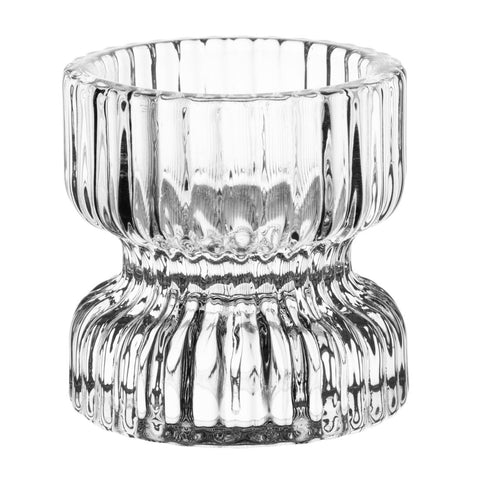
 Olympia Ridged Glass Tealight/Candle Holders 52x52mm (6 Pack) - HZ331

 Olympia Non-Slip Riser Round Black Wire 210x180mm - HY984

 Olympia Kristallon Medium Salad Crock - White - HY804
173(W) x 81(H) x 262(D)mm
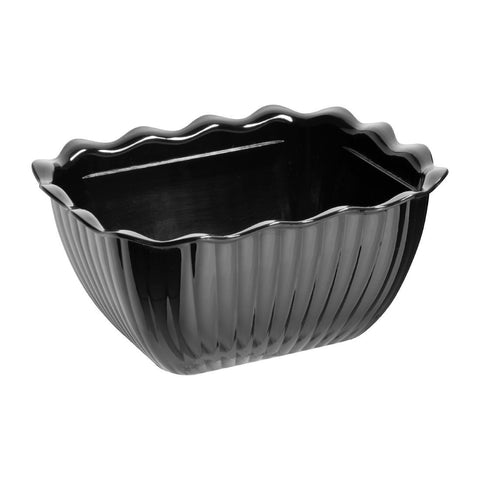

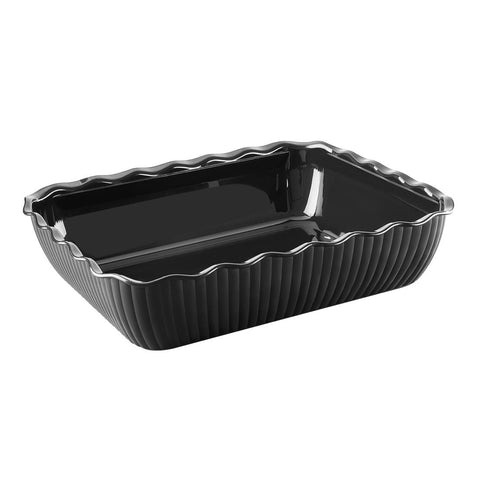
 Olympia Kristallon Large Salad Crock - Black - HY800
265(W) x 82(H) x 333(D)mm
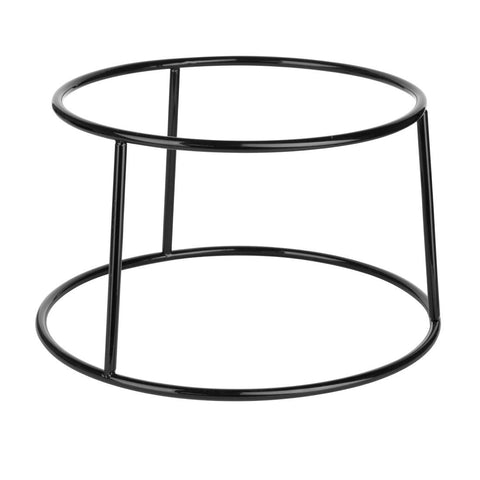
 Olympia Non-Slip Riser Round Multi Black Wire 230x260x150mm - HY986
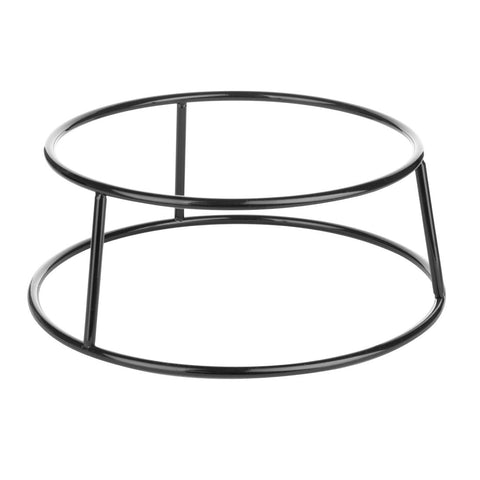
 Olympia Non-Slip Multi-Round Riser Black Wire 230x260x100mm - HY985
230(W) x 100(H) x 230(D)mm
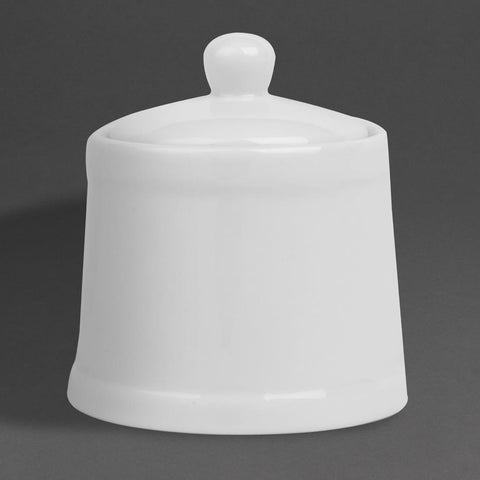
 Olympia Whiteware Pier Sugar Bowls with Lids 250ml (6 Pack) - HY547
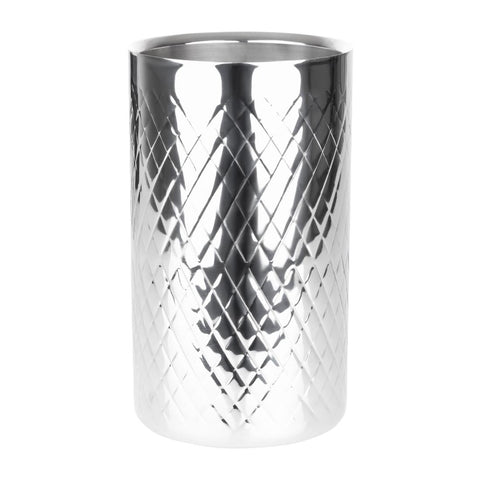
 Olympia Geo Double Wall Wine Cooler Stainless Steel - HY133
115(W) x 200(H) x 115(D)mm

 Olympia Double Wall Stainless Steel Wine and Champagne Coaster - HY127
116(W) x 70(H) x 116(D)mm
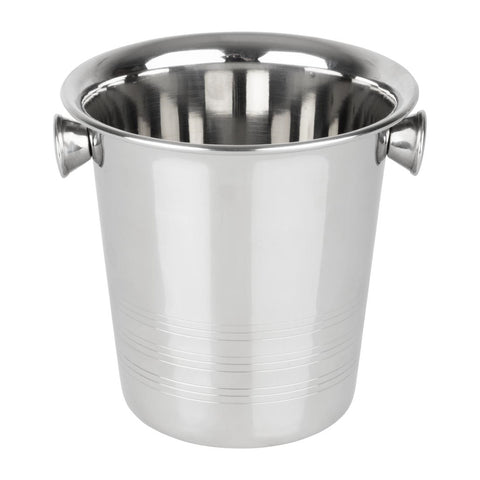
 Olympia Ice Bucket with Handles and Etch Detail Stainless Steel 1050ml - HY121
139(W) x 136(H) x 144(D)mm
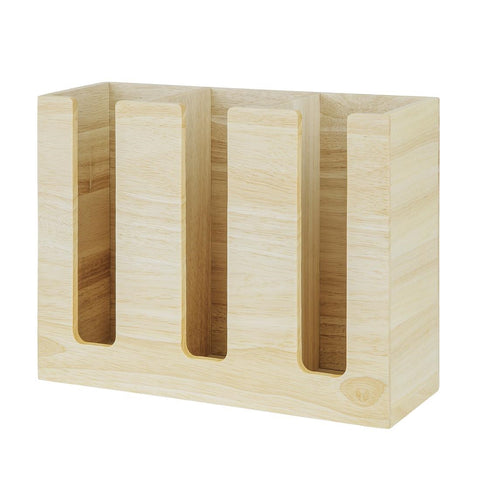
 Olympia Cup Organiser Hevea Wood 340x120x240mm - HX394
120(W) x 240(H) x 340(D)mm
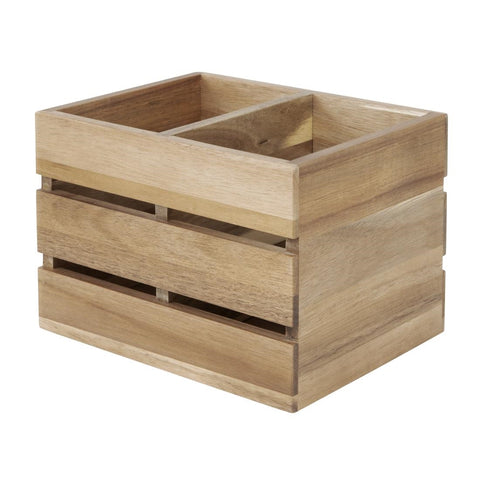
 Olympia Table Organiser Acacia Wood 210x160x150mm - HX387
160(W) x 150(H) x 210(D)mm
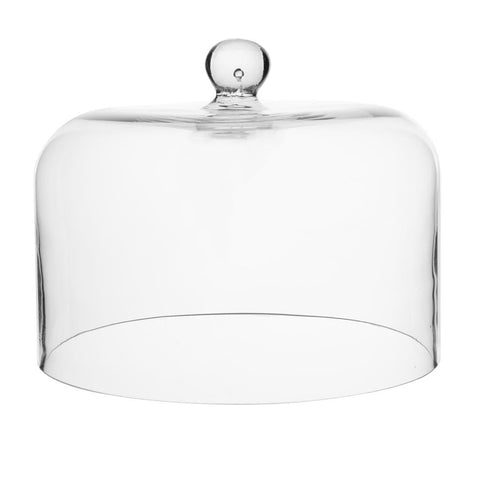
 Olympia Glass Dome 240x190mm - HW799
240(W) x 190(H) x 240(D)mm
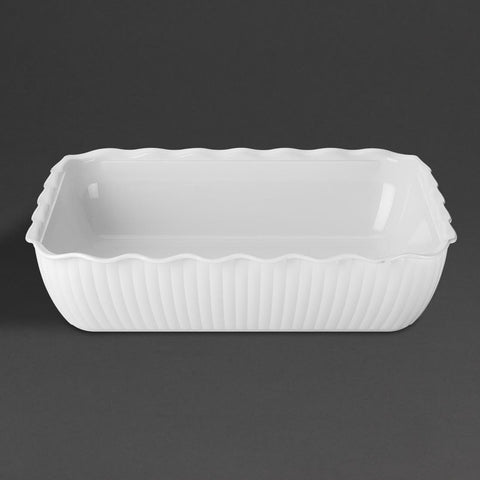
 Olympia Kristallon Large Salad Crock - White - HY801
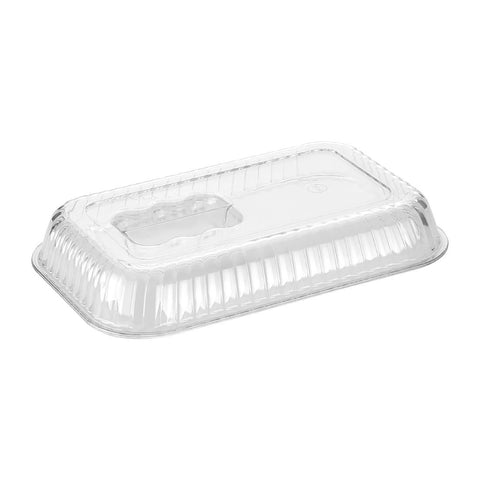
 Olympia Kristallon Raised Lid for Medium Salad Crock - HY805
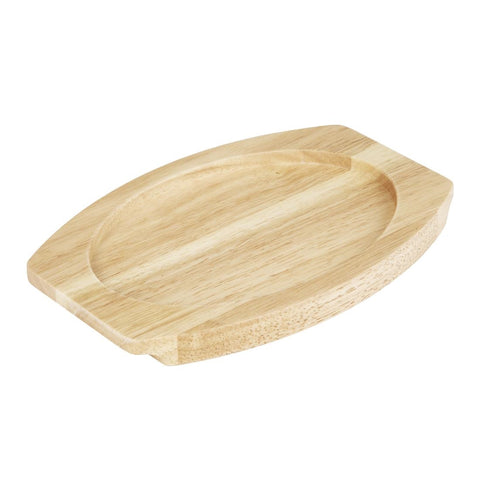
 Olympia Hevea Board for Cast Iron Oval Eared Dish 260x165mm (FW817) - FW977
165(W) x 19(H) x 260(D)mm
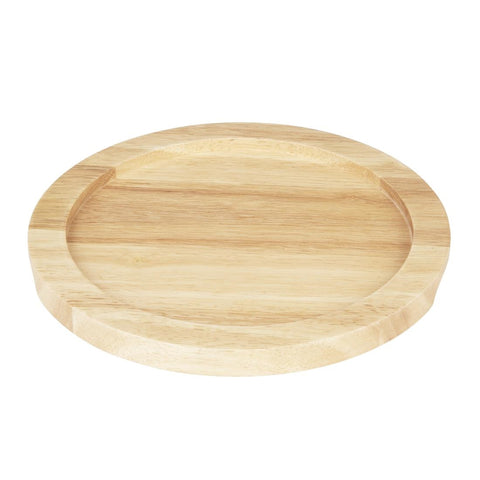
 Olympia Hevea Board for Cast Iron Round Dish 254mm (GJ556) - FW976
254(W) x 19(H) x 254(D)mm
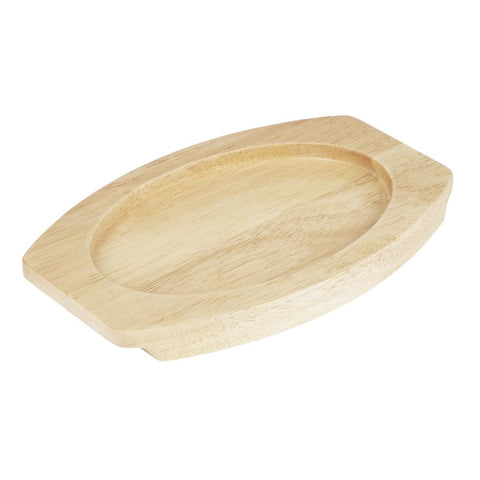
 Olympia Hevea Board for Cast Iron Oval Eared Dish 230x135mm (FW818) - FW978
135(W) x 19(H) x 230(D)mm
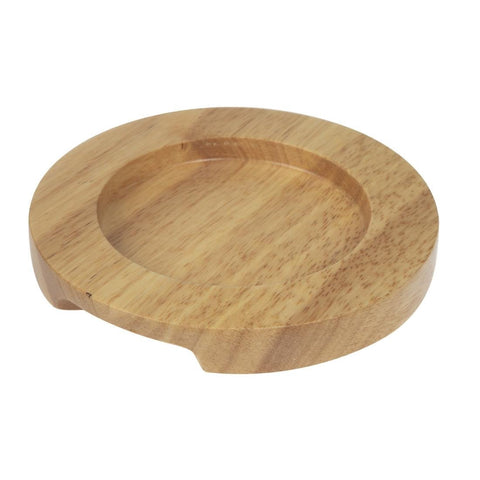

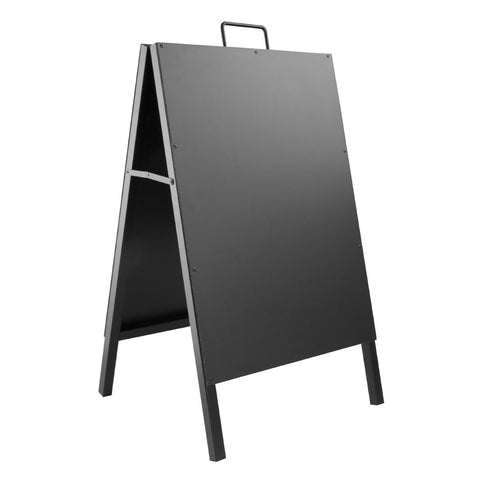
 Olympia Metal Framed Pavement Board with Carry Handle 500x850mm - HS805
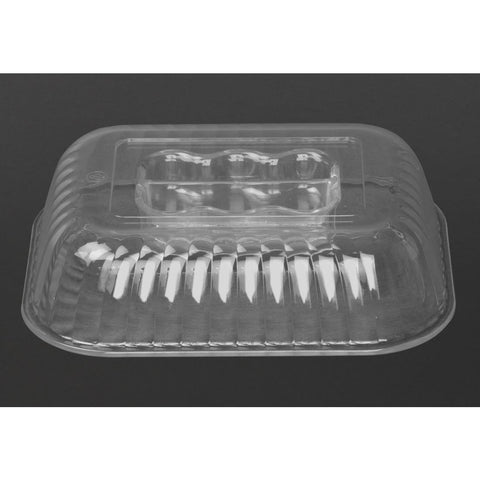
 Olympia Kristallon Raised Lid for Small Salad Crock - HY808

 Olympia Kristallon Medium Salad Crock - Clear - HY136
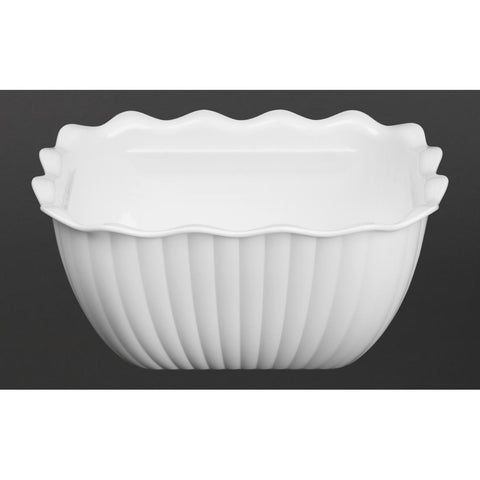
 Olympia Kristallon Small Salad Crock White - HY807
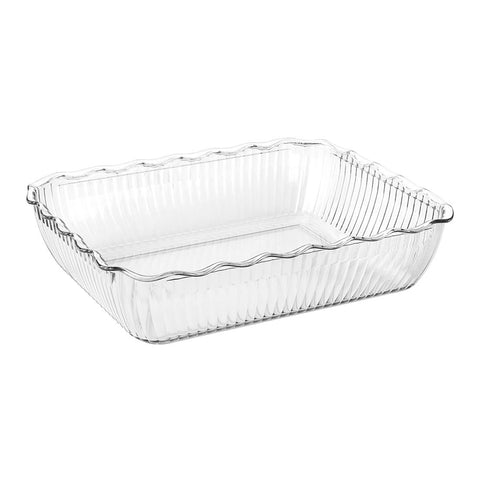
 Olympia Kristallon Large Salad Crock - Clear - HY135
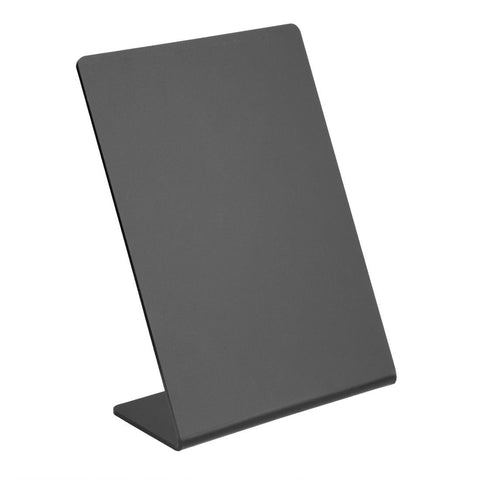
 Olympia Acrylic Tableboards - 148x280mm (4 pack) - HS809
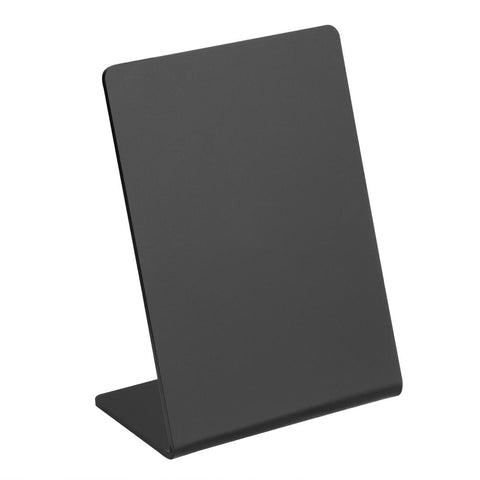



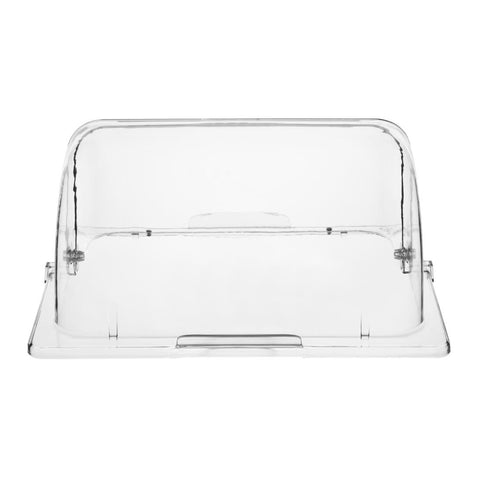
 Olympia Kristallon PC Rolltop Cover GN 1/2 - DN640
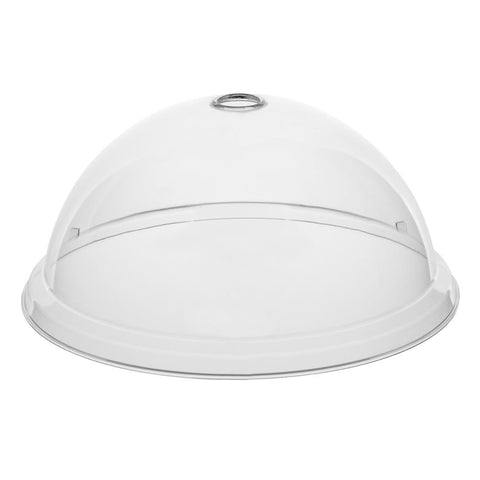
 Olympia Kristallon Polycarbonate Domed Plate Cover Round 300mm - DP792
300(W) x 160(H) x 300(D)mm
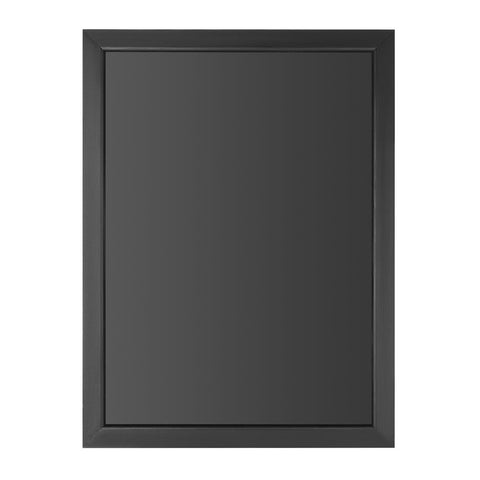
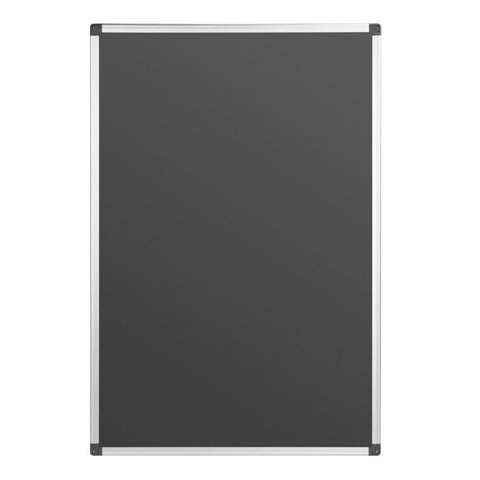
 Olympia Wallboard Black Wooden Frame 600x800mm - CU991
Buffet and table service is what gets food from the pass to the guest: chafers and bain maries holding the hot dishes on a display line, covers keeping them clean and visible, and the boards, baskets, condiment sets and menu holders that go on the tables. Some of this buffet equipment keeps food hot; some of it is purely presentation. Both get judged by the customer, so most of it gets replaced on appearance rather than on failure.
The buying question for a buffet line is holding time. The equipment has to either keep the food hot, keep it cold, or keep it covered and turned over quickly, and that decides whether you need fuelled chafers, electric wells, or simply covers and faster replenishment.
For table service equipment the question is how many times a day a piece gets handled and washed. A condiment set that looks right but has to be hand-dried after every wash does not survive a functions venue. Pick on how it cleans as much as how it looks.
Building the line up piece by piece? The price guide prices chafers, covers, boards and condiment sets together, so you can see where the money on a buffet actually goes.
A heat source, a vessel, and a cover. Chafing dish sets and fuel are the portable answer and work anywhere there is a table, which is why they dominate functions and off-site catering.
Where the buffet is permanent and powered, a bain marie or a hot food display is less work and more consistent than refuelling chafers through a service.
Decide on whether the site has power at the service point and whether the line moves. Chafers need no power and can be set up in a function room or a marquee, so they suit venues where the buffet is not in the same place every week.
A powered line holds temperature more evenly and costs nothing in fuel, but it fixes the buffet in one spot. Many venues run both: powered for the daily line, chafers for functions.
Cloches, food covers and lids solve exactly this. A clear cover keeps the dish visible, stops it drying out and keeps insects off, which matters for anything served outdoors.
Solid covers hold heat better but mean the customer has to lift them to see. On a self-service line that slows the queue, so most venues use clear covers on the display dishes and solid lids on back-up pans.
That depends on the style of the venue. Slate and wooden serving boards suit shared plates and charcuterie; cast iron sizzlers suit anything that needs to arrive loud and hot.
For a conventional buffet, food display baskets handle bread and pastries, and standard crockery does the rest. Mixing too many presentation materials on one line looks unplanned.
Treat covers, baskets, boards and tableware as items you will replace on a cycle. They chip, stain and disappear into function hire boxes, and budgeting for replacement is more realistic than expecting them to last.
Chafers, trolleys and powered holding are the durable end. Those get specified once and kept, so it is worth spending more on them than on the items that will be replaced anyway.
Cruets and condiment sets and napkin dispensers are the basics, plus menu and bill holders if the venue is not using a tablet or a code on the table.
Count these per table and add a spare set per section, because they get moved, dropped and taken away for washing at different times to everything else.
Blackboards and signs do most of it — dish names, allergen notes and pricing where the buffet is charged by the plate. Clear labelling reduces the number of questions staff field and the number of dishes a guest touches before choosing.
Keep the sign format consistent across the line. A buffet where half the dishes are labelled reads as though the kitchen ran out of time.
In purpose-made boxes or on a trolley, not stacked loose in a storeroom. Most damage to chafers and covers happens in transport, not in service. A catering trolley that carries a set and rolls to the function room pays for itself in breakage alone.
Count everything back in after each function. Decide where each piece lives before you buy it, or you will own two of some things and none of others.
Anyone fitting out a buffet for the first time, because the mix depends on the menu, the room and whether there is power at the service point. get a quote and we will work through what the line actually needs.
Bring the menu and a rough floor plan. The number of hot dishes and the length of the service window decide how many chafers or wells you need far more than the number of covers you expect.

We have a special page just for stock that's warehoused in Perth.
Click Here to see all WA stockWhat our customers say about us on Google, and how Google scores our store for things like shipping and returns.
Store scores from Google
