


 03 9070 5784
 Help & Support
 Track My Order



Recently Viewed


 Olympia Glass Dome 200x170mm - HW798
200(W) x 188(H) x 200(D)mm
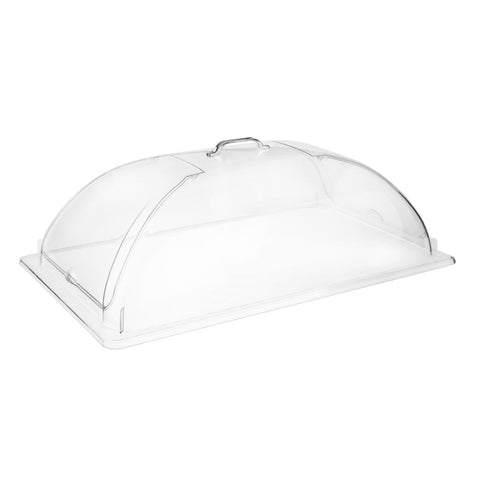
 Olympia Kristallon Polycarbonate 1/1 GN Domed Cover 535x330x175mm - DP790
330(W) x 175(H) x 535(D)mm

 Modular Systems 450 x 400 x 30mm Stainless Steel Ice Well Lid to suit IB-403520 - IB-403520-LID
450(W) x 400(D) x 30(H)mm
 Modular Systems 350 x 350 x 30mm Stainless Steel Ice Well Lid to suit IB-303020 - IB-303020-LID
350(W) x 350(D) x 30(H)mm
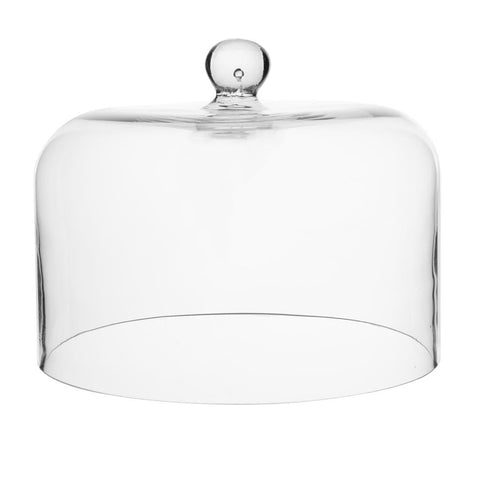
 Olympia Glass Dome 240x190mm - HW799
240(W) x 190(H) x 240(D)mm
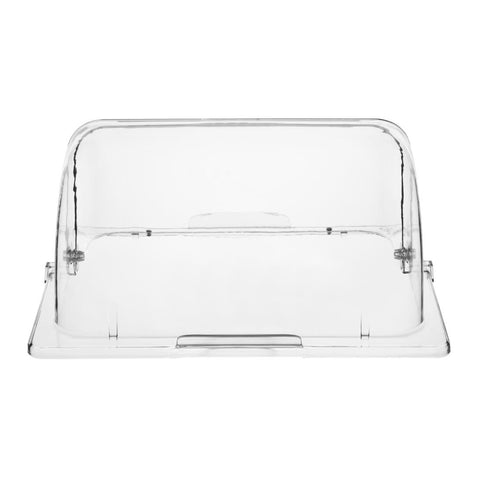
 Olympia Kristallon PC Rolltop Cover GN 1/2 - DN640
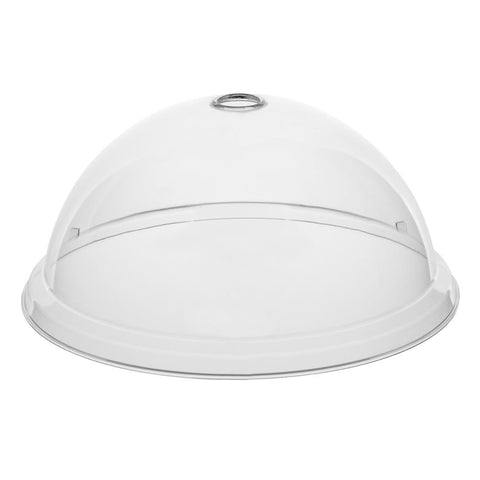
 Olympia Kristallon Polycarbonate Domed Plate Cover Round 300mm - DP792
300(W) x 160(H) x 300(D)mm
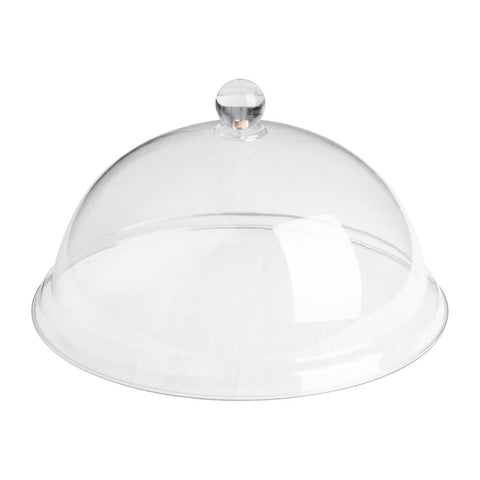
 Olympia Kristallon PC Domed Cover Clear 260(Ø) x 115(H)mm - FE471
260(W) x 115(H) x 260(D)mm
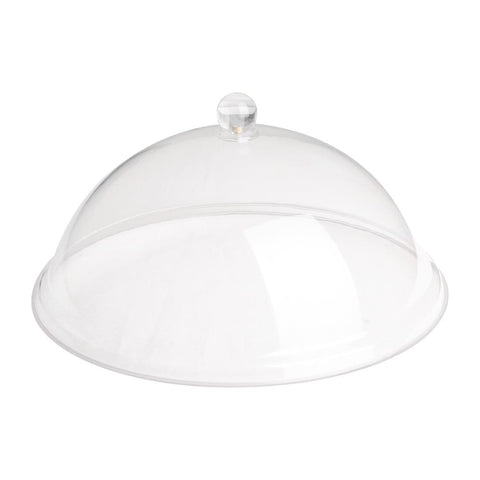
 Olympia Kristallon PC Domed Cover Clear 315(Ø) x 125(H)mm - FE470
315(W) x 125(H) x 315(D)mm
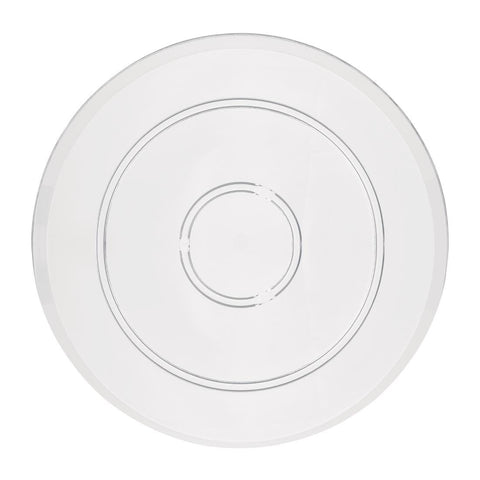
 Olympia Kristallon Polycarbonate Display Plate Clear 345(Ø)mm - FE474
345(W) x 16(H) x 345(D)mm
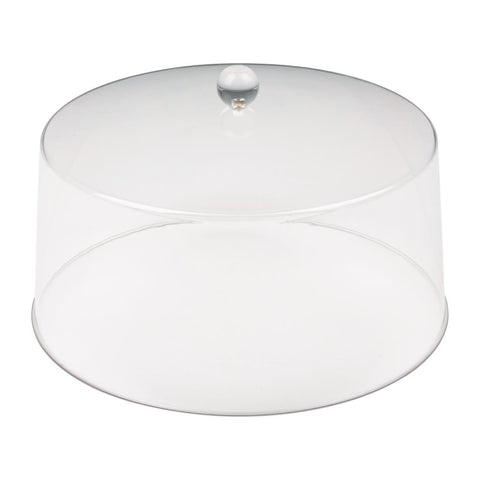
 Olympia Kristallon Polycarbonate Display Cover Clear 308(Ø) x 190(H)mm - FE473
308(W) x 190(H) x 308(D)mm

 Carlisle Clear Polycarbonate Plate Cover 238mm x 65mm - 12 per pack - pack price - 190007
Cloches, food covers and lids all do the same job in different places: they keep food hot, clean and presentable between the moment it is plated or put on display and the moment someone eats it. A food cloche holds heat and keeps a plate presentable from the pass to a hotel room; a buffet dome keeps a display dish from drying out and keeps insects off.
Material decides the job. Stainless steel holds heat best and hides the food, which is why room service uses it. Polycarbonate and acrylic are clear, so the dish stays visible on a self-service line. Timber and slate bases pair with clear domes for a display piece rather than a holding one.
Pan lids are the third category and the least glamorous. A lid that fits the pan properly cuts evaporation on a bain marie line and holds temperature between replenishments, and a lid that nearly fits does neither.
Covers sit with the rest of the buffet and table service range, and the pans they cover come from gastronorms and containers and the chafing dish sets line.
Measure the pans on your line, then check them against the price guide, which lists the domes, plate covers and lids by the size they fit.
Metal for holding and transport, clear for display. A stainless cover holds the heat in and is the right answer for room service and for anything travelling down a corridor on a trolley.
A clear cover lets the customer see the dish and choose without lifting anything, which is what a self-service line needs. The trade-off is that it insulates less well.
It slows the loss rather than adding heat. A cover on a hot plate buys time, and on a plate that has been preheated it buys considerably more. On a cold plate it does very little.
To actually hold food hot, the heat has to come from somewhere — a heat lamp, a holding cabinet or a bain marie. A cover is the lid on that, not a substitute.
A dome that seals against the base or the plate, checked each time it is replaced. A cover resting crooked leaves a gap, and that gap is the whole problem.
For an outdoor area generally, a cover is one layer and a bug zapper is another. Food that cannot be covered needs to be replenished in small amounts instead.
Cover food hot and serve it reasonably quickly, or leave it vented. Condensation forms when steam has nowhere to go, and it then drips back onto the food and softens anything crisp.
Fried food is the clearest case: covered, it goes soggy within minutes. Chips and crumbed items belong under a lamp or in a chip warmer rather than under a dome.
Yes. A lid is sized to a specific pan footprint, and a near-fit leaves a gap that defeats the purpose. This is where buying standard-sized pans pays off, because the lids are then interchangeable across the kitchen.
Check the pan size on the product page before ordering lids separately, and note whether a notched lid is needed for a ladle or a serving spoon handle.
Stainless covers go through the machine. Clear plastic covers usually should not go through a high-temperature cycle repeatedly, because the heat clouds the surface and a clouded cover is no longer doing its job.
Hand wash anything with a timber or slate base. The tea towels and cloths range covers the drying side, which matters because water spots on a stainless dome are very visible.
Enough for the largest simultaneous service plus a margin for breakage, which for clear covers is higher than people expect. They get stacked, knocked and cracked.
Count the pans on the line first, then match covers to them, then add spares. The rest of the service items — serving trays and tableware — are counted the same way.

We have a special page just for stock that's warehoused in Perth.
Click Here to see all WA stockWhat our customers say about us on Google, and how Google scores our store for things like shipping and returns.
Store scores from Google