


 03 9070 5784
 Help & Support
 Track My Order



Recently Viewed
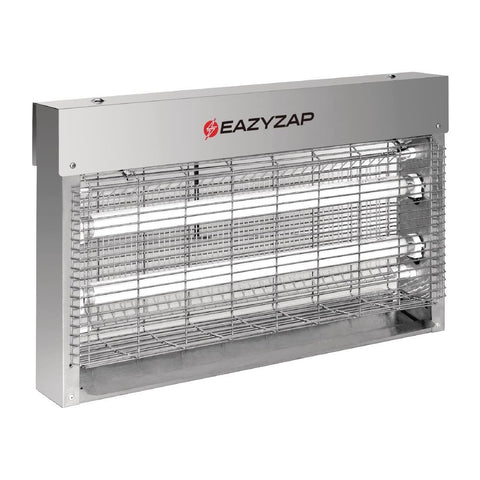

 Eazyzap Brushed Stainless Steel bug zapper - 14W - FP984-A
515(W) x 313(H) x 106(D)mm
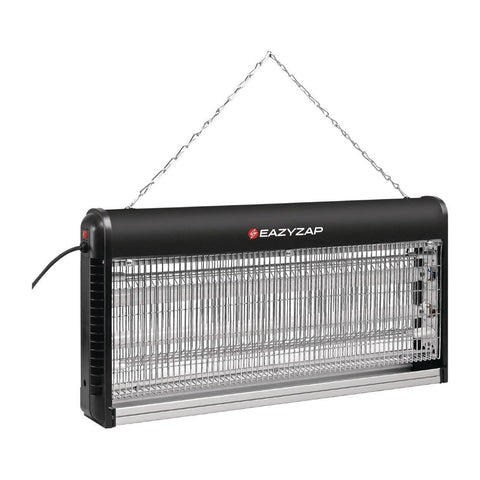
 Eazyzap LED bug zapper Large - 24watt - FD498-A
650(W) x 320(H) x 86(D)mm
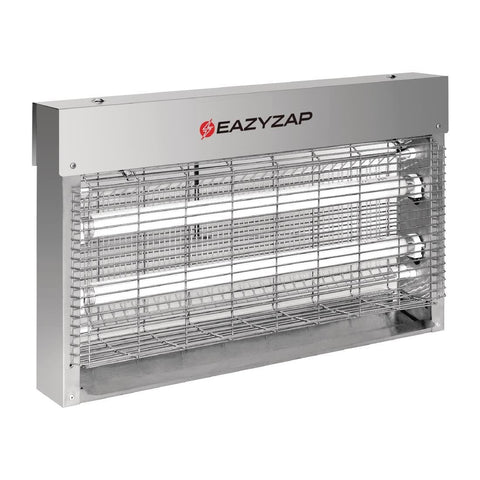
 Eazyzap Brushed Stainless Steel bug zappers - 20W - FP985-A
663(W) x 313(H) x 106(D)mm
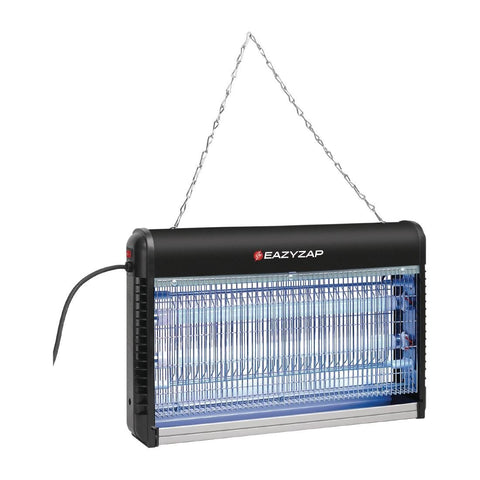
 Eazyzap LED Bug Zapper Medium - 19watt - FD497-A
500(W) x 320(H) x 86(D)mm
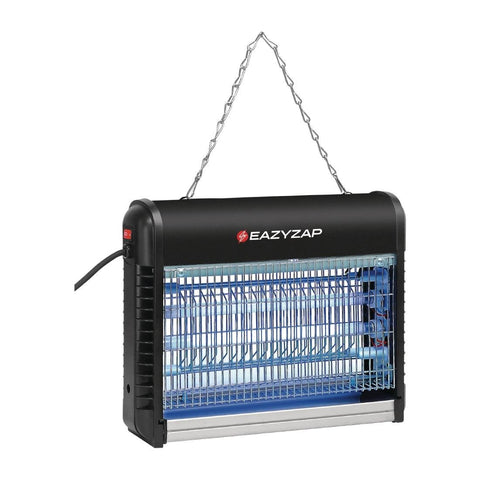
 Eazyzap LED bug zapper Small - 15watt - FD496-A
350(W) x 272(H) x 86(D)mm

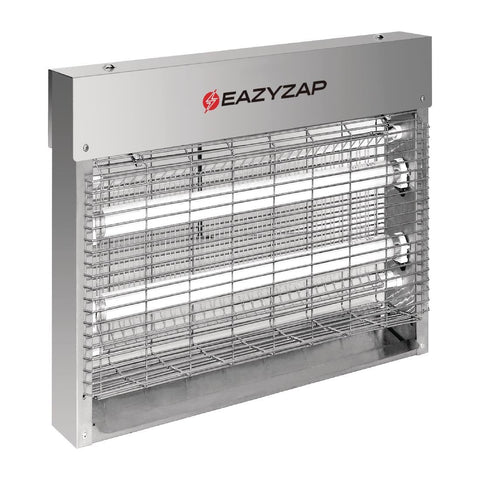
 Eazyzap Brushed Stainless Steel bug zapper - 8W - FP983-A
284(W) x 313(H) x 106(D)mm
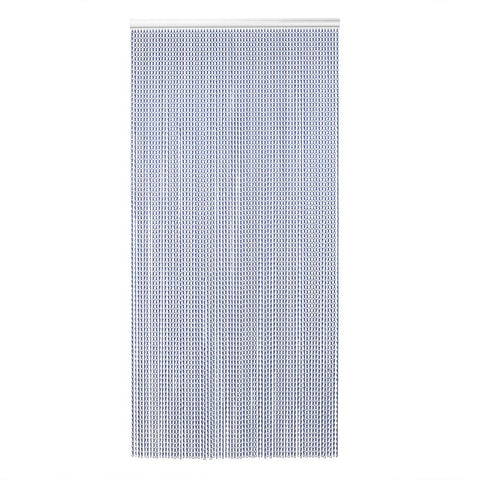

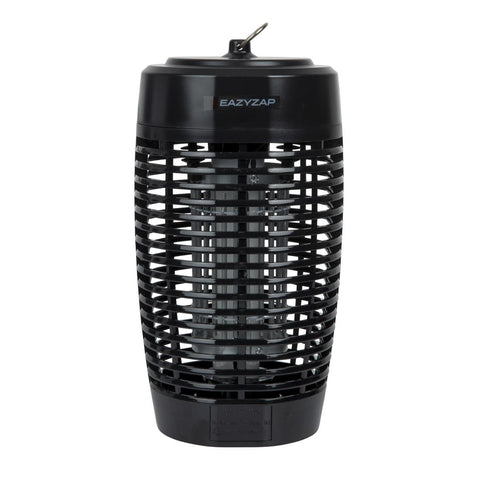
 Eazyzap Indoor and Outdoor Lantern Insect Killer - DF756-A
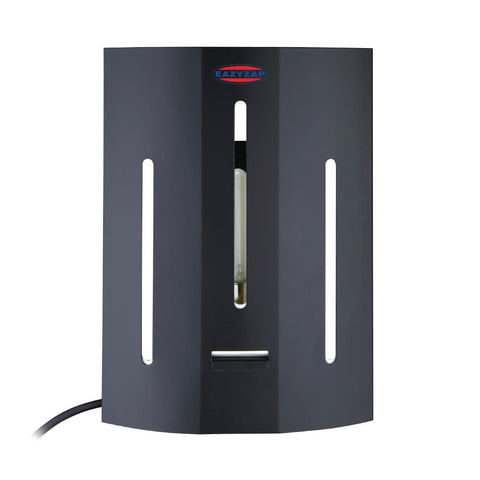
 Eazyzap Glue Trap - CT870-A
236(W) x 325(H) x 122(D)mm
Commercial bug zappers deal with the insects already inside a venue, so a fly does not end up landing on a plate. We stock them in every format: wall-mounted grid units for back of house, a commercial kitchen fly zapper for prep and wash-up areas, glue-board traps, and sealed outdoor models for courtyards and smoking areas. Delivered anywhere in Australia.
Buy them with the rest of your fit-out from furniture and that is one order to track and one number to call if something goes wrong, instead of chasing several suppliers. Our commercial bug zappers include small single units for a back door up to a commercial insect zapper for each room of a large site, so you can start with the areas that need covering now and add more as your business grows. Two things decide which unit suits a space: how big the area is, and whether the unit sits inside or out. Coverage area and the rating for each unit are stated on its own product page, so work from that rather than from a rule of thumb.
Insect control works as a layered job, not a single purchase. Keeping numbers down also means lidded commercial kitchen rubbish bins, sealed food storage, clean stainless steel benching and tidy outdoor areas with outside ashtrays and bins where people gather.
Tell us the room sizes and whether any unit goes outside, and get a quote on the right mix. Brands in the range are listed on our brands page.
Away from open food, prep surfaces and plated dishes, and away from doorways where it draws insects in from outside rather than killing what is already in. The usual spots for a commercial fly zapper are side walls in a prep or wash-up area, and inside a back entry rather than above it.
Mount it where staff can reach the catch tray without a ladder, because a tray that is awkward to empty does not get emptied. Height and clearance for a given model are on its product page. Where an installed unit sits in a food area, your local council or state food authority is the one to confirm placement with before you fix it to the wall.
An electric grid unit kills on contact, which is fast and needs only a tray emptied. A glue-board unit traps the insect on a sheet instead, so there is no snap and no fragments — that is why glue boards are usually chosen for areas with open food and grid units for store rooms, corridors and wash-up.
Both use a light source to attract insects, and both work better in dim surroundings than in bright daylight. If the room has a lot of natural light, position matters more than wattage. Our brands page lists what we carry in each style.
Count rooms, not square metres. Each enclosed space tends to need its own unit, because a zapper only pulls insects that can see it — a doorway or a wall between two areas effectively halves its usefulness.
Then check the coverage area stated for the model you are looking at and compare it with the room. A long narrow kitchen often wants two smaller units at opposite ends rather than one larger one in the middle.
Only a model built for it. Searches for "commercial bug zapper outdoor" usually mean a courtyard, a smoking area or a covered deck, and those need a unit sealed against weather and rated for outdoor mounting. An indoor grid unit put outside will not last.
Outdoors, also think about where people sit. Mount the unit away from tables so insects are drawn past the diners rather than over them, and keep the area tidy with outside ashtrays and bins. Check the product page for the mounting and weather rating before you order.
Empty the catch tray on a schedule, wipe the grid down when the unit is isolated from power, and keep the light source working — a dead tube means a commercial electric bug zapper is still drawing power and catching nothing. Tube replacement intervals and the correct tube for a model are on the product page.
Build it into the cleaning roster alongside the bins and the floors. A unit that is cleaned weekly stays effective; one that is left until the tray overflows becomes part of the problem. Keep a spare tube on the shelf with your other commercial kitchen accessories.
Placement is what makes the difference, not the unit. A commercial electric insect killer is normally kept out of any zone where food is open, plated or being prepped, and used in the spaces around those zones instead. Where you do need control directly over an open area, a glue-board unit is the usual answer because nothing is thrown clear.
We will not tell you what your site is obliged to do — that is for your local council or state food authority, and it is worth a call before the unit goes up. What we can do is match the unit to the area; tell us the layout and get a quote.
Yes. A professional bug zapper handles the insects that are already inside; screens, air curtains, door seals and good waste habits are what stop more arriving. Venues that rely on the zapper alone end up emptying a full tray every day and still have a problem.
Think of it as the last line. The first lines are closing gaps, keeping bins lidded, clearing standing water and getting waste out of the building, with sealed food storage and clean kitchen wall shelves so there is nothing to feed on.

We have a special page just for stock that's warehoused in Perth.
Click Here to see all WA stockWhat our customers say about us on Google, and how Google scores our store for things like shipping and returns.
Store scores from Google