


 03 9070 5784
 Help & Support
 Track My Order



Recently Viewed
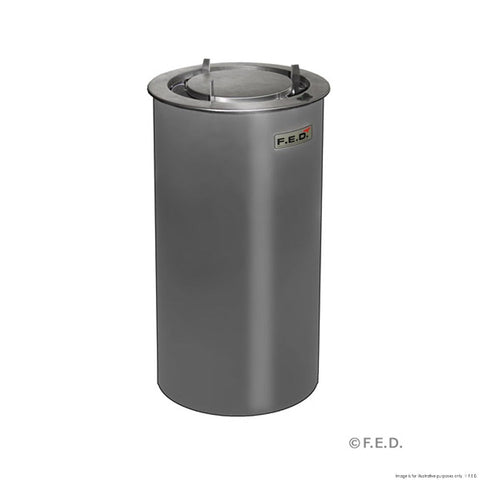

 Elementry Single Plate Lowerator insert suitable for bench mounting - DR-3E
450(W) x 405(D) x 725(H)mm
 Elementry Stainless Steel Double Cabinet Plate Warmer 120 Plates - PW-DE
750(W) x 476(D) x 850(H)mm
 Elementry Stainless Steel Single Cabinet Plate Warmer 60 Plates PW-SE
450(W) x 476(D) x 850(H)mm
 Elementry Double Mobile Plate Lowerator DR-2E
450(W) x 910(D) x 920(H)mm
 Elementry Single Mobile Plate Lowerator DR-1E
450(W) x 485(D) x 920(H)mm
 Elementry Plate Warmer - Single PW-S
450(W) x 485(D) x 850(H)mm

 Carlisle Black Optimizer™ Adjustable Small Dish Dolly - 4 dividers & 4 swivel wheels. 737mm x 737mm x 806mm - ADS403

 Hatcho Corporation Plate warmer - Dimensions - 427 x 441 x 568mm - PWC-12/BLACK
427(W) x 441(D) x 568(H)mm
A plate lowerator holds a stack of plates on a spring platform so the top plate is always at the same height, however many are left in the tube. On a busy pass that means nobody has to bend into a cupboard between plates.
The same thing is sold as a plate dispenser, and commercial plate dispensers come as drop-in tubes built into a bench, mobile units on castors, and heated versions that keep the plates warm before service. Which one you want is set by where the plates need to be, not by the plate itself.
They are usually specified with the rest of the pass. See stainless steel benching for the bench they drop into and holding cabinets for keeping plated food at temperature.
Fitting out a pass with dispensers and benching? get a quote and we will price the tubes and the bench together.
It carries the stack on a sprung platform inside a tube. As plates are taken off, the platform rises, so the top plate stays at roughly the same height from full to empty. As plates are added, it lowers again.
The effect is that service speed does not change as the stack runs down, and nobody is reaching into the bottom of a cupboard with hot food in the other hand. Our specifications page explains how the tube dimensions are listed.
Yes. Plate dispensers and lowerators are the same product under two names, and different suppliers favour different wording. A commercial plate dispenser and a plate lowerator will be the same item at the same spec.
What varies between models is the tube diameter, the adjustment range and whether the unit is heated. Those are the things to compare rather than the title on the listing.
By measuring the plate rim diameter, not the stated plate size, and checking it against the tube range on the product page. Many tubes adjust across a span of diameters, but they adjust within limits.
Measure every plate shape you use, including the bowls. If you are changing crockery as well, do both at once — see the commercial kitchen accessories range for the plateware side.
Drop-in where the pass is fixed and the plates are always needed in the same place. Mobile where plating happens in different spots, at functions, or where the unit has to be wheeled out to clean behind.
Heated where plates must reach the table warm, which matters most for sauced and slow-cooling dishes. For holding the food rather than the plate, bain marie displays and heated shelves are the right equipment.
Within reach of the person plating, on the side they pick up from, and not where a server has to lean across hot food to get a plate. It is worth standing at the pass and miming the movement before the bench is cut.
If the bench is being fabricated, the cut-out position is decided then and cannot easily be changed. Talk to us before you finalise the stainless steel bench drawings.
The tube and platform come out or lift clear on most models so the inside can be wiped down, which matters because crumbs and food debris fall through the stack. Plates are a food contact surface, so the tube is too.
Wipe with a neutral detergent and dry it. Keep the spring mechanism clear of grease. The usual cleaning supplies are all it needs.
Somewhere to hold the food, somewhere to keep the plates, and somewhere to put the finished dish. Most passes run a heated shelf or hot food display alongside the dispensers.
Under the bench, an undershelf holds the spare plates that have not gone into the tube yet. For cold plating, a countertop prep fridge keeps the garnishes in reach.

We have a special page just for stock that's warehoused in Perth.
Click Here to see all WA stockWhat our customers say about us on Google, and how Google scores our store for things like shipping and returns.
Store scores from Google