


 03 9070 5784
 Help & Support
 Track My Order



Recently Viewed
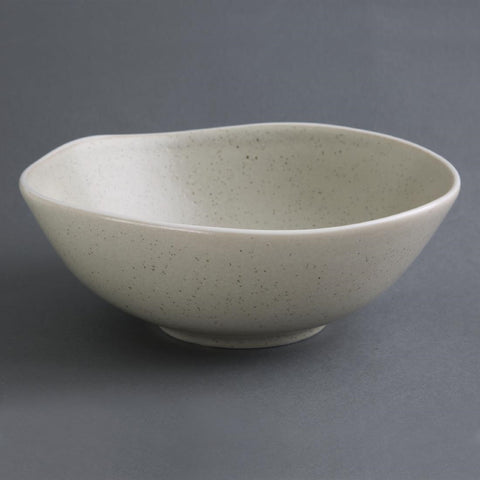

 Olympia Chia Deep Bowls Sand 210mm - DR809
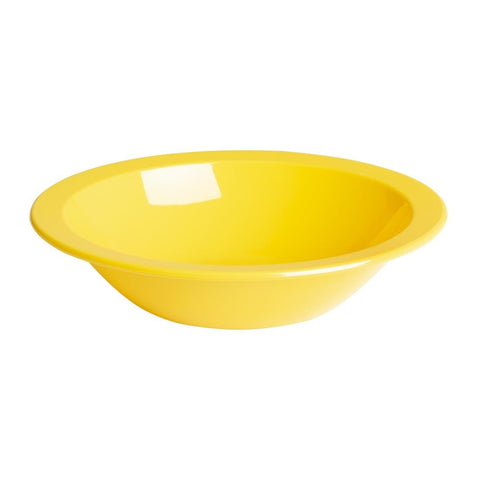
 Olympia Kristallon Polypropylene Bowls Yellow 174mm (12 Pack) - CB771
174(W) x 41.5(H) x 174(D)mm
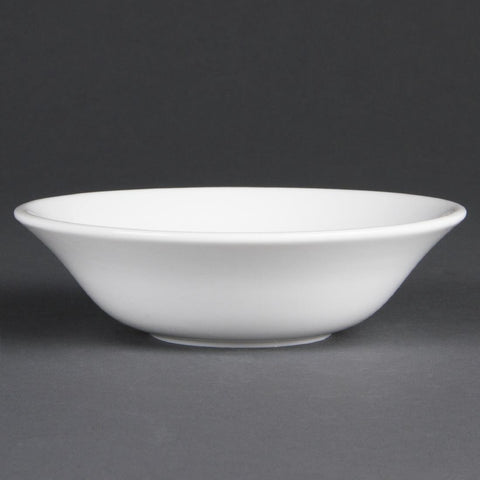
 Olympia Whiteware Oatmeal Bowls 150mm 300ml (12 Pack) - CB475
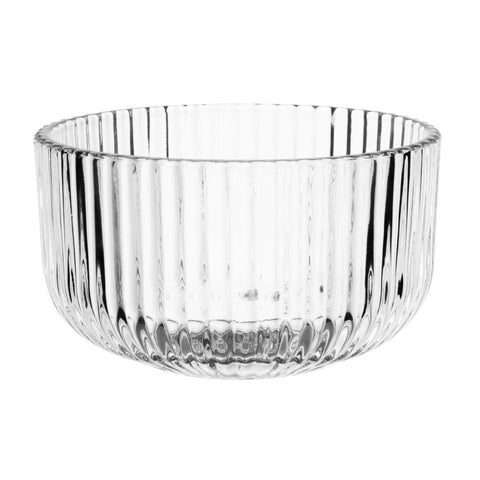
 Olympia Round Ridged Glass Snack Bowls (6 Pack) - HZ337
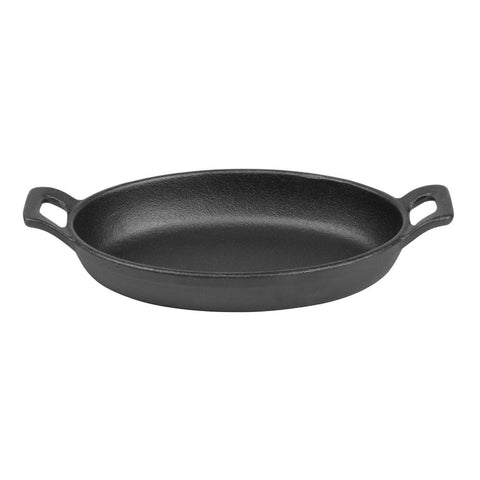
 Olympia Cast Iron Oval Eared Dish 180x120mm - FW818
120(W) x 30(H) x 180(D)mm
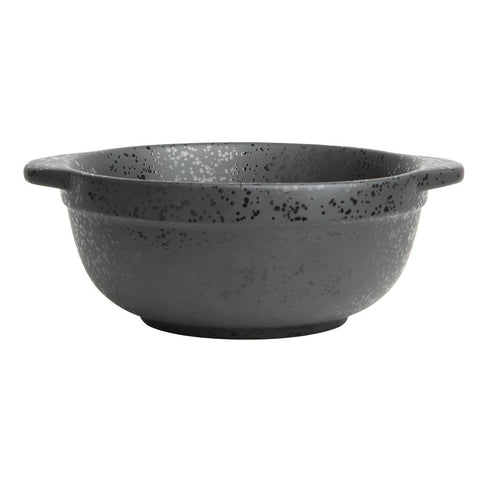
 Olympia Fusion Eared Bowls 640ml (4 pack) - HP856
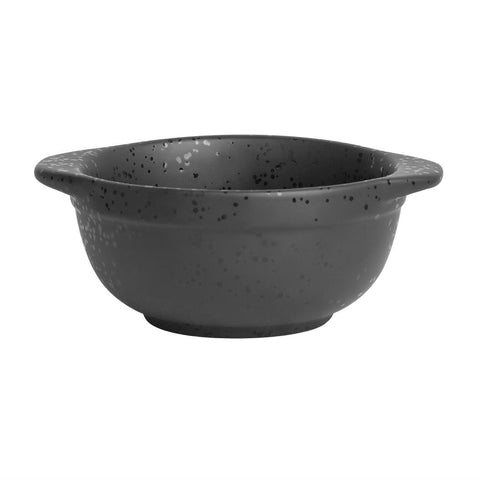
 Olympia Fusion Eared Bowls 250ml (6 pack) - HP855
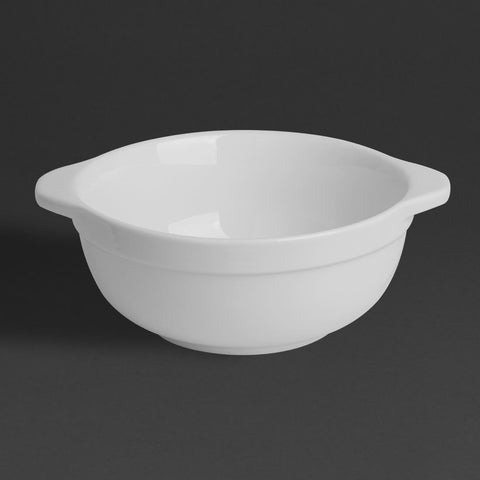
 Olympia Whiteware Eared Bowls 640ml (4 Pack) - HP854
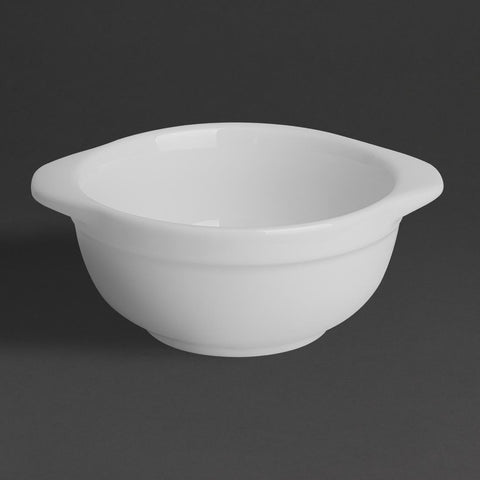
 Olympia Whiteware Eared Bowls 250ml (6 Pack) - HP853
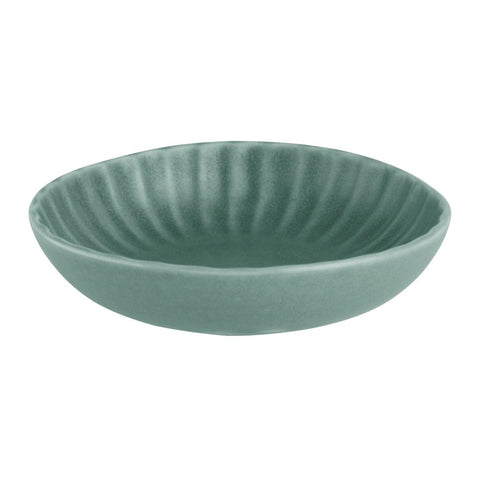
 Olympia Corallite Coupe Bowls Green - 160mm (6 Pack) - FU211
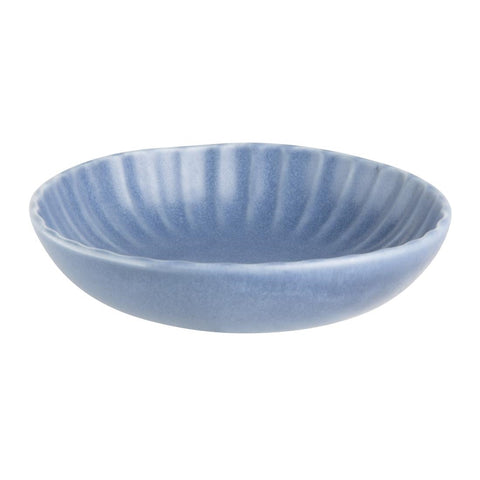
 Olympia Corallite Coupe Bowls Blue - 160mm (6 pack) - FU205
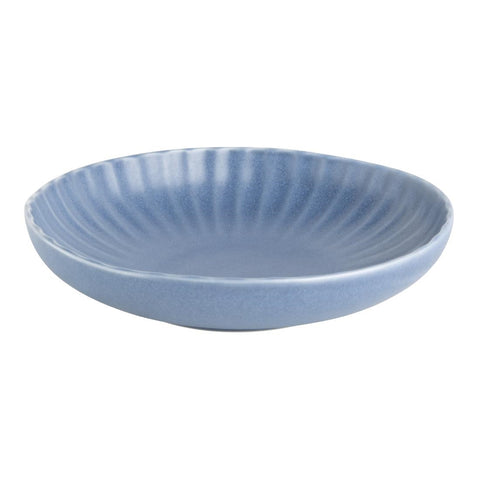
 Olympia Corallite Coupe Bowls Blue - 220mm (6 pack) - FU203

 Olympia Corallite Deep Bowls Green - 105mm (12 Pack) - FU210

 Olympia Corallite Coupe Bowls Peach - 220mm (6 Pack) - FU215
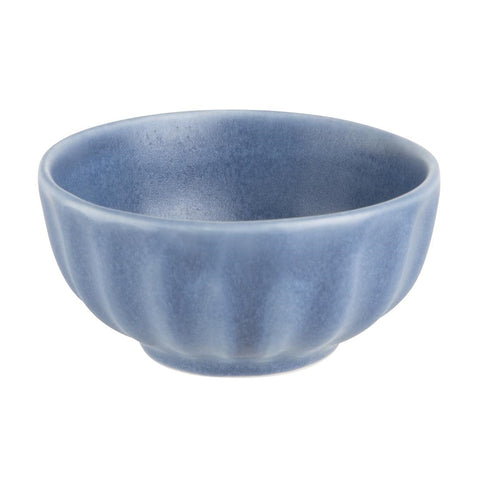
 Olympia Corallite Deep Bowls Blue - 105mm (12 pack) - FU204
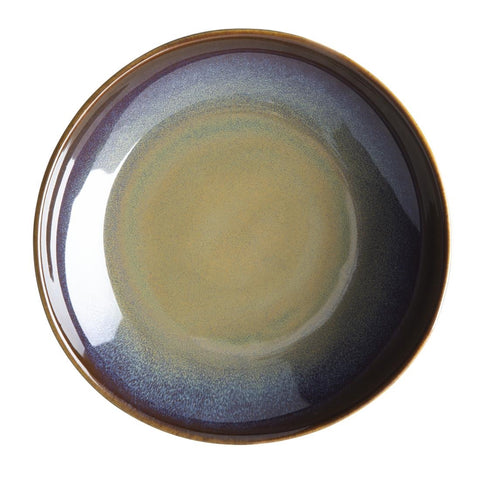
 Olympia Birch Aubergine Wide Bowls - 205mm (6 pack) - DZ698

 Olympia Corallite Deep Bowls Peach - 105mm (12 Pack) - FU216

 Olympia Corallite Coupe Bowls Peach - 160mm (6 Pack) - FU217

 Olympia Corallite Coupe Bowls Green - 220mm (6 Pack) - FU209

 Olympia Corallite Deep Bowls Green - 150mm (6 pack) - FU208

 Olympia Corallite Deep Bowls Peach - 150mm (6 pack) - FU214

 Olympia Corallite Deep Bowls Blue - 150mm (6 pack) - FU202

 Olympia Whiteware Salad Bowls 235mm (6 Pack) - W436

 Olympia Whiteware Salad Bowls 200mm (6 Pack) - W428

 Olympia Luna Midnight Blue Footed Bowls 205mm (4 Pack) - DZ776
205(W) x 95(H) x 205(D)mm

 Olympia Luna Midnight Blue Footed Bowls 115mm (8 Pack) - DZ774
115(W) x 70(H) x 115(D)mm

 Olympia Luna Midnight Blue Footed Bowls 150mm (6 Pack) - DZ775
150(W) x 84(H) x 150(D)mm

 Olympia Luna Midnight Blue Coupe Bowls 160mm (6 Pack) - DZ772
158(W) x 50(H) x 158(D)mm

 Olympia Ember Blue Low Coupe Bowls 230mm (4 Pack) - FU174
230(W) x 47(H) x 230(D)mm

 Olympia Whiteware Oval Eared Dishes 229 x 127mm (6 Pack) - W427
229(W) x 43(H) x 127(D)mm

 Olympia Denim White Coupe Bowls 160mm (6 Pack) - FU229
160(W) x 59(H) x 160(D)mm

 Olympia Ember Blue Dipping Dishes 78mm (8 Pack) - FU178
78(W) x 29(H) x 78(D)mm

 Olympia Whiteware Cereal Bowls 145mm (12 Pack) - CE530
145(W) x 65(H) x 145(D)mm

 Olympia Whiteware Large Salad Bowl 330mm - C464
330(W) x 123(H) x 330(D)mm

 Olympia Whiteware Round Pie Dishes 134mm (6 Pack) - C042
134(W) x 53(H) x 134(D)mm

 Olympia Denim White Coupe Bowls 220mm (6 Pack) - FU228
220(W) x 46(H) x 220(D)mm


 Olympia Ember Blue Triangle Bowls 245mm (4 Pack) - FU181
245(W) x 50(H) x 245(D)mm

 Olympia Drift Grey Plain Coupe Bowls 205mm (4 Pack) - FU191
205(W) x 65(H) x 205(D)mm

 Olympia Ember Blue Coupe Bowls 200mm (4 Pack) - FU175
200(W) x 65(H) x 200(D)mm

 Olympia Drift Grey Embossed Coupe Bowls 205mm (4 Pack) - FU198
205(W) x 65(H) x 205(D)mm

 Bulk Buy Olympia Athena Oatmeal Bowls 153mm (36 Pack) - S562
150(W) x 44(H) x 150(D)mm

 Olympia Chia Charcoal Coupe Bowl 220mm 8.5" (4 Pack) - CX958

 Olympia Chia Charcoal Coupe Bowl 265mm 10.5" (4 Pack) - CX959


 Olympia Chia Green Coupe Bowl 220mm 8.5" (4 Pack) - CX954

 Olympia Chia Green Coupe Bowl 265mm 10.5" (4 Pack) - CX955

 Olympia Whiteware Flat Walled Bowl - 270mm (4 Pack) - CK072

 Olympia Fondant Bowl Mint - 215mm (4 Pack) - CU432
215(W) x 47(H) x 215(D)mm

 Olympia Cavolo Flat Round Bowls Ice Blue 220mm (4 Pack) - FB566

 Olympia Cavolo Flat Round Bowls White Speckle 220mm (4 Pack) - FD901
Dinnerware bowls are what pasta, salads, sides and bowl food go out in, and the shape you choose decides how a dish looks and whether it gets from pass to table without spilling. Pasta bowls, salad bowls, side bowls and the deep wide commercial serving bowls all sit here.
The things to compare are depth, rim width and foot. A wide rim gives staff a cool place to hold and frames the food; a deep well holds sauce and keeps a dish hot; a proper foot means the bowl stacks and does not rock on a table.
Bowls sit in the crockery range beside dinnerware plates and commercial soup bowls, and are plated with serving spoons and carried on serving trays.
Settling on two or three bowl sizes for a new menu? The price guide lists depths, rim widths and pack quantities so you can match them to the dishes.
Depth and rim. A pasta bowl is shallow with a broad rim, so sauce pools in the centre and the dish presents flat. A salad bowl is deeper with a narrower rim, so you can toss and build height without losing leaves over the side.
Using a salad bowl for pasta buries the dish; using a pasta bowl for salad means it falls off. Most kitchens need both.
Three is usually enough: a main bowl, a side bowl and something small for sauces and condiments. Each extra size is another stack to store and another thing for staff to pick wrongly in service.
Decide by plating a trial of every dish rather than from a catalogue. Side bowls and ramekins overlap with commercial food dishes.
They need to look deliberate together, which is not the same as being identical. A single glaze family across plates and bowls holds a table together even when the shapes differ.
Mixing two unrelated patterns reads as running out of stock. Pick the glaze first and then the shapes from the dinnerware plates and bowl ranges.
Well if they have a foot and a consistent profile, badly if they are wide-rimmed or irregular. Handmade-look bowls with uneven rims are the worst offenders, and that is a real cost in a small kitchen.
Test a stack before you commit to a full order. Modular shelving with adjustable shelves copes better than fixed plate racks.
Dense, fully vitrified bodies with a hard glaze and no decoration over the glaze. Anything decorated on top of the glaze will eventually fade; anything porous will craze and then stain.
Load them so they cannot knock, in a rack designed for bowls rather than plates. The dishwashing accessories range has the right racks for a commercial dishwasher.
Plain ceramic bowls can be warmed and it makes a real difference to anything saucy. The limits are decoration, which can be damaged, and how hot staff can still carry them.
A heated shelf or holding cabinet is the controlled way to do it. A bowl too hot to hold at the rim will come back to the pass.
For buffets, function catering, poolside and anywhere breakage is the main cost, yes. It will not chip and it weighs much less when a stack has to be carried.
It will not hold heat and cannot go in an oven. Keep it for cold service and use ceramic where temperature matters; the buffet and table service range covers the function end.

We have a special page just for stock that's warehoused in Perth.
Click Here to see all WA stockWhat our customers say about us on Google, and how Google scores our store for things like shipping and returns.
Store scores from Google