


 03 9070 5784
 Help & Support
 Track My Order



Recently Viewed
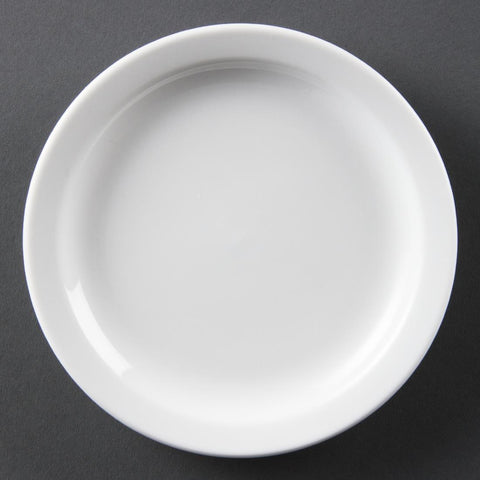

 Olympia Whiteware Narrow Rimmed Plates 150mm (12 Pack) - CB486
150(W) x 20(H) x 150(D)mm
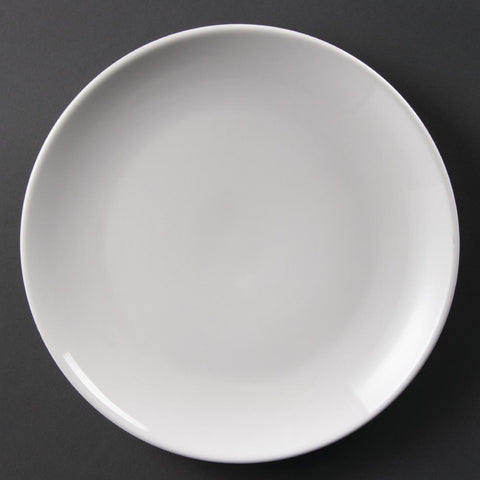
 Olympia Whiteware Coupe Plates 250mm (12 Pack) - U079

 Olympia Whiteware Coupe Plates 180mm (12 Pack) - U076

 Olympia Whiteware Coupe Plates 200mm (12 Pack) - U077
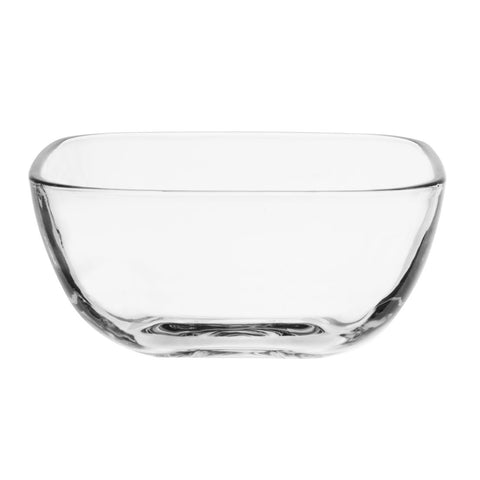
 Olympia Square Glass Low Snack Bowls (6 Pack) - HZ335
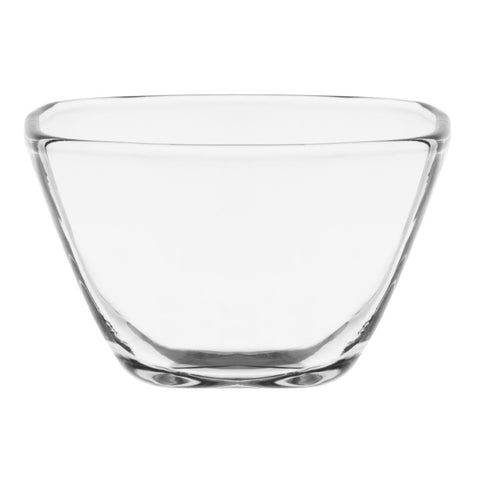
 Olympia Square Glass Tall Snack Bowls (6 Pack) - HZ334
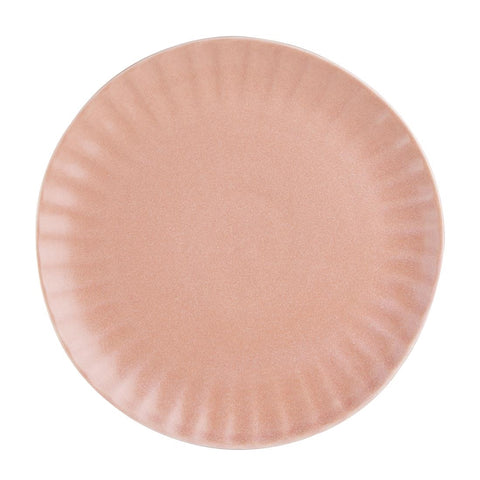
 Olympia Corallite Plates Peach - 280mm (6 pack) - FU212
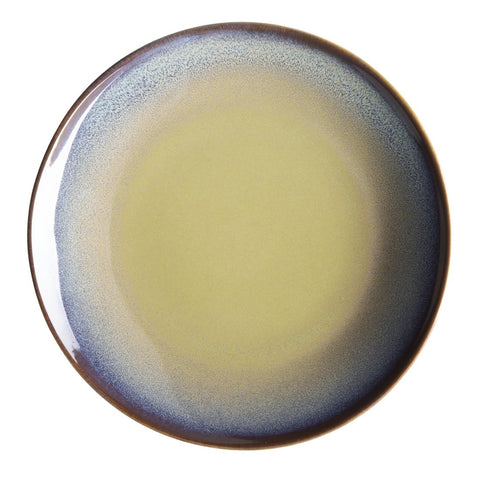
 Olympia Birch Aubergine Coupe Plates - 270mm (6 Pack) - DZ697
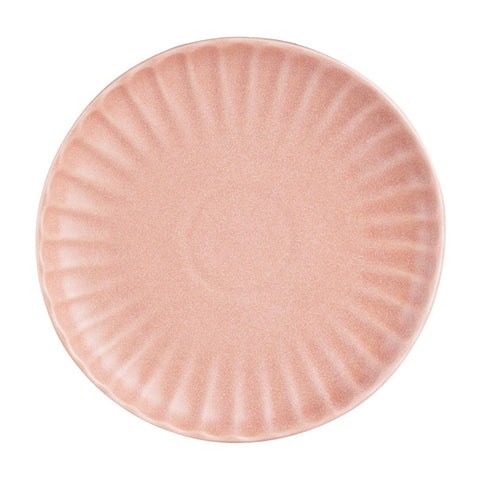
 Olympia Corallite Plates Peach - 205mm (6 pack) - FU213
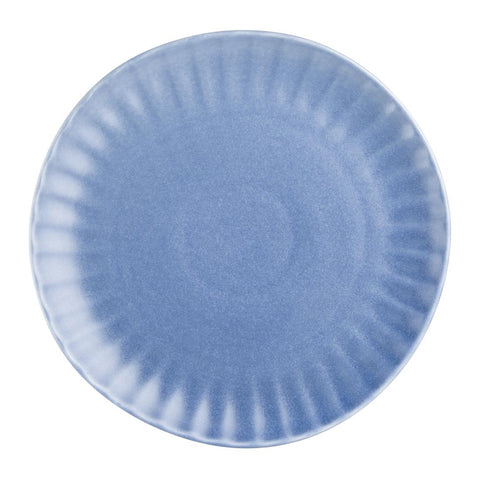
 Olympia Corallite Plates Blue - 280mm (6 pack) - FU200

 Olympia Corallite Plates Green - 205mm (6 pack) - FU207

 Olympia Corallite Plates Blue - 205mm (6 pack) - FU201

 Olympia Whiteware Narrow Rimmed Plates 230mm (12 Pack) - CB489

 Olympia Whiteware Square Eared Roaster 260x225x50mm (2 Pack) - DX386

 Olympia Whiteware Square Eared Roaster 200x180x40mm (3 Pack) - DX387

 Olympia Luna Midnight Blue Coupe Plate 255mm (4 Pack) - DZ778
255(W) x 43(H) x 255(D)mm

 Olympia Drift Grey Embossed Coupe Plates 220mm (6 Pack) - FU195
220(W) x 24(H) x 220(D)mm

 Olympia Ember Blue Coupe Plates 180mm (6 Pack) - FU172
180(W) x 20(H) x 180(D)mm

 Olympia Drift Grey Embossed Coupe Plates 180mm (6 Pack) - FU196
180(W) x 21(H) x 180(D)mm

 Olympia Ember Blue Triangle Plates 250mm (6 Pack) - FU179
250(W) x 25(H) x 250(D)mm

 Olympia Denim White Coupe Plates 180mm (6 Pack) - FU225
180(W) x 19(H) x 180(D)mm

 Olympia Whiteware French Deep Oval Plates 365mm (2 Pack) - CC891

 Olympia Denim Blue Coupe Plates 230mm (6 Pack) - FU221
230(W) x 22(H) x 230(D)mm

 Olympia Ember Blue Triangle Plates 308mm (4 Pack) - FU176
308(W) x 30(H) x 308(D)mm

 Olympia Acacia Round Plates 150(D)mm - FT610
150(W) x 20(H) x 150(D)mm

 Olympia Acacia Round Plates 200(D)mm - FT611
200(W) x 20(H) x 200(D)mm

 Olympia Acacia Round Plates 250(D)mm - FT612
250(W) x 20(H) x 250(D)mm

 Bulk Buy Olympia Athena Narrow Rimmed Plates 226mm (36 Pack) - S753
226(W) x 22(H) x 226(D)mm

 Bulk Buy Olympia Athena Narrow Rimmed Plates 284mm (36 Pack) - S755
284(W) x 29(H) x 284(D)mm

 Bulk Buy Olympia Athena Narrow Rimmed Plates 165mm (36 Pack) - S751
165(W) x 20(H) x 165(D)mm

 Bulk Buy Olympia Athena Narrow Rimmed Plates 205mm (36 Pack) - S752
205(W) x 26(H) x 205(D)mm

 Bulk Buy Olympia Athena Narrow Rimmed Plates 254mm (36 Pack) - S754
254(W) x 27(H) x 254(D)mm

 Olympia Fondant Plate Pink - 270mm (4 Pack) - CU452
270(W) x 24(H) x 270(D)mm

 Olympia Fondant Plate Mint - 270mm (4 Pack) - CU434
270(W) x 24(H) x 270(D)mm

 Olympia Lumina Wide Rim Round Plates 270mm (4 Pack) - CD625

 Olympia Fondant Plate Lemon - 270mm (4 Pack) - CU416
270(W) x 24(H) x 270(D)mm

 Olympia Kiln Triangular Plate Smoke 280mm - HC385
280(W) x 41(H) x 280(D)mm

 Olympia Fondant Plate Mint - 215mm (6 Pack) - CU433
215(W) x 21(H) x 215(D)mm

 Olympia Cavolo White Speckle Flat Round Plate 270mm (4 Pack) - FD904

 Olympia Cavolo Flat Round Plates Ice Blue 270mm (4 Pack) - FB569

 Olympia Fondant Plates Mint 156mm (6 Pack) - CU429
156(W) x 19(H) x 156(D)mm

 Olympia Fondant Plate Lemon - 215mm (6 Pack) - CU415
215(W) x 21(H) x 215(D)mm

 Olympia Fondant Plates Lemon 156mm (6 Pack) - CU411
156(W) x 19(H) x 156(D)mm

 Olympia Mineral Coupe Plates 280mm (4 Pack) - DF184
280(W) x 30(H) x 280(D)mm

 Olympia Fondant Plate Aqua - 152mm (6 Pack) - CU171
156(W) x 19(H) x 156(D)mm

 Olympia Fondant Plate Aqua - 270mm (4 Pack) - CU176
270(W) x 24(H) x 270(D)mm

 Olympia Kiln Medium Platter Moss 295mm - CP173
295(W) x 25(H) x 140(D)mm

 Olympia Kiln Platter Sandstone 295mm - CP170
295(W) x 25(H) x 140(D)mm

 Olympia Kiln Medium Platter Ocean 295mm - CP171
295(W) x 25(H) x 140(D)mm


 Olympia Whiteware Flat Round Plates 150mm (6 Pack) - FW812

 Olympia Kiln Platter Chalk 335mm (Pack of 4) - FB976
Every dish the kitchen sends out goes on a plate, which comes back through the wash-up and goes straight out again. Dinnerware plates have to survive a commercial dishwasher, a plate stack and a busy pass, and still look right under the lights.
The decisions are body, shape and size. A vitrified body does not soak up water, and it is the best guide to how long crockery plates last in a commercial wash-up. The rim is where almost all chips start, and the sizes you choose set your portion sizes for as long as the set lasts. Tableware plates also have to fit your racks, your warmers and your shelves.
Plates split into round plates, square plates and oval plates, and sit alongside dinnerware bowls in the crockery range.
Working out which sizes and shapes to run? Start with the price guide to narrow the bodies and rim styles down, then get a quote once you know the quantities and the breakage allowance you want.
A vitrified body has been fired until it is effectively non-porous, so it does not soak up water, does not craze and does not stain through a chip. It is the single biggest predictor of how long a plate lasts in a commercial wash-up.
Non-vitrified crockery can look identical and will start showing fine cracks and grey staining within months. Check the body description on the product page specifications.
Plan on covering your busiest service plus whatever is in the wash, plus a working spare stack. A set sized exactly to covers means you are washing plates mid-service, and plates washed in a hurry are plates that get broken.
Order a replacement allowance at the same time, from the same production run. Colour and glaze shift between runs, and a mismatched plate is as good as broken.
The rim, in the wash-up and the plate stack. Very little crockery is broken by a customer; most of it is chipped by another plate during stacking and then finished off in a rack.
Lower stack heights, use the right racks and keep the stack off the edge of the bench. The dishwashing accessories range has the dividers and racks.
Rimmed plates give staff somewhere to hold and frame the food, which suits classic plating and hot plates. Coupe plates — no rim, a gentle curve — give more usable surface for the same diameter and read as more modern.
Coupe plates hold sauce less well at the edge and are harder to carry hot. Pick by menu rather than fashion.
A main plate, an entree plate, a side plate and one share platter covers most menus. Each additional size is a storage problem and another choice for staff to get wrong under pressure.
Plate your real dishes on samples before deciding. Portion looks small on a plate that is too large, and a plate too small limits the kitchen forever.
Plain ceramic plates can be, and a warm plate is the cheapest improvement available to hot food service. The limits are decoration, which can be damaged, and metallic banding, which should not go anywhere near a microwave.
Use a heated shelf, a plate warmer or a low holding cabinet rather than the top of a grill, which heats unevenly and cracks plates.
In short, even stacks on a stable shelf, by size. Tall mixed stacks are where the chipping happens, and a stack that has to be lifted off a high shelf is a breakage waiting for a busy night.
Store the service stack at the pass and the rest away from the line. Modular shelving and kitchen wall shelves cover both.
For functions, outdoor service, poolside, aged care and anywhere breakage or weight dominates, yes. It will not chip and a full stack is far lighter to carry.
It does not hold heat and will scratch visibly over time. The buffet and table service and plastic kitchen accessories ranges cover it.
By glaze and body first, shape second. Two whites from different makers rarely read as the same white on a table, and the difference is more obvious under warm lighting than on a shelf.
Send through what you already run and we will check what matches. The body and glaze are stated on each product page, so the price guide is a quick way to shortlist before samples.
Crockery plates, tableware plates, dinner plates, service plates and commercial china all describe the same range. The useful distinctions are body type, rim style and shape rather than the label.
Compare by those three. The round plates, oval plates and square plates pages cover each shape in detail.

We have a special page just for stock that's warehoused in Perth.
Click Here to see all WA stockWhat our customers say about us on Google, and how Google scores our store for things like shipping and returns.
Store scores from Google