


 03 9070 5784
 Help & Support
 Track My Order



Recently Viewed
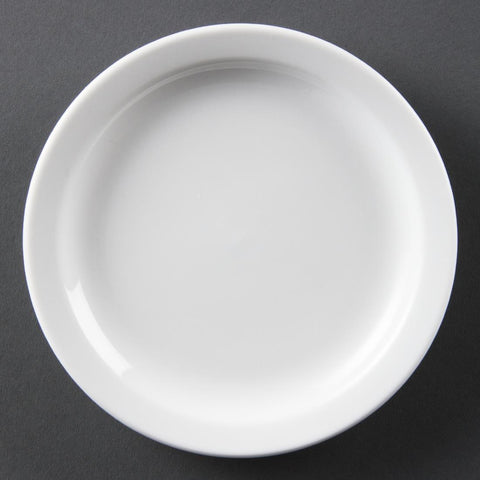

 Olympia Whiteware Narrow Rimmed Plates 150mm (12 Pack) - CB486
150(W) x 20(H) x 150(D)mm
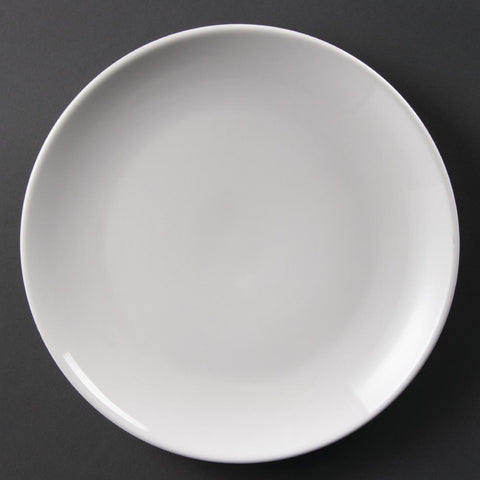
 Olympia Whiteware Coupe Plates 250mm (12 Pack) - U079

 Olympia Whiteware Coupe Plates 180mm (12 Pack) - U076

 Olympia Whiteware Coupe Plates 200mm (12 Pack) - U077
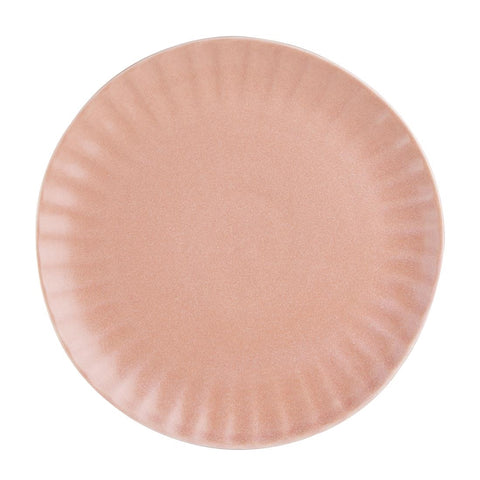
 Olympia Corallite Plates Peach - 280mm (6 pack) - FU212
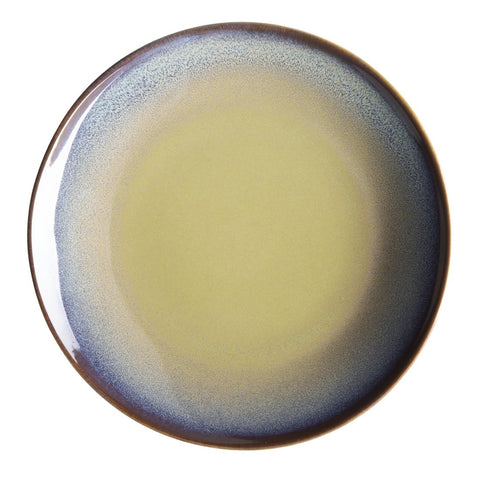
 Olympia Birch Aubergine Coupe Plates - 270mm (6 Pack) - DZ697
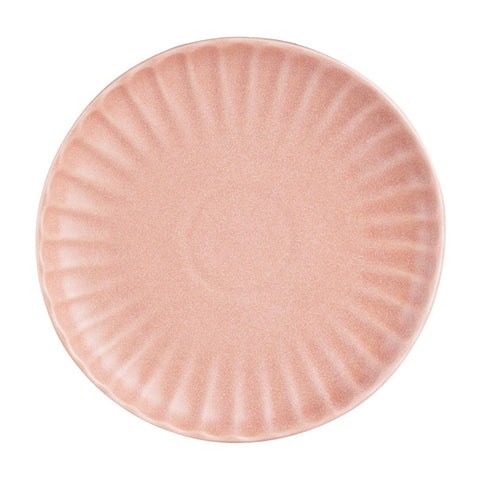
 Olympia Corallite Plates Peach - 205mm (6 pack) - FU213
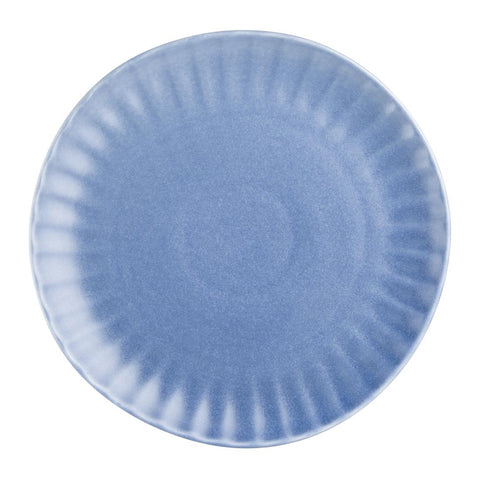
 Olympia Corallite Plates Blue - 280mm (6 pack) - FU200

 Olympia Corallite Plates Green - 205mm (6 pack) - FU207

 Olympia Corallite Plates Blue - 205mm (6 pack) - FU201

 Olympia Whiteware Narrow Rimmed Plates 230mm (12 Pack) - CB489

 Olympia Luna Midnight Blue Coupe Plate 255mm (4 Pack) - DZ778
255(W) x 43(H) x 255(D)mm

 Olympia Drift Grey Embossed Coupe Plates 220mm (6 Pack) - FU195
220(W) x 24(H) x 220(D)mm

 Olympia Ember Blue Coupe Plates 180mm (6 Pack) - FU172
180(W) x 20(H) x 180(D)mm

 Olympia Drift Grey Embossed Coupe Plates 180mm (6 Pack) - FU196
180(W) x 21(H) x 180(D)mm

 Olympia Ember Blue Triangle Plates 250mm (6 Pack) - FU179
250(W) x 25(H) x 250(D)mm

 Olympia Denim White Coupe Plates 180mm (6 Pack) - FU225
180(W) x 19(H) x 180(D)mm

 Olympia Whiteware French Deep Oval Plates 365mm (2 Pack) - CC891

 Olympia Denim Blue Coupe Plates 230mm (6 Pack) - FU221
230(W) x 22(H) x 230(D)mm

 Olympia Ember Blue Triangle Plates 308mm (4 Pack) - FU176
308(W) x 30(H) x 308(D)mm

 Olympia Acacia Round Plates 150(D)mm - FT610
150(W) x 20(H) x 150(D)mm

 Olympia Acacia Round Plates 200(D)mm - FT611
200(W) x 20(H) x 200(D)mm

 Olympia Acacia Round Plates 250(D)mm - FT612
250(W) x 20(H) x 250(D)mm

 Bulk Buy Olympia Athena Narrow Rimmed Plates 226mm (36 Pack) - S753
226(W) x 22(H) x 226(D)mm

 Bulk Buy Olympia Athena Narrow Rimmed Plates 284mm (36 Pack) - S755
284(W) x 29(H) x 284(D)mm

 Bulk Buy Olympia Athena Narrow Rimmed Plates 165mm (36 Pack) - S751
165(W) x 20(H) x 165(D)mm

 Bulk Buy Olympia Athena Narrow Rimmed Plates 205mm (36 Pack) - S752
205(W) x 26(H) x 205(D)mm

 Bulk Buy Olympia Athena Narrow Rimmed Plates 254mm (36 Pack) - S754
254(W) x 27(H) x 254(D)mm

 Olympia Fondant Plate Pink - 270mm (4 Pack) - CU452
270(W) x 24(H) x 270(D)mm

 Olympia Fondant Plate Mint - 270mm (4 Pack) - CU434
270(W) x 24(H) x 270(D)mm

 Olympia Lumina Wide Rim Round Plates 270mm (4 Pack) - CD625

 Olympia Fondant Plate Lemon - 270mm (4 Pack) - CU416
270(W) x 24(H) x 270(D)mm

 Olympia Kiln Triangular Plate Smoke 280mm - HC385
280(W) x 41(H) x 280(D)mm

 Olympia Fondant Plate Mint - 215mm (6 Pack) - CU433
215(W) x 21(H) x 215(D)mm

 Olympia Cavolo White Speckle Flat Round Plate 270mm (4 Pack) - FD904

 Olympia Cavolo Flat Round Plates Ice Blue 270mm (4 Pack) - FB569

 Olympia Fondant Plates Mint 156mm (6 Pack) - CU429
156(W) x 19(H) x 156(D)mm

 Olympia Fondant Plate Lemon - 215mm (6 Pack) - CU415
215(W) x 21(H) x 215(D)mm

 Olympia Fondant Plates Lemon 156mm (6 Pack) - CU411
156(W) x 19(H) x 156(D)mm

 Olympia Mineral Coupe Plates 280mm (4 Pack) - DF184
280(W) x 30(H) x 280(D)mm

 Olympia Fondant Plate Aqua - 152mm (6 Pack) - CU171
156(W) x 19(H) x 156(D)mm

 Olympia Fondant Plate Aqua - 270mm (4 Pack) - CU176
270(W) x 24(H) x 270(D)mm


 Olympia Whiteware Flat Round Plates 150mm (6 Pack) - FW812

 Olympia Whiteware Flat Round Plate 268mm (4 Pack) - FW814

 Olympia Kiln Triangular Plate Chalk 230mm (Pack of 6) - FB984

 Olympia Ember Blue Coupe Plates 230mm (6 Pack) - FU171
230(W) x 25(H) x 230(D)mm

 Olympia Drift Grey Plain Coupe Plates 230mm (6 Pack) - FU188
230(W) x 27(H) x 230(D)mm

 Olympia Whiteware Snack Plates 240mm (12 Pack) - Y102

 Olympia Cavolo Flat Round Plates Spring Green 180mm (6 Pack) - FB562

 Olympia Whiteware Wide Rimmed Plates 165mm (12 Pack) - CB478

 Olympia Whiteware Coupe Plates 230mm (12 Pack) - U078
Round plates take almost any dish you put on them, and they stack, wash and carry better than any other shape. A round plate self-centres in a stack, fits any dishwasher rack and gives staff the same grip wherever they pick it up.
The decision inside the shape is size and rim. Diameter sets your portion sizes for the life of the set, and the rim changes how much usable surface you get and how the food reads. Everything else — glaze, body, weight — applies across the whole crockery range.
Round plates sit with oval plates and square plates in the dinnerware plates range, next to dinnerware bowls and commercial soup bowls.
Settling on diameters before you commit a set? Ask for the price guide and compare entree, main and side sizes on price.
One main size, one entree size and one side size, chosen by plating your actual dishes rather than from a size chart. The main plate is the decision that matters, because it sets what a portion looks like.
Resist buying a very large main plate to look generous. A large plate makes the same portion look smaller and costs you table space and shelf height.
A rim gives a cool place to hold, frames the food and contains sauce. A coupe has no rim, so a plate of the same diameter gives you noticeably more usable surface and a cleaner modern look.
Coupe plates are harder to carry when hot and let sauce run closer to the edge. Decide by how your dishes are plated, not by which looks better empty.
Because they stack and wash without being aligned. A round plate drops into a stack centred, sits in any rack and does not present a corner for another plate to knock.
Fewer alignment chances means fewer chips. That is most of the reason kitchens default to round even when a square would present better.
Lower than most kitchens run them. Weight at the bottom of a tall stack is what starts rim chips, and a stack tall enough to need two hands is a stack that gets dropped.
Split into several short stacks by size. Modular shelving with the shelves set to plate height is better than a single deep shelf.
Round is the one shape that works properly in a tube or lowerator, because the stack stays self-centred as plates are taken off the top. That is a genuine operational advantage for high-volume service.
Check the diameter against the tube before buying. A heated shelf is the simpler alternative for smaller venues.
To staff, yes, over a whole shift. A heavier plate feels better on a table and usually takes more knocks, but three heavy mains on one arm is a different proposition from three light ones.
Front of house should hold a sample before you order a hundred. Weights are on the product page specifications.
Within a course, yes — an entree and a main from different runs on the same table reads as a mistake. Across a whole venue you have more latitude if the shapes are clearly different.
Order all sizes together from the same run, and order the replacement allowance with them. The rest of the crockery range follows the same rule.

We have a special page just for stock that's warehoused in Perth.
Click Here to see all WA stockWhat our customers say about us on Google, and how Google scores our store for things like shipping and returns.
Store scores from Google