


 03 9070 5784
 Help & Support
 Track My Order



Recently Viewed


 Olympia Cafe Latte Cup Charcoal - 340ml (Box 12) - GL488
80(W) x 115(H) x 80(D)mm
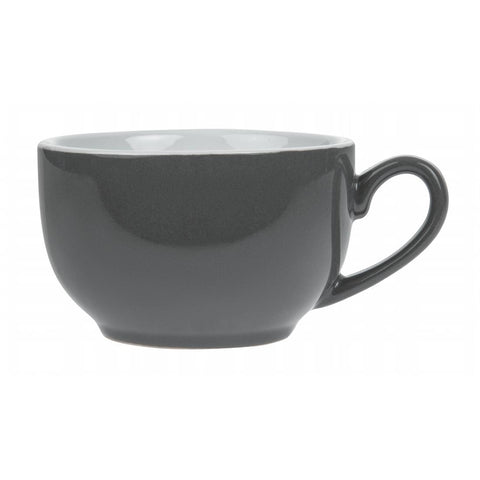
 Olympia Cafe Coffee Cup Charcoal - 230ml (Box 12) - GK075
60(W) x 90(H) x 60(D)mm
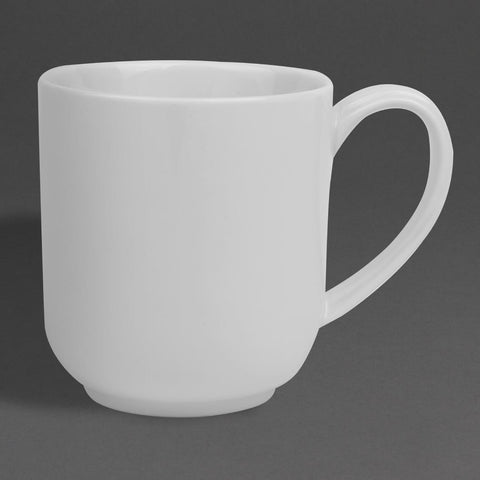
 Olympia Whiteware Large Rounded Mugs 410ml (6 Pack) - HY541
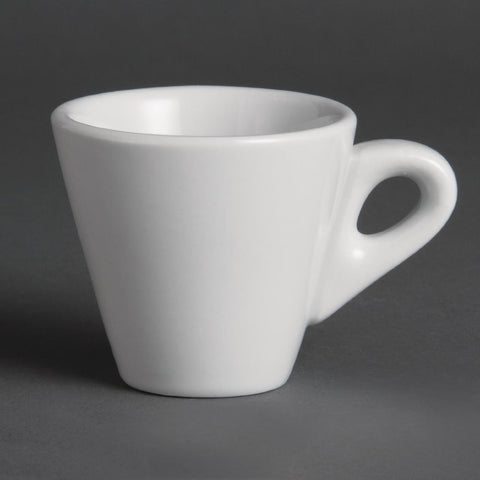
 Olympia Whiteware Conical Espresso Cups 60ml (12 Pack) - Y111
62(W) x 58(H) x 80(D)mm
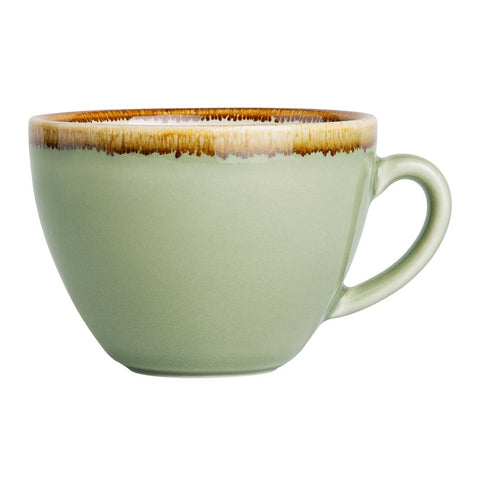
 Olympia Kiln Coffee Cups Moss 228ml - GP478
40(W) x 68(H) x 40(D)mm
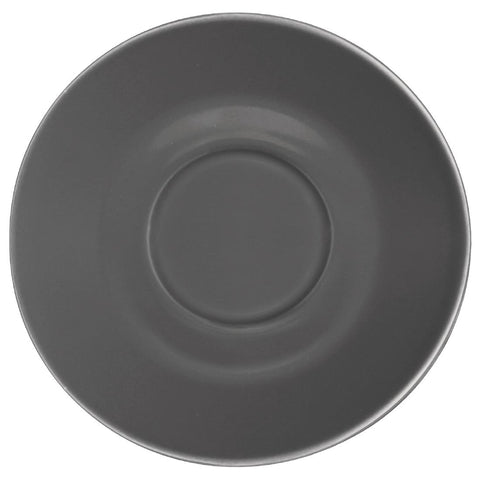
 Olympia Cafe Saucer Charcoal (Fits GK075 & GK078) - 158mm (Box 12) - GL049
155(W) x 20(H) x 155(D)mm
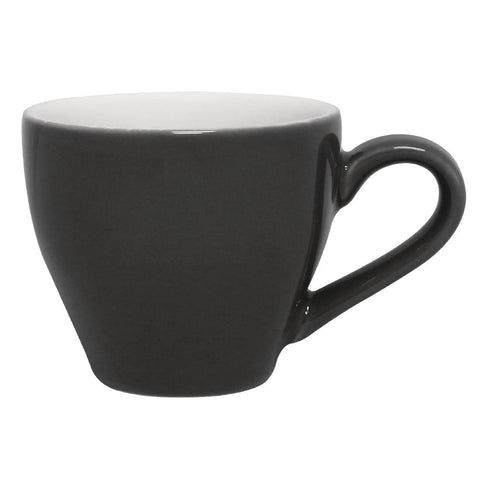
 Olympia Cafe Espresso Cup Charcoal - 100ml (Box 12) - GK072
65(W) x 60(H) x 65(D)mm
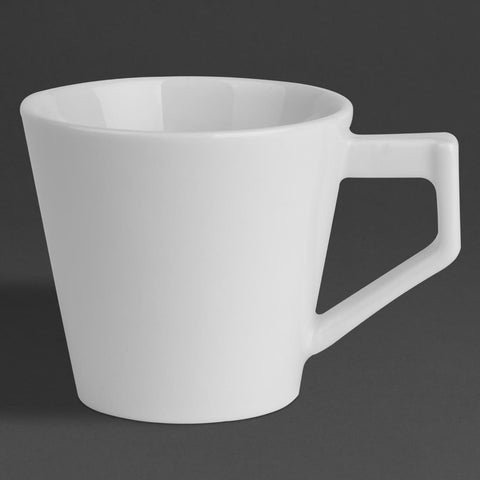
 Olympia Whiteware Deco Cups 150ml (6 Pack) - HZ868
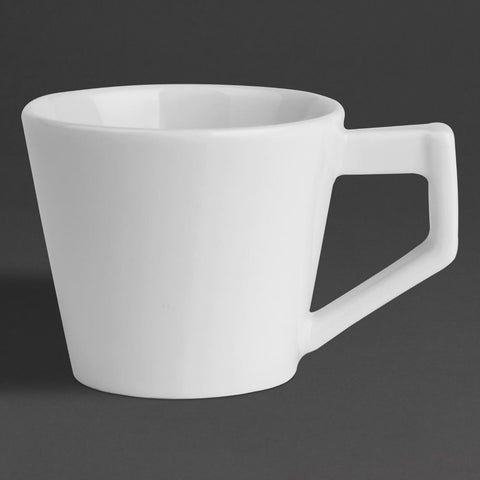
 Olympia Whiteware Deco Cups 80ml (6 Pack) - HZ867
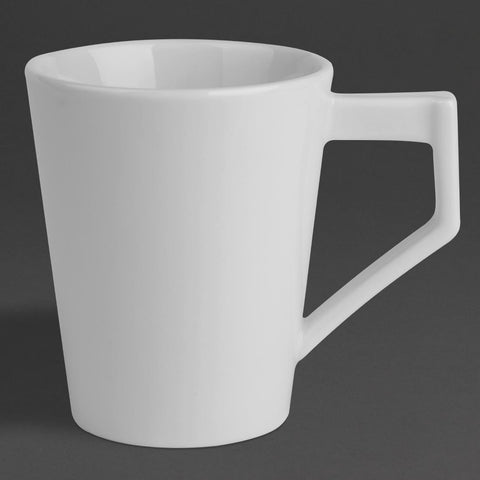
 Olympia Whiteware Deco Cups 300ml (6 Pack) - HZ865

 Olympia Whiteware Low Mugs 220ml (12 Pack) - HY540
84(W) x 74(H) x 118(D)mm

 Olympia Whiteware Flat White Cups 170ml (12 Pack) - HY539
86(W) x 60(H) x 112(D)mm
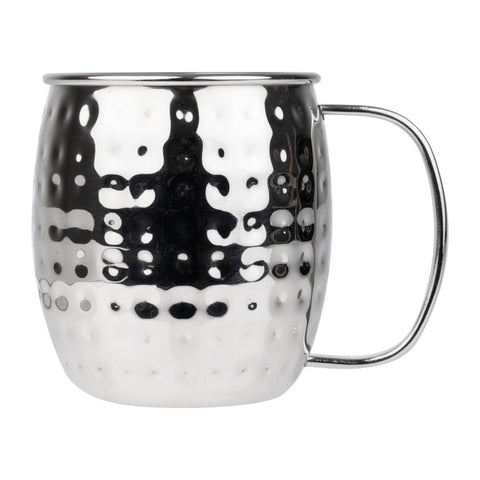
 Olympia Barware Hammered Stainless Steel Mugs 440ml - HY113
85.5(W) x 94(H) x 116(D)mm
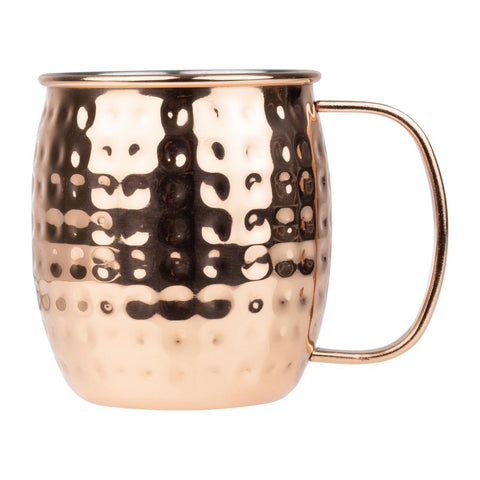
 Olympia Barware Hammered Stainless Steel Copper Coated Mugs 440ml - HY114
85.5(W) x 94(H) x 116(D)mm

 Olympia Whiteware Latte Mugs 400ml (6 Pack) - CB700
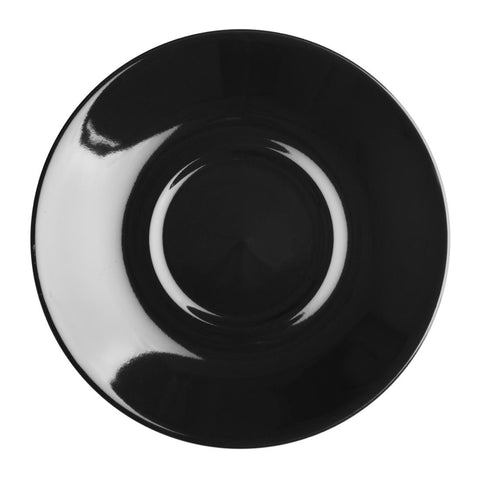
 Olympia Cafe Saucer Black (12 Pack) - CU956
154(W) x 23(H) x 154(D)mm
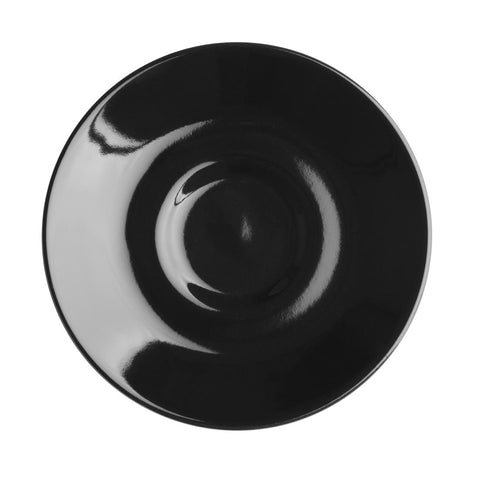
 Olympia Cafe Espresso Saucer Black (12 Pack) - CU955
116(W) x 116(H) x 20(D)mm

 Olympia Cafe Aroma Mug Black - 230ml (6 Pack) - CU960
93(W) x 75(H) x 126(D)mm
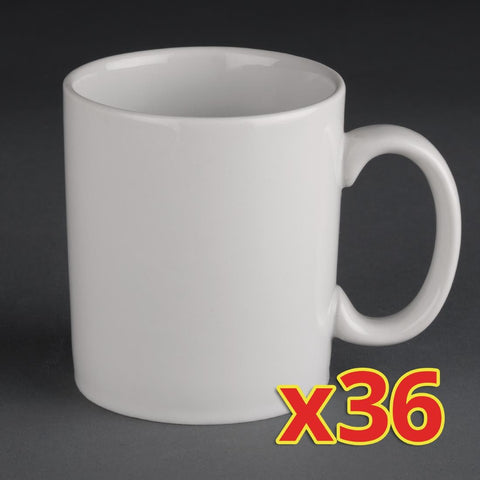
 Bulk Buy Olympia Athena Mugs 10oz 280ml (36 Pack) - S543
80(W) x 92(H) x 80(D)mm

 Olympia Fondant Saucer Aqua - 115mm for CU182 (6 Pack) - CU183
115(W) x 185(H) x 115(D)mm
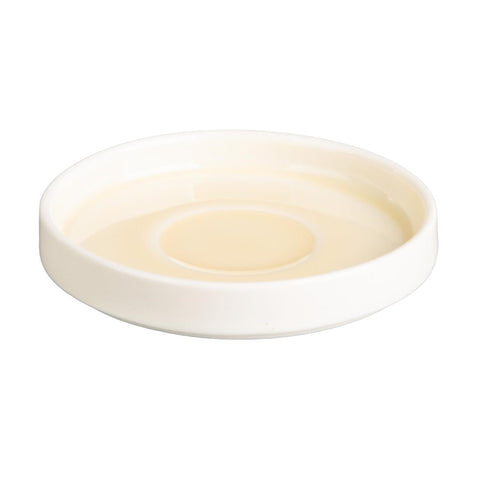
 Olympia Fondant Saucer Lemon - 115mm (6 Pack) - CU423
115(W) x 185(H) x 115(D)mm

 Olympia Fondant Cups Aqua 168ml (6 Pack) - CU184
655(W) x 77(H) x 655(D)mm

 Olympia Fondant Mug Aqua - 340ml (6 Pack) - CU178
81(W) x 97(H) x 81(D)mm

 Olympia Kiln 230ml Cup Saucer Chalk 140mm (Pack of 6) - FB989

 Olympia Kiln Cup Chalk 340ml 12oz (Pack of 6) - FB990

 Olympia Kiln 340ml Cup Saucer Chalk 160mm (Pack of 6) - FB991

 SPECIAL OFFER Olympia Athena Stacking Tea Cup And Saucer Combo (24 Pack) - S376
111(W) x 62(H) x 85(D)mm
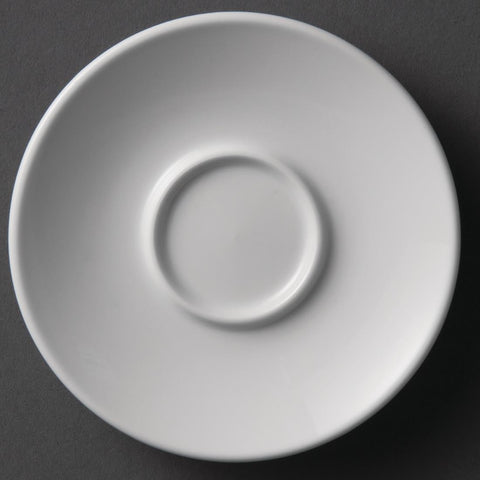
 Olympia Whiteware Espresso Saucers 120mm (12 Pack) - Y112

 Olympia Fondant Saucers Mint 155mm for CU444 (6 Pack) - CU445
155(W) x 21(H) x 155(D)mm

 Olympia Whiteware Egg Cups 68mm (12 Pack) - U814
44(W) x 68(H) x 44(D)mm

 Olympia Fondant Saucers Lemon 136mm for CU424 (6 Pack) - CU425
136(W) x 21(H) x 136(D)mm

 Olympia Cafe Coffee Cup Blue - 230ml (Box 12) - HC403

 Olympia Kiln Mug Chalk 340ml 12oz (Pack of 6) - FB992

 Olympia Cafe Espresso Saucer Blue (Box 12) - HC406


 Olympia Kiln Cappuccino Saucer Smoke 140mm - HC391
48(W) x 20(H) x 48(D)mm

 Olympia Kiln Mug Smoke 340ml - HC394
83(W) x 106(H) x 83(D)mm


 Olympia Kiln Smoke Saucer 160mm - HC393
57(W) x 25(H) x 57(D)mm

 Olympia Kiln Cappuccino Saucer Moss 140mm - GP479


 Olympia Kiln Cappuccino Saucer Moss 160mm - GP481

 Olympia Kiln Cappuccino Saucer Ocean 160mm - GP349



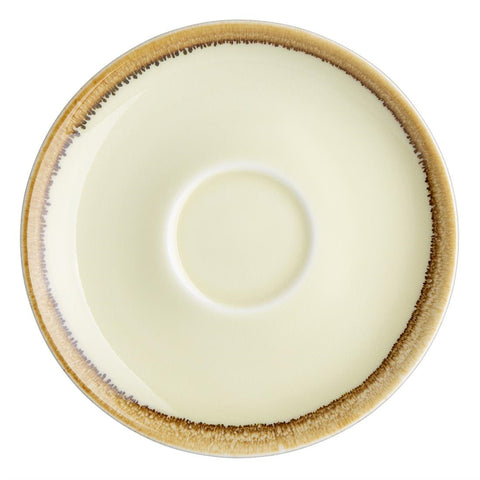
 Olympia Kiln Cappuccino Saucer Sandstone 140mm - GP331
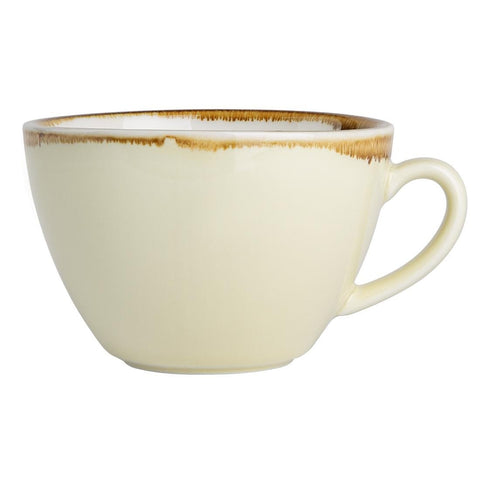
 Olympia Kiln Coffee Cups Sandstone 340ml - GP332

 Olympia Whiteware Coffee Cups 425ml (12 Pack) - U827
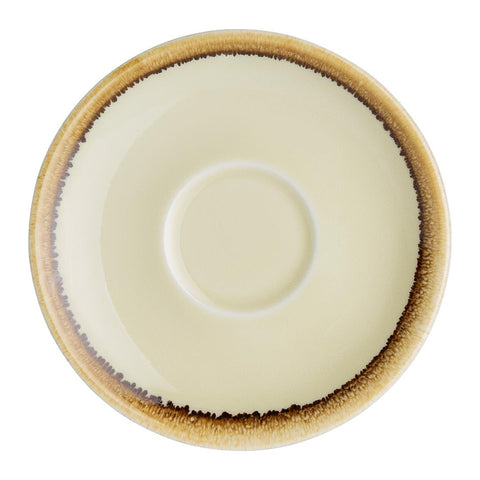

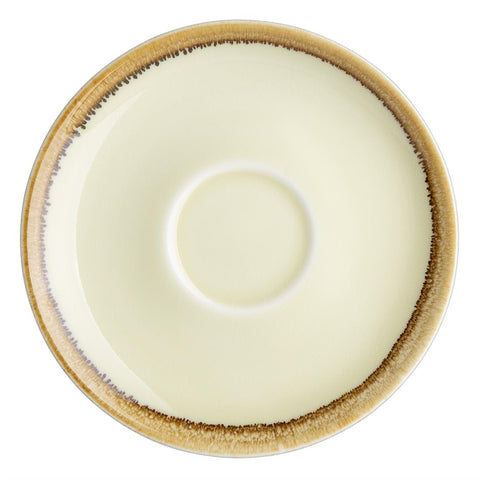
 Olympia Kiln Cappuccino Saucer Sandstone 160mm - GP333

 Olympia Kiln Cappuccino Saucer Ocean 140mm - GP347
Espresso cups are for the short black and the macchiato, with walls thick enough to keep the heat in for the few seconds a customer takes to drink it. Ours come in porcelain, stoneware and double-walled glass, with matching saucers and stackable designs that save space on the machine. Delivered anywhere in Australia.
Commercial espresso cups are built for heavy dishwasher use, stacking and daily knocks, and restaurant espresso cups and professional espresso cups are the same thing under different names. For bigger drinks, see commercial drinkware.
Stocking a new coffee station? Ask for the price guide and compare the porcelain, stoneware and double-walled glass cups before you settle on one.
Porcelain holds heat well and chips less easily than cheaper ceramic. Double-walled glass shows off the crema and insulates the hand, but costs more to replace.
A cold cup pulls heat out of a small shot fast. Most commercial espresso machines have a cup warmer on top; keep cups there during service.
Enough to cover a full rush plus a dishwasher cycle. Count cups in use at peak, then double it.
A glasswasher or under bench dishwasher keeps the turnaround short.
Coffee tampers, knock bins and milk frothing jugs.
Milk sits in a commercial under bench fridge within reach of the machine.
Ristretto and espresso cups are the smallest, with flat white and cappuccino cups larger again. Capacities are listed per product, and matching your machine's spouts matters more than the label.
Yes, thicker porcelain holds heat longer, which is why commercial cups are heavier than domestic ones. Pre-warming the cup makes more difference again.

We have a special page just for stock that's warehoused in Perth.
Click Here to see all WA stockWhat our customers say about us on Google, and how Google scores our store for things like shipping and returns.
Store scores from Google