


 03 9070 5784
 Help & Support
 Track My Order



Recently Viewed

 BakerMAX Pizza Dough Roller DMA310-1
480(W) x 355(D) x 430(H)mm

 Mecnosud Dough Roller 40cm Parallel - DRM1040
520(W) x 750(H) x 450(D)mm
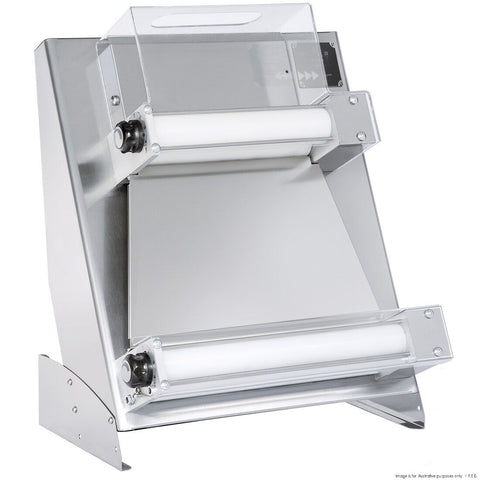
 BakerMAX Prismafood Pizza Dough Roller - DSA420RP
540(W) x 410(D) x 680(H)mm
 Mecnosud Dough Roller 30cm Single Pass - DRM0031
420(W) x 350(H) x 450(D)mm

 BakerMAX Prismafood Pizza Dough Roller - DSAT420
585(W) x 435(D) x 790(H)mm
 Mecnosud Dough Roller 40cm - DRM0040
520(W) x 712(H) x 450(D)mm
 Mecnosud Dough Roller 30cm - DRM0030
420(W) x 650(H) x 450(D)mm

 BakerMAX Prismafood Pizza Dough Roller DSA500RP
635(W) x 435(D) x 790(H)mm


 Tyrone Tyron Round Dough Press – DP-18S
470(W) x 470(D) x 765(H)mm


 IGF 2300-B40P Pizza Roller - 931413
520W x 520D x 690Hmm


 Atlas Star ST-520 Dough Sheeter - 923407
1800W x 900D x 670Hmm

 FED JDR-520B Pastry Sheeter - 883079
2080W x 880D x 620Hmm
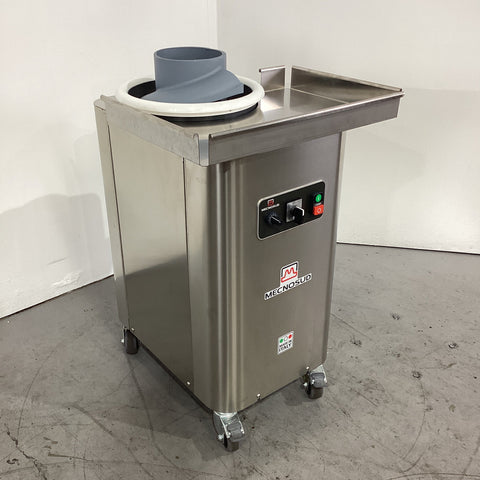
 Mecnosud DBM0800 Dough Baller - 927966
555W x 580D x 795Hmm

 Tyrone JDR-650/3N Dough Sheeter - 921840
3000W x 1040D x 1730Hmm


 Moretti Forni Angled Dough Roller - iF
420-520(W) x 450(D) x 650-750(H)mm
 Prismafood Pizza shaping machine - PRA33
470(W) x 590(D) x 830(H)mm


 Sigma Sprizza Manual Pizza Cold Press Machine - Up to 400 pizza/hr - SPZ40
570(W) x 720(D) x 770(H)mm
 Moretti Forni Parallel Dough Roller - iF40P
520(W) x 450(D) x 750(H)mm
Moretti Forni Angled Dough Roller - 520w x 450d x 712h mm - iF40
520(W) x 450(D) x 712(H)mm
 Sigma Sprizza Manual Pizza Cold Press Machine - Up to 500 pizza/hr - SPZ50
700(W) x 820(D) x 840(H)mm
Moretti Forni Angled Dough Roller - 420w x 450d x 650h mm - iF30
420(W) x 450(D) x 650(H)mm
Commercial dough rollers press a dough ball between rollers and turn it into an even round or sheet in a couple of seconds. In a pizza shop, a commercial dough roller machine means the base no longer depends on how well whoever is on shift can open one by hand. Every base comes out the same diameter and the same thickness, so cooking time is predictable and the pizzas look like they came from the same kitchen all night.
Rollers sit in the dough processing equipment range alongside dough dividers and rounders, and feed straight into a pizza deck oven.
Kitting out a pizza line is a lot of money at once. Silverchef Rent-Try-Buy can fund it, with the option to upgrade or hand equipment back as things change.
A commercial pizza dough roller machine is built to take a ball and open it in one or two passes, usually through a pair of rollers set at an angle to each other so the piece comes out round.
A pastry sheeter is built for repeated, controlled reduction of a sheet, which is what laminated pastry needs. They are not interchangeable, and using one for the other job gives a poor result.
It does, and it is the main objection to the machine. Rolling presses gas out of the edge as well as the centre, so a rolled base tends to have a flatter, more even rim than a hand-opened one.
That is exactly what some operations want and the opposite of what others do. For a Neapolitan-style pizza with a puffed cornicione, hand opening is still the method; for a thin, even base or a par-baked product, a commercial pizza roller is better at it than most staff.
Roller gap is adjustable on these machines, and the setting determines thickness; the diameter follows from the dough ball weight and the gap. Both are set up once for each product you make and then left alone.
Because the weight of the ball drives the result, consistent balling matters as much as the roller. A dough rounder upstream is what makes that repeatable.
Between the chilled dough and the topping bench, at a height where the operator can feed and catch without turning around. The bases usually land on a tray or a peel and go straight to the pizza prep fridge line.
Keep flour handy and keep the surrounding bench clear — a base coming out of the rollers needs somewhere to go immediately. Pizza trays stacked within reach save a lot of fumbling.
Rollers and scrapers are the parts that need attention, because dough builds up on both. Most machines allow the rollers to be reached for cleaning without tools; follow the manufacturer's instructions on what comes out.
Keep the dough-contact surfaces clean and dry, and check the scraper blades that keep the rollers clear, since a worn one lets dough wrap around the roller. Replacements come through the spare parts request page.
It depends on who is opening the bases. If one skilled person does it and the result is good, the machine buys you nothing. If bases are opened by whoever is rostered, it buys you consistency every night.
It also buys speed at the rush, which is when inconsistency usually appears. If the base you sell has a rim rather than an even edge, look at pizza formers instead, which press the ball in one action and leave that rim; they come as heated and cold presses. The rest of the range is in pizza shop equipment.

We have a special page just for stock that's warehoused in Perth.
Click Here to see all WA stockWhat our customers say about us on Google, and how Google scores our store for things like shipping and returns.
Store scores from Google