


 03 9070 5784
 Help & Support
 Track My Order



Recently Viewed
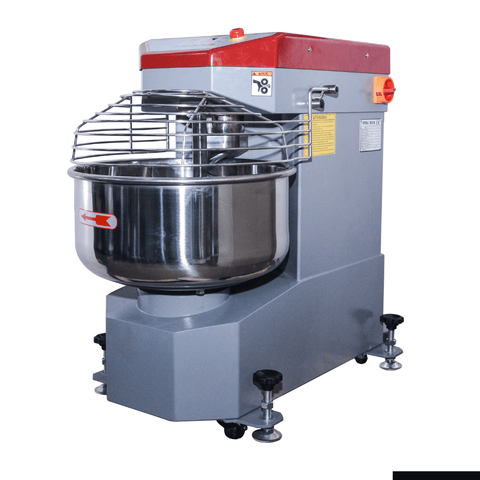

 CLEARANCE - Tyrone Fixed Head Heavy Duty 34L Spiral Mixer - SCP34-VIC1068
148(W) x 520(D) x 850(H)mm
520(W) x 850(D) x 860(H)mm
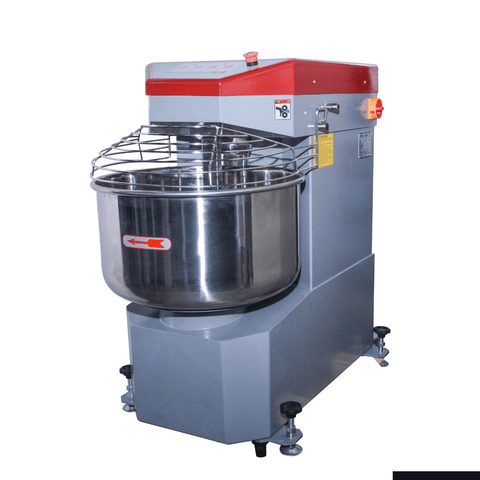
 CLEARANCE - Tyrone Fixed Head Heavy Duty 45L Spiral Mixer - SCP45-VIC1069
185(W) x 520(D) x 850(H)mm
520(W) x 850(D) x 930(H)mm
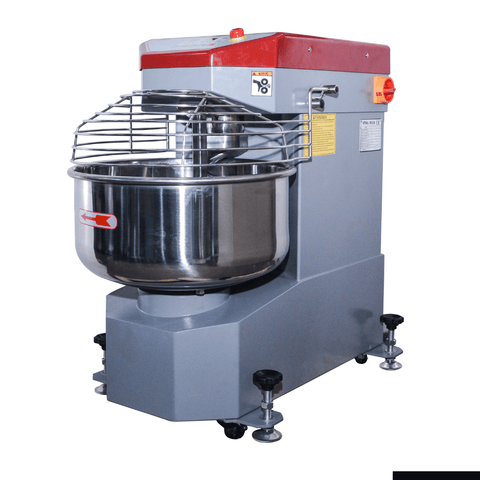
 CLEARANCE - Tyron Fixed Head Heavy Duty 23L Spiral Mixer - SCP23-VIC1066
115(W) x 500(D) x 730(H)mm
500(W) x 730(D) x 770(H)mm


 BakerMax 50-350g Commercial Dough Rounder with 10 Variable Speeds - ADR-350P
420(W) x 585(D) x 804(H)mm

 Mecnosud Bun Divider/Rounder - BDM0030
604(W) x 1970(H) x 605(D)mm
 Mecnosud Dough Baller - DBM0800
436(W) x 838(H) x 738(D)mm


 CLEARANCE - Yasaki Tilting Head Removable Bowl 20L Spiral Mixer - HTD-20L-VIC1035
105(W) x 750(D) x 400(H)mm


 CLEARANCE - Pizza Dough Roller - DMA310-1-VIC1022
41(W) x 480(D) x 355(H)mm

 CLEARANCE - Tyrone Heavy Duty Planetary Mixer 60L - B60GX-VIC1003
380(W) x 816(D) x 823(H)mm

 CLEARANCE - Tyrone Heavy Duty Planetary Mixer 10L - B10GX-VIC1002
67(W) x 447(D) x 518(H)mm

 CLEARANCE - Pizza shaping machine - PRA33-VIC964
145(W) x 470(D) x 590(H)mm
 CLEARANCE - Automatic Pizza Dough Rounder - AR300P-VIC928
85(W) x 510(D) x 510(H)mm

 CLEARANCE - Yasaki 40 Litre Belt Drive Three Speed Mixer - B40KG-VIC929
140(W) x 620(D) x 630(H)mm

 CLEARANCE - Tyrone Heavy Duty Planetary Mixer 40L – B40GX-NSW2110
211(W) x 675(D) x 741(H)mm

 CLEARANCE - Tyrone 10 Litre Heavy Duty Mixer TS207-1/S
65(W) x (D) x (H)mm
 CLEARANCE - Tyrone 10 Litre Heavy Duty Mixer - TS207-1/S-VIC692
65(W) x (D) x (H)mm

 CLEARANCE - Tyrone 40 Litre Heavy Duty Mixer TS240-1/S-NSW1713
240(W) x (D) x (H)mm

 CLEARANCE - Pizza Dough Former Flat Edge PF33A-NSW1860
145(W) x (D) x (H)mm

 CLEARANCE - Yasaki 40 Litre Planetary Mixer B40CP-NSW1813
202(W) x (D) x (H)mm

 BakerMAX Automatic Pizza Dough Rounder - AR300P
510(W) x 510(D) x 750(H)mm
A dough baller takes the irregular pieces that come off a divider and rounds them into tight, even balls. A commercial dough rounder is quicker than balling by hand, and more to the point it does every piece the same way.
Rounding is not cosmetic. A properly balled piece has a smooth, closed surface that holds gas during proving, so the finished loaf or base rises evenly instead of splitting where the skin was loose.
Rounders sit between the dough dividers and the bread provers in the dough processing equipment line.
Not sure whether your volumes justify one yet? request a callback and we will go through your production morning with you.
It builds surface tension. Rolling a cut piece against a shaped surface tucks the cut edges underneath and stretches a smooth skin over the outside, which is what traps the gas produced during proving.
Without it, pieces prove unevenly and bake with splits and blowouts where the skin was open. With it, a tray of dough balls looks and behaves like one batch.
Up to a point, and this is the main limitation to ask about. Very slack, high-hydration dough tends to stick and smear rather than round, and the result can be worse than careful hand work.
If high-hydration bread is your main product, test before you commit, and consider dividing and balling by hand with good dough scrapers instead. For standard bread, roll and pizza dough, a machine is the clear winner.
Each machine has a working range, and pieces outside it either do not round properly or jam. Rolls, bread portions and pizza balls usually sit comfortably in range; very small or very large pieces may not.
Check the stated range on the product page against the piece weights you actually make. If your piece weights vary a lot, that may push you towards doing some of them by hand.
Light dusting flour, and the right amount of it — too little and dough grabs, too much and it dries the skin you are trying to form. The balance is specific to your dough and comes from a few trial runs.
Keep the rounding surface clean through the shift. Dried dough on it changes how the piece rolls, and that shows up as inconsistent balls halfway through the morning.
They rest. A rounded piece is tight and needs a bench rest before it can be shaped or opened without tearing. Pizza balls usually go into trays and into chilled storage for a slow prove.
That makes bakery fridges and freezers and racking trolleys part of the same decision, along with trays or boxes sized to your bench.
Rounder, baller and moulder are all used, and the names are not always applied consistently between suppliers. Some machines divide and round in one pass, which adds to the confusion.
Read what the machine does rather than what it is called, and check whether dividing is included. The full bakery equipment range shows the pieces that go either side of it.

We have a special page just for stock that's warehoused in Perth.
Click Here to see all WA stockWhat our customers say about us on Google, and how Google scores our store for things like shipping and returns.
Store scores from Google