


 03 9070 5784
 Help & Support
 Track My Order



Recently Viewed


 Food Tek 1/1 x 100 MM Gastronorm Pan AUSTRALIAN STYLE - 11100
530(W) x 325(D) x 100(H)mm


 Vogue Stainless Steel 1/2 Gastronorm Tray 20mm - DN713
265(W) x 325(H) x 20(D)mm
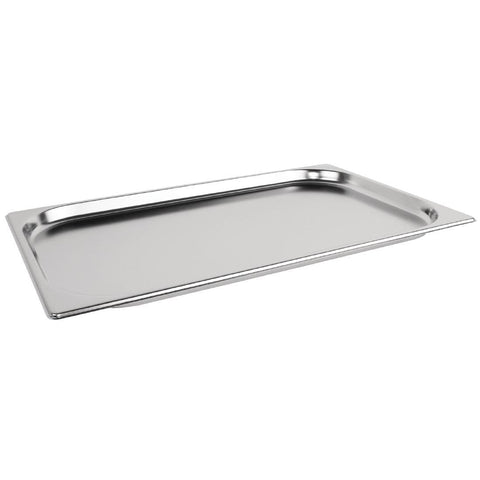
 Vogue Stainless Steel 1/1 Gastronorm Tray 25mm - DN707
325(W) x 545(H) x 20(D)mm
 Food Tek 1/3 x 150 MM Gastronorm Pan AUSTRALIAN STYLE - 13150
325(W) x 176(D) x 150(H)mm
 Food Tek 1/3 Gastronorm Pan Lid AUSTRALIAN STYLE - 13000
325(W) x 176(D) x 8(H)mm
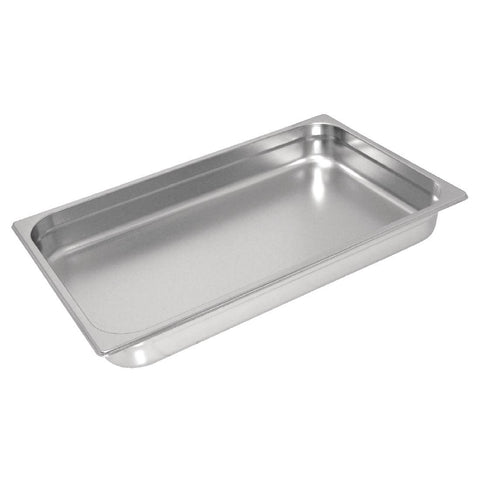
 Vogue Heavy Duty Stainless Steel 1/1 Gastronorm Tray 65mm - GC963
530(W) x 65(H) x 325(D)mm

 Vogue Stainless Steel 1/9 Gastronorm Tray 65mm - DN730
108(W) x 65(H) x 65(D)mm
 Vogue Stainless Steel 1/9 Gastronorm Tray Lid - DN740
 Vogue Stainless Steel 1/2 Gastronorm Tray Lid - DN736
265(W) x 570(H) x 265(D)mm

 Vogue Stainless Steel 2/3 Gastronorm Tray 40mm - DN733
325(W) x 354(H) x 40(D)mm
 Food Tek 1/6 x 100 MM Gastronorm Pan AUSTRALIAN STYLE - 16100
162(W) x 176(D) x 100(H)mm
 Food Tek 1/6 Gastronorm Pan Lid AUSTRALIAN STYLE - 16000
162(W) x 176(D) x 8(H)mm

 Modular Systems 1/1 Gastronorm Pan Lid AUSTRALIAN STYLE - 11000
530(W) x 325(D) x 8(H)mm
Food Tek 1/6 x 65 MM Gastronorm Pan AUSTRALIAN STYLE - 16065
162(W) x 176(D) x 65(H)mm

 Mixrite Perforated GN Pan 530x325x65 mm P11065
530(W) x 325(D) x 65(H)mm
 Mixrite Perforated GN Pan 530x325x100 mm P11100
530(W) x 325(D) x 100(H)mm
 Mixrite Perforated GN Pan 530x325x150 mm P11150
530(W) x 325(D) x 150(H)mm
 Mixrite Perforated GN Pan 530x325x40 mm P11040
530(W) x 325(D) x 40(H)mm
 Mixrite 1/3x65mm pan GN Pans (201 Stainless Steel) 325x176x65 mm 13065 - Box of 18
325(W) x 176(D) x 65(H)mm
 Mixrite 1/1x100mm pan GN Pans (201 Stainless Steel) 530x325x100 mm 11100 - Box of 6
530(W) x 325(D) x 100(H)mm

 Vogue Stainless Steel 1/3 Gastronorm Tray 40mm - GM311-A
325(W) x 176(H) x 40(D)mm
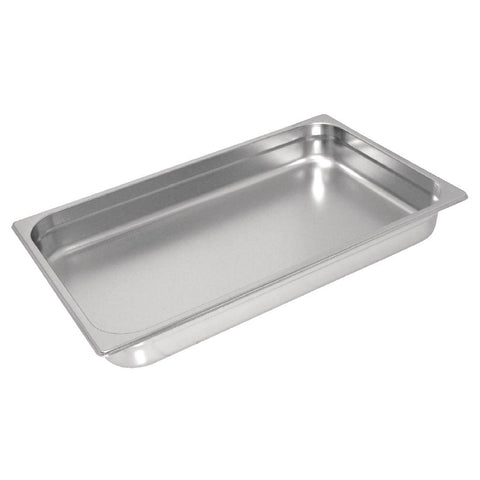
 Vogue Heavy Duty Stainless Steel 1/1 Gastronorm Tray 150mm - GC965
530(W) x 150(H) x 325(D)mm

 Vogue Stainless Steel Heavy Duty 1/2 Gastronorm Tray 40mm - GC968
400(W) x 40(H) x 325(D)mm
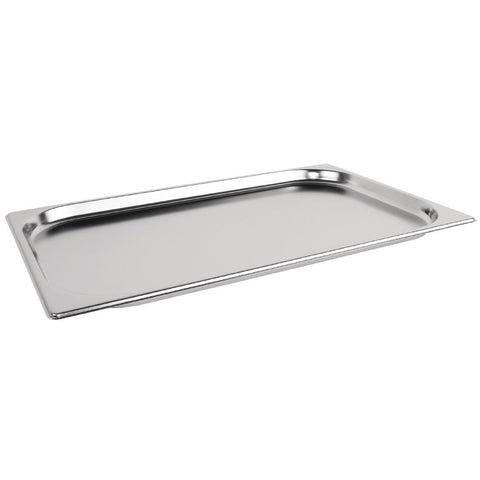
 Vogue Heavy Duty Stainless Steel 1/1 Gastronorm Tray 20mm - GC961
530(W) x 20(H) x 325(D)mm
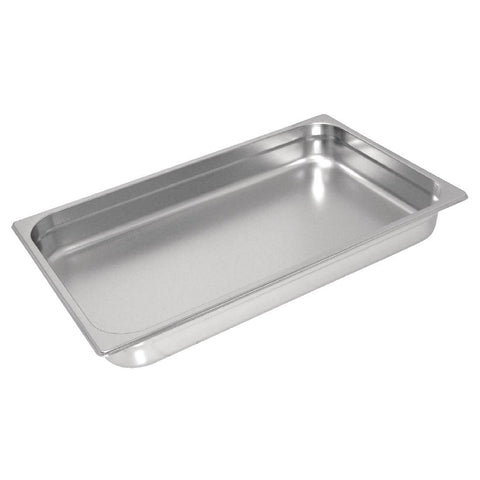
 Vogue Heavy Duty Stainless Steel 1/1 Gastronorm Tray 40mm - GC962
530(W) x 40(H) x 325(D)mm
 Vogue Wire Gastronorm Pan Stand - CC051
680(W) x 150(H) x 160(D)mm
 Vogue Stainless Steel 1/2 Gastronorm Lid - CB185-A
 Vogue Stainless Steel 1/2 Gastronorm Tray with Handles 65mm - CB182-A
325(W) x 265(H) x 65(D)mm
 Food Tek 1/1 x 20 MM Gastronorm Pan AUSTRALIAN STYLE - 11020
530(W) x 325(D) x 20(H)mm
 Food Tek Clear Poly 1/9 X 100 Mm Gastronorm Pan JW-P194
108(W) x 176(D) x 100(H)mm
 Food Tek (1 Pack) JW-P16DHH
162(W) x 176(D) x 8(H)mm
 Food Tek Black Poly 1/9 x 65 mm Gastronorm Pan JW-P192B
108(W) x 176(D) x 65(H)mm
 Food Tek Clear Poly 1/9 X 65 Mm Gastronorm Pan JW-P192
108(W) x 176(D) x 65(H)mm
 Food Tek Black Poly 1/9 x 100 mm Gastronorm Pan JW-P194B
108(W) x 176(D) x 100(H)mm
 Food Tek Black Poly 1/6 x 100 mm Gastronorm Pan JW-P164B
162(W) x 176(D) x 100(H)mm
 Food Tek (1 Pack) JW-P162
162(W) x 176(D) x 65(H)mm
 Food Tek Black Poly 1/3 x 65 mm Gastronorm Pan JW-P132B (1 Pack)
325(W) x 176(D) x 65(H)mm
 Food Tek (1 Pack) JW-P12DHH
325(W) x 265(D) x 8(H)mm
 Food Tek Black Poly 1/3 x 100 mm Gastronorm Pan - JW-P134B (1 Pack)
325(W) x 176(D) x 100(H)mm
 Food Tek (1 Pack) JW-P162B
162(W) x 176(D) x 65(H)mm
 Food Tek Black Poly 1/2 x 65 mm Gastronorm Pan JW-P122B (1 Pack)
325(W) x 265(D) x 65(H)mm
 Food Tek (1 Pack) JW-P13DHH
325(W) x 176(D) x 8(H)mm
 Food Tek (1 Pack) JW-P11DHH
530(W) x 325(D) x 8(H)mm
 Food Tek Black Poly 1/1 x 65 mm Gastronorm Pan JW-P112B (1 Pack)
530(W) x 325(D) x 65(H)mm
 Food Tek (1 Pack) JW-P122
325(W) x 265(D) x 65(H)mm

 MixRite Stainless Steel Lids with Cut for Spoon

 MixRite Silicone Cover

 MixRite Perforated GN Pan
325-530(W) x 176-325(D) x 20-200(H)mm

 Mixrite Leg Bracing

 MixRite Stainless Steel Tray GN for Oven

 MixRite 201 Stainless Steel GN Pan
176-650(W) x 108-530(D) x 20-200(H)mm

 MixRite Stainless Steel Lid
Once a kitchen standardises on gastronorm, the same tray moves from the fridge to the oven to the bain marie to the pass without anything being decanted. That is the whole point of commercial gastronorm trays: they are built to a single international size system, so the tray, the bench, the bain marie and the fridge all take each other's sizes.
The system works on fractions of a full-size tray, with a range of depths in each fraction. Choosing a depth is about how much product you hold and how far down a hand has to reach.
They sit in the bakery accessories range next to baking trays, and alongside the gastronorm containers used for storage.
Standardising a kitchen on gastronorm means buying across several sizes at once. get a quote and we will price it across every size and depth you need.
They are fractions of a full-size tray: a half tray is half the area of a full one, a third is a third, and so on. Combine them and they fill the same opening, which is what lets a bain marie or prep fridge take any mix of sizes.
Depth is quoted separately from the fraction, so the same footprint comes in several depths. Check both against the equipment you are filling, including your bench fridges and service counters.
Shallow trays suit anything served or displayed, because product stays presentable and a hand can reach it without disturbing the rest. Deep trays suit bulk — stock, sauce, marinating, storage.
The trap with deep trays is cooling and reheating: a deep mass of food takes far longer to get through the temperature range than a shallow one, so for food safety the shallower option is usually the right call.
Stainless steel goes in the oven and takes heat, and 304 is the food-safety grade used in Australian commercial kitchens. Polycarbonate is lighter, lets you see the contents and is better for cold storage, but it does not go near a heat source.
Most kitchens run stainless for anything hot and plastic for the fridge and dry store. See food storage for the storage side of it.
On the footprint, yes, because that is the standard. Where they differ is in lid fit, handle design, the exact rim profile and build quality, so a lid from one brand may not seal properly on another's tray.
If lids matter to you, buy the trays and lids together from the same range. Mixing brands on the tray footprint is fine; mixing them on lids is where it goes wrong.
Stainless trays handle both, within the limits of the equipment they are in. Rapid temperature changes are hard on any pan, so avoid taking a hot tray straight into cold water.
For moving product quickly through the danger zone, a blast chiller sized to gastronorm trays is the proper tool, and it is another reason to standardise on the system.
Wash promptly, dry properly and stack with care. Stainless trays dent and warp if they are thrown about, and a warped tray will not sit level in a counter or seal under a lid.
Check them periodically and retire anything bent or scored, because scratches hold residue. Most go straight through a commercial dishwasher, and the rest of the bakery equipment range covers the trolleys and racks they travel on.

We have a special page just for stock that's warehoused in Perth.
Click Here to see all WA stockWhat our customers say about us on Google, and how Google scores our store for things like shipping and returns.
Store scores from Google