


 03 9070 5784
 Help & Support
 Track My Order



Recently Viewed
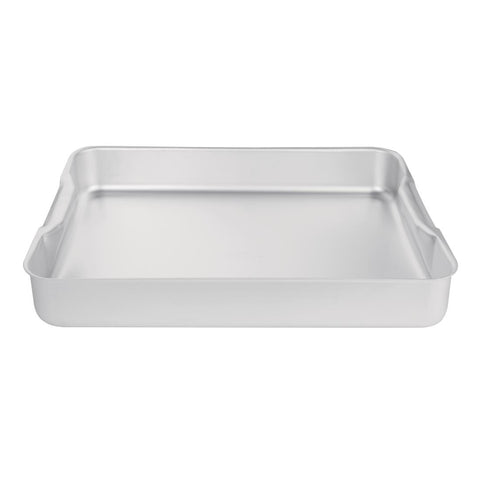

 Vogue Aluminium Roasting Dish 470mm - K425
470(W) x 70(H) x 355(D)mm
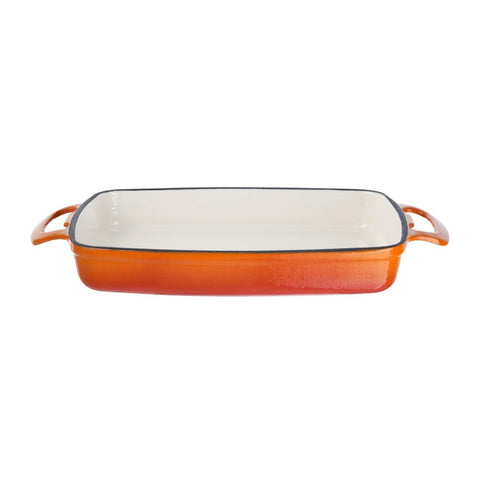
 Vogue Orange Rectangular Cast Iron Dish 1.8Ltr - GH321
370(W) x 40(H) x 217(D)mm

 Vogue Deep Roasting Pan 470mm - K413
355(W) x 470(H) x 100(D)mm
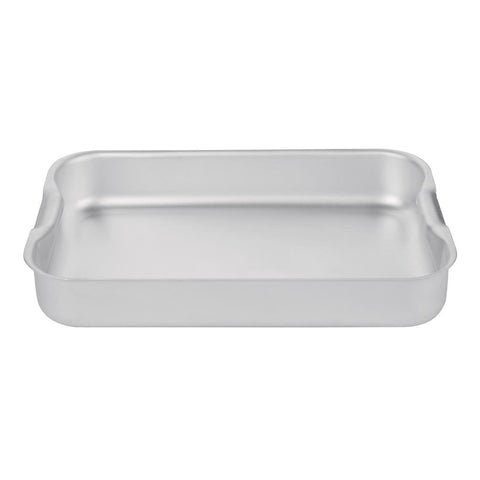
 Vogue Aluminium Roasting Pan 320mm - K422
320(W) x 50(H) x 215(D)mm
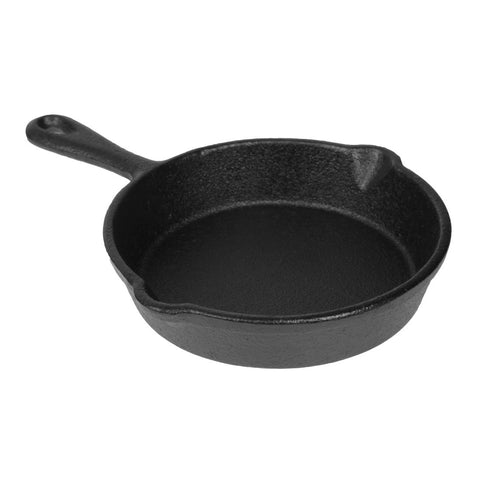

 Olympia Mini Cast Iron Round Pan 115mm - GJ553
115(W) x 26(H) x 160(D)mm
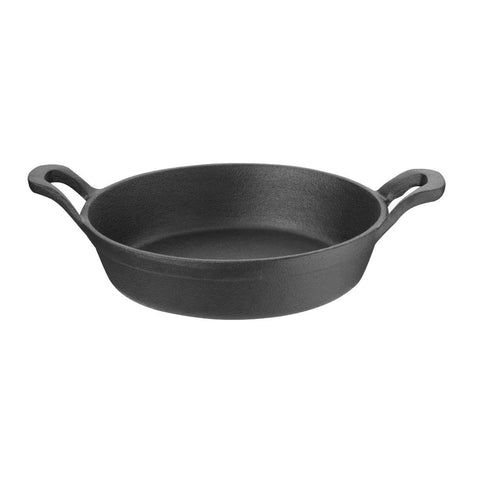
 Olympia Round Cast Iron Eared Dish - GJ554
245(W) x 140(H) x 40(D)mm
 Vogue Black Cast Iron Pate Terrine Mould 1.7Ltr - U560
340(W) x 120(H) x 105(D)mm
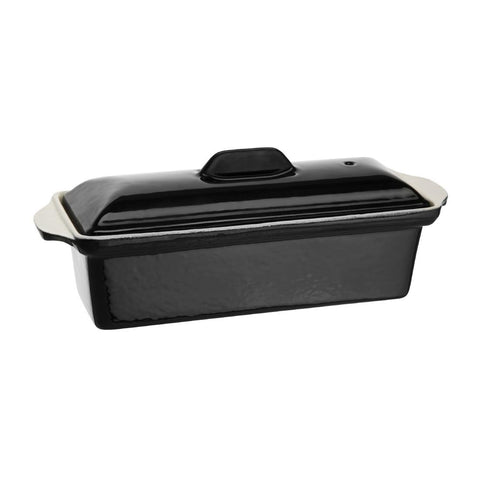
 Vogue Black Cast Iron Pate Terrine Mould 1.3Ltr - U559
310(W) x 90(H) x 100(D)mm
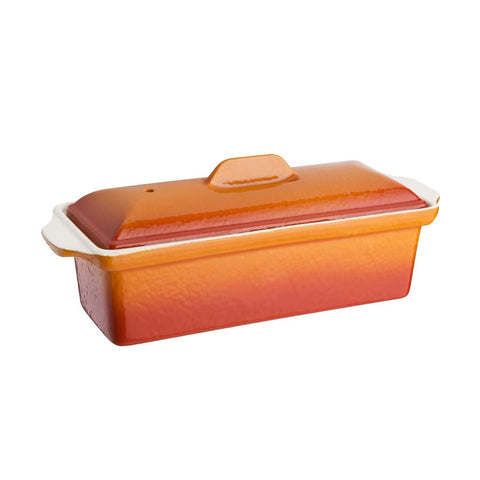

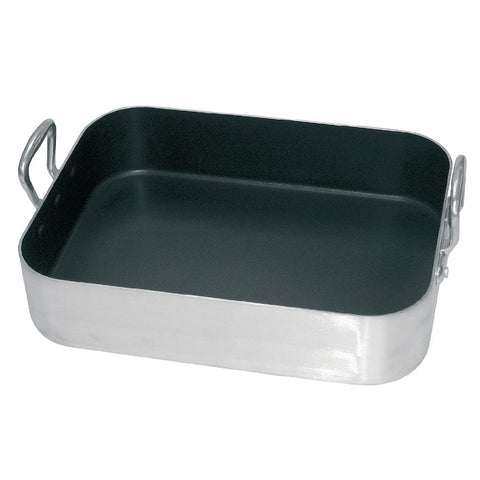
 Vogue Aluminium Non-Stick Roasting Pan 450mm - S364
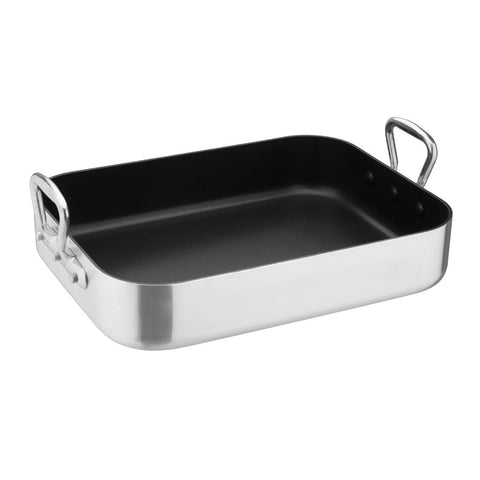
 Vogue Standard Non-Stick Roasting Pan 440mm - S365
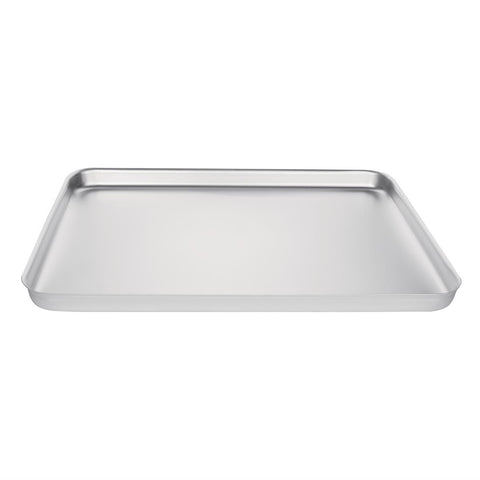
 Vogue Aluminium Bakewell Pan 610mm - K437
610(W) x 40(H) x 455(D)mm
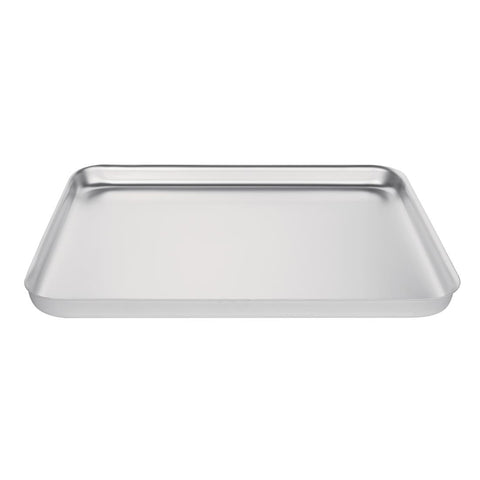
 Vogue Aluminium Bakewell Pan 520mm - K436
520(W) x 40(H) x 420(D)mm
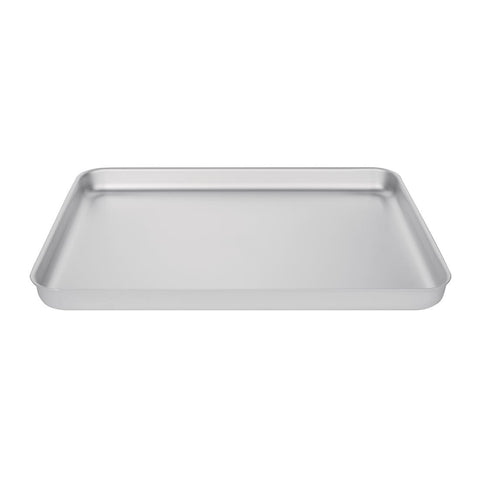
 Vogue Aluminium Bakewell Pan 470mm - K435
470(W) x 40(H) x 355(D)mm
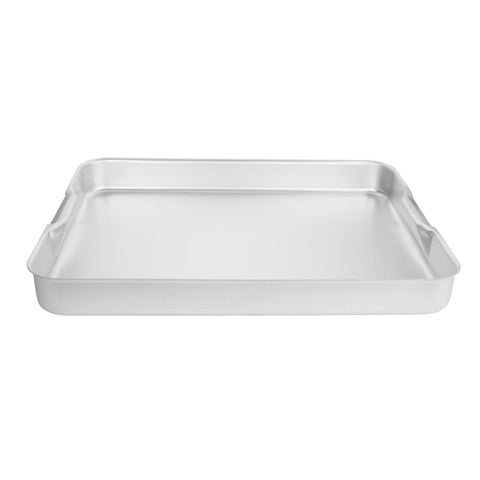
 Vogue Aluminium Roasting Dish 610mm - K427
610(W) x 70(H) x 455(D)mm
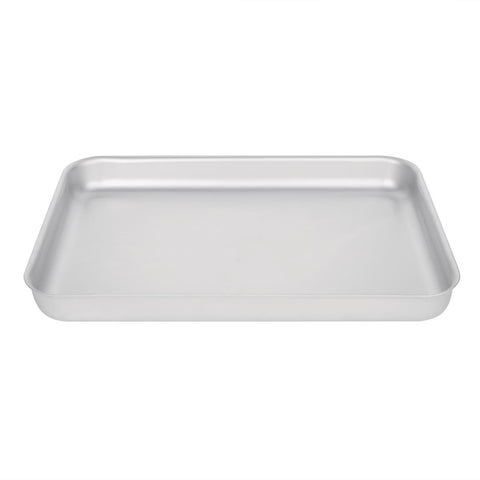
 Vogue Aluminium Bakewell Pan 370mm - K433
370(W) x 40(H) x 265(D)mm
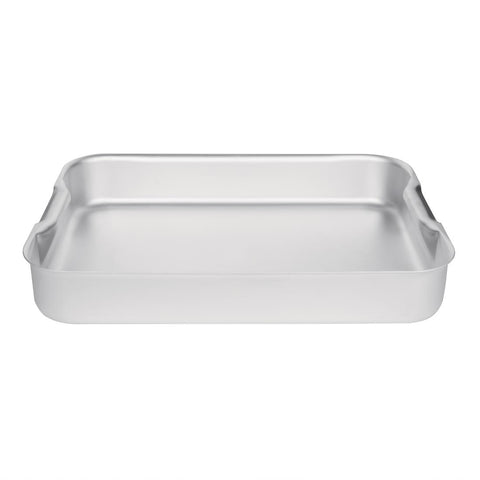

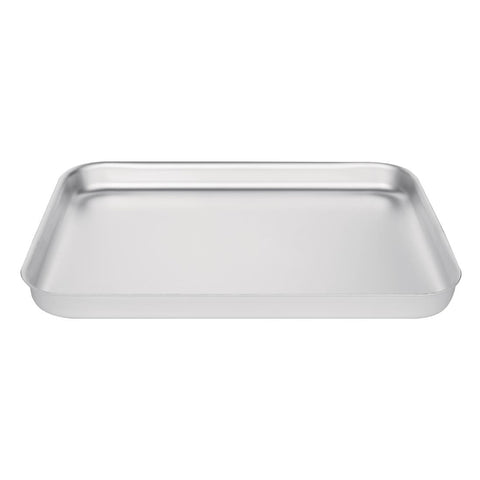
 Vogue Aluminium Bakewell Pan 420mm - K434
420(W) x 40(H) x 305(D)mm
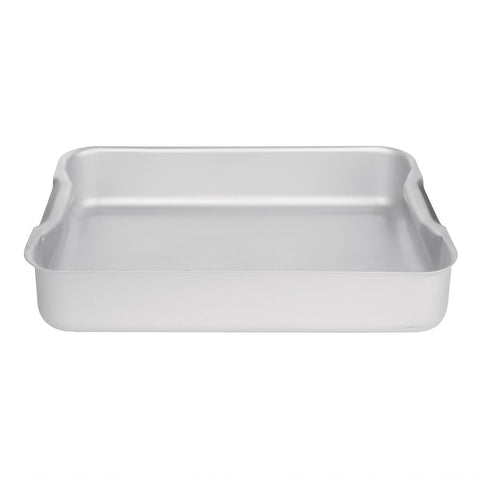
 Vogue Aluminium Roasting Dish 370mm - K423
370(W) x 70(H) x 260(D)mm
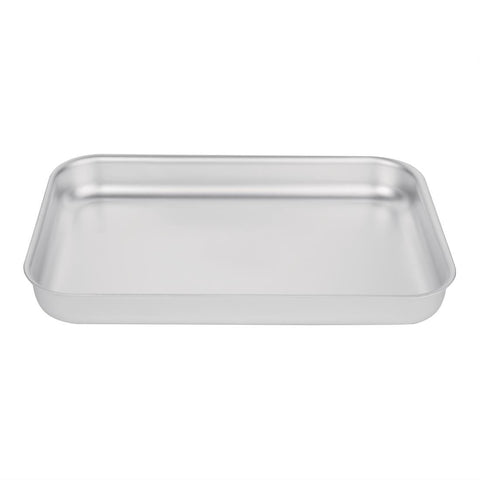
 Vogue Aluminium Bakewell Pan 320mm - K432
320(W) x 40(H) x 215(D)mm
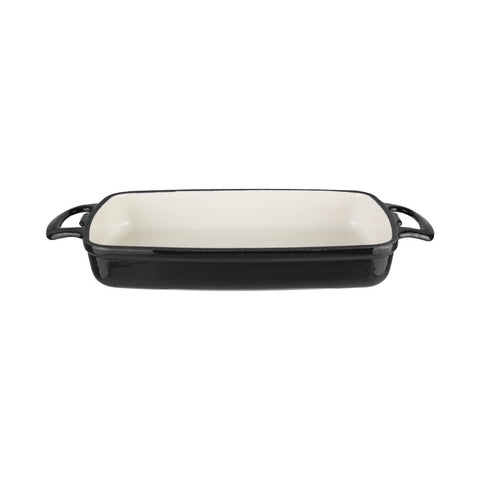
 Vogue Black Rectangular Cast Iron Dish 2.8Ltr - GH324
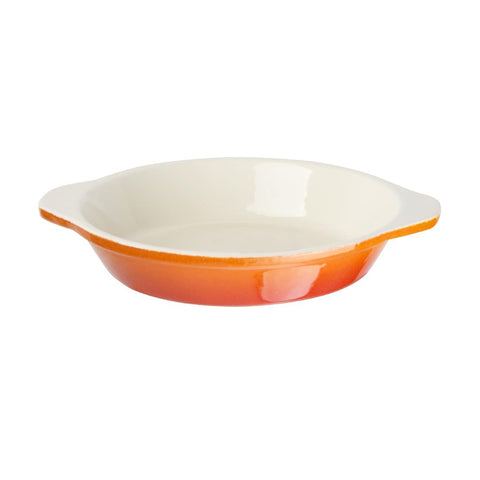
 Vogue Orange Round Cast Iron Gratin Dish 400ml - GH316
150(W) x 30(H) x 150(D)mm
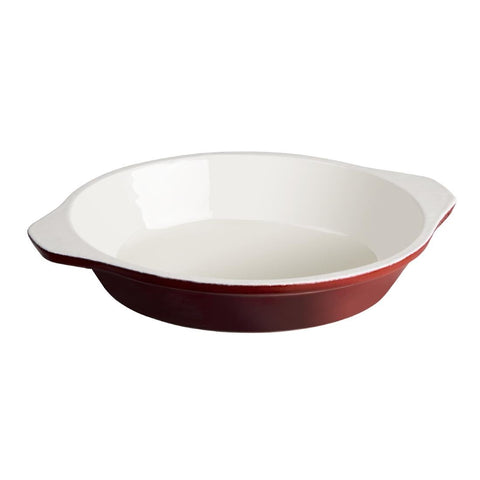
 Vogue Red Round Cast Iron Gratin Dish 400ml - GH315
150(W) x 30(H) x 150(D)mm
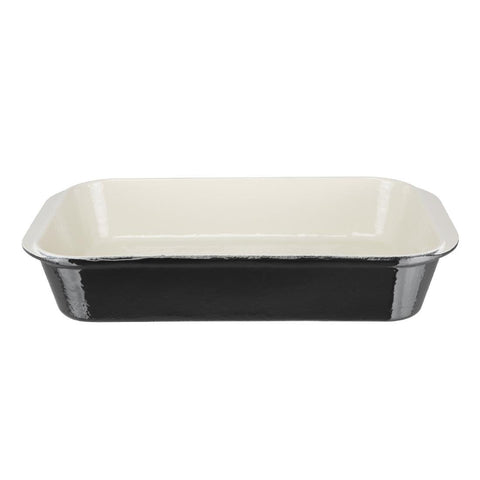
 Vogue Black Cast Iron Roasting Dish 5Ltr - U572
405(W) x 70(H) x 250(D)mm
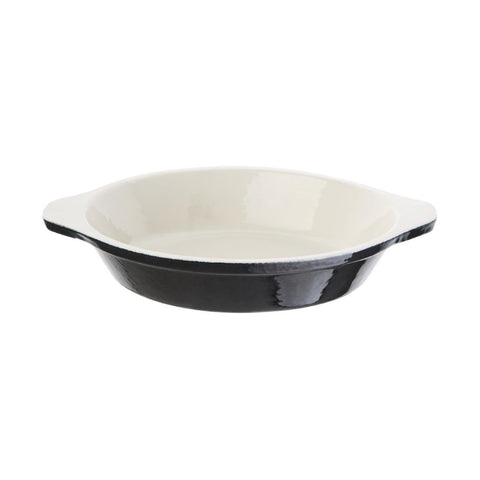
 Vogue Black Round Cast Iron Gratin Dish 400ml - U561
150(W) x 30(H) x 150(D)mm
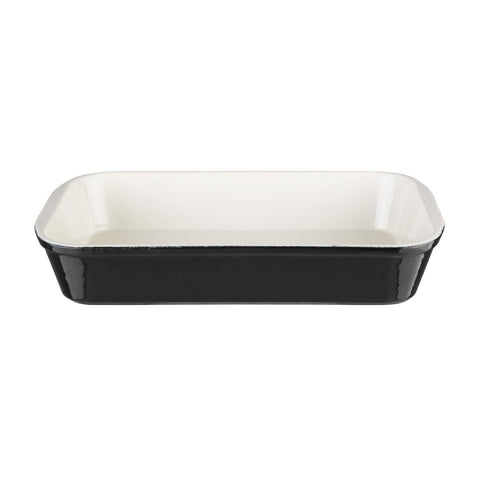
 Vogue Black Cast Iron Roasting Dish 4Ltr - U571
355(W) x 65(H) x 220(D)mm
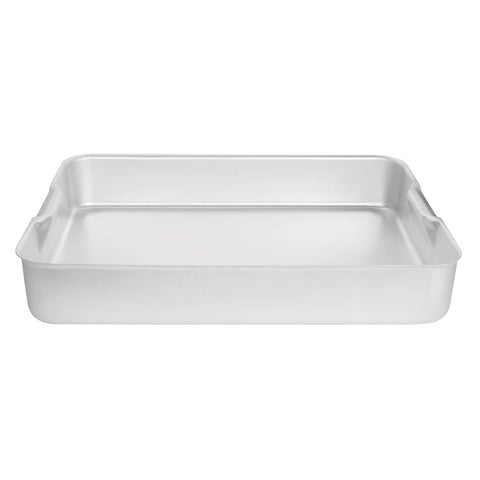
 Vogue Aluminium Deep Roasting Pan 610mm - K416
610(W) x 100(H) x 455(D)mm

 Vogue Anodised Aluminium Roasting Pan 370mm - C058
370(W) x 70(H) x 265(D)mm
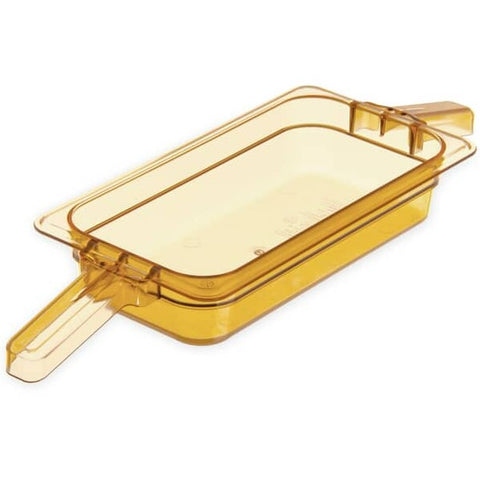

 Double Handled Amber Pans, 1/3 size, 64mm - EACH
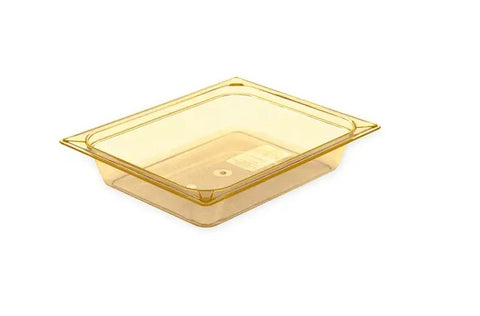
 Half Size Amber Pan, 1/2 size, 102mm
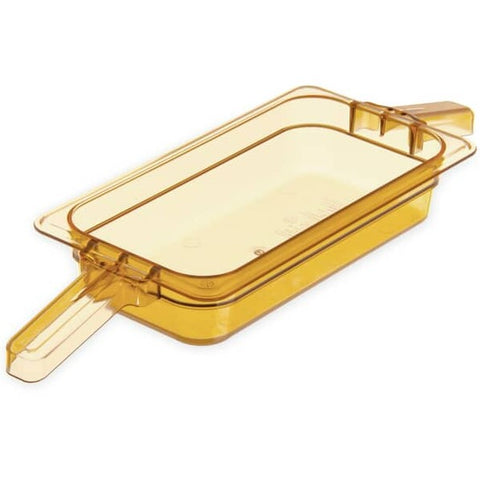
 Double Handled Amber Pans, 1/3 size, 102mm - EACH
Commercial roasting pans take a full load of meat and vegetables through a hot oven and hold the fat and juices that come out of it, which is what you want both for the gravy and for keeping the oven clean. Commercial roasting trays, as some suppliers list them, are the same thing.
They are deeper and heavier than a baking tray because the pan has to hold that load and still be liftable out of a hot oven. A commercial roasting pan that flexes in the middle is a hazard, so gauge and rigidity are the things to check before you buy.
They sit with the bakery accessories range alongside baking trays and gastronorm trays.
Ordering roasting pans in more than one size? get a quote and we will put a price on the lot.
By what you roast and what your oven takes. The pan should hold the product with room around it for air to circulate, because a crowded pan steams rather than roasts.
Then check it against the oven rack and the shelf spacing, since a deep pan needs vertical clearance as well as footprint. Match it to your commercial ovens before ordering.
Heavier gauge, every time. A thin pan buckles under a load, warps with heat and becomes dangerous to carry. For roasting, rigidity is worth more than any other feature.
Stainless steel is the usual choice for durability and corrosion resistance, with 304 the food-safety grade used in Australian kitchens. Aluminium conducts heat better but needs a heavier gauge to be stiff enough.
For anything larger than a small pan, yes. A professional roasting pan full of hot meat and liquid is heavy and awkward, and side handles are the difference between a controlled lift and a spill.
Check the handles are welded or riveted properly and that they clear the oven rails. A handle that folds flat is useful for storage but check it locks when you lift.
Some can and some cannot, and it depends on the base. A heavy, flat-based stainless pan will take direct heat for deglazing; a thin or coated pan will scorch or distort.
Check the product page before putting any pan over a flame. If gravy work is routine, a separate sauce pan or a dedicated pan on the range is safer than risking the roasting pan.
Soak first rather than scrubbing hot. Hot water and detergent while the pan is still warm lifts most of it, and a long soak handles the rest without attacking the surface.
Avoid steel wool on anything coated and avoid harsh chemicals on aluminium. Many pans will go through a commercial dishwasher or a pot washer, but check the manufacturer's instructions for coated ones.
A rack or trivet that fits inside the pan, so the product sits out of the fat, and something to carve on — see carving stations for the service end of it.
For holding roasted product at temperature before service, heated wells or a bain marie are the right tools. Deeper vessels for stock and braising are in the commercial stock pots range.

We have a special page just for stock that's warehoused in Perth.
Click Here to see all WA stockWhat our customers say about us on Google, and how Google scores our store for things like shipping and returns.
Store scores from Google