


 03 9070 5784
 Help & Support
 Track My Order



Recently Viewed
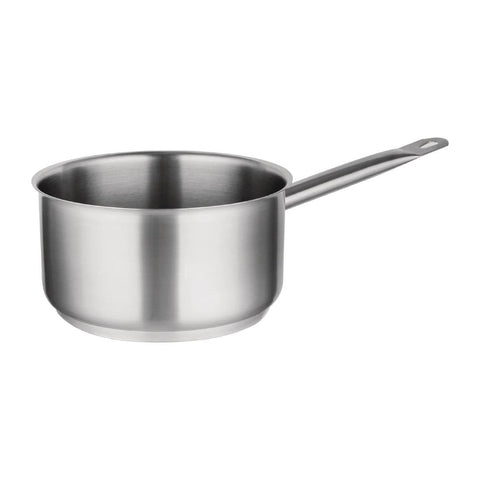

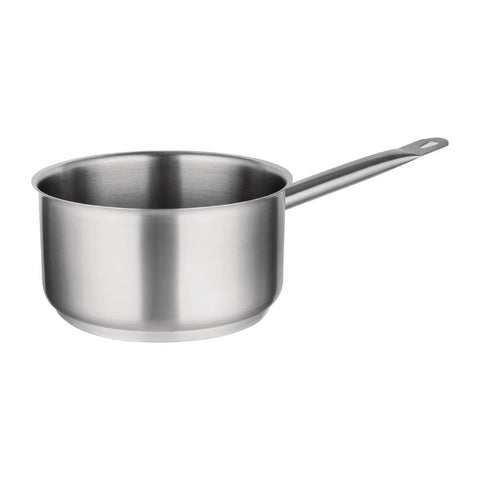

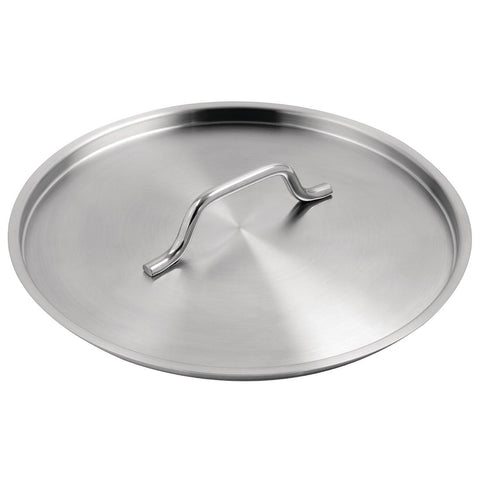

 Vogue Stainless Steel Saucepan Lid 280mm - M951
280(W) x 20(H) x 280(D)mm
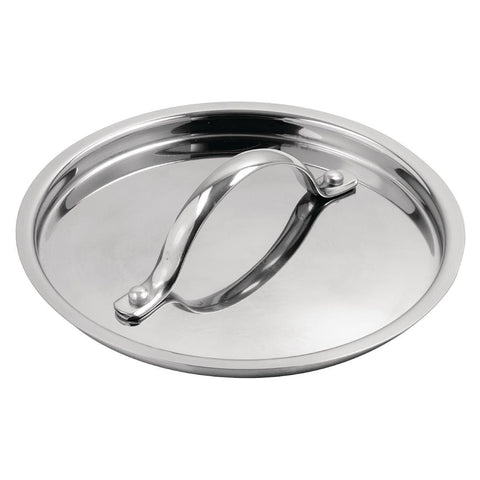
 Vogue Tri Wall Saucepan Lid 160mm - Y423
160(W) x 20(H) x 160(D)mm
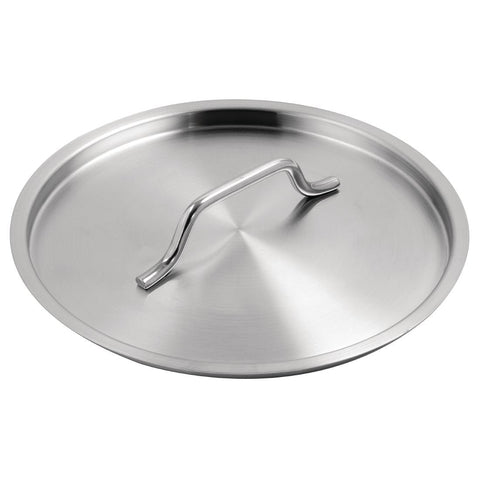
 Vogue Stainless Steel Saucepan Lid 200mm - M949
200(W) x 40(H) x 200(D)mm
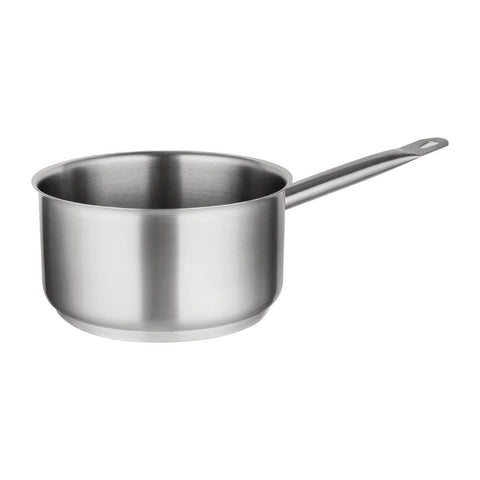

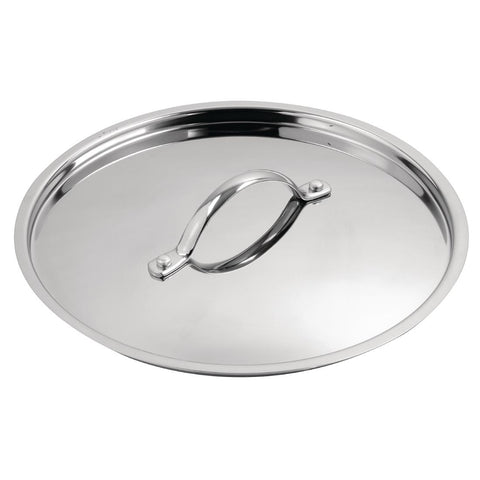
 Vogue Tri Wall Stew Pan Lid 240mm - Y425
240(W) x 20(H) x 240(D)mm
 Vogue Stainless Steel Saucepan Lid 360mm - T147
360(W) x 20(H) x 360(D)mm
 Vogue Aluminium Saucepan Lid 160mm - K298
160(W) x 43(H) x 160(D)mm
 Vogue Aluminium Saucepan Lid 240mm - K252
240(W) x 43(H) x 240(D)mm
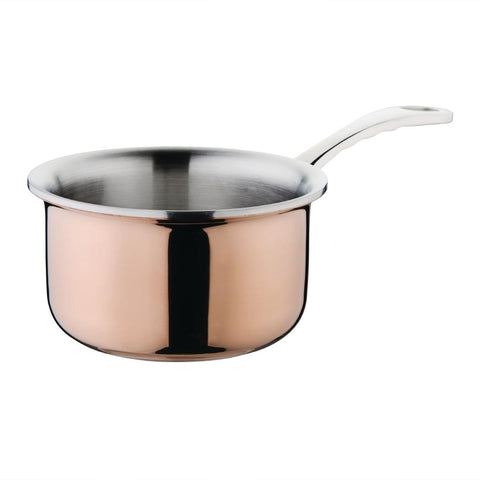
 Vogue Mini Copper Tri Wall Saucepan 330ml - GG756
90(W) x 55(H) x 90(D)mm
 Vogue Stainless Steel Saucepan 320mm - FB698
320(W) x 170(H) x 320(D)mm
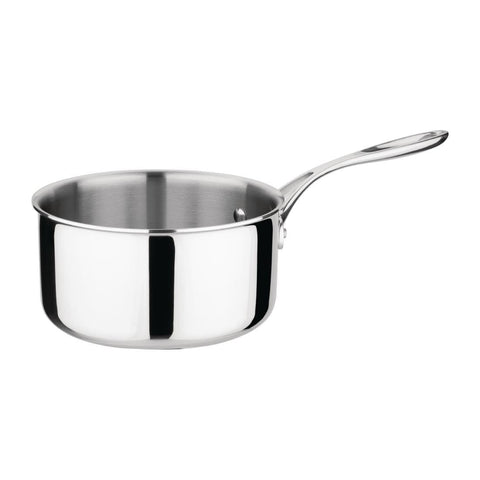

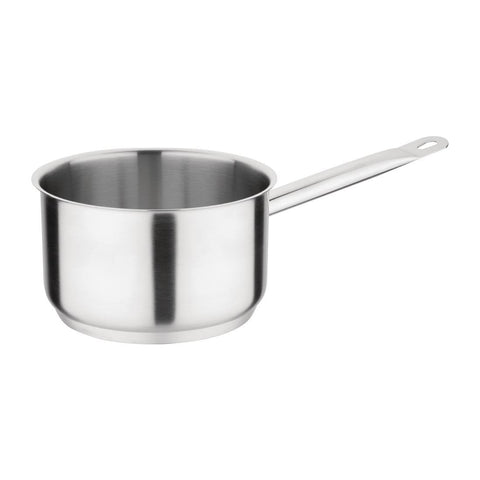
 Vogue Saucepan St/St - 180x110mm - FS664
110(W) x 180(H) x 110(D)mm
 Vogue Stainless Steel Saucepan Lid 140mm - M927
140(W) x 40(H) x 140(D)mm
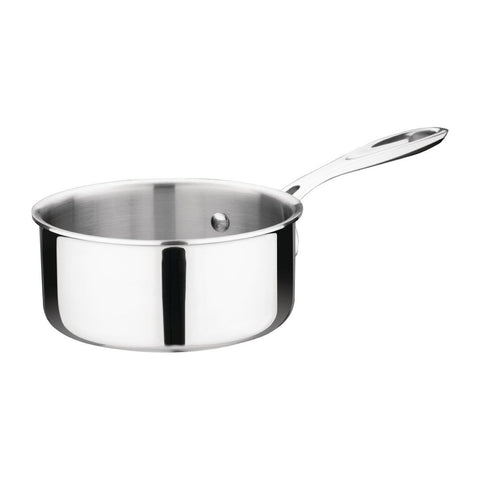
 Vogue Tri Wall Saucepan 900ml - Y244
140(W) x 70(H) x 140(D)mm
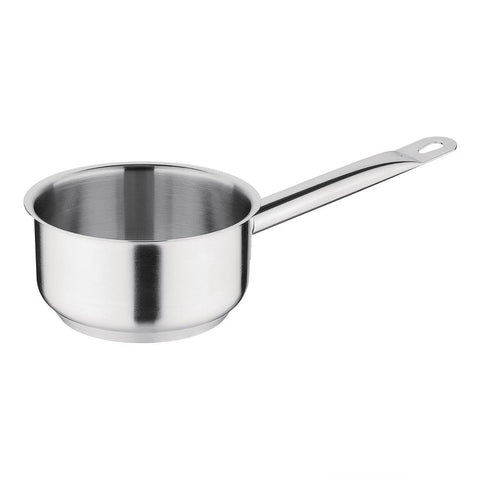

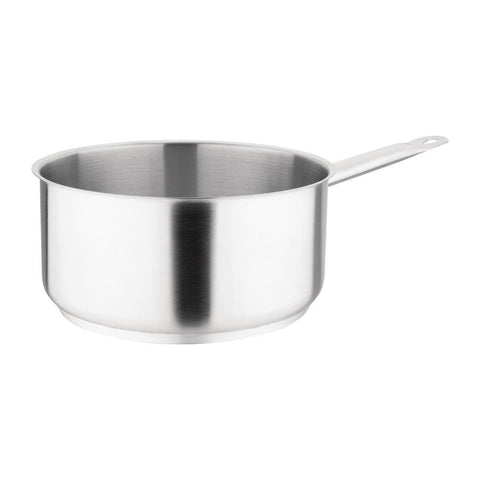

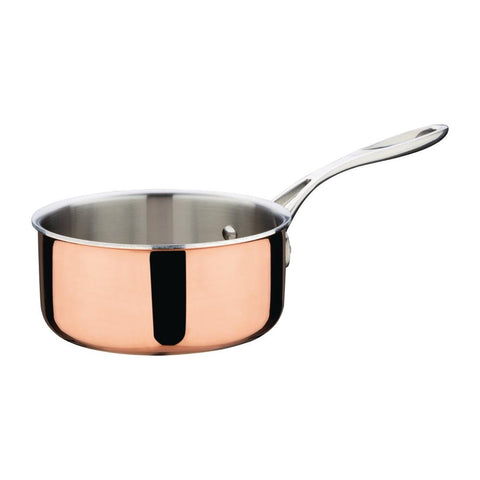
 Vogue Tri Wall Copper Saucepan 160mm - CT998
160(W) x 70(H) x 160(D)mm
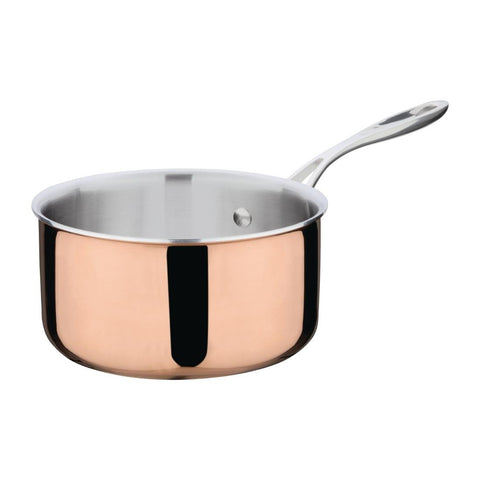
 Vogue Copper Tri-Wall Saucepan 180mm - CM675
180(W) x 95(H) x 180(D)mm
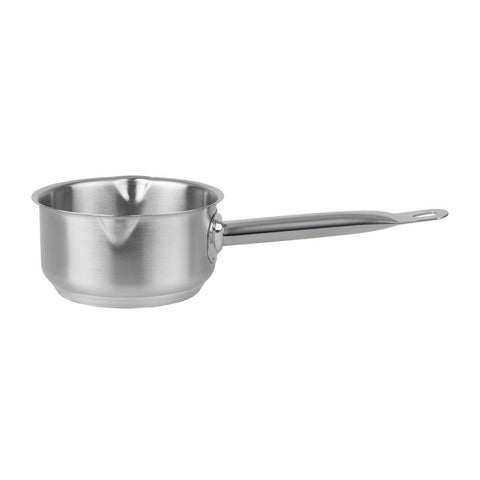
 Vogue Stainless Steel Milk Pan 140mm - CX029
140(W) x 76(H) x 140(D)mm
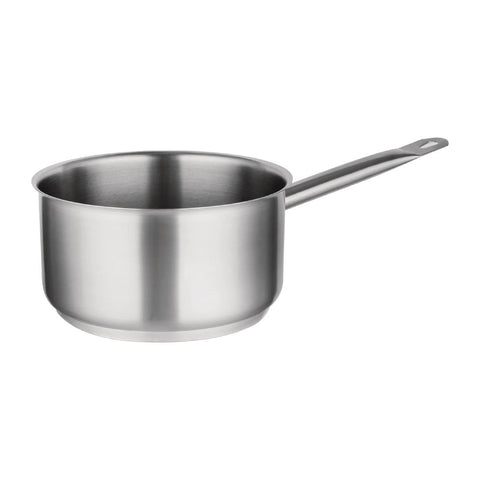
 Vogue Stainless Steel Saucepan With Lid 240mm - SA605
240(W) x 110(H) x 240(D)mm
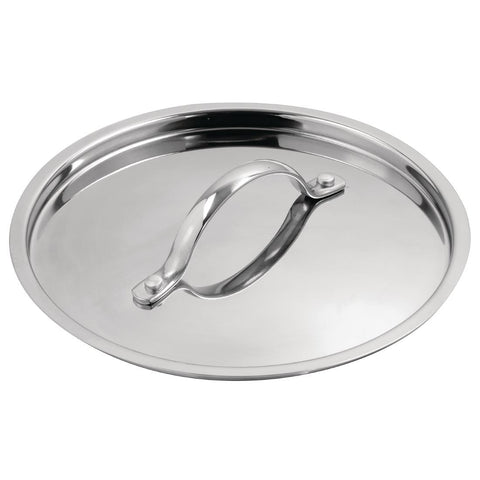
 Vogue Tri Wall Saucepan Lid 200mm - Y424
200(W) x 20(H) x 200(D)mm
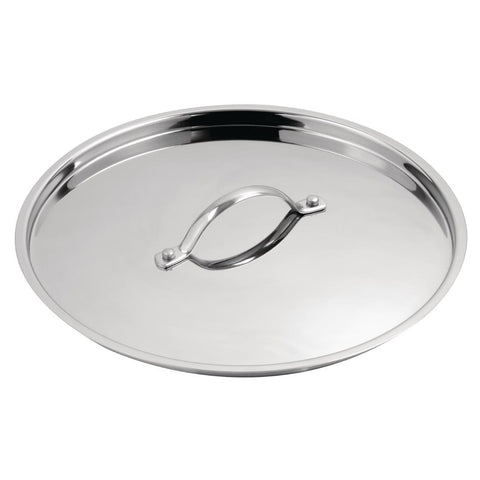
 Vogue Tri Wall Stew Pan Lid 280mm - Y426
280(W) x 20(H) x 280(D)mm
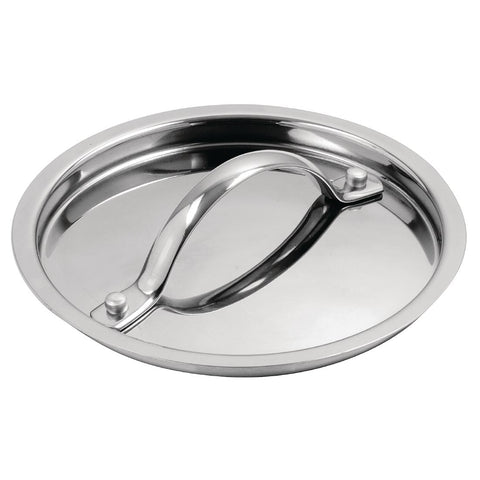
 Vogue Tri Wall Saucepan Lid 140mm - Y422
140(W) x 20(H) x 140(D)mm
 Vogue Stainless Steel Saucepan Lid 400mm - T148
400(W) x 20(H) x 400(D)mm
 Vogue Deep Boiling Pot Lid 330mm - S360
330(W) x 20(H) x 330(D)mm
 Vogue Deep Boiling Pot Lid 235mm - S356
235(W) x 20(H) x 235(D)mm
 Vogue Stainless Steel Saucepan Lid 300mm - T134
300(W) x 20(H) x 300(D)mm
 Vogue Stainless Steel Saucepan Lid 320mm - M952
320(W) x 20(H) x 320(D)mm
 Vogue Stainless Steel Saucepan Lid 160mm - M948
160(W) x 40(H) x 160(D)mm
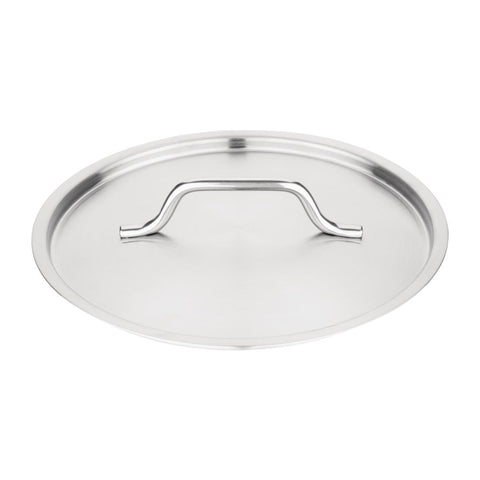
 Vogue Stainless Steel Saucepan Lid 240mm - M950
240(W) x 20(H) x 240(D)mm
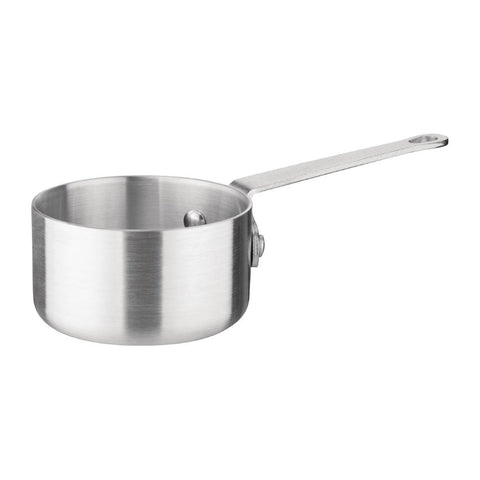

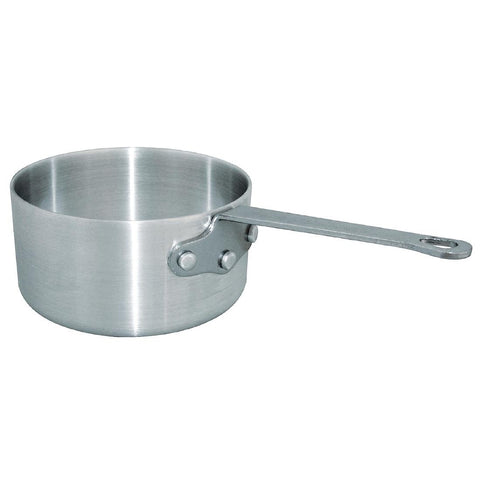


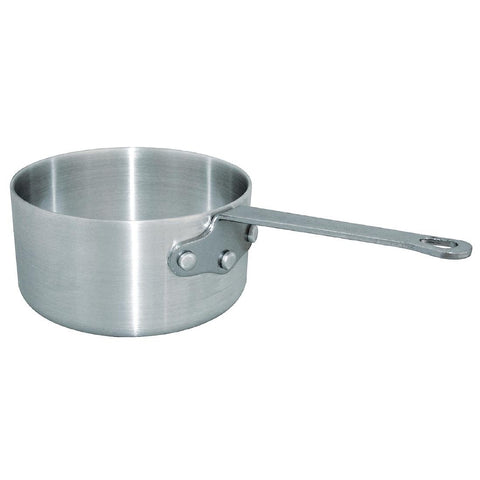

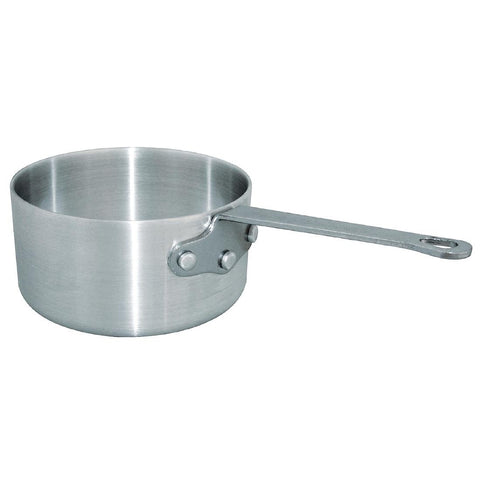

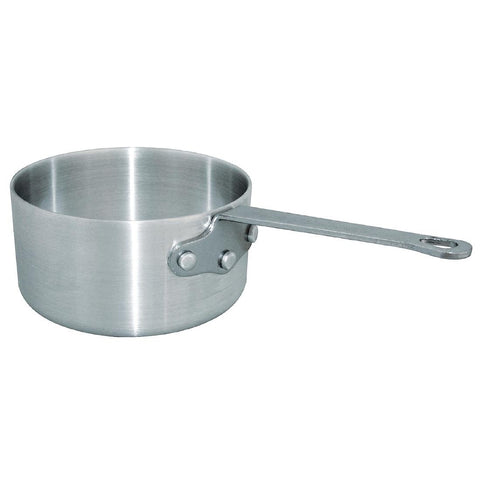

 Vogue Aluminium Saucepan Lid 140mm - K470
140(W) x 43(H) x 140(D)mm
 Vogue Aluminium Saucepan Lid 120mm - K473
120(W) x 43(H) x 120(D)mm
 Vogue Aluminium Saucepan Lid 180mm - K261
180(W) x 43(H) x 180(D)mm
 Vogue Aluminium Saucepan Lid 200mm - K253
200(W) x 43(H) x 200(D)mm
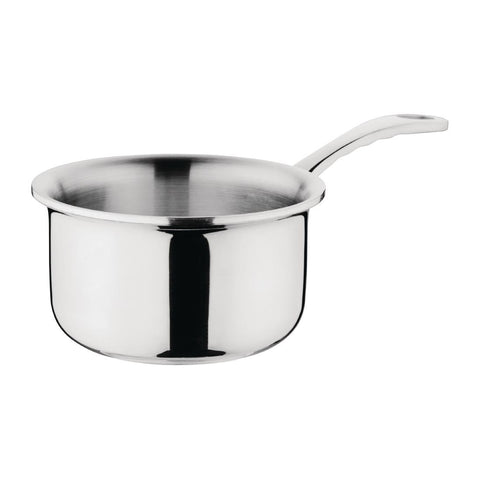

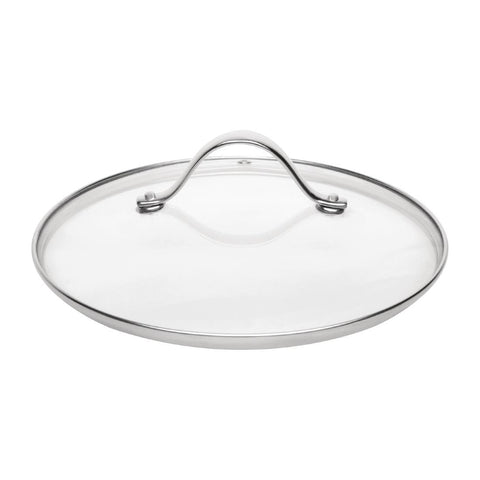
 Vogue Glass Saucepan Lid 240mm - CS546
248(W) x 68(H) x 248(D)mm
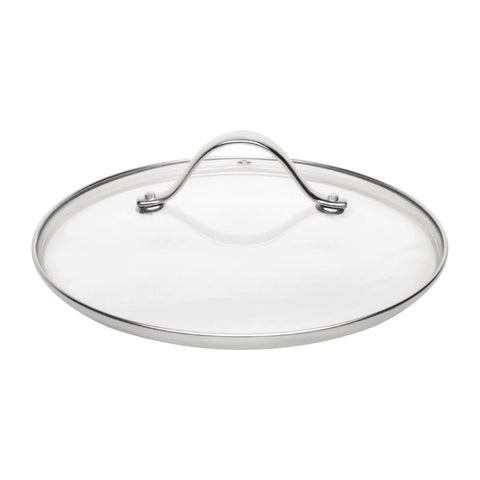
 Vogue Glass Saucepan Lid 200mm - CS545
208(W) x 65(H) x 208(D)mm
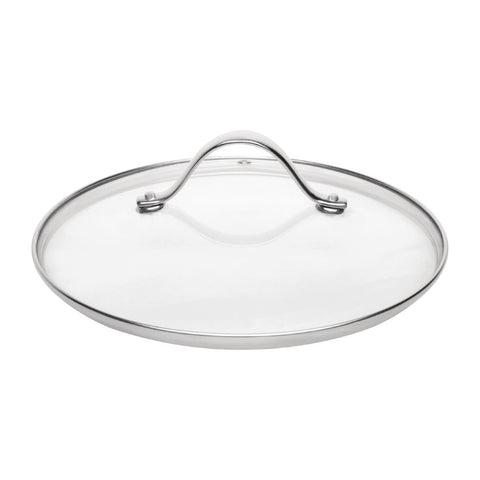
 Vogue Glass Saucepan Lid 160mm - CS543
168(W) x 60(H) x 168(D)mm
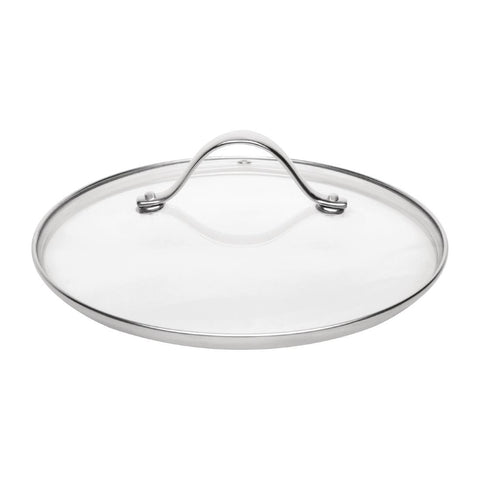
 Vogue Glass Saucepan Lid 180mm - CS544
188(W) x 62(H) x 188(D)mm
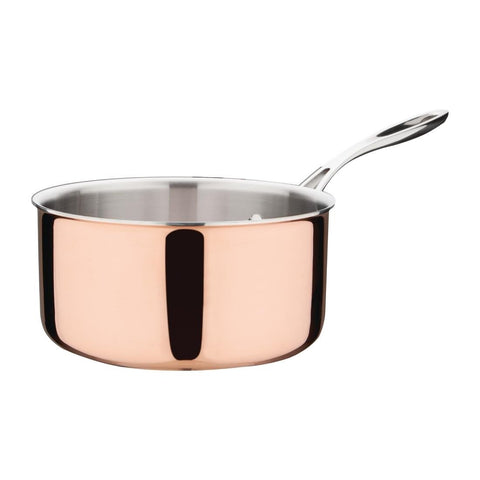
 Vogue Induction Tri-Wall Copper Saucepan - 200x100mm - FS667
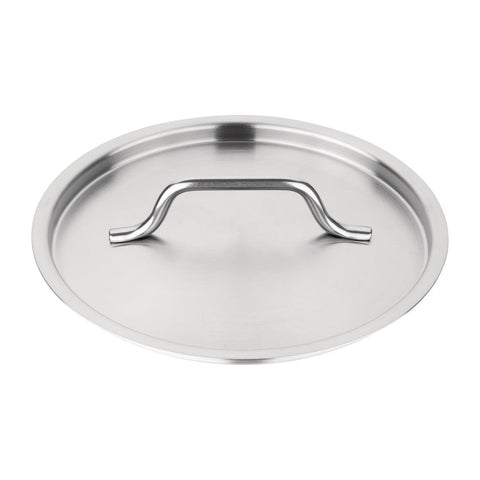
 Vogue Lid St/St - 180mm - FS665
180(W) x 46(H) x 180(D)mm
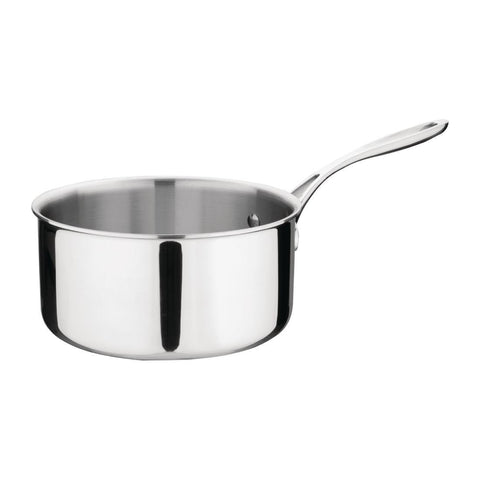
 Vogue Tri Wall Saucepan 3Ltr - Y246
200(W) x 100(H) x 200(D)mm
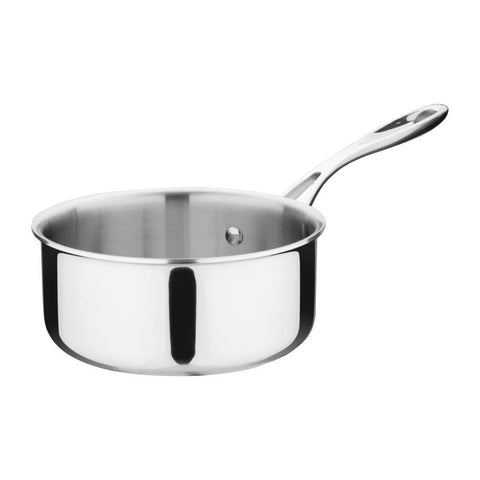
 Vogue Tri Wall Saucepan 1.5Ltr - Y245
160(W) x 70(H) x 160(D)mm

 Vogue Anodised Aluminium Non Stick Sauce Pan 200mm - CP763
200(W) x 110(H) x 200(D)mm
Commercial sauce pans are what the stove section makes sauces, stocks and reductions in, and they are on the heat for most of service. A commercial saucepan with a thin base scorches a sauce at the edges before the middle moves; one with a heavy, clad base holds a steady simmer.
Base construction is the thing to compare. Saucepans in clad stainless, with an aluminium or copper layer through the base, move the heat across the whole base and respond quickly. A stainless steel saucepan with no core is cheap and will catch a milk-based sauce.
The second decision is shape. A taller, narrower pan reduces slowly and loses little to evaporation, which suits a stock. A wider, shallower pan reduces fast, which suits a pan sauce. Most sections need both.
Sauce pans sit in commercial cookware with commercial saute pans, commercial stock pots and commercial casserole pans, and the straining end is conical strainers and chinois.
Filling out the sizes a stove section needs? The price guide lists the saucepans by capacity with the lids, so you can see the small, mid and large together before you order.
Thick enough that the pan does not glow hot in one spot on a gas burner. A clad or sandwich base spreads the flame, which is what stops a dairy or sugar sauce catching in a ring over the burner.
This is the specification worth paying for in a saucepan. It is also the hardest to judge from a photo, so check the base construction stated on the product page.
A set of small pans for à la carte sauces, a couple of mid-sizes for batch work, and one large one for stock reduction. The small ones get used constantly and should be bought deep.
A section with only large pans ends up reducing a small sauce in too wide a pan, which burns the edges.
Tall and narrow to hold and simmer with minimal reduction; wide and shallow to reduce quickly. Using the wrong one costs you either time or control.
If you can only hold one shape, go mid-range and adjust the heat. For stocks specifically a proper stock pot is the right vessel, not a saucepan.
For anything held or simmered, yes. A lid cuts evaporation and holds temperature, which saves gas and keeps a stock from reducing while nobody is watching it.
Buy lids with the pans rather than later, and check they are sized to the pan. See cloches, food covers and lids for the service-side equivalents.
On gas and electric, always. On induction, only if the base is magnetic — many clad pans are, plain aluminium is not, and the pan simply will not heat if it does not couple.
Check the induction rating before an induction cooktop install, because a whole set of pans can turn out to be unusable.
Heat too high and nothing moving. A heavy base buys patience, not immunity, and dairy and sugar will catch on any surface if the pan is driven hard.
Lower the flame and use a flat-ended tool that reaches the corner where the base meets the wall. A spoonula does that better than a whisk.
Deglaze warm, then wash. Stainless pans go through a machine cycle without trouble; a burnt-on sugar or dairy base needs soaking or a dedicated cleaner rather than scouring.
Avoid scouring the inside of a clad pan to a shine. It does nothing for performance and it wears the surface; the cooking equipment cleaners range covers the baked-on cases.

We have a special page just for stock that's warehoused in Perth.
Click Here to see all WA stockWhat our customers say about us on Google, and how Google scores our store for things like shipping and returns.
Store scores from Google