


 03 9070 5784
 Help & Support
 Track My Order



Recently Viewed
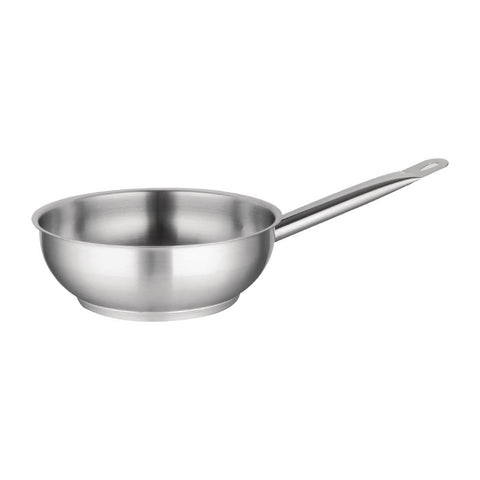

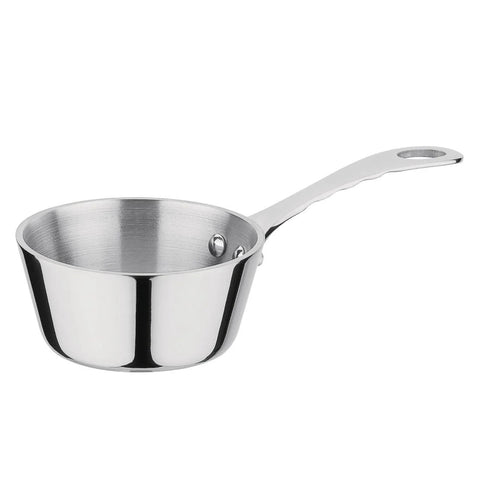

 Vogue Mini Tri Wall Saute Pan 85mm - GG760
80(W) x 40(H) x 80(D)mm
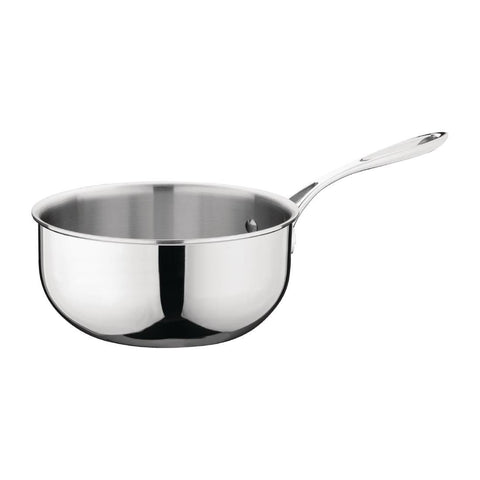
 Vogue Tri Wall Flared Saute Pan 200mm - Y240
200(W) x 70(H) x 140(D)mm
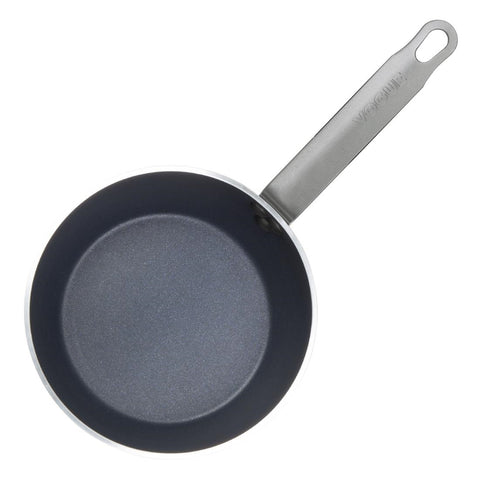
 Vogue Aluminium Non-stick Teflon Platinum Plus Sauté Pan 200mm - HT984
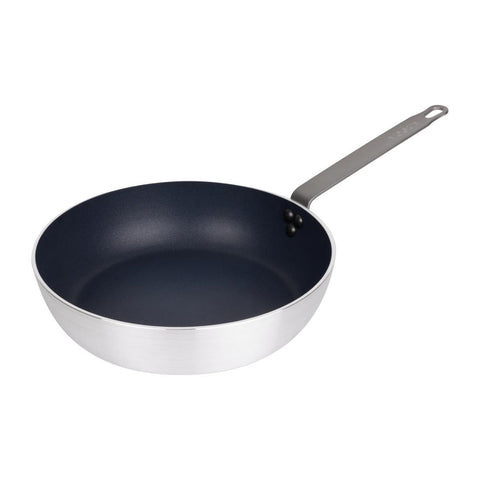
 Vogue Aluminium Non-stick Teflon Platinum Plus Saute Pan 320mm - HT989

 Special Offer Vogue Stainless Steel Casserole, Stew and Sauté Pan Set (Pack of 5) - S121
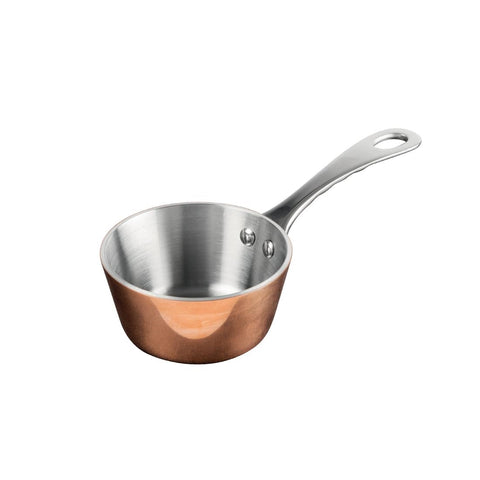
 Vogue Mini Copper Tri Wall Saute Pan 85mm - GG761
80(W) x 40(H) x 80(D)mm
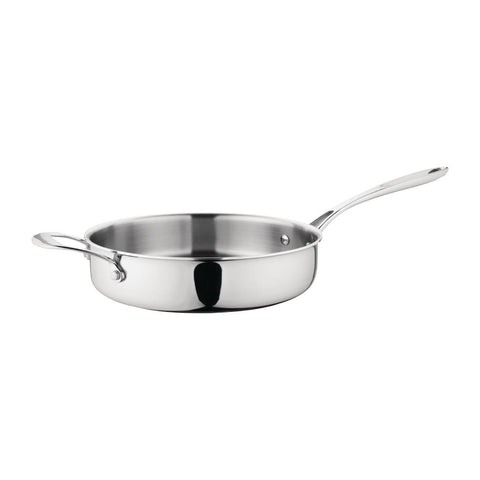
 Vogue Tri Wall Saute Pan 280mm - GG032
280(W) x 70(H) x 280(D)mm
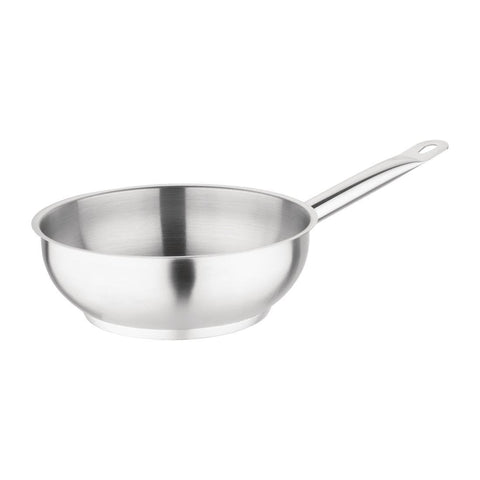

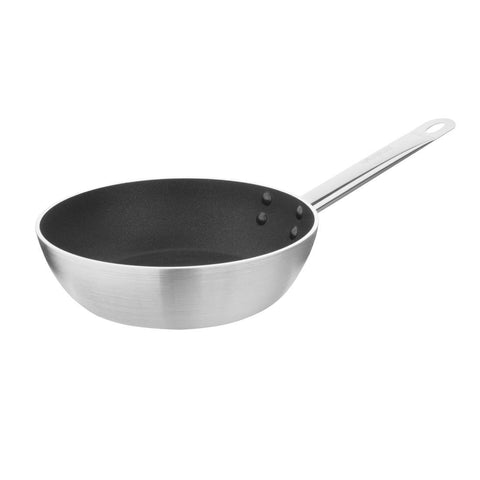
 Vogue Non Stick Induction Flared Saute Pan 240mm - CB904
240(W) x 80(H) x 240(D)mm
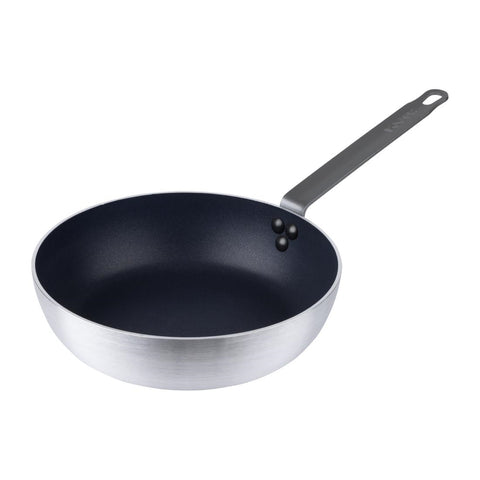
 Vogue Aluminium Non-Stick Flared Induction Sauté Pan 28cm - HT985

 Vogue Aluminium Non-stick Teflon Platinum Plus Sauté Pan - 240mm - HT986
235.5(W) x 108(H) x 235.5(D)mm
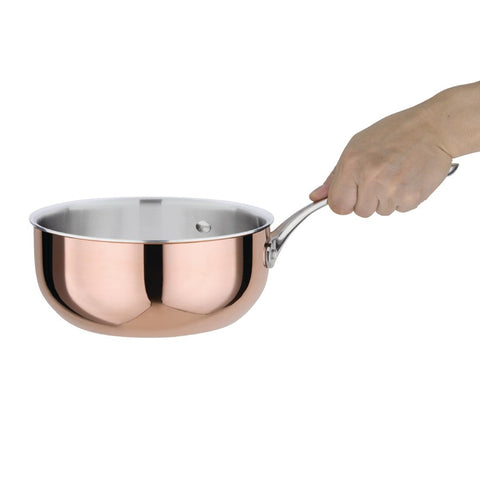
 Vogue Copper Tri-Wall Flared Sauté Pan 200mm - CM677
200(W) x 90(H) x 200(D)mm
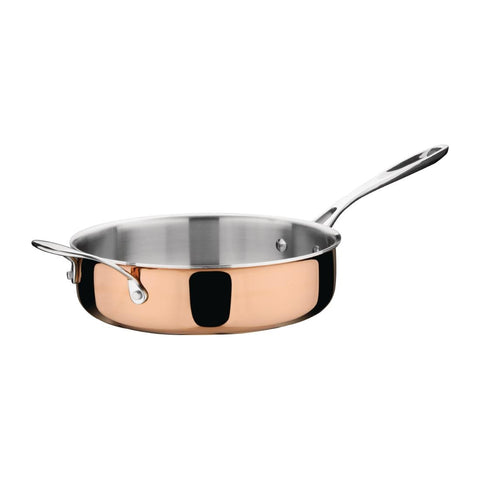
 Vogue Copper Tri-Wall Sauté Pan 240mm - CM676
240(W) x 60(H) x 240(D)mm
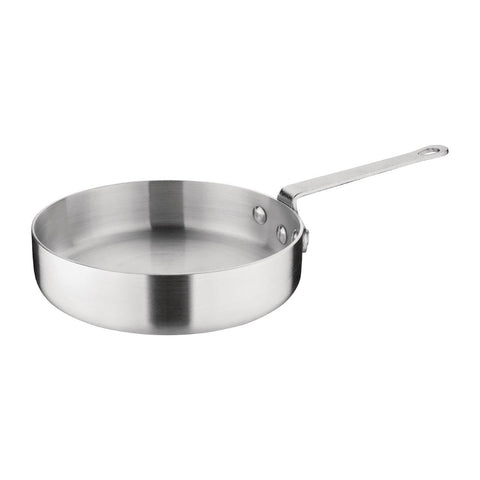

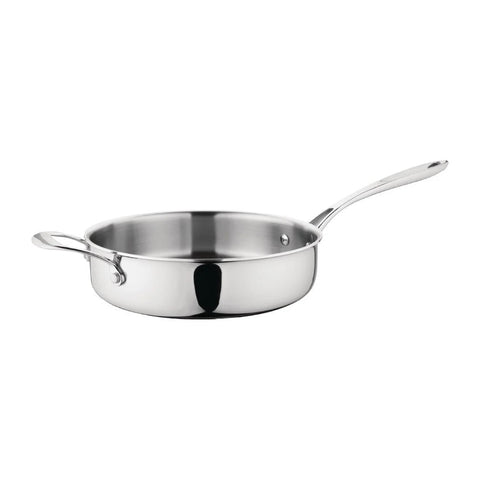
 Vogue Tri Wall Saute Pan 240mm - GG031
240(W) x 60(H) x 240(D)mm
 Vogue Non-stick Teflon Stainless Steel Platinum Plus Saute Pan 240mm - FC099
240(W) x 80(H) x 240(D)mm
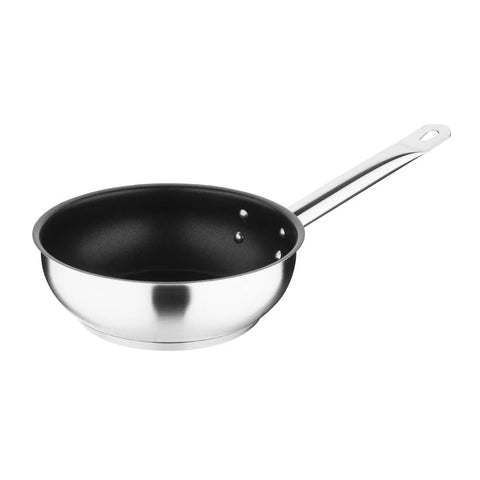
 Vogue Non-stick Teflon Stainless Steel Platinum Plus Saute Pan 200mm - FC098
200(W) x 70(H) x 200(D)mm
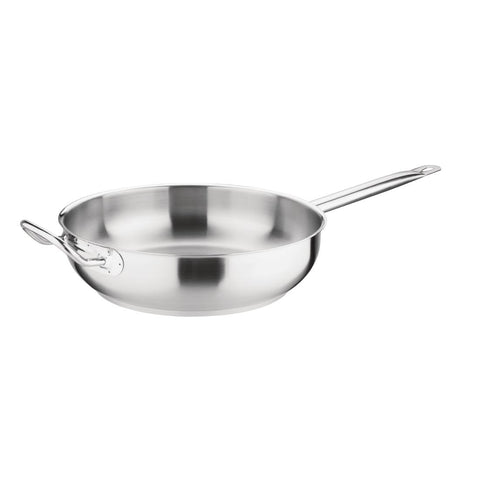
 Vogue Stainless Steel Saute Pan 300mm - FB699
300(W) x 100(H) x 300(D)mm
 Vogue Non-stick Teflon Aluminium Induction Platinum Plus Saute Pan 280mm - FB695
280(W) x 75(H) x 280(D)mm
 Vogue Non-stick Teflon Aluminium Induction Platinum Plus Saute Pan 320mm - FB696
320(W) x 80(H) x 320(D)mm
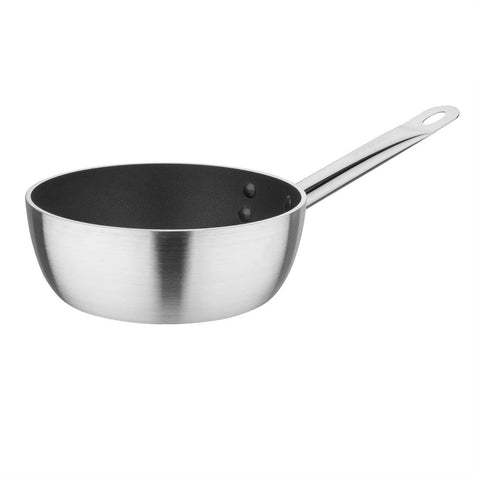
 Vogue Induction Flared Non Stick Saute Pan 200mm - CB903
200(W) x 78(H) x 200(D)mm
Saute pans are wide pans with one long handle, deep enough to hold liquid, used for searing, finishing and reducing a sauce in the same pan. Vogue is one of the brands here, in plain stainless steel, Tri Wall stainless with an aluminium core, copper Tri Wall, and aluminium and stainless with a Teflon Platinum Plus non-stick coating.
The sides come straight or flared. Straight sides hold more liquid for the same diameter, so those pans suit a braise, a shallow poach or a sauce that has to reduce without spitting over the rim. Flared sides let a chef toss the contents and give a wider surface for evaporation, which suits vegetables, mushrooms and anything finished fast over high heat.
A thin single layer base heats in patches and warps the first time it's run empty over a hard flame, and once a base has domed it never sits flat again. The Tri Wall pans carry an aluminium layer between stainless through the base and up the sides, which carries heat evenly across the pan and holds its shape. The induction models have a magnetic layer worked into the base, and they say so in the name.
Sizes run from 85mm mini pans up to 320mm pans, with 200mm and 240mm doing most of the work on a service line. Lids are sold separately to match the diameter. Frying pans and saucepans cover the rest of the stovetop work.
Working out which sizes to stock deep? The price guide prices the commercial saute pans and the matching lids by diameter, so the 200mm and 240mm can be ordered in numbers. Related ranges: commercial cookware, chopping board, commercial casserole pans and commercial cast iron cookware.
The height and the shape of the sides. A frying pan has low sloping sides made for turning food and sliding it out, and it's the pan for eggs, steaks and anything shallow.
A saute pan is deeper with straighter sides, so it holds liquid. You can sear a chicken thigh, deglaze the pan and reduce a sauce around it without the liquid going over the edge, and the extra depth keeps the spitting off the cooktop. A kitchen doing sauces to order needs both.
Hold a fridge magnet against the base. If it grips, the pan works on induction. If it slides off, it won't, whatever the pan is made of on the inside. Plain aluminium doesn't work on its own, and neither does some stainless steel.
The pans built for it carry it in the name, and the non-stick induction and induction flared models all have a magnetic layer in the base. Check this before you order if you're putting induction cooktops into the kitchen, because a set of aluminium pans and a new induction top is an expensive thing to find out about on the first service.
Thick enough that the pan doesn't hot-spot over a gas ring or buckle when it's pushed hard. A sandwich or tri wall base has aluminium between layers of stainless, so heat moves right across the base instead of sitting where the flame hits it. A single skin stainless pan will scorch a sauce in a ring pattern and distort within months on a busy line.
Aluminium conducts well on its own and weighs far less, which matters to a chef lifting the same pan two hundred times a night, but bare aluminium is softer and dents. Never run any pan empty over a high flame and never put cold water into a hot one, because that's what domes a base.
The all-stainless pans have a stainless handle welded or riveted to the body, and they go straight into an oven or under a salamander with the pan. Anything with a plastic or silicone grip stays on the cooktop. A stainless handle also comes out of the oven as hot as the pan, so keep a dry cloth on the handle until the pan is empty.
Welded handles have no rivet heads inside the pan, so there's nothing for food to bake onto and nothing to work loose. Riveted handles are strong and can be re-tightened, but the rivets sit proud inside and need scrubbing. Either way, a handle that has started to move needs fixing straight away, because a full pan swinging off a loose handle is how people get burnt.
Match the base of the pan to the ring it sits on. A pan much wider than the burner cooks hot in the middle and cool at the rim, which shows up as a sauce catching in the centre while the edges do nothing. A pan much smaller than a gas burner lets the flame lick up the sides, which cooks the handle, burns the outside of the pan and wastes gas.
Induction is stricter again, because the hob only heats the part of the base sitting over the coil. A 320mm pan on a small induction ring heats a circle in the middle and leaves the rest cold. Measure the rings in your kitchen before ordering, and buy the sizes that match them.
200mm and 240mm cover most a la carte work, one or two portions in the smaller and three or four in the larger. 280mm and 320mm are for batch cooking and family style serves, and they're heavy when full, so they suit a strong section rather than every station. The 85mm mini pans in stainless and copper are for serving rather than cooking, taking a side dish, a sauce or a garnish to the table in the pan.
Buy several of the sizes you use most instead of one of each. A line running a pan sauce on every plate needs a stack of the same pan ready to go, and a chef waiting on the wash-up for the only 240mm pan is what slows a pass down.
It's a wear part. Teflon Platinum Plus is a hard coating and it holds up better than most, but every non-stick pan is a consumable and every kitchen replaces them. Metal tongs and spatulas scratch it, abrasive pads sand it off, and running a dry non-stick pan over a high flame breaks the coating down faster than anything else.
Use timber or high heat silicone tools in them, wash them with a soft cloth, and keep them off the hard sear work. Once a coating starts to lift or flake, the pan is finished. Put the eggs, crepes and delicate fish on non-stick and give everything else to the stainless pans.
Stainless steel and Tri Wall pans go through a commercial dishwasher without trouble, though hard water leaves a film that needs a wipe. Non-stick pans shouldn't. Machine detergent is aggressive, it dulls and eventually lifts the coating, and a non-stick pan washed by hand lasts several times as long.
Bare aluminium goes grey and chalky in a dishwasher and the grey transfers onto light coloured food. Copper needs hand washing and a polish to stay bright, which is worth doing on the mini pans that go out to the table.
Generally not. Lids are sold separately in matching diameters, so you buy lids only for the pans you actually cover. Buy the lid from the same brand and the same line as the pan, because a lid is made to a rim diameter and a couple of millimetres either way means it sits proud and lets steam out the side.
A pan doing braises and reductions needs a lid. A pan searing and finishing over high heat generally doesn't. Count the lids you need before ordering and put them on the same order as the pans.
The stainless casserole, stew and Sauté Pan Set is priced as a pack, and a pack costs less than the same pieces bought one at a time. A fit-out that orders all the cookware together, pans and lids and saucepans and frying pans, takes one delivery instead of a run of small orders through the first month of trading.
Order a couple of spares in the sizes used every service. Pans get dropped, warped and burnt out, and a spare on the shelf keeps the section running while a replacement is on its way. Everything ships across Australia.

We have a special page just for stock that's warehoused in Perth.
Click Here to see all WA stockWhat our customers say about us on Google, and how Google scores our store for things like shipping and returns.
Store scores from Google