


 03 9070 5784
 Help & Support
 Track My Order



Recently Viewed

 Vogue Non-stick Teflon Aluminium Induction Frying Pan 360mm - FB693
360(W) x 55(H) x 360(D)mm
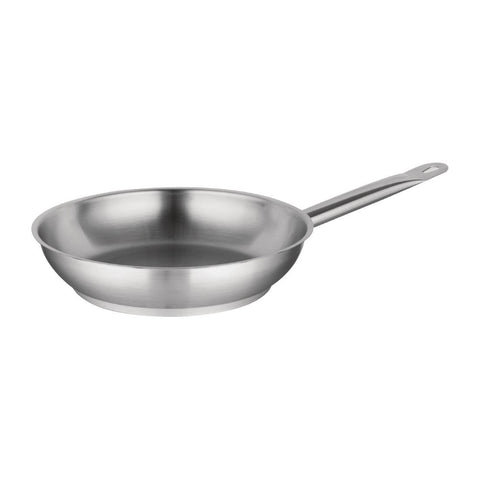
 Vogue Stainless Steel Frying Pan 280mm - M926

 Vogue Non-stick Teflon Aluminium Induction Frying Pan 400mm - FB694
400(W) x 60(H) x 400(D)mm
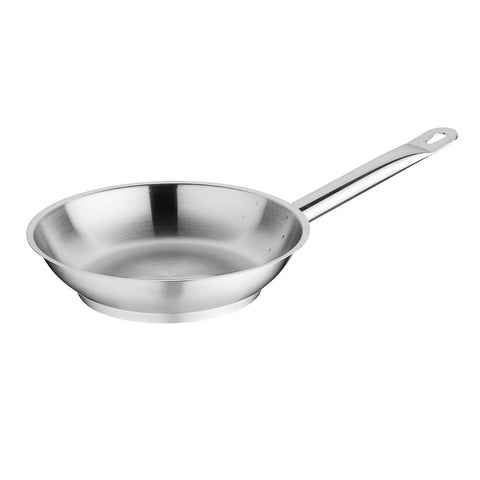
 Vogue Stainless Steel Frying Pan 200mm - M924
200(W) x 40(H) x 200(D)mm
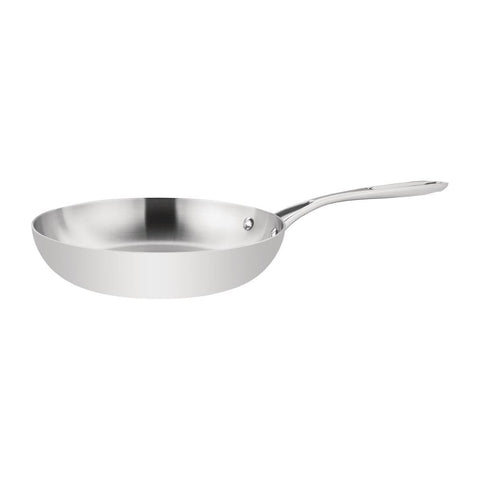
 Vogue Tri Wall Induction Frying Pan 240mm - Y320
240(W) x 40(H) x 240(D)mm
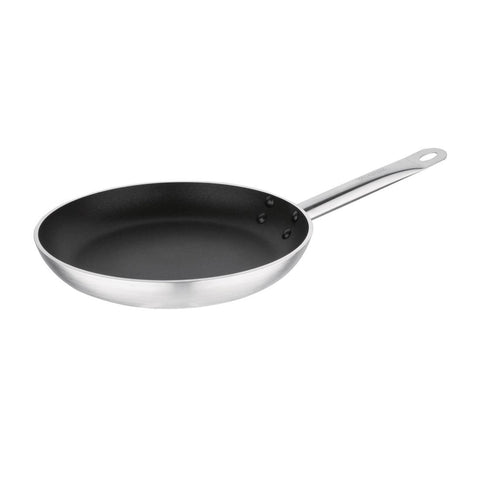
 Vogue Non Stick Induction Frying Pan 280mm - CB902
280(W) x 45(H) x 280(D)mm
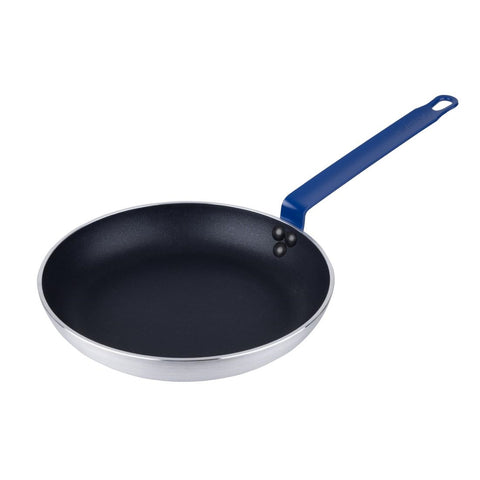

 Hygiplas Aluminium Teflon Platinum Plus Frying Pan with Blue Handle 280mm - HT972
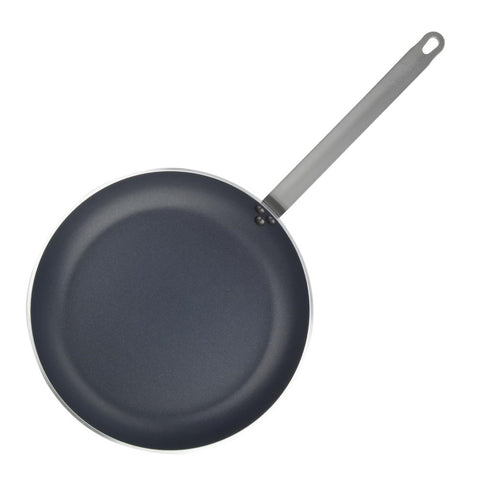
 Vogue Aluminium Non-Stick Teflon Frying Pan 400mm - HT976
 Vogue Silicone Pan Handle Medium - GD801
38(W) x 12(H) x 145(D)mm
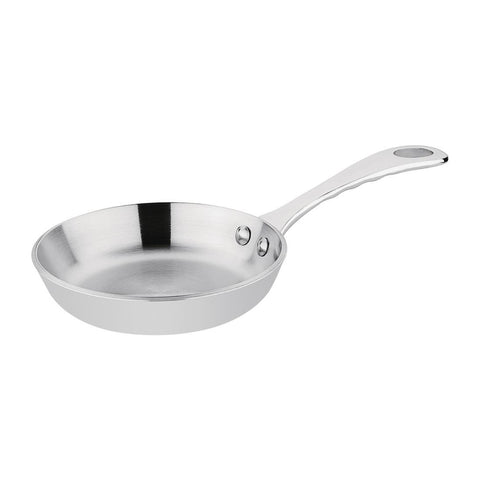
 Vogue Tri Wall Mini Induction Frying Pan 100mm - GG027
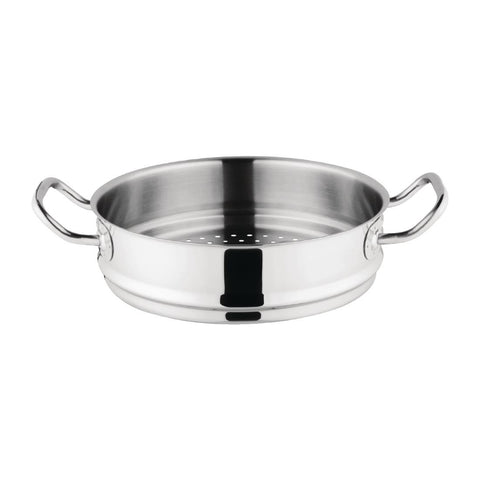

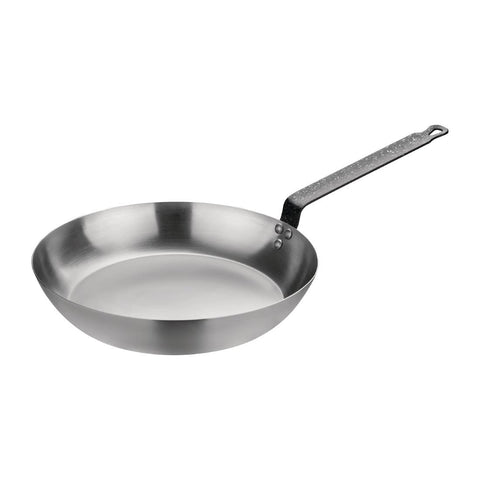

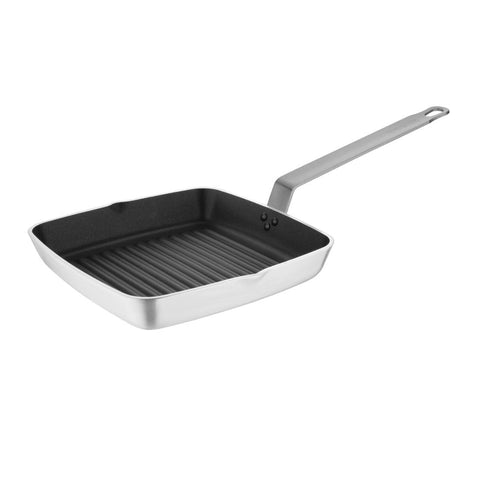
 Vogue Square Non Stick Ribbed Skillet Pan 240mm - DL942
240(W) x 41(H) x 240(D)mm
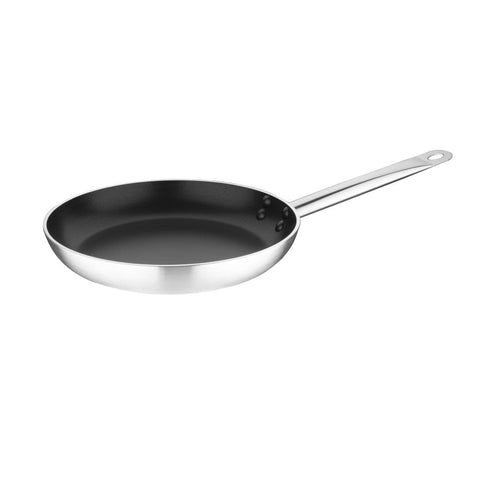
 Vogue Non-stick Teflon Aluminium Induction Frying Pan 300mm - FB691
300(W) x 50(H) x 300(D)mm
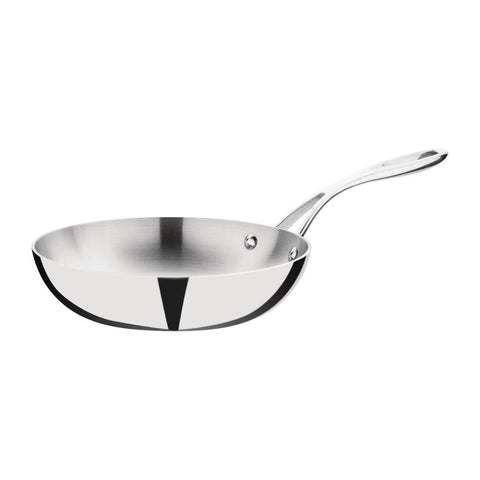
 Vogue Tri-wall Fry Pan St/St - 200mm - FS668
200(W) x 50(H) x 200(D)mm
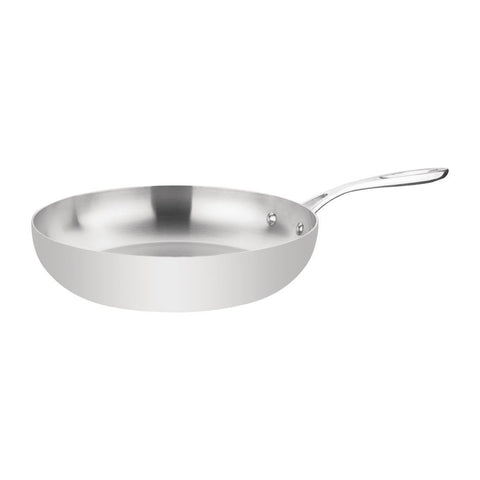
 Vogue Tri Wall Induction Frying Pan 280mm - Y321
280(W) x 40(H) x 280(D)mm
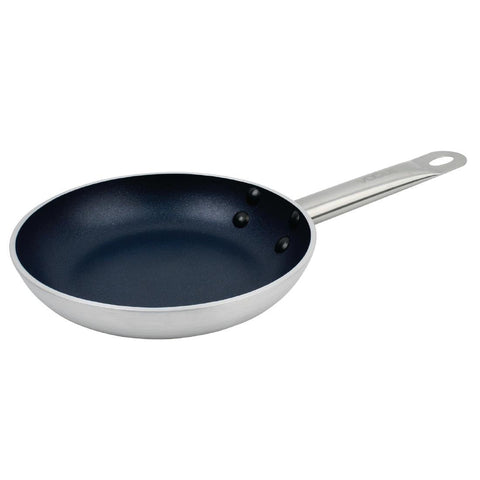
 Vogue Non Stick Induction Frying Pan 200mm - CB899
200(W) x 35(H) x 200(D)mm
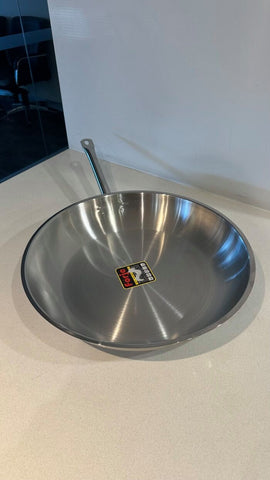

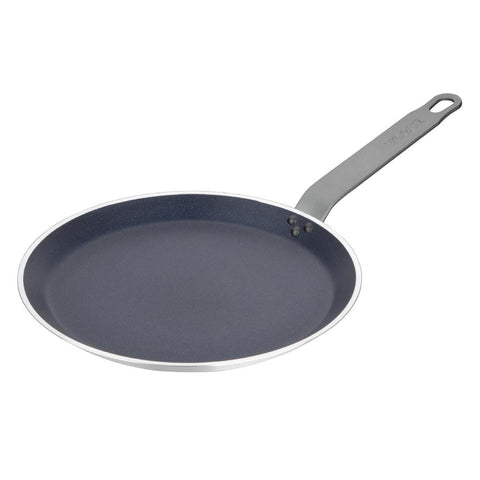
 Vogue Aluminium Non-Stick Teflon Platinum Plus Crepe Pan 260mm - HT987
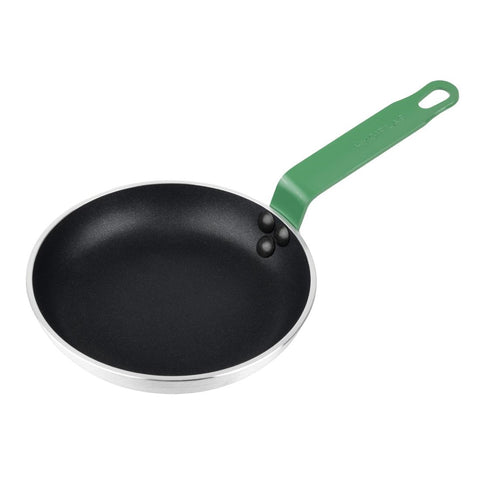
 Hygiplas Aluminium Non-stick Teflon Platinum Plus Frying Pan Green Handle 20cm - HT961
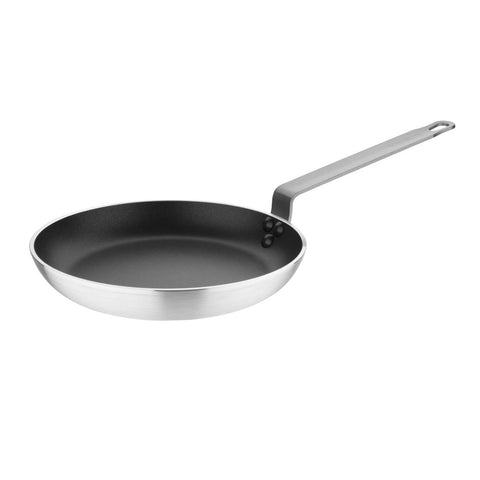
 Vogue Platinum Plus Anodised Aluminium Non-Stick Teflon Crepe Pan 30cm - HT960
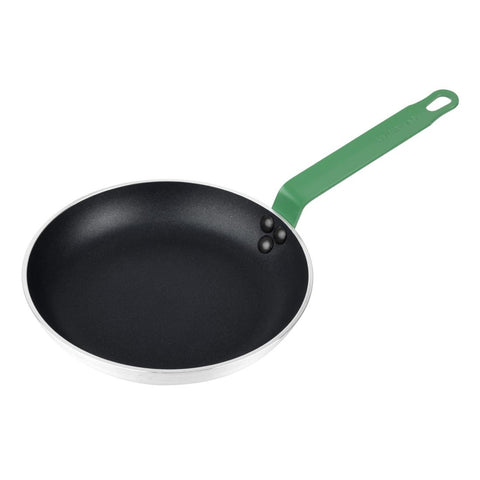
 Hygiplas Aluminium Non-stick Teflon Platinum Plus Frying Pan with Green Handle 240mm - HT962
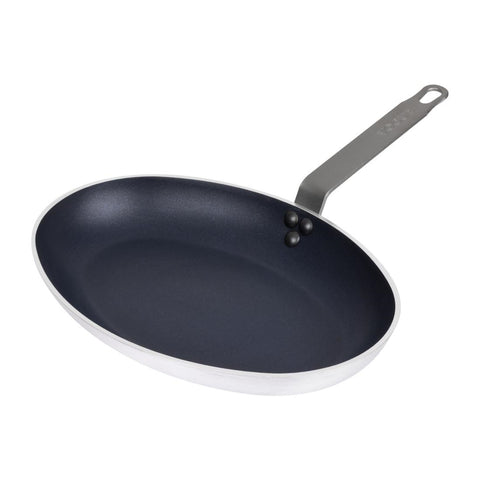
 Vogue Aluminium Non-Stick Teflon Platinum Plus Oval Frying Pan 360mm - HT988
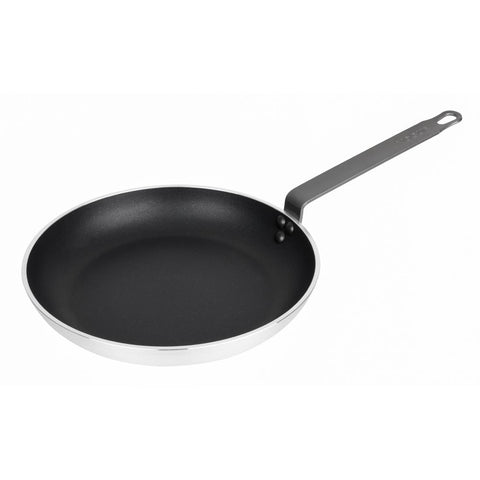
 Vogue Aluminium Non-stick Teflon Platinum Plus Frying Pan 320mm - HT982
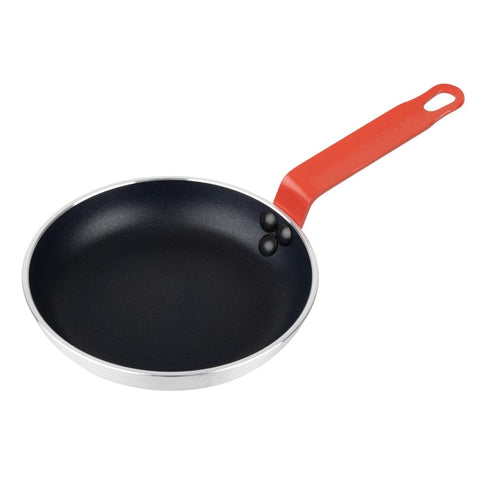
 Hygiplas Aluminium Non-stick Teflon Platinum Plus Frying Pan with Red Handle 200mm - HT964
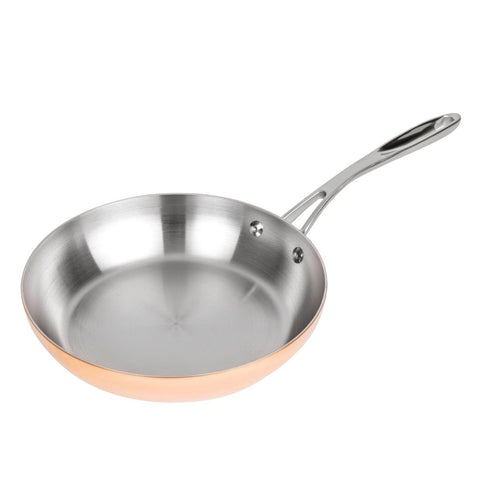

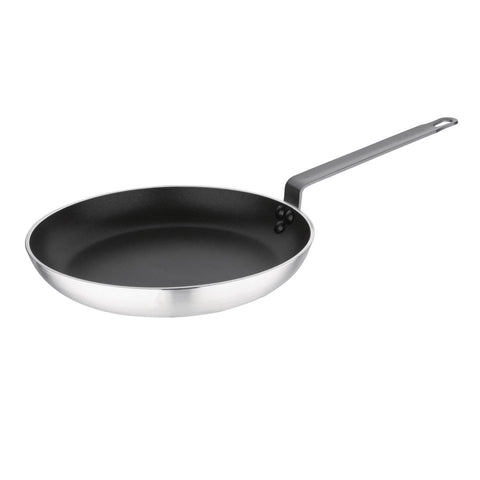
 Vogue Aluminium Non-Stick Teflon Frying Pan - 300mm - HT981
290(W) x 143(H) x 290(D)mm
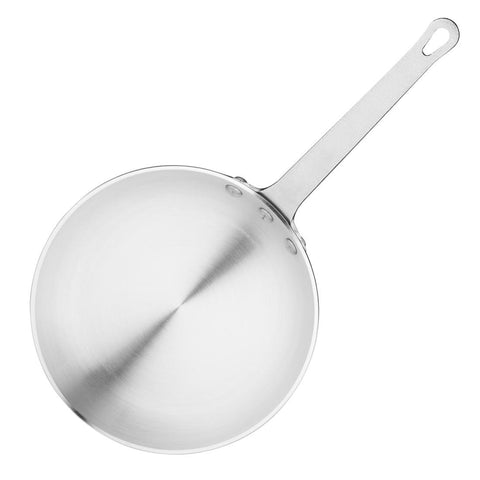

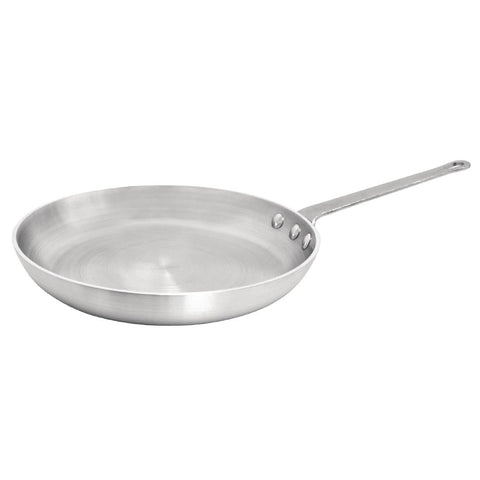
 Vogue Aluminium Frying Pan 280mm - HT973
280(W) x 28(H) x 280(D)mm
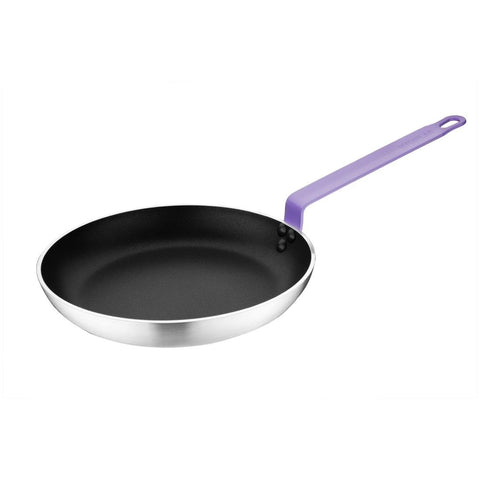
 Hygiplas Aluminium Non-stick Teflon Platinum Plus Frying Pan with Purple Handle 280mm - HT969
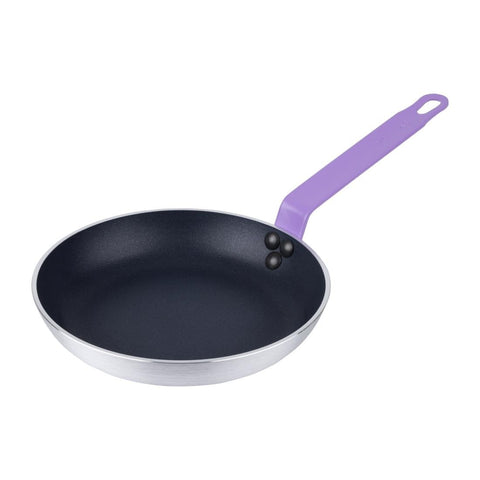
 Hygiplas Aluminium Non-stick Teflon Platinum Plus Frying Pan with Purple Handle 240mm - HT968
240(W) x 40(H) x 240(D)mm
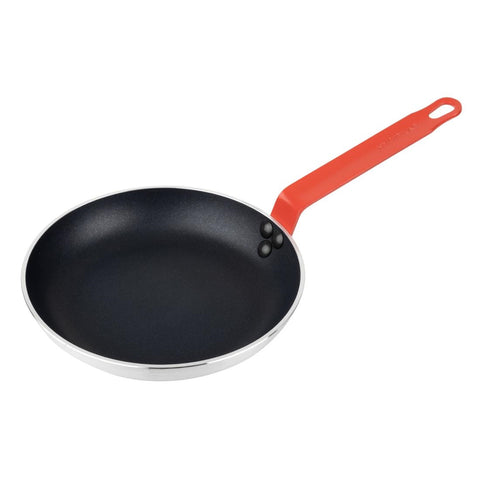
 Hygiplas Aluminium Teflon Platinum Plus Frying Pan with Red Handle 240mm - HT965
240(W) x 40(H) x 240(D)mm
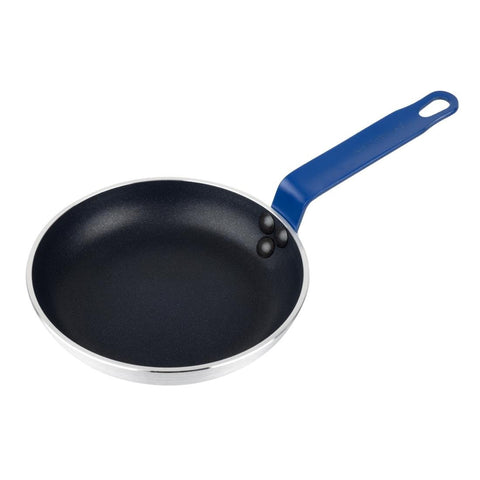
 Hygiplas Aluminium Non-Stick Teflon Platinum Plus Frying Pan with Blue Handle 200mm - HT970
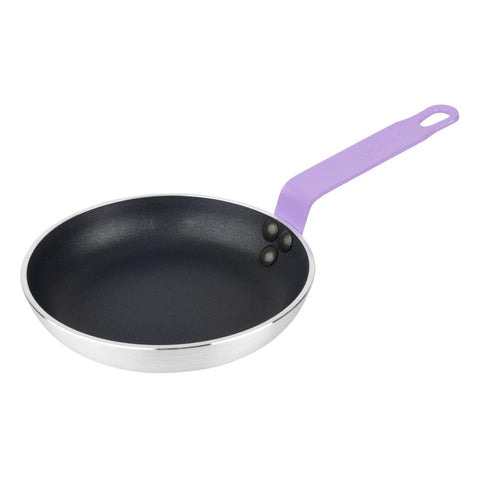
 Hygiplas Aluminium Non-Stick Teflon Platinum Plus Frying Pan with Purple Handle 200mm - HT967
200(W) x 35(H) x 200(D)mm
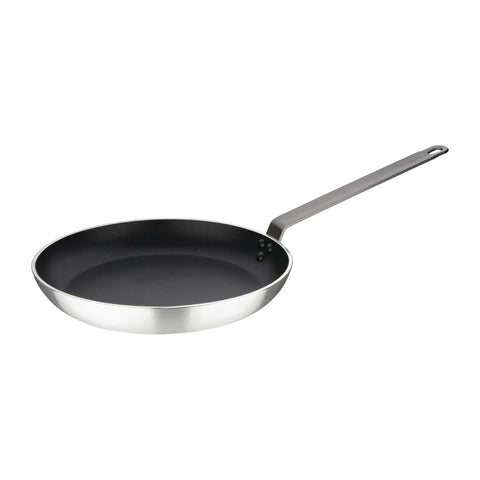
 Vogue Aluminium Non-stick Teflon Platinum Plus Frying Pan 360mm - HT983
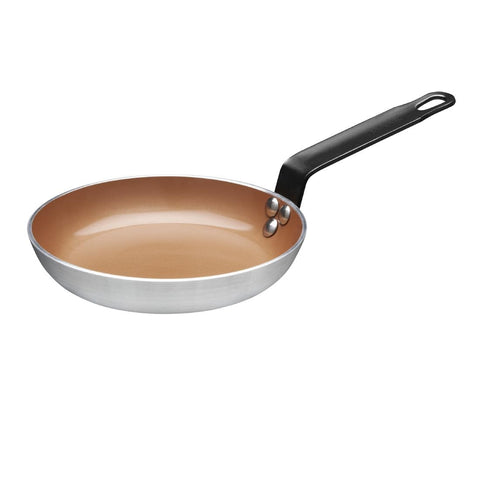
 Vogue Aluminium Non-Stick Ceramic Coated Frying Pan 20cm - DP483
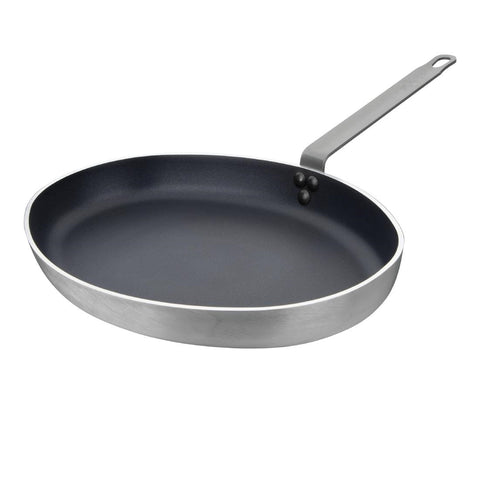
 Vogue Aluminium Non-stick Teflon Platinum Plus Oval Frying Pan 40cm - HT992
280(W) x 114(H) x 280(D)mm
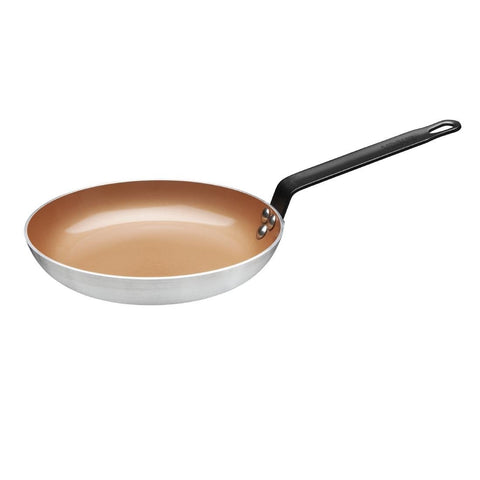
 Vogue Aluminium Non-Stick Ceramic Coated Frying Pan 24cm - DP484
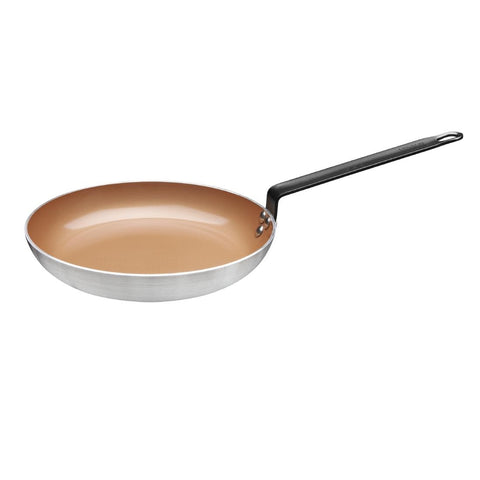
 Vogue Aluminium Non-Stick Ceramic Coated Frying Pan 28cm - DP485
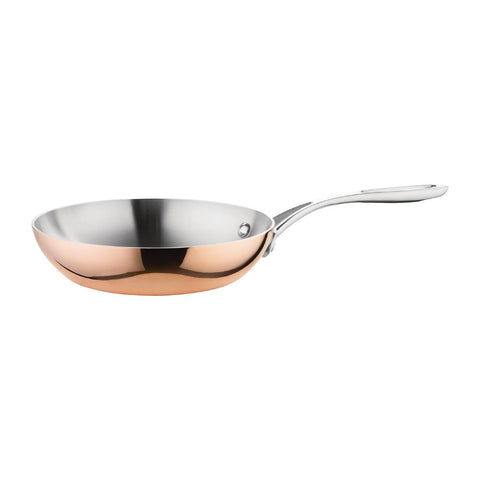
 Vogue Copper Tri-Wall Frying Pan 200mm - CM678
200(W) x 45(H) x 200(D)mm
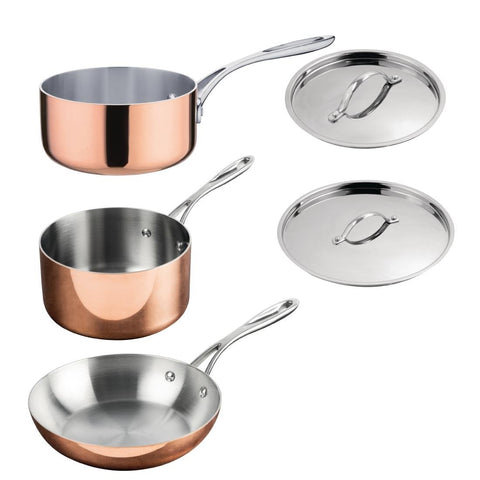
 Vogue Cook Like A Pro 3-Piece Tri-Wall Copper Cookware Set - SA655
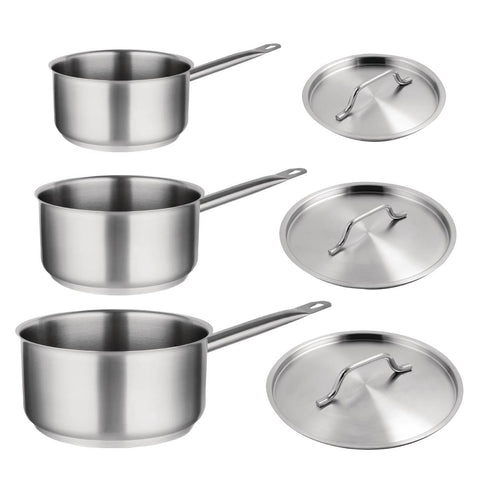
 Special Offer Vogue Stainless Steel Saucepan Set (Pack of 3) - S128
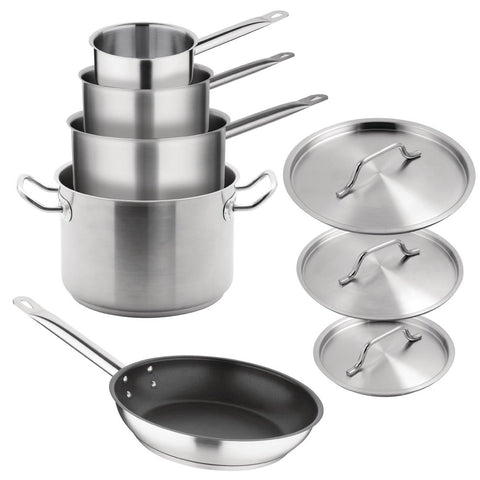
 Vogue Cook Like A Pro 5-Piece Stainless Steel Cookware Set - SA693
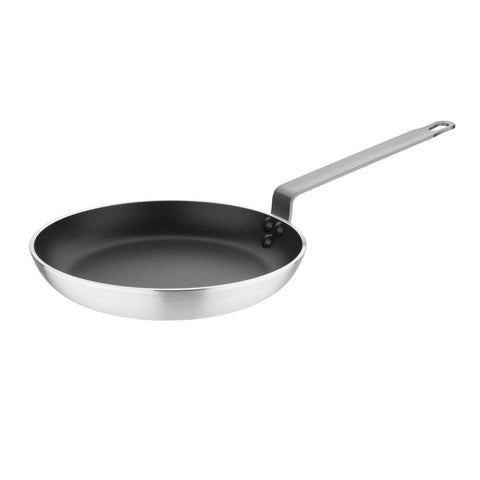
 Vogue Aluminium Non-stick Teflon Platinum Plus Frying Pan 26cm - HT979
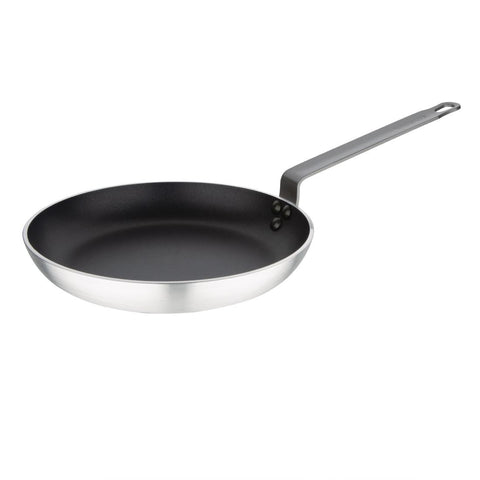
 Vogue Aluminium Non-Stick Teflon Frying Pan 28cm - HT980
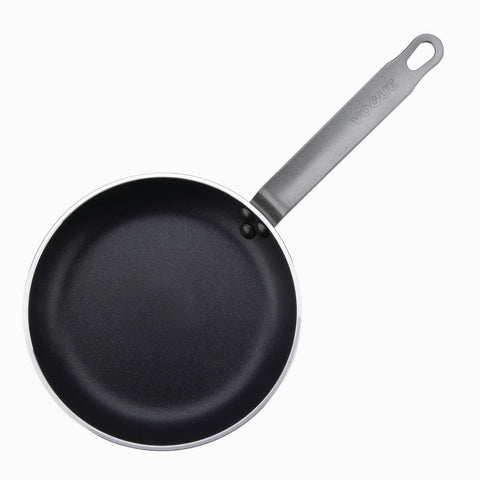
 Vogue Aluminium Non-Stick Teflon Frying Pan 240mm - HT978
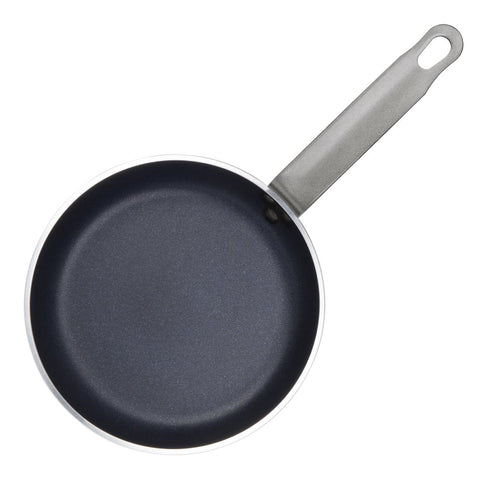
 Vogue Aluminium Non-Stick Teflon Frying Pan 20cm - HT977
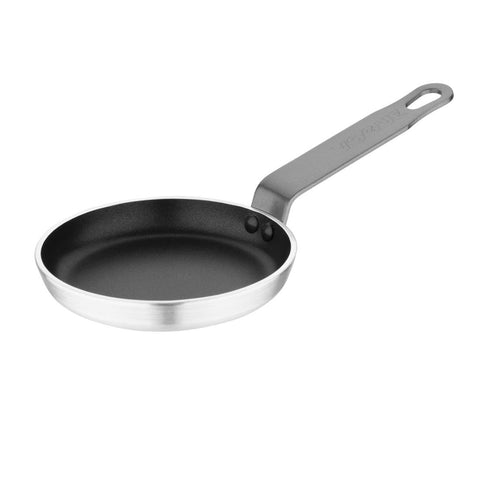
 Vogue Non Stick Aluminium Blinis Pan 120mm - T358
120(W) x 20(H) x 120(D)mm
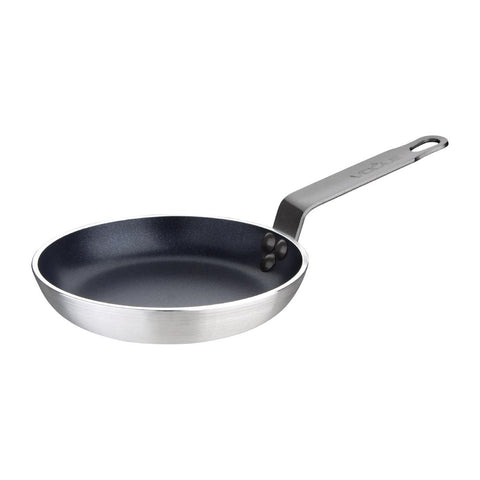
 Vogue Non Stick Teflon Aluminium Blinis Pan 150mm - S340
150(W) x 20(H) x 150(D)mm
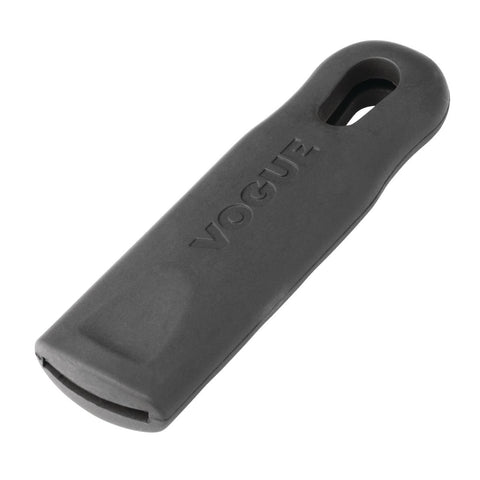
 Vogue Silicone Pan Handle Small - GD800
38(W) x 10(H) x 125(D)mm
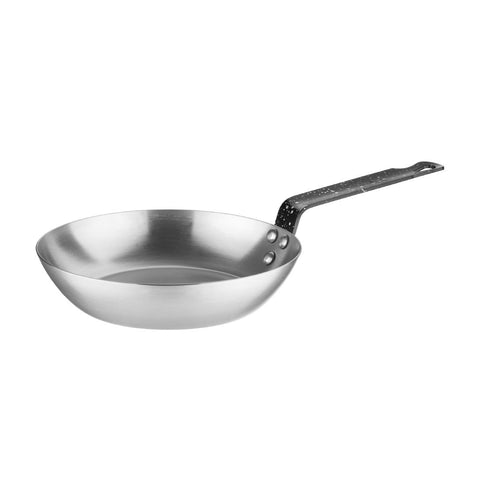

A chef frying pan is on and off a burner dozens of times a service, gets deglazed, scraped and occasionally put in the oven, and the base has to stay flat through all of it. Commercial frying pans take more punishment than any other pan in the kitchen, and a warped base on an induction or flat-top surface is a dead pan.
Three materials do most of the work. Stainless with an aluminium or copper core gives control and will take high heat and a deglaze. Plain aluminium is light and cheap and the standard for a high-turnover à la carte section. Non-stick is for eggs, fish and anything delicate, and it is a consumable because the coating wears.
A professional frying pan is distinguished from a domestic one by base thickness and handle fixing. A heavy base resists warping and heats evenly; a riveted or welded handle survives being pulled off a rack by the handle for years.
Pans sit in the commercial cookware range with saute pans, skillet pans and commercial wok pans, and cast iron cookware covers the heavy end.
Costing a line in several sizes at once? The price guide prices the sizes and the materials next to each other.
More than feels reasonable. A busy line runs through pans faster than it can wash them, and a section that is waiting for a clean pan is a section that is behind.
Count the pans needed for the busiest ten minutes and double it. The small and mid sizes turn over fastest; the large ones sit idle most of the service.
Stainless for anything you want to build a sauce in, because fond sticks to it and then lifts with liquid. It needs more heat management and more skill.
Aluminium for volume and weight. Non-stick for eggs, fish and crêpes — nothing else will do that job as well, and nothing else wears out as fast.
Months rather than years, if it is used properly, and less if it is scraped with metal or put through a machine with harsh detergent. The coating is the whole product and once it is scratched the pan is finished.
Keep non-stick pans off the chargrill and off the dishwasher, use spatulas that will not score the surface, and budget for replacing them on a cycle.
Only if the base is magnetic. Plain aluminium and some stainless will not couple, and an induction hob simply does nothing with them, which is an expensive surprise after an install.
Check the induction rating on each product page before changing the hob. Where a kitchen is moving to induction cooktops, the pan audit is part of the project.
Heat shock, usually from a hot empty pan being plunged into water, or from heating a thin pan dry on a high flame. Once the base has domed it will rock on a flat top and spin on an induction surface.
Let pans cool before washing them. It is the single biggest cause of pans being replaced early, and it costs nothing to avoid.
Many can, and it is a genuinely useful feature for finishing a protein. The limit is the handle: plastic and composite handles have a stated temperature limit, and a riveted metal handle usually does not.
Check the oven rating per product. A pan that is going into a combi steam oven regularly should be all metal.
Hanging, or stacked with the handles all facing the same way so the section can grab one without unstacking. A rack above the line is faster than a cupboard under it.
Do not nest non-stick pans without something between them. The pan above scratches the one below, which is how a set of new non-stick pans is ruined in a fortnight.

We have a special page just for stock that's warehoused in Perth.
Click Here to see all WA stockWhat our customers say about us on Google, and how Google scores our store for things like shipping and returns.
Store scores from Google
