


 03 9070 5784
 Help & Support
 Track My Order



Recently Viewed

 Nemco Easy Tomato Slicer 4.5mm - NTS0045
360(W) x 170(H) x 160(D)mm
 Nemco Easy Wedger 6 Section - NEW0006
200(W) x 480(H) x 200(D)mm
 Nemco Easy Chopper II 9mm - NEC0002
250(W) x 512(H) x 250(D)mm

 Tre Spade Electric Tomato Squeezer - TSE0004
330(W) x 300(H) x 580(D)mm
 Nemco Easy Scooper Tomato Corer - NTS55875
N/A(W) x N/A(H) x N/A(D)mm
 Nemco Easy Wedger 8 Section - NEW0008
200(W) x 480(H) x 200(D)mm
 Nemco Easy Tomato 6.25mm - NTS0060
360(W) x 170(H) x 160(D)mm

 Yasaki Cheese Grater Chopper AK55C
405(W) x 240(D) x 430(H)mm


 Nemco Easy Onion Slicer II - NEO0001
250(W) x 750(H) x 475(D)mm
 Nemco Easy Slicer - NES0001
280(W) x 400(H) x 200(D)mm


 Vogue Japanese Mandoline - D445
90(W) x 305(H) x 25(D)mm
 Tre Spade Tomato Squeezer Attachment - TSE1004
280(W) x 340(H) x 365(D)mm
 Nemco Easy Lettuce Cutter - NEL0003
325(W) x 500(H) x 450(D)mm
 Nemco Easy Lettuce Cutter - NEL0001
325(W) x 500(H) x 450(D)mm
 Nemco Easy Cheeser 3/4 X 3/8" 18mm X 9mm - NCC0003
318(W) x 336(H) x 172(D)mm
 Nemco Easy Cheeser 3/4" 18mm - NCC0002
318(W) x 336(H) x 172(D)mm

 Vogue Pasta Machine 203mm - GG737
245(W) x 158(H) x 198(D)mm


 Acaia Lunar Digital Scale - 896716
140W x 145D x 60Hmm


 Zanolli T POLIS 6/ MC 18 Bakery Oven - 861635
1660W x 1560D x 365Hmm
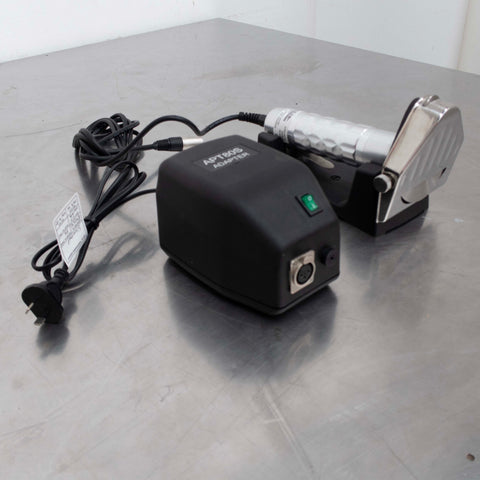
 Yasaki KS80AS Kebab Shaver - 892651
300W x 200D x 110Hmm
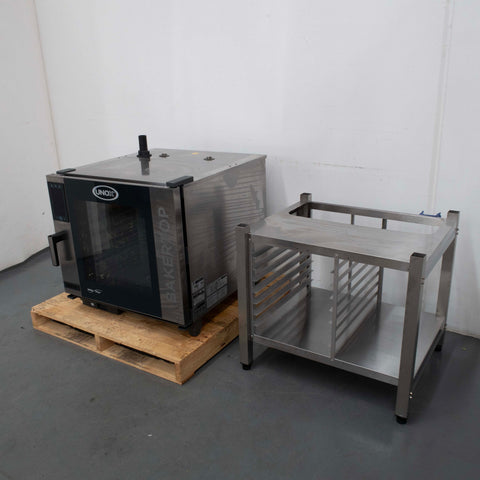
 Unox BAKERTOP XEBC-06EU-GPLM Combi Oven with Stand - 903998
865W x 1015D x 1690Hmm
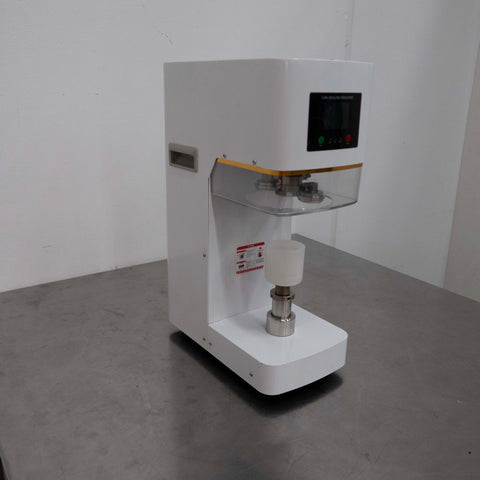
 Rosa RY-FGJ-100D Automatic Can Sealing Machine - 908661
220W x 400D x 600Hmm
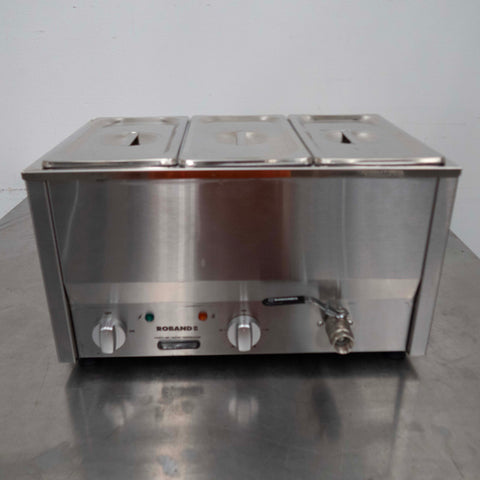

 Roband RB-CHOC2A Chocolate Bain Marie - 880753
560W x 420D x 310Hmm
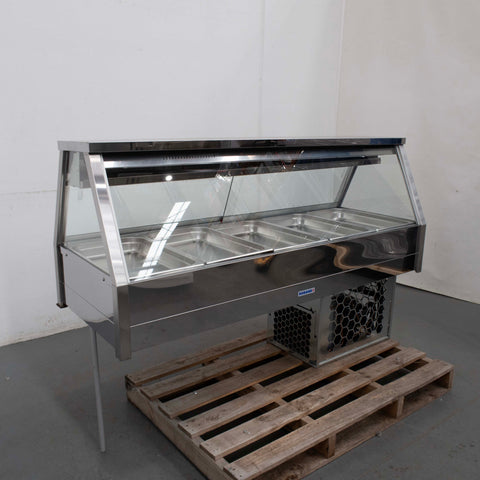
 Roband ERX25RD Cold Food Display - 874399
1680W x 610D x 1090Hmm
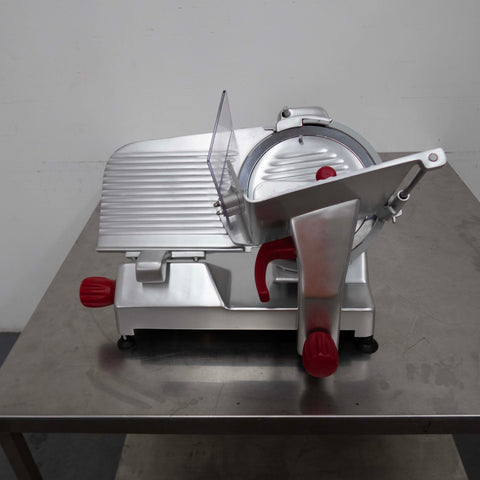

 Noaw NS300HD Meat Slicer - 773314
680W x 560D x 570Hmm
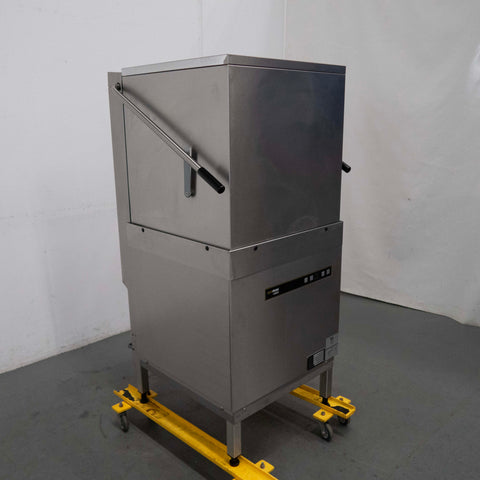

 Hobart ECOMAX604 Dishwasher - 872154
730W x 740D x 1480Hmm
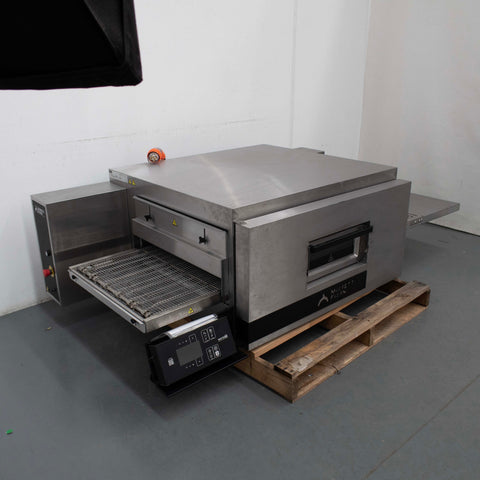

 Moretti Forni TT96E Conveyor Oven - 921992
2000W x 1165D x 1220Hmm

 Hisense HRBF46 Under Bar Fridge - 886835
445W x 475D x 510Hmm
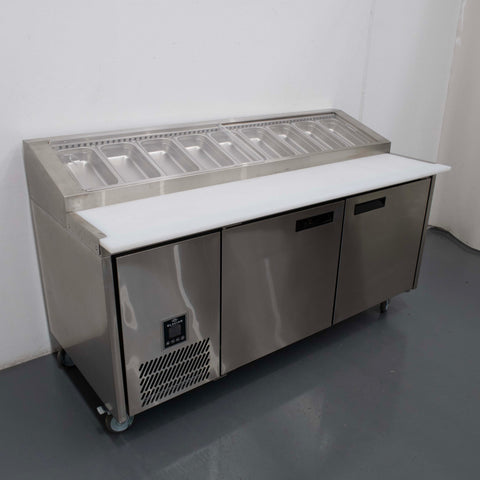

 Glacian HPB1815 Pizza Prep Bench - 921996
1820W x 840D x 1065Hmm
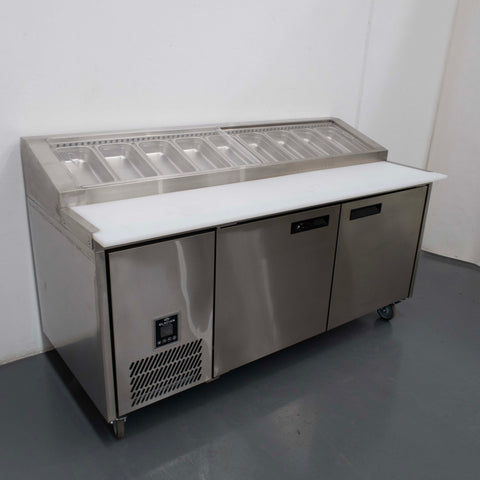
 Glacian HPB1815 Pizza Prep Bench - 921995
1820W x 840D x 1065Hmm
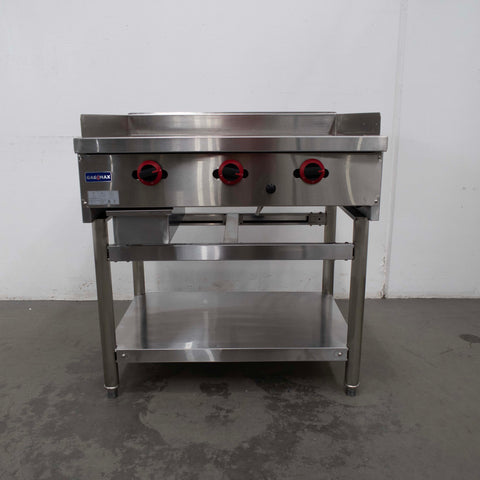
 Gasmax RGT-36ELPG Griddle + Stand - 940055
915W x 840D x 990Hmm
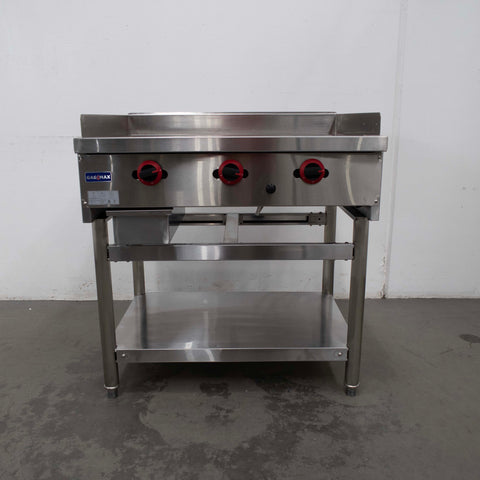
 Gasmax RGT-36ELPG Griddle + Stand - 941811
915W x 840D x 990Hmm
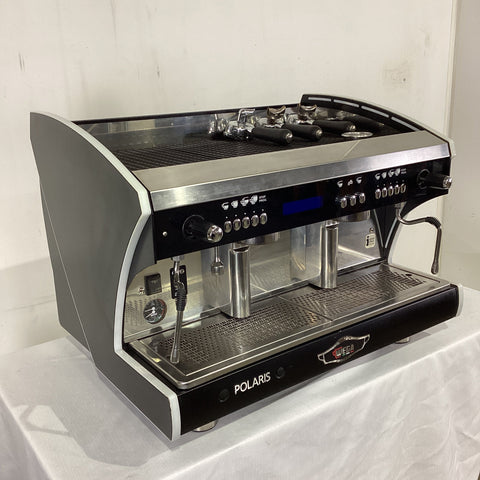

 Wega Polaris EVD./2-PR 2 Group Coffee Machine - 878671
750W x 560D x 535Hmm
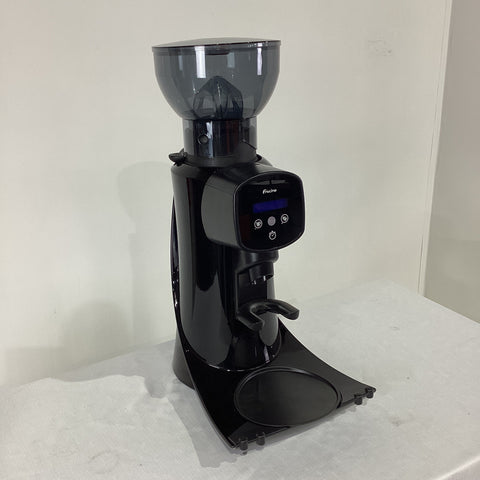
 Fracino Cunill Luxomatic Silencer Coffee Grinder - 917613
285W x 405D x 630Hmm
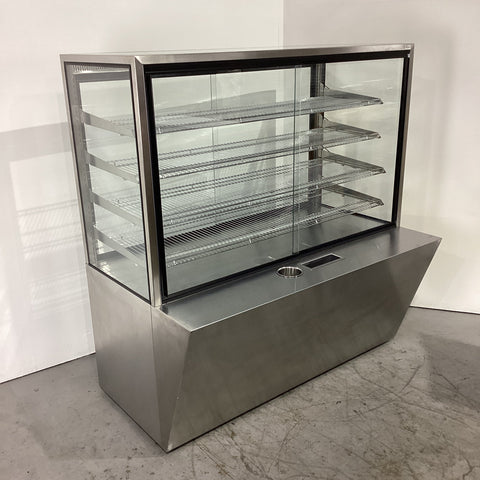

 Festive BA15 Ambient Display Cabinet - 859792
1530W x 890D x 1635Hmm
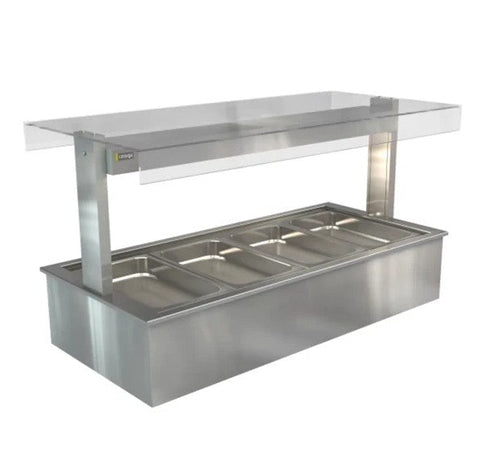

 Cossiga LSBM5 Bain Marie - 900493
1825W x 690D x 960Hmm
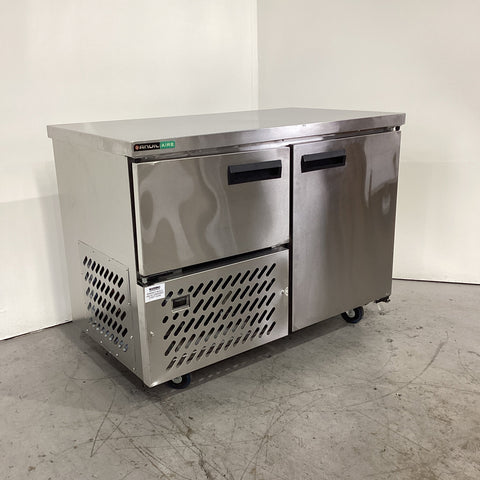

 Anvil Aire UBS6120H Underbench Fridge - 783634
1205W x 660D x 900Hmm
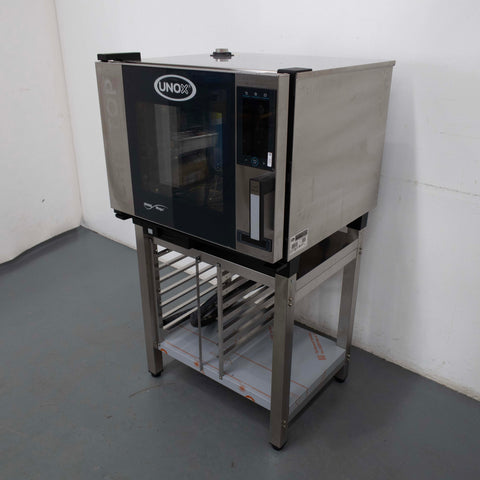

 UNOX XEVC-0511-EPRM-MS Combi Oven with Stand - 946586
755W x 840D x 1380Hmm
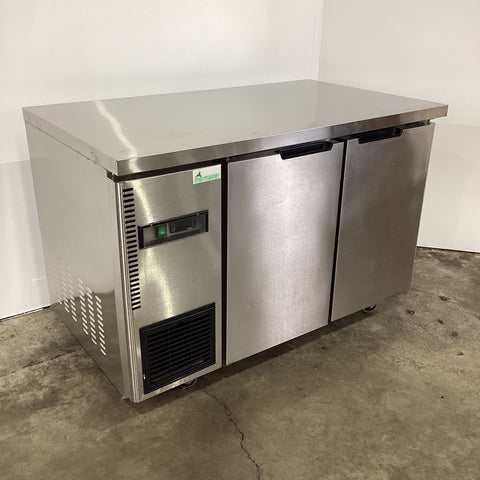

 Thermaster TL1200TN Undercounter Fridge - 900483
1200W x 700D x 860Hmm
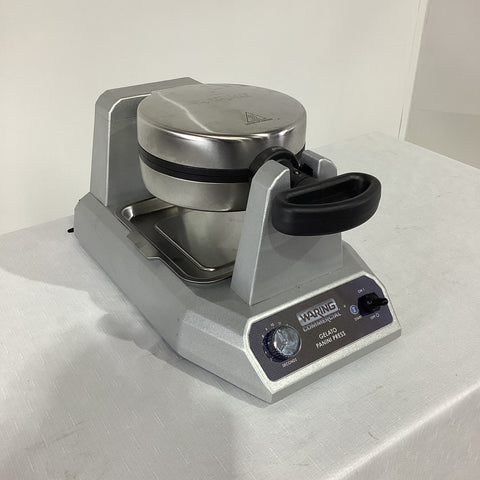
 Waring WICSP180E Gelato Panini Press - 900039
260W x 420D x 220Hmm
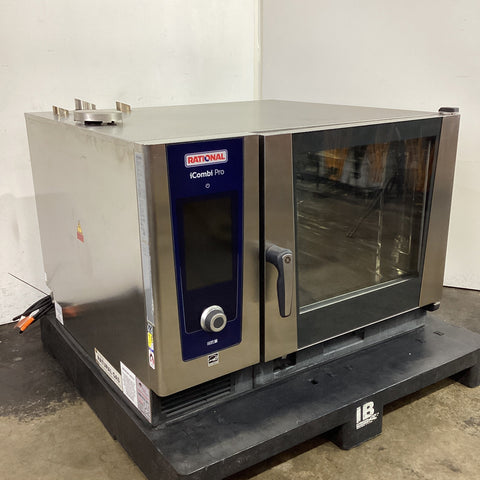

 Rational LM100CG iCombi Pro Oven - 869636
1075W x 1040D x 790Hmm


 Federal HTH160N Hot Food Display - 874398
890W x 610D x 660Hmm
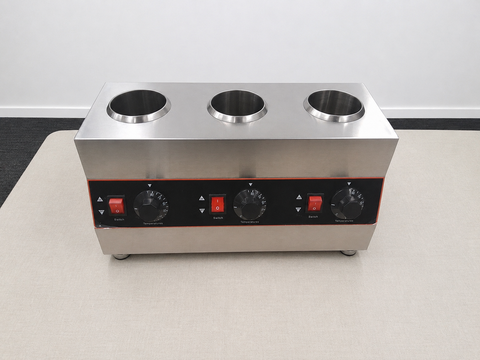

 KK DKW-3 Sauce Warmer - 926397
430W x 190D x 230Hmm
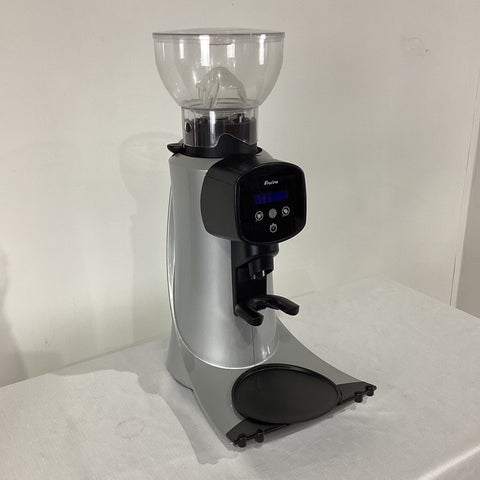
 Fracino Cunill Luxomatic Silencer Coffee Grinder - 917611
285W x 405D x 630Hmm


 Zanussi Z7ECEH4R00 Cook Top - 921998
800W x 715D x 1010Hmm


 Meiko H500 Passthrough Dishwasher - 921997
690W x 900D x 1580Hmm


 Polycool Blender W/ Sound Barrier - 850318
240W x 280D x 550Hmm


 Maestro Mix BD-30 Bun Divider/Rounder - 902323
540W x 540D x 2010Hmm


 Heinzelmann HMCX02S Cutter/Blender - 816322
270W x 400D x 330Hmm


 Clifton FLW4 Bottle Warmer - 900038
335W x 180D x 290Hmm


 Sammic CK-48V Vegetable Cutter - 855712
700W x 420D x 670Hmm
Commercial manual kitchen appliances do a specific prep job with a lever, a crank or a blade and no motor, and in a professional kitchen they are not a compromise. Manual kitchen appliances are faster to set up, faster to clean and cost less than the powered equivalent, and for the volumes most kitchens actually run they are the right tool.
The range covers mandolines for even slices, manual cheese slicers for blocks and wheels, manual tomato slicers for sandwich and burger lines, manual pasta machines for fresh sheets, and manual veg prep machines for dicing, wedging and chipping.
Hand kitchen appliances also cover the gap where power does not reach: a function site, a market stall, an outside catering job, or a bench with no spare point. Kitchen hand tools and equipment of this kind sit between the knife and the machine, and most kitchens need all three.
Where the volume has outgrown hand work, our food processor range and the wider kitchen appliance range pick up from here. Building a prep bench from scratch? Send us the list and get a quote.
When the volume is moderate, the bench is crowded, the power point is already taken or the clean-down time matters. A manual tool is ready in seconds and washed in a minute, where a powered machine has a setup and a strip-down either side of the job.
It is also better where control is the point. A mandoline, a wire cheese cutter or a pasta crank gives the operator feel, and for delicate product that feel produces a better result than a motor does.
Rigidity, replaceable wear parts and the ability to come apart for washing. A frame that flexes under pressure will not hold a cut, and a tool that cannot be stripped will not stay clean in a commercial kitchen.
Food-contact parts in 304 stainless steel, the food-safety grade used in Australia, is the other thing to insist on. It handles daily washing without pitting or staining, which is where cheaper alloys and coated parts fail.
They replace repetitive knife work, not knives. A brigade still needs a proper set of knives and a chopping board for everything that is not a repeated identical cut, and the manual appliances take over the moment the same cut is being made twenty times.
That division is worth being deliberate about when you buy. Work out which cuts repeat across your menu and buy a tool for those; leave the rest to the knife.
Sharpening, wire replacement, roller cleaning and the occasional bolt check, all of which are quick but none of which are optional. A blunt manual tool is more dangerous than a sharp one because the operator pushes harder.
Keep the wear parts the manufacturer lists on hand for the models you own. Blades, wires and combs are consumables, and a tool waiting on a part is a tool somebody is doing by hand instead.
Safer than a powered machine in most respects, because nothing is spinning and the operator can stop mid-cut, but the exposed blades still cut badly.
Train on the guard, provide cut-resistant protection and set the rule that nobody works a mandoline to the last slice. Our glove range covers the protective options.
That is one of their strengths. No power, no load on a generator, nothing to trip a circuit on a function site, and they pack down small enough to travel in a crate.
Pair them with gastronorm containers for the prepped product and a catering trolley to move it, and a stall or a marquee kitchen can run a serious prep operation off a trestle table.
Less than a machine, but more than people allow for, because the product going in and the product coming out both need a landing space either side of the tool. A mandoline with nowhere to put the sliced product is slower than a knife.
Clamp-mounted tools need a bench edge they can grip, which rules out some joinery counters. A proper stainless steel bench with an accessible lip is the surface most of these are designed around.
Buy what the menu needs now, and add as dishes change. These are inexpensive enough individually that there is no saving in buying tools nobody has a job for yet.
The exception is a new kitchen or a multi-site rollout, where standardising on the same tools across benches makes training and spares far simpler. Send through the sites and the prep list and get a quote on the lot.

We have a special page just for stock that's warehoused in Perth.
Click Here to see all WA stockWhat our customers say about us on Google, and how Google scores our store for things like shipping and returns.
Store scores from Google