


 03 9070 5784
 Help & Support
 Track My Order



Recently Viewed

 Hatco Drop-in Slim Frost Top
1395-2053(W) x 535(D) x 437(H)mm

 Hatco Cold Only Drop-in Shelf in Hardcoat
610-1219(W) x 495(D) x 55(H)mm
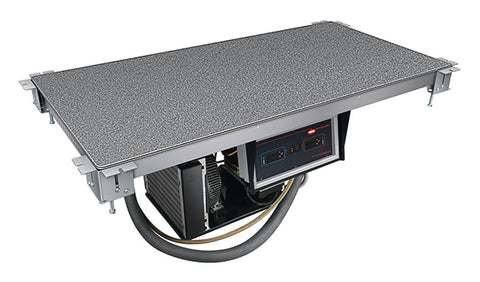
 Hatco Hot / Cold Drop-in Shelf in Swanstone
610-1219(W) x 495(D) x 55(H)mm

 Hatco Cold Undermount Shelf
697-1303(W) x 579(D) x 257(H)mm
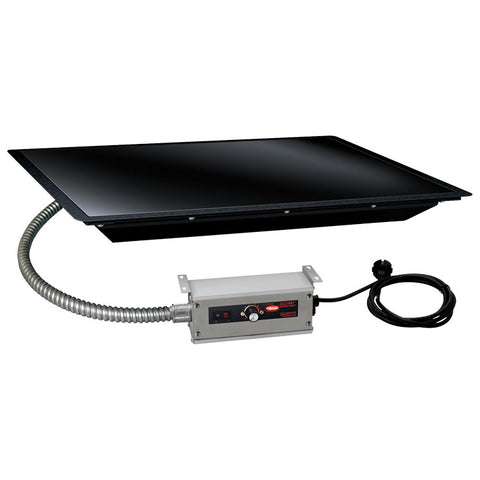
 Hatco drop-in Heated Black Ceramic Glass
945-1859(W) x 498(D) x 55(H)mm
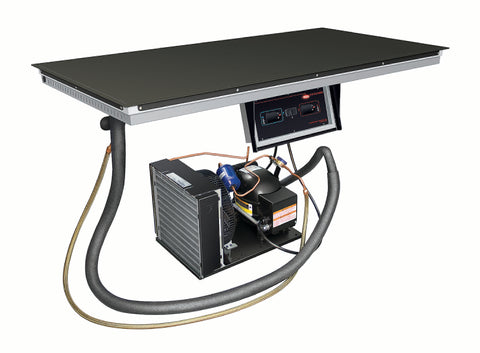
 Hatco Hot / Cold Drop-in Shelf in Hardcoat
610-1219(W) x 495(D) x 55(H)mm
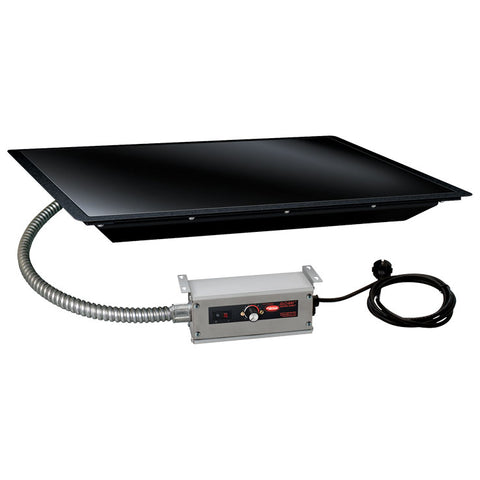
 Hatco drop-in Heated Black Ceramic Glass
945-1859(W) x 498(D) x 55(H)mm

 Hatco Cold Undermount Shelf 1303mm x 539mm x 257mm - CSU-48-I
1303(W) x 579(D) x 257(H)mm

 Hatco Cold Undermount Shelf 697mm x 5790mm x 257mm - CSU-24-I
697(W) x 579(D) x 257(H)mm

 Hatco Cold Undermount Shelf 998mm x 579mm x 257mm - CSU-36-I
998(W) x 579(D) x 257(H)mm
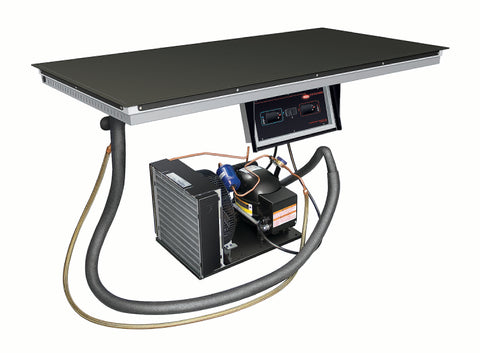
 Hatco Hot / Cold Drop-in Shelf in Hardcoat 914mm x 495mm / 953mm x 533mm - HCSBFR-36-I
914(W) x 495(D) x 55(H)mm

 Hatco Cold Only Drop-in Shelf in Hardcoat 1219mm x 495mm / 1257mm x 533mm - CSBF-48-I
1219(W) x 495(D) x 55(H)mm
 Hatco Drop-in Slim Frost Top 2053mm x 535mm x 437mm - FTB-S3
2053(W) x 535(D) x 437(H)mm
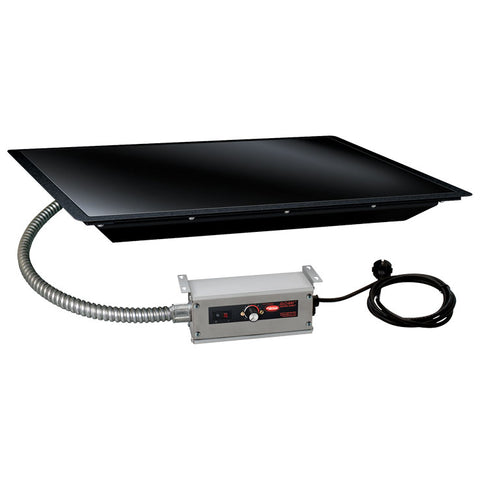
 Hatco drop-in Heated Black Ceramic Glass 1258mm x 498mm x 65mm - HBGBHC-4818
1258(W) x 498(D) x 55(H)mm

 Hatco Cold Only Drop-in Shelf in Hardcoat 610mm x 495mm / 648mm x 533mm - CSBF-24-I
610(W) x 495(D) x 55(H)mm
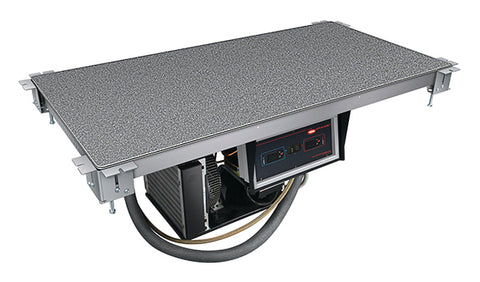
 Hatco Hot / Cold Drop-in Shelf in Swanstone 610mm x 495mm - HCSSBFR-24-I
610(W) x 495(D) x 55(H)mm
 Hatco Drop-in Slim Frost Top 1395mm x 535mm x 437mm - FTB-S2
1395(W) x 535(D) x 437(H)mm
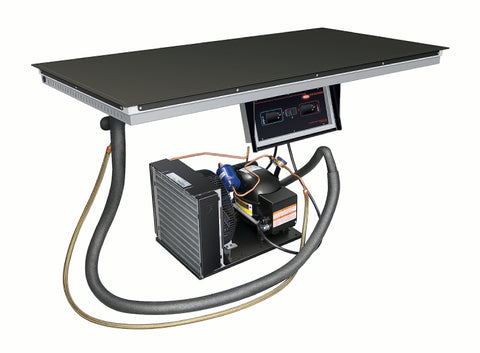
 Hatco Hot / Cold Drop-in Shelf in Hardcoat 1219mm x 495mm / 1257mm x 533mm - HCSBFR-48-I
1219(W) x 495(D) x 55(H)mm

 Hatco Cold Only Drop-in Shelf in Hardcoat 914mm x 495mm / 953mm x 533mm - CSBF-36-I
914(W) x 495(D) x 55(H)mm
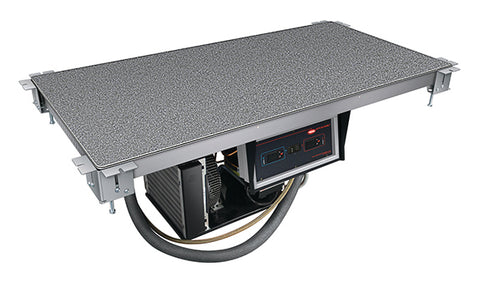
 Hatco Hot / Cold Drop-in Shelf in Swanstone 1219mm x 495mm - HCSSBFR-48-I
1219(W) x 495(D) x 55(H)mm
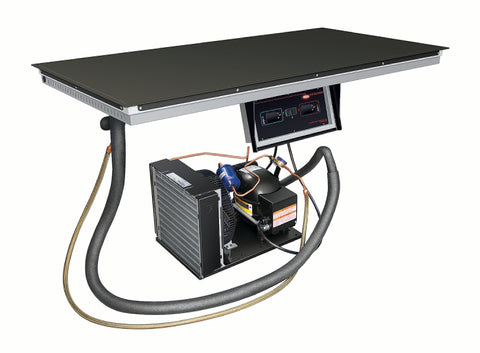
 Hatco Hot / Cold Drop-in Shelf in Hardcoat 610mm x 495mm / 648mm x 533mm - HCSBFR-24-I
610(W) x 495(D) x 55(H)mm
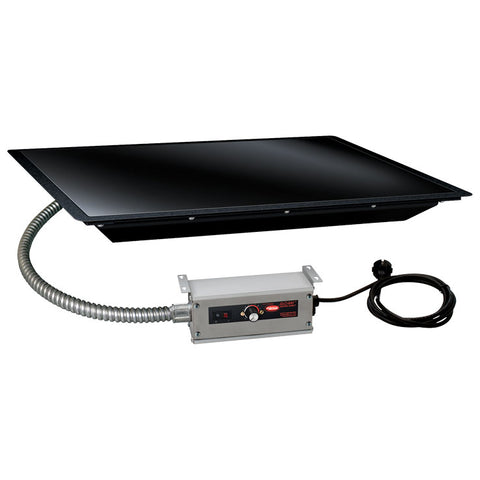
 Hatco drop-in Heated Black Ceramic Glass 1859mm x 498mm x 65mm - HBGBHC-7218
1859(W) x 498(D) x 55(H)mm
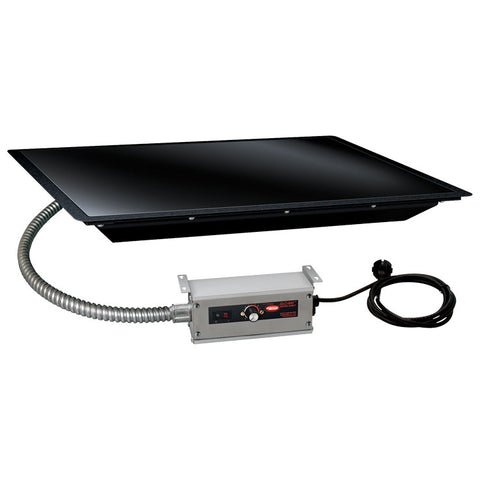
 Hatco drop-in Heated Black Ceramic Glass 1564mm x 498mm x 65mm - HBGBHC-6018
1564(W) x 498(D) x 55(H)mm
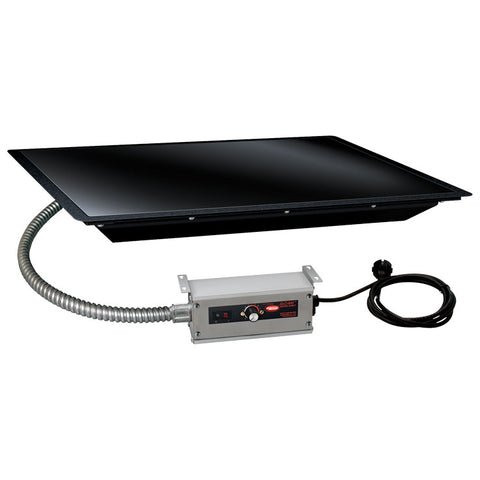
 Hatco drop-in Heated Black Ceramic Glass 954mm x 498mm x 65mm - HBGBHC-3618
945(W) x 498(D) x 55(H)mm
Hotel breakfast buffets, sushi and deli counters, salad bars, staff canteens and catering stations use refrigerated display shelves to hold food at temperature at the point the customer picks it up. A shelf is a cold flat surface set into a counter, with no well and no pan in it, so product sits straight on the top in its own packaging, on a plate, on a board or on a tray.
Hatco offers these shelves in two install formats. A drop-in shelf goes into a cut-out in the benchtop, the same way a cold well does, and its own panel becomes the serving surface. A cold undermount shelf, the CSU-24-I, CSU-36-I and CSU-48-I, is fixed under a counter you already have and chills the counter material from below, so nothing shows from above and a stone or solid surface top stays in one unbroken piece.
Three tops are offered. Hardcoat is used on the cold only CSBF shelves and the hot and cold HCSBFR shelves. Swanstone, a solid surface material, is used on the HCSSBFR models and suits a counter finished in stone or composite. Black ceramic glass is used on the heated HBGBHC panels, which are 954mm, 1258mm, 1564mm and 1859mm long and only 65mm deep behind the bench. Those panels are heated only, and just over half the Hatco shelves in this format heat rather than chill, so if the hot section is the part you are buying, heated shelves covers the heated drop-in and countertop shelves in full.
Cold only, hot and cold, and heated only units are all available, along with the FTB-S2 and FTB-S3 slim frost tops at 1395mm and 2053mm. REO prices are sharp on Hatco, which is the premium name in built-in shelves, and REO has an answer at every price point across its refrigeration, so ask about Thermaster and FED-X for the rest of the counter, where the warranty and after-sales support are hard to beat for that money.
Spread the cost of new refrigerated display shelves with SilverChef Rent-Try-Buy. Related ranges: dry age fridges, medical fridges and commercial glass chillers.
A drop-in shelf needs an opening cut in the benchtop. The unit sits in that opening and its own panel becomes the serving surface, so what the customer sees is Hardcoat, Swanstone or ceramic glass and not your counter material. The cold only drop-ins are 610mm, 914mm and 1219mm long.
An undermount shelf is fixed to the underside of a counter that's already there and cools through it, so the top stays unbroken. The CSU models are 697mm, 998mm and 1303mm long and need 257mm of clear height under the bench. Undermount only works if the top material carries the cold through, so check the material and its thickness with us before the counter is ordered.
A frost top is a chilled solid surface run cold enough to carry a layer of frost. Product goes directly onto it, which suits seafood, plated desserts, cheese and charcuterie, and it does the job a tub of crushed ice used to do without the melt water and the refilling.
The Hatco slim frost tops are the FTB-S2 at 1395mm and the FTB-S3 at 2053mm, both 535mm deep and 437mm high. That 437mm is the number to design around, because a frost top needs a deeper cabinet under the bench than a flat cold shelf does.
Cold only shelves, which are the CSBF drop-ins and the CSU undermounts, hold the surface cold and do nothing else. The hot and cold shelves, HCSBFR in Hardcoat and HCSSBFR in Swanstone, are switchable, so one panel can run cold for a breakfast buffet and hot for a carvery at lunch.
A switchable shelf suits a hotel, a club or a function room where the same counter has to do a different service later in the day. If the surface is only ever going to be cold, the cold only model costs less to buy and there's one less control for staff to get wrong on a Saturday night.
No. The HBGBHC black ceramic glass panels are heated only. They sit alongside the cold shelves because they use the same drop-in format and the same counter run often carries a hot section at one end and a cold section at the other.
If you want one panel that'll do both, order a hot and cold HCSBFR or HCSSBFR. If you want a separate heated section, heated shelves covers the heated drop-in and countertop shelves.
The cold only and hot and cold drop-ins are 610mm, 914mm and 1219mm long. The cold undermounts are 697mm, 998mm and 1303mm. The slim frost tops are 1395mm and 2053mm, and the heated ceramic glass panels are 954mm, 1258mm, 1564mm and 1859mm.
Several units are listed with two sets of dimensions, because the cut-out size and the finished top size are different figures. Take both off the product page for the exact model number and hand them to the cabinetmaker with the drawings. Cutting a benchtop twice is expensive, and on stone it usually means paying for a new top.
It depends on the format. The CSU undermount shelves sit 257mm below the counter. The FTB slim frost tops need 437mm. The heated ceramic glass panels are 65mm, so they will go over a drawer bank where a refrigerated unit won't fit.
A refrigerated shelf still has a condenser and it still needs air across it. Leave a vented panel or an open back in the cabinetry under the unit, keep that space clear of stored stock, and leave a technician a way to reach the unit without pulling the counter apart.
A pan will stand on the surface, but a shelf isn't a well and the pan only touches the top at its base, so a deep pan of food won't hold temperature properly. These shelves are made for product sitting flat on them: plates, trays, boards, bowls and packaged items.
If the counter needs pans down in a cold tub, that's a different unit. Drop in fridges covers the refrigerated wells and glass display bars that take gastronorm pans below the bench line.
Wash it down with warm water, a mild detergent and a soft cloth, then dry it. Abrasive pads and harsh chemicals mark Hardcoat and Swanstone, and a strong cleaner left on a cold surface dries into a film that the food then sits on.
Condensation is normal on a cold top in a humid room and has to be wiped through service, so design a drip path or a drain into the counter where you can. Black ceramic glass is hard wearing but it chips, so keep heavy pans off the edges, and never stand a hot pan straight onto a cold panel.
Hotels are the biggest buyers, because a long buffet counter can run cold at one end and hot at the other with the same finish the whole way down. Sushi counters, delis and salad bars use cold shelves for product that customers pick up themselves.
Convenience stores, bakeries, staff canteens, aged care kitchens and catering companies use them for sandwiches, packaged food and plated items. Any counter where the food sits on the surface instead of down in a pan is a candidate.
A joiner or shopfitter to make the cut-out or mount the unit, and an electrician for the supply. Check the electrical requirements on the product page for the exact model before you order, because a longer heated or hot and cold unit can draw more than a standard socket will give.
Then whatever the food sits on, plus a sneeze guard if the counter is self serve. If the fit out also needs built in refrigeration with wells, bars or purpose built cabinets, specialty fridges covers that group.
Ceramic glass and Swanstone panels travel in a crate and still chip on a corner, so open the crate and run a hand along every edge on delivery day. A panel left sealed in its packaging until the joiner is ready for it is a panel nobody has looked at.
Check the unit for transit damage as soon as it arrives and tell us within 24 hours. Not two days, not two weeks. REO offers a 24-hour replacement guarantee on transit damage, and it only applies if you tell us inside that window. Take photographs of the crate and the panel before either is moved.
Go for best value for money over the life of the shelf, which means the longest warranty and the lowest total cost of ownership, not the cheapest ticket on the day. A built-in unit ends up buried in joinery, so what a technician charges to reach it and what a replacement panel costs matter more than a small difference in purchase price. Ask us for the warranty term on the model you are looking at. Hatco sits at the premium end, and Thermaster and FED-X cover the value end of REO refrigeration with warranty and after-sales support that are hard to beat at that price.
Rental is the other way in. Through Silverchef Rent-Try-Buy a venue rents the unit, keeps its cash for the rest of the fit out, claims the rental payments as an operating expense, and buys it out or upgrades to a longer panel later.

We have a special page just for stock that's warehoused in Perth.
Click Here to see all WA stockWhat our customers say about us on Google, and how Google scores our store for things like shipping and returns.
Store scores from Google