


 03 9070 5784
 Help & Support
 Track My Order



Recently Viewed
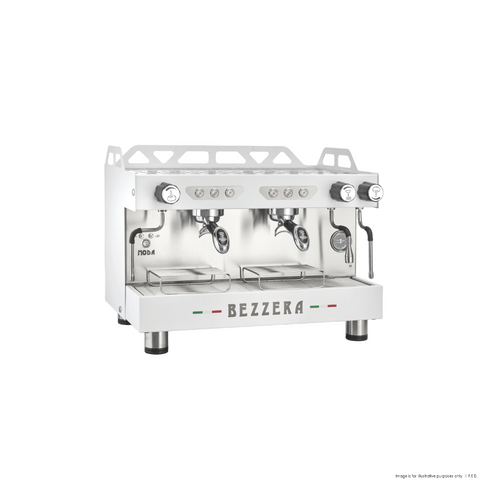

 Bezzera Moda De 2 Group Espresso Machine White MODADE2W
667(W) x 550(D) x 520(H)mm
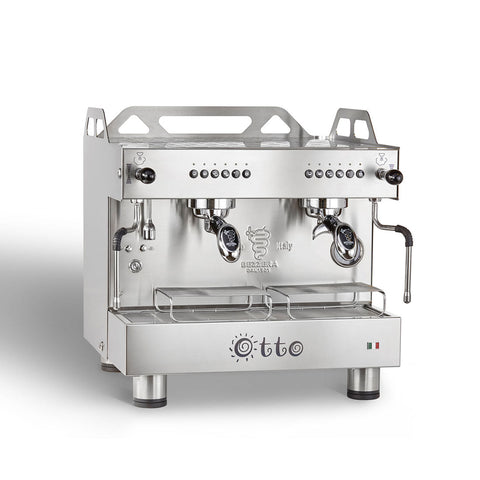
 Bezzera Otto Silver Compact 2 Group Espresso Machine BZOTTOCDE2IS1
500(W) x 495(D) x 535(H)mm
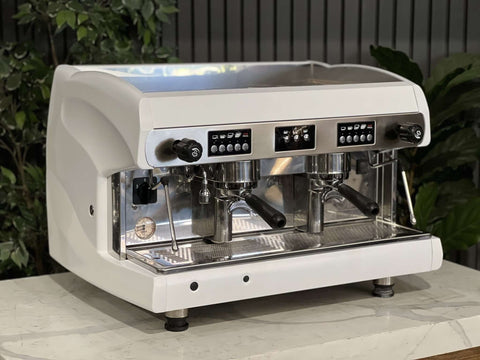

 Wega Polaris - 2 Group Commercial Espresso Machine - Low Cup White
740(W) x 570(D) x 500(H)mm
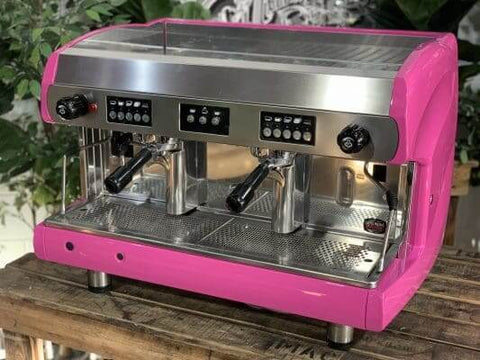
 Wega Polaris - 2 Group Hot Pink - Refurbished
740(W) x 570(D) x 500(H)mm
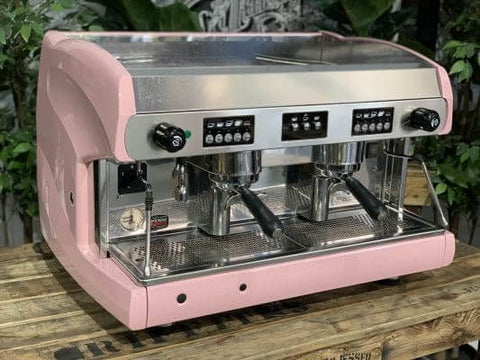
 Wega Polaris - 2 Group Baby Pink - Refurbished
740(W) x 570(D) x 500(H)mm
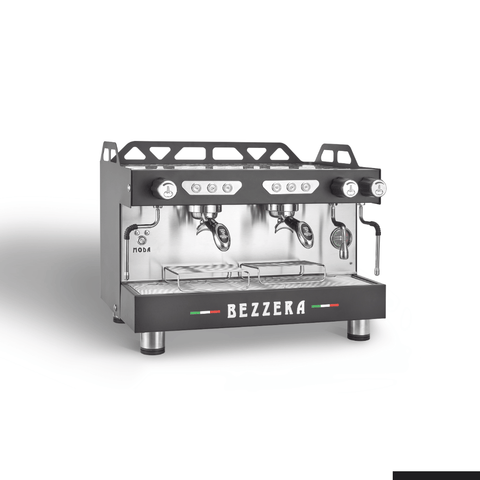 Bezzera Moda De 2 Group Espresso Machine Black MODADE2B
667(W) x 550(D) x 520(H)mm
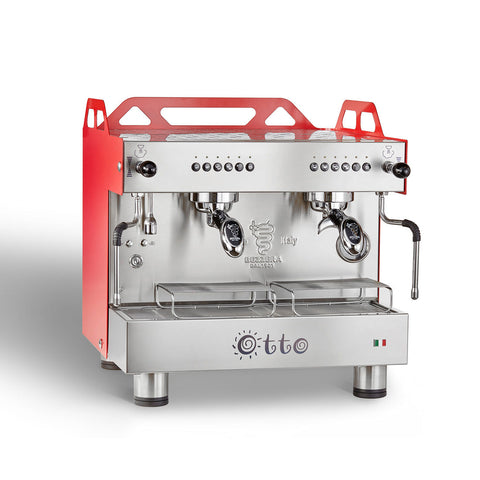
 Bezzera Otto Red Compact 2 Group Espresso Machine BZOTTOCDE2IR1
500(W) x 495(D) x 535(H)mm
 Bezzera 3L Red 2-Group Professional Espresso Machine BZB2016R2DE
750(W) x 550(D) x 515(H)mm


 Boema CC102 DTC 2 Group Coffee Machine - 893518
700W x 520D x 510Hmm


 La Marzocco LINEA 2AV 2 Group Volumetric Coffee Machine - 755501
690W x 570D x 450Hmm
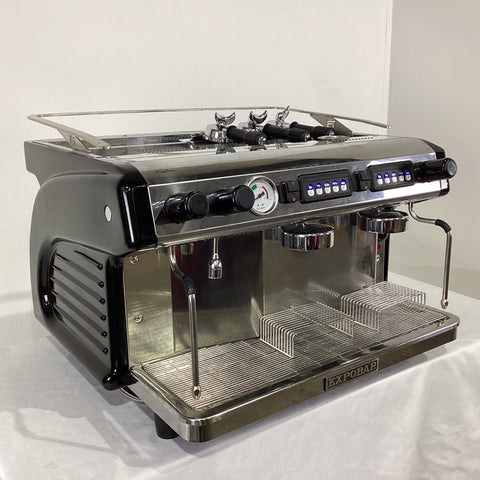

 Expobar MA-C-2GR 2 Group Coffee Machine 2 group - 855725
720W x 610D x 500Hmm
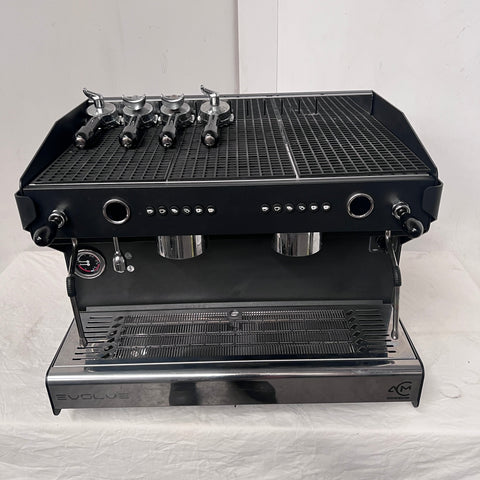

 ACM Evolve 2 Group Compact Coffee Machine - 864079
700W x 510D x 540Hmm
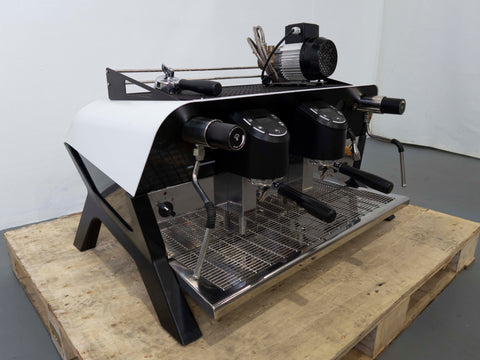

 San Remo F18 SB Tall 2 Group Coffee Machine - 779587
850W x 670D x 530Hmm
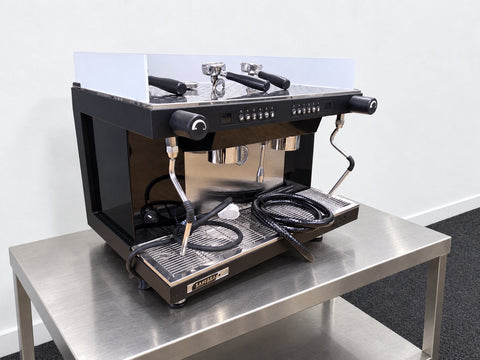
 San Remo Zoe 2 Grp Coffee Machine - 881781
720W x 540D x 600Hmm
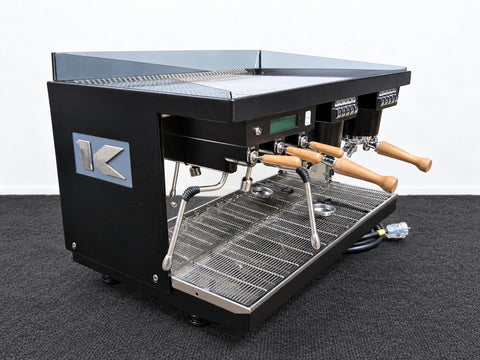

 Elektra KUP 2 Group Coffee Machine - 829898
800W x 550D x 540Hmm
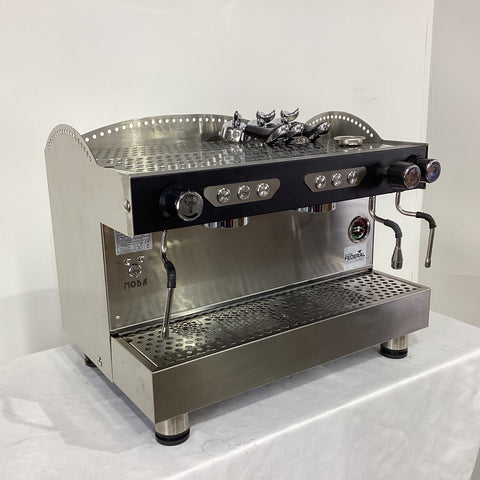
 Bezzera Moda De 2 Group Espresso Machine - 867154
670W x 520D x 545Hmm
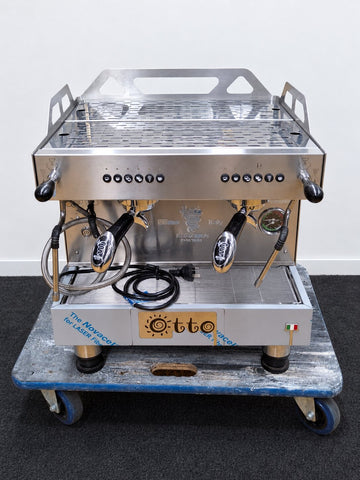
 Bezzera OTTO 2 Group Coffee Machine - 926252
505W x 540D x 530Hmm
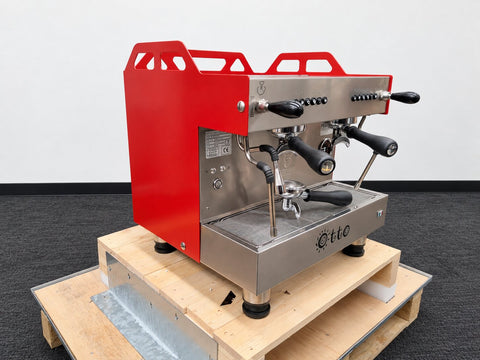
 Bezzera Otto 2 Group Coffee Machine - 926253
505W x 540D x 530Hmm
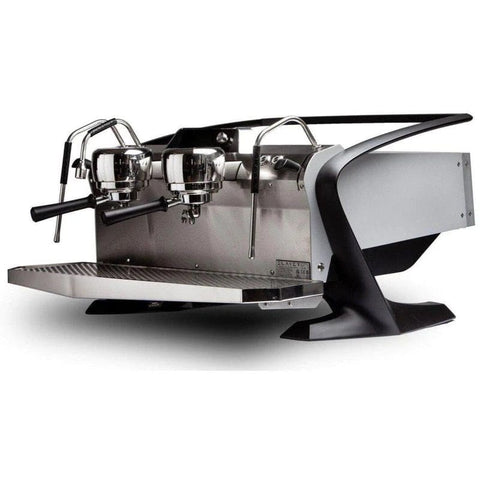

 Slayer Steam EP Stainless - Brand New
870(W) x 700(D) x 425(H)mm

 La Marzocco Linea LC-S 2AV AW Coffee Machine - 901747
660W x 580D x 445Hmm

 La Marzocco Linea LC-S 2AV AW Coffee Machine 2 Group - 908364
660W x 580D x 445Hmm
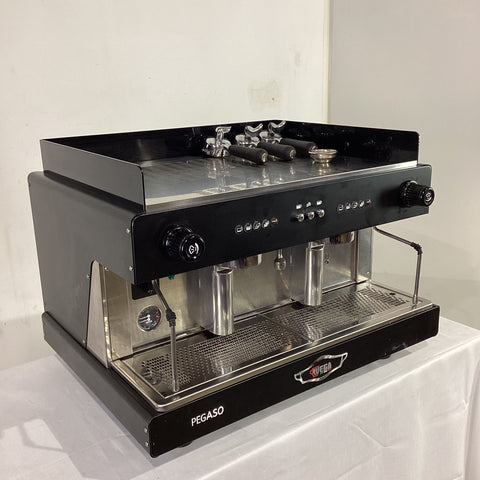
 Wega Pegaso EVD./2-EW 2 Group Coffee Machine - 809480
740W x 550D x 500Hmm

 Bezzera Otto 2 Group Coffee Machine - 867151
505W x 540D x 530Hmm


 Crem EBEE-DA1B-22AR 2 Group Coffee Machine - 865395
770W x 580D x 490Hmm


 WMF Espresso Next - - 2 Group Commercial Espresso Machine - Commercial
790(W) x 558(D) x 625(H)mm

 Wega Polaris Tron - - 2 Group Commercial Espresso Machine - Commercial - Sage Green
750(W) x 500(D) x 520(H)mm

 Wega Polaris Tron - - 2 Group Commercial Espresso Machine - Commercial
750(W) x 500(D) x 520(H)mm

 Wega Polaris - - 2 Group Commercial Espresso Machine - Commercial
740(W) x 570(D) x 500(H)mm

 San Remo Cafe Racer - - 2 Group Commercial Espresso Machine - Commercial
880(W) x 700(D) x 535(H)mm


 Rocket REA A2 - - 2 Group Commercial Espresso Machine - Commercial - Stainless Steel
630(W) x 490(D) x 471(H)mm

 Rancilio Classe 7 USB Tall iSteam - - 2 Group Commercial Espresso Machine - Commercial - Stone Grey
771(W) x 539(D) x 520(H)mm
 Rancilio Classe 7 USB Tall iSteam - - 2 Group Commercial Espresso Machine - Commercial - Ice White
771(W) x 539(D) x 520(H)mm
 Rancilio Classe 7 USB Tall iSteam - - 2 Group Commercial Espresso Machine - Commercial - Anthracite Black
771(W) x 539(D) x 520(H)mm
 Rancilio Classe 7 USB Tall - - 2 Group Commercial Espresso Machine - Commercial - Ice White
771(W) x 539(D) x 520(H)mm
 Rancilio Classe 7 USB Tall - - 2 Group Commercial Espresso Machine - Commercial - Stone Grey
771(W) x 539(D) x 520(H)mm

 Rancilio Classe 7 USB Tall - - 2 Group Commercial Espresso Machine - Commercial - Anthracite Black
771(W) x 539(D) x 520(H)mm
 Rancilio Classe 5 USB Crono Tall Compact - - 2 Group Commercial Espresso Machine - Commercial - Stone Grey
610(W) x 539(D) x 520(H)mm
 Rancilio Classe 5 USB Crono Tall Compact - - 2 Group Commercial Espresso Machine - Commercial - Ice White
610(W) x 539(D) x 520(H)mm
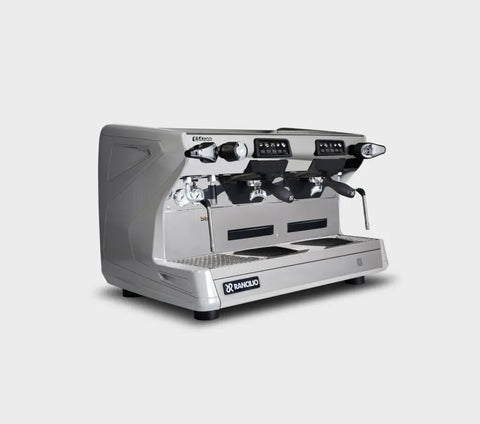
 Rancilio Classe 5 USB Crono Tall - - 2 Group Commercial Espresso Machine - Commercial - Stone Grey
771(W) x 539(D) x 520(H)mm

 Rancilio Classe 5 USB Crono Tall Compact - - 2 Group Commercial Espresso Machine - Commercial - Anthracite Black
610(W) x 539(D) x 520(H)mm
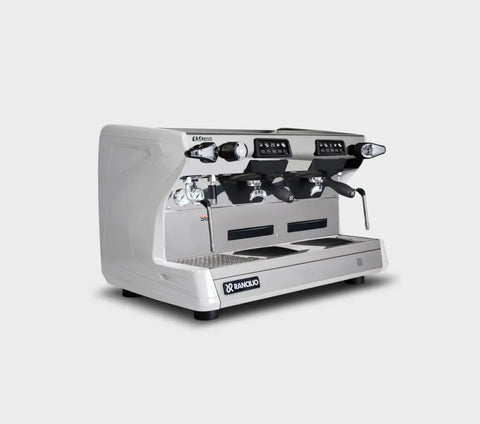
 Rancilio Classe 5 USB Crono Tall - - 2 Group Commercial Espresso Machine - Commercial - Ice White
771(W) x 539(D) x 520(H)mm

 Rancilio Classe 5 USB Crono Tall - - 2 Group Commercial Espresso Machine - Commercial - Anthracite Black
771(W) x 539(D) x 520(H)mm
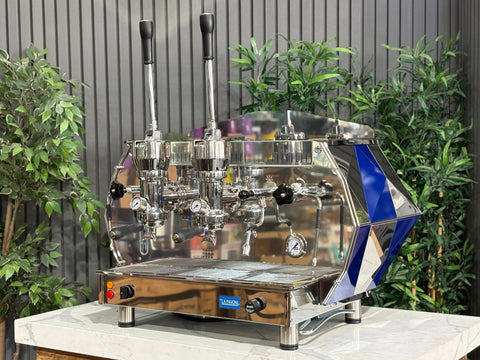

 La Pavoni Diamante Lever - - 2 Group Commercial Espresso Machine - Commercial - Blue & Chrome
770(W) x 540(D) x 550(H)mm
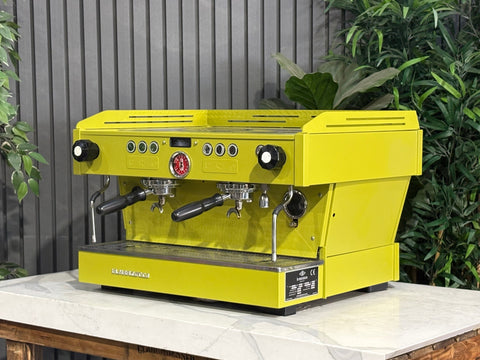
 La Marzocco Linea PB - - 2 Group Commercial Espresso Machine - Commercial - Fern Green
950(W) x 590(D) x 530(H)mm
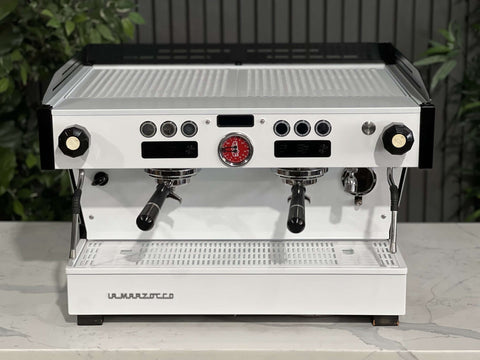
 La Marzocco Linea PB - - 2 Group Commercial Espresso Machine - Commercial
750(W) x 590(D) x 533(H)mm
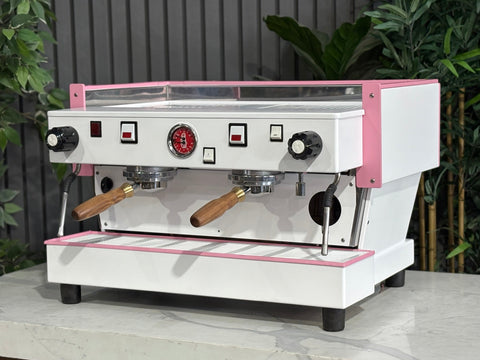
 La Marzocco Linea Classic EE - - 2 Group Commercial Espresso Machine - Commercial - Pink & White & Timber
690(W) x 560(D) x 455(H)mm
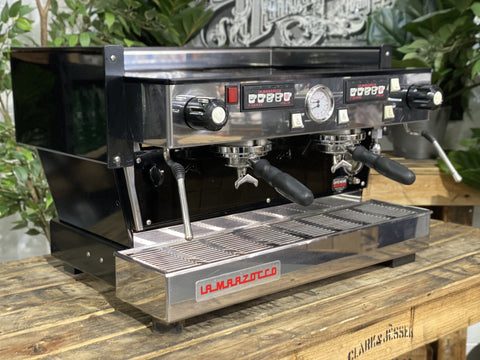
 La Marzocco Linea Classic - - 2 Group Commercial Espresso Machine - Commercial
690(W) x 540(D) x 440(H)mm
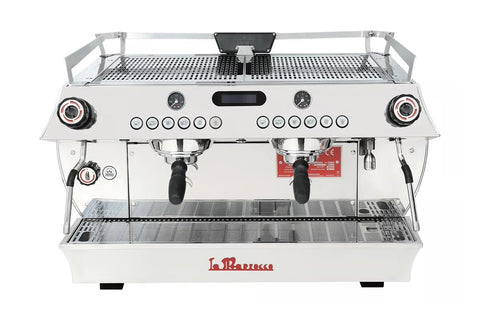
 La Marzocco GB5 S - - 2 Group Commercial Espresso Machine - Commercial - Stainless
770(W) x 640(D) x 470(H)mm

 La Marzocco GB5 - - 2 Group Commercial Espresso Machine - Commercial - White
750(W) x 530(D) x 520(H)mm

 La Marzocco GB5 - - 2 Group Commercial Espresso Machine - Commercial - Chrome
705(W) x 492(D) x 473(H)mm

 La Marzocco GB5 - - 2 Group Commercial Espresso Machine - Commercial - Black
750(W) x 530(D) x 520(H)mm
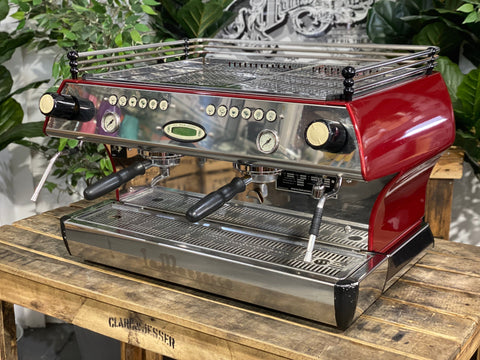
 La Marzocco FB80 - - 2 Group Commercial Espresso Machine - Commercial - Red
750(W) x 530(D) x 520(H)mm
A 2 group coffee machine lets a barista lock in on one group while the other one pours, which is why two groups is the working cafe standard and plenty of well run cafes never need more than this. Our 2 group coffee machine range covers compact and full size bodies from Wega, La Marzocco, Bezzera, Astoria, Rancilio, Faema, La Cimbali, Expobar, San Marino, SAB, Brasilia and BFC, new and refurbished, in high cup and low cup, heat exchanger and twin boiler. Delivered anywhere in Australia.
It is a small machine by cafe standards, but in capable hands a very efficient one, because you can texture milk while a shot runs instead of doing one job at a time, so the bar keeps moving.
Two groups suits a few sites in particular: a tight bench that can't give up the length a bigger machine needs, a venue where coffee is steady rather than spiky, a bar with a decent share of black coffee on the menu, or anywhere one experienced person runs the section on their own. Where it stops being the right answer is a hard peak with a queue that never clears, and that's why most cafes, and nearly all hotels and function venues, buy a 3 group. Work out the shape of your busiest hour first, then measure the bench.
Not sure which option suits your venue? Request a callback and we will help you choose. Related ranges: commercial coffee machines, commercial espresso coffee machine and 4 group coffee machine.
For a lot of cafes it is. Two groups is the small end for a cafe and three is what most venues buy, so the useful test is your busiest sixty minutes rather than your daily total. Count the drinks you expect in that hour, count how many of them are milk based, and count the pairs of hands you can put on the bar.
Two groups with one experienced barista will carry a solid morning comfortably, and with a dedicated milk person it'll carry a serious one. What it won't do is absorb a peak that never breaks, because once both groups and both wands are going there's nowhere left to go. If your queue is continuous from eight until ten, buy the third group. And if your trade is more of a steady trickle and you're on your own, a 1 group will do the same work in less bench.
It's mostly how you work the bar. Take the full order before you start so you're texturing one jug for the whole table instead of three, keep one group extracting while you lock in the other, grind into the second basket while the first shot runs, and get cups, lids and saucers out during extraction.
The equipment around the machine supports all of that. A jug rinser saves a trip to the sink between milks, a second grinder means decaf never breaks the rhythm, and a knock box within a hand's reach saves a turn on every shot. None of it costs much next to the machine, and together it decides whether both groups keep pace through the rush or sit idle for half of it.
A compact two group gives you the same two group heads in a shorter and usually shallower body, and we have several. A lot of cafe benches simply can't give up the length a full size machine needs, especially once two grinders are up there as well.
A smaller body carries a smaller boiler, which means less thermal reserve for back to back extraction and less steam in hand when two jugs go on at once. For moderate volume, or a menu with a decent share of black coffee, that's a trade worth making. For a milk heavy bar with a hard peak, buy the full size body. Work out your peak first, then measure the bench and see which one fits.
Running double baskets you can have four shots extracting at once, which is far more espresso than one person can turn into finished drinks, so the real ceiling is milk and hands, meaning how many jugs you can texture and pour and how many people are pouring them.
One barista working both sides of a two group moves at a good clip because the work overlaps, and adding a second person on milk steps the same machine up again. At that point the groups stop being the limit and the boiler's steam capacity takes over, which is exactly where a compact body and a full size one separate. That's why the boiler question matters more on two groups than it does on one.
It's the clearance under the group head and it decides which cups will fit. High cup takes a tall takeaway cup straight under the group, so the shot goes into the cup the customer leaves with, while low cup has less room under there and suits ceramic on a saucer.
Decide it against the cups you actually use before you order, because it's awkward to change later. Pouring shots out of a glass into a takeaway cup costs you seconds on every drink and the espresso cools on the way across, so a takeaway heavy bar wants high cup. A sit-down room pouring into ceramic usually gets a tidier bar and a better working height out of low cup. We have both, in compact and full size bodies.
Plan the station rather than the machine. A working two group bar runs in one direction, so that's grinder, tamping space, machine, then a landing area where the finished drinks go out. The knock box wants to be within a hand's reach of the group rather than across the bar. If you run a house blend and a decaf you need room for two grinders, and that's usually what blows the measurement out.
Leave clearance behind the machine for the water and waste lines and for a technician to get at it. Check what's above it too, because a cup rail is only useful if the cups fit under the shelf. If two people are going to be on bar, walk the layout before you commit, since two baristas reaching for the same knock box will cost you more than any difference between the machines on your shortlist.
The same four things every espresso machine needs: power, mains water, a waste point and bench. Two group machines are plumbed through a filter and drained to waste, so both services have to be within reach of where the machine will stand before delivery day.
On power, ask us for the rating plate before you order. A plug fitted to the machine isn't proof it can share a circuit with the fridge, the toaster and the sandwich press, because an espresso machine draws hard every time the element cuts in. A lot of two group machines want their own circuit, so let your electrician tell you what the site can supply, and book them and the plumber for before the machine lands.
You can, and it's worth pricing it both ways. Our prices are sharp on new and refurbished machines. A refurbished machine can have scratches or dents picked up in transit, in the kitchen it worked in, or in handling, and every unit is inspected, tested and verified in working condition before it is relisted for sale, with the warranty terms shown on each product page.
Silverchef Rent-Try-Buy then lets you rent the machine rather than buy it up front, so the cash stays in the rest of the fit-out. The rental payments are treated as an operating expense, and you can buy the machine out later or move up to a bigger model as the business grows. That upgrade path is the useful part on two groups, because this is the size venues most often outgrow.
A heat exchanger machine runs one boiler of steam water with the brew water drawn through it, and it's compact, proven and recovers steam well. The cost is brew water overheating while the machine idles, though flushing the group before the first shot after a quiet spell handles that.
A twin or multi boiler holds the brew water and the steam water separately, so the brew temperature stays where you set it even while both wands are working, which keeps shots consistent through a rush. There's more to warm up and more to maintain, but if your peak is short, sharp and mostly milk, most people find it worth the money.
Cleaning and water account for most of it. Backflush both groups with a blind basket and detergent at close, soak the baskets and portafilters, and wipe and purge each steam wand every time it touches milk, because dried milk inside a wand starts as poor texturing and ends as no steam at all. Change the filter cartridge on a set date too, since scale in the boiler is a maintenance failure rather than a warranty claim.
Group gaskets harden with heat and start to weep around the portafilter, which is a cheap consumable rather than a breakdown, and shower screens block with fines and get changed at the same service. Keep an eye on the grinder as well. Burrs dull over tonnes of coffee, and if you're grinding finer month after month to hold the same shot time that's worn burrs rather than bad beans. Replacements are with the commercial coffee grinders.
You will see 2 group coffee machine, two group coffee machine and coffee machine 2 group head used for the same kind of equipment. The name changes with the supplier and the region, not the job it does. Compare models on capacity, construction and the specification on each product page, and check the full 2 group coffee machine range to see every option side by side.

We have a special page just for stock that's warehoused in Perth.
Click Here to see all WA stockWhat our customers say about us on Google, and how Google scores our store for things like shipping and returns.
Store scores from Google