


 03 9070 5784
 Help & Support
 Track My Order



Recently Viewed

 ICE 100mm Deep Pizza Tray - PTG0100
600(W) x 100(H) x 400(D)mm
 ICE Pizza Tray Trolley - PTG1111
615(W) x 170(H) x 415(D)mm
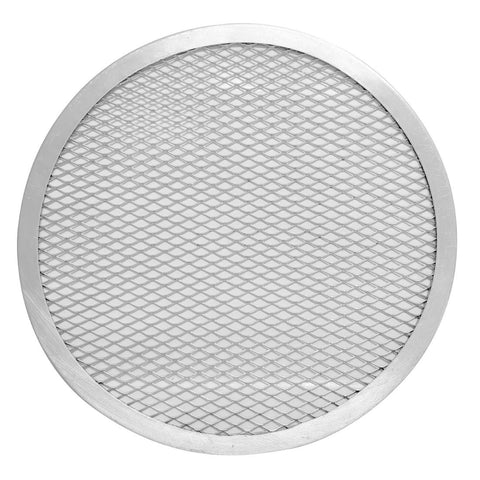

 Vogue Aluminium Perforated Pizza Tray 230mm - HZ490
230(W) x 27(H) x 230(D)mm
 Vogue Aluminium Pizza Tray Wide Rim 405mm - GE200
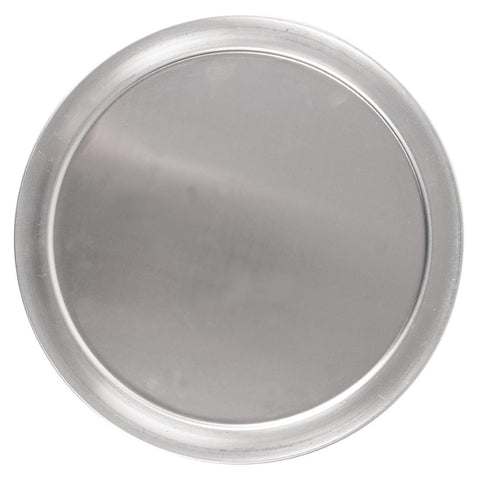
 Vogue Aluminium Pizza Tray 305mm - F008
305(W) x 8(H) x 305(D)mm
 ICE Perforated Pizza Tray - PTG0133
600(W) x 100(H) x 400(D)mm
 ICE 70mm Deep Pizza Tray - PTG0070
600(W) x 70(H) x 400(D)mm
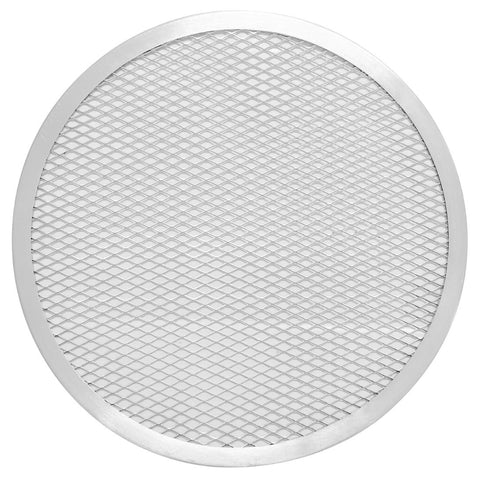
 Vogue Aluminium Perforated Pizza Tray 254mm - HZ491
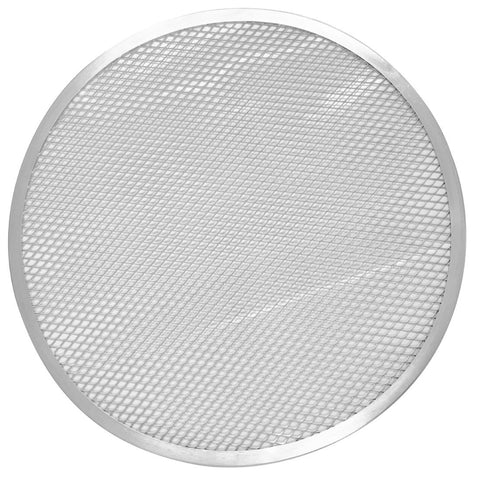
 Vogue Aluminium Perforated Pizza Tray 355mm - HZ493
355(W) x 27(H) x 355(D)mm
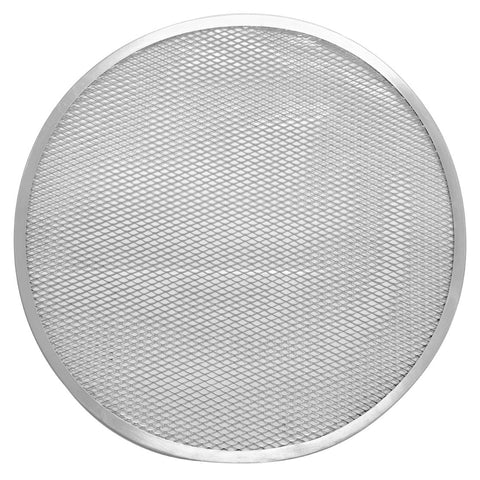
 Vogue Aluminium Perforated Pizza Tray 405mm - HZ494
405(W) x 27(H) x 405(D)mm
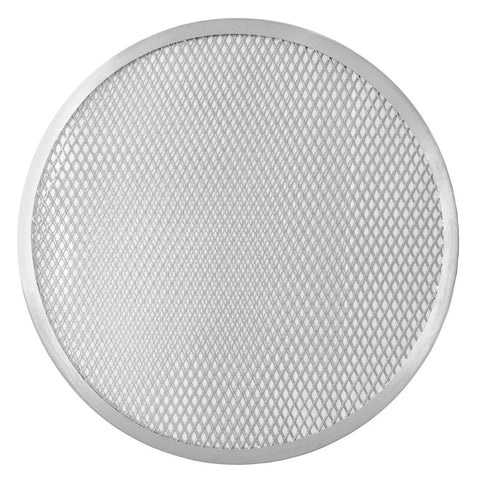
 Vogue Aluminium Pizza Screen 305mm - HZ492
305(W) x 305(H) x 27(D)mm
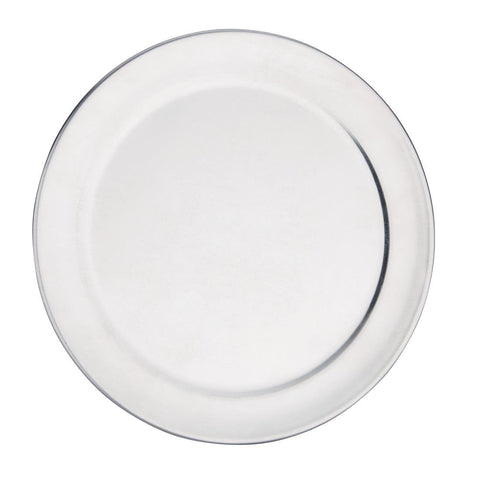
 Vogue Aluminium Pizza Tray Wide Rim 205mm - GE196
200(W) x 29(H) x 29(D)mm
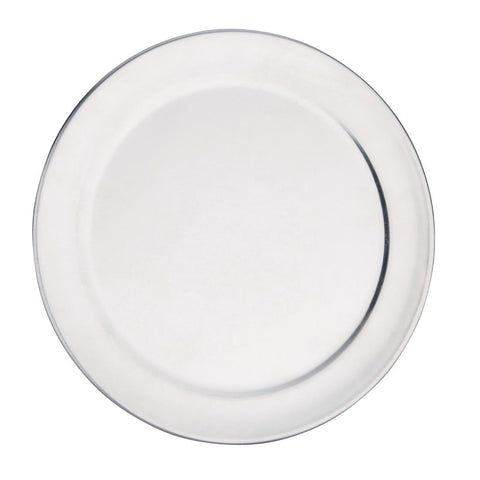
 Vogue Aluminium Pizza Tray Wide Rim 255mm - GE197
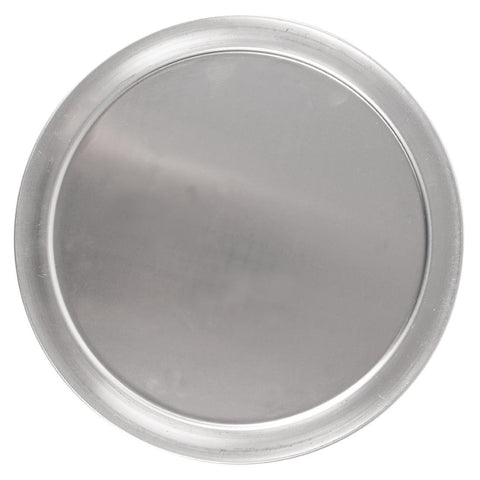
 Vogue Aluminium Pizza Tray Wide Rim 355mm - F009
Commercial pizza trays are what the base is made up on and baked on, and the type you use changes how crisp it comes out. The range covers solid pans, perforated screens, mesh discs and separate commercial pizza dough trays for proving. It sits inside pizza shop equipment alongside pizza utensils.
The choice between a solid pan and a screen is a cooking decision, not a price one. A solid pan holds oil against the base and gives a fried, deep-pan result. A screen lets heat reach the dough directly and gives a crisper, drier base. Professional pizza pans in both styles are stocked in the standard diameters, stated on each product page.
Commercial pizza pans are also what the kitchen runs out of first. A shop needs enough to cover the busiest hour plus whatever is sitting in the wash, which is almost always more than the first order, so you can start with the sizes that need covering now and add more as your business grows. The same applies to a professional pizza tray used for proving: dough tied up in trays is dough that cannot be pressed.
Tell us your base sizes, your oven and the pizzas you make in a peak hour and get a quote on the right quantity and mix. The ovens they go into are commercial pizza deck ovens and commercial conveyor pizza ovens.
A solid pan for deep-pan and pan-style pizza, where oil in the pan is part of the recipe. A perforated screen for a crisp thin base, because the heat gets to the dough and the moisture gets out. A mesh disc for finishing and reheating, where you want maximum airflow underneath.
Plenty of shops use two of the three: screens for the main menu, pans for a pan-style product. Decide by the base you sell rather than by what is cheapest per unit.
Enough for the busiest hour, plus the ones in the wash, plus a margin for the ones that get bent or disappear. Most shops first order about half of what they end up needing.
Count the pizzas in your peak hour and how long a tray is out of circulation between coming out of the oven and being back on the shelf. That second number is the one that surprises people.
The sizes you sell, and no more. Every extra diameter means another set of trays, another rack position and another chance someone grabs the wrong one mid-rush. Two sizes well stocked beats four sizes half stocked.
Check the diameter against the usable deck or belt width of your oven before you buy, especially if you are adding a larger size to the menu. Deck and belt dimensions are on the oven product pages in commercial pizza deck ovens.
Aluminium is the common material for pans and screens: it heats quickly, is light to handle and does not rust. Coated and anodised finishes release better and stain less. Blue steel and heavier gauges hold heat longer, which suits a pan-style product.
Gauge matters more than most people think. A thin pan warps after a season in a hot deck, and a warped pan cooks unevenly from then on. What each product is made from is on its own page.
Follow the maker's instructions for the specific product, because a coated pan and a bare aluminium pan want opposite treatment. Bare pans and screens generally build up a seasoning with use and are better off not scrubbed back to bare metal every night.
Do not put a seasoned screen through a hot wash cycle if the instructions say otherwise, and dry everything before stacking. The cleaning range is cooking equipment cleaners and the wash gear is dishwashing accessories.
Proving and holding dough balls in the fridge until they are needed, in a stackable tray with a lid so the dough does not skin over. A shop running a long cold ferment lives out of these, and the number of trays sets how much dough can be in the pipeline at once.
They need cold storage sized to hold them, which usually means dedicated space rather than squeezing them into the prep fridge. See commercial pizza prep fridges and commercial upright fridges, and food storage for the lids and containers around them.
On a rack or trolley next to the make-up bench, sorted by size, at a height someone can reach without looking. Trays stacked on a bench get knocked, bent and lost, and a bent tray is thrown out rather than straightened.
A mobile rack also means the clean trays can be wheeled from the wash straight back to the line. Racks and trolleys are in racking trolleys and commercial stainless steel kitchen shelving.

We have a special page just for stock that's warehoused in Perth.
Click Here to see all WA stockWhat our customers say about us on Google, and how Google scores our store for things like shipping and returns.
Store scores from Google