


 03 9070 5784
 Help & Support
 Track My Order



Recently Viewed


 Robot Coupe R 2 - Cutter Mixer - 2.9Ltr Stainless Bowl - T226


 Hallde Vegetable Preparation Machine RG-100 - RG-100
215(W) X 295(D) X 495(H)mm

 Hallde Grater/Shredder 8 mm RB-HA83214 - HA83214
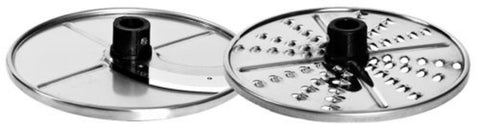


 Apuro Multi Function Food Processor 3Ltr - CK164-A


 Rowlett Hand Mixer - CU743-A
83(W) x 190(H) x 150(D)mm


 Yasaki Double Speeds Bowl Cutter 12l BC-12V2
376(W) x 315(D) x 623(H)mm
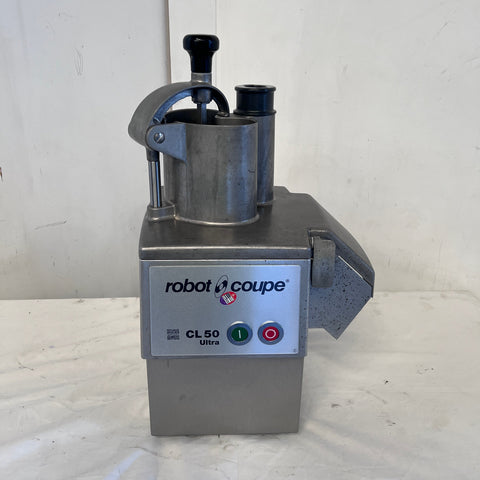
 Robot Coupe CL 50 E ULTRA Food Processor - 858736
390W x 340D x 590Hmm
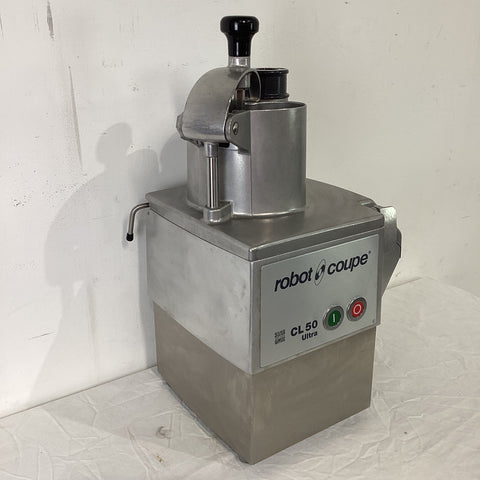
 Robot Coupe CL50 E Ultra Veg Prep Machine - 852116
350W x 300D x 590Hmm


 Blast ST1222 Blender - 916944
270W x 225D x 475Hmm
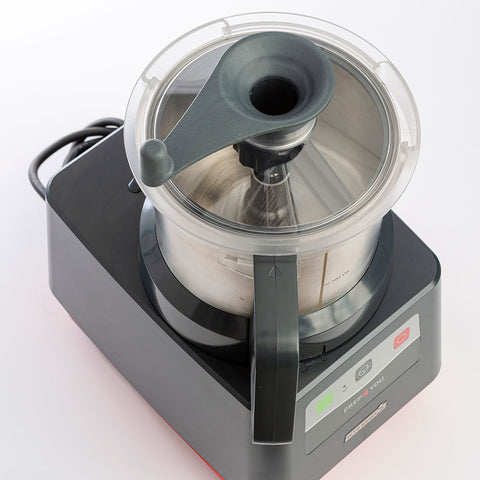

 Dito Sama Prep4You Cutter Mixer Food Processor 1 Speed 2.6L Stainless Steel Bowl P4U-PS2S
247(W) x 328(D) x 456(H)mm
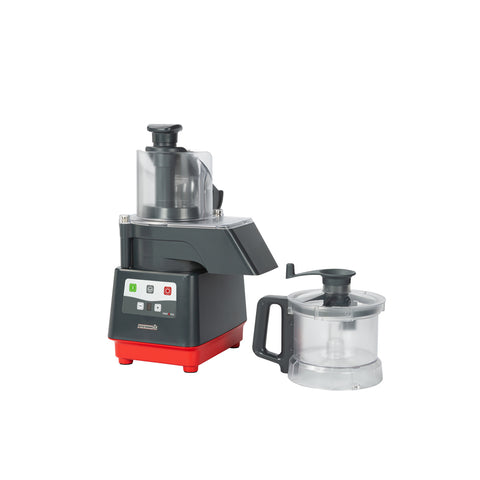
 Dito Sama Prep4You Combination Cutter/Slicer 9 Speeds 2.6L Copolyester Bowl - P4U-PV201
247(W) x 328(D) x 527(H)mm
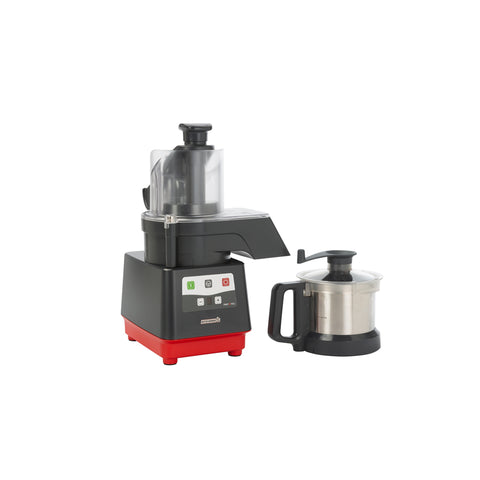
 Dito Sama Prep4You Combination Cutter/Slicer 9 Speeds 2.6L Stainless Steel Bowl - P4U-PV201S
348(W) x 328(D) x 527(H)mm
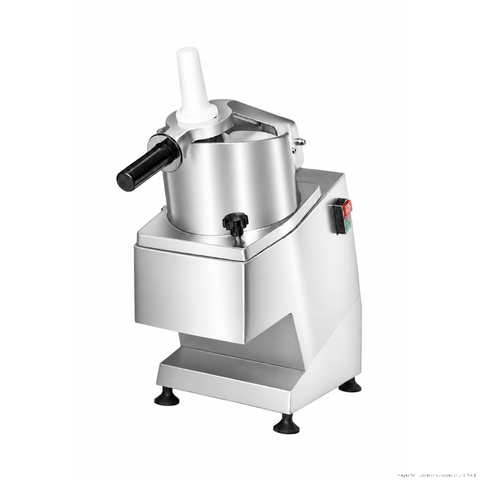
 Yasaki 300kg/h Heavy Duty Vegetable Cutter with 5 Discs - HLVC300-AL
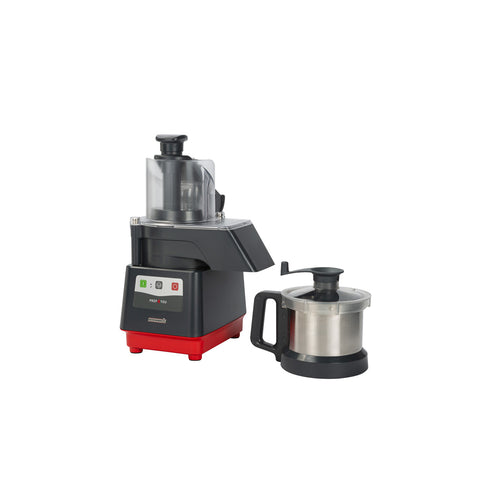
 Dito Sama Prep4You Combination Cutter/Slicer 1 Speed 2.6L Stainless Steel Bowl - P4U-PS201S
348(W) x 328(D) x 527(H)mm
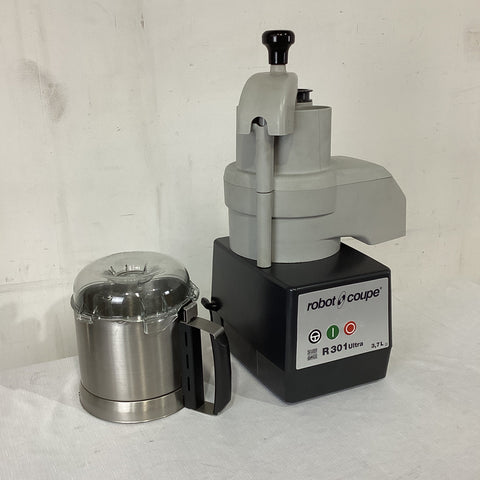
 Robot Coupe R301ULTRA Food Processor - 869689
325W x 300D x 560Hmm
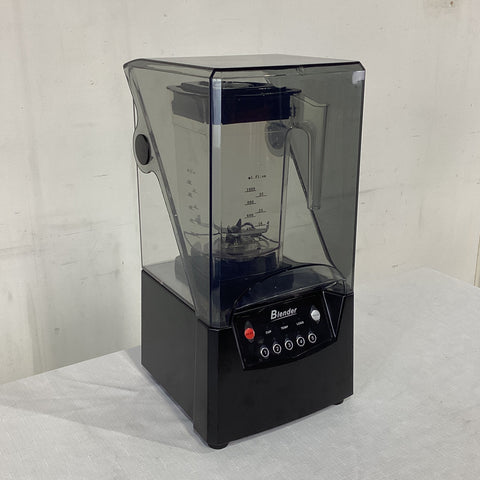
 Blast ST1222 Blender - 874612
230W x 250D x 460Hmm
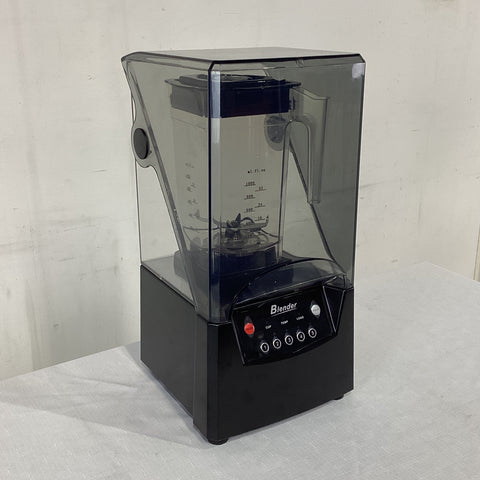
 Blast ST1222 Blender - 874611
230W x 250D x 460Hmm
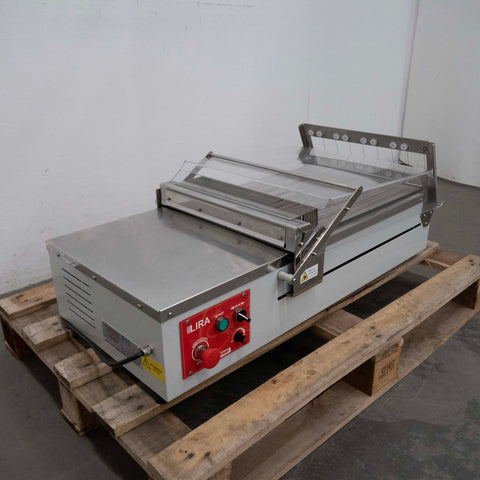

 Lira LIRA/E Automatic Cutter - 829095
515W x 1020D x 350Hmm

 Blast ST1222 Blender - 858131
230W x 250D x 460Hmm

 Robot Coupe CL50E Veg Prep Machine - 866700
300W x 400D x 600Hmm
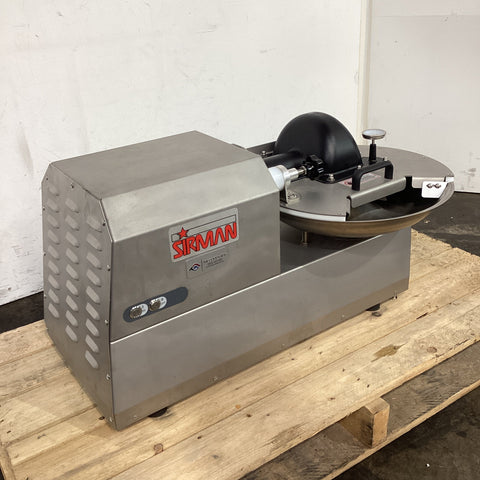

 Sirman Katana 6 Food Processor - 898820
800W x 500D x 400Hmm
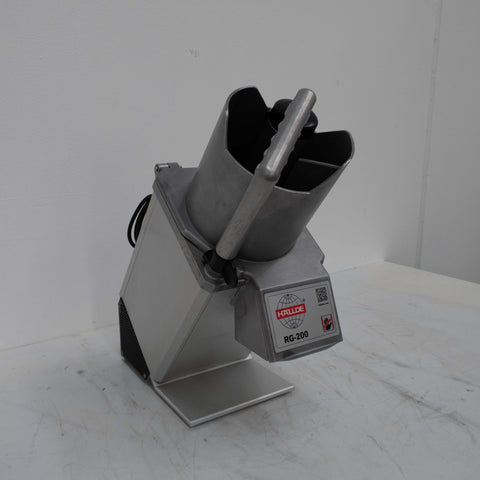
 Hallde RG-200 Food Processor - 797513
215W x 425D x 495Hmm

 Robot Coupe Blixer 15 E Food Processor/Bowl Cutter - 872084
450W x 530D x 710Hmm
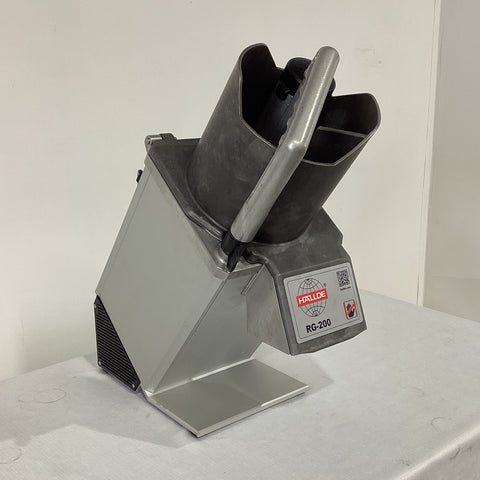
 Hallde RG-200 Food Processor + Blades - 944412
215W x 425D x 495Hmm

 Dynamic Electric Vegetable Slicer French Fries Set 8x8mm


 BakerMax 8 / 16 Slice Manual Pizza Cutter & Divider - PD-16
614(W) x 750(D) x 392(H)mm

 Robot Coupe CL50E Food Processor - 915399
395W x 370D x 770Hmm
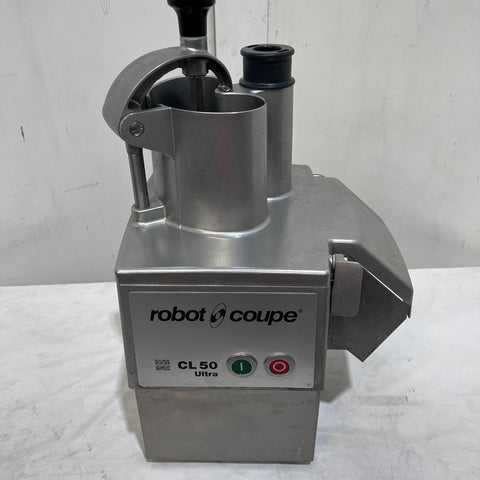
 Robot Coupe CL50 Ultra Veg Prep Machine + Slicer Disc - 938141
305W x 380D x 595Hmm
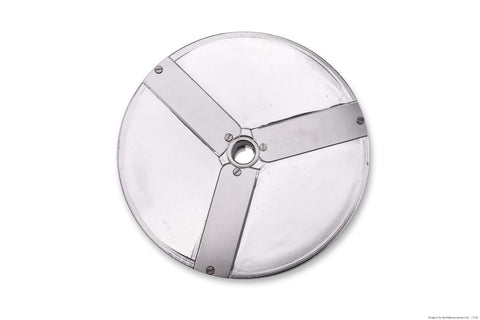

 VC Slicer Metal SA0
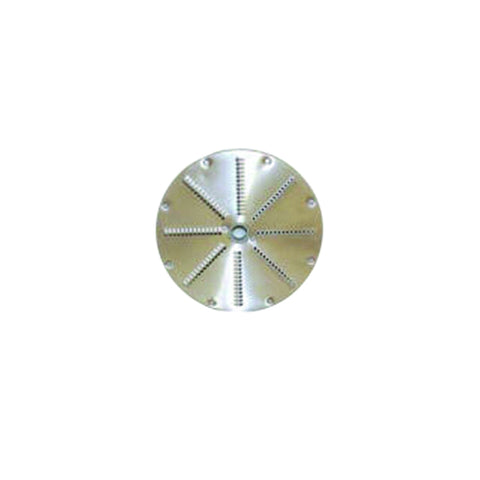
 VC Shredding Grater G0
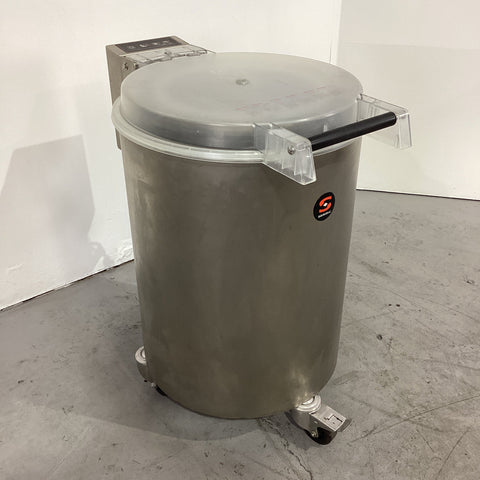

 Sammic ES-200 Salad Dryer - 841201
540W x 750D x 800Hmm

 Robot Coupe CL40 Food Processor - 872280
330W x 345D x 590Hmm


 Brice Chef300 Food Processor - 894752
235W x 520D x 470Hmm


 Waring WFP7NNA Food Processor - 872740
175W x 240D x 350Hmm
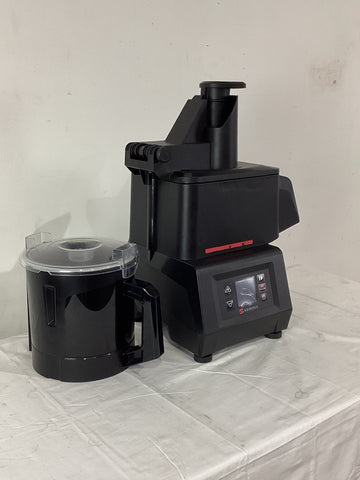
 Sammic CK-24V Food Processor - 828736
350W x 310D x 530Hmm

 Dito Sama DK26PAU Food Processor - 859771
250W x 300D x 460Hmm
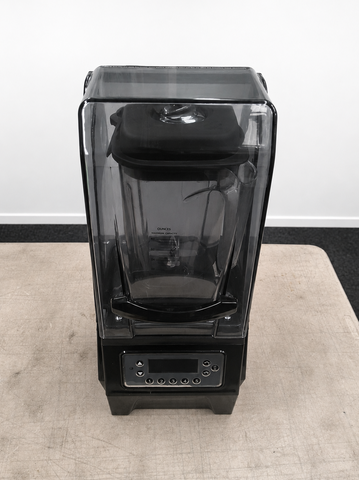
 Commercial Blender ST1222 Blender - 845111
270W x 225D x 475Hmm
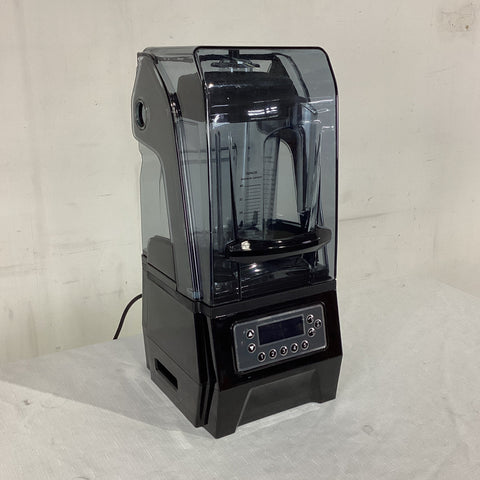
 Commercial Blender ST1222 Blender - 865754
230W x 250D x 480Hmm


 Taurus MyCook - MYT0001
395(W) x 475(H) x 190(D)mm

 Anvil Food Processor Pro - FPA0007
520(W) x 520(H) x 290(D)mm

 Tre Spade Electric Tomato Squeezer - TSE0004
330(W) x 300(H) x 580(D)mm
 Yasaki Crimping Slicing Blade - WA005

 Yasaki Slicer (Aluminium, Semi Circular) 10mm Single Blade - SS010
 Yasaki Slicer (Aluminium, semi circular) 4mm Single Blade - SS004
 Yasaki Slicer (Aluminium, semi circular) 2mm Single Blade - SS002
 Yasaki 4mm Slicer Poly Disc - Two Blade SP004
 Yasaki 2mm Slicer Poly Disc - Three Blade SP002
 Yasaki Slicers (Aluminium) 14mm Single blade - SA014
 Yasaki 8mm Slicer Metal - Single SA008
Yasaki 10mm Slicer Metal - Single SA010
A commercial food processor chops, shreds, dices and purees in a fraction of the time it takes by hand. The range here covers bowl cutters, continuous feed models, cheese graters, potato chip cutters and high-powered pasta machines that roll fresh pasta from scratch. We ship these kitchen appliances anywhere in Australia.
Commercial food processors here include small bowl cutters for a cafe bench up to high-capacity machines for a production kitchen, so you can buy the size that suits your business at its current size, then size up as your business grows.
Not sure which option suits your venue? Request a callback and we will help you choose. Related ranges: commercial food processors and cutters.
VC and Matador are the two that move most. Both cover the full range of food processing, including bone saws and meat slicers.
It is built to run all shift. A commercial food processor is bigger, faster and takes far more volume than a domestic model, and it will run most of the day without overheating or slowing down. A home machine will not last a week on a busy line.
Start with the job. Some models chop, dice and grate; others are dedicated pasta makers. Pick the one that does what you do most.
Then measure your bench and check it against the footprint on the product page. Bowl sizes run from 2 litres up to 4 litres and beyond, but a bigger bowl is not automatically better. If the machine only runs for twenty minutes a shift, the small one will do.
After that, look at the attachments. Extra blades for grating and pureeing make one machine cover more jobs, and that is usually worth paying for.
Last, look at how it is built and how easily it comes apart. We would go for high-grade 304 stainless steel, with blades and bowls you can pull out and wash properly. Check it has an emergency stop button.
Yes. These machines are built for high volume and made from heavier materials than a domestic model. They will run every day, and most come with a long warranty if something does go wrong.
Prices run a long way. Small bowl cutters, cheese graters and potato chip cutters start around $230 and run up to $2,600. The big high-capacity machines start around $6,300 and go up to $48,000.
Not much. Power draw varies by model, but it is low for the amount of food these machines get through, and they only run for part of the shift.
Yes, the larger ones get through a lot. Some of the big pasta machines turn out up to 5000 portions a day, which suits an Italian kitchen and pairs with pasta cookers. Vegetable cutters manage up to 3000 cuts a minute.
The limit on a batch machine is the bowl, and someone has to stand there and empty it. A continuous feed model keeps going on its own, so that is the one for long prep runs.
It depends on the model and the brand, and each one comes with its own instructions for assembly and care. The routine is the same though. Switch it off at the wall and wait until everything has stopped moving. Pull off every part that comes off and wash it in the sink in hot soapy water. Wipe down the body where food has splashed. Dry it all properly, then put it back together before it goes away.
Yes. Plenty of models dice, grate, puree and blend, which cuts down the number of appliances on the bench and the hours spent chopping. Pizza toppings, or salad to go straight into a salad bar fridge — one machine covers both.
You will see industrial food processor, professional food processor, restaurant food processor, commercial kitchen food processor and professional kitchen food processor used for the same kind of equipment. The name changes with the supplier and the region, not the job it does. Compare models on capacity, construction and the specification on each product page, and check the full commercial food processors range to see every option side by side.

We have a special page just for stock that's warehoused in Perth.
Click Here to see all WA stockWhat our customers say about us on Google, and how Google scores our store for things like shipping and returns.
Store scores from Google